International Pet Relocation from Vietnam
End-to-end relocation for dogs and cats from Ho Chi Minh City, Hanoi and Da Nang to 45+ countries — one package covering paperwork, procedures, vet care, the airline and the handover.
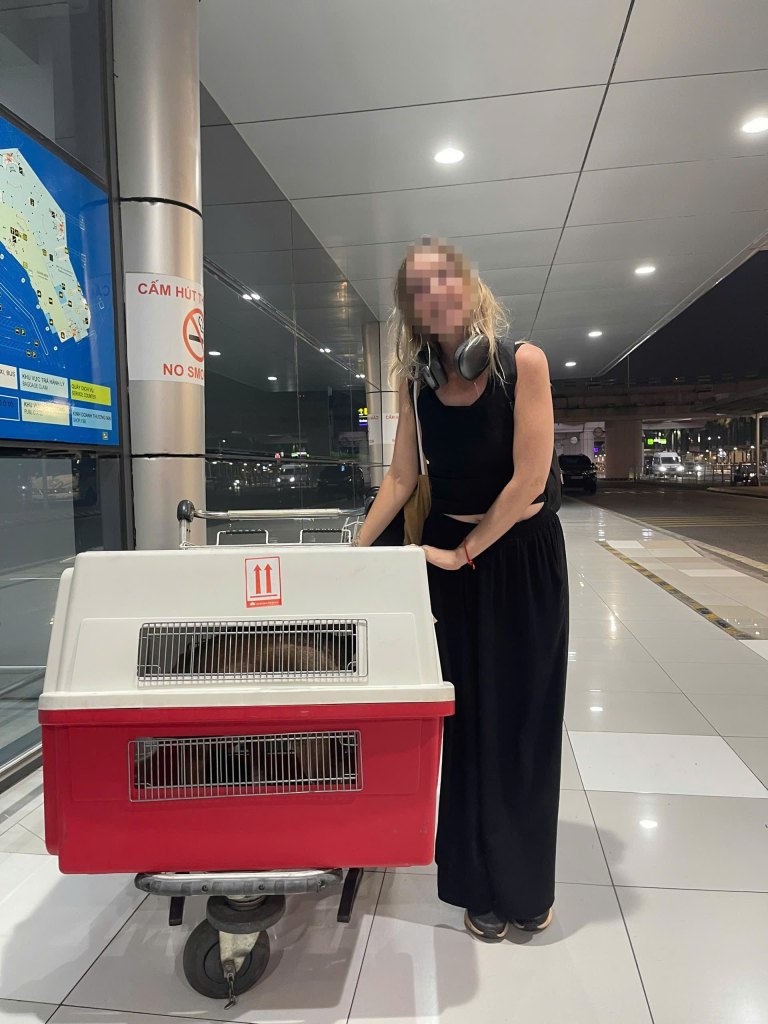
End-to-end relocation for dogs and cats from Ho Chi Minh City, Hanoi and Da Nang to 45+ countries — one package covering paperwork, procedures, vet care, the airline and the handover.

Most importing countries class Vietnam as high-risk for rabies, and that comes with strict import procedures.
The US, EU, UK, Japan and Australia all treat Vietnam as high-risk, so a Rabies Titer Test (RNATT) is usually required.
Every country has its own authority with specific documentation requirements — some must begin months before departure.
Breed bans, seasonal embargoes and IATA crate rules all affect which flight your pet can take.
Vaccines, blood draws, health certificates, and permits must be completed in a precise order within tight validity windows.
How a pet flies depends on its size and the airline’s policy.
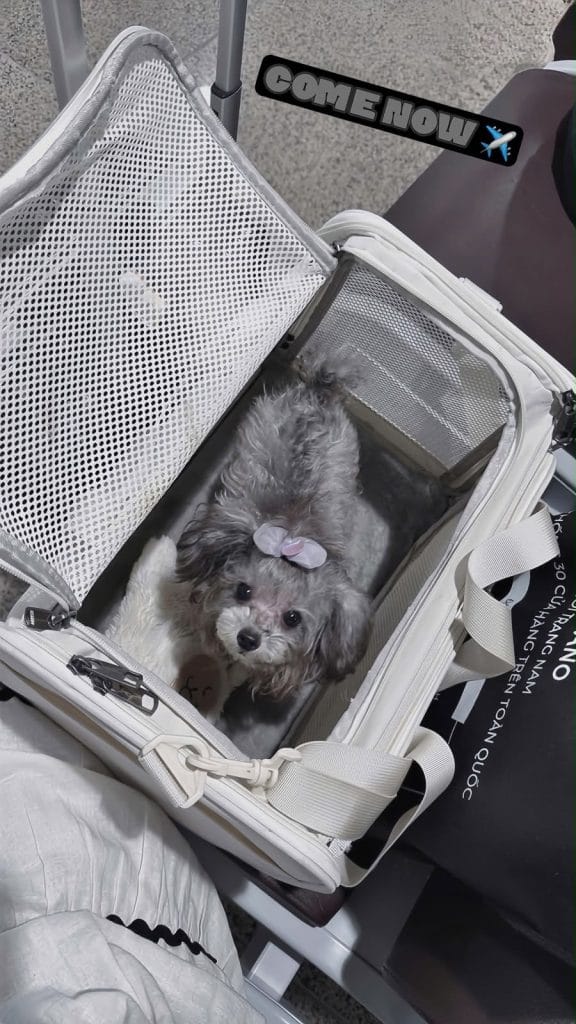
Travels in the cabin with the owner, in a soft-sided carrier under the seat.
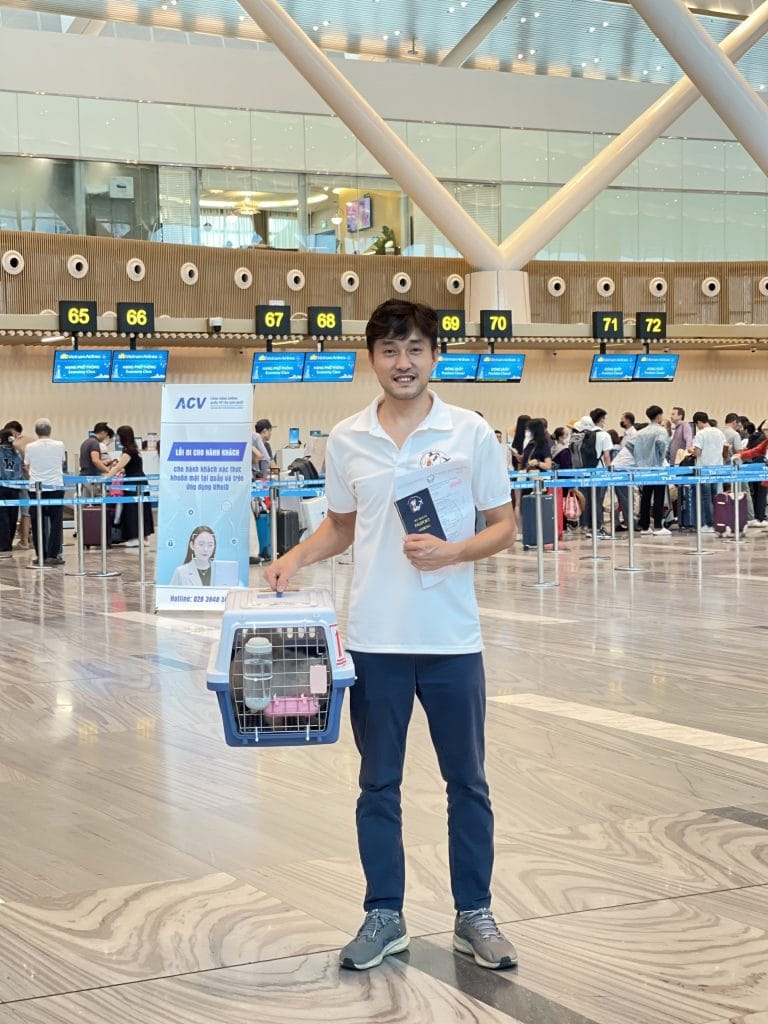
Flies on the same flight as the owner, in the temperature-controlled hold.
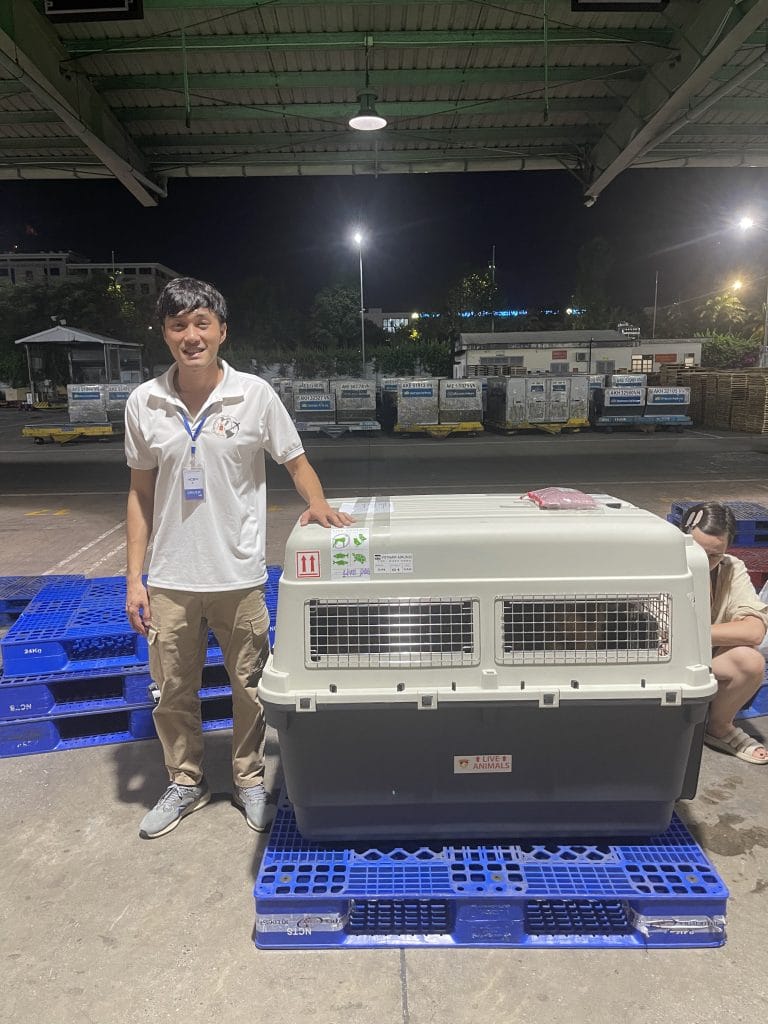
Does not fly with the owner, with fewer limits on weight and size.
Behind every flag is a journey we've made together — from Vietnam to 45+ countries around the world
Below are estimated costs, preparation lead times, and complexity ratings for major destinations from Vietnam.
Australia does not accept pets directly from Vietnam. They must first live 180 days in an approved country, which is why the timeline runs 12–18 months.
Each range runs from a small cat to a large dog. Full breakdown in our 2026 pet relocation cost guide.
The common mistakes that lead to a refused flight or a refused entry.
The microchip must be implanted before the rabies vaccine; a shot given before the chip is not recognised as valid.
For most destinations (EU, UK, US, South Korea) blood is drawn at least 30 days after the rabies vaccine; Japan requires two vaccines first. A sample taken too early is not accepted.
Each country sets a short validity window — 2 to 7 days for Singapore, 10 days to the date of entry for the EU and UK. A certificate issued outside this window is void.
Australia, Singapore, the UAE, Taiwan and Hong Kong require an import permit issued before travel; Japan requires an advance notification at least 40 days ahead. Without a valid import permit, entry is refused.
EU and UK: 3 months; Japan and Taiwan: 180 days — counted from the date the blood sample was taken, not the result date. One day short means quarantine or refusal on arrival.
Not all airlines accept live animals from Vietnam. Choosing a carrier without verifying live animal policies — including breed restrictions and seasonal embargoes — results in boarding refusal with no refund.
Every file is checked against our company working standards.
Photos and crate measurements are checked and calculated against the IATA standard before booking. Then, before the flight, our staff inspect the crate in person before it leaves for the airport.
Some countries allow an import permit to be issued on arrival, but the airline requires it before the flight. Where rules overlap, we follow the stricter one.
Health, medical history and temperament are assessed at our partner veterinary hospital (Belwee in Ho Chi Minh City) or our partner clinics in Hanoi and Da Nang. We only move pets a vet has confirmed fit to fly.
Delays and cancellations for reasons outside anyone’s control (weather, technical faults, conflict…) can always happen. We keep backup routing ready and care for the pet while it waits.
Two independent passes run over every case before anything is submitted.
The complete file goes through our internal checking system, which reads every field against the others: microchip number, implant date, rabies vaccination date, owner name, passport number, email, phone and destination address. Anything that disagrees is flagged to the case handler within minutes rather than discovered on the day of the flight.
The system uses AI to stay accurate under heavy workloads and take pressure off our staff.
Two members of staff then read the file themselves. One is the handler who built it. The second is someone who has not touched this case at all, brought in specifically because a person who has read a document five times stops seeing what is on it.
There are judgements a system cannot make — whether a clinic stamp will satisfy a particular authority, whether a route is worth the risk this month. That is what the second pass is for.
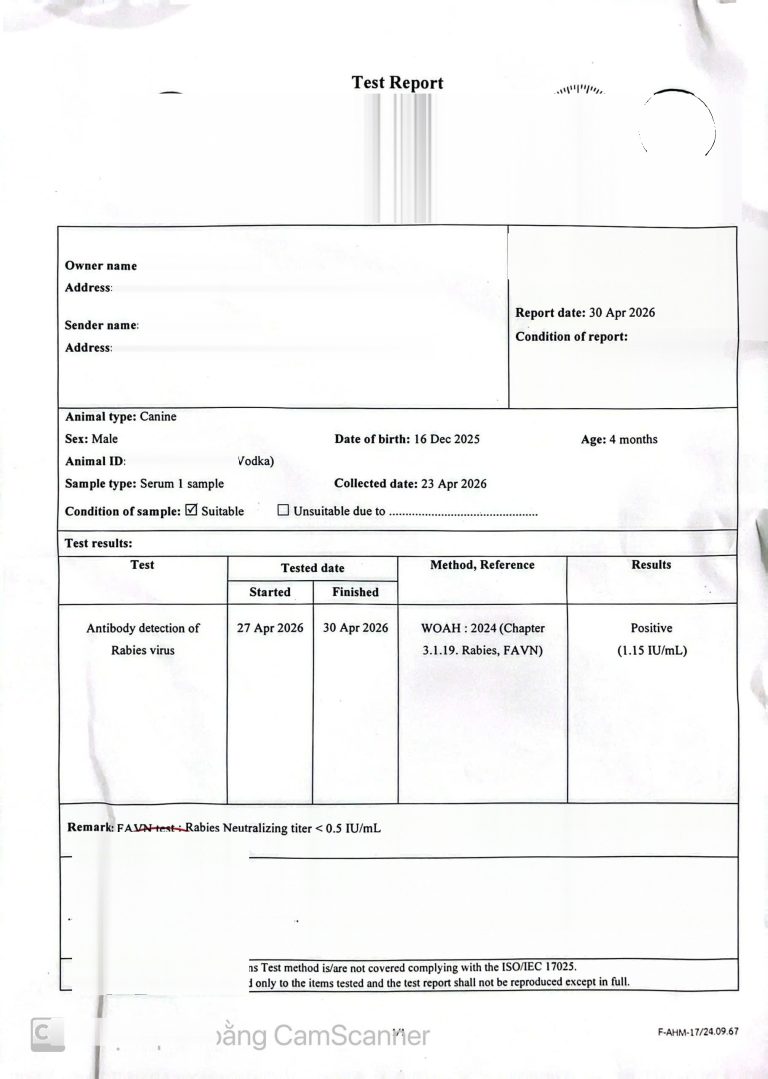
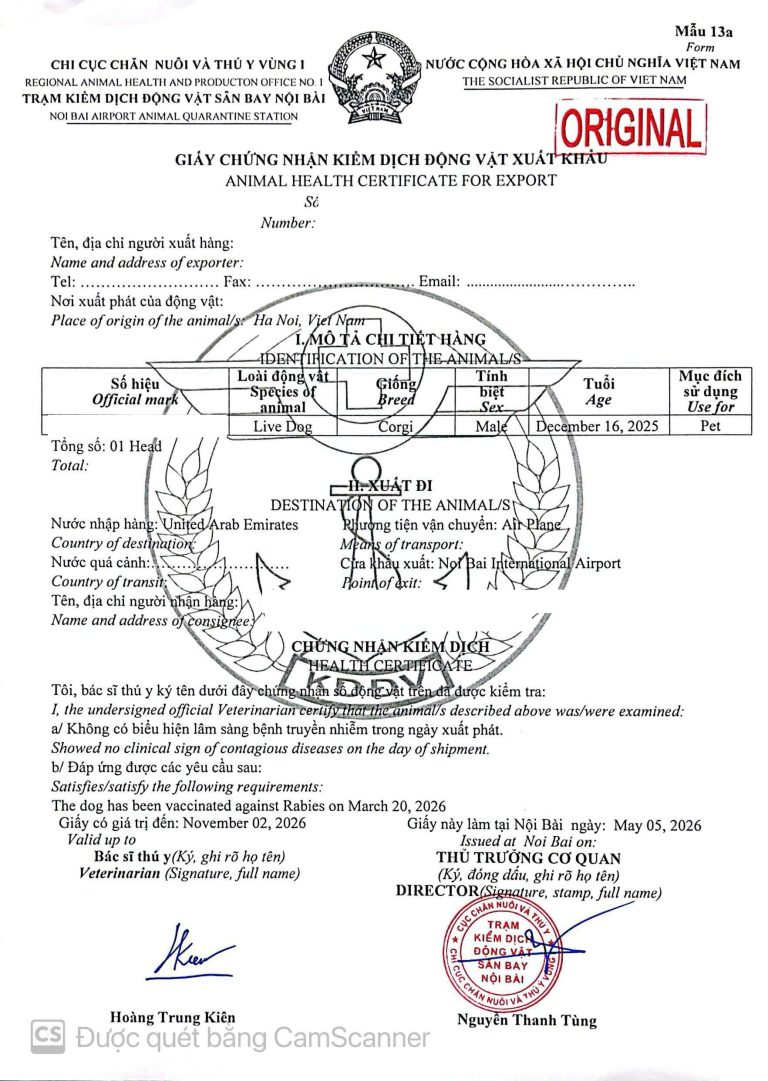
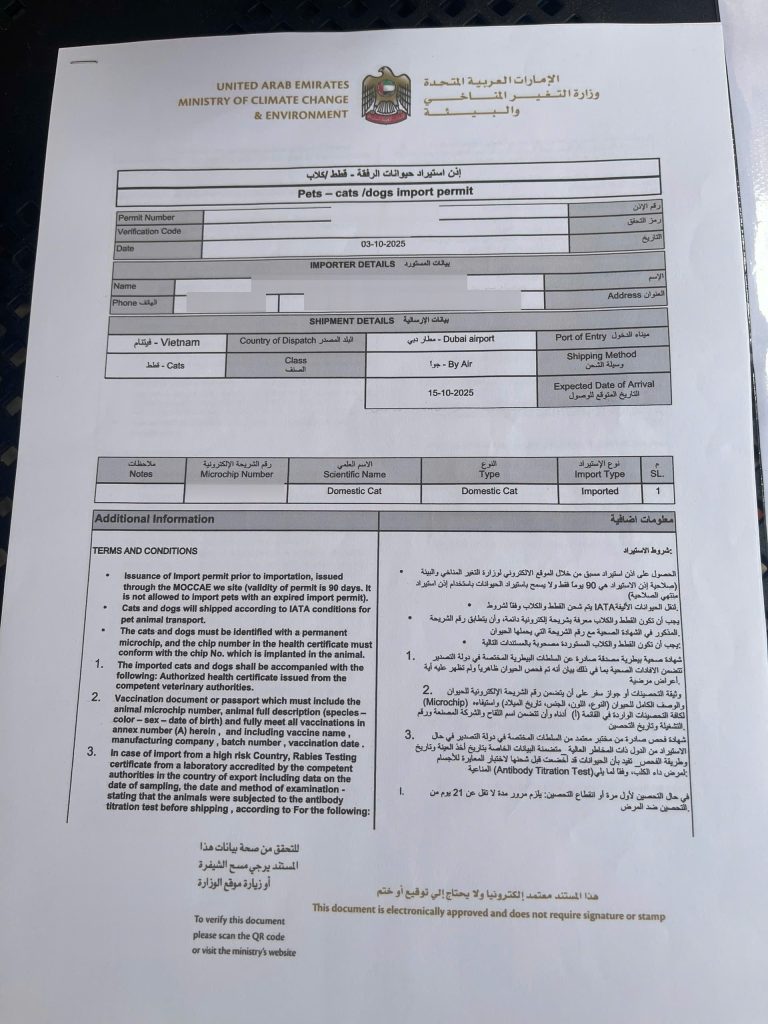
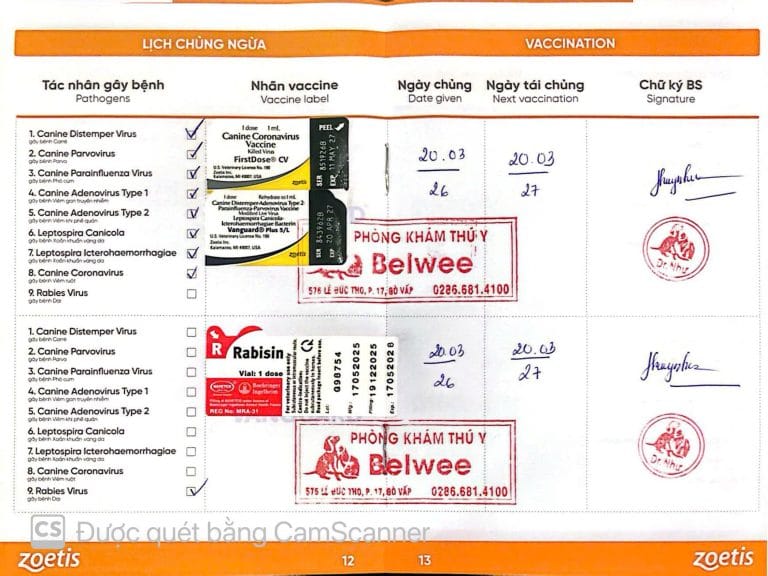
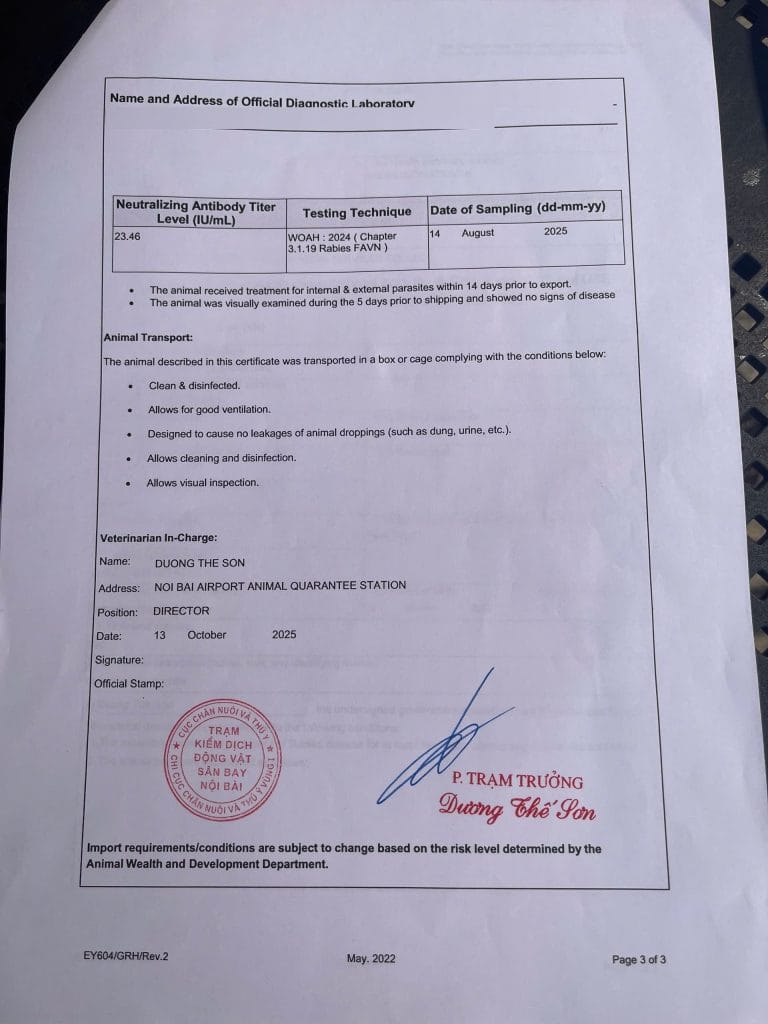
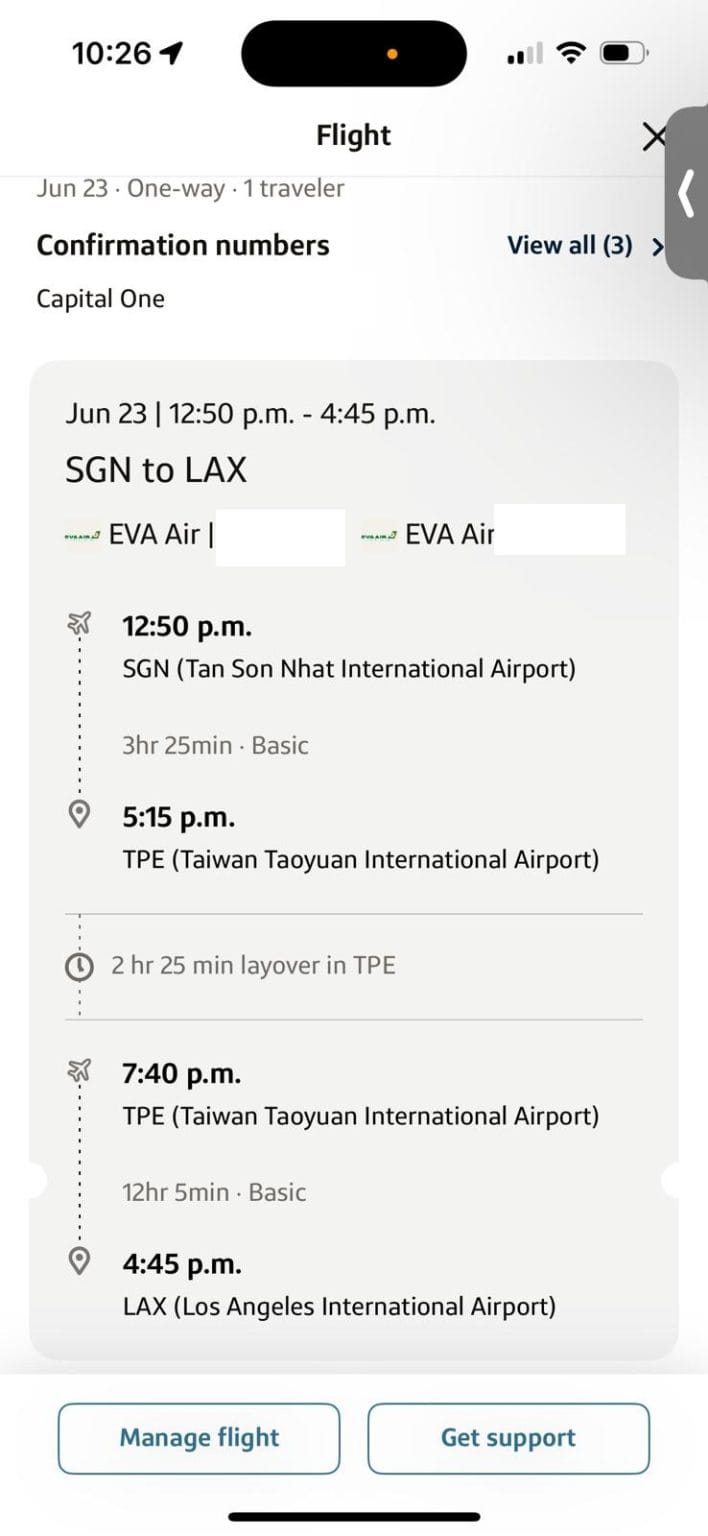
Actual certificates, permits, and bookings secured for our clients.


Animal health certificate for export — Form 13a


Every file above belongs to a real move. See the journeys behind them
Fit-to-Fly Screening runs in the first conversation. Declining then costs a phone call, not a cancelled move.
Restricted-breed lists are written airline by airline. Pit Bull types and Chow Chow appear on most lists; Rottweiler on some. Vietnam Airlines names four cat breeds outright — Burmese, Exotic, Himalayan, Persian.
A destination’s import ban and an airline’s carriage list are separate documents. French Bulldogs are not banned by common destinations, yet many airlines refuse this snub-nosed breed in the hold. Singapore, on the other hand, bans the Akita, so even if an airline would carry one, it cannot enter.
Eight weeks and weaned is the absolute floor; on most routes out of Vietnam the airline minimum is 10 to 16 weeks. Cabin allowances count pet and carrier together. Most carriers refuse pregnant animals.
IATA and IPATA both advise against sedation, and a pet known to be sedated can be refused at the counter. The answer to travel stress is getting your pet used to its crate.
From the first consultation to the handover at your destination — we handle the whole process to keep your pet safe and comfortable.
Tell us about your pet and destination. Our team will review your case and provide a clear, tailored quotation.