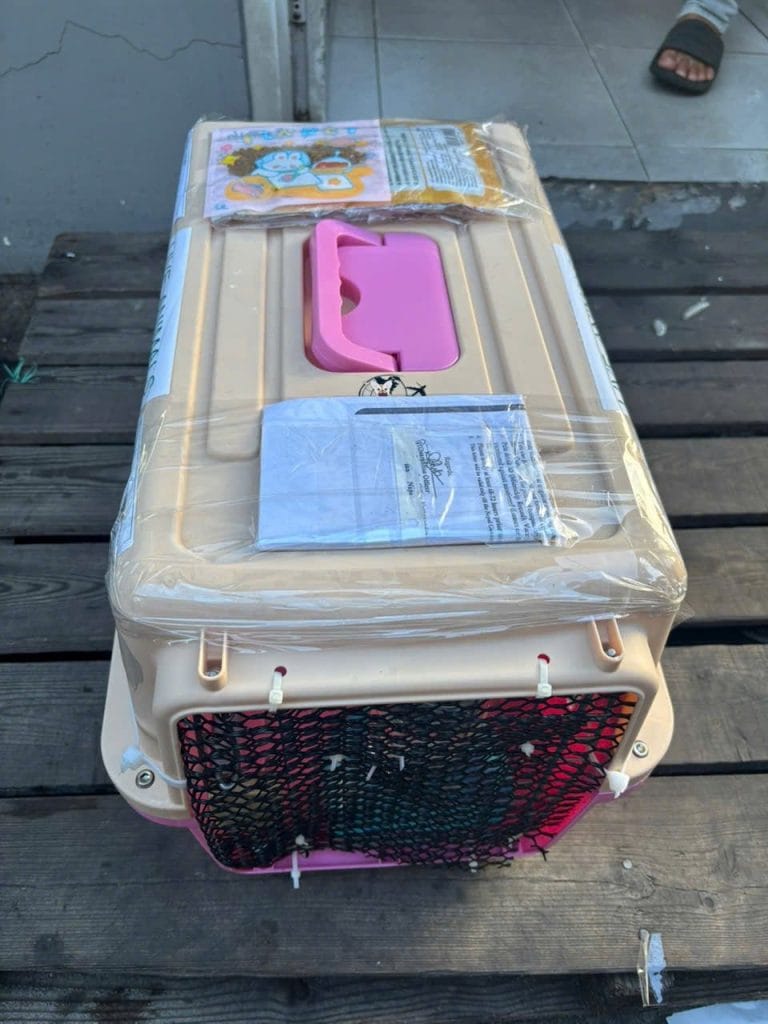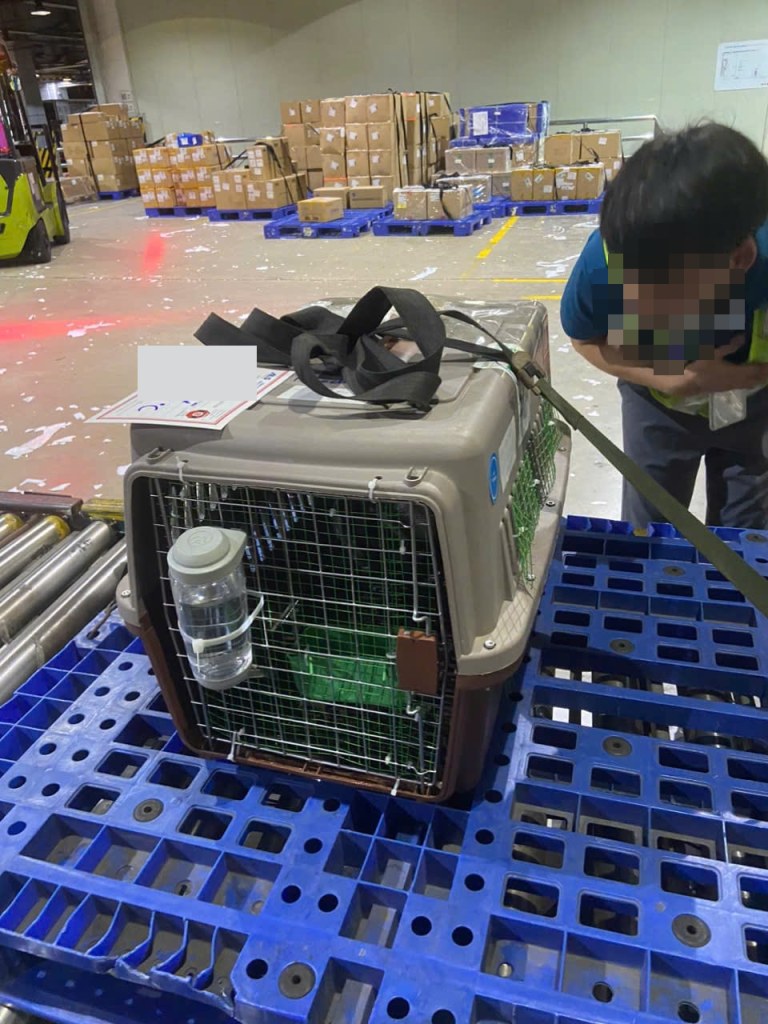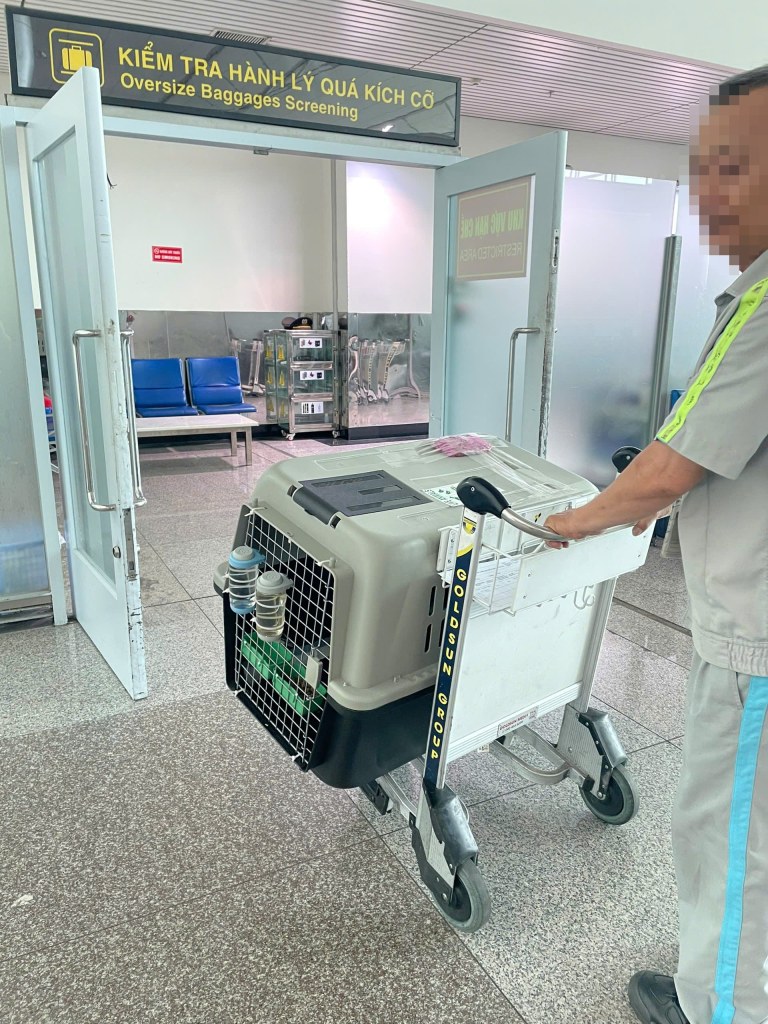
You’ve spent months preparing: vaccinations, Rabies Titer Test, Animal Health Certificate, IATA Crate — everything is ready. Then you arrive at the check-in counter or the cargo terminal, and the airline says “no.”
Yes, a pet can be refused by the airline on the day of departure, even with all documents previously approved. This is one of the most stressful scenarios in international pet transport. Understanding why it happens — and how to prevent it — is essential.
Why Airlines Have the Final Say
When you book a pet shipment, the airline provides conditional acceptance — not a guarantee. The final decision to accept a live animal is made on departure day. For cabin and checked baggage, it happens at the passenger check-in counter. For manifest cargo, it happens at the cargo terminal. Staff decide based on:
- The pet’s visible health condition at that moment.
- Real-time weather and temperature at origin, transit, and destination.
- The actual aircraft assigned to the flight (which may change).
- Cargo hold availability and operational constraints.
- The destination country’s entry documents. Check-in staff look these up in Timatic, the travel rules database airlines use.
Airlines are legally responsible for the welfare of any live animal they transport. If any condition poses a risk, they will refuse — and they are within their rights to do so.
The 7 Most Common Reasons for Day-of-Departure Refusal
| # | Reason | What Happens | How to Prevent It |
|---|---|---|---|
| 1 | Pet appears unwell | Airline staff observe signs of distress, lethargy, excessive panting, or visible illness | Vet check within 48 hours of departure; keep pet calm and hydrated |
| 2 | Temperature embargo | Ground temps exceed safe range (too hot or too cold) | Book flights during cooler hours; monitor weather forecasts. See: Temperature Restrictions |
| 3 | Aircraft change | Scheduled aircraft swapped for one with smaller/no live animal cargo space | Professional providers pre-confirm aircraft type and have backup flights ready |
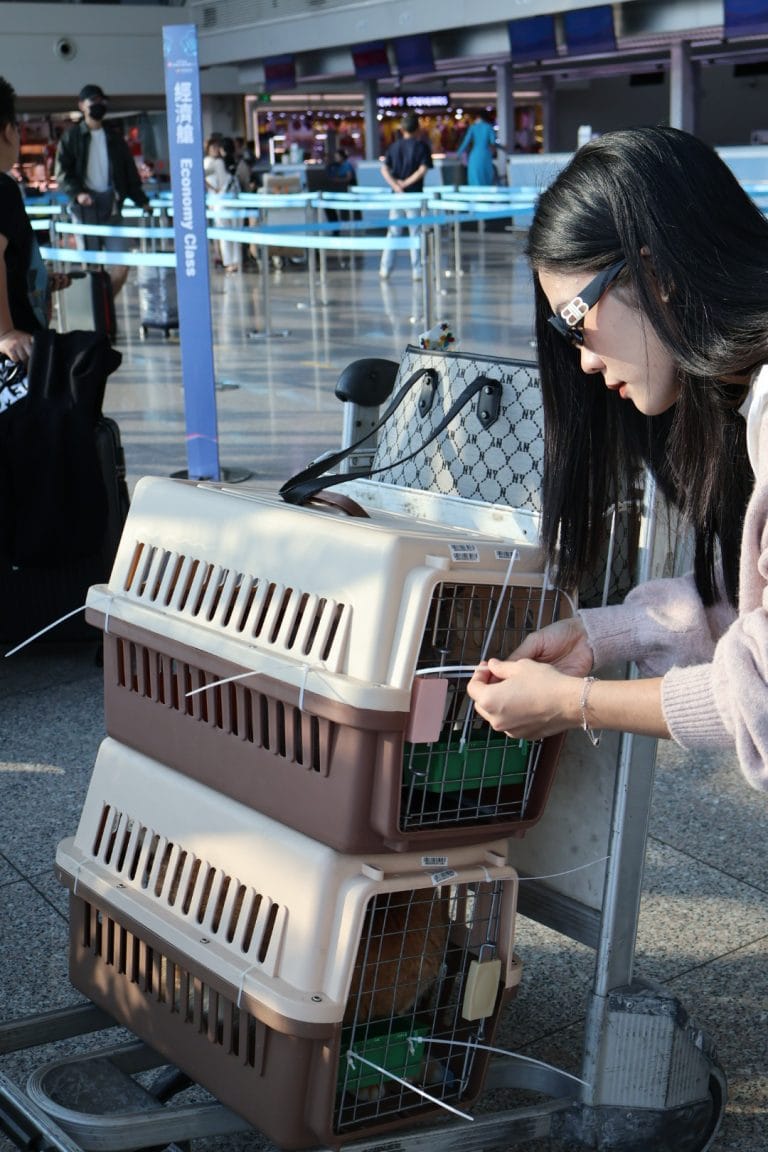
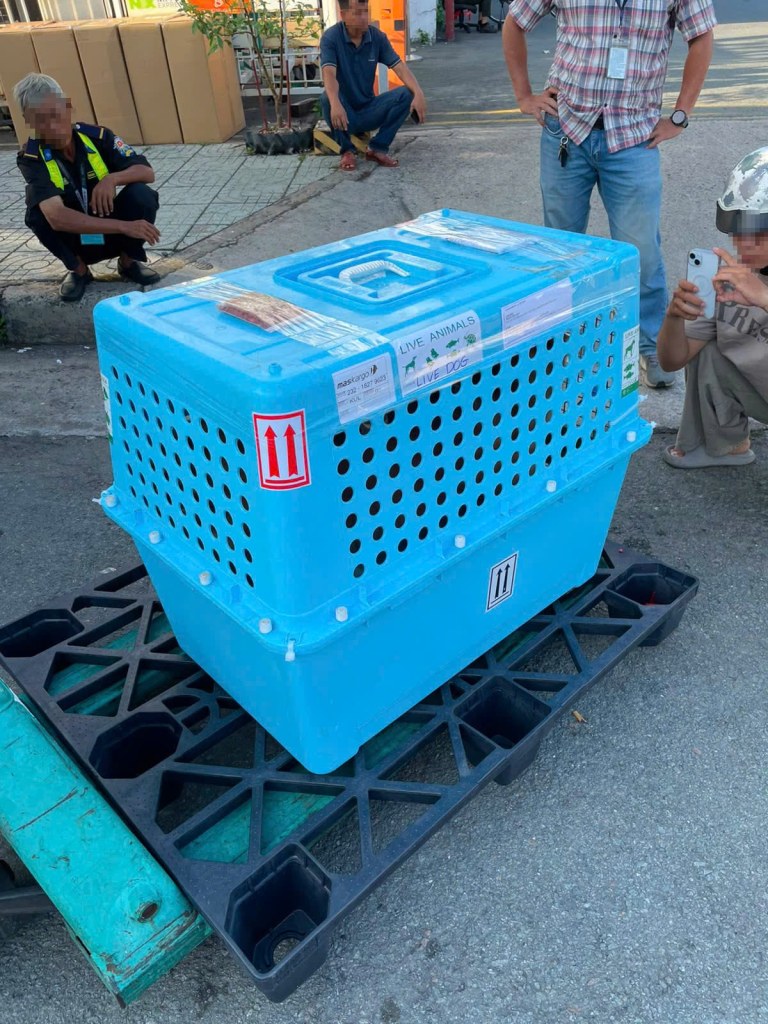
| 4 | Crate fails inspection | Crate damage, incorrect size, missing ventilation, broken zip ties or bolts | Use a verified IATA-Compliant Crate; inspect thoroughly before departure |
| 5 | Document issues | Health certificate expired, microchip mismatch, missing stamps, or no import permit for the destination | Triple-check all documents; ensure Pet Microchip matches all records; get any destination permit before the flight |
| 6 | Breed restriction | Airline classifies the pet as a restricted breed based on visual assessment | Pre-screen breed eligibility with the airline. See: Breed Restrictions for Flying Pets |
| 7 | Cargo space priority | Live animal space given to commercial freight or another shipment | Book early and ask the airline to confirm the pet’s space in writing |
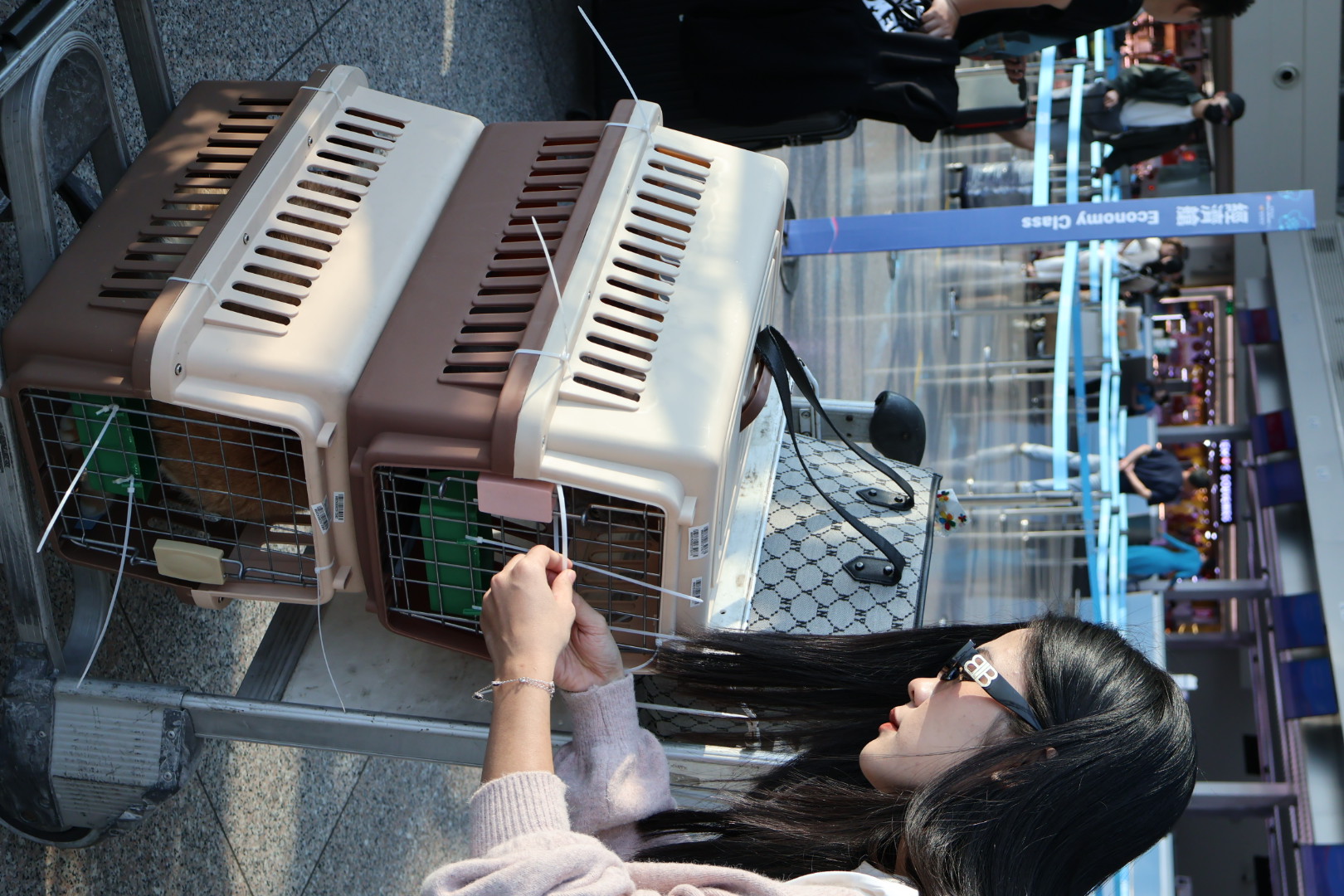
What Actually Happens When a Pet Is Refused
If the airline refuses your pet, the typical process is:
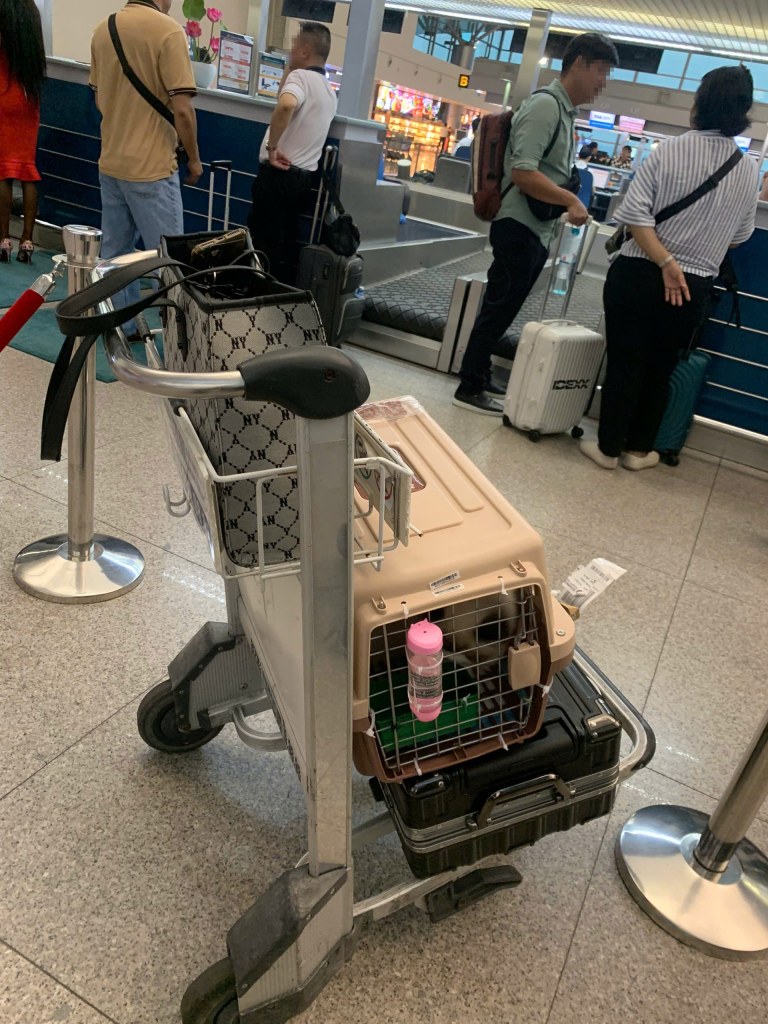
- Refusal notification: Staff tell you (or your transport provider) the specific reason. A pet refused at check-in is handed straight back to you at the counter.
- Issue resolution: Depending on the cause — crate repair/replacement, vet re-examination, or waiting for better weather.
- Rebooking: The airline may offer a later flight (same day or next available). Some airlines charge rebooking fees.
- Worst case: If the issue cannot be resolved quickly, the pet goes home and the entire process restarts.
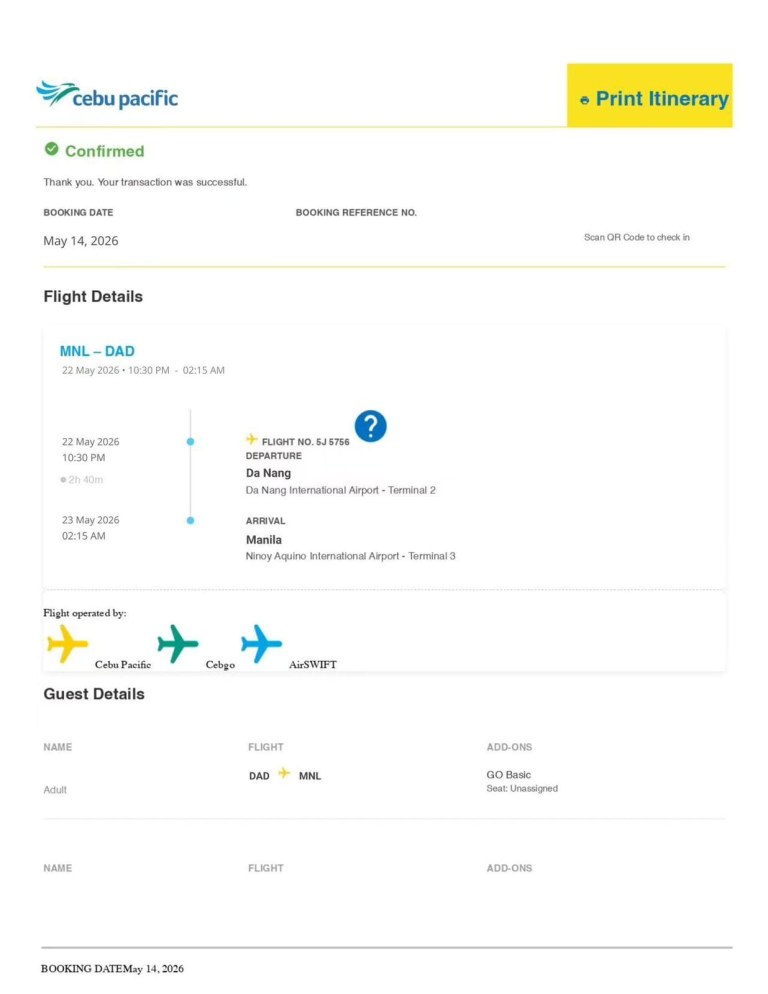
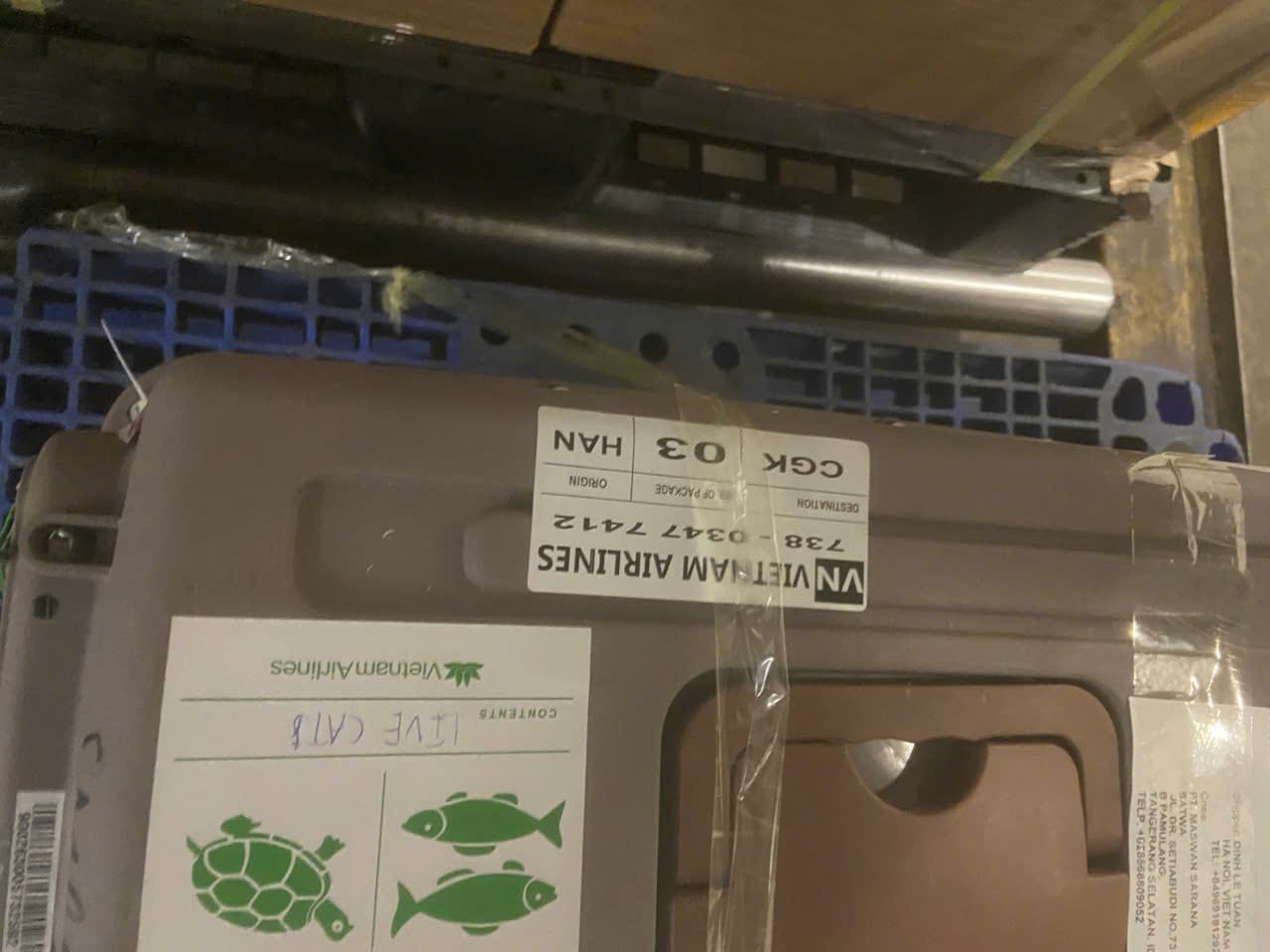
A case from 2026: In July 2026, a dog booked as checked baggage on a Vietnam Airlines flight from Da Nang to Bangkok was refused at check-in. The dog had no Thai import permit. The plan was to obtain it on arrival in Bangkok. The airline checked Timatic, which says Thailand’s permit must be issued 15 to 60 days before the pet enters. The owner flew that day, and the dog stayed in Vietnam.
Weather and aircraft changes also cause refusals. Still, a missing destination permit is the easiest cause to prevent, because it can be checked weeks before the flight.
The Hidden Cost of Refusal
Beyond the obvious stress, a refusal can trigger a cascade of problems:
- Health certificate expiration: Each destination sets how long the certificate stays valid. The EU, for example, accepts it for 10 days from the date it is issued. A longer delay means a new vet examination and a new certificate.
- Destination permit expiration: Some countries’ Import Permits have narrow validity windows.
- Arrival bookings: Some countries register the arrival date in advance. Japan needs notice at least 40 days before arrival, and Australia books a place at its quarantine station. A missed flight means changing these bookings with the authority.
- Additional fees: Rebooking, re-examination, storage, and potential crate replacement.
How Professional Providers Prevent Refusals
Most refusals can be prevented before the airport. These are the checks that do it:
- Pre-flight weather monitoring: 72-hour temperature tracking at origin, transit, and destination. If an embargo is likely, they rebook proactively — before you arrive at the airport.
- Aircraft type confirmation: They verify the actual aircraft (not just the flight number) 24–48 hours before departure to ensure live animal capacity.
- Crate pre-inspection: A detailed crate check 24 hours before departure — not at the airport counter.
- Document audit: Every single page, stamp, date, and microchip number is cross-referenced before departure day.
- Destination permits: Import and transit permits are issued before the flight is booked, then checked against the airline’s own requirements.
- Backup flights: A pre-identified alternative flight is ready to go if the primary is disrupted.
Can You Get a Refund If the Airline Refuses Your Pet?
This depends entirely on the airline’s policy and the reason for refusal:
- Weather, aircraft or space: These causes sit with the airline. Its own conditions decide whether you get a free rebooking or a refund.
- Pet, crate or documents: These causes sit with the owner. Expect rebooking costs, and check the airline’s refund rules before you pay.
Always check the airline’s live animal transport terms and conditions before booking.
Last updated 17 Oct 2026
Compiled by our specialists from the regulations in force on the date above, for reference only. Rules may change after this date. Please verify with the competent authorities or contact us for the most accurate information.