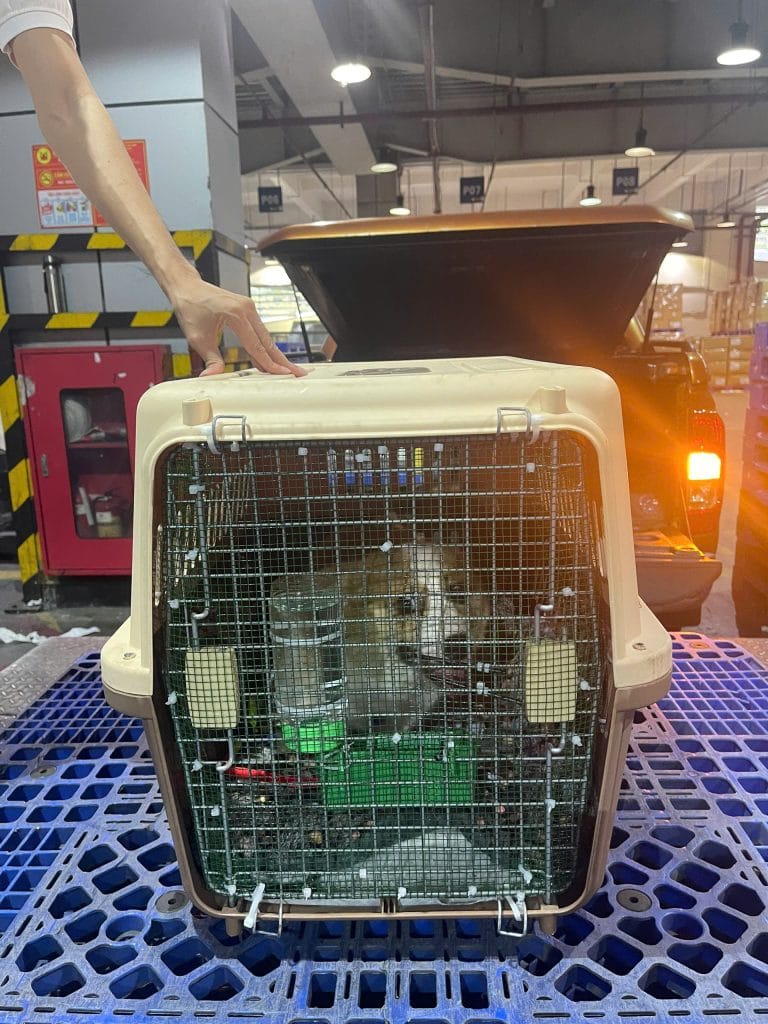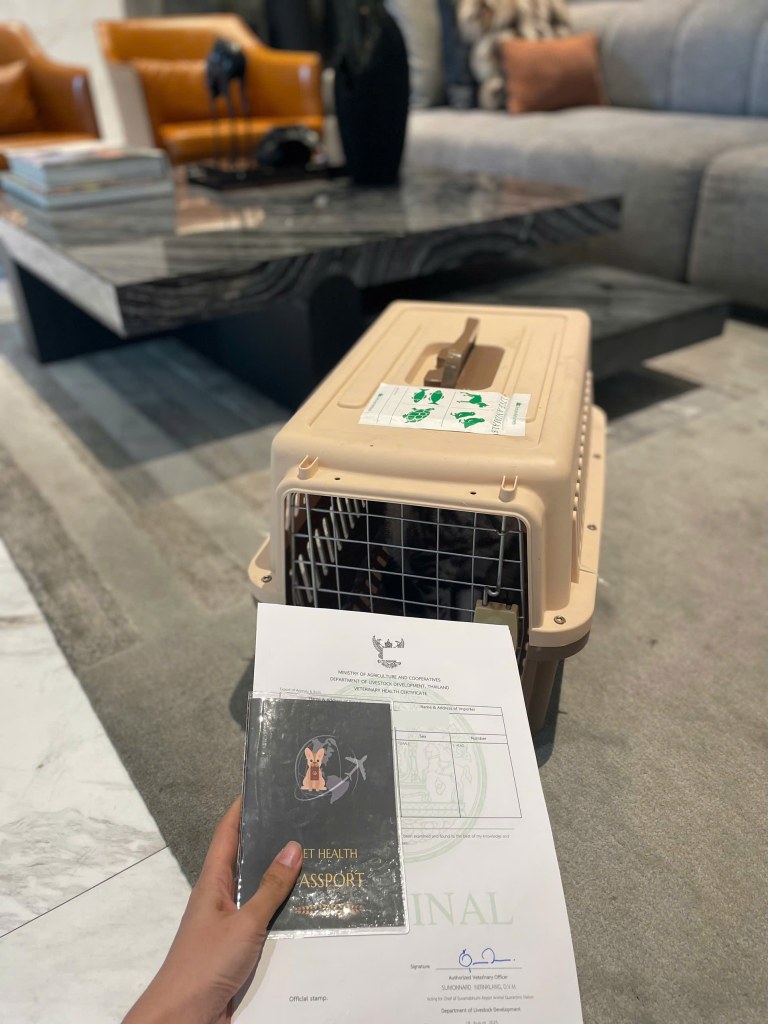
Most hidden costs in pet transportation are not secret fees. They are items outside the quote, such as the airline’s pet fee, the crate and arrival-side charges, or costs triggered by a delay. Ask for the “not included” list in writing, and the final bill rarely surprises you.
For context, 2026 quotes for pets leaving Vietnam run from about USD 350 to more than USD 16,000 per pet, and about USD 25,000 for Australia. The ranges by destination are in our pet transport prices from Vietnam.
Short Answer: Where Do Hidden Costs Come From?
- Items outside the quote: the airline’s pet fee, the crate, routine vaccinations and many arrival-side fees.
- Government fees at the destination: quarantine, inspection and release fees, set by each country.
- Costs caused by events: a delay, an expired permit, a failed titer test or a rejected crate.
- Quote terms: deposits and third-party costs that are not refunded.
- How to avoid them: compare quotes item by item and get every exclusion in writing.
Which Costs Are Usually Not Included in a Pet Transport Quote?
These items are left out of most quotes because they depend on your pet, your airline or your destination. They are listed here in the order you pay them.
- Routine vaccinations: paid to your vet before the paperwork starts, if the pet is not up to date.
- The IATA crate: about USD 100–300, depending on size.
- The airline’s pet fee: when the pet flies with you, you pay the airline at check-in. Vietnam Airlines estimates run about USD 150 for a pet in the hold and USD 320–350 in the cabin on regional routes.
- Arrival-side clearance: often excluded for the USA, the UK, Germany and Hong Kong. Where it was quoted in 2026, agent and clearance fees ran USD 900–3,000 per pet.
- US entry for dogs: a CDC-registered Animal Care Facility charges USD 1,500–2,000. Dogs that fly with their owners also pay an airport cargo-warehouse fee of USD 300–500.
- Vet care during quarantine: billed separately wherever quarantine applies.
Whether a company or the owner handles customs at the destination changes the quote a lot. See how pets are cleared and collected at the airport.
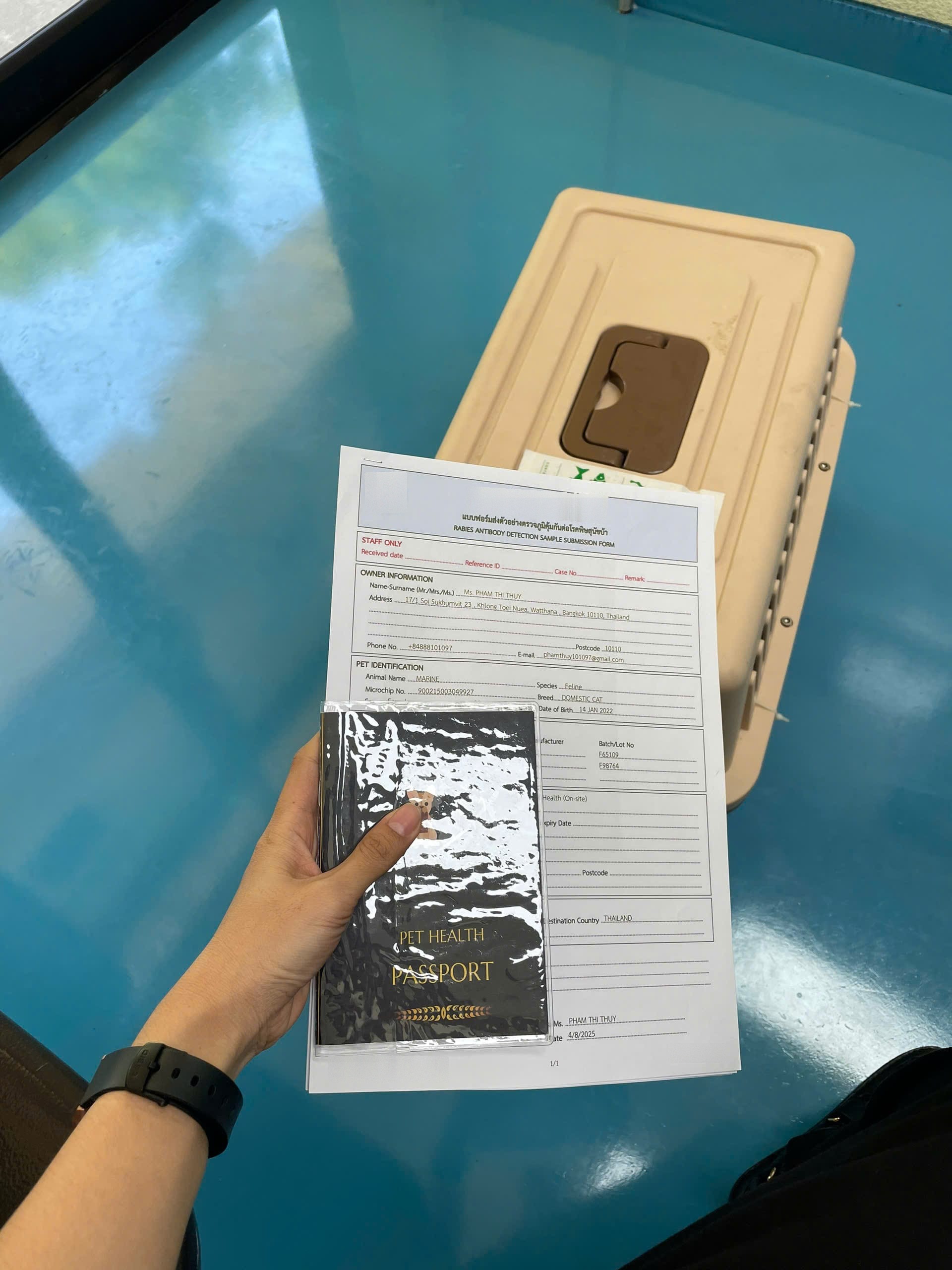
How Does the Crate Size Change the Freight Cost?
Airlines bill cargo on chargeable weight, not on the scale weight alone. Chargeable weight is the higher of the real weight and the volume weight. Volume weight is length × width × height in centimetres, divided by 6,000.
A Corgi named Vodka, flown to Dubai, weighed 15 kg with his crate. His 72 × 53 × 53 cm crate billed at about 34 kg. A quote based on a guessed crate size can therefore change once the pet is measured. Size the crate first with our IATA crate size calculator.
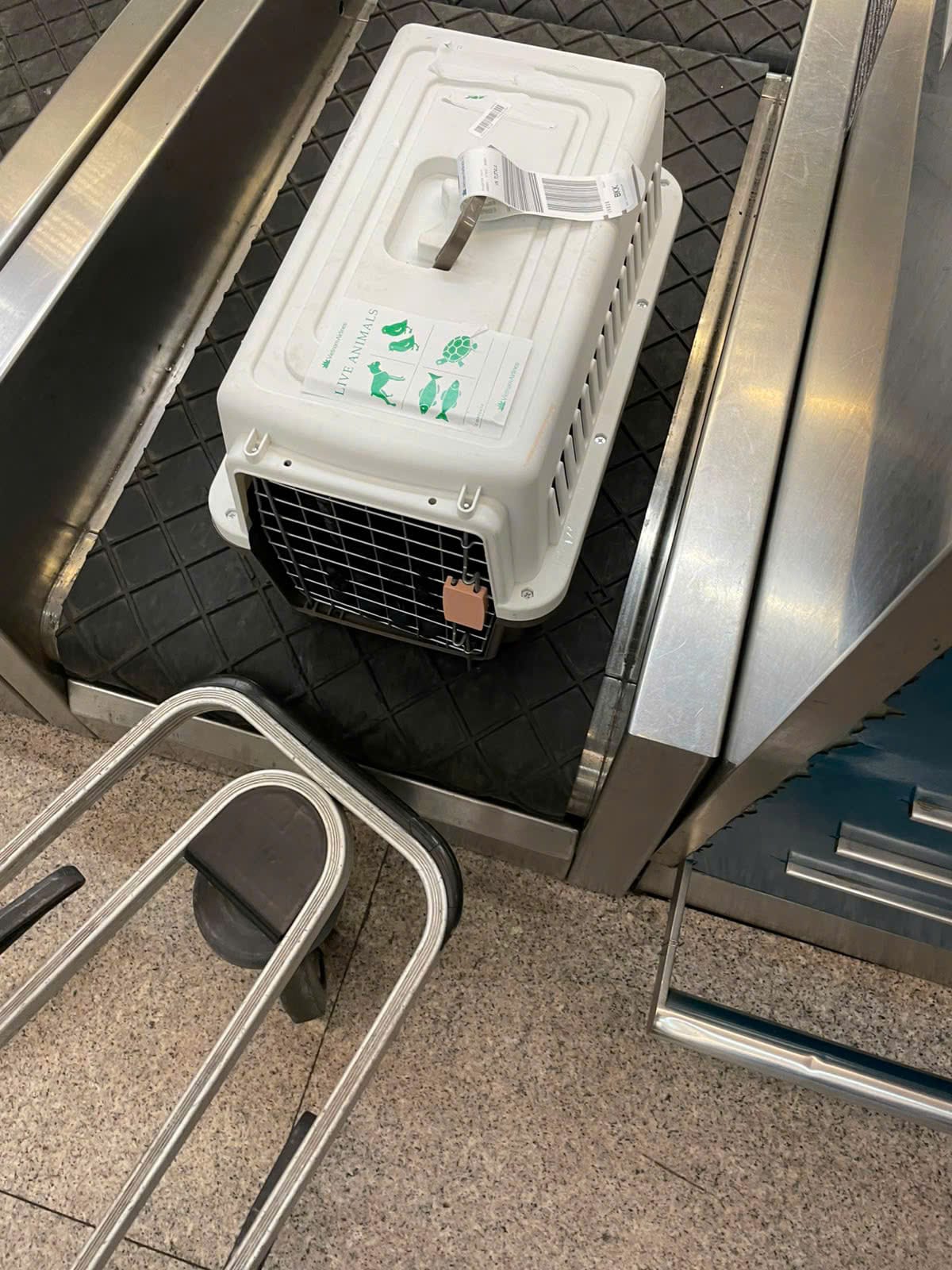
What Fees Should You Expect on Arrival?
Each destination sets its own government fees for inspection, quarantine and release. These are paid on arrival or booked in advance. The table shows published fees for common destinations.
| Destination | Fee | Amount |
|---|---|---|
| Singapore | Animal Quarantine Centre, 30 days for pets from Vietnam | S$26 a day (fan) or S$35 a day (air-conditioned), plus S$75 transport. From 1 December 2026: S$36 or S$44 a day. |
| Australia | Import permit and quarantine at Mickleham | Department of Agriculture, Fisheries and Forestry (DAFF) estimate: A$3,114 for 10 days, A$4,234 for 30 days. |
| United Kingdom | Heathrow Animal Reception Centre | £104 to collect from the aircraft, then £213 to hold a pet with pre-checked documents or £293 without. £55 for each extra pet. |
| UAE | Import permit and release permit | AED 200 per pet for the import permit. On arrival, AED 500 per dog or AED 250 per cat. |
| Taiwan | 7-day quarantine | About NTD 6,600 for the 7 days. Taiwan publishes no fee schedule, so confirm the amount with the quarantine station. |
| Malaysia | 7-day quarantine | About RM79 a week for a dog and RM72 for a cat, excluding food and treatment. |
| USA (dogs) | Animal Care Facility extras | One facility’s 2026 terms: USD 250 for arrival between 6 pm and 6 am, USD 250 at weekends, USD 350 if the dog arrives as cargo, USD 75 per extra night. |
Sources: Singapore’s Animal and Veterinary Service, DAFF and the Heathrow Animal Reception Centre.
Timing matters in the USA. The CDC does not clear dogs at weekends, so a dog landing on a Friday afternoon can stay at the facility until Monday, at extra cost. The full cost breakdown for the USA lists every US fee.
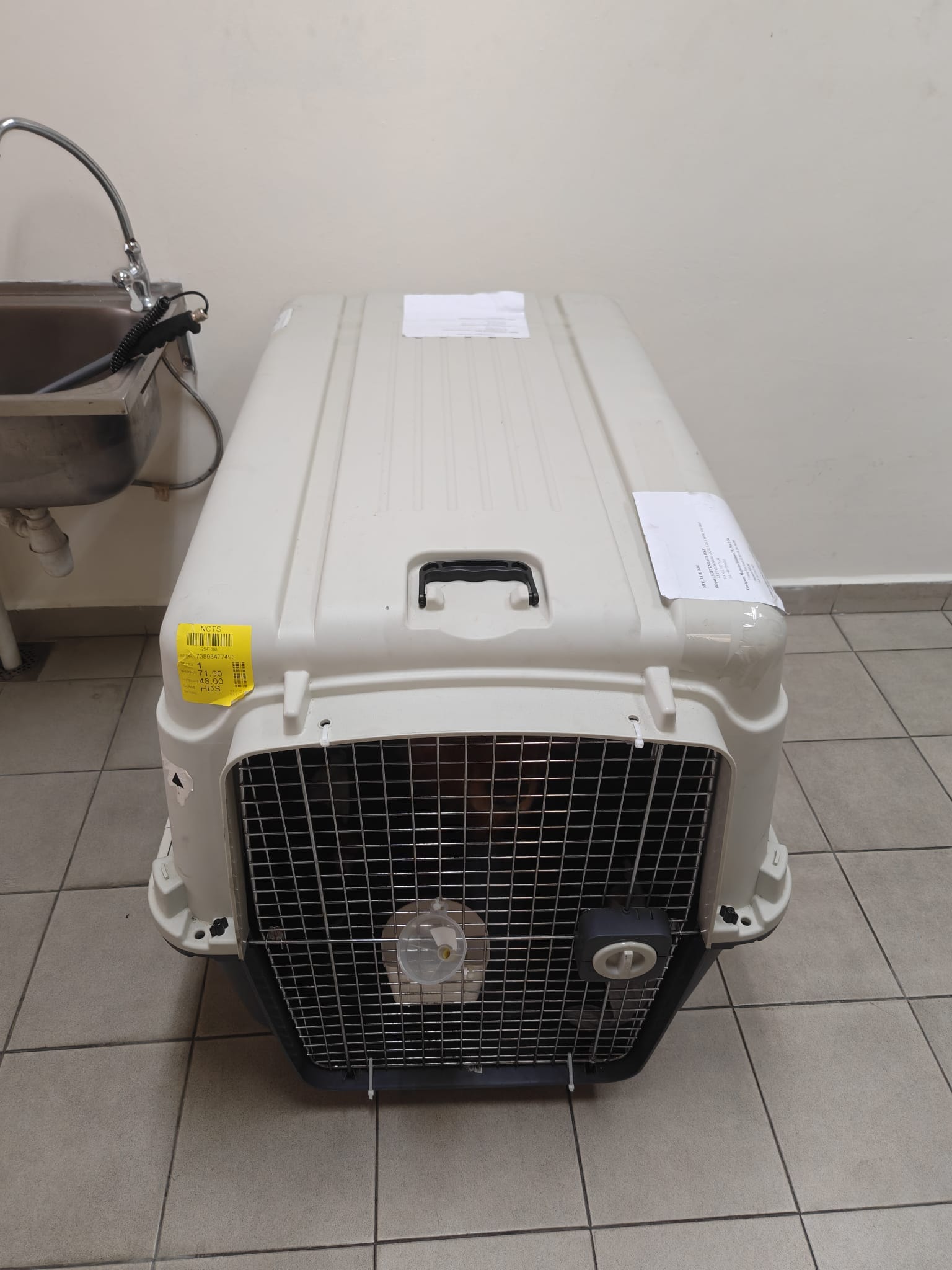
Which Costs Appear Only When Something Happens?
Some costs come only from events during the trip. Ask each company how it handles these before you book.
- A delay or cancellation: the airline’s rebooking charges, and sometimes an extra night of boarding for the pet.
- An expired permit: if the flight moves past the permit’s validity, the permit must be issued and paid for again.
- A failed titer test: the blood test must be repeated, at about USD 550 per pet, and the waiting period starts again.
- A rejected crate: a new crate bought at short notice, plus rebooking.
- A refusal at the border: quarantine or a return flight, billed to the owner.
Who pays each of these depends on the cause and on your contract. Our guide on what happens if something goes wrong explains how the cost is split.
Which Quote Terms Can Cost You More Later?
Read these terms in every quote and contract before you pay.
- Deposit: often not refundable once work has started.
- Titer test: if the result fails, the owner usually pays for a new test.
- Refusal by the airline or an authority: extra costs usually fall on the owner when the cause is outside the company’s control.
- Cancellation: tickets, lab tests and quarantine bookings already paid to third parties are usually not refunded.
Why Can a Much Cheaper Quote End Up Costing More?
A cheap quote is not always wrong. Often it covers a different travel method, or only part of the trip. A quote for flying with you can be thousands of dollars lower than a cargo quote for the same pet.
A cheap quote becomes expensive when it leaves out steps you must then buy separately, such as the arrival agent, or when a step done badly must be paid for twice. A crate that fails airline rules, or a blood test drawn too late, are common examples. Use our guide to comparing pet shipping companies to line up quotes item by item.
How Do You Avoid Hidden Costs in Pet Transportation?
- Get the exclusions in writing: every item not included, with an estimate where possible.
- Measure the pet first: so the freight is quoted on the real crate size.
- Check the arrival day: avoid weekends and nights where the destination charges more.
- Keep a margin on permit dates: so a short delay does not mean a new permit.
- Ask about each event: delay, failed test, rejected crate and refusal, and who pays.
The reasons behind the overall price are explained in why pet transportation is so expensive.
Frequently Asked Questions
What is usually not included in a pet transport quote?
The airline’s pet fee when the pet flies with you, the IATA crate, routine vaccinations, vet care during quarantine, the US Animal Care Facility and warehouse fees for dogs, and on many routes the customs clearance at the destination.
Do I pay quarantine fees separately?
It depends on the quote. Some quotes include quarantine, such as most quotes for Malaysia. Others exclude it, so you pay the quarantine station directly, for example in Singapore or Hong Kong.
Why did the freight cost change after my pet was measured?
Airlines bill cargo on chargeable weight, the higher of the real weight and the crate’s volume weight. Volume weight is length × width × height in centimetres divided by 6,000, so a larger crate raises the bill.
Who pays if the flight is delayed?
If the airline delays or cancels the flight, owners usually pay only the airline’s actual extra charges, such as rebooking and extra boarding for the pet. A clear contract states this in writing.
Is the cheapest pet transport quote a bad choice?
Not always. Check that it covers the same travel method and the same steps as the others. If it leaves out the arrival side or the crate, add those costs before comparing.
Last updated 17 Oct 2026
Compiled by our specialists from the regulations in force on the date above, for reference only. Rules may change after this date. Please verify with the competent authorities or contact us for the most accurate information.
Official sources cited in this guide
- Animal and Veterinary Servicenparks.gov.sg
- DAFFagriculture.gov.au
- Heathrow Animal Reception Centrecityoflondon.gov.uk