You just bought a gorgeous Poodle puppy from a breeder in Vietnam. Two months old, irresistible eyes, perfect coat. You want it shipped to your home in Australia, Europe, or the US—now. The breeder is happy to hand it off tomorrow. Everyone is ready. Except the airline won’t take it. And the destination country won’t let it in.
This is the most common heartbreak we see at Daisy Pet Transport. A buyer in a developed country purchases a young puppy or kitten from Vietnam—often at 2 to 3 months old, when the animal is at its cutest—and discovers that no airline will carry it and no country will accept it for another 2 to 7 months. The buyer wants it now. The seller wants to ship it now. But biology and law say no.

Why? Because a 2-month-old puppy hasn’t received a valid rabies vaccine yet (minimum age: 12 weeks). After vaccination, most countries require a waiting period of 21 to 180 days. Airlines won’t board pets under 3–4 months due to welfare risks. These aren’t arbitrary rules—they exist because a young animal’s immune system simply isn’t ready for the stress of international air transport. The regulations protect your pet, not frustrate you.
If you’re buying a puppy or kitten from overseas: research your country’s import requirements before you buy. Ask the breeder to keep and care for the animal until it meets all vaccination and age requirements. Request weekly photo updates, vet records, and proper microchipping. Be patient—the cuteness peaks at 2 months, but travel readiness doesn’t arrive until 4 to 11 months. That gap is non-negotiable, and planning for it from day one is the smartest thing you can do.
This guide covers everything that determines whether a young pet can fly internationally—and what to do if it can’t fly yet.
The Real Minimum Age: It’s Not What You Think
You’ll find pet forums confidently stating “puppies can fly at 8 weeks” or “kittens can travel at 10 weeks.” These numbers are misleading. Here’s why:
- Rabies vaccination age: Most countries require rabies vaccination before entry. The internationally accepted minimum age for the first rabies shot is 12 weeks (84 days). A puppy vaccinated before 12 weeks will have the shot declared invalid by the destination country’s veterinary authority.
- Mandatory waiting period after vaccination: Many countries—including the EU, the UK, and South Korea—require a waiting period of 21 to 30 days after the rabies vaccination before travel is allowed. That alone pushes the earliest possible travel date to 15–16 weeks of age.
- Rabies titer test destinations: Countries like Japan, Taiwan, Singapore, and the EU require a FAVN/RNATT blood test drawn at least 30 days post-vaccination, followed by a waiting period of about 90–180 days. For these destinations, the earliest a puppy or kitten can realistically enter is 7 to 10 months old.
The practical takeaway: a puppy or kitten under 4 months old cannot legally enter most countries outside of Southeast Asia. For Japan and Australia, plan for at least 7 months from the date of the first rabies vaccination.
Country-by-Country Age & Vaccine Requirements: A Quick-Reference Table
| Destination | Min. Rabies Vaccine Age | Waiting Period After Vaccine | FAVN/RNATT Required? | Earliest Realistic Travel Age |
|---|---|---|---|---|
| United States (Dogs) | 12 weeks | 28 days | Yes (CDC DVBD Submission) | ~6 months |
| European Union | 12 weeks | 21 days; blood sample at least 30 days after the vaccine and at least 90 days before the health certificate is issued | Yes (Vietnam is not on the EU’s exempt list) | ~7 months |
| Japan | 91 days; 2 rabies doses | 180-day wait after the RNATT blood draw (taken after the 2nd dose) | Yes | ~10 months |
| Australia | — | No direct entry from Vietnam: at least 180 days in an approved country (usually Singapore) first | Depends on the transit country (not required via Singapore) | ~10–11 months |
| Taiwan | 12 weeks (90 days) | Blood drawn 90 days to 1 year before arrival: 7-day quarantine; 180 days to 1 year: no quarantine | Yes | ~6–7 months (7-day quarantine) / ~9–10 months (no quarantine) |
| Singapore | 12 weeks | Blood drawn at least 90 days and no more than 12 months before export, then at least 30 days’ quarantine (AQC) | Yes | ~7–8 months |
| South Korea | 90 days | Blood drawn at least 30 days after the vaccine; no wait after the blood draw | Yes (result valid for 24 months) | ~5 months |
| UAE (Dubai) | 12 weeks | Rabies at least 21 days before travel; RNATT with no wait after the blood draw | Yes | ~4–5 months (minimum 15 weeks) |
Note: Cats generally follow the same framework for rabies-requiring countries. However, the USA treats cats far more leniently than dogs—cats entering the US do not require a CDC dog import form, RNATT, or USDA endorsement. This is one of the few destinations where kittens can travel significantly earlier than puppies.
Airline Age Restrictions: The Second Gate
| Airline Rule | Common Threshold | Why It Exists |
|---|---|---|
| Minimum age to fly | 10–16 weeks (varies by airline) | Young animals are highly vulnerable to temperature fluctuation, dehydration, and stress-induced illness during flight |
| Minimum weight | Typically 1.5–2 kg | Underweight animals have insufficient fat reserves to regulate body temperature in the cargo hold |
| Weaning requirement | Must be fully weaned | Airlines will not accept animals still dependent on maternal feeding |
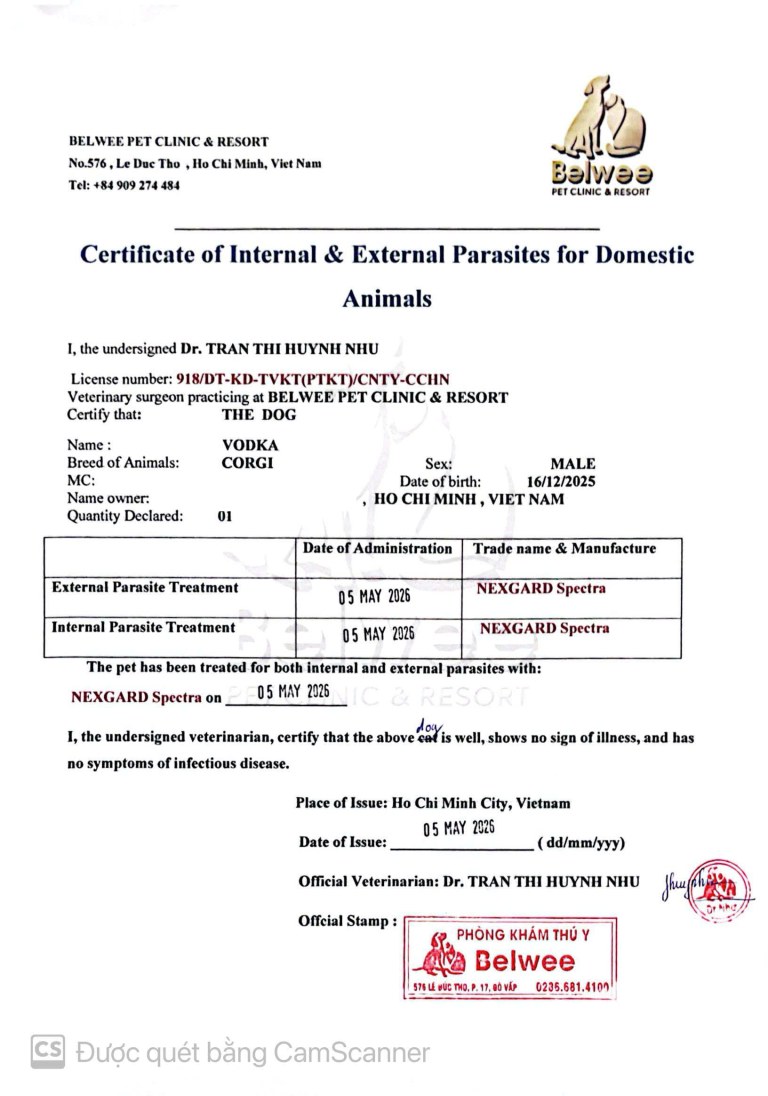
| Health certificate timing | Issued within 5–10 days of departure | Ensures the animal is examined close to travel date |
A critical detail many owners miss: airlines can refuse to board a young pet at the gate even if all paperwork is correct. If the check-in staff judges the animal to be too small, too stressed, or physically unfit, the pet stays behind. This is not a bureaucratic error—it’s a welfare assessment that happens more often than people expect.
The Vaccine Sequence Trap: Why Starting Too Early Can Backfire
Here’s a scenario we see regularly:
An owner adopts a puppy at 8 weeks, immediately gets the “full round” of core vaccines (DHPPI/FVRCP) and a rabies shot at the same vet visit. Two months later, they start the travel process—and discover the rabies vaccination was given at 10 weeks, two weeks before the internationally recognized minimum of 12 weeks. The entire shot is invalid. The puppy needs to be re-vaccinated at or after 12 weeks, then wait the mandatory period again.
This is not a technicality. Veterinary authorities at the destination—whether it’s APHIS in the US, APHIA in Taiwan, or DAFF in Australia—will reject any health certificate referencing a rabies vaccine administered before the pet reached 12 weeks of age. The microchip must also be implanted before or on the same day as the valid rabies vaccination.
The correct sequence is always:
- Implant ISO 15-digit microchip (at any age, but before rabies shot).
- Wait until the pet is at least 12 weeks (84 days) old.
- Administer rabies vaccine (inactivated/killed virus only for most destinations).
- Wait the destination country’s mandatory period (21–180 days).
- If required, draw blood for FAVN/RNATT at least 30 days post-vaccination.
Health Risks Specific to Young Pets in Transit
Young animals are not just “smaller adults.” Their physiology creates specific vulnerabilities during air travel:

- Thermoregulation: Puppies and kittens under 6 months have immature thermoregulatory systems. In the cargo hold—even though it’s pressurized and temperature-controlled—ambient temperatures can fluctuate during ground handling, taxiing, and layovers. This is why temperature embargoes disproportionately affect young pets.
- Dehydration: Young animals dehydrate faster than adults due to higher metabolic rates and smaller fluid reserves. On flights exceeding 8 hours, this becomes a genuine clinical concern. Proper pre-flight hydration is critical.
- Stress-induced GI issues: Puppies and kittens are more prone to stress-induced diarrhea, vomiting, and appetite loss. An animal that arrives at the destination dehydrated and stressed may face additional quarantine or veterinary holds—adding cost and extending separation from the owner.
- Incomplete immune development: The core vaccination series (DHPPI for dogs, FVRCP for cats) typically isn’t complete until 16 weeks. Traveling before this series is finished exposes the young pet to pathogens in airports, transit facilities, and quarantine stations that their immune system isn’t yet equipped to fight.
This is why vets often recommend: if your timeline allows it, wait until the puppy or kitten is at least 5–6 months old before flying internationally—even to destinations with shorter mandatory waiting periods.
“My Breeder Ships Puppies at 8 Weeks—Why Can’t I?”
This is one of the most common questions we receive. The answer comes down to the difference between domestic transport and international relocation.
A breeder shipping a puppy domestically within Vietnam—or even within the United States—is not crossing an international biosecurity border. There’s no rabies titer test, no import permit, no government-endorsed health certificate, and no quarantine inspection. The puppy simply needs a basic health check and a crate.
International travel is a fundamentally different process. The puppy or kitten is crossing into a sovereign jurisdiction with its own biosecurity protocols, and every document must survive scrutiny by both the exporting country’s veterinary authority and the importing country’s border inspection team.
Special Cases: When Very Young Pets Can (and Can’t) Travel
Cats entering the United States
The US currently has no federal rabies vaccination requirement for cats. This means kittens can technically enter the US at a younger age than puppies—often as early as 8–10 weeks, depending on the airline. However, individual airlines still enforce their own minimum age and weight policies.
Pets traveling within the EU
Under the EU Pet Passport system, pets moving between EU member states must be at least 15 weeks old (12 weeks for vaccination + 21 days waiting). Some EU countries accept unvaccinated pets under 12 weeks, but only from listed countries; this exception does not apply to pets coming from Vietnam, which must complete the full titer protocol.
Military and diplomatic relocations
Some government-sponsored relocations have access to expedited veterinary processing, but the biological waiting periods (especially FAVN/RNATT) cannot be shortened. Biology doesn’t recognize rank.
How to Plan a Young Pet’s International Relocation: The Professional Approach
If you’ve recently acquired a puppy or kitten and need to relocate internationally, here is the timeline framework we recommend:
- Month 1 (Pet age: 8–10 weeks): Implant ISO microchip. Begin core vaccine series (DHPPI/FVRCP). Do NOT administer rabies vaccine yet.
- Month 2 (Pet age: 12+ weeks): Administer first valid rabies vaccine (inactivated/killed type). Record microchip number on vaccine certificate.
- Month 2–3 (30 days post-rabies): Draw blood for FAVN/RNATT if required by destination. Send to approved laboratory.
- Month 3–9 (Waiting period): Depending on destination, wait 21–180 days from blood draw date. Begin crate training. Apply for import permits if required.
- 7–10 days before departure: Obtain government-endorsed health certificate. Final vet examination.
- Departure day: Ensure all documents, microchip, and pet condition meet both airline and destination requirements.
The key insight: the moment you know you’ll be relocating internationally with a young pet, start the veterinary preparation immediately—even if the travel date is months away. The biological clock starts with the microchip and valid rabies vaccination, and it cannot be compressed.
When You Should Seriously Consider Waiting
Not every relocation requires moving the pet immediately. In some cases, the most responsible decision is to delay the pet’s travel by a few weeks or months. Consider waiting if:
- The puppy or kitten is under 16 weeks and the core vaccination series is incomplete.
- You’re relocating to a FAVN/RNATT-required country and the biological waiting period hasn’t started.
- The travel window falls during a summer heat embargo period (May–September for many Asian and Middle Eastern routes).
- The pet is a brachycephalic (snub-nosed) breed—which faces both airline restrictions and elevated health risks, especially when young.
- The pet has not been properly crate trained—a stressed, untrained young animal in a cargo crate for 6–12 hours is a welfare concern.
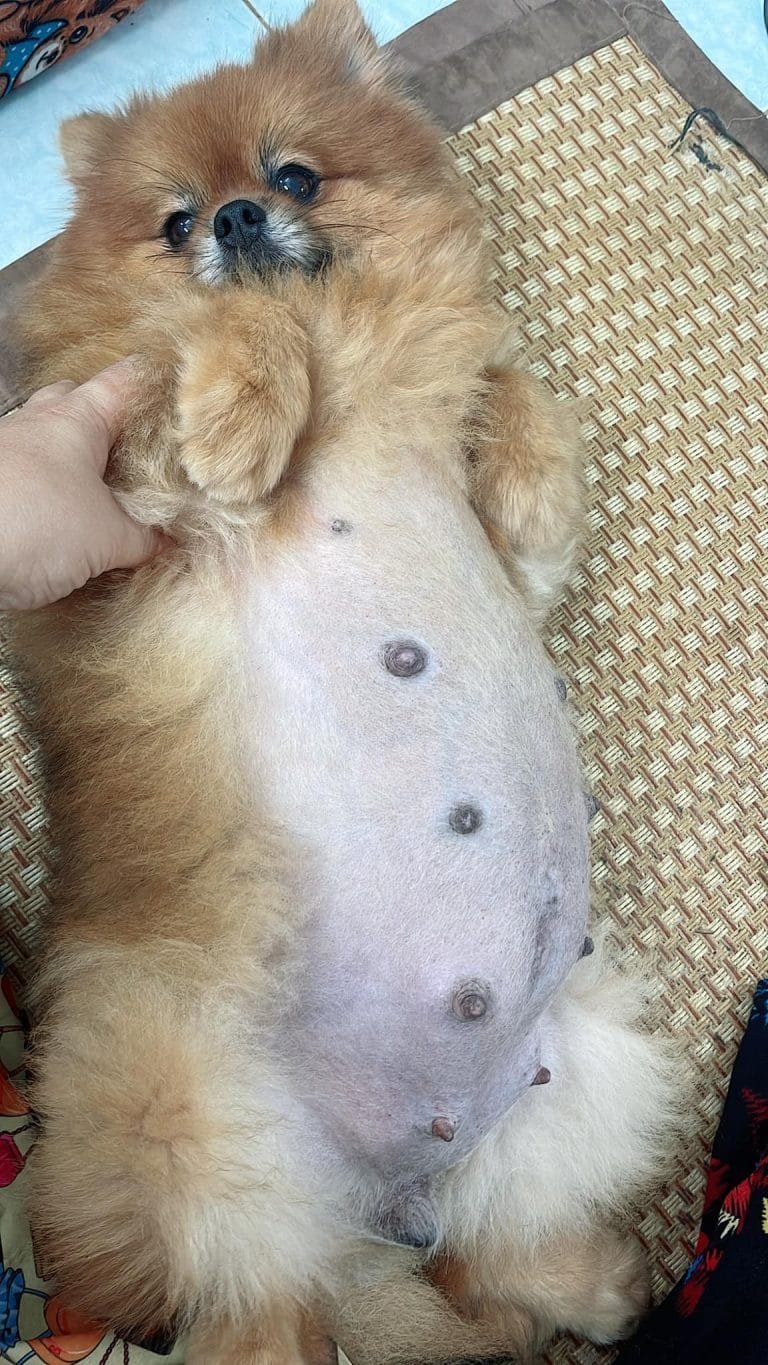
- The mother is pregnant or has recently whelped a litter—see our guide on pregnant pet air travel rules for the gestation cutoffs airlines enforce before travel is even considered.
In these situations, many of our clients arrange temporary pet boarding in Vietnam while they settle into the destination country, then bring the pet over once all biological and logistical requirements are met. This isn’t abandonment—it’s risk management.
The Bottom Line
Can puppies and kittens travel internationally? Yes—but the answer is almost always “not yet” when the question is first asked. The biology of rabies vaccination, the bureaucracy of import permits, and the welfare standards of airlines all converge to create a minimum preparation window that most owners underestimate.
If you’re planning an international relocation with a young pet from Vietnam, the single most important step you can take is to start the veterinary timeline as early as possible—and accept that the destination’s rules, not your moving date, will determine when your pet can travel.
Last updated 17 Oct 2026
Compiled by our specialists from the regulations in force on the date above, for reference only. Rules may change after this date. Please verify with the competent authorities or contact us for the most accurate information.