You are planning a major international move, and your beloved dog or cat is coming with you. But then, you discover she is expecting. Amid the excitement of puppies or kittens on the way, a stressful question arises: can a pregnant pet fly safely? Or will the airline turn you away at the check-in counter, leaving your relocation plans in tatters?
At Daisy Pet Transport, we encounter this delicate situation regularly. Pet owners often assume that pregnancy is a simple physical state that just requires a slightly larger travel crate or a quick check-up by the family vet. In reality, transporting a pregnant animal by air is one of the highest-risk operations in the pet relocation industry—governed by strict international biosecurity laws and zero-tolerance airline safety thresholds. When biology meets aviation, the safety of the mother and her unborn litter always comes first.
Before you book any flights or purchase a ticket, you must understand that the rules are rigid for a reason. Below is a comprehensive analysis of the official rules, biological risks, and alternative pathways for relocating a pregnant dog or cat in 2026.
Airline Rules: Many Carriers Refuse Pregnant Pets Outright
The International Air Transport Association (IATA), which sets the global standard for live animal transport through its Live Animals Regulations (LAR), is extremely clear on this topic. Under IATA rules, pregnant mammals must not be accepted for air transport unless they are accompanied by a veterinary certificate certifying that they are fit to travel and there is no risk of birth during the journey.
In practice, each airline sets its own rule, and many refuse pregnant pets altogether:
- No pregnant pets at any stage: Singapore Airlines, Lufthansa, Vietnam Airlines, Japan Airlines (JAL) and EVA Air do not accept pregnant dogs or cats, however early the pregnancy.
- Qatar Airways: a dog or cat more than 6 weeks (42 days) pregnant is accepted only with a veterinary certificate confirming she is fit to fly and there is no risk of birth during the journey. Normal gestation for dogs and cats is about 63 days.
- China Airlines: no more than 40 days pregnant, and a mother cannot fly within 7 days of giving birth.
- Turkish Cargo: only in the first third of pregnancy, with a veterinary certificate.
The key takeaway is clear: with many airlines a pregnant pet cannot fly at all, and the few that accept her set strict conditions early in the pregnancy. If she is in the final weeks of her pregnancy, flying is not a realistic option, and no premium booking fee will bypass this.
Biological and Health Risks: What Happens to a Pregnant Pet Mid-Flight?
Why are airlines and veterinary experts so cautious? Air travel introduces multiple physiological stressors that can quickly escalate into a life-threatening veterinary emergency in an expecting dog or cat:
- Stress-Induced Premature Labor: The noise of jet engines, the vibrations of the aircraft, and the unfamiliar environment of the cargo hold cause a massive spike in cortisol (stress hormone) levels. For a pregnant animal, this severe stress can trigger early labor. Giving birth in a dark, noisy cargo crate at 35,000 feet is almost always fatal for the newborns and poses a catastrophic risk to the mother.
- Severe Dehydration: Dry cabin air and the animal’s reluctance to drink water while stressed lead to rapid dehydration. Dehydration in a pregnant animal reduces amniotic fluid and compromises placental blood flow, putting the unborn litter in immediate distress.
- Atmospheric Pressure Changes: Fluctuations in air pressure during ascent and descent can affect oxygen saturation levels in the blood. While healthy adult pets adapt easily, the elevated oxygen demands of a pregnant mother and her developing fetuses make them highly susceptible to hypoxia (oxygen deprivation).
- Thermoregulation Failures: A pregnant animal’s body temperature is naturally slightly elevated and less stable. The physical exertion of managing pregnancy makes them far more vulnerable to heatstroke or hypothermia in transit, especially if the airline encounters ground delays on hot tarmac.
The Strict Paperwork: Veterinary Health Certificates and Ultrasounds
If an airline accepts your pet at her stage of pregnancy and you absolutely must relocate her, you must prepare for a rigorous documentation audit. The airline will not take your word for the breeding date. You must provide:
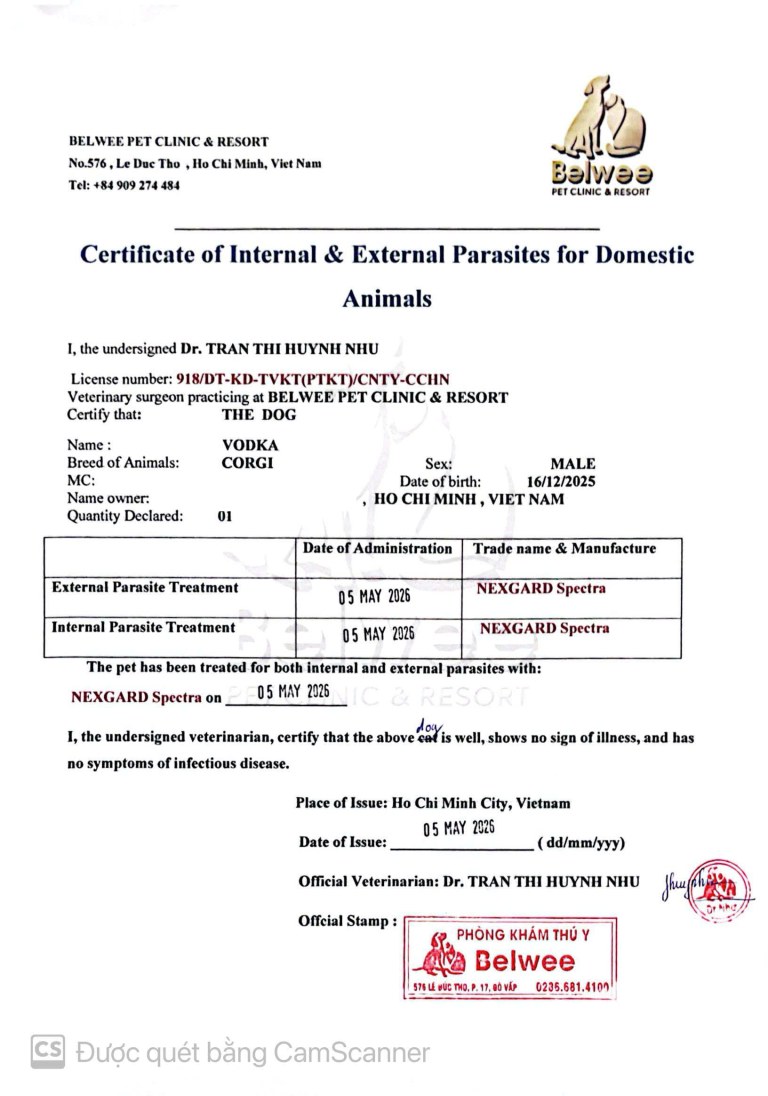
- A Veterinary Fit-to-Fly Certificate: Airlines that accept pregnant pets on conditions ask for a certificate signed by a licensed veterinarian stating the breeding date or expected whelping date and confirming that she is fit to fly with no risk of birth during the journey.
- Ultrasound Confirmation: Some airlines also ask for an ultrasound report showing the stage of pregnancy. This is to prevent owners from “under-estimating” the dates to get around the rules.
- Biosecurity Compliance: The pet must still meet all import requirements of the destination country, including rabies vaccinations and blood tests. However, as noted in our guide to the waiting period after vaccination, managing complex health schedules alongside a pregnancy is a logistical minefield.
Managing the Crisis: What Should You Do Instead?
If you discover your pet is pregnant and you are scheduled to move, we strongly advise against forcing a flight. Instead, consider these professional risk-management strategies:
Option A: The “Safe Boarding” Delay (Highly Recommended)
The safest, most humane path is to postpone the mother’s travel. Arrange for her to stay at a professional, air-conditioned boarding facility or under the care of a trusted foster family in Vietnam through her late pregnancy and delivery. Let her give birth in a calm, veterinary-supported environment. Once the puppies or kittens are born and reach the airline’s minimum age (usually 8 to 12 weeks), they are old enough to fly, but that is not the same as meeting the destination’s entry rules: most countries require a rabies vaccination given at 12 weeks or older plus a waiting period, and countries that require a rabies titer test push the earliest flight to around 7 months of age or later. See can puppies and kittens travel internationally before you plan to relocate the entire family together. You can read more about how unexpected issues are handled in our article on managing pet transport incidents.
Option B: Split Relocation
If you cannot delay your own travel, you should fly ahead to establish your new home, arrange the biosecurity permits, and settle in. Leave your pregnant pet behind in safe hands in Vietnam. Once she has whelped and the babies are weaned, our team can manage the logistics of shipping the mother and her offspring to join you. This eliminates the stress of managing a high-risk pregnancy during your own relocation chaos.
Option C: Ground Transport (Domestic Only)
For domestic moves, ground transport in a climate-controlled, professionally monitored pet vehicle is vastly safer than flying. It allows for regular stops, hydration monitoring, and immediate access to veterinary care if labor begins early.
Conclusion
Flying with a pregnant pet is generally discouraged by both airlines and veterinary professionals due to the extreme medical and operational risks involved. While a few airlines accept a pregnant pet early in the pregnancy on strict conditions and many refuse her outright, the logistical demands, potential for refusal at the gate, and the underlying threat to your pet’s life make it a choice that should only be made under absolute necessity.
At Daisy Pet Transport, we believe in the “Quiet Luxury” of absolute safety. We will never recommend a pathway that compromises the life of a mother and her future litter.
Last updated 17 Oct 2026
Compiled by our specialists from the regulations in force on the date above, for reference only. Rules may change after this date. Please verify with the competent authorities or contact us for the most accurate information.