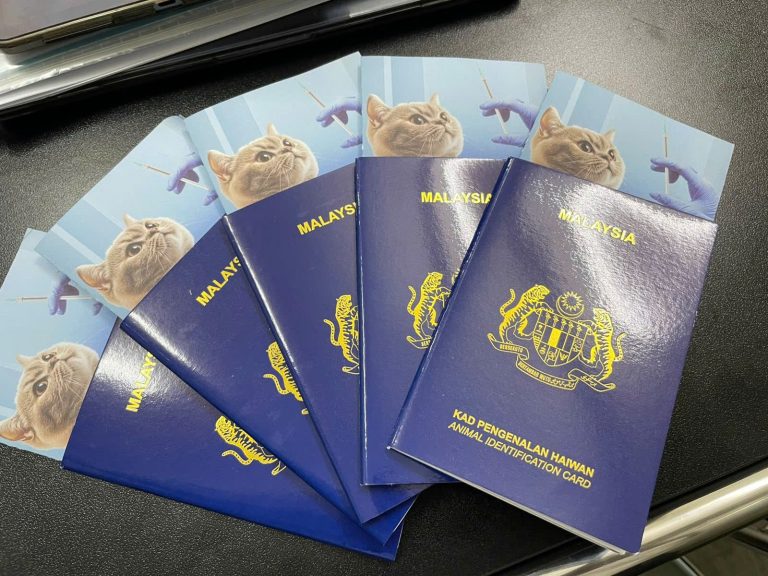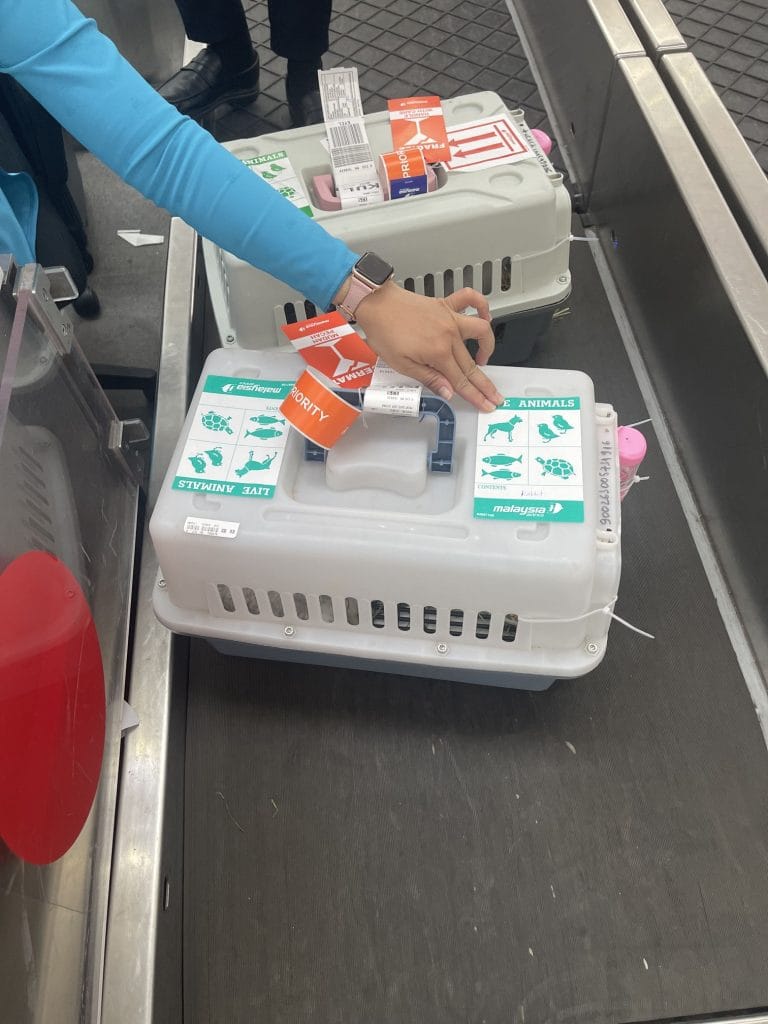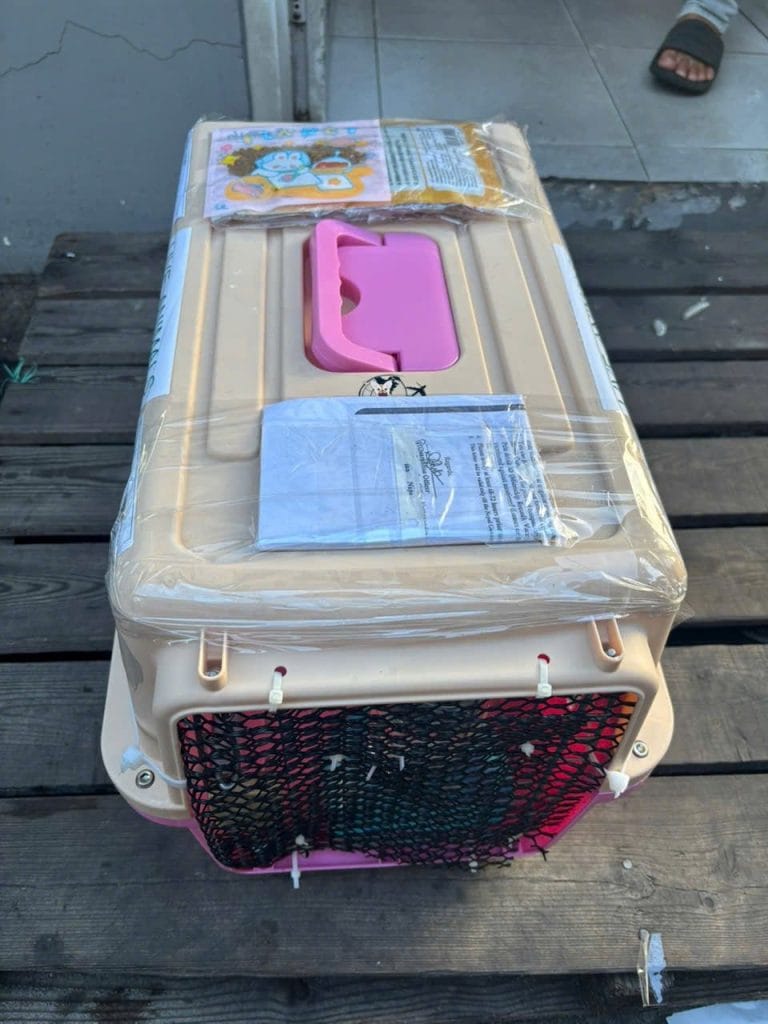
If you have been budgeting for your pet’s move to Malaysia, you have likely encountered vague “estimates” and online forum threads. The reality is that international pet travel is never cheap—and the absolute worst way to plan is by chasing the lowest quote. A low-cost quote usually means hidden fees down the line or, worse, a collapse in compliance that leaves your pet stranded at the border.
In practice, the total cost of relocating a dog or cat to Malaysia is driven by two main factors: your pet’s volumetric crate dimensions and your level of biological compliance. To help you build an accurate financial blueprint for 2026, Daisy Pet has broken down every single fee category involved in the Vietnam-to-Malaysia route—from primary diagnostics to terminal release. For the complete country roadmap, see our Malaysia Pet Relocation Guide.
The 4 Components of Malaysia Pet Shipping Budgets
An international pet move requires paying for biological compliance at the country of origin, air cargo space with a commercial airline, and import clearing and quarantine facility fees at the destination. Here is how these costs are distributed:
1. Origin Veterinary Diagnostics & Export Clearance (Vietnam)
Your origin expenses are strictly clinical and bureaucratic. Every document in your pet’s file must match their biological data:
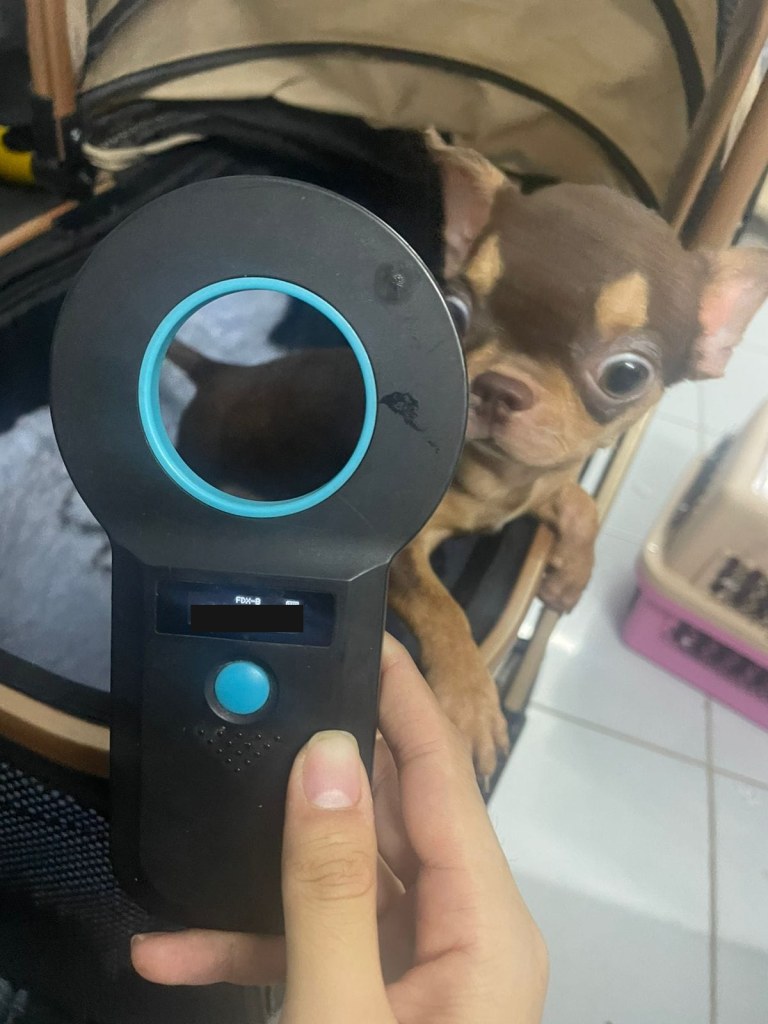
- ISO Microchip Implantation: About $50 in Daisy’s 2026 quotes, if not already implanted. Your pet must have an active 15-digit Pet Microchip implanted before any rabies or core vaccinations are registered.
- Primary Vaccinations: Given at your own vet clinic and not included in Daisy’s quotes. This covers the inactivated rabies vaccine and core multi-agent vaccines (DHLPP for dogs, FVRCP for cats).
- Rabies Neutralizing Antibody Titer Test (FAVN): Not required for pets entering Peninsular Malaysia from Vietnam, so Daisy’s 2026 quotes for Malaysia do not include it. Some owners still choose a Rabies Titer Test (result ≥ 0.5 IU/mL) as an extra safeguard for the DVS and MAQIS checks; Daisy’s quotes price the test at about $550.
- Parasite Treatment & Government Health Certificate: In Daisy’s 2026 quotes, the export health certificate package (health certificate, export permit and quarantine inspection by Vietnam’s Department of Animal Health) ran $200–$400, depending on whether the parasite treatment and fit-to-fly certificates were folded in; listed separately, each was about $50. The parasite treatment is given by a registered vet within 2–7 days of the flight.
2. IATA Travel Containers & Air Freight Tariffs (Logistics)
Air transport fees represent the largest variable in your budget, as airlines do not charge based on your pet’s actual weight—they charge based on the volumetric weight of the IATA-compliant crate.
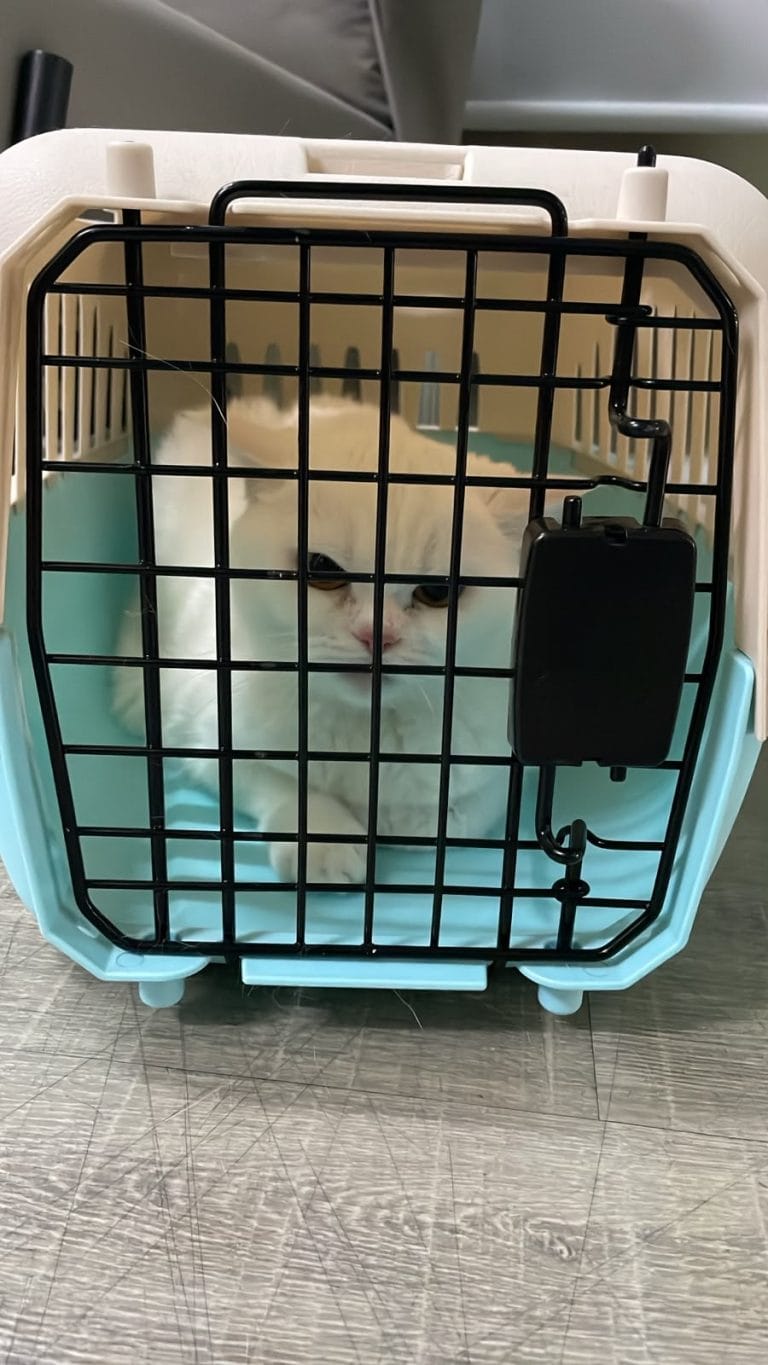
- IATA-Compliant Travel Containers: In Daisy’s 2026 quotes, crates ran from about $120 for a small L60 to about $300 for an extra-large L130. The crate must meet rigid safety specifications, featuring a metal grid door, secure locking bolts, and attached food and water bowls.
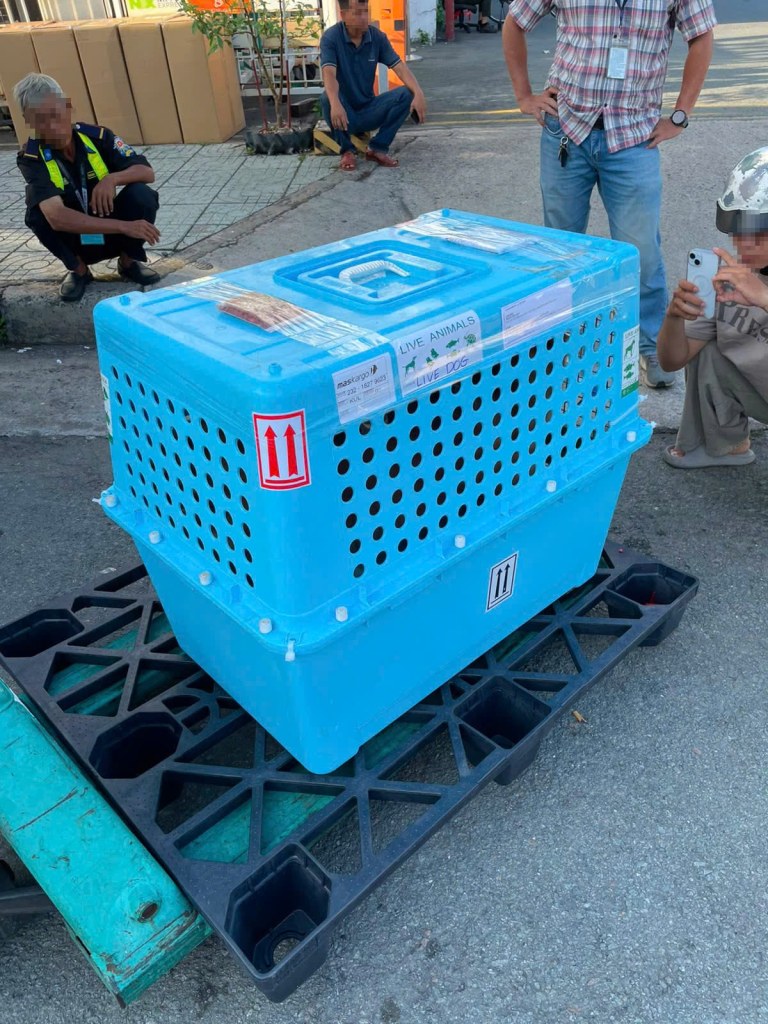
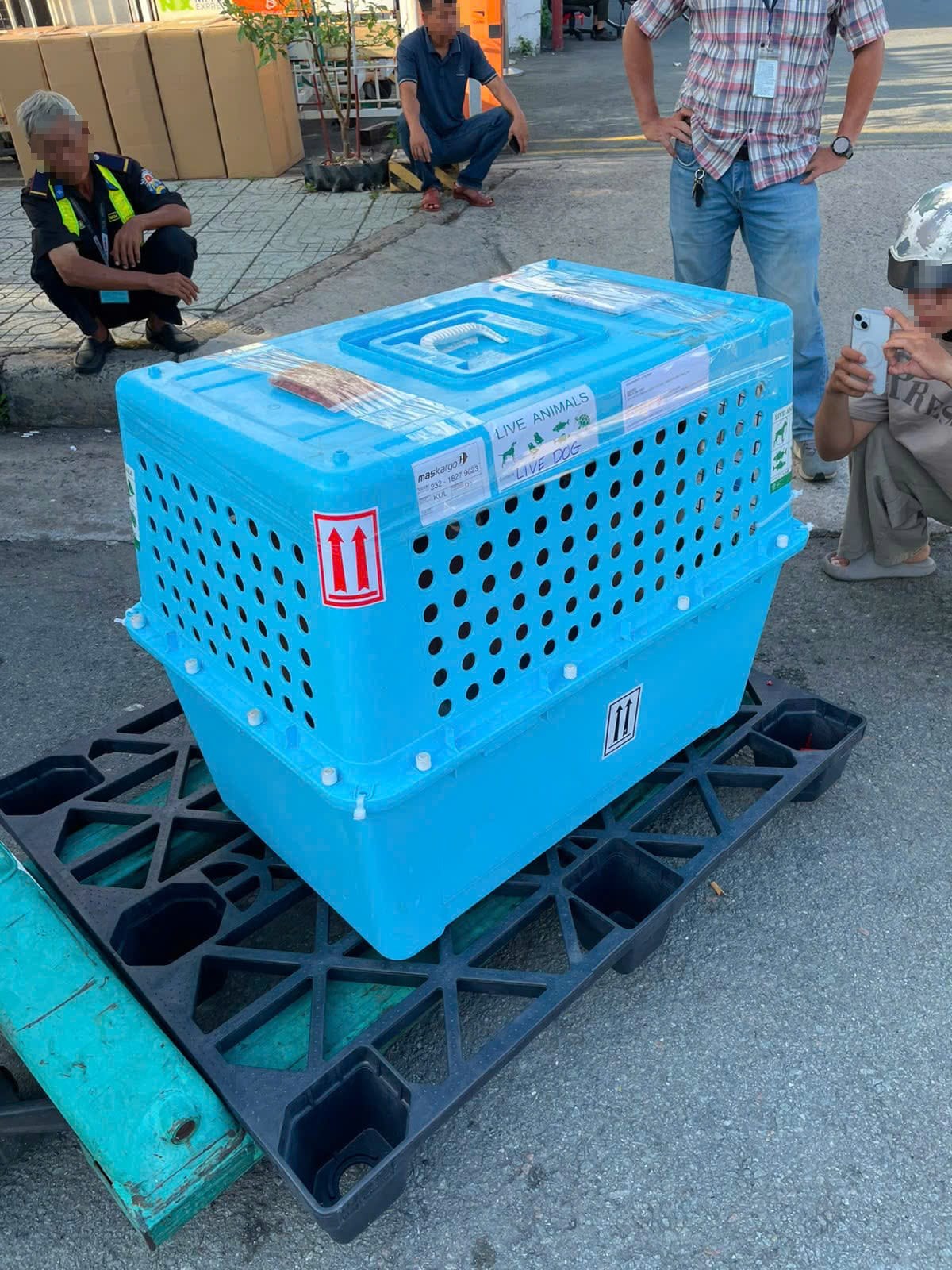
- Manifest Cargo Airfare: Pets exceeding the ~32 kg combined checked-baggage weight limit, or those traveling unaccompanied, are routed as Manifest Cargo (under a separate Air Waybill). This guarantees their transit in climate-controlled, pressurized holds. Cargo airfare is calculated as
Length x Width x Height (cm) / 6000. In Daisy’s 2026 quotes, freight on the SGN/HAN to KUL route ran $450–$1,200 for cats and small dogs and $1,200–$2,450 for dogs up to 35 kg, depending on the crate’s volumetric category. Smaller pets under the weight limit can instead travel as Checked Baggage (AVIH) on the same flight as their owner, which is typically the lower-cost option.
3. Malaysian Customs Clearance & Quarantine Levies (Destination)
Upon landing at Kuala Lumpur International Airport (KLIA), your pet enters the custody of MAQIS. Standard government fees include:
- DVS Import Permit: Approximately $5 – $10 for the license fee, plus system processing charges.
- Quarantine (7 days minimum): Because Vietnam is a Non-Scheduled country, every pet must spend at least 7 days in quarantine on arrival. The Department of Veterinary Services lists the government station rate at about MYR 79 a week for dogs and MYR 72 for cats, before food and treatment. Space at the Kuala Lumpur Animal Quarantine Station (KLAQS) is limited while MAQIS builds a new biosecurity centre at KLIA, due in 2027, so pets are often assigned to a MAQIS-approved private quarantine facility, which charges more. The authorities confirm the facility close to the arrival date. In Daisy’s 2026 quotes, the booking and the 7-day stay came to about $400 per pet.
- Arrival agent and clearance: About $200–$400 per pet in Daisy’s 2026 quotes, plus about $200 for import handling when the pet arrives as cargo.
2026 Price Matrix: Estimated Relocation Budgets
The figures below come from Daisy’s 2026 quotes for Malaysia. They are per pet, in USD, and every row includes the import permit, the 7-day quarantine and the Kuala Lumpur agent:
| Pet and Travel Method | Price in 2026 Quotes | Freight Within the Price | Not Included |
|---|---|---|---|
| Cat, flying with you (cabin or checked baggage) | about $1,500 | Paid to the airline (Vietnam Airlines cabin: about $320 for a 3 kg cat) | Airline pet fee, vaccinations |
| Dog, flying with you (checked baggage) | about $1,700 | Paid to the airline | Airline pet fee, vaccinations |
| Cat, manifest cargo | $2,800 – $3,300 | $450 – $1,200 | Crate, vaccinations |
| Dog, manifest cargo (up to 35 kg) | $4,100 – $4,900 | $1,200 – $2,450 | Crate, vaccinations |
Two Cost Scenarios from 2026 Quotes
- Scenario A (cat, about 3 kg, flying in the cabin): Daisy’s fees of about $1,500 cover the Vietnam-side documents, the Malaysian import permit, the 7-day quarantine and the Kuala Lumpur agent. Vietnam Airlines charges about $320 for the cabin seat, paid directly to the airline, so the total lands at roughly $1,800.
- Scenario B (dog as manifest cargo): For a dog in a crate between L70 and 99 × 72 × 68 cm, Daisy’s 2026 quotes ran $4,100–$4,900, with freight of $1,200–$2,450 inside that figure. Import clearance, the 7-day quarantine and the Kuala Lumpur agent accounted for $1,350–$1,950 of it. The crate is extra. Johor Bahru has no quarantine station, so pets bound for Johor complete quarantine in Kuala Lumpur first, and the onward road leg is quoted separately.
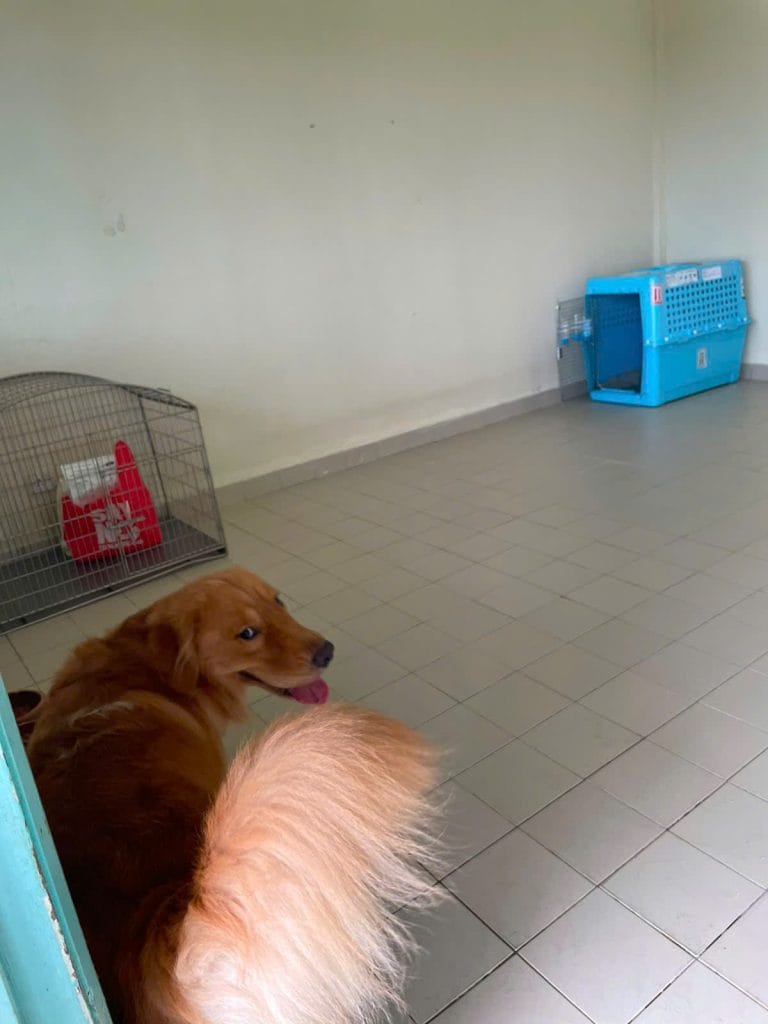
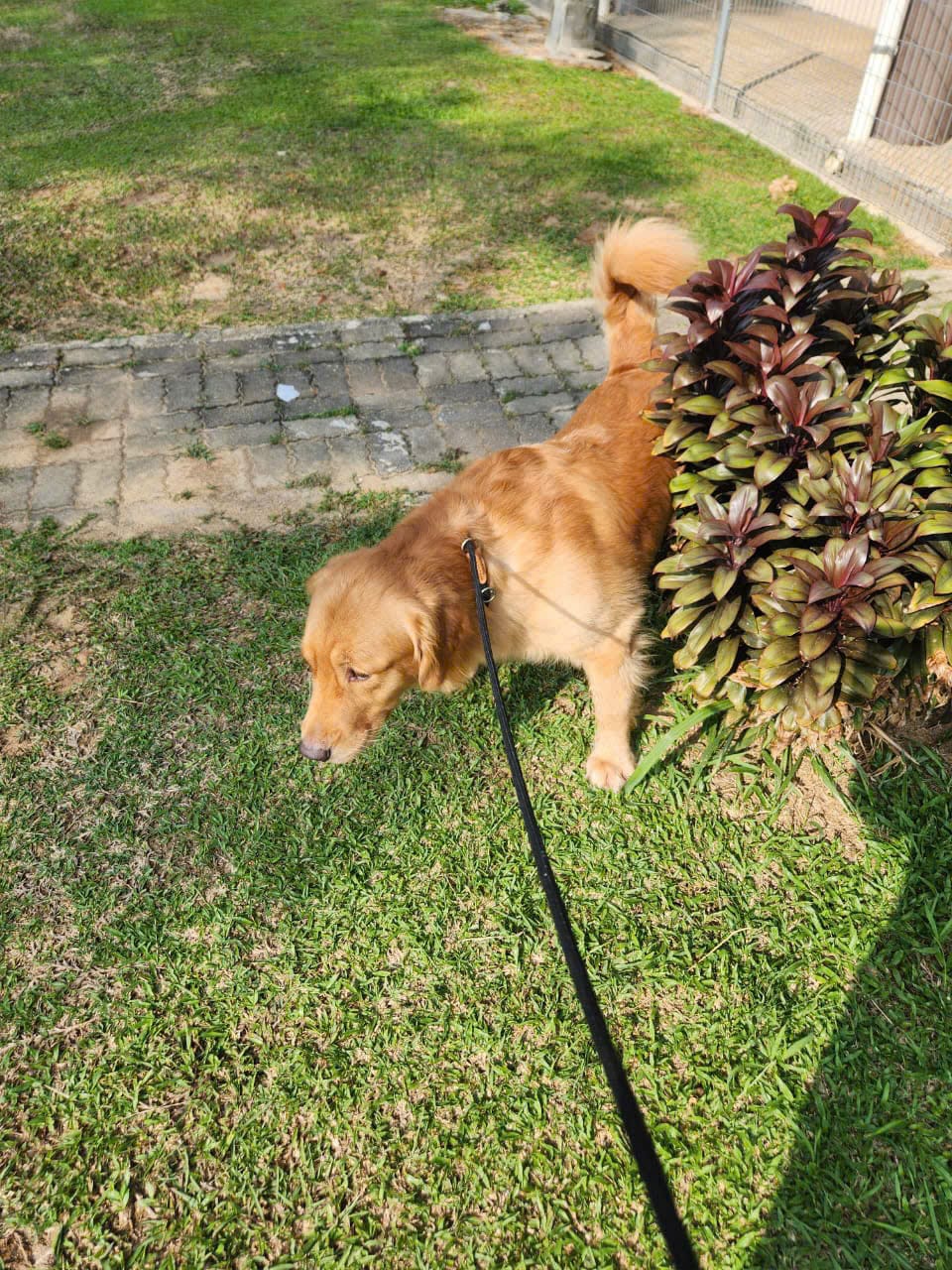
For a full walkthrough of a real large-breed Manifest Cargo relocation, including a crate-sizing correction caught at intake, read our case study on shipping a Golden Retriever to Malaysia as cargo. If your pet is small enough to travel as Checked Baggage, see our case study on flying two Ragdoll cats to Malaysia as checked baggage for a real cost and process comparison.
DIY vs. Full-Service Professional Management
While some pet owners attempt a DIY relocation to save money, doing so on the Vietnam-to-Malaysia route introduces significant risks. The DVS e-Permit portal and MAQIS ground clearance protocols are bureaucratic and unforgiving. A single mismatch—such as a typo on the microchip registry or a failure to book a quarantine place before buying flight tickets—can result in your pet being refused entry, quarantined for up to 6 months, or deported at your expense.
Understanding the strict Malaysia Pet Import Regulations is essential to avoid these pitfalls. Furthermore, managing the manifest cargo customs clearance process at KLIA requires direct coordination with MAQIS and the airline cargo warehouse, which is highly challenging for individual pet owners.
By engaging our international pet relocation service, you protect your pet from these logistical vulnerabilities. We book the quarantine place and check that every document matches the reservation, and our partner agent in Malaysia handles the ground transition at KLIA. We handle the complexity, so you can focus on your family’s move.
Last updated 18 Oct 2026
Compiled by our specialists from the regulations in force on the date above, for reference only. Rules may change after this date. Please verify with the competent authorities or contact us for the most accurate information.