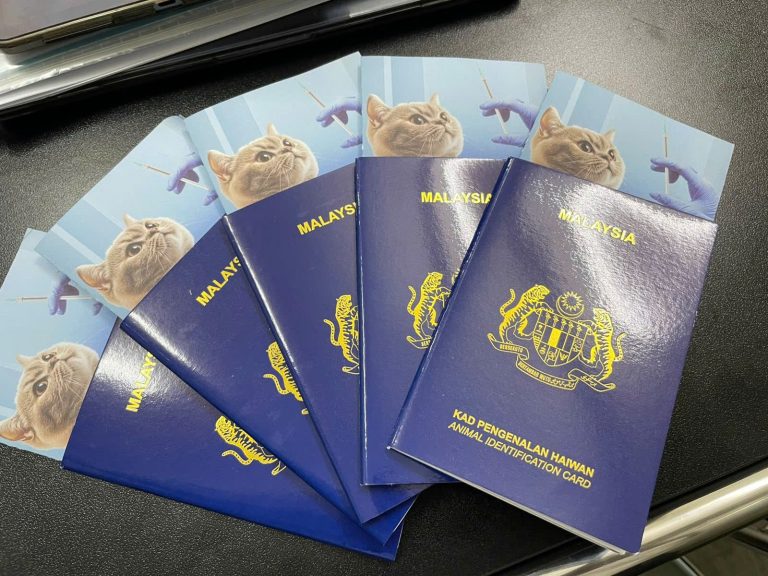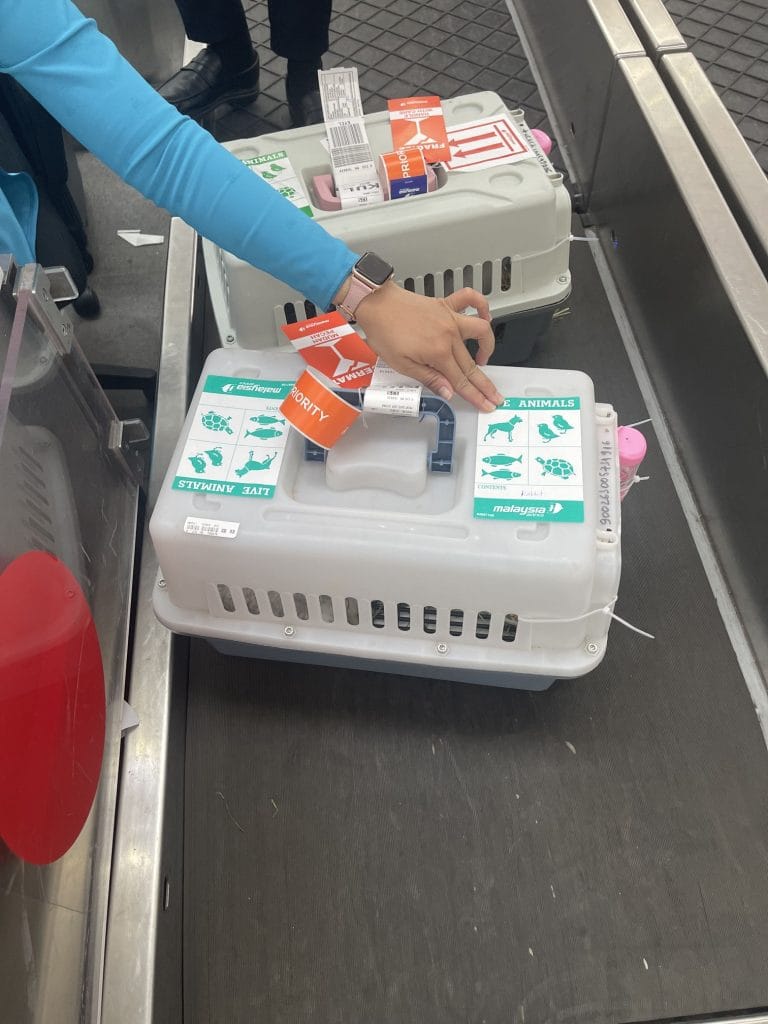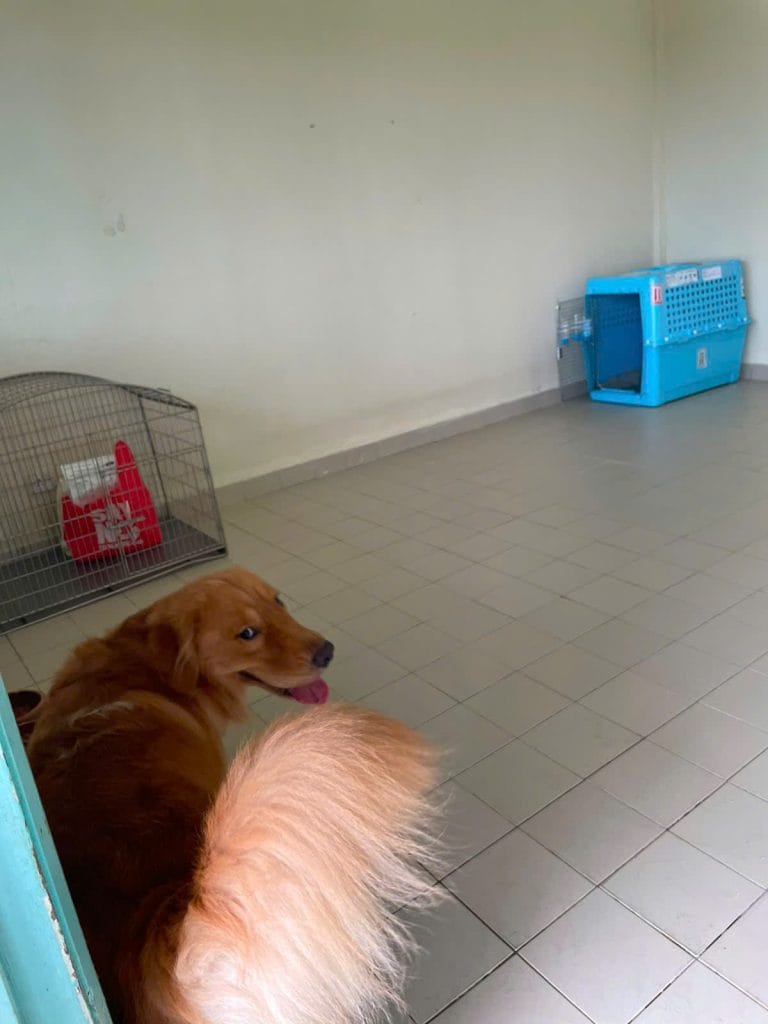
As a Non-Scheduled Country under Malaysia’s DVS/MAQIS biosecurity framework, Vietnam is subject to standard quarantine controls upon entry into Malaysia. According to the official protocol, all imported dogs and cats must undergo a mandatory quarantine period of at least 7 days, either at the Kuala Lumpur International Airport Animal Quarantine Station (KLAQS) or at a private quarantine facility approved by MAQIS. This biological control is designed to screen for infectious diseases, particularly rabies, and to verify the authenticity of all veterinary certifications. Understanding this process alongside our comprehensive guide on the Malaysia Pet Import Regulations is key to a successful transfer — see our full Malaysia Pet Relocation Guide for the complete country roadmap.
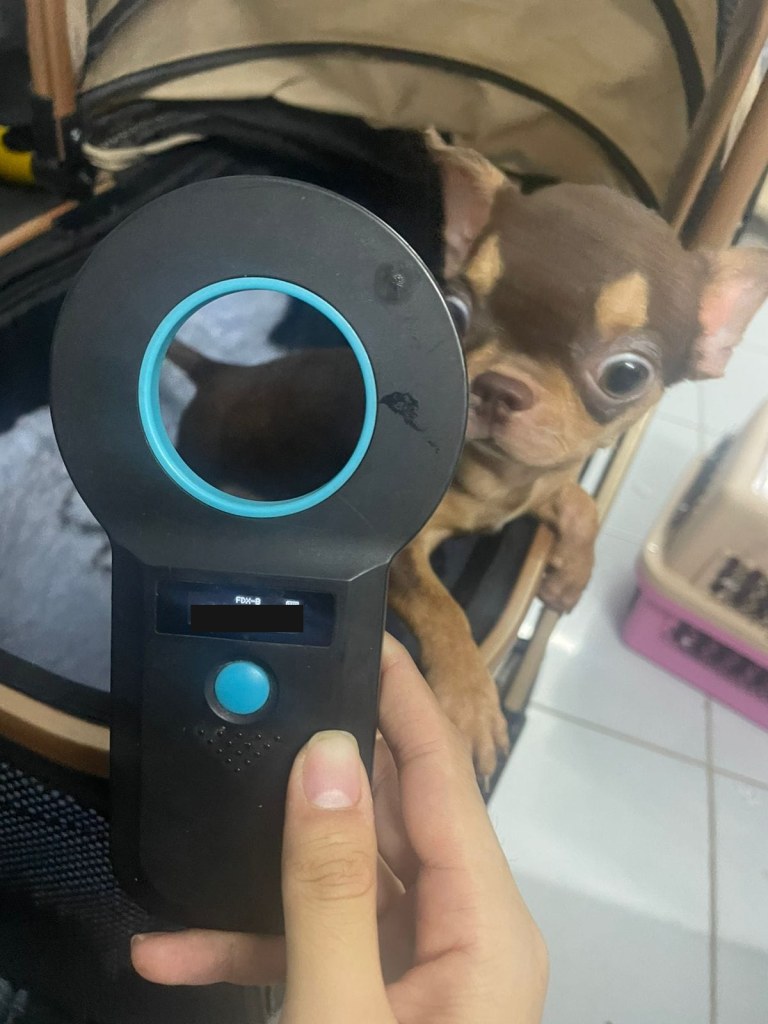
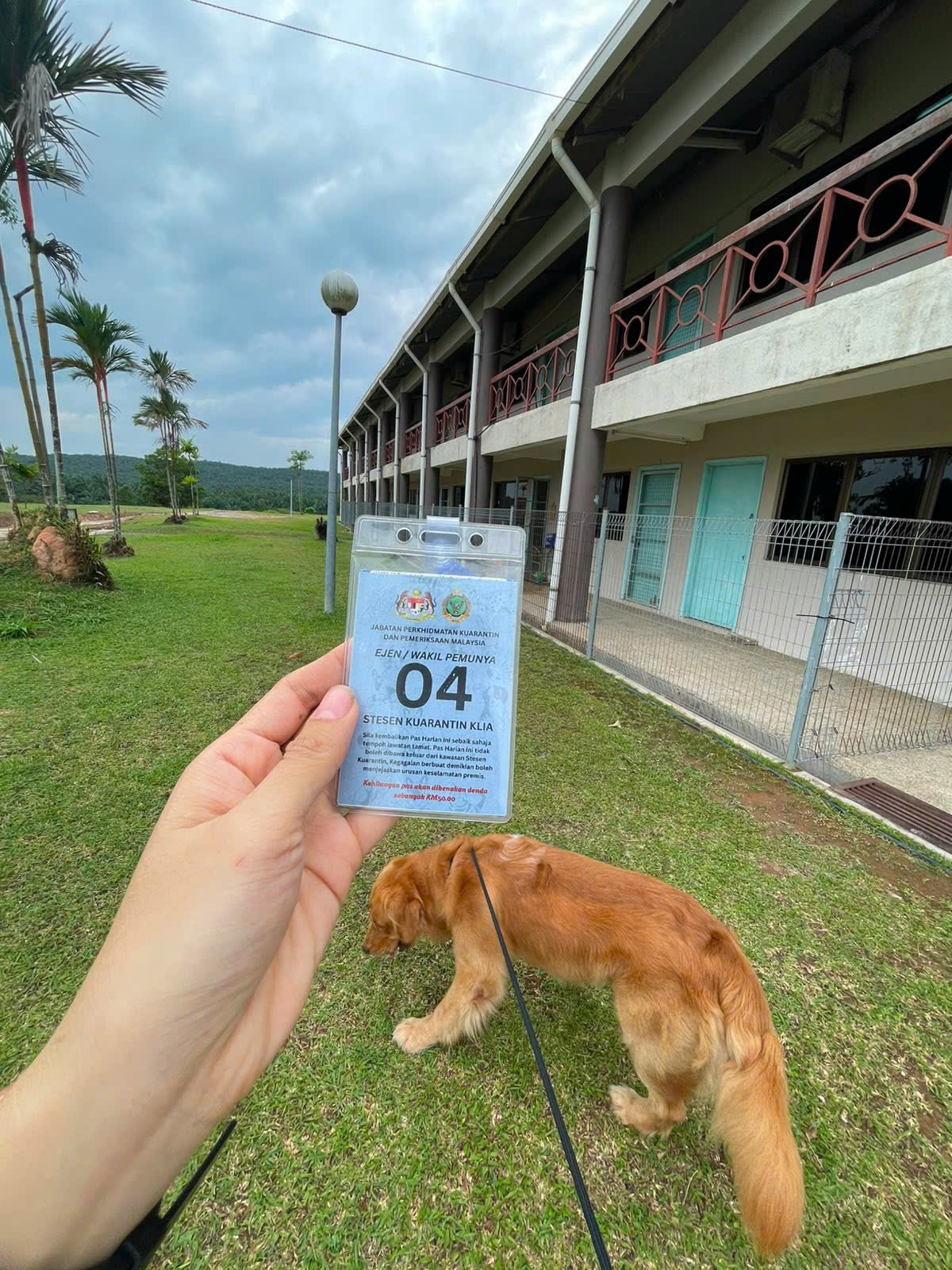
KLAQS consists of separate, dedicated housing structures for dogs and cats. Each kennel is designed to prevent cross-contamination while ensuring basic comfort. According to MAQIS, the KLIA station has both standard and air-conditioned rooms: 4 cat units (capacity 220 cats) and 5 dog units (capacity 280 dogs). To prevent any microchip identification failures during daily routine checks, ensure your pet’s identity chip is fully functioning. For foundational context on identity checks, read about the importance of the Pet Microchip.
Section 1: The Mandate for Malaysia Pet Quarantine
Vietnam is classified as a Non-Scheduled Country under Malaysia’s biosecurity framework, which means that direct importation without quarantine is legally impossible. The primary clinical goal of the 7-day hold is to observe pets for zoonotic diseases, particularly rabies, which has a variable incubation period. Furthermore, the physical custody period allows Malaysian Quarantine and Inspection Services (MAQIS) officers to verify that the imported animal matches the documentation perfectly. Any discrepancies in vaccination timelines or clinical records — or clinical signs of infection — can result in the quarantine period being extended up to 6 months at the owner’s expense, based on a case-by-case risk assessment. Coordinating this correctly from the start is exactly what our international pet relocation service is built to handle.
- Mandatory Period: Minimum 7 days, which can be extended up to 6 months if compliance or health issues arise.
- Location: The KLAQS government station in Sepang, Selangor, next to the KLIA cargo area, or a MAQIS-approved private facility nearby.
- Scope of Custody: Pets are monitored closely by Malaysian Quarantine and Inspection Services (MAQIS) veterinarians.
In 2026, space at the government station is limited while MAQIS builds a new Integrated Biosecurity Centre at KLIA, due for completion in 2027. Many pets are therefore assigned to a MAQIS-approved private quarantine facility instead. The authorities confirm the facility close to the arrival date, so it cannot be guaranteed when the booking is made.
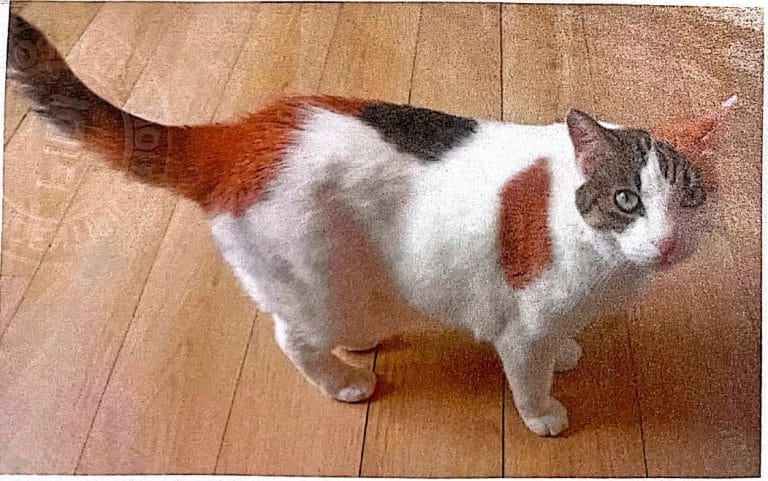
In one case, a cat named Sushi was assigned to a privately run quarantine facility elsewhere in Sepang instead — air-conditioned and cage-free, but with different visiting rules than the government-run station described above. See the full case study for how that played out.
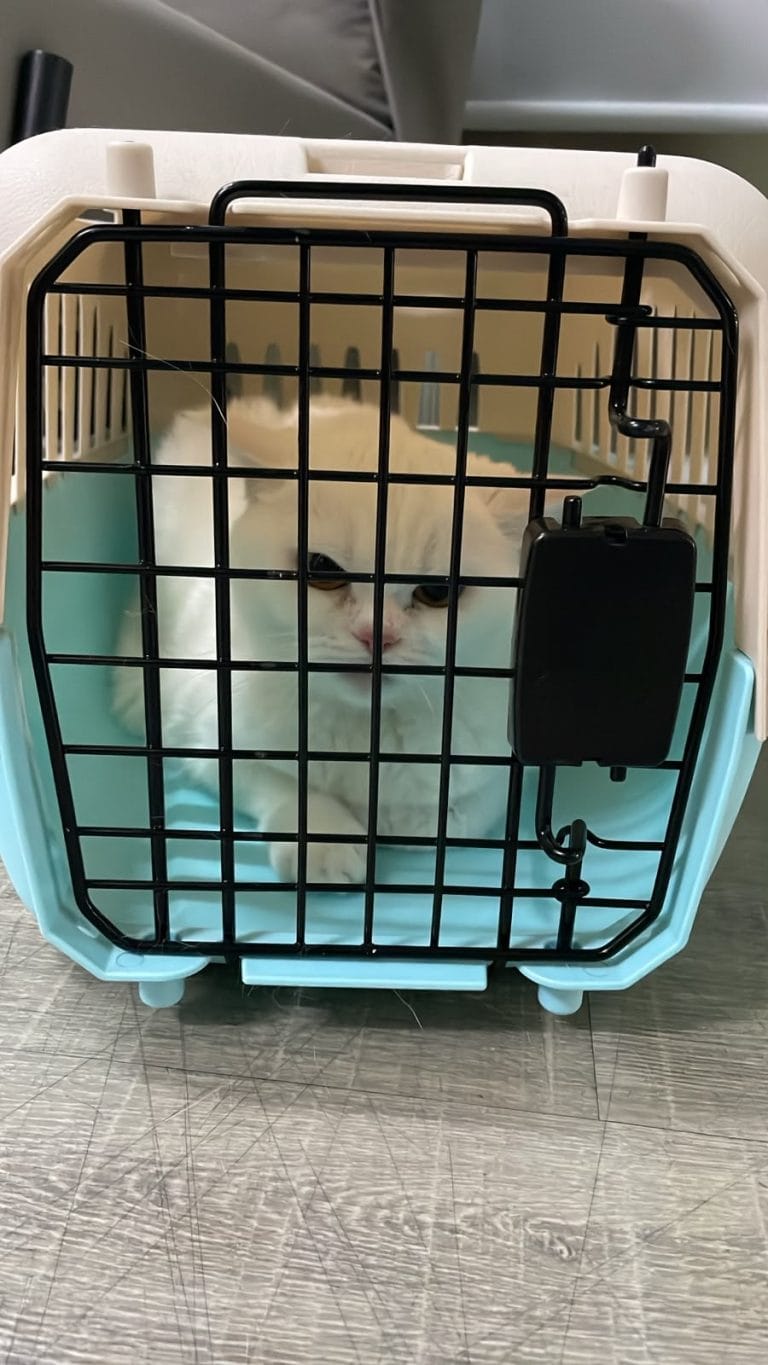
Baby, a cat who flew in the cabin, was also placed in a private facility in Sepang. Her pick-up was set for day eight and moved back by a few days because of her family’s travel, and the facility asked for payment of the extra nights before releasing her. The day-by-day account is in her cabin flight and quarantine stay.
Section 2: Technical Specifications of KLAQS Facilities
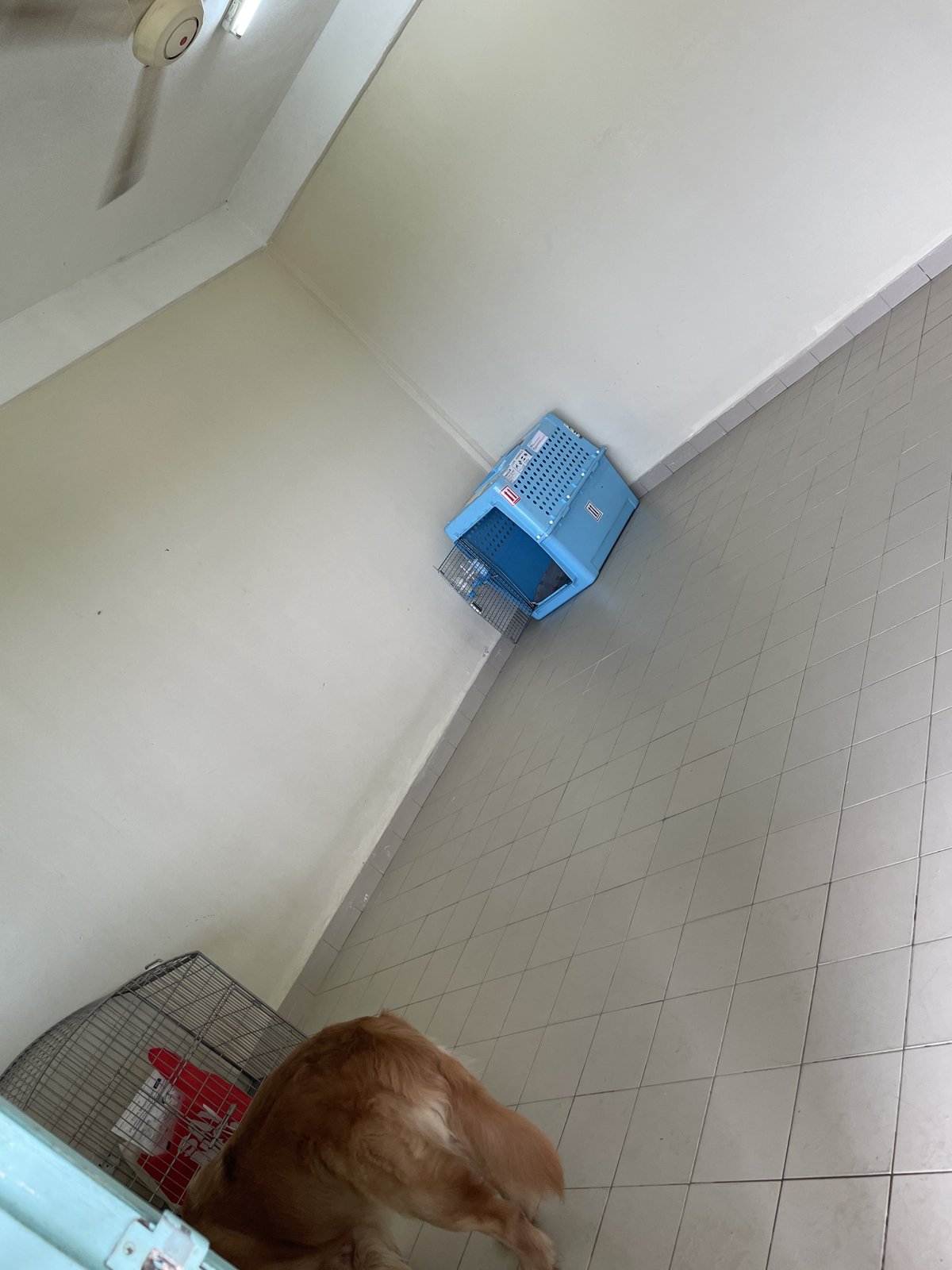
The KLAQS facility is a highly secure animal housing complex designed to balance biological containment with veterinary welfare. Dogs are housed in individual concrete runs that are disinfected daily, while cats are placed in comfortable, multi-level cages in a completely separate block to minimize stress. Standard rooms use ceiling fans, and MAQIS also lists air-conditioned rooms at the station. Private facilities offer air-conditioned rooms without cages, which suits brachycephalic breeds and pets used to cool indoor environments, but the owner does not choose which facility the pet is assigned to.
- Sanitation Protocols: Daily deep cleaning and disinfected housing blocks.
- Climate: Standard (ceiling-fan) and air-conditioned rooms at the KLIA government station, per MAQIS; air-conditioned rooms at private facilities.
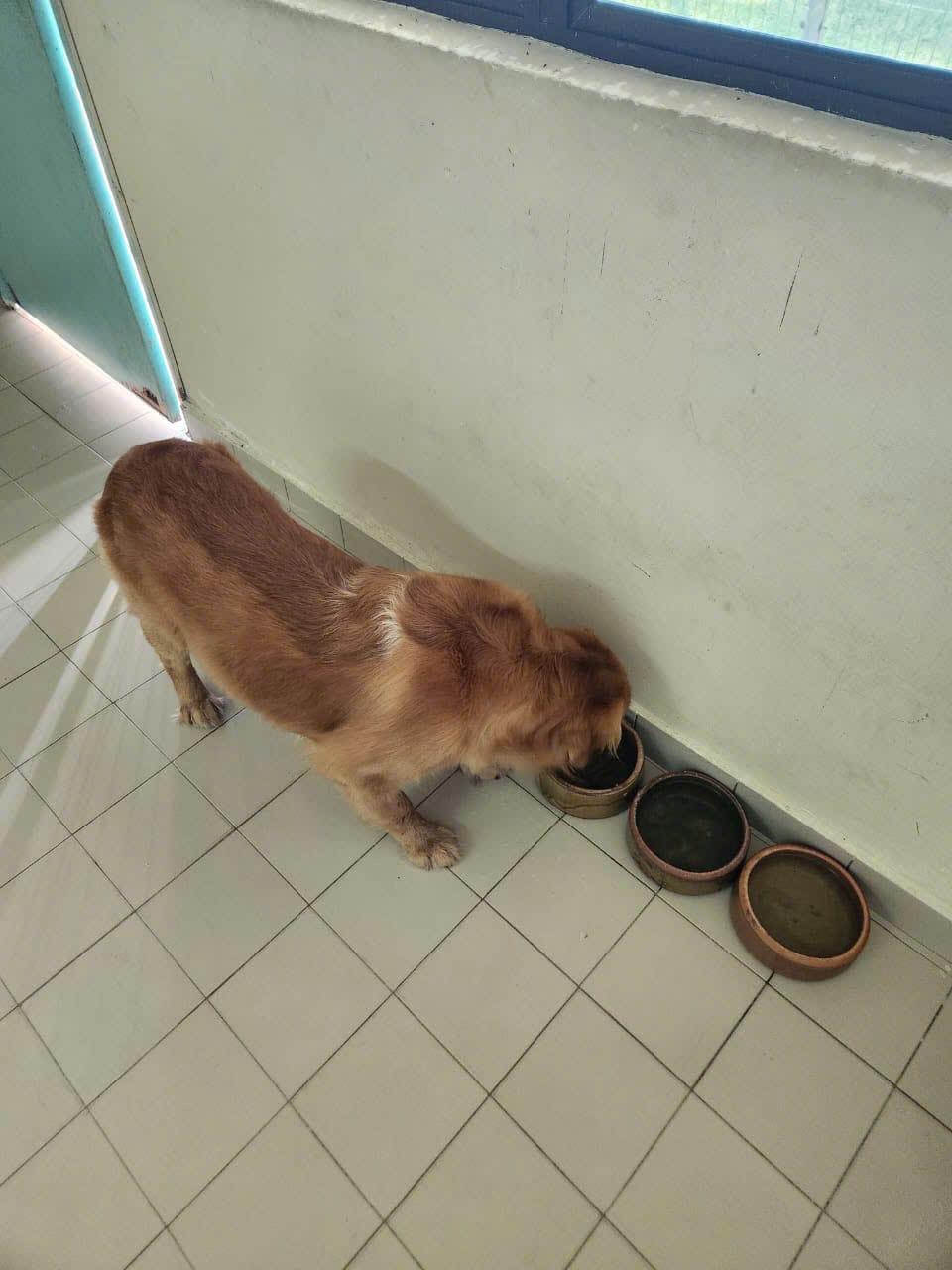
- Dietary Control: Basic commercial food is provided, but owners can supply custom diets through agents.
Section 3: Booking Procedures and Quarantine Fees
Securing a quarantine place is a time-sensitive task. Bookings need at least 14 days’ notice, but book as early as possible: in a 2026 case, the preferred date was already full and the arrival moved back by a full week. DVS does not require a rabies antibody titer report for entry into Peninsular Malaysia; some owners still choose one as an extra safeguard. For detailed guidelines on clinical test preparation, see our guide on the Rabies Titer Test. It is also important to factor the booking costs into your total move budget. For a detailed breakdown of government quarantine fees and handling fees, consult our analytical guide on the Pet Relocation Cost to Malaysia.
- Reservation Window: At least 14 days before arrival, normally booked by the Malaysian agent named on the import permit.
- Government Station Rate: DVS lists about MYR 79 a week for a dog and MYR 72 for a cat, before food and treatment.
- Private Facility Rate: Higher than the government rate. In Daisy’s 2026 quotes, the booking and the 7-day stay came to about $400 per pet.
Section 4: The Release Process and Airport Ground Operations
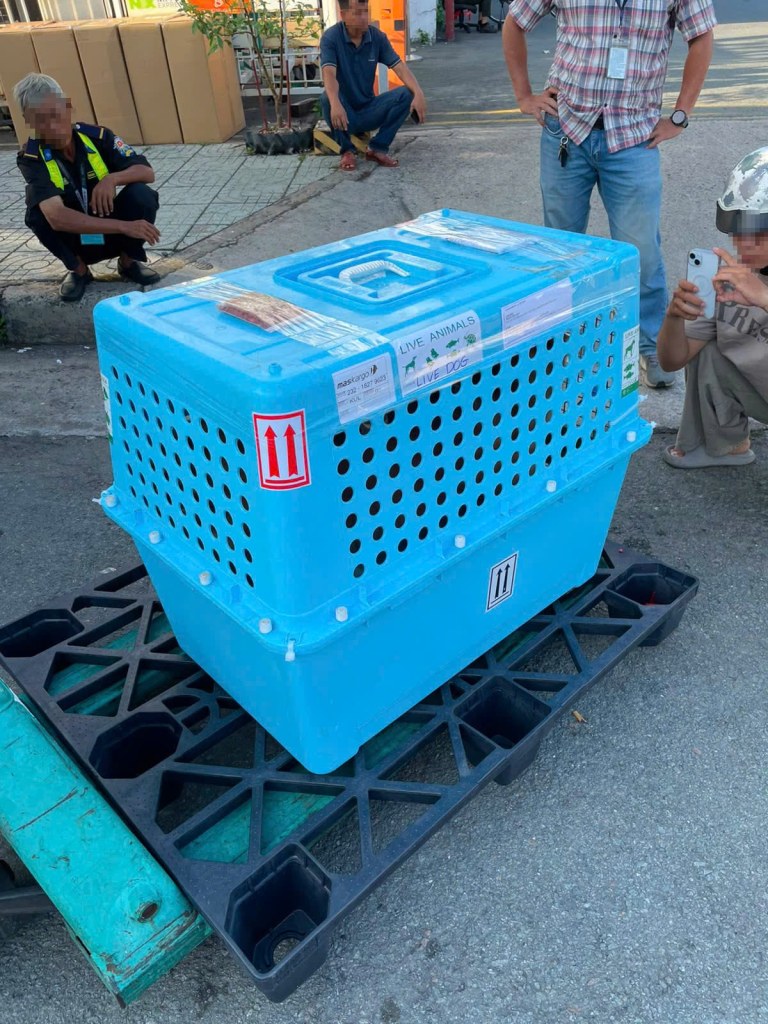
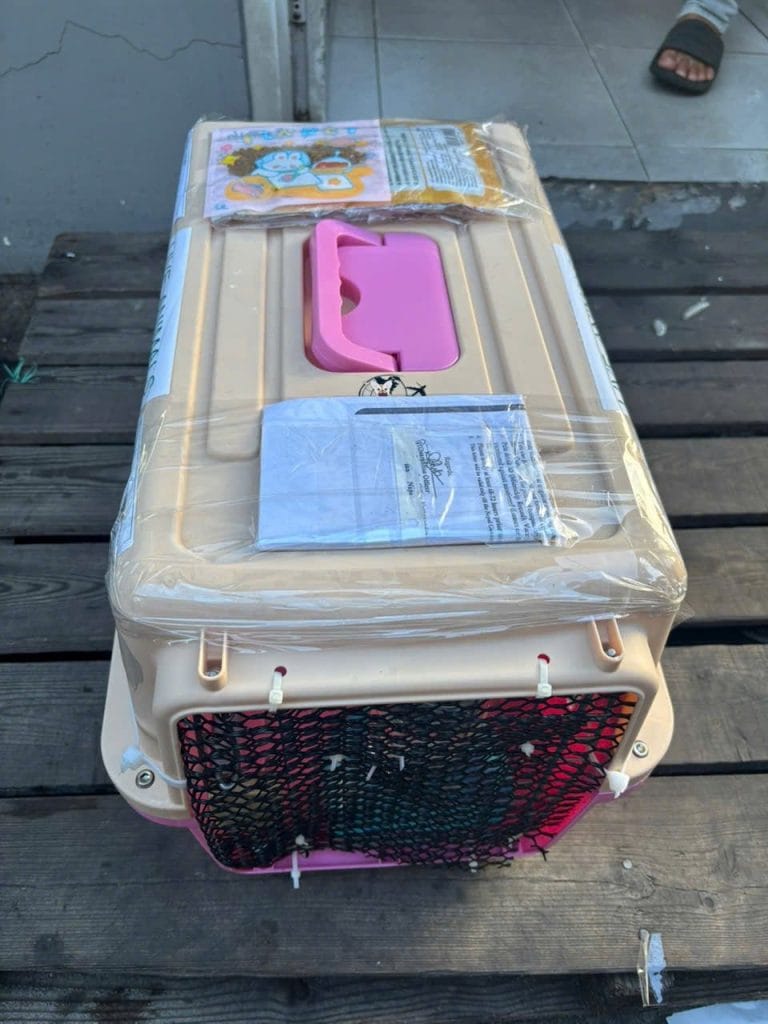
Upon arrival at KLIA, the owner takes the original health certificate, vaccination record, passport and boarding pass to the airport quarantine office in the baggage hall. Pets flying as checked baggage are brought there by airline staff; cabin pets are handed over by the owner; pets flying as cargo are processed through the cargo terminal. Owners cannot take their pets home from the airport. MAQIS officers perform an initial check of the Export Health Certificate and the Import Permit before admitting the pet into the station. Once the 7-day custody period is complete without any clinical abnormalities, the release certificate is issued, and the pet is officially cleared for entry.
- Handover: At the airport quarantine office for checked-baggage and cabin pets; through the cargo terminal for cargo.
- Visitor Access: At KLAQS, registered owners can visit during daytime hours (8:00 AM – 4:00 PM). Private facilities do not allow visits by default for biosecurity reasons; a visit needs approval by email, which usually takes about two days.
- Payment at Release: Private facilities may require any extra nights to be paid before the pet is released.
- Final Clearance: A physical check is completed on day 7 before issuing the release slip.
Summary of KLAQS Quarantine Operational Framework
The table below provides a quick reference to the operational parameters, costs, and requirements for KLAQS quarantine in Malaysia.
| Operational Parameter | Standard Specification | Estimated Cost | Owner Requirement |
|---|---|---|---|
| Quarantine Duration | Minimum 7 Days (up to 6 months) | About MYR 79 / week (dog), MYR 72 / week (cat) at the government station; higher at private facilities | Monitor health status, titer test recommended but not mandatory |
| Standard Feeding | Commercial dry food provided daily | Not included in the government weekly rate | Advise of any specific dietary restrictions or allergies |
| Veterinary Inspection | Admissions check and final release scan | Not published separately | Provide RAHO Export Health Certificate and Import Permit |
| Visiting Hours | KLAQS: 8:00 AM – 4:00 PM with registration; private facilities: by approval only | No fee | Register the visit in advance, or request approval by email at a private facility |
Expert Advice: Managing Your Pet’s Quarantine Stress
Quarantine is an operational necessity, but it can be stressful for your pet if not managed correctly. To minimize anxiety, we recommend placing a familiar item of clothing inside their travel crate—the scent of their owner provides comfort in a new environment. Additionally, preparing a high-nutrition diet before departure keeps their immune system resilient. Direct transit routes are highly recommended to prevent compounding travel fatigue with quarantine stress.
Professional Tip: When visiting your pet in quarantine, keep your behavior calm and reassuring. Pets are highly sensitive to their owner’s emotions. A quiet, loving visit does wonders to stabilize their mood and keep them calm.
Last updated 16 Oct 2026
Compiled by our specialists from the regulations in force on the date above, for reference only. Rules may change after this date. Please verify with the competent authorities or contact us for the most accurate information.
Official sources cited in this guide
- MAQISmaqis.gov.my