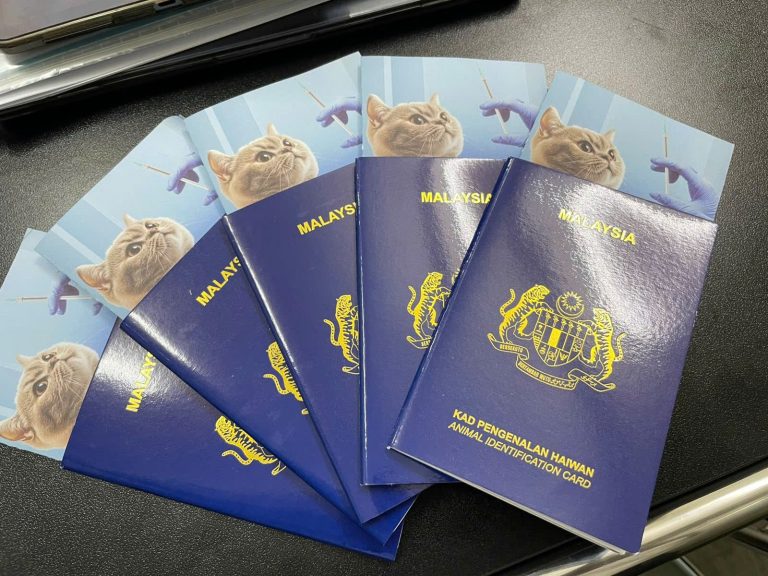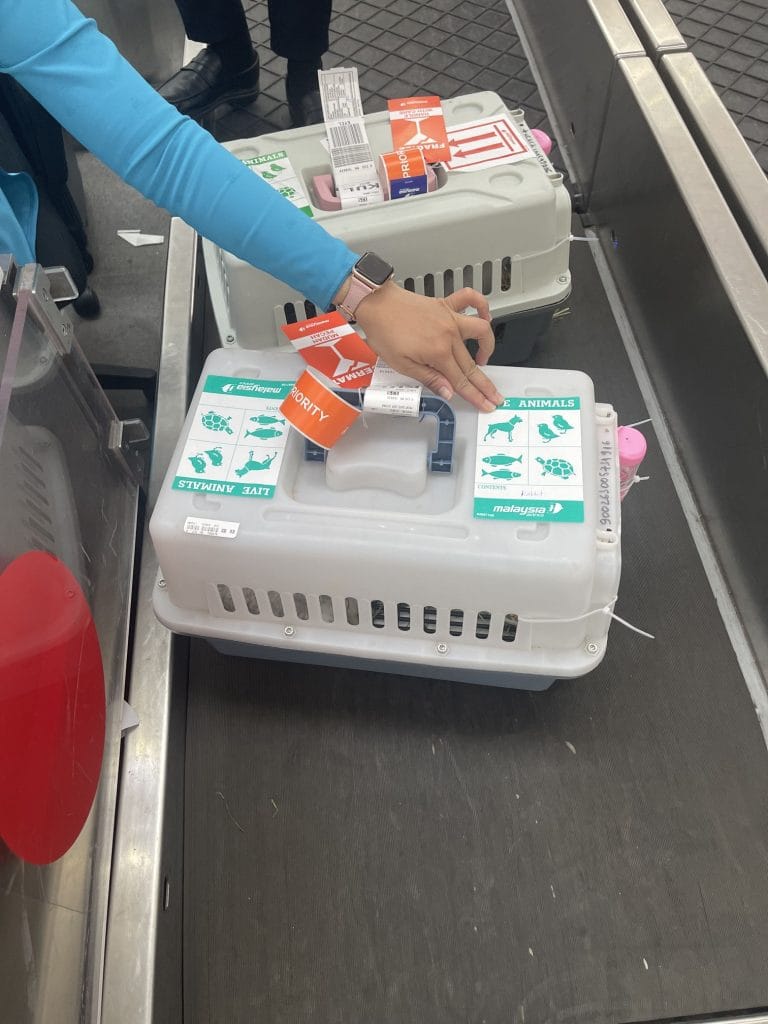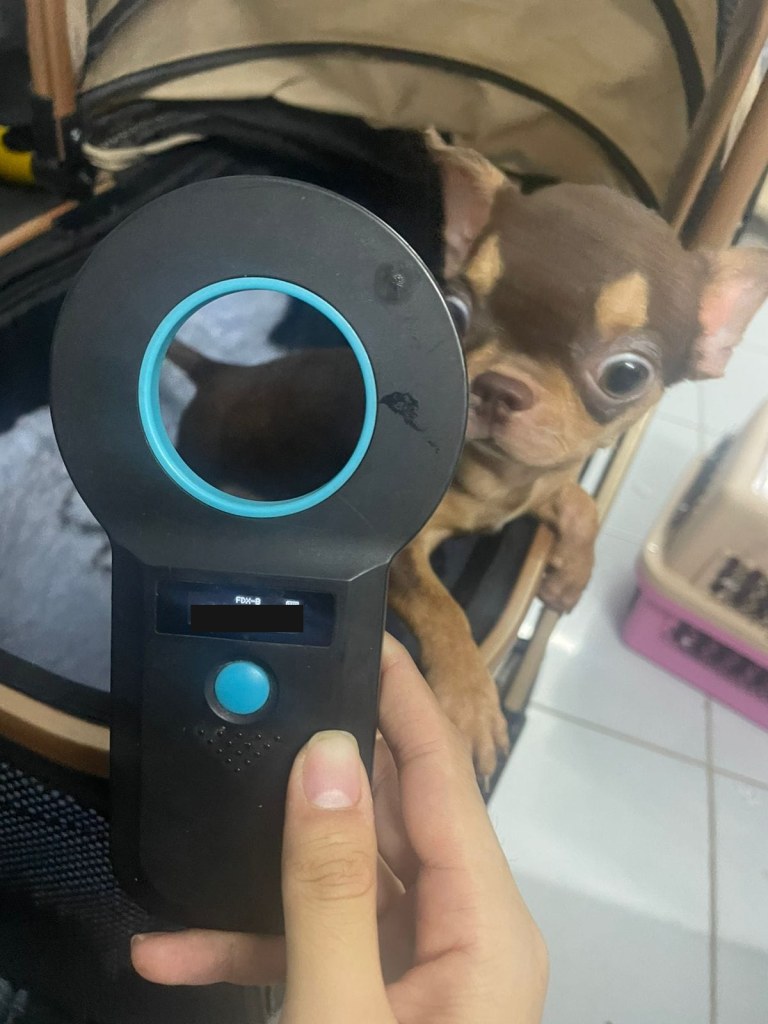
Relocating a pet internationally requires strict operational discipline — and shipping a dog or cat from Vietnam to Malaysia is no exception. To ensure a seamless entry through Kuala Lumpur International Airport (KLIA) without administrative delays, pet owners must strictly adhere to the official veterinary protocols. Understanding the baseline regulatory framework outlined in our Malaysia Pet Import Regulations is the first step toward building a risk-free transit plan — see our Malaysia Pet Relocation Guide for the complete country roadmap.
This step-by-step timeline is designed to serve as a comprehensive preparation schedule. If your pet already has valid core vaccinations, the process from microchip verification to departure can realistically be completed in as little as 4 to 6 weeks — though we recommend starting at least 6 to 8 weeks before your target departure date to leave a safety margin for KLAQS quarantine slot availability, which can fill up during peak seasons. Owners who choose to add the optional rabies titer test for extra assurance should budget an additional 8 to 12 weeks on top of this baseline. A rushed relocation without adequate lead time often leads to boarding denials or extended quarantine stays—both of which represent unnecessary stress for your pets.
Stage 1: Microchip Implantation and Primary Vaccinations (Day 1 – Day 15)
The absolute foundation of your pet’s relocation record is a 15-digit ISO 11784/11785 compliant microchip. This device must be implanted and verified before any vaccinations or blood draws are performed. Any treatment recorded prior to the microchip’s official registry date is considered legally invalid by Malaysian authorities. For details on why this identity verification is mandatory, consult our guide on the Pet Microchip.
- ISO 11784/11785 Microchip: Implanted and scanned to confirm readability.
- Primary Rabies Vaccine: Administered to pets at least 12 weeks of age.
- Core Vaccines: DHPPi for dogs and FVRCP for cats must be up to date.
Stage 2: Import Permit Application & KLAQS Quarantine Booking (Day 15 – Day 30)
Once your pet’s microchip and core vaccinations are confirmed, apply for the DVS/MAQIS Import Permit and reserve a mandatory quarantine slot at the Kuala Lumpur International Airport Animal Quarantine Station (KLAQS) in parallel. The import permit is typically issued within 1–2 business days once documents are complete, but KLAQS quarantine space is limited and should be reserved as early as possible — in one real Daisy Pet relocation, the original preferred flight date had to be pushed back a full week when the requested quarantine slot was already fully booked. To understand the operational procedures of the quarantine facility, please refer to our Malaysia Pet Quarantine Guide. Additionally, budget allocation must be finalized at this stage—for a detailed breakdown of government fees and handling charges, read our analysis on Pet Relocation Cost to Malaysia.
- Import Permit: Submit applications to the Department of Veterinary Services (DVS) and Malaysian Quarantine and Inspection Services (MAQIS).
- KLAQS Booking: Secure a quarantine space as early as possible — demand can exceed availability during peak seasons.
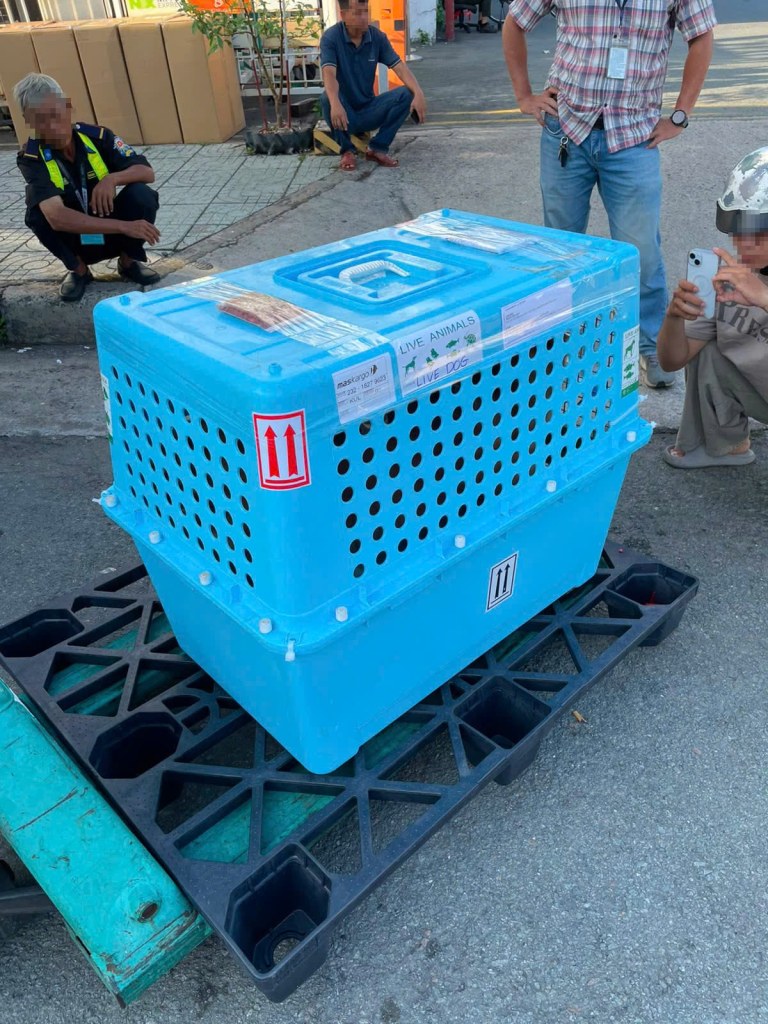
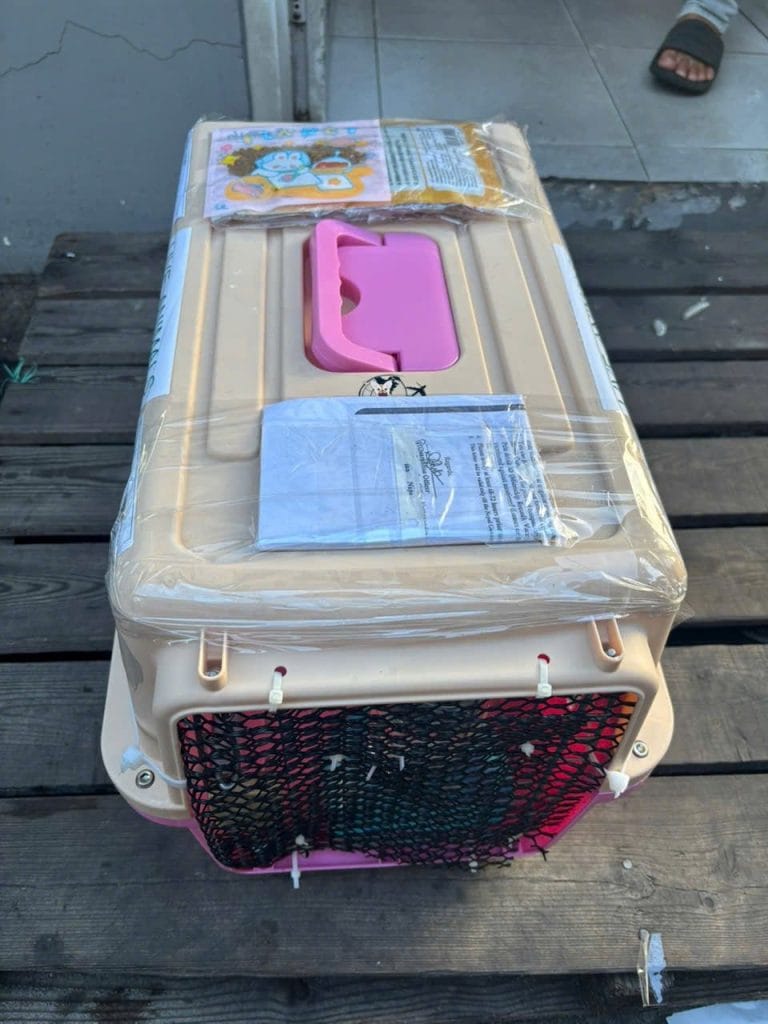
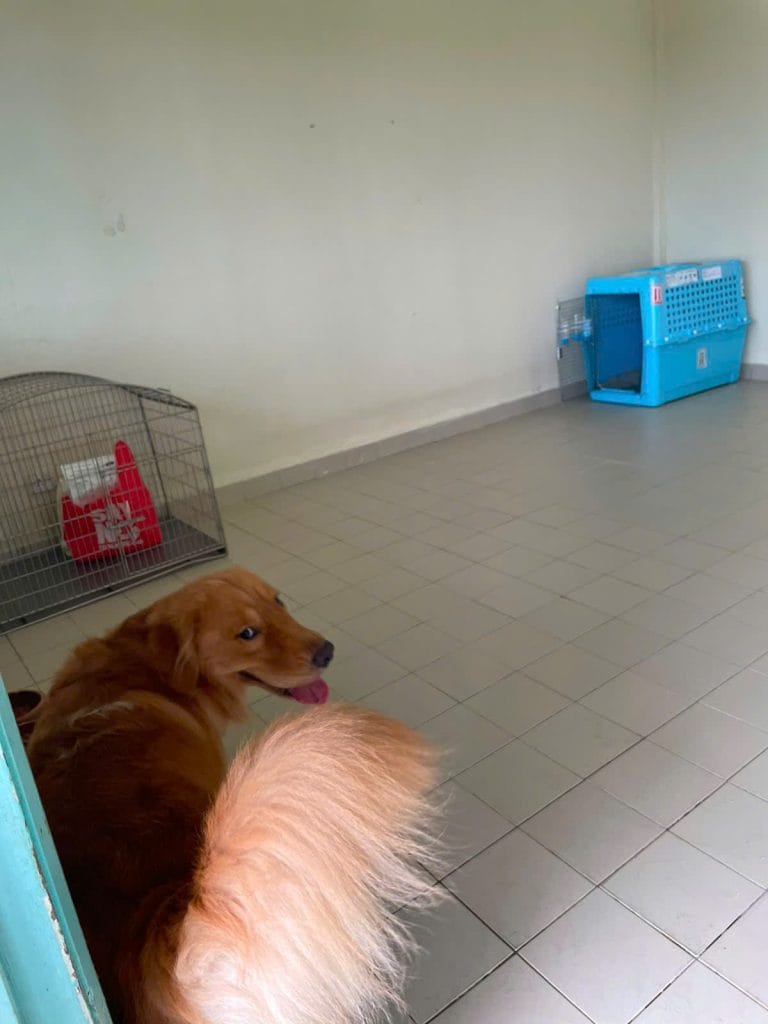
- Crate Procurement: Purchase and begin conditioning your pet to an IATA-compliant travel crate, and have it inspected before intake — an undersized crate discovered at the last minute can force a same-day upgrade, as happened in our Golden Retriever cargo case study.
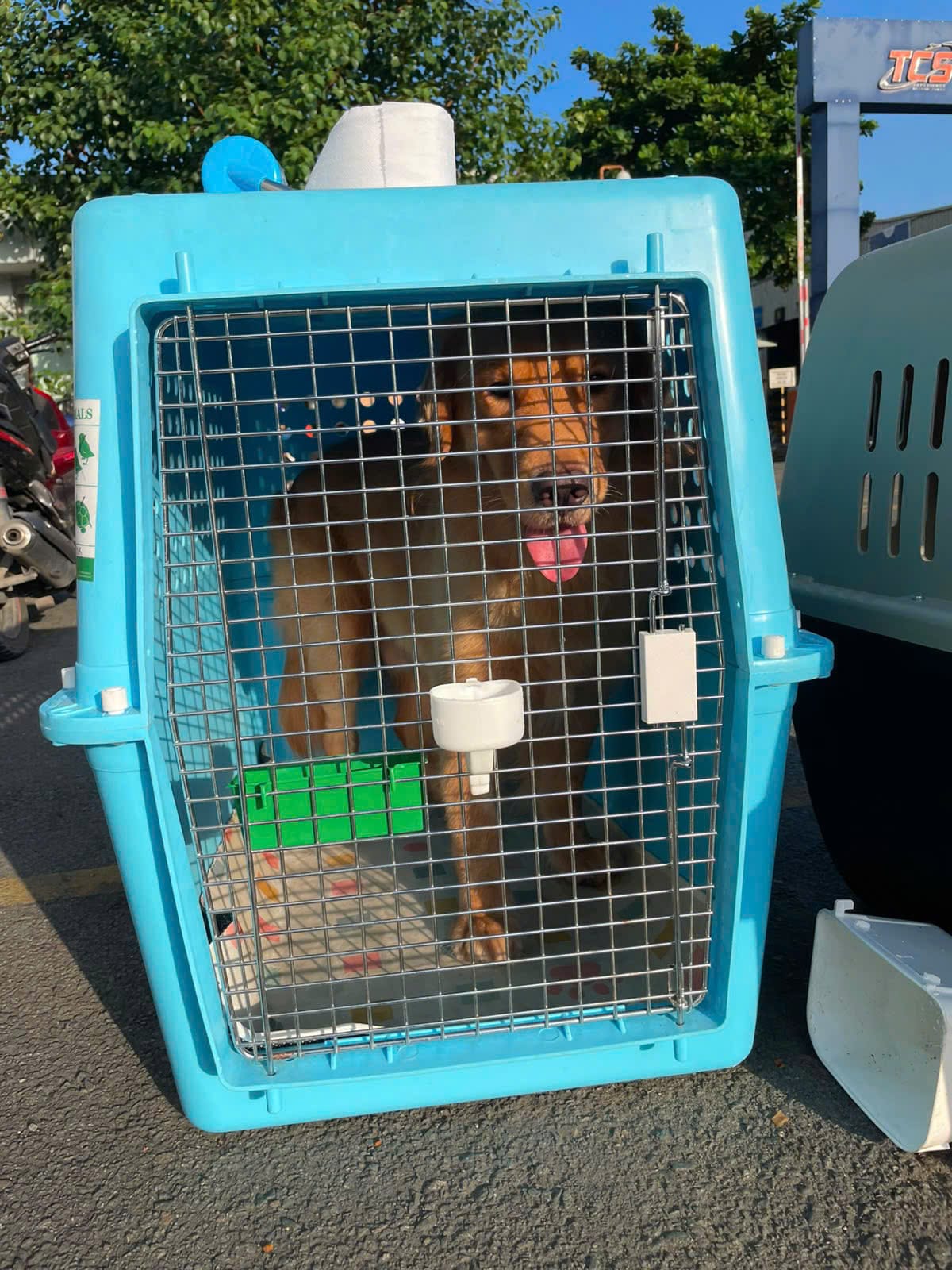
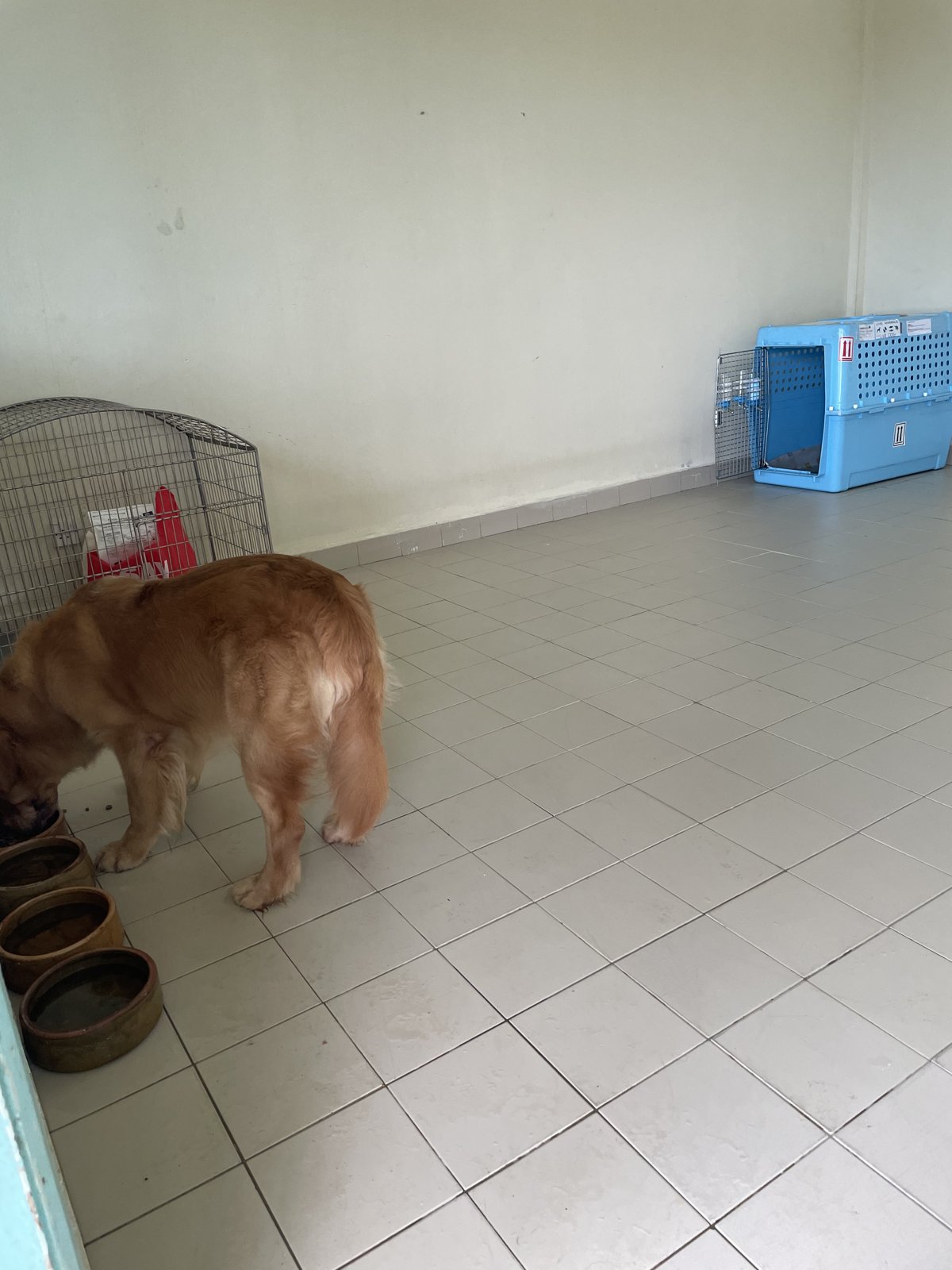
Optional Add-On: Rabies Antibody Titer Test (Adds 8–12 Weeks If Chosen)
Unlike some destination countries, Malaysia’s DVS does not strictly mandate a Rabies Neutralizing Antibody Titer Test (FAVN/RNATT) for pets entering Peninsular Malaysia from Vietnam — several real Daisy Pet relocations have completed the full process without one. However, presenting a passing titer result (≥ 0.5 IU/ml) can strengthen your document profile during DVS vetting. If you choose this route, blood must be drawn at least 30 days after the rabies vaccination, and laboratory turnaround typically takes 3 to 4 weeks — budget roughly 8 to 12 additional weeks if you want this extra assurance. Refer to our resource on the Rabies Titer Test for lab registry and verification requirements.
- Blood Sampling: Performed by an accredited veterinarian at least 30 days after vaccination.
- Laboratory Turnaround: Typically takes 3 to 4 weeks for the official report to arrive.
- Optional, Not Mandatory: Skipping this step does not block your DVS/MAQIS import permit application for Peninsular Malaysia.
Stage 3: Pre-Departure Inspections and Official Certification (Final 7 Days Before Departure)
The final phase of the relocation is focused on clinical compliance and logistics. Within 7 days of departure, your pet must undergo a comprehensive veterinary exam to confirm they are free from infectious diseases and fit to fly. The veterinarian will administer external and internal parasite treatments. Following the clinical check, you must obtain the official Export Health Certificate from Vietnam’s Department of Animal Health (RAHO).
- Clinical Exam & Deworming: Administered within 7 days prior to flight.
- RAHO Health Certificate: The crucial export clearance document issued by Vietnamese authorities.
- Airline Check-In: Ensure all documents, flight bookings, and crate setups are double-checked.
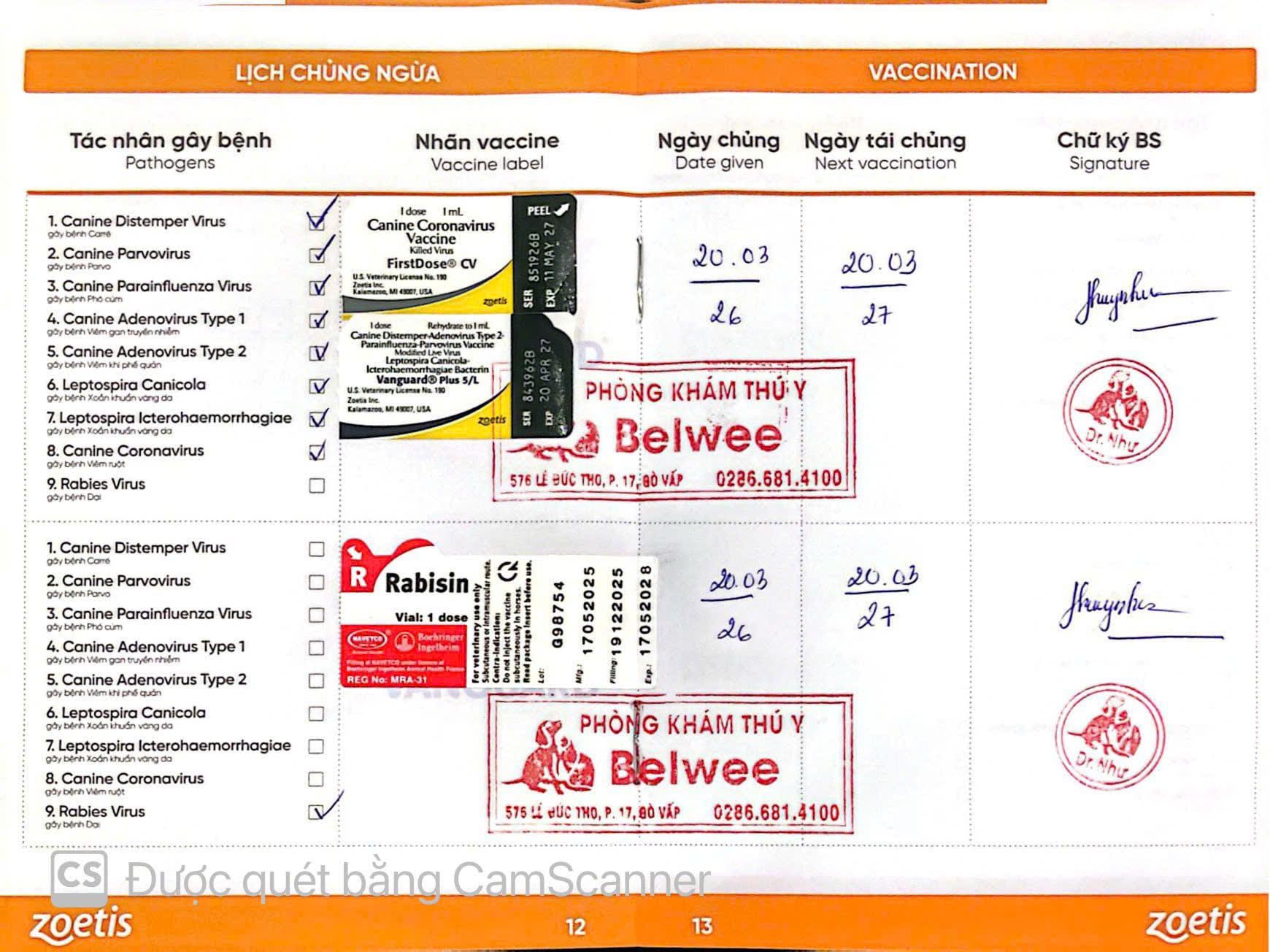
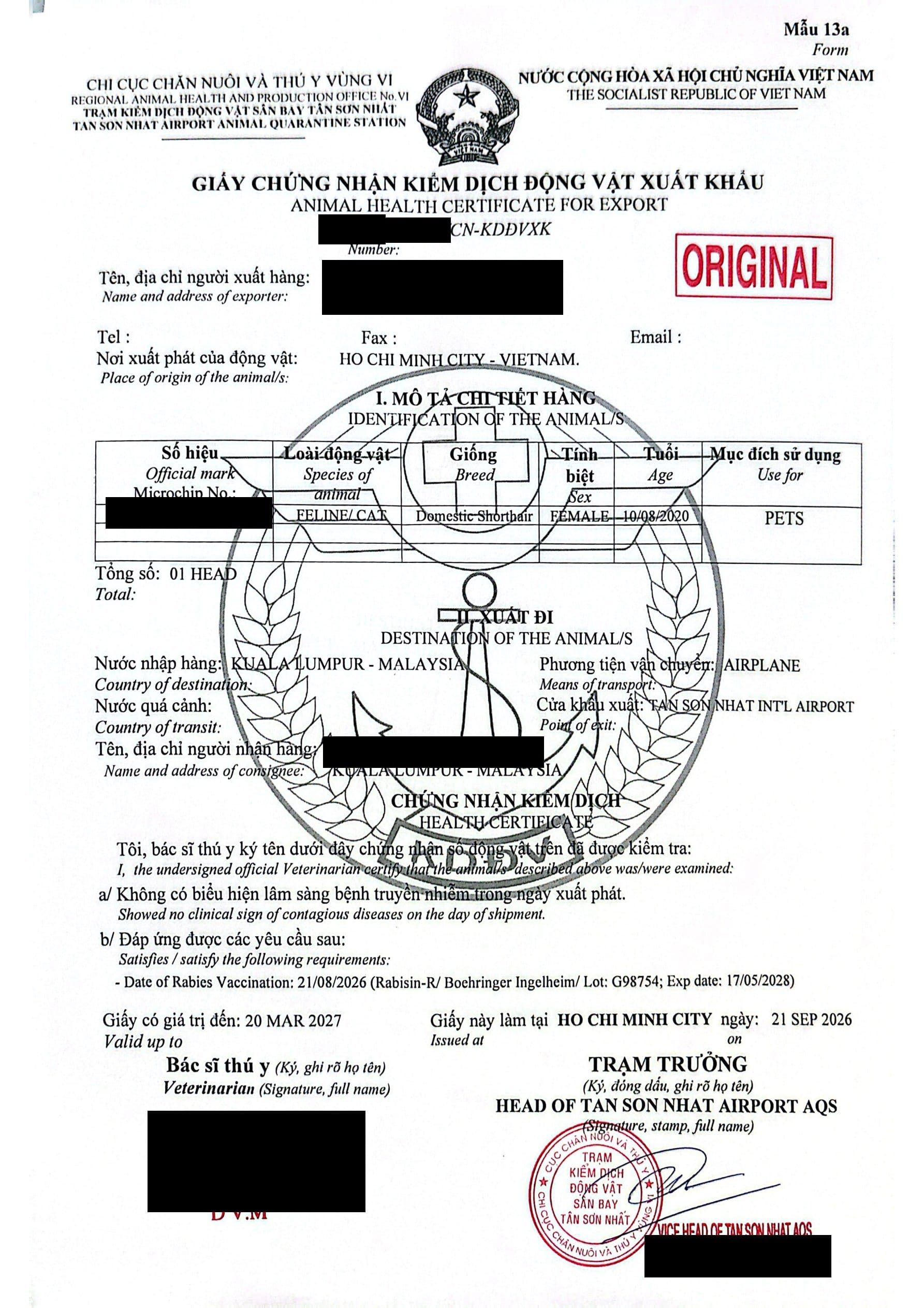
Summary of the Vietnam to Malaysia Pet Relocation Milestones
The table below summarizes the key milestones, required actions, and timing for shipping your pet successfully.
| Timeline Stage | Key Milestone | Required Documents | Action Item |
|---|---|---|---|
| Days 1–15 | Identity & Primary Immunity | Vaccination booklet, Microchip cert | Implant ISO microchip, administer Rabies and core vaccines |
| Days 15–30 | Government Approvals | KLAQS booking confirmation, Import Permit | Reserve KLAQS quarantine slot early, apply for DVS/MAQIS Import Permit |
| Optional (+8–12 weeks if chosen) | Titer Verification (Not Mandatory) | Blood draw records, lab report | Perform FAVN blood draw at accredited vet, send to approved lab — skip this row if not pursuing the optional titer test |
| Final 7 Days | Export Clearance | RAHO Health Cert, Parasite record | Complete final vet exam, administer parasite treatments, obtain RAHO cert |
Expert Advice: Managing Risks and Stress Control
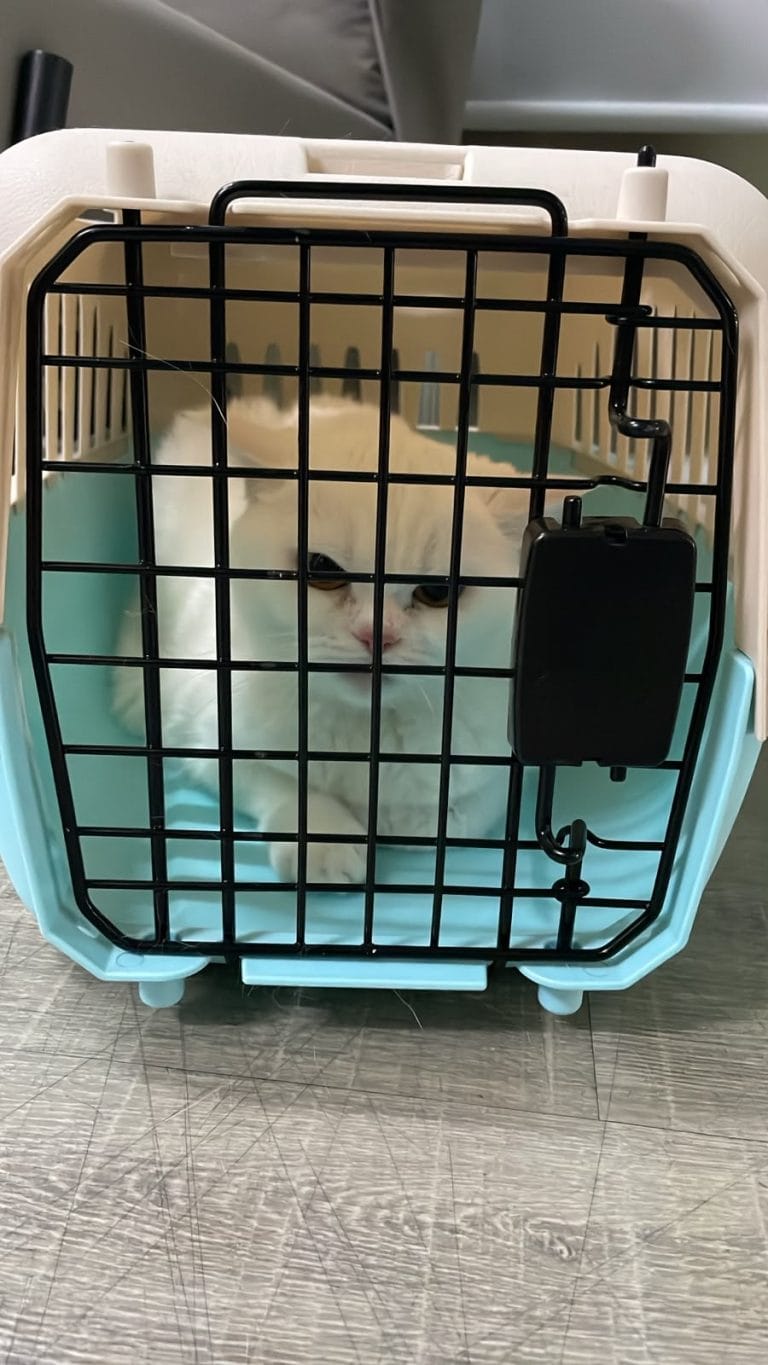
Operating a pet transport successfully is more than just collecting paper—it is about controlling operational risks. At Daisy Pet, our relocation specialists treat crate conditioning as a safety-critical step. A dog or cat that is comfortable in its IATA crate will experience significantly lower stress during the flight and transit phases. Furthermore, ensuring that your flight is booked on a direct route with a pet-friendly carrier avoids the risks associated with layover delays or temperature extremes.
Pro-Tip: Never use sedatives or tranquilizers for your pet’s flight. Sedatives lower blood pressure and can be extremely dangerous under cabin or cargo hold pressure. Consistent crate training is the only safe method to manage travel anxiety.
Last updated 16 Oct 2026
Compiled by our specialists from the regulations in force on the date above, for reference only. Rules may change after this date. Please verify with the competent authorities or contact us for the most accurate information.