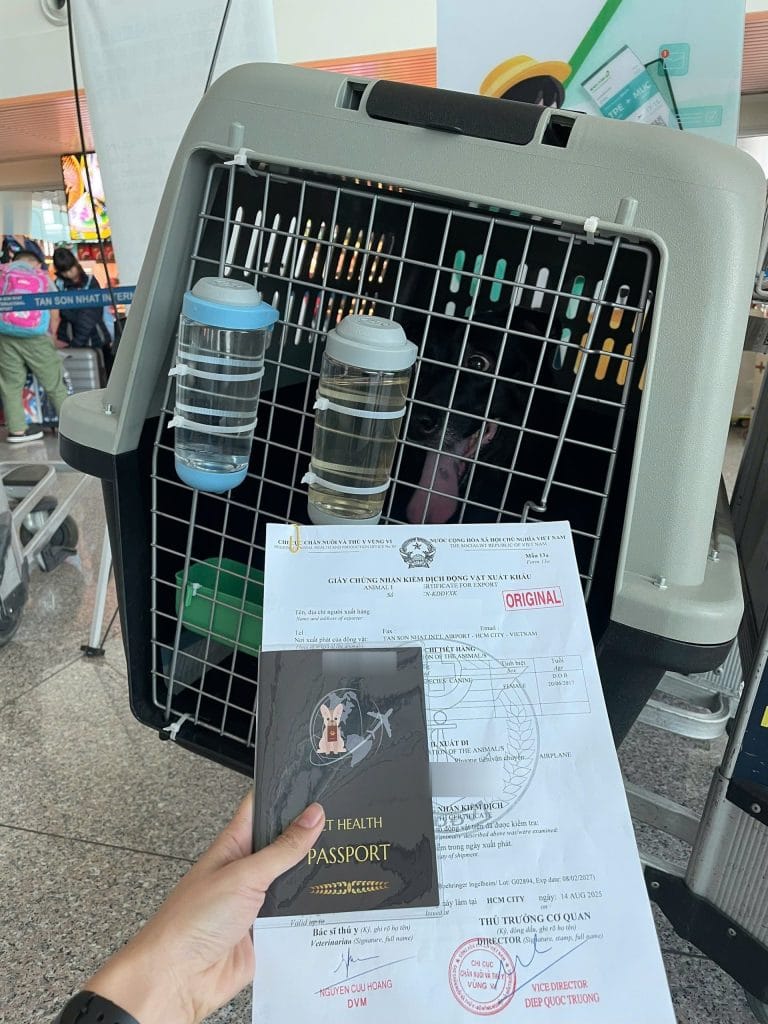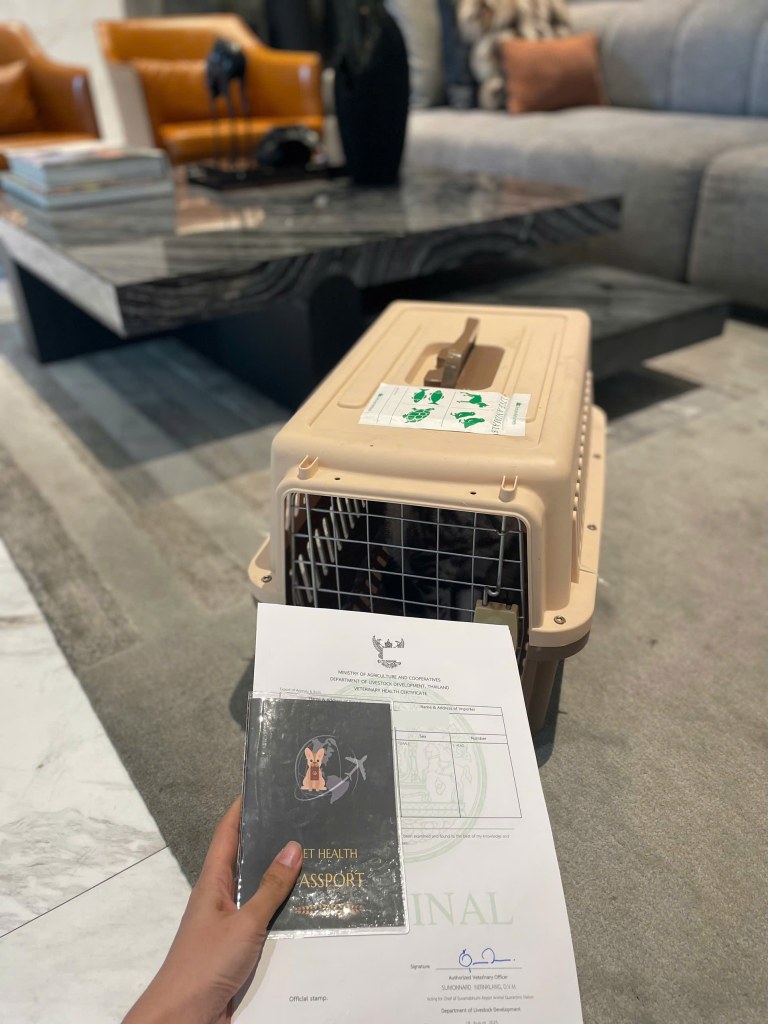
Your veterinarian prepared the health certificate. A concierge service formatted and submitted it to the government authority. Everything looks perfect on paper.
Then the airline changes the routing 48 hours before departure. The new transit airport doesn’t process live animals on weekends. The health certificate — which was timed perfectly for the original flight — now expires before the rescheduled departure.
Who fixes this? Not the vet — they did their job. Not the concierge service — their scope ended when the documents were submitted. The person who fixes this is the pet transport agent — the one professional whose job description covers the entire journey from veterinary clinic to customs clearance at the destination.
This article explains why that role exists, what it actually involves, and why it matters more in 2026 than it ever has before.
Three roles, three different scopes
International pet relocation involves three distinct professional roles. They overlap in certain areas, but their responsibilities — and their limitations — are fundamentally different:
| Role | What they do | Where their responsibility ends |
|---|---|---|
| Veterinarian | Pet health assessment, vaccinations, health certificate issuance, microchip implantation | Not responsible for airline rules, flight logistics, or customs requirements |
| Health Certificate Concierge | Document formatting, government submission coordination, endorsement tracking | Typically unaware of routing constraints, flight changes, crate requirements, or destination customs procedures |
| Pet Transport Agent | End-to-end relocation: paperwork coordination, flight booking, crate compliance, customs clearance, contingency planning | Relies on accurate veterinary input, but manages every other variable in the journey |
When a veterinarian partners directly with a pet transport agent, the relocation is fully supported from health to arrival. When the pairing is veterinarian plus concierge service only, there’s a gap — not because anyone is negligent, but because nobody is watching the logistics.
When paperwork alone isn’t enough
The most common failures in international pet relocation don’t come from bad paperwork. They come from good paperwork that doesn’t align with operational reality.
Here are scenarios we encounter regularly at Daisy Pet Transport:
Scenario 1: The expired certificate
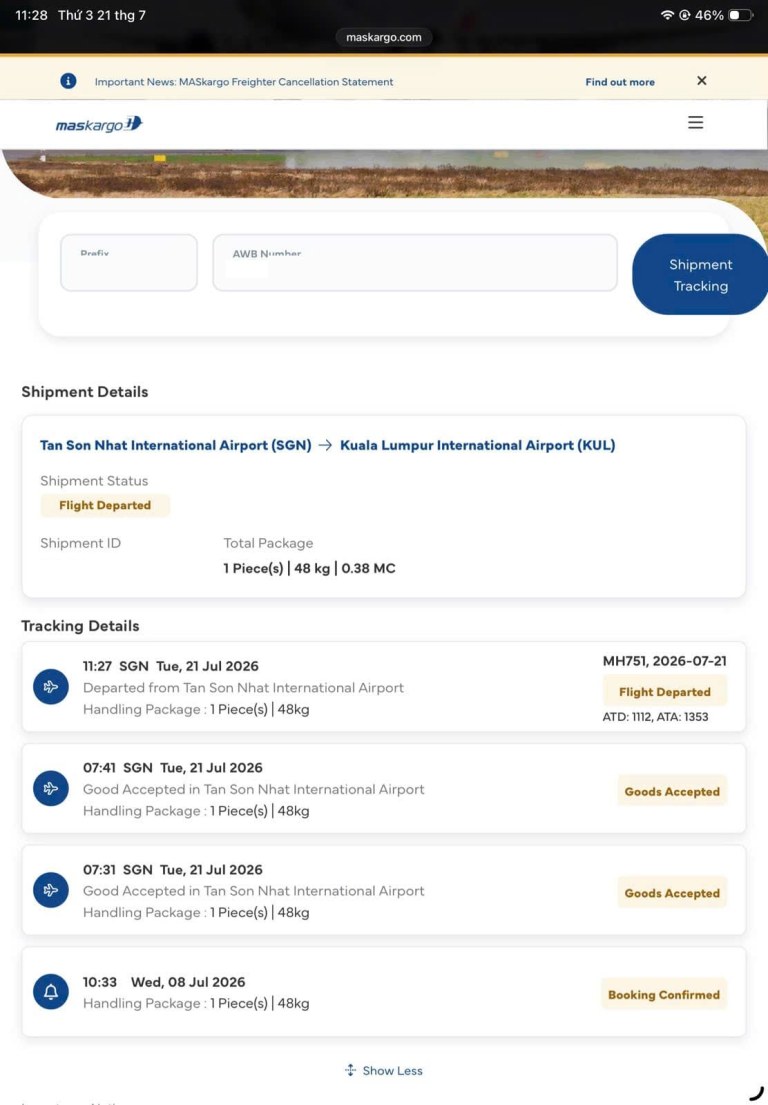
A health certificate is valid for a specific window — often 10 days from the date of issuance. If a flight is delayed by even one day due to weather, mechanical issues, or airline schedule changes, that certificate may expire before the pet boards. A concierge service won’t know about the delay. A transport agent will — because they’re monitoring the flight in real time.
Scenario 2: The weekend customs problem
Some airports don’t process live animal imports on weekends or public holidays. If a routing change causes a pet to arrive on a Saturday at an airport with no weekend animal processing, the pet may be held in a bonded warehouse until Monday — or refused entry entirely. A transport agent knows which airports operate on which days, and adjusts routing accordingly.
Scenario 3: The crate that passed inspection — then failed
A pet’s crate meets IATA requirements for the original airline. But when the routing changes to a different carrier, the new airline has stricter crate dimension requirements — or doesn’t accept that crate model at all. The paperwork is still perfect. The crate is now the problem. And the concierge service has no visibility into this.
The pattern: In each of these scenarios, the paperwork was correct. The veterinary work was sound. What failed was the connection between documentation and logistics — the exact gap that a transport agent fills.
What a transport agent actually monitors
A professional pet transport agent actively tracks variables that no other party in the process is watching:
- Airline booking windows and cargo cutoff times — These change frequently and vary by carrier, route, and aircraft type.
- Government endorsement timelines — Knowing exactly when to submit documents so they’re endorsed in time for departure, but not so early that they expire.
- Customs embargoes and processing schedules — Including weekend closures, holiday shutdowns, and seasonal import restrictions at destination airports.
- Breed-specific and size-specific restrictions — Which airlines accept which breeds, weight limits for cabin vs. cargo, and snub-nosed (brachycephalic) breed policies that change seasonally.
- Temperature embargoes — Airlines restrict live animal transport when ground temperatures exceed certain thresholds. This affects departure timing and may require routing through cooler transit points.
Beyond monitoring, the agent serves as the single point of contact between airlines, import agents at the destination, customs teams, and the pet owner. When plans shift — and they frequently do — the agent is the one making the calls, rebooking the flights, and adjusting the timeline.
The communication gap most pet owners don’t see
There’s another dimension to the agent’s role that rarely gets discussed: structured client communication.
International pet relocation is inherently stressful for pet owners. The process involves unfamiliar regulations, long timelines, and the emotional weight of entrusting a family member to a cargo hold. A professional transport agent provides:
- Clear standard operating procedures that set expectations from day one — what will happen, when, and in what order.
- Proactive updates at every stage — not just when the owner asks “what’s happening?”
- Calm, professional guidance during high-stress moments — flight cancellations, customs delays, last-minute veterinary requirements at the destination.
Health certificate concierge services, by design, don’t provide this. Their workflow typically ends once the paperwork is submitted and endorsed. What happens after that — the flight, the transit, the arrival — is outside their scope.
A practical comparison: what each party sees
| Variable | Vet | Concierge | Transport Agent |
|---|---|---|---|
| Pet’s health status | (via vet reports) | ||
| Health certificate preparation | |||
| Government endorsement timing | |||
| Flight booking & cargo space | |||
| Crate compliance for specific airline | |||
| Customs processing at destination | (via partner agent at destination) | ||
| Contingency planning (delays, reroutings) | |||
| Client communication throughout | Limited | Limited |
When is a transport agent truly unnecessary?
To be fair — there are scenarios where a dedicated transport agent may not be essential:
- Domestic travel within a single country with no import/export paperwork required.
- In-cabin pet travel on a simple, direct route where the pet is small, the airline policy is clear, and no government health certificate is needed.
- Repeat travelers who have completed the same route multiple times and understand every step intimately.
For international relocation — particularly from countries like Vietnam where rabies titer tests, vaccination timing, and government endorsements create a complex documentary chain — a transport agent isn’t a luxury. It’s the mechanism that prevents the entire chain from breaking at the last moment.
The bottom line
Veterinarians protect health. Concierge services process paperwork. Transport agents protect the journey.
Each role matters. But for international pet relocation to succeed, someone needs to oversee the entire route — from the veterinary clinic to customs clearance at the destination airport. That’s the transport agent’s job. And in a year when airline policies are changing faster than ever, it’s a job that has never been more critical.
Last updated 17 Oct 2026
Compiled by our specialists from the regulations in force on the date above, for reference only. Rules may change after this date. Please verify with the competent authorities or contact us for the most accurate information.