Ask five pet transport operators in Vietnam whether they can fly a French Bulldog, and you’ll typically hear four honest “no”s — and one confident “yes,” often quoting less than the other four combined. That’s a signal, not a reason to book. A banned breed doesn’t become safe to fly because someone found a faster way to say yes to it. So how does one operator undercut everyone else on price while accepting exactly what the others turn away? Not by finding a loophole in the safety rules — by skipping them, and betting that nobody down the line checks closely enough to notice.
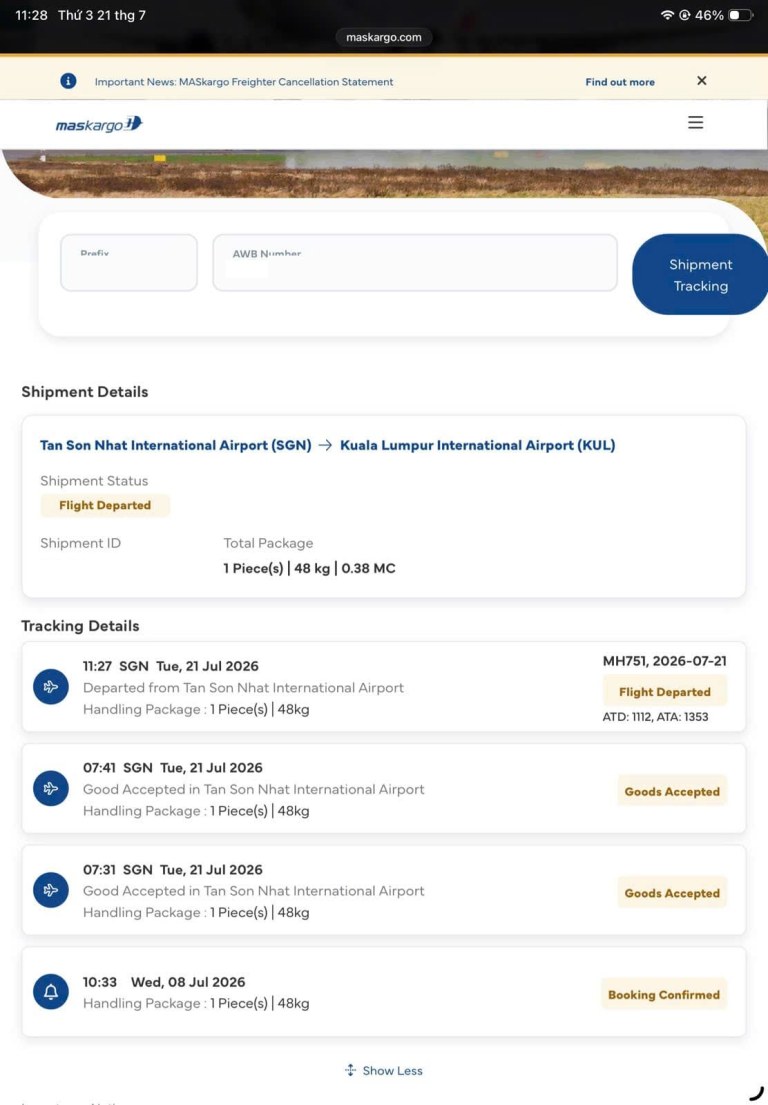
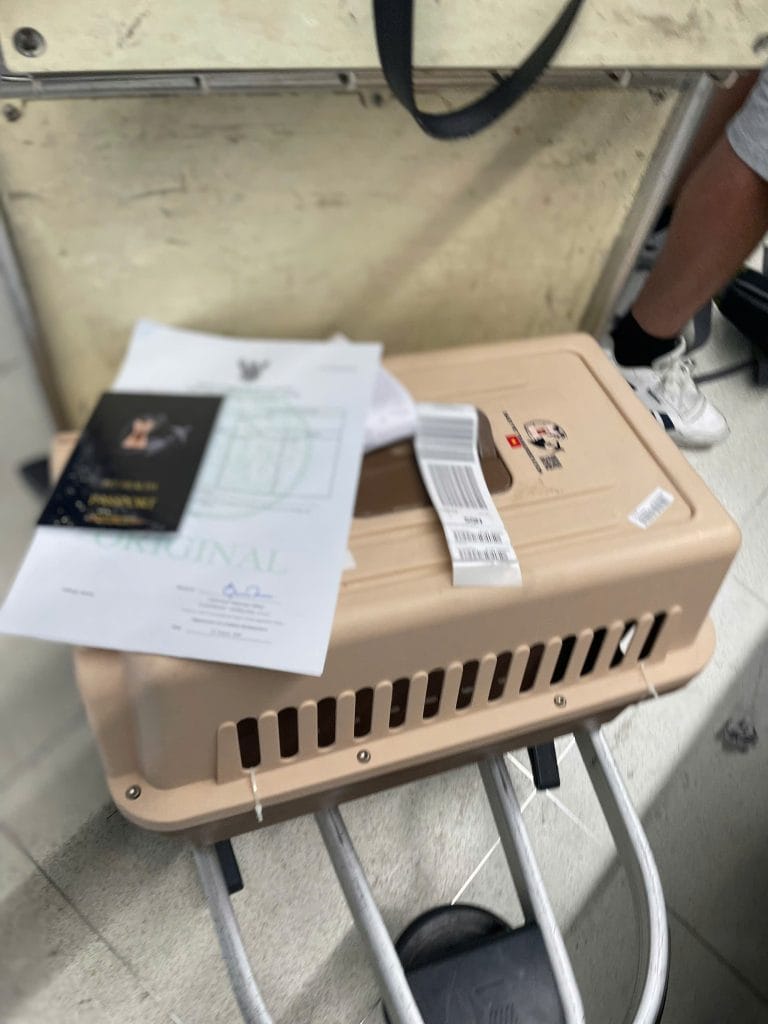
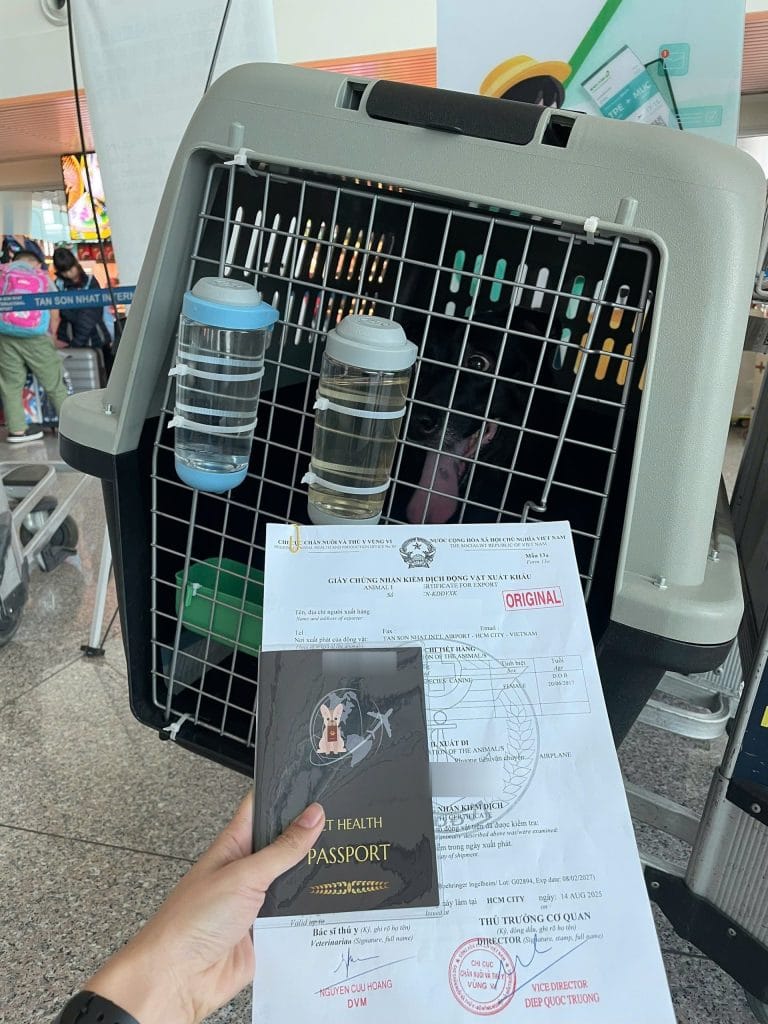
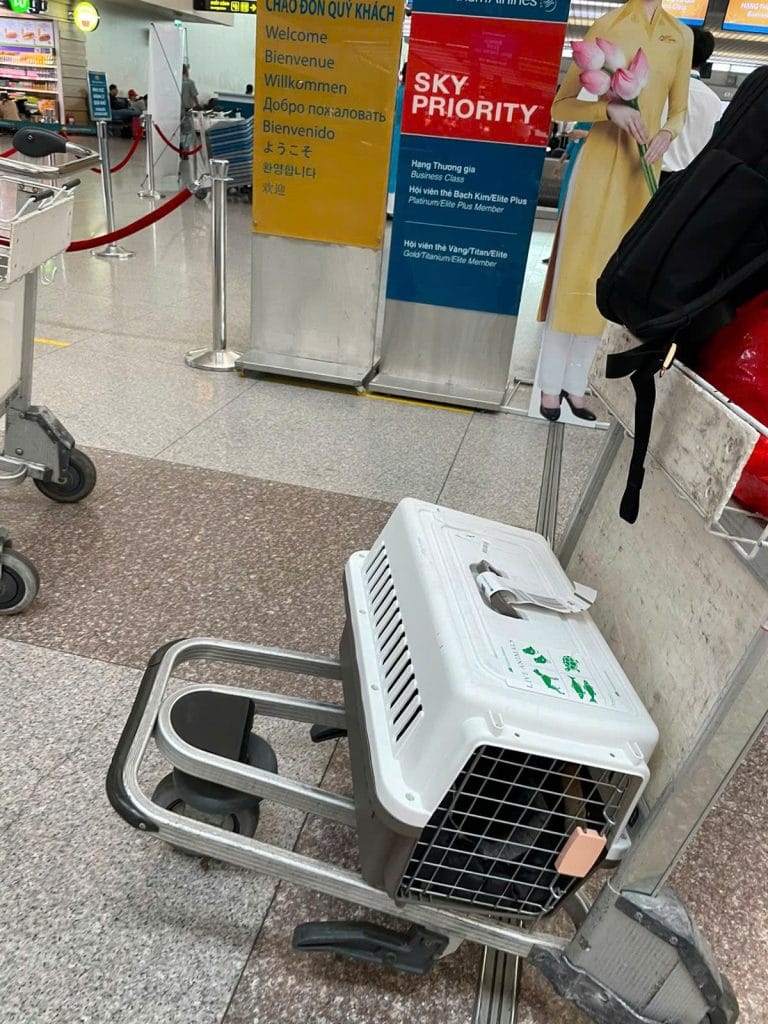
In theory, every pet is checked against the airline’s live-animal standards before boarding. In practice, a pet checks in at the same counter as everyone’s suitcases, under one of two codes — PETC (pet in cabin) or AVIH (animal in hold) — and to the airline’s system, that pet is a line item on the same manifest as the baggage around it. The staff processing that line item are trained to check tickets, weigh bags, and print tags, not to identify dog breeds, measure a crate against an IATA formula, or spot a forged vaccination record. That’s the entire trick — not a clever legal workaround, just a gap in who’s actually looking.
Why the Ban Exists — and Why the Counter Can’t Enforce It
Every domestic carrier maintains a list of breeds it won’t accept for PETC or AVIH transport, and brachycephalic (flat-faced) breeds sit at the top of nearly every one of them. French Bulldogs, English Bulldogs, and similar short-muzzled breeds have narrowed airways that make breathing measurably harder even on the ground. Add cabin pressure changes, temperature swings in the hold, and the stress of a crate the dog was never trained to accept, and the risk of respiratory distress climbs sharply — airlines restrict these breeds because the in-flight incidents behind that decision are already documented.
The problem is not the rule. It’s the enforcement. A check-in agent working through a queue of passengers has no veterinary background, and the banned-breed list is checked exactly one way: by the breed name written on the paperwork. If the paperwork says something else, the dog in the crate is never actually looked at closely enough to catch the mismatch.
The Breed on Paper Isn’t Always the Breed in the Crate
This gap between what the list says and what the counter can actually verify is exactly what disreputable operators exploit. The workaround is straightforward: a French Bulldog travels with a vaccination book altered — or issued from the start — to record the dog as a permitted breed. A Pomeranian is a common substitute: small, common, and nowhere near any banned list. The check-in agent checks the name on the document against the banned-breed list, sees “Pomeranian,” and clears the booking. Nobody at the counter is trained to look at the dog itself and question whether it matches the paperwork.
This isn’t a victimless shortcut. It’s the exact mechanism the breed ban was built to prevent, defeated at its weakest point — a human reading a document instead of assessing the pet. For the full list of breeds affected and the documented reasoning behind each restriction, see our guide to banned and restricted breeds for Vietnam.
The “confident yes” from the intro isn’t just a coincidence of pricing — it’s often the same shortcut showing up on the invoice. A restricted breed is required to travel through the compliant, climate-controlled Manifest Cargo pathway, which is booked and priced through the airline’s cargo division at cargo freight rates. Relabel the dog as a permitted breed, and it can instead be processed as ordinary AVIH/PETC baggage — a completely different pricing system. On a real route we’ve quoted, that gap runs close to 3x: accompanied and checked-baggage handling priced at roughly a third of what compliant cargo costs for the same pet, on the same route. A quote for a restricted breed that lands closer to AVIH pricing than to full cargo pricing isn’t a bargain — it’s often the clearest evidence that the operator plans to relabel the dog rather than route it properly.
Crates That Are Never Actually Measured
The same blind spot applies to crate size. IATA’s sizing formula is precise — internal length, width, and height are all calculated from the pet’s actual body measurements — but applying it takes a tape measure and a few minutes per crate. At a busy check-in counter, that rarely happens. Staff make a visual call instead: does the crate look roughly big enough, does the dog look like it can move inside it. If it reads as “fine” at a glance, it gets cleared.
Operators who know this will sometimes wrap or panel the outside of an undersized crate, cutting visibility into the interior specifically so a quick visual check reads as compliant. A crate that would fail the IATA formula on paper can pass a counter that never picks up a measuring tape. The dog inside still can’t stand, turn around, or lie down comfortably — the exact condition the sizing formula exists to prevent. We break down what a compliant crate actually requires, hole by hole and bolt by bolt, in our comparison of an IATA-compliant crate versus a standard crate, and in our guide to why an old crate that “worked before” can still get rejected on inspection.
When the Vaccination Record Is the Fake Part
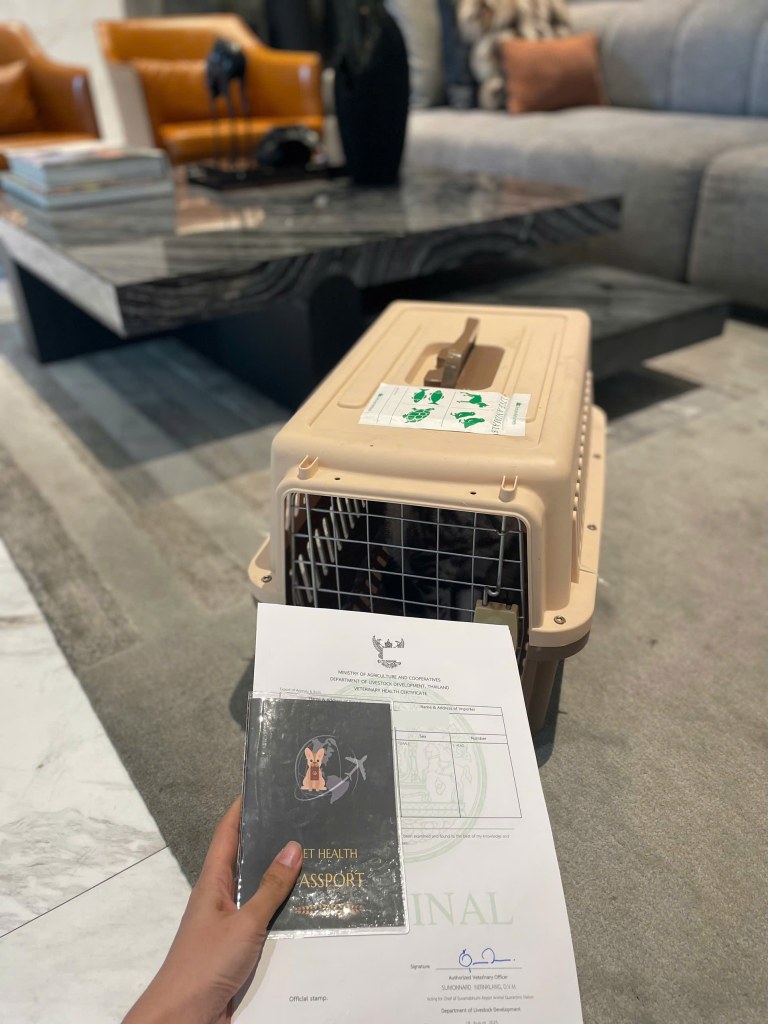
Breed relabeling isn’t the only use for a falsified vaccination book. Some operators work with cooperative clinics to backdate vaccination entries, fabricate an entire history, or sign off on shots a pet never received. A puppy too young to be vaccinated, or a pet with no vaccination history at all, can end up with a booklet that says otherwise — enough to pass a document check at the counter, and sometimes at quarantine too. If you already hold a vaccination book or rabies certificate and want to check it, see our guide on how to verify pet travel documents before you fly.
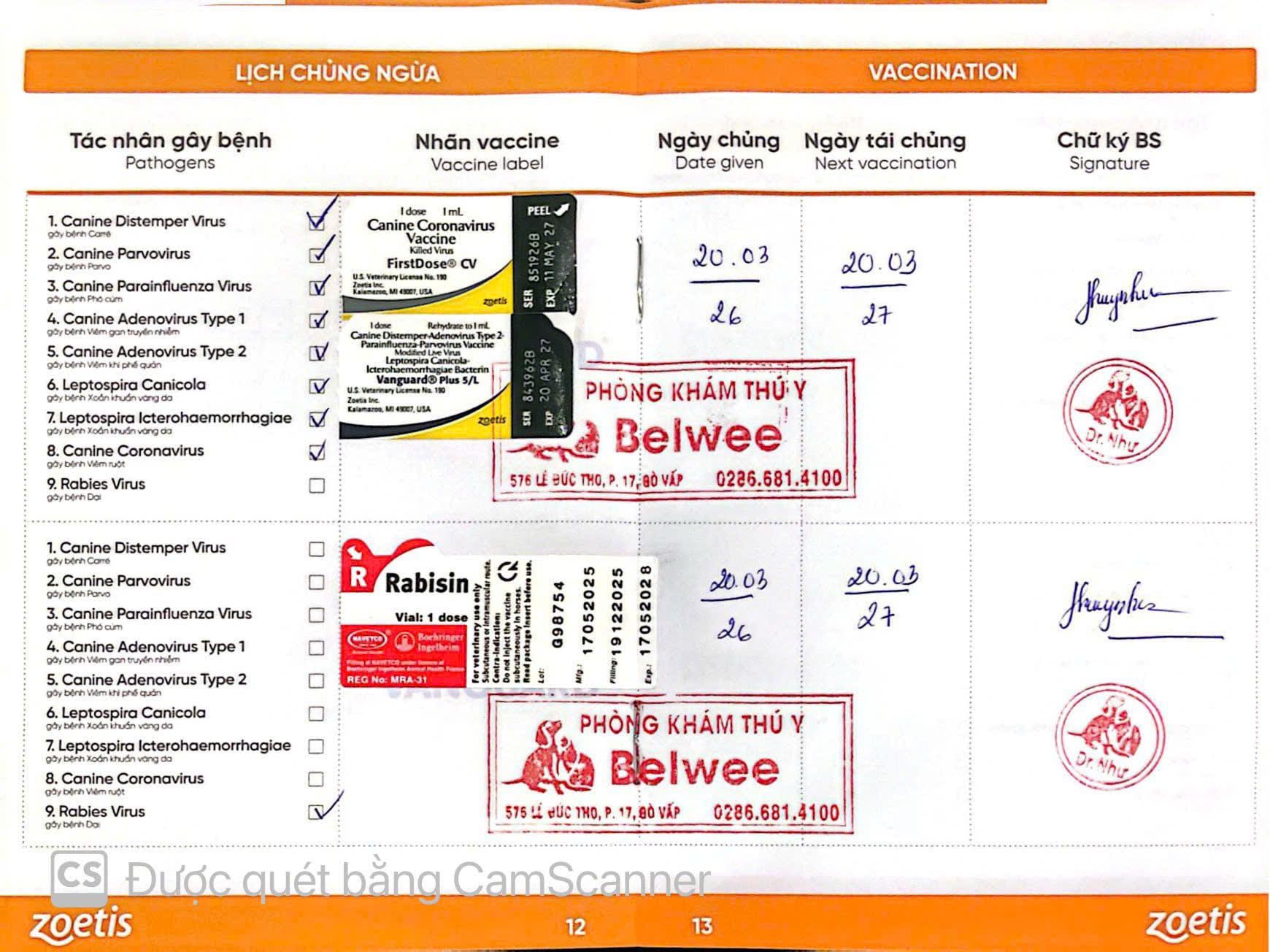
From the owner’s side, this often looks like convenience: hand over the pet’s basic information, and the operator “handles everything” — no clinic visits, no waiting on lab results, no paperwork to chase. It’s faster and requires nothing from the owner. What gets lost in that convenience is what the paperwork was actually there to protect.
Why These Rules Exist in the First Place
Every one of these requirements — crate dimensions, breed restrictions, vaccination proof — traces back to the same goal: keeping the pet unharmed through a genuinely stressful physical process. The IATA sizing formula isn’t a bureaucratic hurdle; it defines the minimum space a pet needs to stand, turn, and lie down without distress for the duration of a flight. A crate that’s too small doesn’t just fail an inspection — it causes real stress and overheating risk, and in the worst cases, injury from a panicking pet inside a rigid box.
The brachycephalic restriction follows the same logic. Flat-faced breeds aren’t grounded entirely — professional operators move them regularly through climate-controlled Manifest Cargo pathways, with veterinary fitness certificates and airline-specific approval, because the risk is real and needs to be actively managed, not waved through. We treat these requirements as safety architecture, not paperwork to get past. None of them exist to slow owners down; they exist because the alternative has a documented history of hurting pets.
What Happens When It Catches Up With You
A forged document or an undersized crate that clears a domestic Vietnamese check-in counter doesn’t stay invisible forever. On international routes, destination-country quarantine and customs officials generally check paperwork far more closely than a domestic counter does — cross-checking vaccination dates against lab records, verifying microchip numbers, and in some cases confirming the breed itself against the paperwork on arrival.
When a discrepancy is caught at that stage, every option left to the owner is slower and more expensive than doing it right the first time: extended quarantine at the owner’s cost while the paperwork is investigated, or return of the pet to Vietnam. In countries with strict biosecurity or rabies-free status, a pet whose health status can’t be verified may not be released from quarantine at all. This is precisely why the documentation is checked in the first place, and precisely why it’s worth getting right before departure rather than hoping nobody looks twice on arrival.
How to Actually Vet a Pet Transport Company Before You Book
The honest version of “fast, no paperwork for you to deal with” is a company that has already done the real work behind the scenes. The dishonest version skips that work and hands you a result that looks identical — until it doesn’t. The practical takeaway is that the difference rarely shows up in the quote itself, so ask directly instead of comparing prices alone:
- Has the crate been measured against your pet’s actual dimensions, not just picked off a size chart?
- Was the vaccination record verified with the issuing clinic, or only reviewed on paper?
- If your pet is a restricted breed, which pathway are they using, and has the airline actually confirmed it?
If the answers are vague, that’s useful information on its own. Our guide on what to ask before choosing a pet transporter walks through the rest of the list, and what a vague answer usually means.
At Daisy Pet, every pet’s actual measurements are taken before a crate is ever assigned, every vaccination record is verified against the issuing clinic, and brachycephalic breeds are always routed through the climate-controlled Manifest Cargo pathway with full airline sign-off. We treat this as compliance work, not paperwork to get past — because that’s the difference between a pet that flies safely and one that simply flies.
Last updated 17 Oct 2026
Compiled by our specialists from the regulations in force on the date above, for reference only. Rules may change after this date. Please verify with the competent authorities or contact us for the most accurate information.