Most pet owners planning a move from Vietnam to Australia assume they can begin preparing a few weeks before departure. In reality, the Australian Department of Agriculture, Fisheries and Forestry (DAFF) enforces one of the most uncompromising biosecurity regimes on earth. Because Vietnam is legally classified as a Non-Approved Country, dogs and cats cannot fly directly. They must undergo a rigorous “biological cleansing” process in an approved transit hub before entering Australia.
This means your pet’s journey to Australia is not a single flight—it is a meticulous, multi-stage logistics and veterinary campaign spanning 12 to 18 months — the longest of any route Daisy Pet operates. Every single step, from the sequence of microchipping to blood sample draws, must be executed with absolute precision. A single day of discrepancy on a lab report or a minor typographical error on a permit will immediately invalidate months of preparation, resetting your timeline to day zero. To navigate the broad biosecurity framework, start by reviewing our comprehensive guide on Pet Shipping to Australia.
For the return journey — bringing your pet back from Australia to Vietnam once your time there ends — read our dedicated guide on relocating a pet from Australia to Vietnam.
Stage 1: Preparation in Vietnam & Relocation to Approved Transit Hub (Months 1–2)
The journey begins in Vietnam, where the initial identification and basic immunizations are established. Since direct entry is prohibited, we must prepare your pet for relocation to an approved Group 2 or Group 3 transit territory (such as Singapore, Malaysia, or Europe) where the official Australian protocols can legally commence.
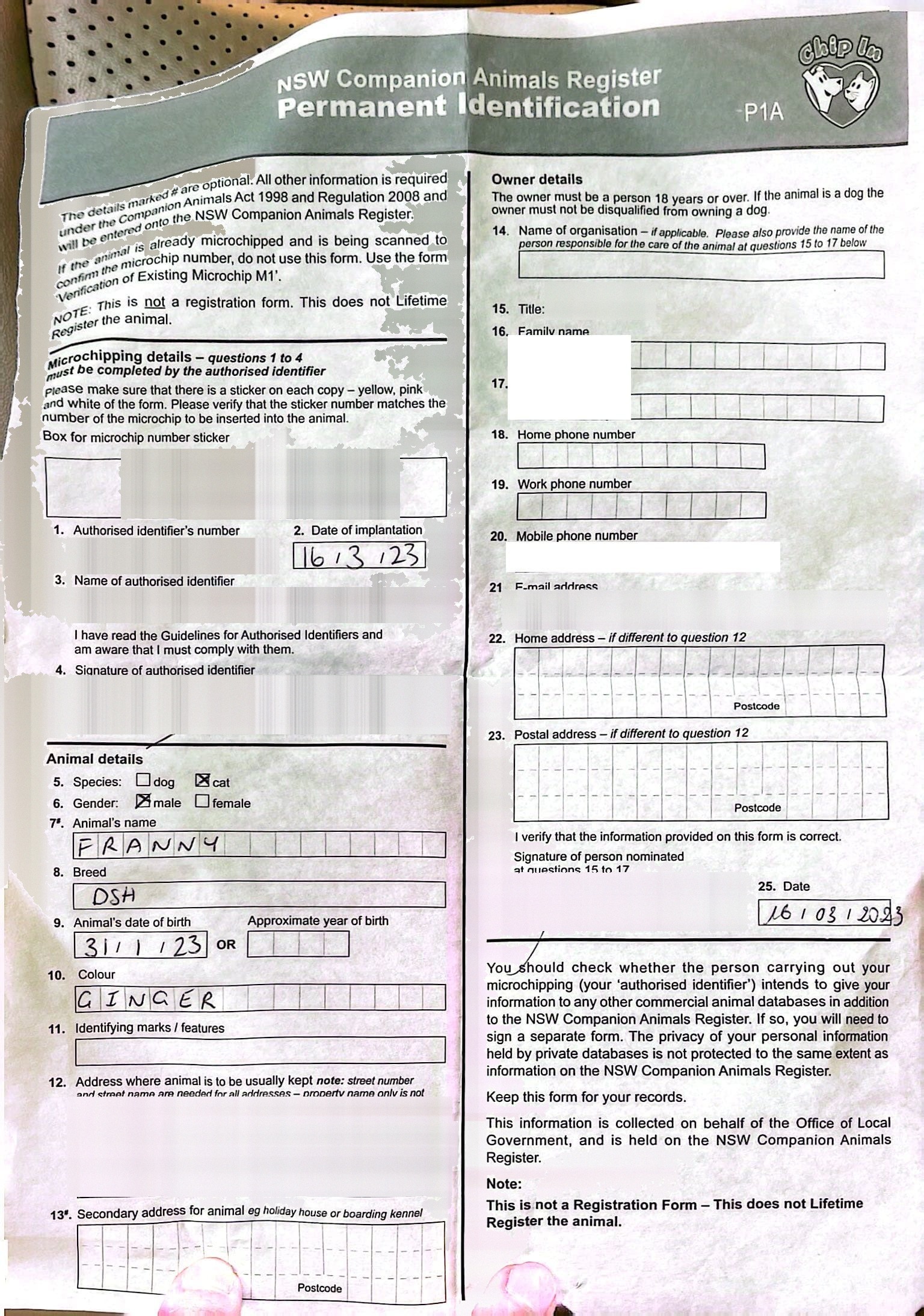
- Microchip Sequence Mandate: Your pet must be implanted with a 15-digit, ISO 11784/11785 compliant Pet Microchip for International Travel. This must occur BEFORE any rabies vaccinations are administered. If a rabies vaccine is given prior to the microchip implantation, DAFF legally considers that vaccine null and void.
- Primary Vaccinations: Your pet must receive core vaccines (DHPPL for dogs, FVRCP for cats) and an initial rabies vaccination in Vietnam. While these do not satisfy the final Australian entry requirement, they are essential to protect your pet’s health during transit.
- Transit Country Visa & Permits: We coordinate the export health certificates from Vietnam’s Department of Animal Health and secure import approvals for your designated transit hub.
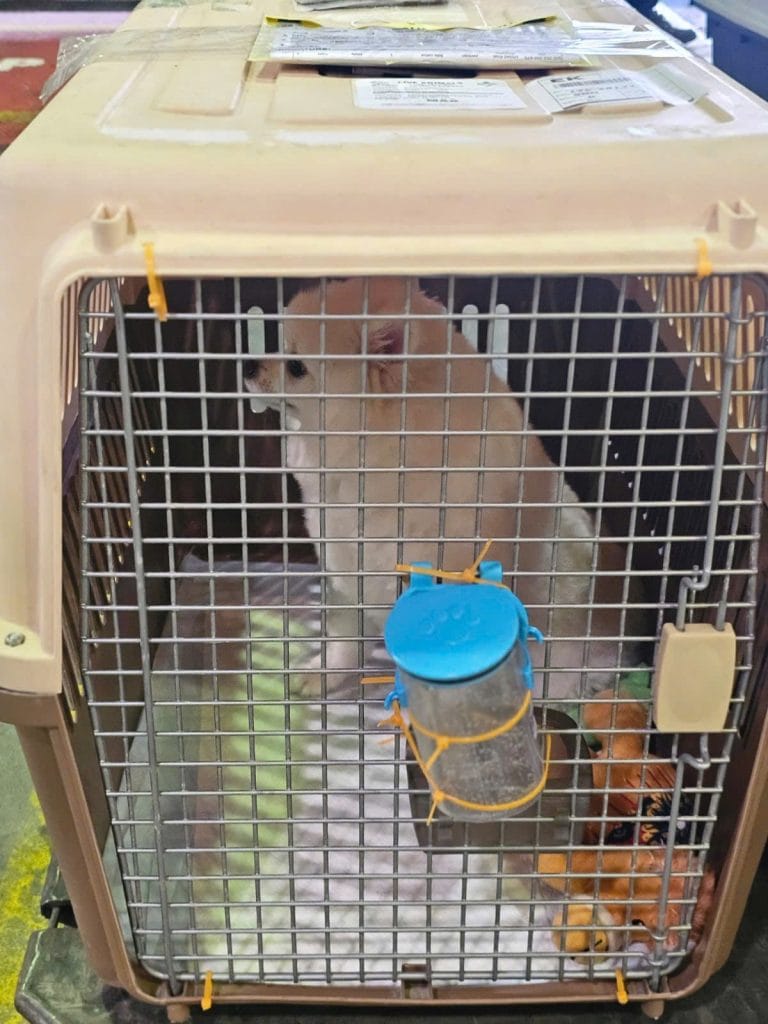
- Travel Crate Training: We begin crate conditioning early to reduce travel anxiety. The flight to your transit hub is an important rehearsal for the long-haul journey to Melbourne.
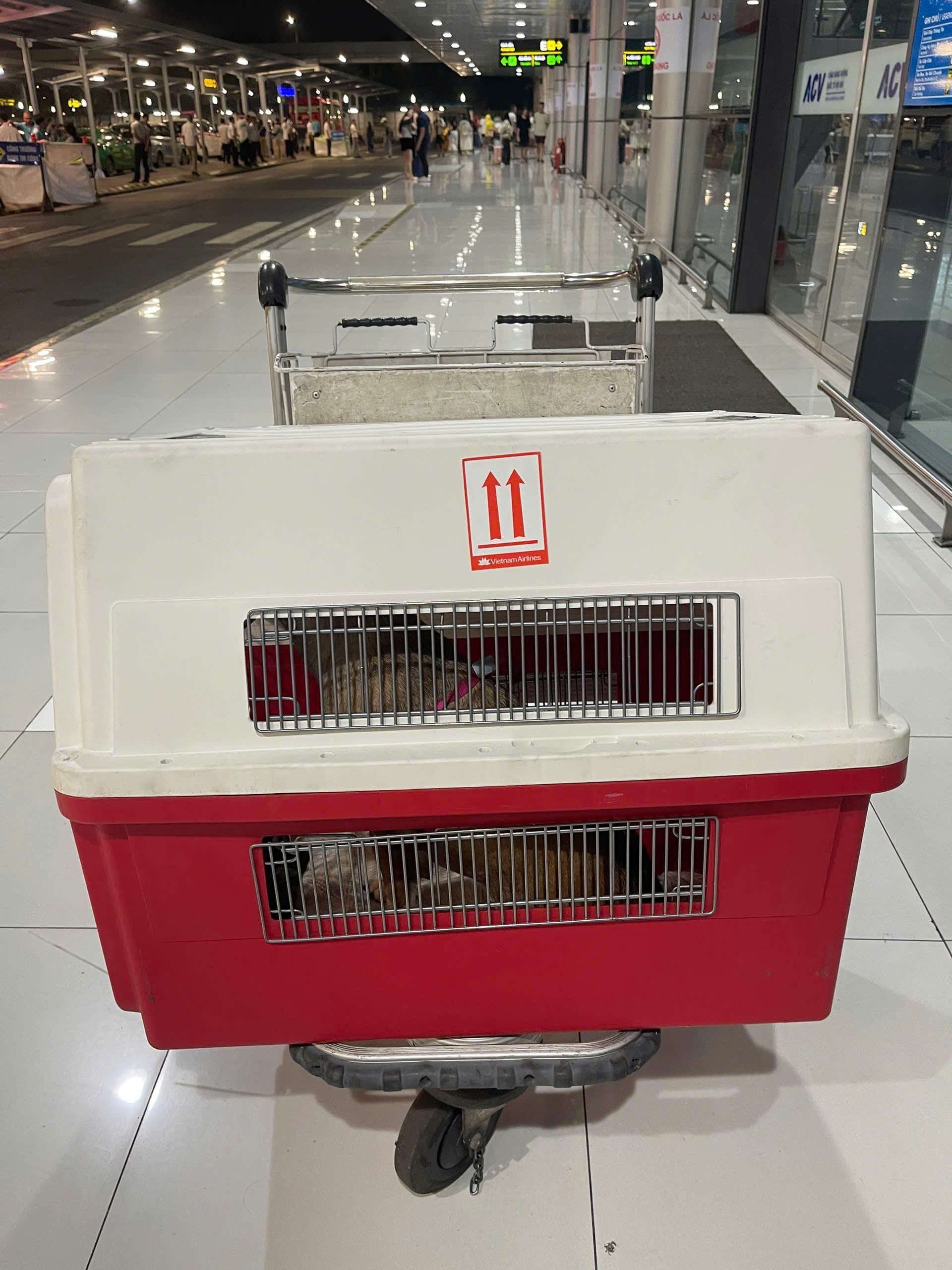
Stage 2: Official Hub Protocol & The 180-Day Biological Wait (Months 3–9)
Upon arrival in the approved transit country, the official Australian biosecurity clock begins. This phase is characterized by strict clinical testing and the mandatory waiting period designed to ensure your pet is entirely free of latent infections.
- Official Rabies Booster: An inactivated (killed virus) rabies vaccine is administered in the transit country to guarantee active immunity.
- Official Identity Verification: Before any blood is drawn, a government-accredited veterinarian in the transit country scans the microchip and confirms it matches the pet’s vaccination and RNATT records. This step must happen before the RNATT blood draw — skip it and Mickleham quarantine jumps from 10 days to 30 days.
- Official RNATT Blood Sample (Day 0): At least 30 days after the rabies booster, an authorized government veterinarian draws blood for the Rabies Titer Test (FAVN). The blood sample must be processed at a DAFF-approved laboratory. Day 0 is officially the date the laboratory receives the blood sample — not the date of the blood draw. The two dates typically differ by 3–7 days due to courier transit; plan accordingly.
- The 180-Day Residency Countdown: Your pet must remain physically present in the approved transit territory for at least 180 consecutive nights following the blood draw. Returning to Vietnam for even a single hour will instantly reset this countdown to zero. We highly recommend a 185-day buffer to guard against flight delays or timezone shifts.
- DAFF Import Permit Application: Once a passing RNATT result (minimum 0.5 IU/ml) is received, we apply for the official Australian Import Permit via the governmental BICON system. Standard processing takes 20 to 40 business days. For detailed compliance rules, consult the Australia Pet Import Regulations.
- Mickleham Quarantine Reservation: We book a mandatory 10-day quarantine slot at the Mickleham Post-Entry Quarantine Facility in Melbourne. Space is extremely limited, making early reservation essential.
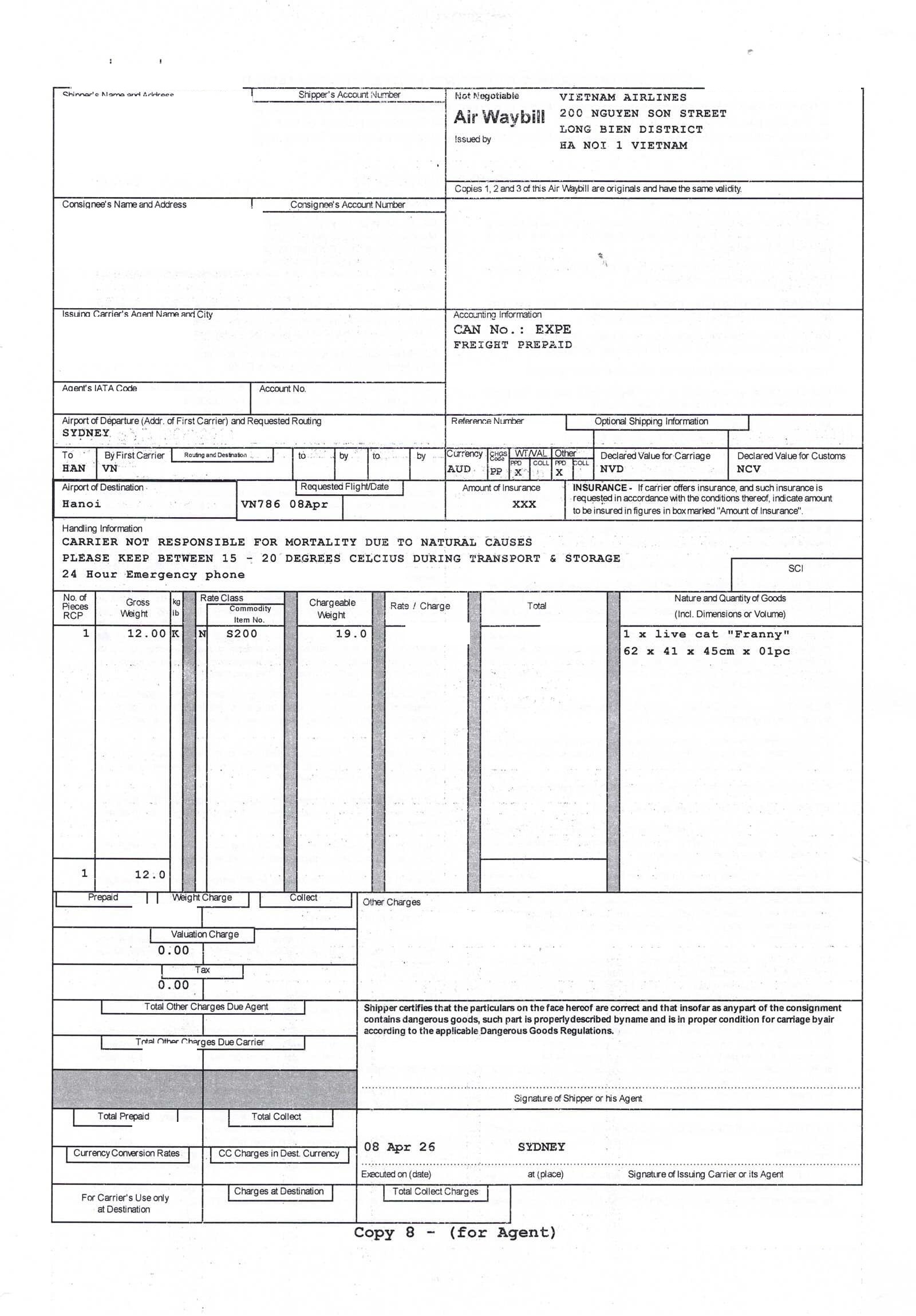
Stage 3: Pre-Export Clearance & Travel to Australia (Months 9–18)
The final phase requires a flurry of veterinary clearances, parasite treatments, and specialized manifest cargo booking. This is where clinical details become critical.
- Pre-Export Quarantine (PEQ): Your pet remains under official veterinary supervision.
- Secondary Infectious Screening (Dogs Only): Within 45 days prior to export, dogs must undergo testing for Brucella canis, Leishmania infantum, and Leptospira interrogans. Any positive or equivocal result will block entry. (Cats are exempt from these specific blood tests). Note: Ehrlichia canis testing was officially removed from DAFF requirements on 01/11/2022 and is no longer required.
- Internal & External Parasite Treatment: External parasite treatment (ticks and fleas) must start at least 30 days before export for dogs (21 days for cats) and continue until departure — isoxazoline products (Bravecto, NexGard, Simparica, Credelio) and selamectin (Revolution) are not accepted. Internal parasite treatment (nematodes and cestodes) requires two doses at least 14 days apart, with the final dose given within 5 days before the scheduled flight.
- Final Government Health Certificate: An official government vet in the transit hub conducts a final clinical check and signs the Export Health Certificate.
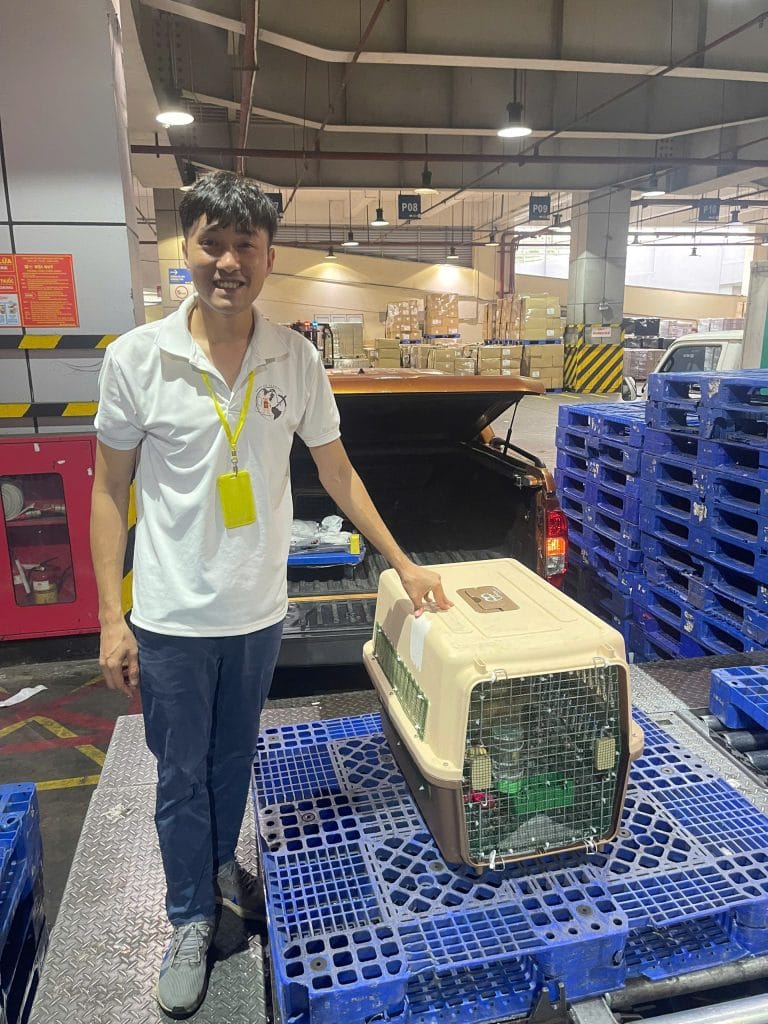
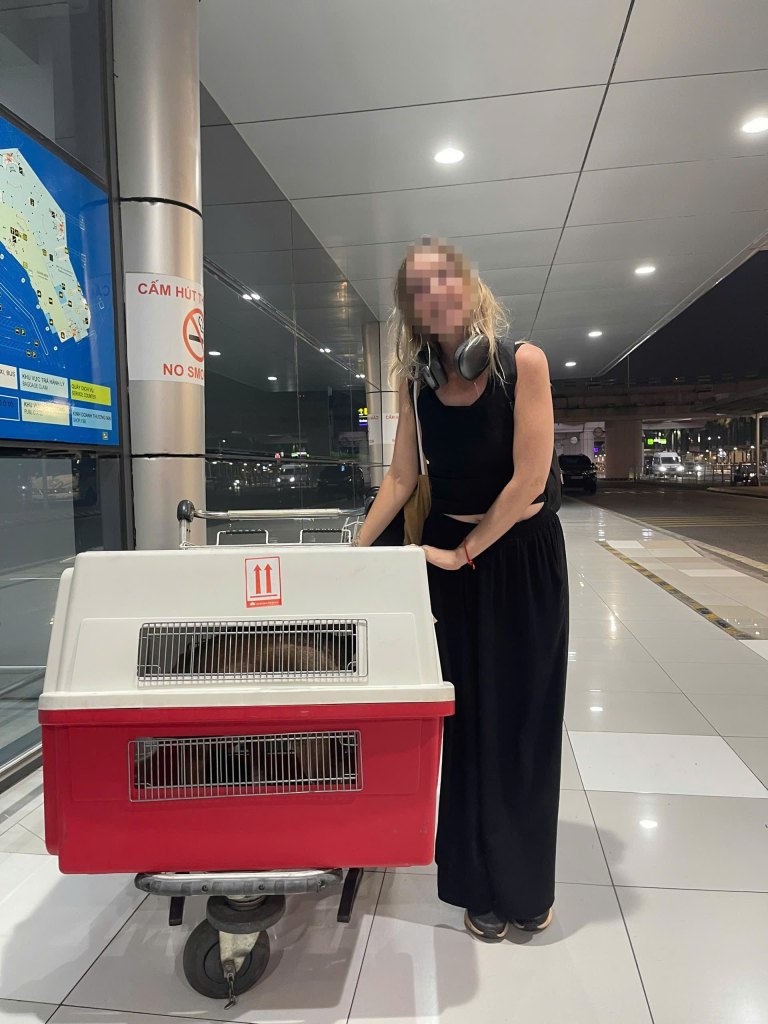
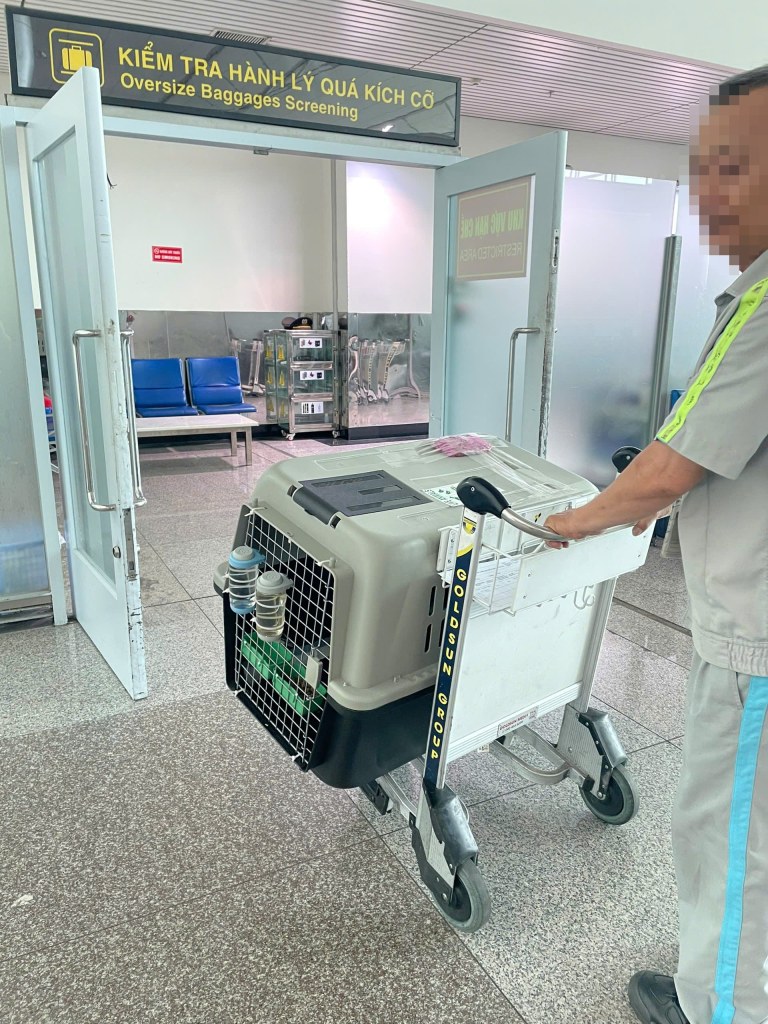
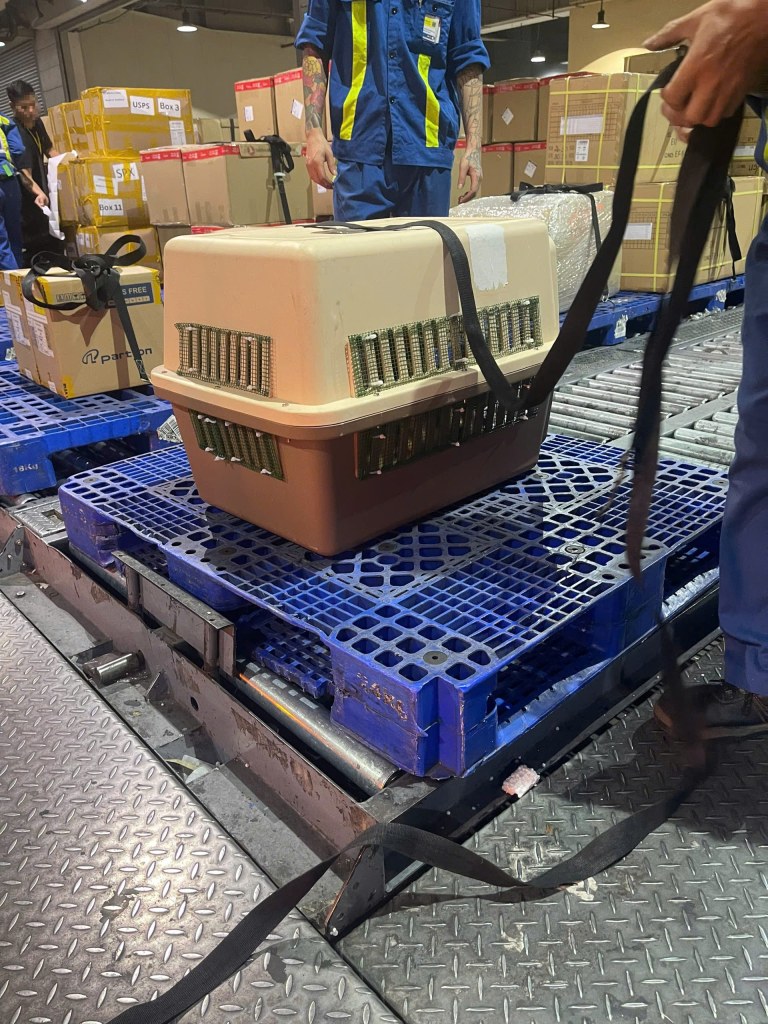
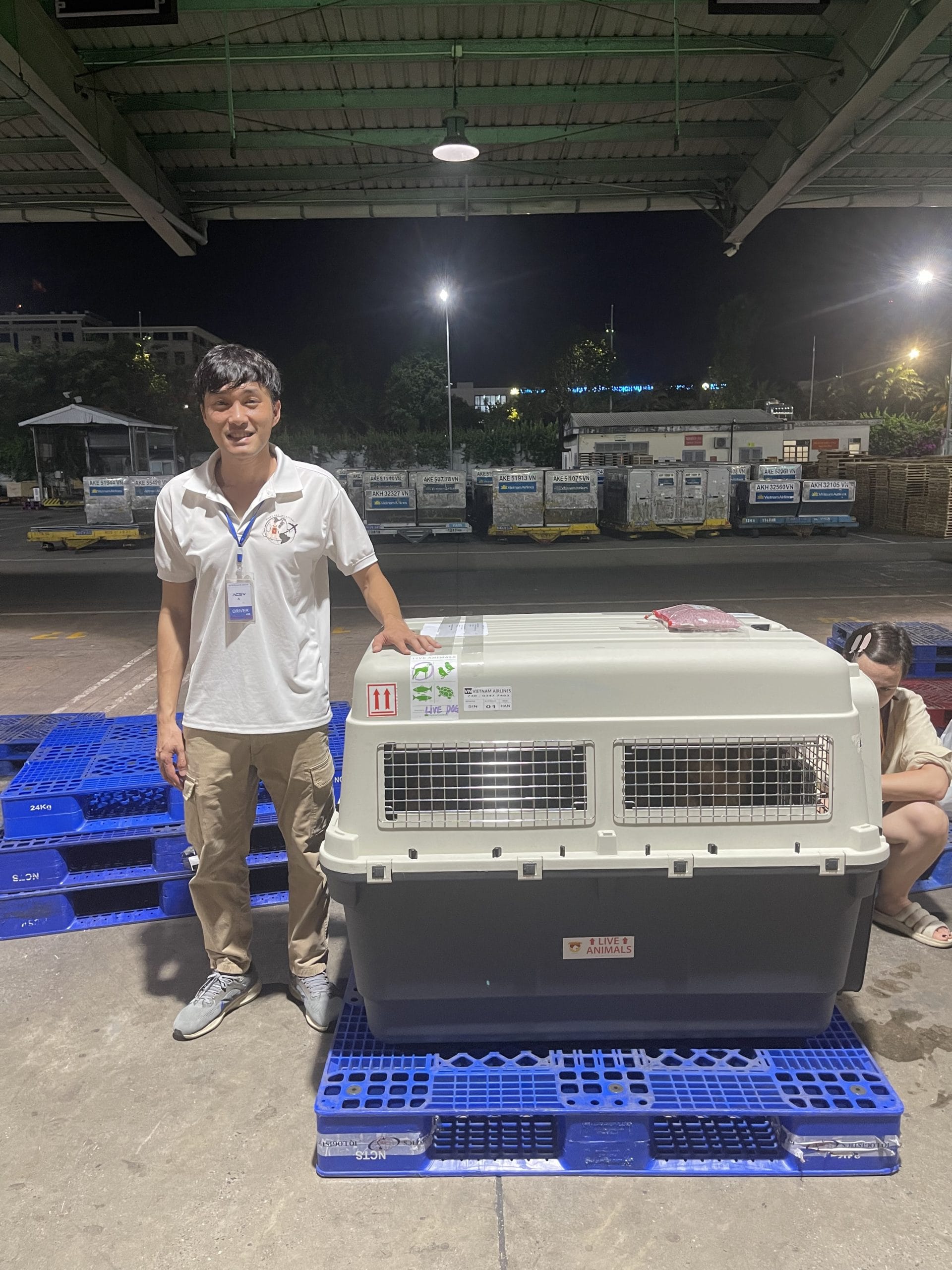
- Manifest Cargo Flight: Pets must enter Australia strictly as Manifest Cargo (not in-cabin or as checked baggage) arriving at Melbourne International Airport (MEL).
- Mickleham Quarantine (Min. 10 Days): Upon landing, biosecurity officers transfer your pet directly to Mickleham. You can review the post-arrival details at our guide to the Mickleham Quarantine Release Process.
Relocation Timeline Matrices: Dogs vs. Cats
While the overall residency wait of 180 days is identical, the medical screening profile differs significantly between dogs and cats. Review the detailed comparative schedules below.
1. Dog Relocation Timeline Matrix
| Phase / Step | Required Timeline Window | Regulatory Context & Action |
|---|---|---|
| ISO Microchip | Day -40 (Before any vaccines) | Foundation of identity. Must be scanned at every subsequent check. |
| Rabies Vaccine & Booster | Day -30 | Inactivated vaccine. Administered at the transit hub. The RNATT blood draw cannot happen until at least 30 days after this date. |
| Official Identity Verification | Day -25 to Day -1 (before RNATT blood draw) | Government-accredited vet scans the microchip and confirms it matches the vaccination and RNATT records. Must be completed before the blood draw — this is what determines a 10-day vs. 30-day Mickleham quarantine. |
| RNATT Blood Draw | Day 0 (Starts the 180-day wait) | Blood drawn by a government vet in the transit country. Day 0 = date the laboratory receives the sample (not the blood draw date — typically 3–7 days later). Target titer ≥ 0.5 IU/ml. Note: the RNATT result itself stays valid for 12 months from the blood draw date. |
| 180-Day Biological Wait | Day 0 to Day 180 | Residency in Group 2/3 country. Safe housing and health monitoring. |
| BICON Import Permit | Day 30 to Day 60 | Apply via BICON once the RNATT result is confirmed. Processing takes 20–40 business days (longer during December–February peak season). |
| Quarantine Booking | Day 30 to Day 60 | Reserve the Mickleham quarantine cabin. Slots are highly competitive. |
| External Parasite Treatment (Dogs) | Begins Day 150 (at least 30 days before flight) | Product must be effective against both ticks and fleas. Isoxazolines (Bravecto, NexGard, Simparica, Credelio) and selamectin (Revolution) are not accepted. Treatment continues until departure. |
| Brucella, Leishmania & Leptospira Blood Tests | Within 45 days before flight | Mandatory blood tests for dogs: Brucella canis, Leishmania infantum, and Leptospira interrogans. All results must be negative. Note: Ehrlichia canis testing was removed from DAFF requirements on 01/11/2022. Check the Banned Dog Breeds in Australia page for breed restrictions. |
| Internal Parasite Treatments | Two doses ≥14 days apart; final dose within 5 days before flight | Must cover both nematodes and cestodes (tapeworms). Many combo products (NexGard Spectra, Bravecto Plus, Simparica Trio) do not cover cestodes — add praziquantel or fenbendazole separately if needed. |
| Manifest Cargo Flight | Day 181+ | Relocation to Melbourne (MEL) under official air waybill. |
| Mickleham PEQ | Arrival to Day +10 | Mandatory 10-day quarantine stay in Melbourne before release to owner. |
2. Cat Relocation Timeline Matrix
| Phase / Step | Required Timeline Window | Regulatory Context & Action |
|---|---|---|
| ISO Microchip | Day -40 (Before rabies shots) | 15-digit digital verification standard. Must precede all health entries. |
| Rabies Vaccine | Day -30 | Killed virus vaccine, administered in the transit hub. The RNATT blood draw cannot happen until at least 30 days after this date. |
| Official Identity Verification | Day -25 to Day -1 (before RNATT blood draw) | Government-accredited vet scans the microchip and confirms it matches the vaccination and RNATT records. Must be completed before the blood draw — this is what determines a 10-day vs. 30-day Mickleham quarantine. |
| RNATT Blood Draw | Day 0 (Starts the 180-day wait) | Blood drawn by government vet; residency clock starts from the date the laboratory receives the sample. Must clear ≥ 0.5 IU/ml. Note: the RNATT result itself stays valid for 12 months from the blood draw date. |
| 180-Day Biological Wait | Day 0 to Day 180 | Mandatory residency. Refer to the Quarantine Health & Nutrition Checklist for nutrition tips. |
| Import Permit & Mickleham Booking | Day 30 to Day 60 | Apply on BICON once the RNATT result is confirmed and coordinate the Melbourne quarantine space. Processing takes 20–40 business days. |
| Secondary Infectious Tests | Exempt | Cats are legally exempt from Brucella, Leishmania, and Leptospira blood tests. |
| External Parasite Treatment (Cats) | Begins Day 159 (at least 21 days before flight) | Product must be effective against both ticks and fleas. Isoxazolines and selamectin are not accepted. Treatment continues until departure. (Shorter lead time than dogs, who need 30 days.) |
| Internal Parasite Treatments | Two doses ≥14 days apart; final dose within 5 days before flight | Must cover both nematodes and cestodes (tapeworms). Add praziquantel or fenbendazole separately if the combo product does not include cestode coverage. |
| Manifest Cargo Flight | Day 181+ | Fly directly to Melbourne (MEL). Manifest cargo is legally required. |
| Mickleham PEQ | Arrival to Day +10 | Minimum 10 days of quarantine care and release. |
DIY vs. Professional Relocation: Navigating the Risks
Attempting to manage this long-term, multi-country journey on your own carries massive risks. A minor veterinary oversight in the transit hub, an incorrectly dated treatment, or an unreadable microchip scanner will result in the immediate deportation of your pet or an extended, high-cost quarantine penalty. Learn more about the operational trade-offs in our comparison of DIY Pet Travel vs. Professional Relocation.
Managing the transit hub boarding, veterinary transport, flight logistics, and BICON paperwork requires an experienced relocation agent. What is the financial reality of such a complex, 180-day biological cleansing timeline? We break down every cost item, from quarantine cabin fees to airline shipping rates, in our detailed guide: Costs for Shipping Pets to Australia.
Actionable Checklist: Planning Your First Steps
- Schedule a Consultation: Talk to an experienced international pet shipping specialist to map out the transit route (Singapore vs. Malaysia).
- Microchip Scan & Audit: Visit your vet to scan your pet’s microchip and verify that the 15-digit number is perfectly matching all vaccine book entries.
- Map Out the Budget: Secure a comprehensive quote covering the 180-day transit boarding, import permit fees, and flight logistics.
- Establish the Health Baseline: Ensure your pet is fully up-to-date on core vaccinations before beginning the relocation preparation.
- Crate Familiarization: Acquire an IATA-compliant flight crate early to start the conditioning process.
Last updated 15 Oct 2026
Compiled by our specialists from the regulations in force on the date above, for reference only. Rules may change after this date. Please verify with the competent authorities or contact us for the most accurate information.
Official sources cited in this guide
- DAFFagriculture.gov.au
- BICON systembicon.agriculture.gov.au