

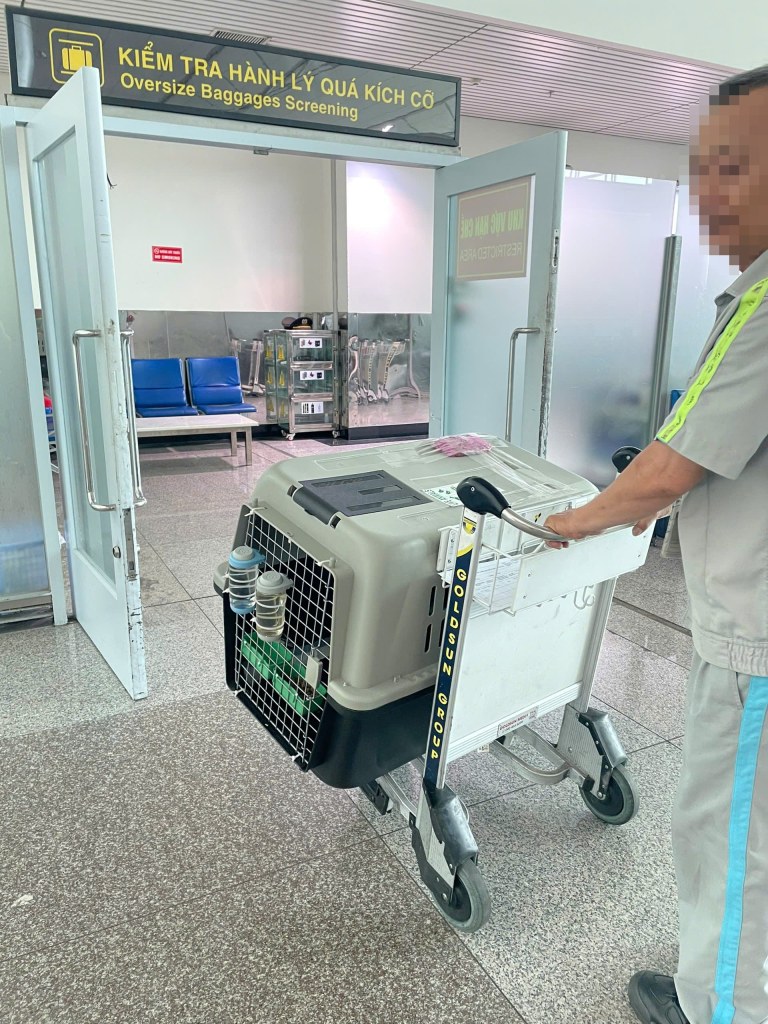
“Can I bring my dog or cat to Australia if they are registered as a mixed breed?”
We receive this question from anxious pet owners on almost every consultation call. The owner often assumes that a pedigree registration certificate, a friendly veterinary check, or a clean record in their home country is enough to secure an import permit. But here is the reality most pet owners do not realize until it is too late: Australia’s Department of Agriculture, Fisheries and Forestry (DAFF) enforces some of the strictest biosecurity laws in the world—and their screening goes far deeper than veterinary paperwork.
Under the Customs (Prohibited Imports) Regulations 1956, Australia strictly bans specific purebred and mixed-breed dogs and cats. DAFF does not just look at your pet’s official breed certificate—they utilize a visual phenotype screening upon arrival at the border. If your dog physically resembles a banned breed, even if they are documented as a legal mix, they can be immediately seized and denied entry. In this guide, we break down the exact list of banned and restricted dog and cat breeds in 2026, how the visual phenotype law operates in practice, and what you must do to ensure a safe, compliant relocation under our comprehensive guide to Pet Shipping to Australia.
The Legal Reality: Visual Phenotype vs. Pedigree Documents
Most pet owners believe that their dog’s breed is determined strictly by its pedigree papers, DNA test results, or the breed listed on their veterinary record. In the field of international logistics and pet relocation—this is one of the most dangerous misconceptions.
Australia’s Department of Agriculture, Fisheries and Forestry (DAFF) operates under a visual phenotype-based ban. This means that biosecurity officers are trained and legally mandated to assess the physical characteristics of the animal itself rather than relying on its documents. If a dog displays the distinctive head shape, muscular build, stance, or physical dimensions of a banned breed—such as an American Pit Bull Terrier—it will be classified as that breed at the border. It does not matter if a veterinarian in your home country certified the pet as a “Staffordshire Terrier Mix” or a “Labrador Cross.”
Why does DAFF enforce this? Because mixed-breed dogs carrying the genetics of restricted or banned breeds are physically and behaviorally capable of the same traits that prompted the ban in the first place. The risk assessment is focused purely on biosecurity and public safety. If the animal looks like a banned breed, it is treated as a banned breed. Period.
Banned Dog Breeds in Australia (Customs Regulations 1956)
Under the Customs (Prohibited Imports) Regulations 1956, five specific dog breeds are completely banned from entering Australia. This is an absolute, permanent embargo—there are no exceptions, no special permits, and no exemptions for companion animals or service dogs.
| Banned Breed | Origin & Description | Why Australia Bans the Breed |
|---|---|---|
| American Pit Bull Terrier (Pit Bull) | United States. Developed as a catch-dog and farm dog, later bred for dog fighting. Highly muscular and powerful. | Classified as a high-risk fighting breed with a physical capability to inflict severe, lethal damage during an attack. |
| Dogo Argentino | Argentina. Bred for big-game hunting, including wild boars and pumas. Large, muscular, and athletic. | Considered a safety risk due to high prey drive, immense jaw strength, and historical use in protective and fighting roles. |
| Fila Brasileiro (Brazilian Mastiff) | Brazil. Developed to guard estates and hunt large predators. Known for extreme loyalty to family but high suspicion of strangers. | Banned due to size, power, and their naturally protective and aggressive temperament toward strangers if not heavily managed. |
| Japanese Tosa (Tosa Inu) | Japan. The premier Japanese fighting dog. Massive mastiff-type breed developed specifically for competitive canine wrestling. | Classified as an inherently dangerous fighting breed under international animal welfare and public safety standards. |
| Perro de Presa Canario (Presa Canario) | Spain (Canary Islands). Large catch-dog traditionally used for working livestock, guarding property, and dog fighting. | Banned due to strong guarding instincts, high territorial drive, and physical capacity to cause catastrophic injuries. |
It is critical to note that the ban extends to all crosses and mixed breeds of these dogs. If your pet has even a partial genetic mix that displays physical traits of these breeds—such as a Pit Bull-Boxer mix or a Dogo Argentino-Mastiff mix—they will be stopped at the border. We advise all owners of mastiff-type, bull-type, or muscular terrier-type mixed breeds to consult an experienced relocation agent for an assessment before starting the lengthy 180-day transit timeline.
Banned Wolf-Dog Hybrids
In addition to specific domesticated breeds, Australia strictly prohibits the import of all domestic-wild canid crossbreeds. Any dog that has a wild canid ancestor—such as a wolf, dingo, or coyote—within its lineage is permanently banned.
- Czechoslovakian Wolfdog: A breed developed by crossing German Shepherds with Carpathian wolves. Highly active and territorial.
- Saarloos Wolfdog: Developed by crossing German Shepherds with European wolves. Highly intelligent but retains wild instinctual behaviors.
- Lupo Italiano (Italian Wolfdog): A cross between a German Shepherd and a wild Italian wolf. Heavily restricted internationally.
- Kunming Wolfdog: A Chinese breed developed for military and police work, utilizing wolf lineage.
Australia’s ecosystem is highly unique and exceptionally vulnerable to introduced species. The introduction of wolf-dog genetics poses an unacceptable biosecurity threat to local wildlife, native dingo populations, and livestock farming operations. DAFF enforces this by requiring detailed breed histories and, in cases of visual suspicion, genetic testing or pedigree tracking. If your pet has a wolf-like appearance—such as a Siberian Husky or Alaskan Malamute mix—you must ensure your paperwork is flawless to prevent misclassification at the Melbourne airport.
Restricted and Banned Cat Breeds (Wildcat Hybrids)
Australia’s biosecurity laws for feline imports are just as stringent as those for dogs—a sharp contrast to countries like the United States, where cats face almost no breed restrictions. Under DAFF regulations, domestic-wildcat hybrids are strictly controlled or banned to protect the country’s vulnerable native bird and mammal populations from aggressive predators.
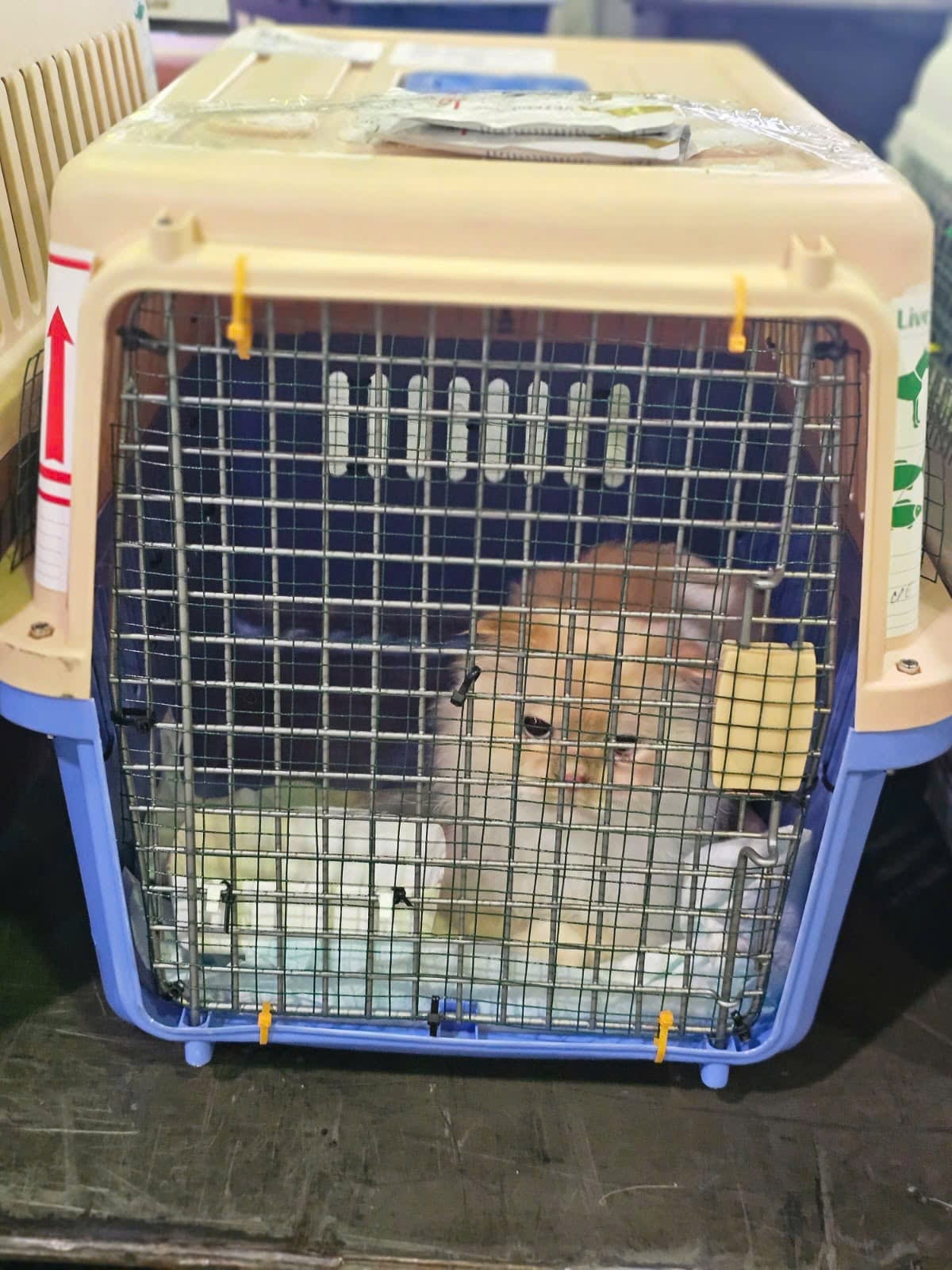
The Savannah Cat Ban (All Generations)
The Savannah Cat—a cross between a domestic feline and the wild African Serval—is strictly and permanently banned from entering Australia. This ban applies to all generations, including F1 through F5 and beyond. Because of their large size, incredible jumping ability, and wild hunting instincts, the Australian government determined that the establishment of Savannah cats in the wild would lead to catastrophic devastation of native reptile, small mammal, and bird species. There are no exemptions for this breed.
The Bengal Cat Ban: All Generations Prohibited (Effective 01/03/2026)
As of 01 March 2026, Bengal cats of all generations — including previously-permitted F5+ cats — are permanently banned from import into Australia. This policy was announced by the Department of Climate Change, Energy, the Environment and Water (DCCEEW) on 14 December 2024 and came into full effect on 01 March 2026. The transition period for existing F5+ exemption holders expired on 28 February 2026. There are no remaining exemptions of any kind.
The reason for the expanded ban: research confirmed that even F5+ Bengal cats retain a sufficiently high proportion of Asian Leopard Cat (ALC) genetics to pose an unacceptable biosecurity risk to Australia’s native wildlife. The prior F5+ exemption — which required a certified five-generation pedigree from TICA or CFA — has been permanently withdrawn. No new import permits for Bengal cats of any generation will be issued under DAFF or DCCEEW.
If you are planning to relocate a Bengal cat to Australia, do not begin the transit process. Contact Daisy Pet for an honest assessment of your options before making any travel commitments.
Other Banned Wildcat Hybrids
Other domestic-wildcat crosses that are permanently banned from entering Australia include:
- Safari Cat: A hybrid cross between a domestic cat and the wild South American Geoffroy’s Cat. Banned in all generations.
- Chausie: A hybrid cross between a domestic cat and the wild Jungle Cat (Felis chaus). Banned in all generations.
- All other wildcat crosses: Any feline that has a wild ancestor within its lineage is strictly prohibited under Australian biosecurity law.
What Happens If a Banned Breed Arrives in Australia?
If a pet suspected of being a banned breed or an ineligible wildcat hybrid arrives at Melbourne International Airport (MEL), DAFF biosecurity officers will immediately seize the animal and hold it in a secure isolation unit at the Mickleham Post Entry Quarantine Facility. At this point, the owner has only two options—and both are emotionally and financially devastating.
Option 1: Re-export to an approved country. The owner must pay for the immediate return of the animal to an approved transit country (such as Singapore). In practice, this is extraordinarily difficult. Commercial airlines will rarely accept a seized live animal for transport without extensive paperwork and official clearance, which can take weeks. During this time, the owner is charged the daily quarantine husbandry rate of $53 AUD per day, in addition to standard inspection and document assessment fees. The total cost of a failed import and subsequent re-export can easily exceed $10,000 AUD (~160 million VNĐ).
Option 2: Humane Euthanasia. If the owner cannot arrange or afford the immediate re-export of the animal, or if the transit country refuses to accept the pet back, Australian law mandates that the animal be humanely destroyed (euthanized) at the owner’s expense. This is the ultimate tragedy of international pet relocation—and it is entirely preventable with proper research and professional oversight.
This is exactly why hiring a professional Pet Transport Agent is a crucial safety protocol. At Daisy Pet, we conduct a meticulous breed and lineage assessment of every animal before starting the lengthy 180-day timeline. We ensure your pet’s appearance, breed records, and pedigree certificates are audited against DAFF standards, eliminating all biosecurity risks before your pet ever boards a plane.
Banned Breed Checklist for Pet Owners
If you are planning to relocate your dog or cat to Australia, and your pet belongs to a mastiff, bull, or wildcat hybrid family, you must answer these critical questions before taking any operational steps:
- Is your dog’s breed a purebred or cross of the Pit Bull, Dogo Argentino, Fila Brasileiro, Tosa Inu, or Presa Canario? If yes, they cannot enter Australia.
- Does your dog display physical features of a bull-breed or muscular terrier? If they look like a Pit Bull Terrier, they risk failing the visual phenotype screening at the border. You must arrange a professional breed assessment.
- Is your cat a Bengal cat? If yes, Bengal cats of all generations — including F5+ — are permanently banned from entry into Australia as of 01/03/2026 (DCCEEW policy effective 01 March 2026). Do not begin the transit process. Contact us immediately for guidance.
- Is your cat a Savannah, Safari, or Chausie? If yes, they are completely banned, regardless of the generation.
- Is your relocation agent experienced with Australia? An experienced agent understands the nuances of DAFF’s biosecurity screening and can coordinate the complex 180-day transit through a Group 2/3 country like Singapore.
Frequently Asked Questions: Banned Breeds for Australia
Which dog breeds are strictly banned from entering Australia in 2026?
Under the Customs (Prohibited Imports) Regulations 1956, Australia strictly bans the American Pit Bull Terrier (Pit Bull), Dogo Argentino, Fila Brasileiro, Japanese Tosa, and Perro de Presa Canario. Mixed breeds carrying any visual characteristics (phenotype) of these breeds are also strictly prohibited.
Are pit bulls banned in Australia?
Yes. The American Pit Bull Terrier is one of five dog breeds permanently banned from import into Australia under the Customs (Prohibited Imports) Regulations 1956. The ban also covers any mixed-breed dog that displays Pit Bull physical characteristics under DAFF’s visual phenotype screening, regardless of pedigree paperwork.
Are wolf-dog hybrids allowed to be imported into Australia?
No. All domestic-wild canid hybrids (such as the Czechoslovakian Wolfdog, Saarloos Wolfdog, Lupo Italiano, and Kunming Wolfdog) are strictly banned from entering Australia due to biosecurity and wildlife conservation risks.
Can I bring my Bengal cat to Australia in 2026?
No. As of 01 March 2026, Bengal cats of all generations — including previously-permitted F5+ cats — are permanently banned from import into Australia under DCCEEW policy announced 14 December 2024. The transition period for existing F5+ permit holders expired 28 February 2026. There are no remaining exemptions.
Which cat breeds are strictly banned from import?
Savannah Cats (all generations), Safari Cats, and Chausies are strictly banned from entering Australia. These domestic-wildcat hybrids are considered a severe threat to Australia’s native bird and mammal species.
What happens if a pet suspected of being a banned breed arrives in Australia?
If a pet is suspected of being a banned breed upon arrival at Melbourne Airport (MEL), it will be immediately seized by DAFF officers. The owner will be given a short window to pay for the animal’s re-export to an approved country. If re-export is not possible or not paid for, the animal will be humanely euthanized at the owner’s expense.
The Bottom Line
Australia’s biosecurity laws are rigid, uncompromising, and ruthlessly enforced. When it comes to banned breeds, there is no gray area—visual phenotype beats paperwork, and wild lineage is a permanent barrier.
The owners who successfully relocate their beloved pets to Australia are those who respect the complexity of the laws, avoid shortcuts, and invest in professional breed and document audits before starting their journey. Do not let your relocation end in a biosecurity seizure. Prepare thoroughly, audit every certificate, and partner with experts who treat your pet’s safety as their highest priority.
Last updated 7 Oct 2026
Compiled by our specialists from the regulations in force on the date above, for reference only. Rules may change after this date. Please verify with the competent authorities or contact us for the most accurate information.
Official sources cited in this guide
- Department of Agriculture, Fisheries and Forestry (DAFF)agriculture.gov.au

If I identify a banned dog what are the steps on ridding it and control? What should the public do to support any illegal dogs?