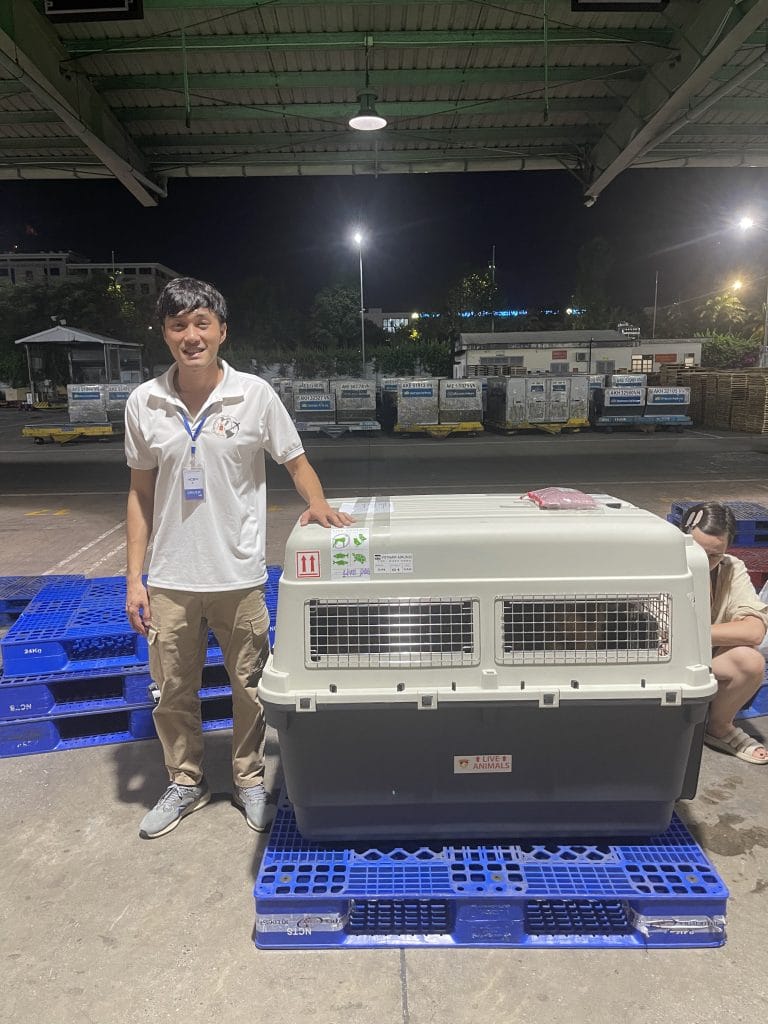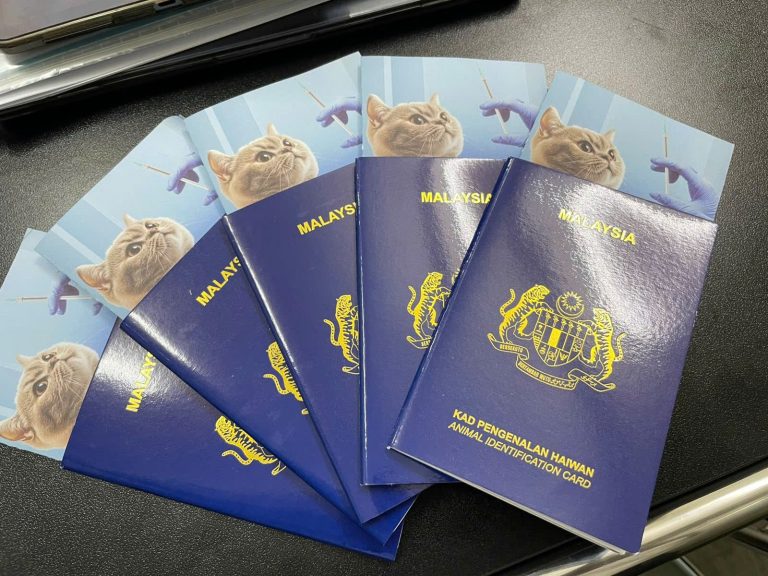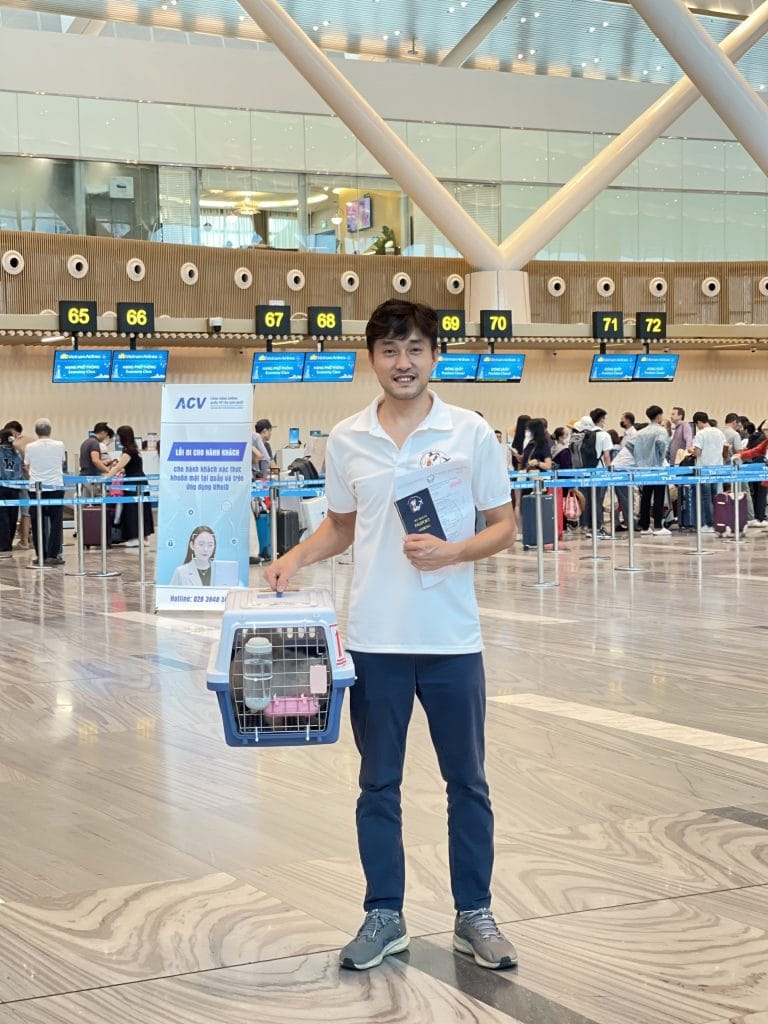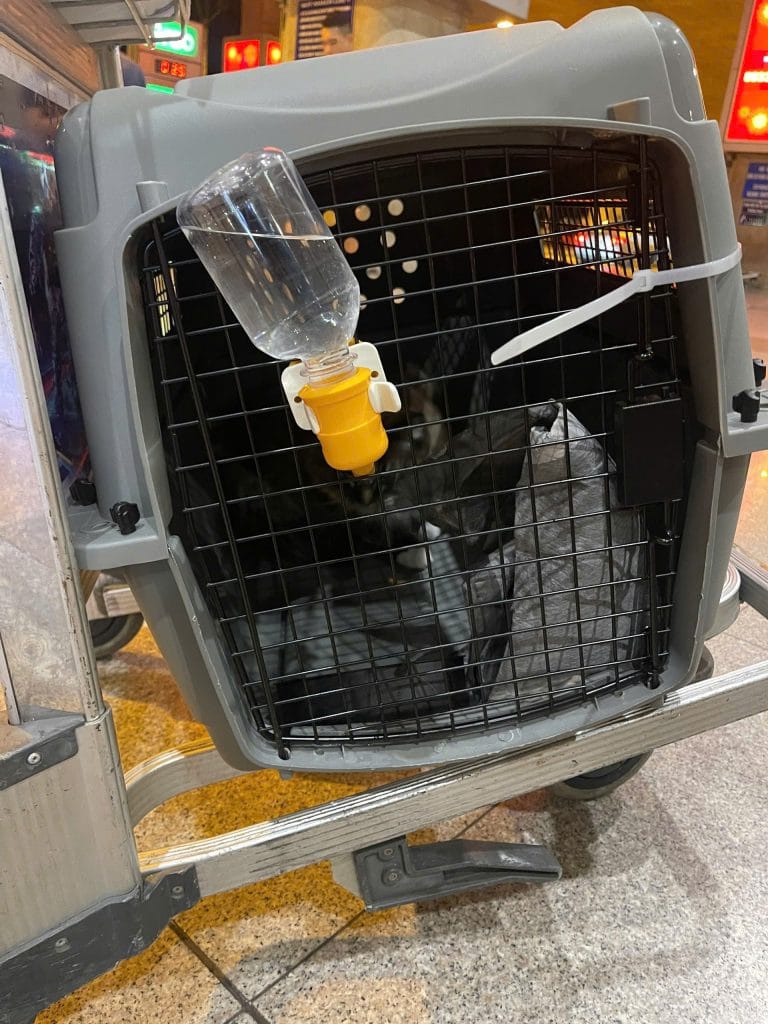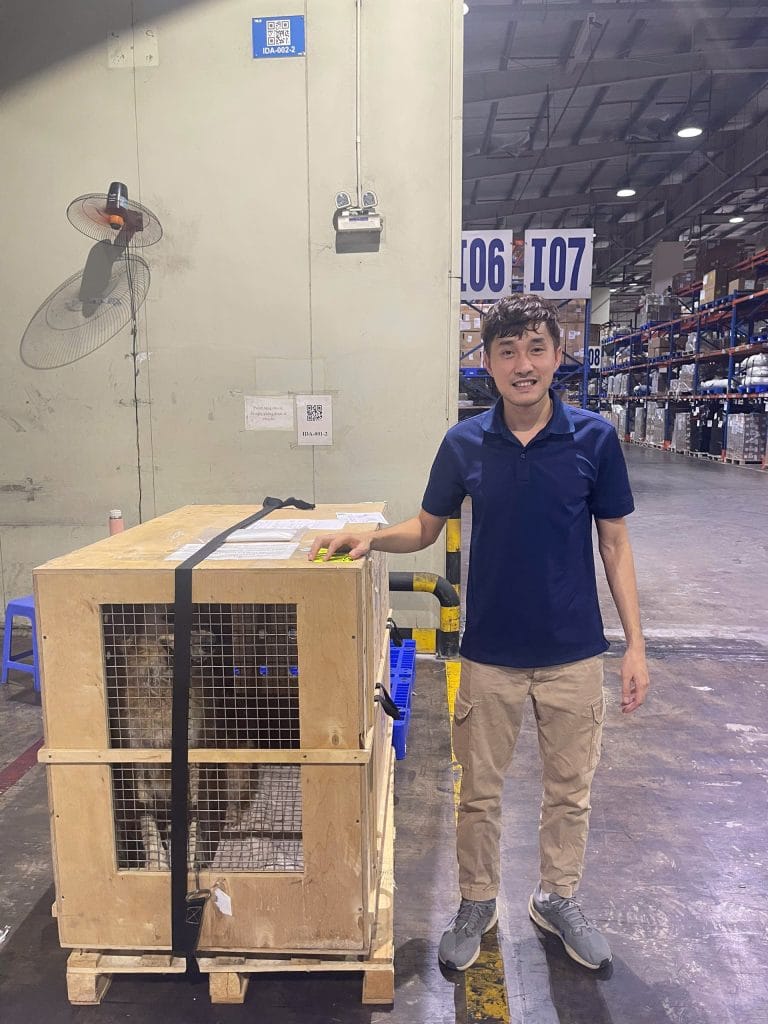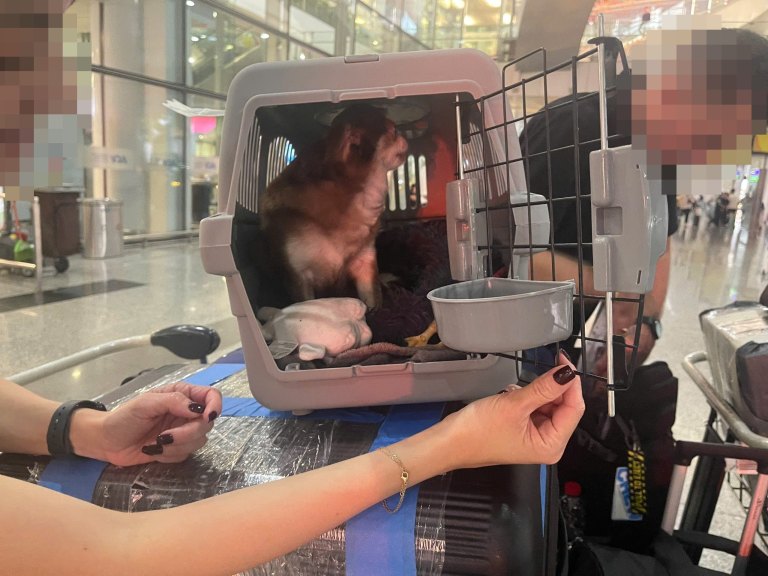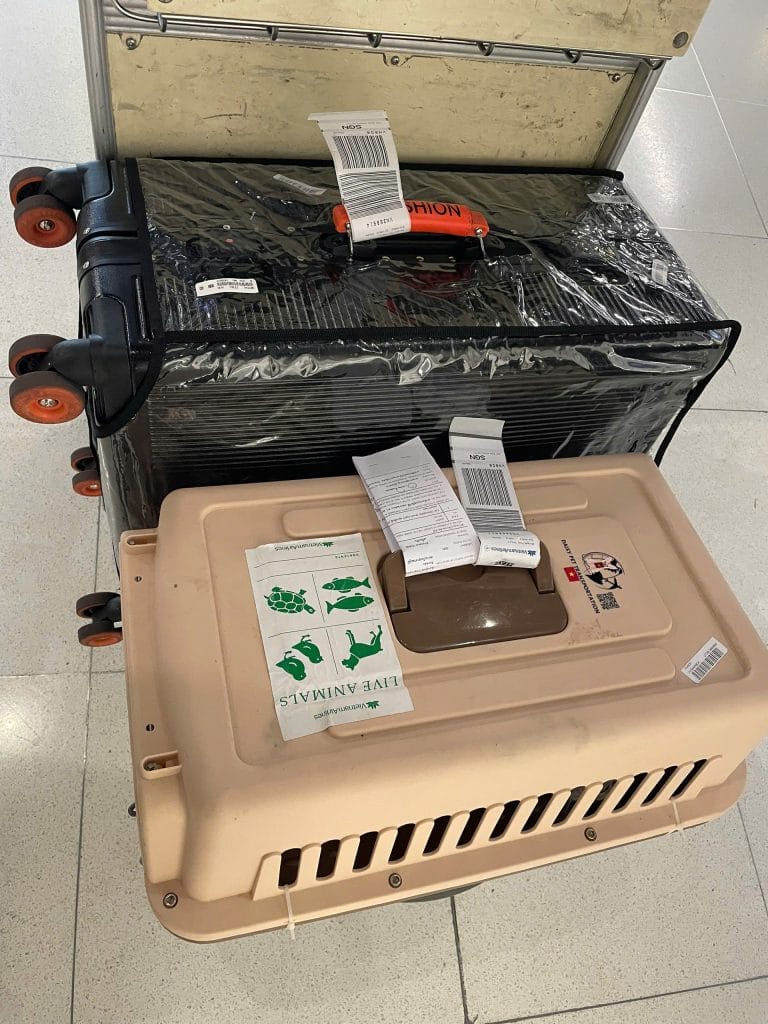
To bring pets from Australia to Vietnam, you need to meet three sets of rules: Australia’s export rules, Vietnam’s import rules and the airline’s conditions for live animals. Australia decides how the pet leaves: as manifest cargo, on an export permit valid for only 72 hours. Vietnam sets the health requirements, and the airline decides which breeds and crates it accepts.
Short Answer: How Hard Is It to Bring a Pet from Australia to Vietnam?
- Is it possible? Yes. One or two personal pets need no Vietnamese import permit and no quarantine.
- How does the pet fly? Alone, as manifest cargo, on its own air waybill, not on your ticket. Australia does not let pets leave in the cabin or as checked baggage.
- How long does it take? About five weeks if the pet needs a new rabies vaccination. About three weeks if the current one is still valid.
- Who is involved? In Australia: a registered vet, the export office of the Department of Agriculture, Fisheries and Forestry (DAFF) and a shipper. In Vietnam: an agent who receives the pet and handles customs.
- Can the pet return to Australia later? Yes, but not directly from Vietnam. If a return is possible, preparation must start before you leave Australia.
The rules that apply to pets from every country are in our Vietnam pet import requirements.
What Does Your Pet Need Before Flying from Australia to Vietnam?
Check these four things before you book anything. If one is missing, the flight date moves.
- Microchip. Implanted before the rabies vaccination. The number must be identical on every document.
- Rabies vaccination. Given at least 30 days before the flight and no more than 12 months old on the day the pet arrives in Vietnam. In Australia, only registered vets can order the vaccine, and DAFF approves one product, Nobivac Rabies. A three-year label still counts as 12 months for Vietnam. See how rabies vaccine validity is counted.
- Age. The pet must be at least 3 calendar months old when vaccinated. With the 30-day wait, the earliest departure is at about four months old.
- Breed. Vietnam Airlines Cargo does not accept some dog breeds, such as Bulldogs, Terriers, Boxers and Pugs. The list is not complete, so get the airline’s answer in writing before you pay for vet work (acceptance conditions for live animals). Snub-nosed breeds face limits on most airlines; our page on breed restrictions for Vietnam imports explains why.
Not needed: a rabies titer test (RNATT), an import permit or quarantine. This applies to one or two personal pets. Three or more pets in one shipment follow Vietnam’s commercial import process.
6 Steps to Bring a Pet from Australia to Vietnam (About Five Weeks)
The plan below assumes the pet needs a new rabies vaccination. If the current one is still valid, skip the vaccination in Step 1 and run Steps 2 and 3 together; the move then takes about three weeks.
- Day 1: rabies vaccination.
- Day 7: choose a shipper, book the flight, choose the crate.
- Day 18: send the Notice of Intention to DAFF.
- Day 25: the vet approves the crate; recheck the documents.
- Days 33–35: final exam, DAFF appointment, documents issued, departure.
- Arrival day in Vietnam: quarantine, customs, pet collected the same day.
A day-by-day plan that covers every origin country is in our 30-day pet import timeline for Vietnam.
Step 1 (Day 1): Rabies Vaccination, and Decide Whether the Pet May Return to Australia
Who: a registered vet and you.
The vet gives Nobivac Rabies and issues the rabies vaccination certificate. On the same day, decide whether the pet may ever return to Australia. If it may, ask DAFF about the rabies titre test now, because it must be completed before the pet leaves Australia. The details are in the section on returning to Australia below.
Step 2 (Day 7): Choose a Shipper, Book Vietnam Airlines Cargo, Choose the Crate
Who: you and a shipper in Australia.
Vietnam Airlines flies non-stop from Sydney and Melbourne to Hanoi and Ho Chi Minh City, and its cargo division carries pets on these routes. The airline’s passenger pet service does not cover Australia routes, so you book the cargo service.
The airline only accepts live animals that are arranged in advance and documented to IATA standards. The shipper handles that booking and paperwork and takes the pet to the airport cargo terminal. The hold is pressurised but not kept at a fixed temperature.
- No direct space: routings via Singapore or Hong Kong also work. Compare them in our overview of airlines flying pets into Vietnam.
- Living outside Sydney or Melbourne: ask the shipper how the pet will reach the airport. The Notice of Intention in Step 3 goes to the DAFF office of the state the pet departs from.
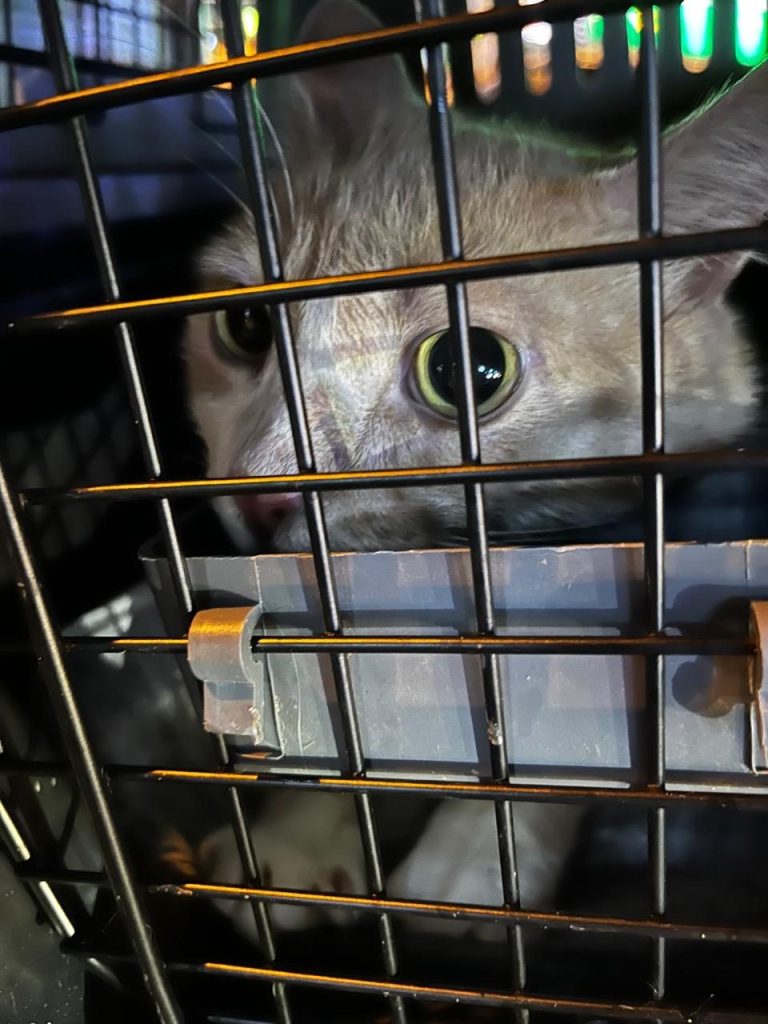
- Crate: choose an IATA-compliant crate big enough for the pet to stand, turn around and lie down, and start crate training now. See how to size an IATA-compliant pet crate.
Step 3 (Day 18): Send the Notice of Intention (NOI) to DAFF
Who: you send it; the DAFF regional export office assesses it.
The Notice of Intention to Export (NOI) is a form you email to DAFF to tell it the departure date. It must arrive at least 10 working days before the flight, and DAFF charges a fee to assess it. The NOI also books your DAFF appointment, so book the vet’s final exam at the same time.
This export office is separate from the one that handles pets coming into Australia. The full sequence is on DAFF’s companion animal export page.
Step 4 (Day 25): The Vet Approves the Crate; Recheck the Documents
Who: the vet and you.
The vet inspects the crate before it is used, so a crate that is too small is caught at the clinic, not at the cargo terminal. This is also the time to recheck the microchip number, breed and dates on every document. In Step 5, the DAFF officer checks them digit by digit.
Step 5 (Days 33–35): Final Exam, DAFF Appointment, Departure Within 72 Hours
Who: the vet, DAFF, the shipper and the agent in Vietnam.
- Final exam: within 72 hours before departure. You and the vet sign the pre-export declaration.
- DAFF appointment: a certifying veterinary officer checks the documents against the pet and against each other.
- Documents issued: DAFF issues the Government Certificate of Health and the Permit to Export Animals together. From this moment, the pet must leave Australia within 72 hours, or the permit has to be approved again. Vietnam sets no separate validity period for the health certificate, so this 72-hour permit is the deadline that matters.
- Declaration in Vietnam: the same day, the agent in Vietnam files Form 3, the quarantine declaration, with copies of the DAFF documents.
- Departure day: the shipper checks the pet in at the airport cargo terminal.
Everything in this step happens within about three days, so confirm the flight booking before the DAFF appointment.
Step 6 (Arrival Day): Quarantine, Customs and Collecting Your Pet
Who: the agent in Vietnam, the animal quarantine station at Noi Bai or Tan Son Nhat airport, and customs.
Because the pet travels as cargo, it is cleared at the airport cargo terminal, not in the passenger arrivals hall.
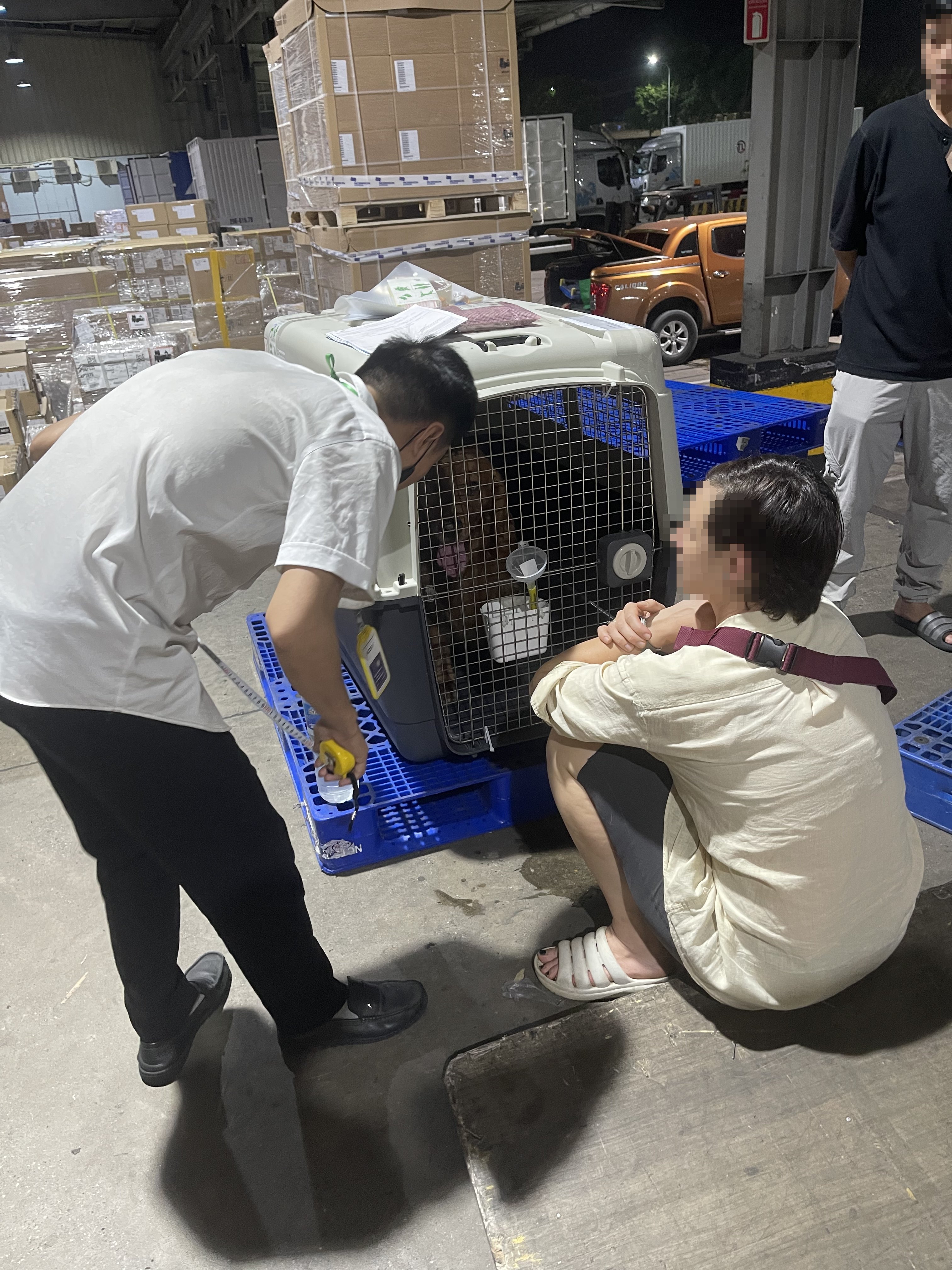
- Inspection: the quarantine officer checks the original DAFF documents, scans the microchip and examines the pet.
- Form 15a: if the pet passes, it receives Form 15a, the import animal quarantine certificate, valid for 60 days. This is usually done on the day of landing.
- Fees and duty: you pay the quarantine fee and import duty. Duty applies to one or two pets as well.
- Customs: customs inspects the shipment at the warehouse, then releases the pet.
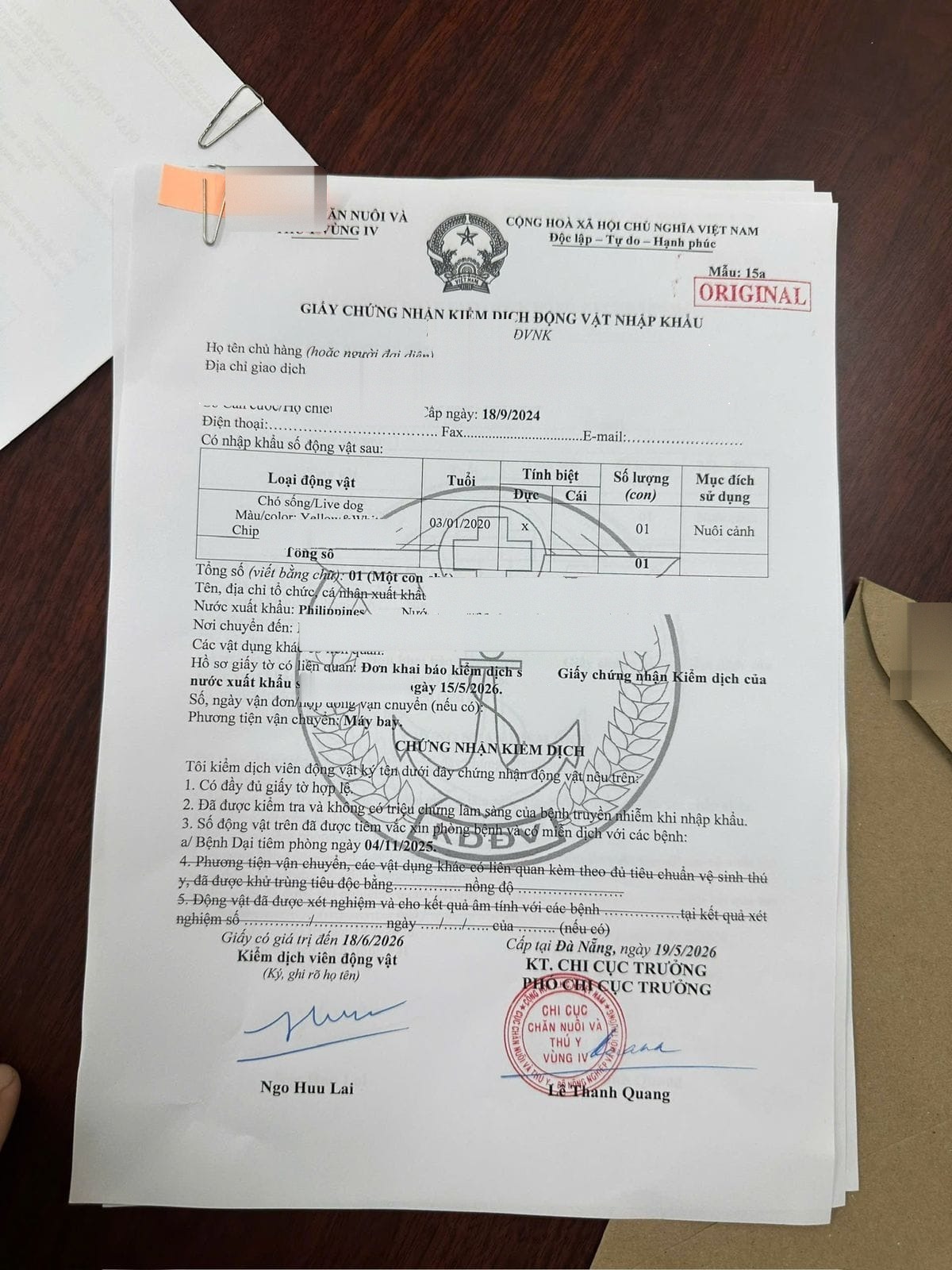
Form 3 is a declaration, not an import permit. See our guide to Vietnam’s Form 3.
Why you need an agent in Vietnam: a cargo customs declaration must be filed by a declarant with a customs account, and an individual owner does not have one. You can be named as consignee on the air waybill instead, but then you must attend the cargo terminal in person to sign, which usually takes several hours.
If the pet does not pass: there is no fixed list of outcomes; the quarantine officer decides based on the pet and the documents. What you control is the paperwork: one microchip number on every document, a valid rabies date and the original DAFF certificates travelling with the pet.
What Does Bringing a Pet from Australia to Vietnam Cost?
There is no single price, because several parties charge at both ends. Costs fall into three groups:
- In Australia: vet visits and vaccination, DAFF fees (NOI assessment, appointment, permit), the IATA crate, transport to the cargo terminal and the shipper’s fee.
- Airfare: charged on the chargeable weight of the pet and crate together, so a large crate can cost more than a heavy pet in a compact one.
- In Vietnam: the agent’s clearance fee, the quarantine fee, import duty, terminal handling and delivery to your home if needed.
Current ranges by route and pet size are in our pet shipping cost guide for Vietnam.
Can Your Pet Return to Australia from Vietnam Later?
Vietnam is not on Australia’s list of approved countries, so a pet cannot fly straight from Vietnam to Australia. It must first be prepared in an approved country. The easiest time to prepare is before the pet leaves Australia.
- Prepare in Australia before you leave: rabies vaccination and a rabies neutralising antibody titre test (RNATT) through the Australian Centre for Disease Preparedness (ACDP), with a result of at least 0.5 IU/ml. DAFF says this can let the pet return without waiting 180 days. In exchange, while living in Vietnam, the pet must travel to an approved country every year for a rabies booster and a new titre test.
- No preparation: all steps are redone in an approved country, followed by 180 days there before the pet can fly to Australia.
- Either way: keep the export health certificate DAFF issues, or at least its number. If the pet may return within six months, DAFF recommends applying for the Australian import permit before you leave.
Source: DAFF: cats and dogs returning to Australia. Entry into Australia, including quarantine at Mickleham, is covered in our guide to Australia’s pet import rules.
Franny’s Move from Sydney to Hanoi
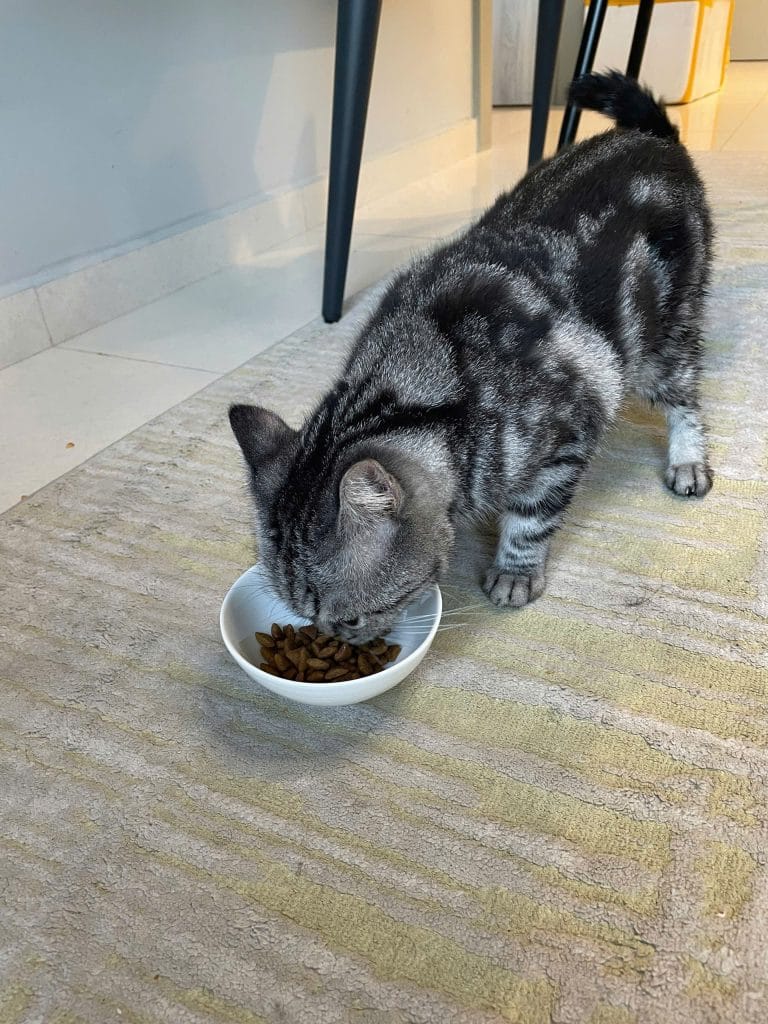
In April 2026, Franny, a three-year-old Domestic Shorthair, flew from Sydney to Hanoi without her owner.
- 2 February: rabies vaccination.
- 7 April: a DAFF-authorised vet signed her health certificate, export permit, rabies certificate and microchip record.
- 8 April: non-stop flight VN786, 12 kg including her 62 × 41 × 45 cm crate.
- Arrival day: a Daisy Pet staff member was named as consignee on the air waybill and on Form 15a. The Noi Bai quarantine station issued Form 15a the same day, duty was paid, customs cleared, and Franny continued by road to her family in Hai Duong.
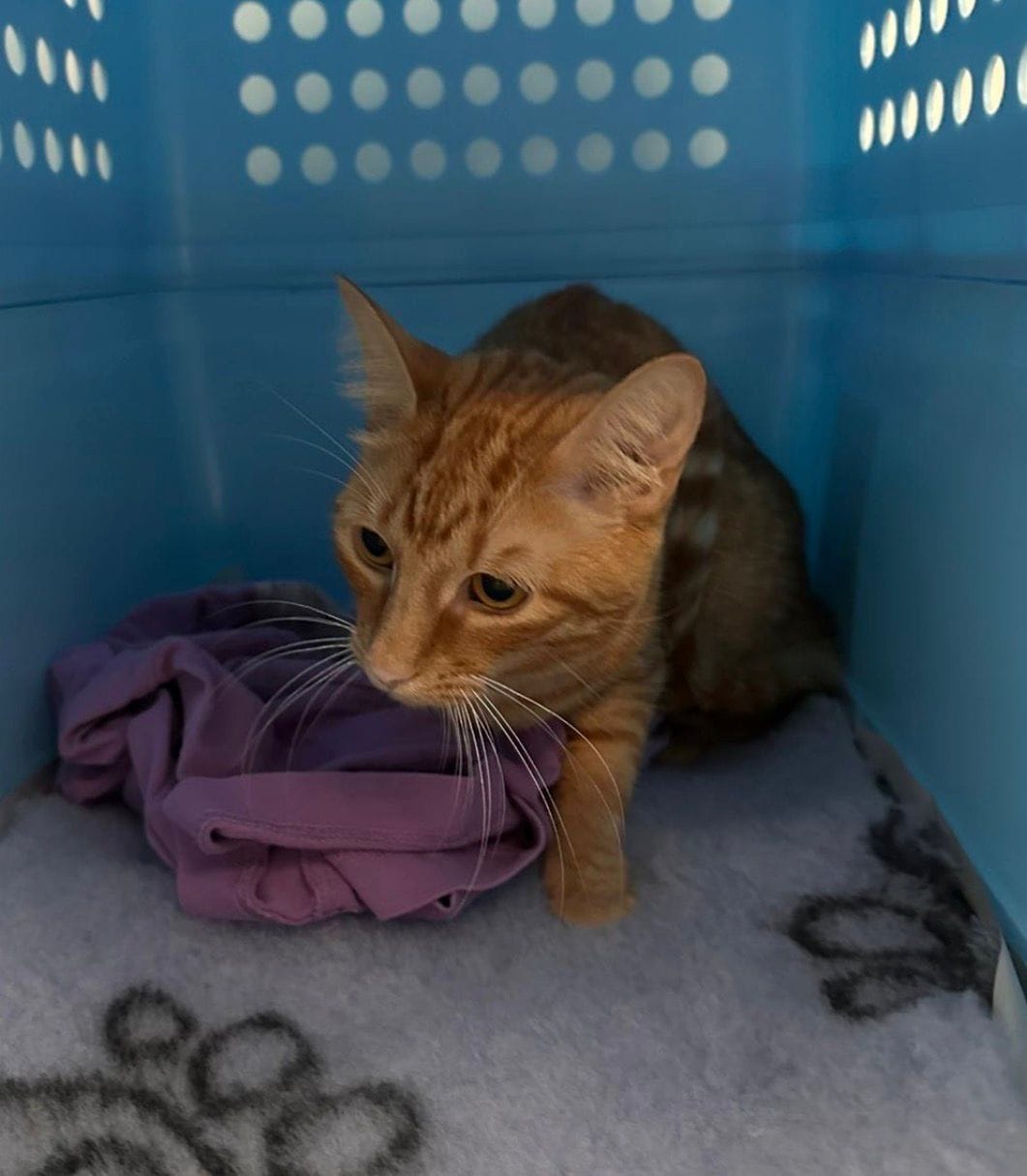
Three things kept the move on schedule: all four documents fell inside the 72-hour window, they carried the same microchip number, and the flight was booked before the DAFF appointment.
FAQ: Bringing a Pet from Australia to Vietnam
Can my pet fly in the cabin from Australia to Vietnam?
No. DAFF requires every dog and cat leaving Australia to fly as manifest cargo on its own air waybill. The cabin and checked baggage are not allowed, whatever the pet’s size.
Does Vietnam require a rabies titer test or an import permit for pets from Australia?
No. For one or two personal pets, Vietnam requires a microchip, a rabies vaccination given at least 30 days before the flight and no more than 12 months old on arrival, and the DAFF health certificate. No titer test, import permit or quarantine is needed.
How long does it take to bring a pet from Australia to Vietnam?
About five weeks if the pet needs a new rabies vaccination, because 30 days must pass after the shot. If the vaccination is still valid, about three weeks, because the Notice of Intention must reach DAFF at least 10 working days before the flight.
Can I bring my pet back to Australia from Vietnam later?
Not directly. Vietnam is not an approved country for Australia, so the pet must first be prepared in an approved country. Without a rabies titre test done in Australia before departure, the pet must stay 180 days in that country before flying to Australia.
Can I clear my pet through customs in Vietnam myself?
Not for a cargo shipment. The customs declaration must be filed by a declarant with a customs account, so an agent in Vietnam handles it. You can be named as consignee, but you must then attend the cargo terminal in person to sign, which usually takes several hours.
Which dog breeds does Vietnam Airlines Cargo not accept?
Vietnam Airlines Cargo’s conditions say some dog breeds, such as Bulldogs, Terriers, Boxers and Pugs, are not accepted. The list is not complete, so ask the airline in writing before you pay for vet work or book a DAFF appointment.
For questions about Vietnam’s side that apply to every route, see our Vietnam pet import FAQ.
Last updated 16 Oct 2026
Compiled by our specialists from the regulations in force on the date above, for reference only. Rules may change after this date. Please verify with the competent authorities or contact us for the most accurate information.
Official sources cited in this guide
- cargo.vietnamairlines.comcargo.vietnamairlines.com
- agriculture.gov.auagriculture.gov.au