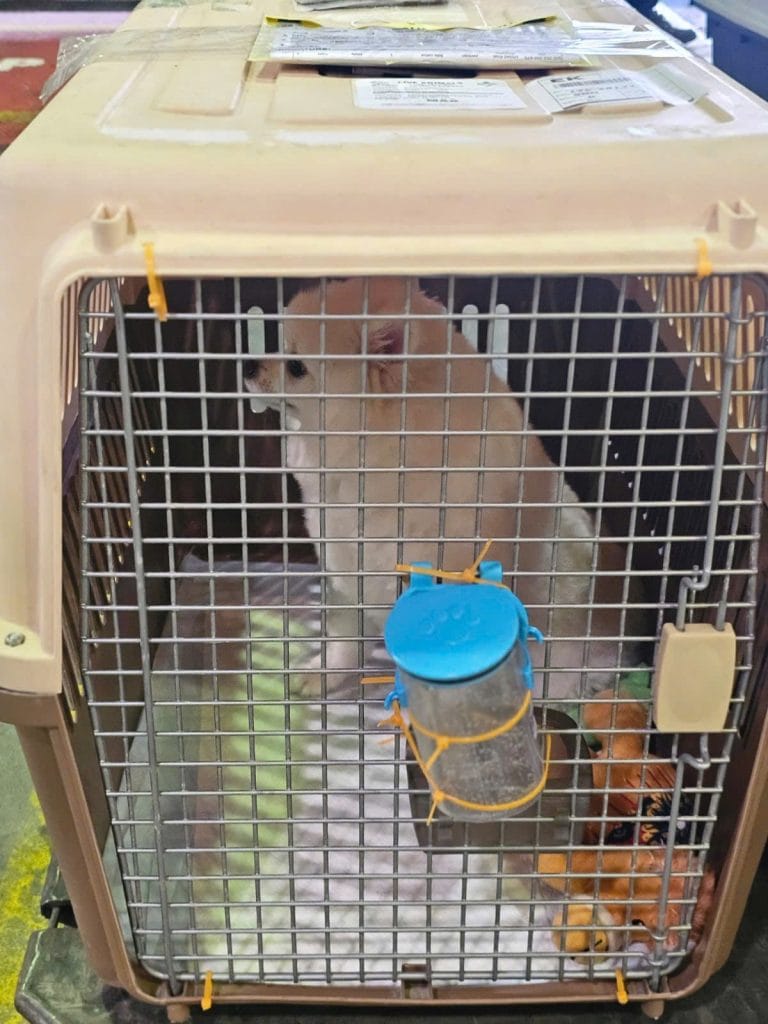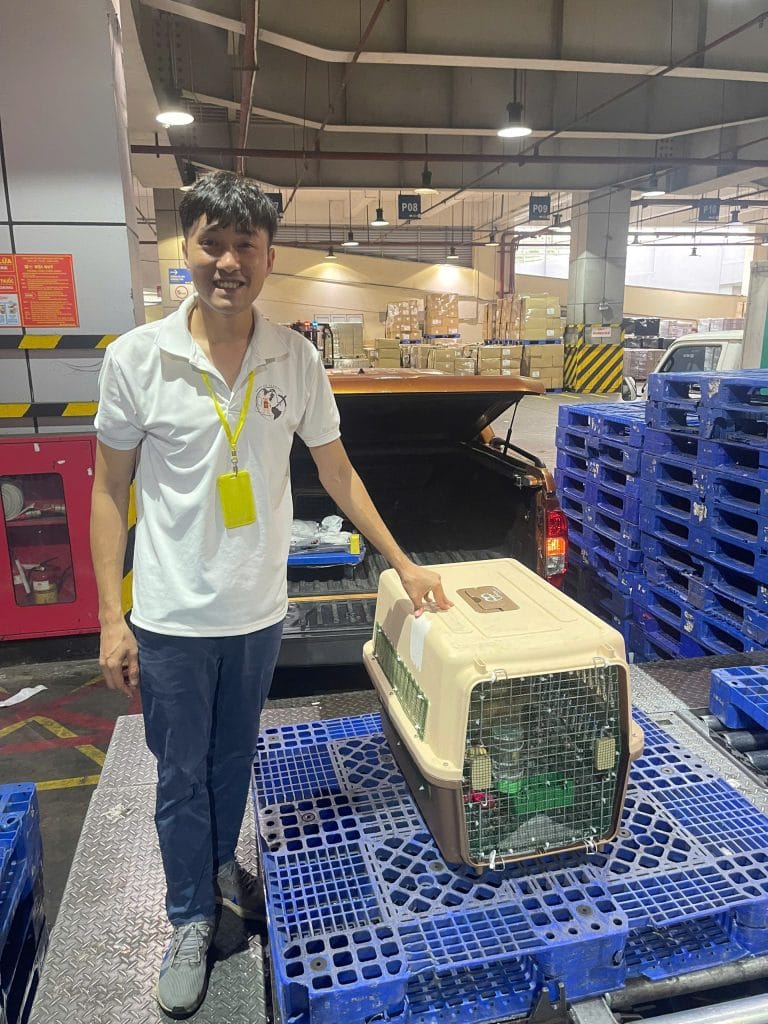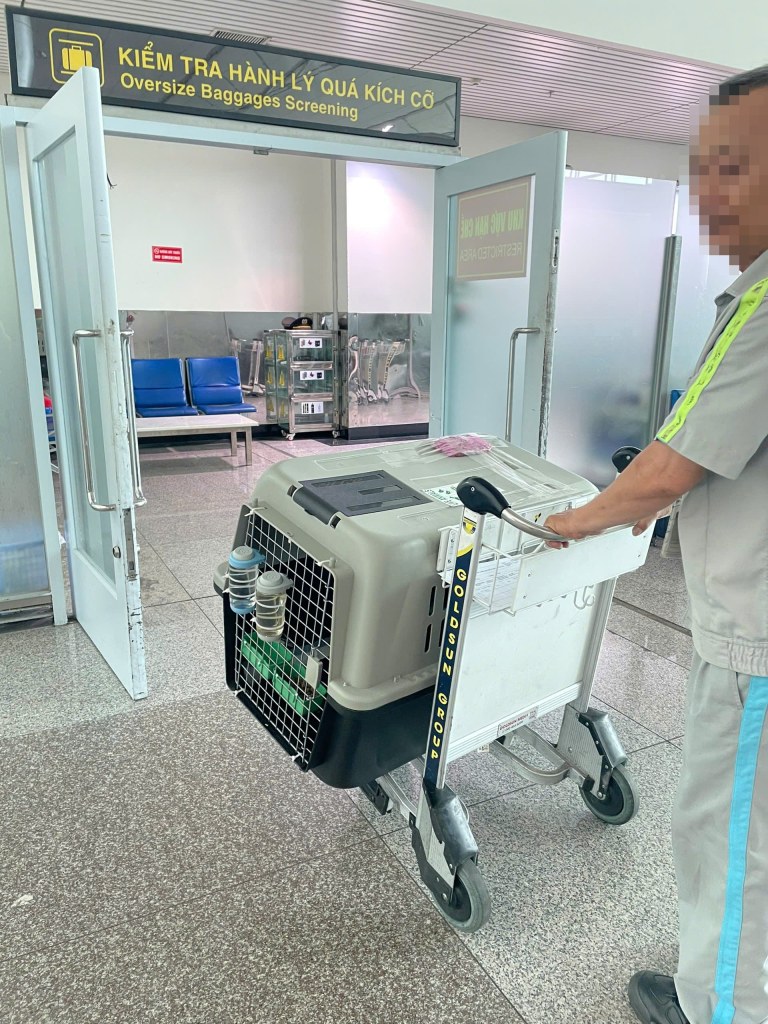
Navigating the Australian biosecurity landscape is inherently complex. This FAQ addresses the most critical technical challenges, cost variations, and regulatory myths for pet shipping from Vietnam via the 180-day transit pathway.
Why is Australian Import so Difficult?
Australia is one of the few places on Earth completely free of terrestrial rabies. The Department of Agriculture, Fisheries and Forestry (DAFF) maintains this status by requiring a “Biological Cleansing” period for pets from ‘Non-Approved’ countries like Vietnam. This means your pet must ‘earn’ their entry by living in a low-risk country for 6 months before being allowed into Australia. For a detailed roadmap, see our Pet Shipping to Australia guide.
1. The 180-Day Transit Strategy
Can I fly my pet directly from Vietnam to Australia?
No. Under current 2026 DAFF regulations, Vietnam is a Non-Approved country. There is no legal pathway for direct entry. You must relocate your pet to an approved Group 2 or 3 territory (e.g., Singapore, Taiwan) for 180 days before they can land in Melbourne. Any attempt to bypass this via indirect transit without residency will be rejected.
Can I wait out the 180 days in Vietnam after taking the blood test?
No. This is a common misconception. For Australia, the pet must be physically residing in the approved transit country for the entire 180-day duration. If the pet returns to Vietnam even for a weekend, the countdown resets to zero. You can track this timeline using our Pet Shipping Timeline to Australia.
What is the “Day 0” calculation error?
DAFF calculates the 180-day wait from the date the laboratory receives the blood sample for a successful RNATT — not the date the blood was drawn. The two dates typically differ by 3–7 days because of courier transit, and owners who count from the draw date routinely miscalculate their earliest export day by up to a week. Get this wrong and your Import Permit application or flight booking can fall before the 180 days have actually cleared, forcing a delay. We recommend building in a 185-day buffer to absorb this margin of error.
2. Technical Medical Requirements
Can I use a Rabies Titer result from a laboratory in Vietnam?
No. DAFF only accepts Rabies Titer Test (FAVN) results from labs that are government-recognized in the approved transit country. More importantly, the samples MUST be drawn by an official government veterinarian *outside* of Vietnam.
Why does my pet have to travel as “Manifested Cargo”?
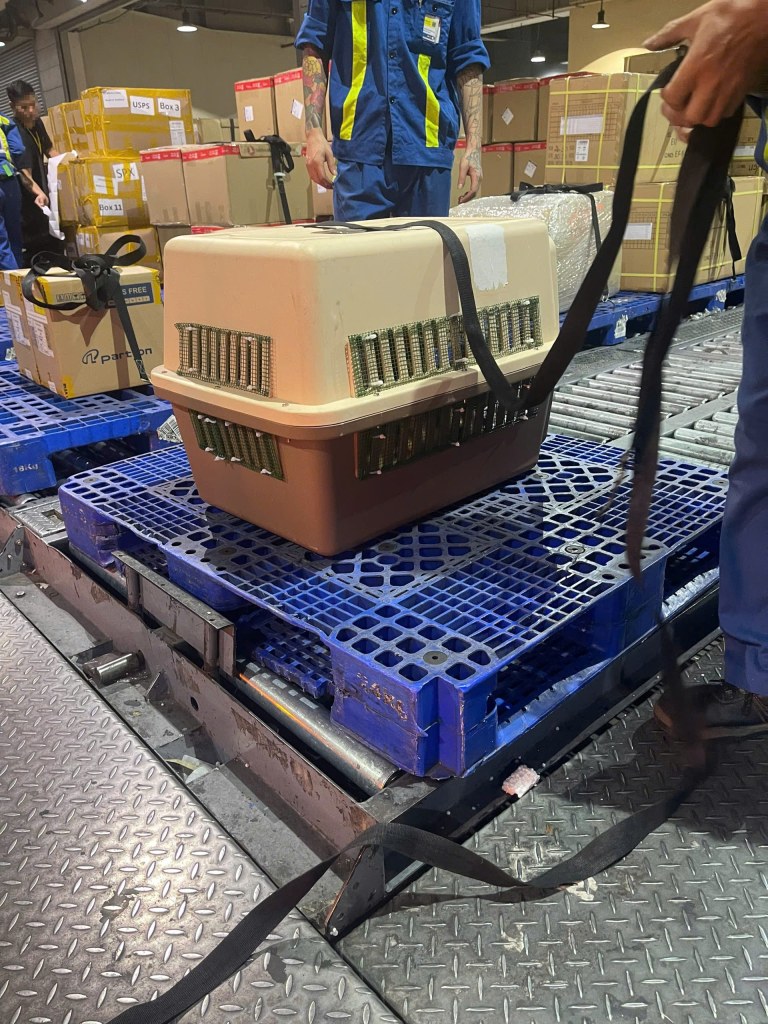
Unlike many countries that allow “In-Cabin” or “Checked Baggage” (AVIH) travel, Australia requires all international pets to arrive as Manifested Cargo under a Master Air Waybill (MAWB). This ensures a secure chain of custody from the aircraft directly into the biosecurity sterile zone at Melbourne (MEL).
Are there any dog breeds that are strictly banned?
Yes. Australia prohibits the American Pit Bull Terrier, Dogo Argentino, Fila Brasileiro, Japanese Tosa, and Presa Canario. Importantly, this ban applies to mixed breeds that show physical traits of these breeds. See our full Banned Dog Breeds Australia for more details.
3. Quarantine & Logistics
Can I visit my pet during their stay at the Mickleham facility?
No public visitation is allowed at the Mickleham Post-Entry Quarantine (PEQ) facility. This is a high-security biosecurity zone. Staff at the facility are government animal care specialists who handle all feeding, cleaning, and exercise for your pet.
How do I save money on the quarantine fee?
The itemised Mickleham fee schedule (reservation, importation, inspection, and the $53 AUD daily husbandry charge) adds up to approximately $2,037 AUD for a 10-day stay. In practice, budget against DAFF’s own published FAQ estimate instead — around $3,000 AUD for 10 days and $4,100 AUD for 30 days once out-of-hours collection, veterinary checks, and airline handling charges are included. The single biggest lever you control is the “Official Identity Verification” (scanning the chip by a government vet in the transit hub) BEFORE the RNATT blood draw — skip it and Australia mandates a 30-day quarantine stay instead of 10. Proper documentation of the Pet Microchip for International Travel is vital.
How do I obtain the necessary BICON Permit?
You must apply for an Australia Pet Import Regulations through the official BICON system after your RNATT results are confirmed. This permit is the primary document required for quarantine booking and airline acceptance.
Last updated 11 Aug 2026
Compiled by our specialists from the regulations in force on the date above, for reference only. Rules may change after this date. Please verify with the competent authorities or contact us for the most accurate information.
Official sources cited in this guide
- Department of Agriculture, Fisheries and Forestry (DAFF)agriculture.gov.au
- BICONbicon.agriculture.gov.au