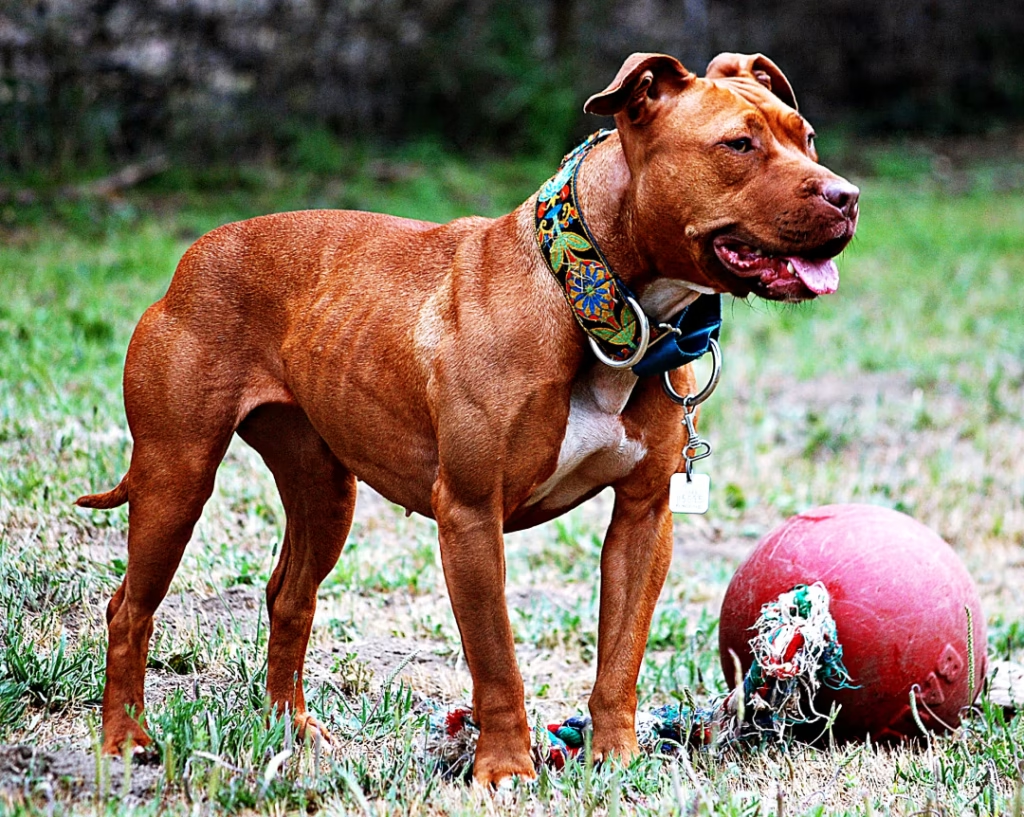
Most countries have no dog breeds banned from import, but about a dozen refuse fighting-type breeds such as the Pit Bull and Tosa at the border. Others let these dogs in but require a permit, insurance or a muzzle after arrival. Airlines keep their own refusal lists, so a dog can be legal in a country and still be refused on the flight.
Quick Answers on Banned Dog Breeds
- Which countries ban breeds at the border? The UK, Australia, Singapore, Malaysia, the UAE, Hong Kong, Taiwan, Turkey, Saudi Arabia, Bahrain, Denmark and Norway. France and Germany ban some dogs too.
- Is a Pit Bull banned everywhere? No. Japan, South Korea, the US and Vietnam let it enter. South Korea requires an import declaration and a keeping permit.
- Do crossbreeds count? In Singapore, the UAE, Hong Kong, Germany and Saudi Arabia they do. Australia does not restrict mixed-breed dogs.
- Are cats affected? Only a few hybrid and novelty breeds, such as early-generation Bengal and Savannah cats.
- Is the airline list the same? No. Vietnam Airlines refuses Rottweilers, which most countries accept.
Banned at the Border vs Restricted After Arrival
A border ban means the dog cannot enter at all. Officers can refuse it, send it back or seize it.
A keeping restriction lets the dog in. The owner then needs a permit, insurance, neutering or a muzzle in the new home. These rules are often called breed-specific legislation (BSL).
A third group of countries has no breed list. Health rules such as microchip and rabies vaccination apply to every dog there.
The difference decides whether the move is possible. A border ban rarely has a legal route for a family moving with its dog. A keeping restriction means paperwork and cost, but the dog can come.
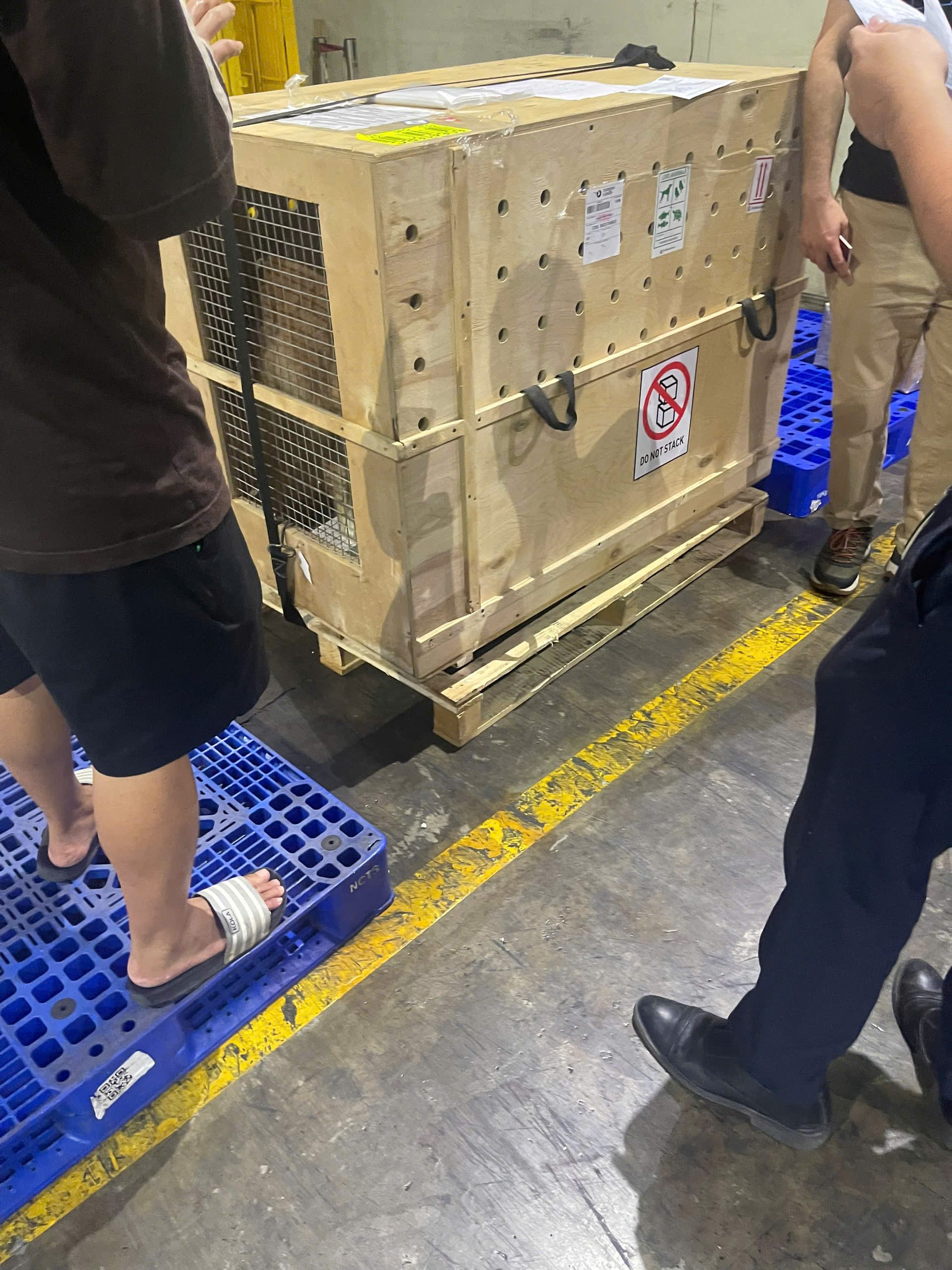
Banned Dog Breeds by Country: Lookup Table
Each row is one country. The breeds column uses the names in that country’s own rules. Follow the link for documents, timelines and full details.
| Country | Status | Breeds named | Crosses | Daisy guide |
|---|---|---|---|---|
| United Kingdom | Banned at border | Pit Bull Terrier, Japanese Tosa, Dogo Argentino, Fila Brasileiro, XL Bully | Judged by look | UK import requirements from Vietnam |
| Australia | Banned at border | Dogo Argentino, Fila Brasileiro, Japanese Tosa, American Pit Bull Terrier, Perro de Presa Canario | Mixed breeds not restricted | Australia’s prohibited dog breeds |
| Singapore | Banned at border | Pit Bull group, Akita, Boerboel, Dogo Argentino, Fila Brasileiro, Neapolitan Mastiff, Tosa, Perro de Presa Canario | Yes | Singapore banned and restricted breeds |
| Malaysia (Peninsular) | Banned at border | Akita, American Bulldog, Dogo Argentino, Fila Brasileiro, Japanese Tosa, Neapolitan Mastiff, Pit Bull group | Not stated | Malaysia banned dog breeds list |
| UAE | Banned at border | Pit Bull group, Mastiff group, Japanese Tosa, Perro de Presa Canario | Yes | UAE banned breeds under MOCCAE |
| Hong Kong | Banned at border | Pit Bull Terrier type, Japanese Tosa, Dogo Argentino, Fila Brasileiro | Yes | Hong Kong pet relocation guide |
| Taiwan | Banned at border | American Pit Bull Terrier, American Staffordshire Terrier | Not listed | Taiwan pet relocation guide |
| Turkey | Banned at border | American Pit Bull Terrier, Dogo Argentino, Fila Brasileiro, Japanese Tosa, American Staffordshire Terrier, American Bully | Not stated in law | Turkey pet relocation guide |
| Saudi Arabia | Banned at border | Pit Bull, Rottweiler, Boxer, Mastiff, Tosa, Bulldog, Perro de Presa Canario | Yes | — |
| Bahrain | Banned at border | Pit Bull, Mastiff, Tosa, Presa Canario (open list) | Not stated | — |
| France | Category 1 banned | Non-pedigree dogs of American Staffordshire Terrier, Mastiff or Tosa type | Judged by type | France Category 1 and 2 dogs |
| Germany | Banned for new residents | Pit Bull Terrier, American Staffordshire Terrier, Staffordshire Bull Terrier, Bull Terrier, plus state lists | Yes | Germany’s banned dog breeds |
| Denmark, Norway, Ireland | Banned at border | Denmark 13 breeds, Norway 6 breeds, Ireland XL Bully | Denmark and Norway: yes | Europe pet relocation guide |
| South Korea | Restricted after entry | Tosa, Pit Bull Terrier, American Staffordshire Terrier, Staffordshire Bull Terrier, Rottweiler | Yes | South Korea pet relocation guide |
| Canada | Ontario bans, rest restricted locally | Ontario: Pit Bull Terrier, Staffordshire Bull Terrier, American Staffordshire Terrier, American Pit Bull Terrier | Similar dogs count | Canada pet relocation guide |
| Russia | Restricted after entry | 12 “potentially dangerous” breeds, such as Bandog and Bully Kutta | Yes | Russia pet relocation guide |
| Japan | Restricted locally | Prefecture rules, such as Akita and Tosa in Ibaraki | — | Japan pet relocation guide |
| China | Restricted locally | City rules, such as large dogs in central Beijing | — | China pet relocation guide |
| India | Restricted locally | Municipal rules only | — | India’s national and municipal breed rules |
| United States | Restricted locally | City and county rules only | — | US pet relocation guide |
| Brazil | Restricted locally | Rio de Janeiro state: American Pit Bull Terrier | Yes, in Rio | Brazil Pit Bull import rules |
| Spain | Restricted after entry | Licence for Pit Bull Terrier, Staffordshire Bull Terrier, American Staffordshire Terrier, Rottweiler, Dogo Argentino, Fila Brasileiro, Tosa, Akita | Yes | — |
| Vietnam | No breed list | None | — | Vietnam breed rules for imports |
| Netherlands | No dog breed list | None for dogs; some cat breeds banned | — | Netherlands rules on banned breeds |
| Thailand, Philippines, Sri Lanka | No breed list | None | — | — |
Which Countries Ban Dog Breeds at the Border?
These countries refuse the listed breeds on arrival. For a family moving with one of these dogs, there is usually no legal way in.
- United Kingdom: The Dangerous Dogs Act bans the Pit Bull Terrier, Japanese Tosa, Dogo Argentino, Fila Brasileiro and XL Bully. The government says a dog is a banned type because of what it looks like, not its breed name. A banned dog can only enter if it already holds a Certificate of Exemption, which is issued to dogs living in Great Britain.
- Australia: Customs rules prohibit five breeds: Dogo Argentino, Fila Brasileiro, Japanese Tosa, American Pit Bull Terrier (or Pit Bull Terrier) and Perro de Presa Canario. Wolf-dog hybrids are banned under separate environment law. The Department of Agriculture, Fisheries and Forestry (DAFF) publishes the import conditions.
- Singapore: The Animal and Veterinary Service (AVS) bans the Pit Bull group (American Pit Bull Terrier, American Staffordshire Terrier, Staffordshire Bull Terrier, American Bulldog), Akita, Boerboel, Dogo Argentino, Fila Brasileiro, Neapolitan Mastiff, Tosa, Perro de Presa Canario and their crosses. Breeds such as the Rottweiler, Doberman and German Shepherd are “specified dogs”. They can enter with a licence, a banker’s guarantee, liability insurance and obedience training.
- Malaysia: The Department of Veterinary Services (DVS) bans seven breeds in Peninsular Malaysia, including the Akita, Japanese Tosa and the Pit Bull group. Six more, including the Rottweiler, Doberman and German Shepherd, need a pedigree and a home check. Sabah and Sarawak set their own rules.
- UAE: Federal law bans Pit Bull types (including American Bully), Mastiff types (including Cane Corso, Bullmastiff and Boerboel), Japanese Tosa, Perro de Presa Canario and their crosses. The Rottweiler, Doberman and Boxer were removed from the federal list in November 2021.
- Hong Kong: The Agriculture, Fisheries and Conservation Department (AFCD) prohibits importing or transhipping Pit Bull Terrier types, Japanese Tosa, Dogo Argentino, Fila Brasileiro and any of their crossbreeds. A Staffordshire Bull Terrier can enter, but the owner must submit a statutory declaration with the application.
- Taiwan: Since 1 March 2022, Taiwan bans importing and keeping the American Pit Bull Terrier and American Staffordshire Terrier. Crosses are not in the final notice.
- Turkey: The law names six breeds: American Pit Bull Terrier, Dogo Argentino, Fila Brasileiro, Japanese Tosa, American Staffordshire Terrier and American Bully. Airlines and IATA Timatic may apply a longer list. Check it before booking.
- Saudi Arabia: The Ministry of Environment, Water and Agriculture (MEWA) refuses Pit Bull, Rottweiler, Boxer, Mastiff, Tosa, Bulldog and Perro de Presa Canario. Timatic adds their crossbreeds.
- Bahrain: Bahrain Customs lists prohibited dogs “such as” Pit Bull, Mastiff, Tosa and Presa. The words “such as” mean the list may be longer.
- France: Category 1 dogs cannot enter or transit France. These are dogs without a recognised pedigree that look like an American Staffordshire Terrier (“pit-bull”), a Mastiff (“boerbull”) or a Tosa. The Staffordshire Bull Terrier is not categorised.
- Germany: Federal law bans the Pit Bull Terrier, American Staffordshire Terrier, Staffordshire Bull Terrier, Bull Terrier and their crosses for anyone moving there. The exceptions are narrow: a visitor not resident in Germany staying up to four weeks, a dog lawfully kept in Germany returning home, and service or assistance dogs. Each state can add breeds, such as the Rottweiler or Kangal, with its own keeping permit.
- Denmark, Norway and Ireland: Denmark bans 13 breeds and their crosses, including the Pit Bull, Tosa and Kangal. Norway bans six, including the Czechoslovakian Wolfdog. Ireland has banned importing the XL Bully since 1 October 2024.
Which Countries Let These Breeds In but Restrict Keeping Them?
These countries accept the dog at the border. The owner then follows keeping rules where the dog lives.
- South Korea: Five “dangerous dog” breeds and their crosses can enter: Tosa, Pit Bull Terrier, American Staffordshire Terrier, Staffordshire Bull Terrier and Rottweiler. The owner must file an import declaration with the Ministry of Agriculture, Food and Rural Affairs (MAFRA) within 7 days of the quarantine certificate date. Since 27 April 2024, owners also need a keeping permit from the city or province. The permit requires liability insurance, neutering and a temperament assessment.
- Canada: The Canadian Food Inspection Agency (CFIA) has no federal breed ban. Ontario law bans owning or importing pit bulls, including Staffordshire Bull Terriers, American Staffordshire Terriers and similar dogs. The City of Winnipeg also prohibits pit bulls.
- Russia: Russia has no import ban by breed. Government Decree 974 (2019) lists 12 “potentially dangerous” breeds and their crosses. These dogs must wear a muzzle and leash outside the owner’s fenced property. The American Pit Bull Terrier is not on that list.
- France (Category 2): Pedigree American Staffordshire Terriers, pedigree Tosas and all Rottweilers can enter. The owner needs a detention permit from the town hall, insurance, a behaviour assessment and a muzzle in public.
- Japan: The Animal Quarantine Service has no breed list. Some prefectures, such as Ibaraki, require breeds like the Akita, Tosa and Doberman to be kept in a secure enclosure.
- China: China has no breed ban at entry and allows one dog or cat per traveller. Cities set their own rules. Central Beijing allows one dog per household and bars large and “fierce” dogs.
- India, the US and Brazil: None has a national import ban by breed. Some cities, counties or states restrict certain breeds. Rio de Janeiro state bans importing and breeding the American Pit Bull Terrier and its crosses.
- Spain: Owners of “potentially dangerous” breeds, such as the Pit Bull, Rottweiler and Akita, need a licence from the town hall.
Which Countries Have No Breed Ban?
Vietnam, Thailand, the Philippines and Sri Lanka have no breed ban for dogs. The Netherlands has no breed ban for dogs either, but it bans some cat breeds. In these countries, the same health rules apply to every dog. The main barrier for large or fighting-type breeds is usually the airline, not the country.
Do Crossbreeds and Look-Alike Dogs Count?
Crossbreeds are treated differently in each country. Singapore, the UAE, Hong Kong, Germany, Denmark, Norway and Saudi Arabia ban the crosses of their listed breeds. Australia does not restrict mixed-breed dogs, even mixes of its five banned breeds.
Some countries go by appearance. The UK judges a dog by what it looks like. France applies Category 1 to non-pedigree dogs of a certain type. Australian Border Force may investigate a dog that looks like a prohibited breed.
A pedigree certificate or a vet letter stating the breed helps when a dog’s look is close to a banned type. Pedigree papers are not accepted as proof for wolf-dog hybrids in Australia.
Why Airline Breed Lists Differ From Country Law
Airlines set their own lists for safety on board and in the hold. These lists are often longer than the country’s law.
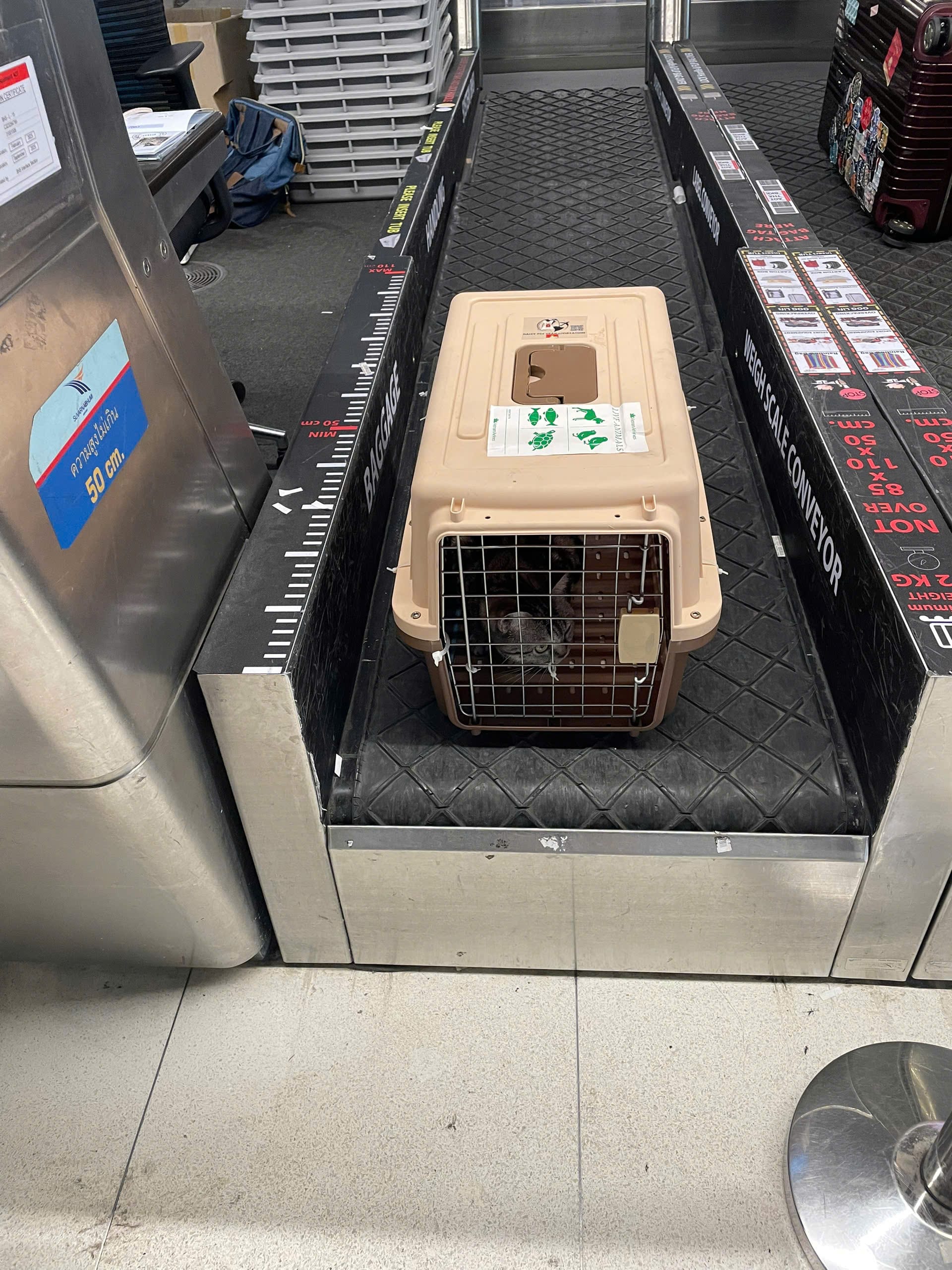
Vietnam Airlines refuses Rottweilers in every travel method, though most countries accept them. Our page on breeds Vietnam’s domestic airlines refuse lists them in full.
Turkish Airlines refuses crosses of its banned breeds, even where Turkish law does not mention crosses. Etihad refuses breeds such as the Cane Corso and Boxer, even though the UAE removed the Boxer from its federal list. See the airline breed restriction guide for each carrier’s rules.
Are Any Cat Breeds Banned From Import?
Most countries do not ban cat breeds. A few target wild-cat hybrids or breeds with welfare problems.

- Singapore: First- to fourth-generation (F1–F4) Bengal and Savannah crosses are banned. The owner must prove the cat is at least a fifth-generation cross.
- Australia: Savannah, Safari, Chausie and Bengal cats of any generation are banned.
- Netherlands: Since 1 January 2026, keeping hairless and fold-eared cats is banned, including bringing them in. This covers the Sphynx, Peterbald and Scottish Fold. A cat born and microchipped before that date can still enter.
- Taiwan: Bengal cats of the fourth generation or earlier need a permit that is only issued to research institutions and zoos.
What Can You Do if Your Dog’s Breed Is Banned?
Check the destination list and the airline list before the first vaccination or blood test. That costs nothing and saves months of preparation.
If the breed is banned at the border, the dog cannot be imported by a family moving there. Bans exist for public safety, and the dog’s breed must be declared honestly. Declaring a different breed risks seizure or a return flight at the owner’s cost.
If the breed is only restricted, plan the permit, insurance and neutering before arrival. In South Korea, the import declaration deadline starts on the quarantine certificate date. A dog whose breed is unclear should travel with a pedigree certificate or a vet letter.
Frequently Asked Questions
Which countries ban Pit Bulls from import?
The UK, Australia, Singapore, Malaysia, the UAE, Hong Kong, Taiwan, Turkey, Saudi Arabia, Bahrain, Germany, Denmark and Norway refuse Pit Bull-type dogs. France bans non-pedigree pit-bull-type dogs. Ontario bans importing them into the province.
Are there banned dog breeds in Japan?
No. Japan has no breed ban at the border. A few prefectures require breeds such as the Akita and Tosa to be kept in a secure enclosure.
Can I bring a Pit Bull or Rottweiler to South Korea?
Yes, both can enter. They are listed as dangerous dogs, so the owner must file an import declaration within 7 days of the quarantine certificate and get a local keeping permit.
Can an XL Bully be imported into the UK?
No. The XL Bully is on the UK’s banned list. A banned dog can only enter if it already holds a Certificate of Exemption issued in Great Britain.
Is the Rottweiler banned in Singapore?
No. The Rottweiler is a specified dog in Singapore. It can enter with a licence, a banker’s guarantee, liability insurance and obedience training.
Does Australia ban mixed-breed dogs?
No. DAFF says mixed-breed dogs, including mixes of the five prohibited breeds, are not restricted. Border Force may still check a dog that looks like a prohibited breed.
Last updated 18 Oct 2026
Compiled by our specialists from the regulations in force on the date above, for reference only. Rules may change after this date. Please verify with the competent authorities or contact us for the most accurate information.
Official sources cited in this guide
- gov.ukgov.uk
- agriculture.gov.auagriculture.gov.au
- afcd.gov.hkafcd.gov.hk
- customs.gov.bhcustoms.gov.bh
- The exceptions are narrowgesetze-im-internet.de
- Ontario law bans owning or importing pit bullsontario.ca