If you’ve been searching for a government list of banned dog breeds for Vietnam, you won’t find one — because it doesn’t exist. Circular 01/2026/TT-BNNMT, the primary regulation governing pet imports into Vietnam, does not restrict a single breed. Any dog or cat with a complete documentation set clears the border.
But the enforcement that matters for your transport decision doesn’t happen at the border. It happens at the airline check-in counter, sometimes 14 hours before your flight departs Vietnam’s destination airports. Understanding this distinction — and planning around it — is the difference between a smooth arrival at Tan Son Nhat (SGN) or Noi Bai (HAN) and a last-minute rejection. For the full picture of what Vietnam’s import process involves, read our Vietnam pet import guide before focusing on breed eligibility.
| Category | Key Requirements & Regulatory Notes |
|---|---|
| 1. Export Process (in the departure country) | Depends on the export country: typically an ISO microchip, a rabies vaccination (at least 30 days before the flight, under 12 months old on arrival), a government-endorsed export health certificate, and an export permit where required. |
| 2. Import Process (Vietnam) | File Form 3 (Mẫu 3), the quarantine declaration, with the airport quarantine station (Sub-Dept No. I at HAN, No. VI at SGN); about 48 hours before landing is safest. It is not an import permit. The Import Animal Quarantine Certificate, Form 15a (Mẫu 15a), is issued only after the officer checks the documents, scans the microchip and examines the pet. Shipments of 3+ pets also need Form 19 (Mẫu 19) approved by Cục Chăn nuôi và Thú y first. |
| 3. Flights & Weather | Prioritize direct or short connection flights. Avoid extreme summer heat months due to airline Checked Baggage (AVIH) travel bans caused by runway heat risks. |
| 4. Preparation Timeline | A structured 30-day veterinary schedule executed in chronological order from Day 1 to Day 30. |
1. Veterinary Regulations for Shipping Pets to Vietnam
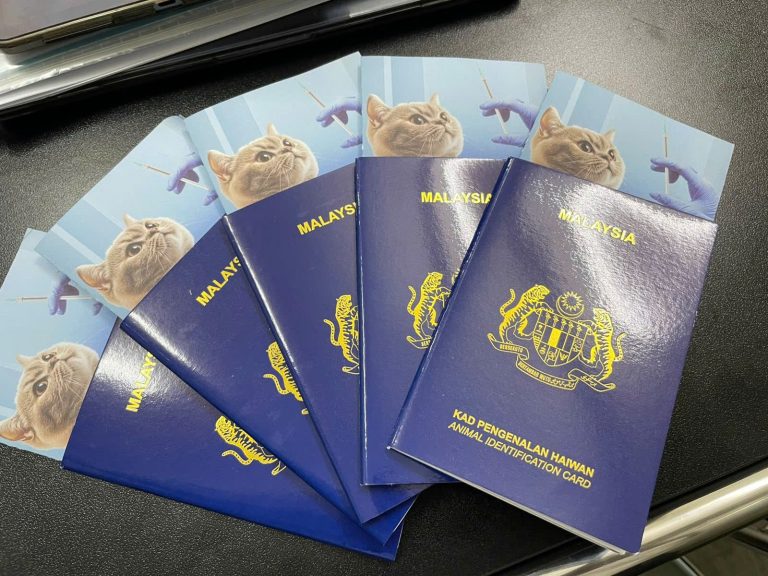
Vietnam’s animal import framework is governed by Circular 01/2026/TT-BNNMT, issued by the Ministry of Agriculture and Environment and administered by the Department of Livestock Production and Animal Health (Cục Chăn nuôi và Thú y). The circular lists health and documentation requirements — microchipping (ISO 11784/11785 compliant 15-digit non-encrypted chip, which must be implanted BEFORE rabies vaccination), rabies vaccination (given at least 30 days before the flight and no more than 12 months before landing, noting that 3-year vaccines are only accepted if given within the past 12 months), minimum age of 16 weeks (12 weeks for vaccination + 30 days wait), export health certificate, and advance quarantine declaration (using Form 3 for personal imports of 1-2 pets, or Form 3 exclusively for commercial shipments of 3+ pets) — but contains no enumeration of restricted or prohibited breeds.
This puts Vietnam in a notably different regulatory position compared to other destinations Daisy Pet operates to. Singapore maintains a Specified Dogs list requiring additional insurance and muzzling. The UAE publishes a prohibited breed schedule enforced by MOCCAE. The United States has no federal breed ban but faces significant airline-level restrictions that functionally mirror one. Vietnam has none of these government mechanisms.
The practical takeaway: any dog or cat legally exported from its country of origin, with correct vaccination records, a valid health certificate endorsed by the origin country’s competent authority, and an approved microchip, is eligible to enter Vietnam. The question is not whether your breed is permitted by Vietnam — it almost certainly is. The question is whether your airline will accept it.
2. Flight Options and Tarmac Heat Risks When Shipping Pets to Vietnam
Every major carrier operating into Vietnam enforces brachycephalic breed restrictions. These are not guidelines or recommendations — they are hard operational bans grounded in IATA Live Animals Regulations, carrier liability policies, and documented in-flight fatality data for flat-faced breeds. Understanding the mechanism helps you understand why no airline will make exceptions regardless of your pet’s individual health.
Brachycephalic breeds have anatomically compressed airways — shortened skulls, narrowed nostrils, elongated soft palates, and hypoplastic tracheas. At altitude, in pressurized cabin air with lower oxygen partial pressure and elevated ambient temperatures near the cargo hold walls, the respiratory demand on these breeds increases substantially. Airlines cannot individually assess each animal’s fitness at check-in. The blanket breed ban is the only operationally viable policy.
Dog breeds restricted by most major airlines on Vietnam routes:
- French Bulldog, English Bulldog, American Bulldog
- Pug, Boston Terrier, Boxer
- Shih Tzu, Lhasa Apso, Pekingese
- Brussels Griffon, Affenpinscher
- Chow Chow, Bull Terrier, Dogue de Bordeaux
Cat breeds restricted by most major airlines on Vietnam routes:
- Persian, Himalayan, Exotic Shorthair
- Scottish Fold (flat-faced variety)
- British Shorthair (banned by some carriers)
Most of these carriers — including Vietnam Airlines, Singapore Airlines, Qatar Airways, Emirates, EVA Air, Korean Air, and Japan Airlines — prohibit brachycephalic breeds from both checked baggage (AVIH) and below-deck cargo on passenger aircraft. A number of them also ban these breeds from cabin travel (PETC). This creates a de facto breed restriction enforced not at customs, but at check-in — typically without the owner receiving advance written notice beyond the carrier’s general conditions of carriage.
3. Your Two Alternatives for Flat-Faced Breeds
A brachycephalic breed restriction on passenger aircraft does not mean your pet cannot fly to Vietnam. It means the transport method must change. Daisy Pet uses two pathways for flat-faced breeds, selected based on the individual animal’s weight, route availability, and seasonal temperature conditions.
Option A: Manifest Cargo (Specialized Pet Freight)
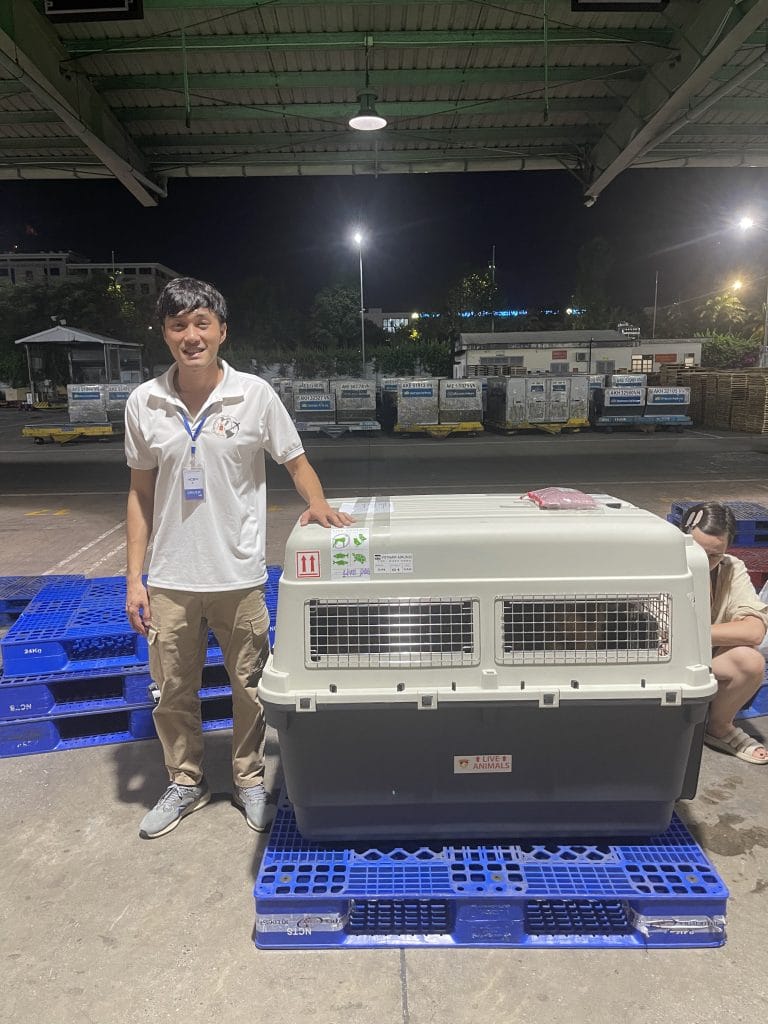
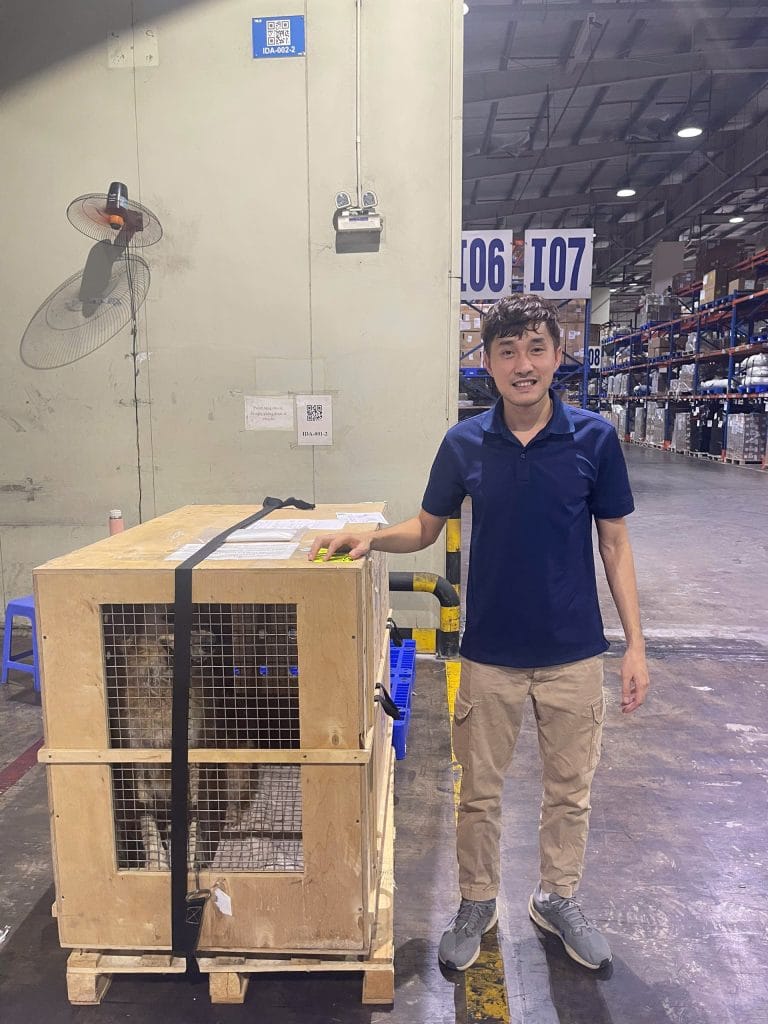
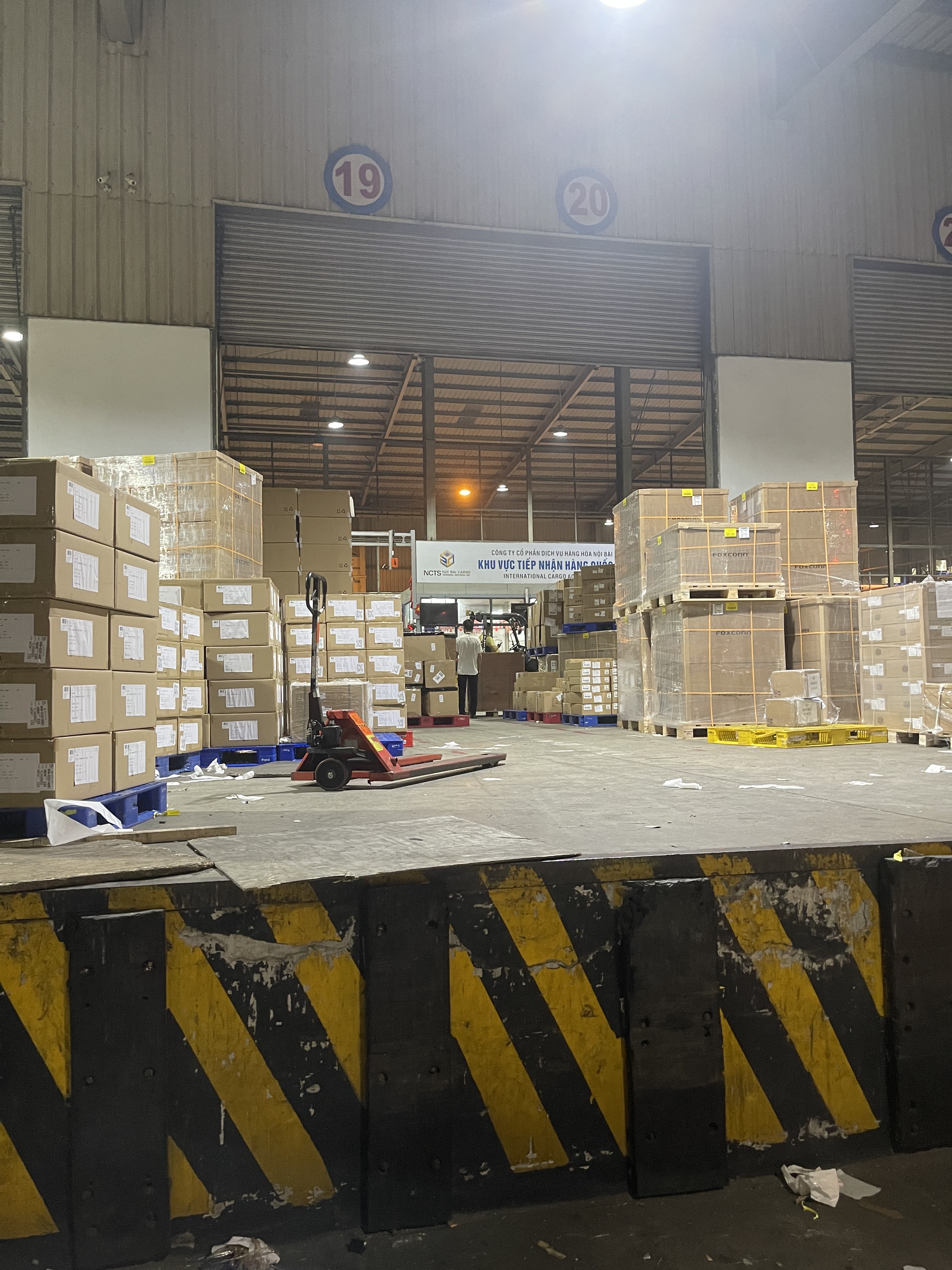
Manifest Cargo transports your pet independently of your passenger booking, under a dedicated Airway Bill (AWB) consigned directly to Vietnam Airlines Cargo, Singapore Airlines Cargo, or Qatar Cargo (QR) — all of which operate freight-specific live animal programs with climate-controlled containers, dedicated tarmac vehicles, and trained live animal handlers. The animal does not pass through the passenger terminal at all; it is received at the origin cargo facility and cleared at the destination cargo warehouse.
This is not a downgrade. For brachycephalic breeds specifically, Manifest Cargo is often the safer and more comfortable option — temperature control in the freight hold is more precise than in the passenger aircraft’s belly, and the animal is not subject to the stress of a passenger terminal environment. For Manifest Cargo shipping costs broken down by route and weight, see our Vietnam cost guide. Note that professional clearance fees in Vietnam run approximately $950 – $1,150 USD for Manifest Cargo shipments.
Option B: Cabin Travel (PETC)
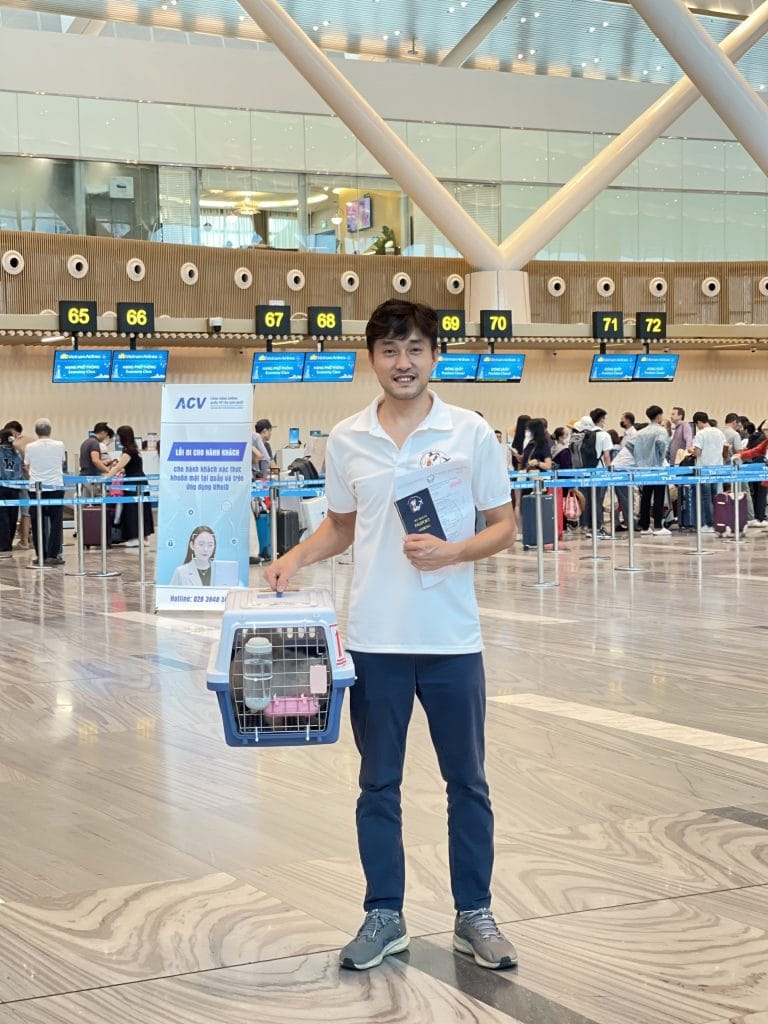
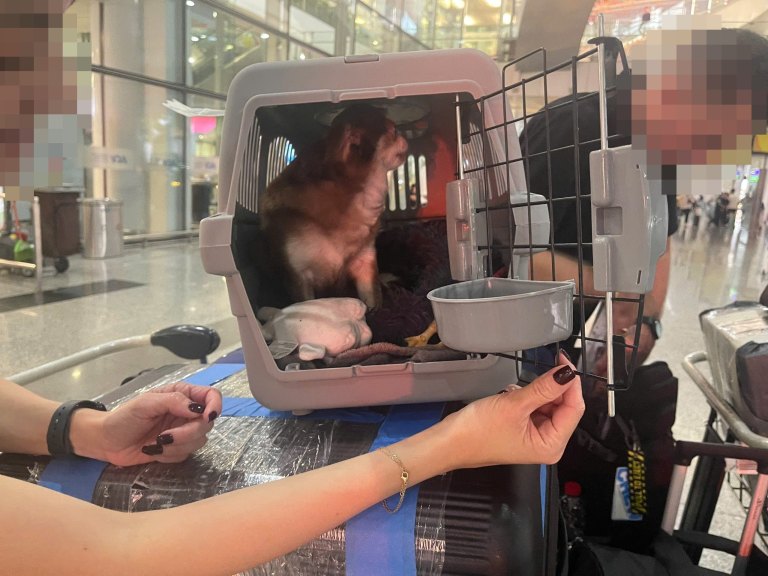
Cabin travel is only feasible when the combined weight of your pet and their carrier falls within the airline’s in-cabin allowance — typically 7 to 8 kilograms total. Most adult French Bulldogs, English Bulldogs, and Boxers will exceed this limit. Smaller brachycephalic breeds — a petite Pug under 5 kg or a small Shih Tzu — may qualify for PETC. Note that some carriers apply their brachycephalic ban to the cabin as well; always verify your specific carrier’s PETC policy before assuming this pathway is open. For cabin or AVIH accompanied travel, customs clearance service fees in Vietnam run approximately $350 – $450 USD.
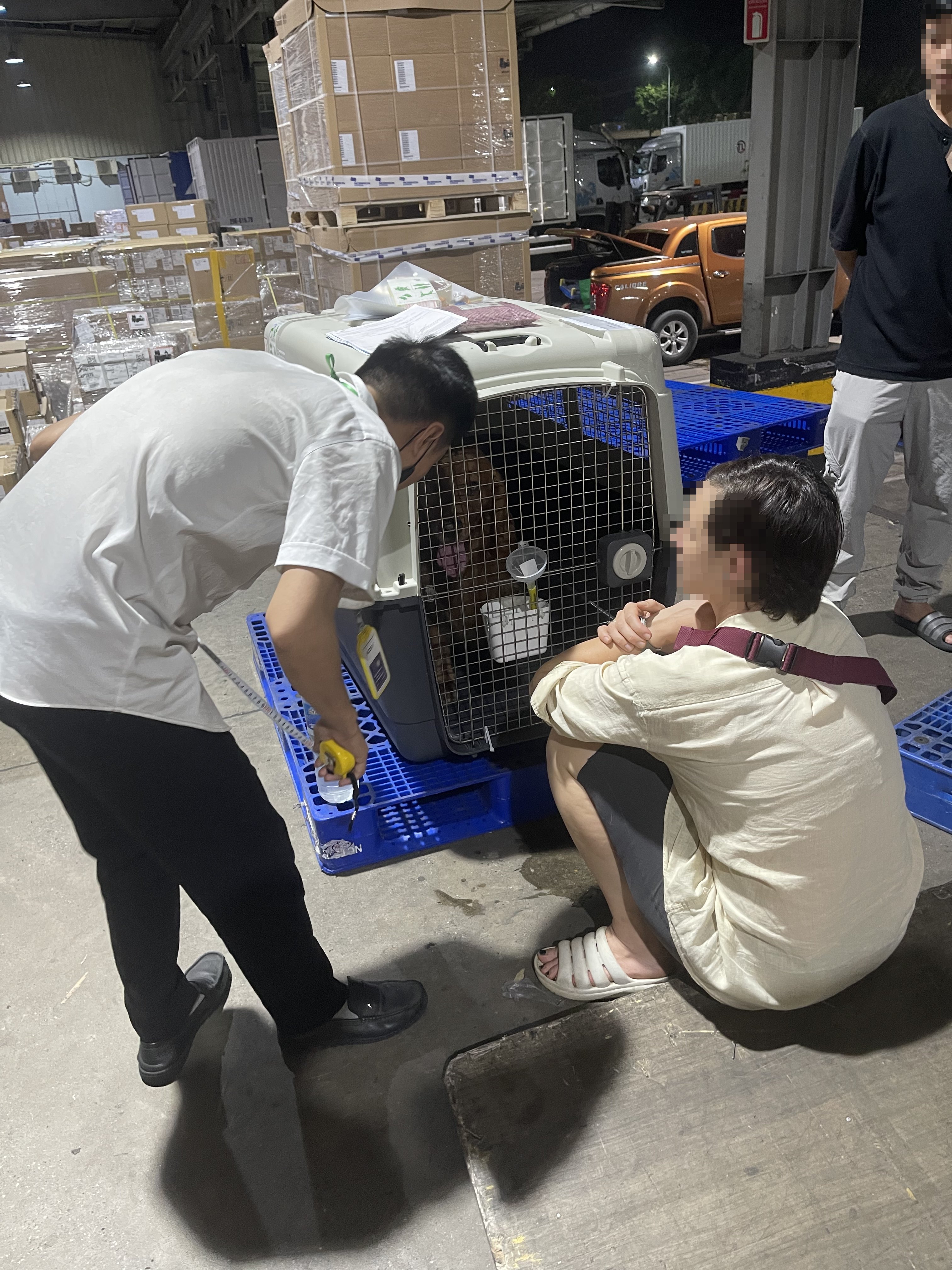
4. Import Quarantine and Customs Clearance Process in Vietnam
Separate from brachycephalic restrictions, some airlines operating Vietnam routes maintain independent lists of breeds classified as potentially dangerous. These policies vary significantly by carrier — a breed accepted by one airline may be refused by another on the identical route.
Breeds subject to restrictions on some carriers serving Vietnam:
- American Pit Bull Terrier, American Staffordshire Terrier — refused by several carriers for AVIH regardless of documentation
- Rottweiler — accepted by some carriers with reinforced crate requirements, refused by others entirely
- Wolf Hybrids (Wolfdog, Czech Wolfdog, Saarloos) — widely refused for both AVIH and cargo on passenger aircraft
- Tosa Inu, Dogo Argentino, Fila Brasileiro — refused by the majority of carriers on Vietnam routes
It bears repeating: Vietnam’s government restricts none of these breeds. If your dog arrives at SGN or HAN with complete documentation — microchip, rabies vaccination, export health certificate, and pre-filed Form 3 declaration (plus Form 19 approval for commercial shipments of 3+ pets) — Vietnam customs and the Regional Animal Health Office will clear it on the same criteria as any other dog. The restriction is purely at the airline level. An expert note on carrier policy: even when a breed is listed as “accepted” in an airline’s published conditions, the actual acceptance decision at check-in can still turn on the specific animal’s crate size, weight category, or the departure station’s handling capacity. Documentation alone never guarantees boarding without a breed-specific pre-confirmation from your carrier’s live animal desk.
5. How Daisy Pet Handles Brachycephalic & Restricted Breed Shipments
Every brachycephalic or potentially restricted breed case we handle begins with a route-specific airline eligibility check — not a general policy lookup, but a direct confirmation with the airline’s live animal desk for the specific flight, departure date, and crate dimensions. This step catches carrier policy changes, seasonal temperature bans, and station-level capacity issues before a booking is made.
Our standard approach for flat-faced breeds:
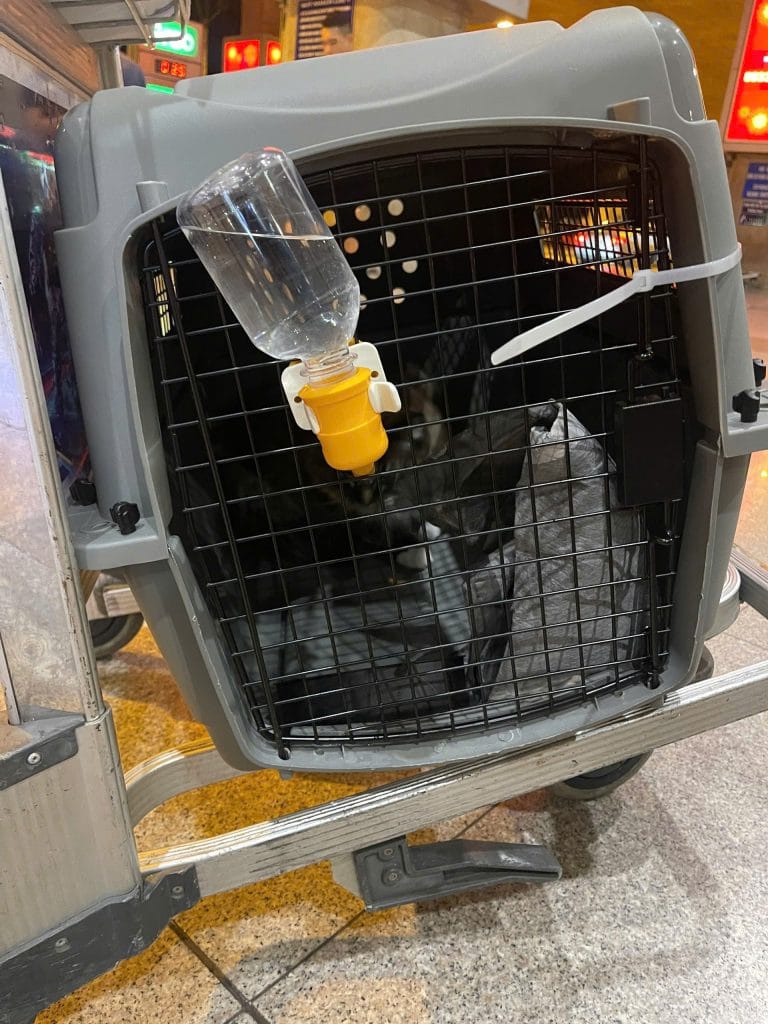
- Default to Manifest Cargo for all brachycephalic breeds — climate-controlled ground transport from origin facility to aircraft, dedicated live animal container, direct clearance at destination cargo warehouse.
- Veterinary fitness-to-fly certificate — while not legally required for Vietnam entry, we obtain this for all brachycephalic breeds as an additional layer of documentation for the airline’s live animal team and the destination veterinary inspector.
- Avoid peak summer months for AVIH even for breeds not flagged as brachycephalic — temperature embargoes apply industry-wide between May and September on many routes, and early booking on Manifest Cargo pathways protects against last-minute rejections.
A recent example: we coordinated a French Bulldog arriving at SGN from Seoul via Korean Air Cargo — a smooth 18-hour transit with pre-cleared crate documentation, climate-controlled hold confirmed in writing, and Form 3 declaration filed three days ahead. The animal arrived at the cargo warehouse at Tan Son Nhat in good condition with zero complications at the veterinary inspection point.
For the complete species-specific checklist, see our full guides: Bringing Your Dog to Vietnam and Bringing Your Cat to Vietnam.
Last updated 3 Oct 2026
Compiled by our specialists from the regulations in force on the date above, for reference only. Rules may change after this date. Please verify with the competent authorities or contact us for the most accurate information.