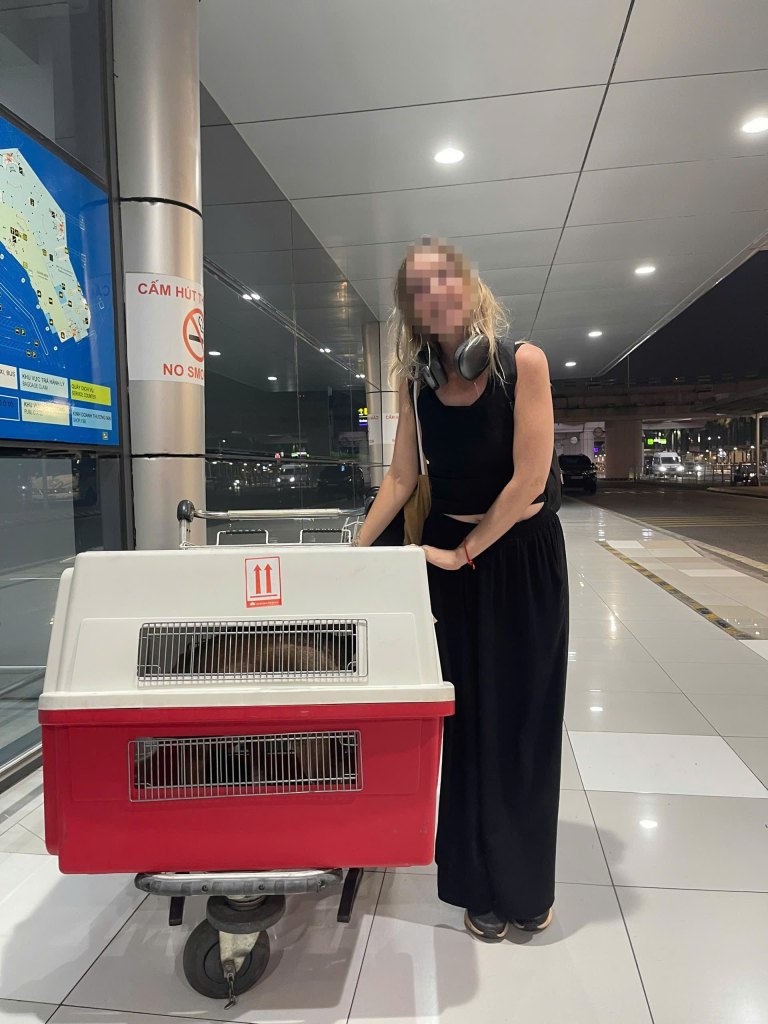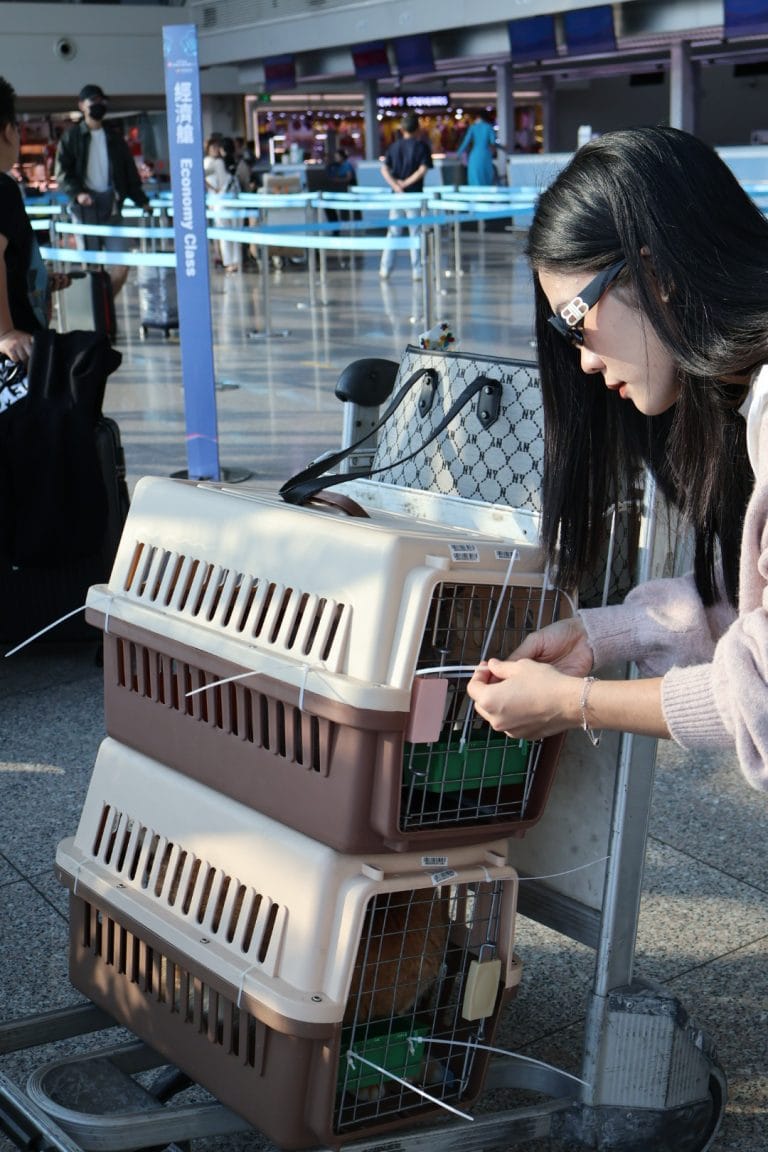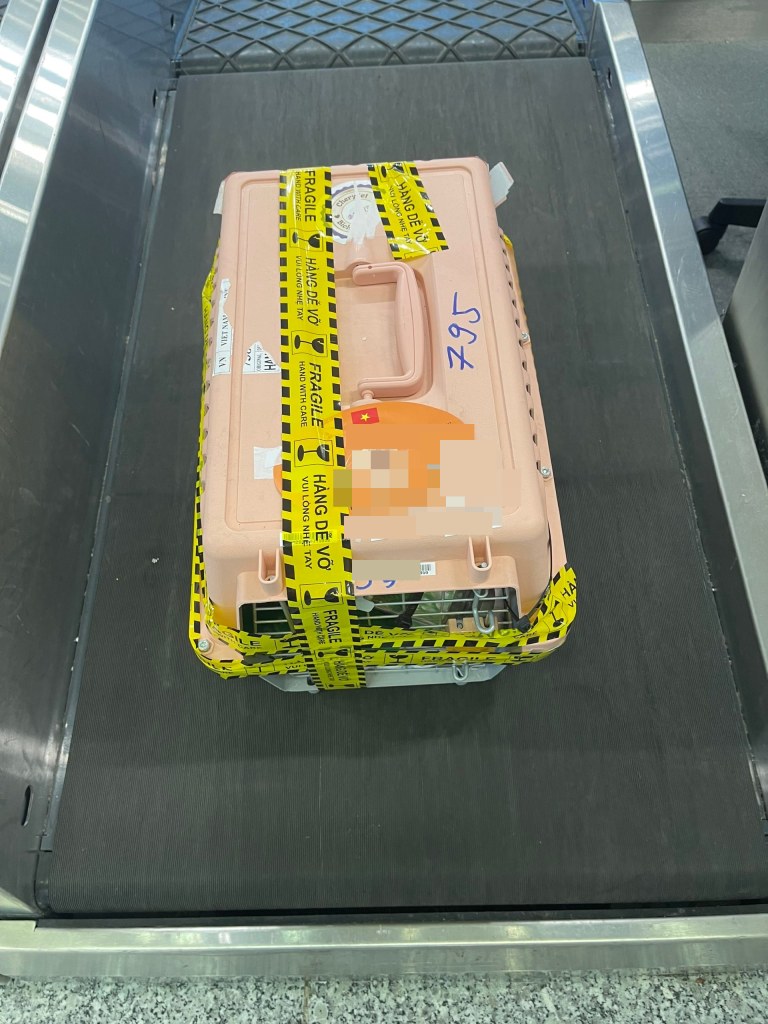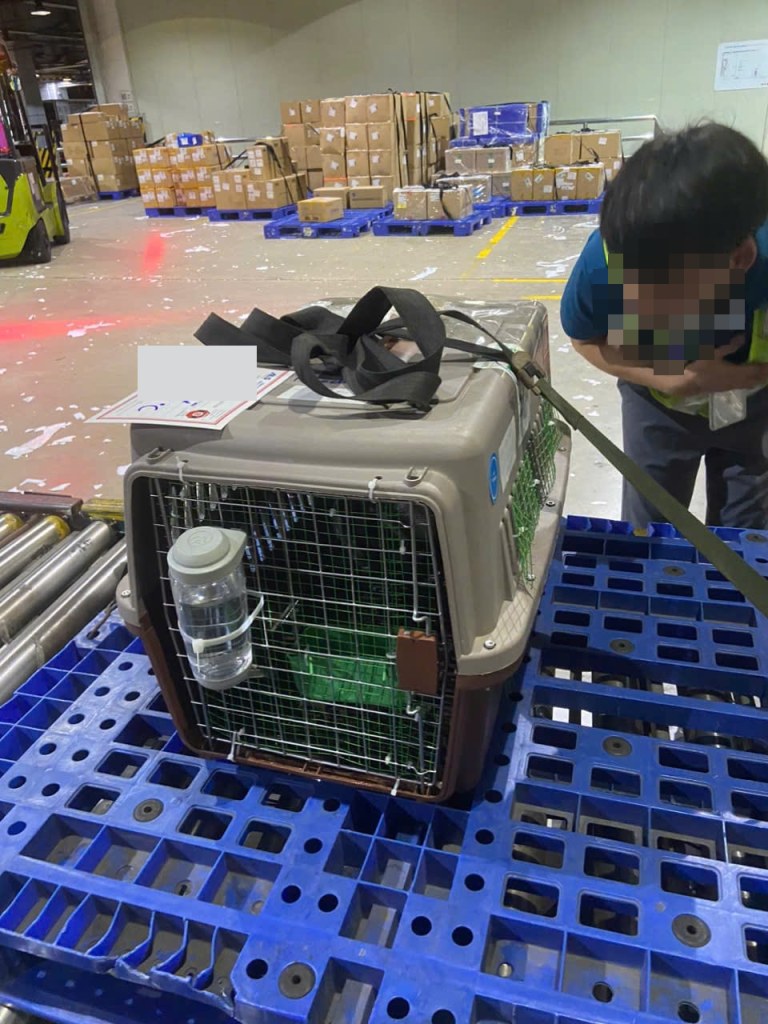
Ask five different sources whether your pet will be quarantined in India and you’ll get five different answers — some say every pet spends 15 days in a government kennel, others say it’s optional. Neither answer is complete. Quarantine in India is decided at the arrival inspection, and the import track you’re on changes how much room AQCS has to order it — a distinction most guides never mention. Get this part right and you can plan a relocation with genuine confidence about whether quarantine is coming.
The Rule That Actually Decides Quarantine
As covered in our full regulations guide, every pet import to India falls into one of two tracks:
- Non-commercial (relocating owners after 2+ years abroad, foreign nationals on a work/study visa) — quarantine is not required, provided your documentation is complete and your pet passes the physical inspection on arrival.
- Commercial / DGFT-authorized (including tourist and other short-stay visits, even with a sponsor in India) — the same arrival inspection applies under AQCS’s procedure, but DGFT’s rules provide for quarantine where required, so plan for the possibility.
If you’re not certain which track applies to you, that’s the first thing to confirm — not the quarantine facility’s visiting hours.
What Happens at Arrival, Non-Commercial Track
Your pet is transferred to the AQCS holding area at the airport — not the standard baggage belt. An AQCS officer runs a physical inspection and checks your documents: the NOC, health certificate, rabies and core vaccine records, and a microchip scan against every document. If the pet is sound and the paperwork checks out, AQCS issues final clearance at the airport, the same day — no kennel stay. If the pet fails the physical inspection or shows clinical signs of illness, it’s moved to the quarantine station instead, even on the non-commercial track. AQCS’s current procedure sets that stay at 15 days, with testing and a daily examination record; a fit pet then receives its final NOC from the station.
What Happens on the Commercial Track
If you came through DGFT authorization for a short stay, AQCS’s current procedure follows the same steps: inspection at the airport, a final NOC for a fit pet, and 15 days at the station for one that fails. DGFT’s rules add that animals are quarantined where required, and AQCS’s general FAQ says animals imported outside the baggage rules are quarantined — so build a possible stay into your plan. One older AQCS web page still mentions 30 days; confirm the expected length for your case through our partner agent in India before you travel.
The Seven AQCS Stations
Quarantine — when it applies — happens at the AQCS station attached to your entry port: Delhi, Mumbai, Chennai, Bengaluru, Hyderabad, Kolkata, or Kochi. You can’t choose a different quarantine location than your arrival port. If your final destination is a different city, you’ll arrange domestic onward transport yourself after clearance.
Conditions During a Quarantine Stay
AQCS facilities are government-operated kennels — functional, supervised by AQCS veterinary staff, but not equivalent to a private boarding facility. Standards vary by station, with Delhi and Mumbai generally better-equipped than the smaller stations. A few things that help:
- Bring familiar items — a worn piece of clothing, a blanket, a favorite toy — after confirming with the specific station that personal items are permitted.
- Ask about visiting hours — most stations allow visits, but the schedule varies by location and day.
- Ask about supplying food directly if your pet has dietary needs — some stations accommodate this.
Quarantine Costs
AQCS charges for accommodation, feeding, and veterinary monitoring during any quarantine stay. Based on the government’s official fee schedule effective 1 May 2025 (paid online through the Bharatkosh portal):
| Item | Rate |
|---|---|
| Accommodation (dog/cat, per day) | ₹800 |
| Import processing fee (separate from accommodation) | ₹1,000 per application |
| Water cooler, if requested (per day) | ₹100 |
| Air conditioning, if requested (per day) | ₹500 |
Cooling equipment is optional and arranged by the importer — AQCS doesn’t supply it by default. For the full cost picture across both tracks, see our India cost breakdown.
After Quarantine: Release and Collection
If the animal stays healthy through the observation period, AQCS issues a release certificate, and you or an authorized representative collect the pet from the facility. Onward domestic transport is your responsibility from that point. If health issues come up during the stay, AQCS veterinary staff will contact you directly about next steps — this is uncommon when the animal was healthy on departure and documentation was complete.
How to Prepare Your Pet, Just in Case
Even on the non-commercial track, it’s worth preparing your pet as if a short quarantine stay were possible — a pet that’s genuinely comfortable in its IATA crate adapts to a kennel environment far faster than one that isn’t. See our crate training timeline guide for a gradual preparation plan, and schedule a pre-departure wellness check with your Vietnamese vet early enough to catch and resolve any health issues before your official health certificate appointment.
For the documentation that determines which track — and therefore whether quarantine applies at all — see India Pet Import Regulations 2026. For the NOC application that precedes arrival, see the 5 NOC steps in the same guide.
Last updated 20 Oct 2026
Compiled by our specialists from the regulations in force on the date above, for reference only. Rules may change after this date. Please verify with the competent authorities or contact us for the most accurate information.