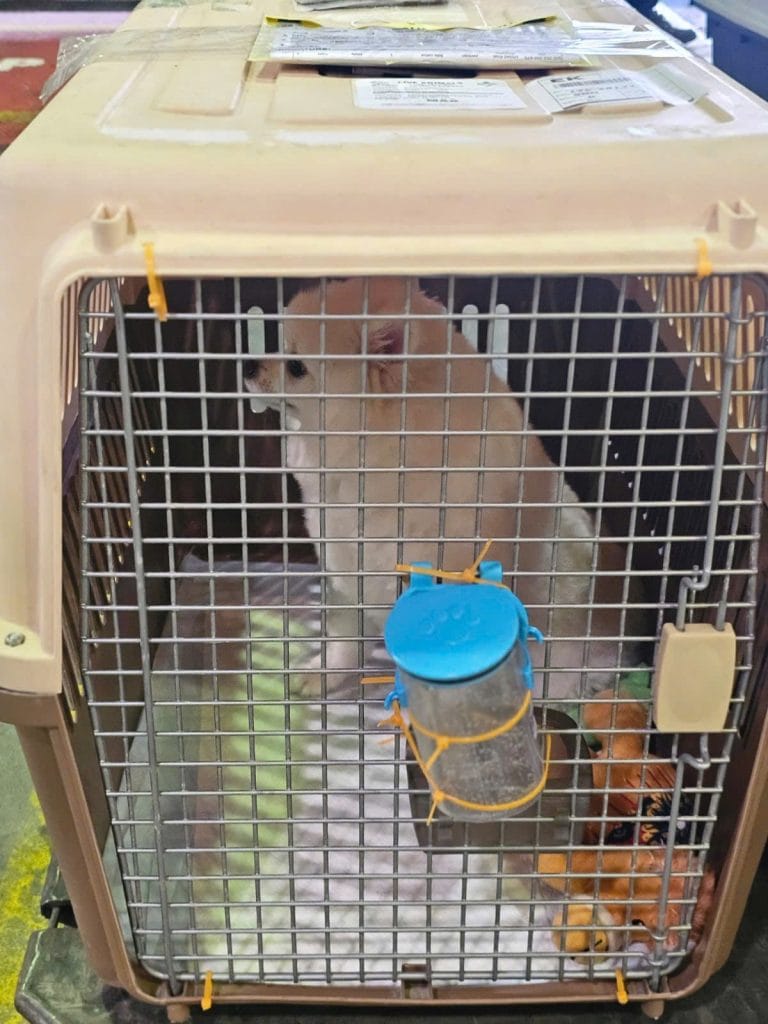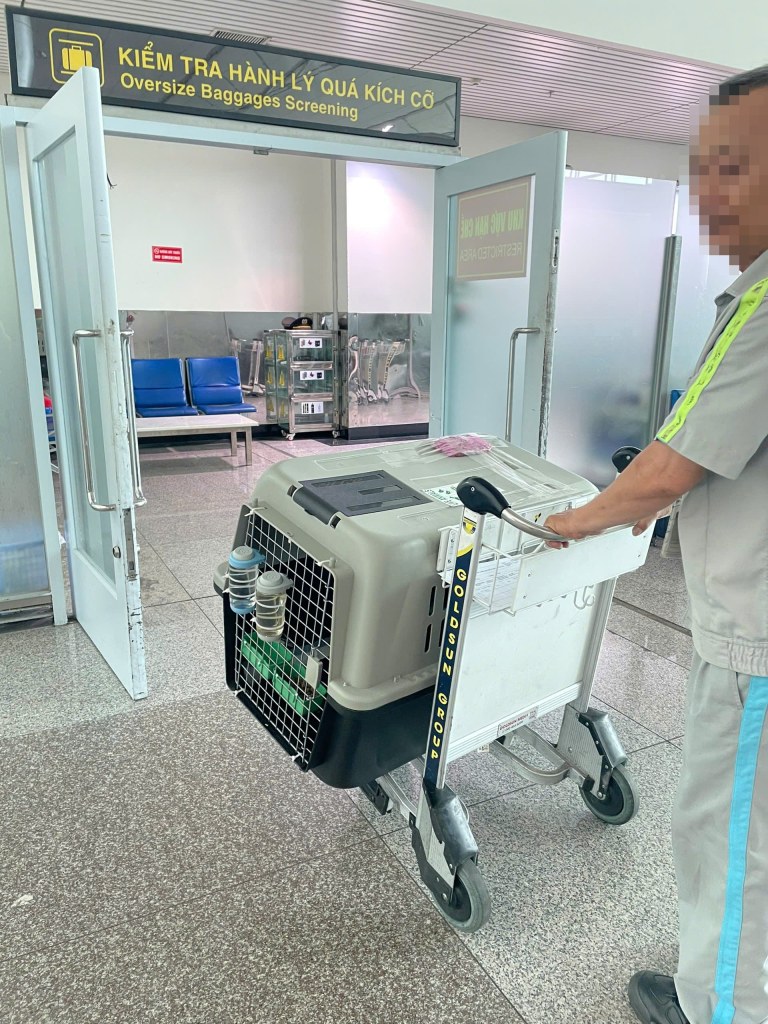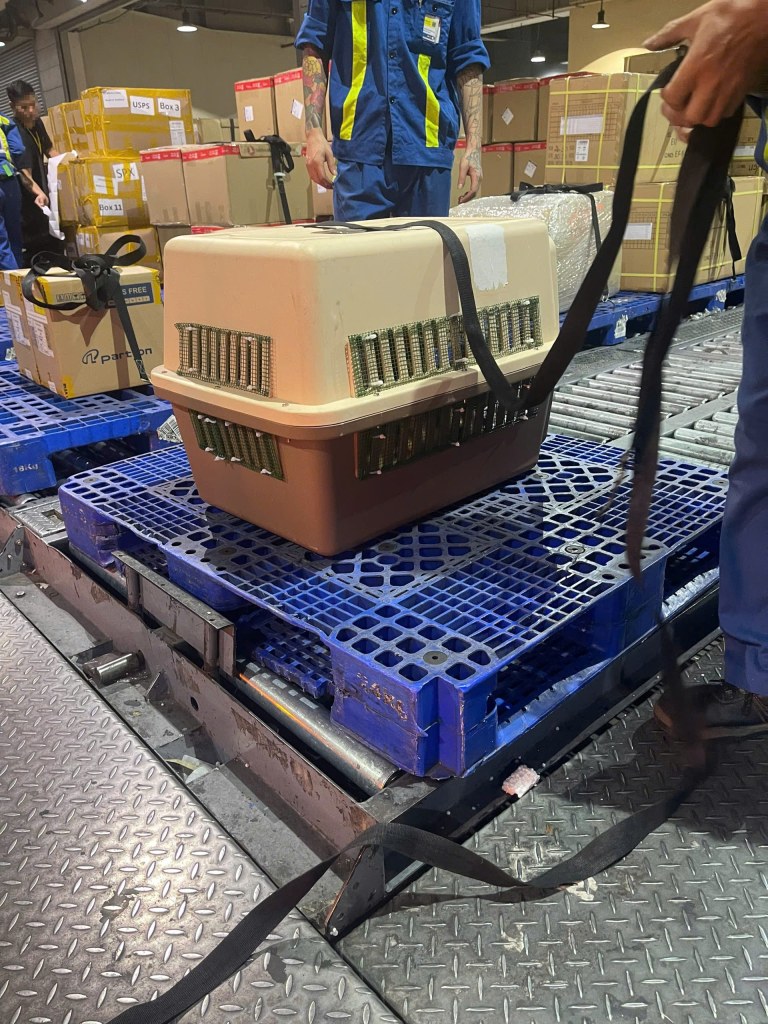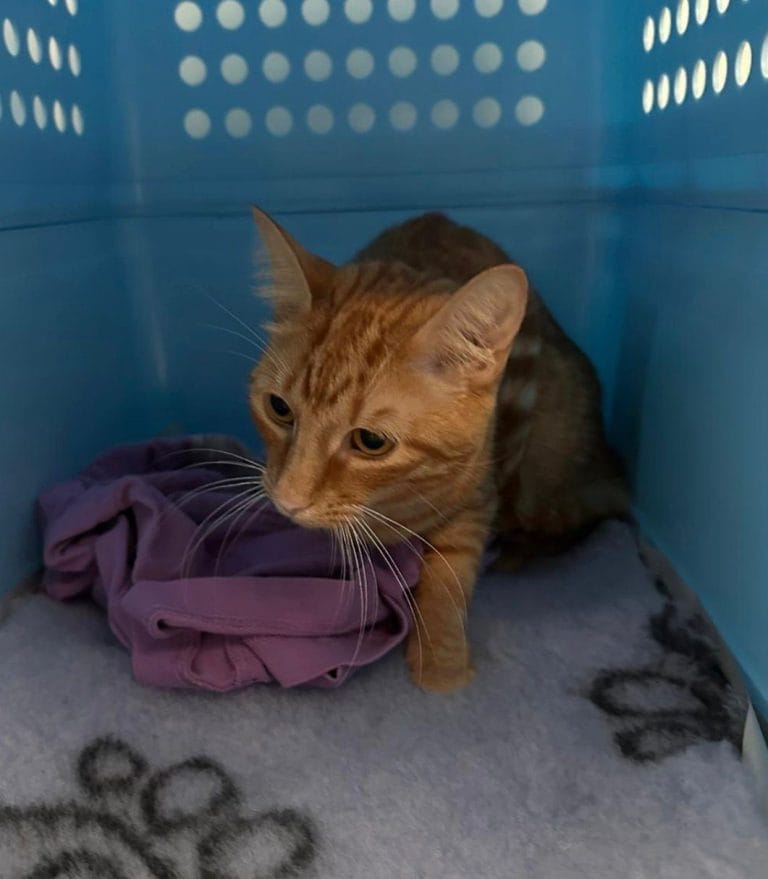
Australia maintains one of the world’s most rigorous biosecurity zones to protect its unique ecosystem and Rabies-free status. For pet owners in Vietnam, navigating the Department of Agriculture, Fisheries and Forestry (DAFF) protocols is a complex, 12-to-18-month strategic operation.
Because Vietnam is classified as a Non-Approved Country, direct import is strictly prohibited. Pets must instead follow the “Biological Cleansing” pathway, residing in an approved Group 2 or Group 3 territory for exactly 180 days before entering Australia. This is a highly complex process requiring the professional coordination of a Pet Shipping to Australia specialist to ensure a smooth process without documentation failure.
If you’re later moving in the opposite direction — relocating a pet from Australia back to Vietnam — the requirements are entirely different; see our guide on bringing a pet from Australia to Vietnam.
1. The Origin Matrix: Why Vietnam is Non-Approved
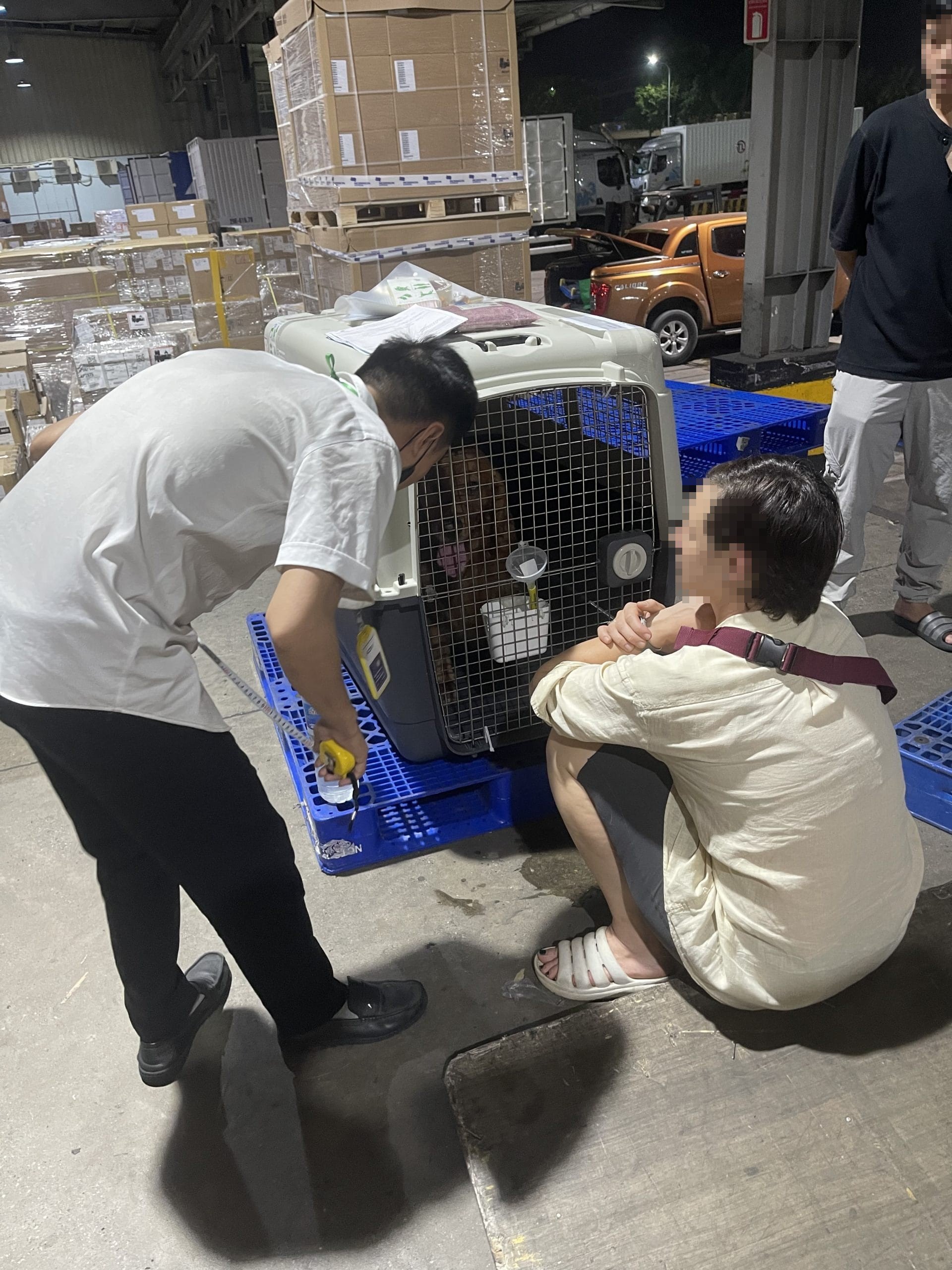
DAFF categorizes every country in the world into specific tiers based on their disease profile. Your legal roadmap is defined solely by where your pet has resided for the 180 nights preceding export. If you are still weighing the decision, begin with our honest overview of whether you can bring pets to Australia from Vietnam.
| Group | Status | Example Countries | Quarantine Period |
|---|---|---|---|
| Group 1 | Rabies-Free (Negligible Risk) | New Zealand, Norfolk Island | None (Direct Entry) |
| Group 2 | Approved (Rabies-Free Hubs) | Singapore, Hawaii (USA), Iceland | Min. 10 Days |
| Group 3 | Approved (Rabies-Controlled) | USA, Canada, Japan, Taiwan, Hong Kong, EU | Min. 10 Days |
| Non-Approved | Vietnam, Thailand, Philippines, Indonesia | NO DIRECT ENTRY | Must transit/reside in Group 2/3 for 180 days. |
⚠ Critical for Vietnam: Any pet originating in Vietnam MUST physically relocate to a Group 2 or 3 country and remain there for a minimum of 180 consecutive days. Returning to Vietnam for even 24 hours resets the residency clock to zero.
2. Microchip & Digital Identification
The pet must be permanently identified with a Pet Microchip for International Travel.
- Sequence Mandate: The microchip must be implanted BEFORE any rabies vaccination is administered. Vaccinations given to a pet without a scannable chip are legally null and void in the eyes of DAFF.
- Verification Error: A single digit discrepancy between your veterinary records, the RNATT report, and the Import Permit will lead to immediate deportation or an extended 30-day quarantine stay.
3. The Rabies Vaccination Protocol
Australia is extremely specific about the type and timing of rabies immunity.
- Vaccine Type: Only Inactivated (Killed Virus) vaccines are permitted. Live virus or RNA-based vaccines are strictly prohibited.
- History: For pets from Vietnam, while initial vaccinations are done locally, they are often re-verified or re-administered upon arrival in the transit hub to ensure “Official Status” for the RNATT.
4. RNATT (Rabies Neutralizing Antibody Titer Test)
The Rabies Titer Test (FAVN) is the engine of the Australian process. It verifies a minimum antibody level of 0.5 IU/ml.
- Hub-Bound Testing: The blood sample for the official RNATT MUST be drawn in the approved transit hub (e.g., Singapore) by a government-authorized veterinarian. Samples drawn within Vietnam are not accepted.
- Official Identity Verification: A government-vet MUST scan and verify the microchip BEFORE the blood is drawn. Failure to perform this specific identity check defaults the pet to a 30-day quarantine stay (instead of 10 days).
5. The 180-Day Biological Countdown (Residency)
This is the most critical hurdle in the Australian process. The 180-day wait is used to ensure the pet is not incubating rabies before being allowed into the country.
The “Day 0” Calculation
Day 0 = The date the laboratory receives the blood sample (typically 3–7 days after the actual blood draw). The pet must remain physically present in the transit country for at least 180 consecutive days following this date. Earliest possible arrival in Australia is Day 181. To map out this extensive waiting phase, check our detailed Pet Shipping Timeline from Vietnam to Australia.
⚠ Expert Tip: We recommend a “buffer window” of 185 days to ensure that unexpected flight changes or time-zone differences do not result in a landing before the 180-day mandate is fulfilled.
6. Import Permit via BICON
Every pet entering Australia requires an individual Pet Import Permit generated through the BICON (Biosecurity Import Conditions) system.
- When to Apply: After the RNATT results are confirmed and the 180-day wait is underway.
- Processing Time: Typically 20 to 40 business days.
- Validity: The permit specifies exact medical conditions and approved travel dates. Do not book final flights before the permit is issued.
7. Mandatory Disease Testing (Dogs Only)
During the final 45 days in the transit hub, dogs must undergo rigorous disease screening. All results must be negative.
| Disease | Method | Requirement |
|---|---|---|
| Brucella canis | MAT or RSAT | Negative (Mandatory for non-neutered dogs) |
| Leishmania infantum | IFAT or ELISA | Negative |
| Leptospirosis | MAT | Negative (at 1:100) OR Vaccinated in Hub |
Note on Ehrlichia canis: DAFF removed the Ehrlichia canis testing requirement effective 01/11/2022 — after E. canis was detected circulating within Australia. This test is no longer required.
8. Parasite Protocol (Ticks & Worms)
Australia is an island; stopping foreign ticks is the highest priority for biosecurity officers.
- External Parasites (Dogs): Treatment must start at least 30 days before export and continue until departure. Product must be effective against both ticks and fleas. Prohibited products: isoxazolines (Bravecto, NexGard, Simparica, Credelio — both oral and topical) and selamectin (Revolution) are not accepted by DAFF.
- External Parasites (Cats): Treatment must start at least 21 days before export. Same product restrictions apply.
- Internal Parasites: Two treatments required, at least 14 days apart. The final dose must be within 5 days of export. Treatment must cover both nematodes AND cestodes (tapeworms). Many combination products (NexGard Spectra, Bravecto Plus, Simparica Trio) do not cover cestodes — add praziquantel or fenbendazole separately if needed.
9. Health Certification (Official Form)
Within 5 days of departure, a clinical examination must be performed by a government vet in the hub to issue the final Animal Health Certificate.
10. Quarantine at Mickleham facility
All pets landing from Group 2 or 3 countries must reside at the Mickleham Post-Entry Quarantine (PEQ) facility in Victoria. Melbourne International Airport (MEL) is the only airport that services this facility, so every pet on the Australia route must land there. To best prepare your pet during this period, you should review our Quarantine Health & Nutrition Checklist and understand the Mickleham Quarantine Release Process once the 10-day isolation is complete.
- Manifested Cargo only: Pets MUST enter Australia as Pet Transport Methods. Cabin travel is strictly prohibited, and pets are also NOT allowed as accompanied checked baggage — Manifested Cargo is the only permitted method.
- Fees: As of 2026, the itemised fee schedule totals approximately $2,037 AUD for a 10-day stay (Reservation $269 + Importation $1,078 + Inspection $80 + Document Assessment $80 + $53/day × 10). However, the DAFF FAQ official estimate is ~$3,000 AUD (10-day) / ~$4,100 AUD (30-day), which includes additional charges (airline handling, administrative fees). Import Permit fee via BICON: ~$603 AUD for the first animal; ~$288 AUD for each additional animal in the same consignment. Use the DAFF FAQ figure (~$3,000/$4,100) as your planning baseline.
11. Prohibited Breeds & Restricted Hybrids
Australia prohibits certain breeds and requires generational evidence for others. To understand how official assessments are conducted at the border, refer to our guide on Banned Dog Breeds Australia.
- Banned Dogs: American Pit Bull Terrier, Dogo Argentino, Fila Brasileiro, Japanese Tosa, and Presa Canario.
- Restricted Cats: Savannah, Safari, and Chausie cats are banned. Bengal cats — ALL generations are BANNED from 01/03/2026 (DCCEEW policy announced 14/12/2024, effective 01/03/2026; transition period ended 28/02/2026 — no remaining exemptions).
The 10-Day vs 30-Day Quarantine Error
A common mistake is failing to have the Official Identity Verification performed by a government vet *before* the RNATT blood draw. Without this step, Australia mandates a 30-day quarantine stay, costing an additional $1,060 AUD and tripling the time of separation from your pet. In addition to securing official import papers, if you still have practical questions about your pet’s life at the Mickleham quarantine station or minor airport logistics, check out our comprehensive Official Australia Pet Import FAQ.
Navigating Australia’s 180-day protocol requires technical precision. If you are planning a move to Australia from Vietnam, contact our specialists to ensure a 10-day quarantine arrival.
Last updated 24 Aug 2026
Compiled by our specialists from the regulations in force on the date above, for reference only. Rules may change after this date. Please verify with the competent authorities or contact us for the most accurate information.
Official sources cited in this guide
- DAFFagriculture.gov.au
- BICON (Biosecurity Import Conditions) systembicon.agriculture.gov.au