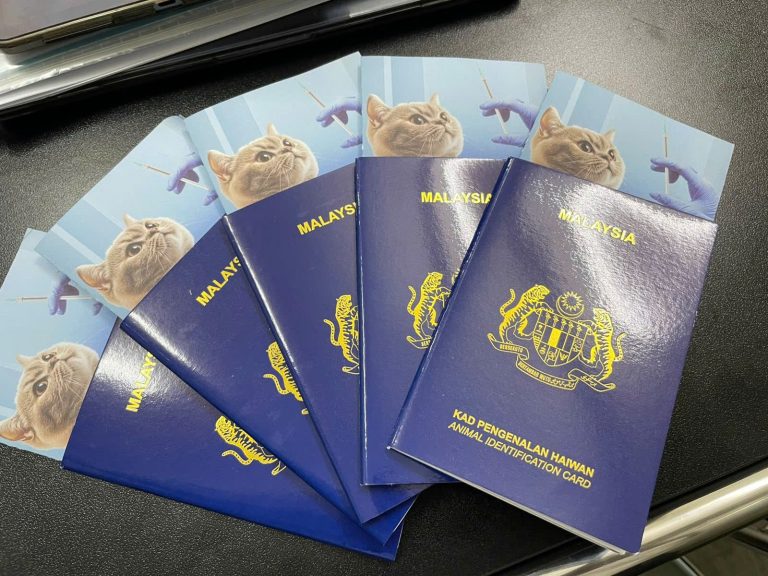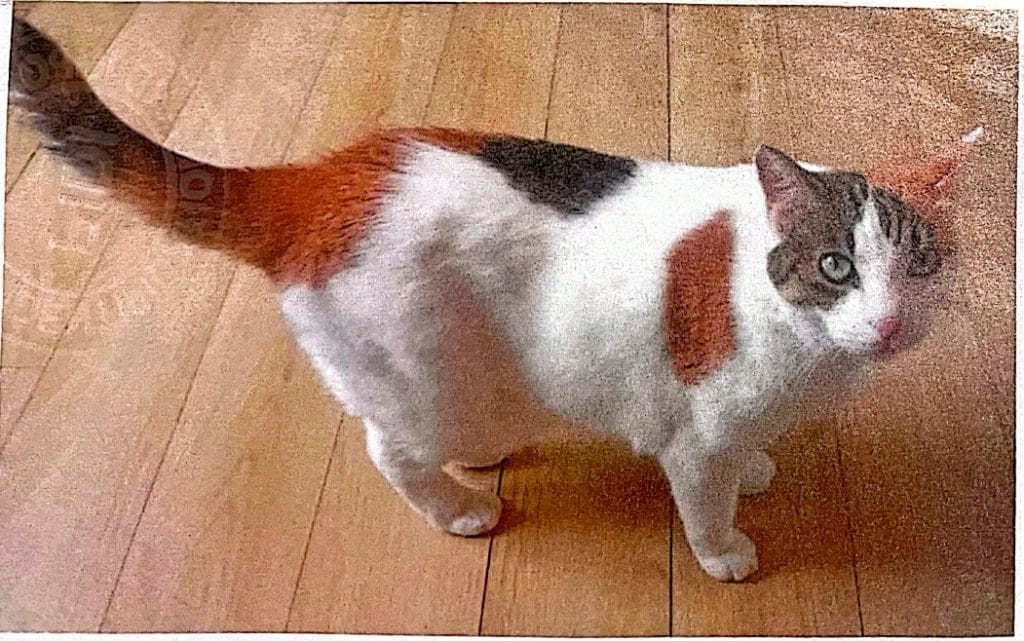
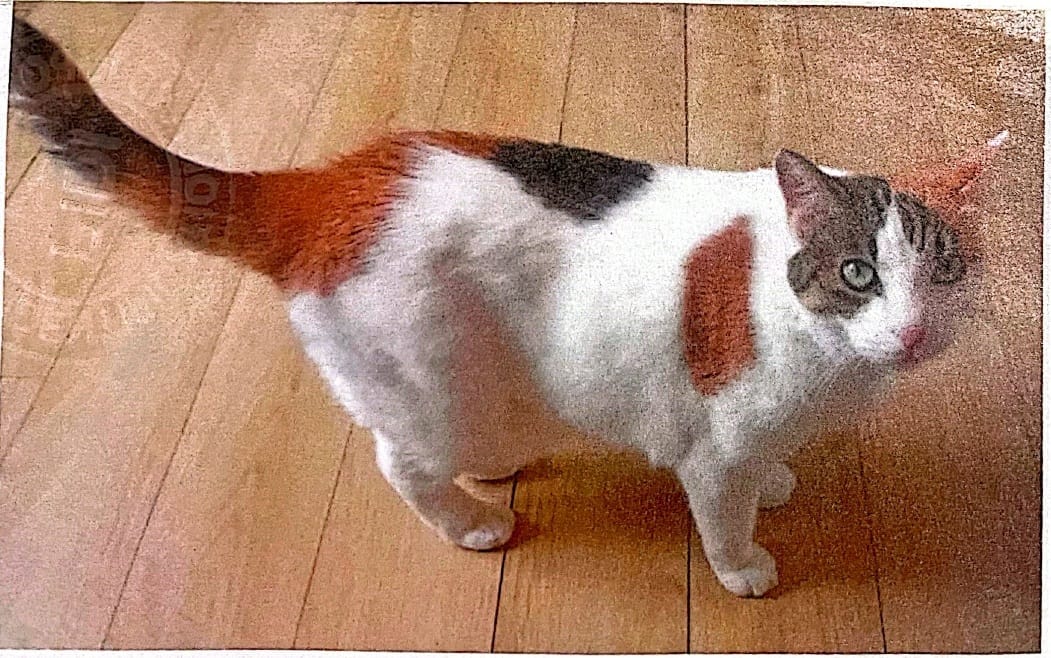
Sushi is a calico tabby Domestic Shorthair who flew from Ho Chi Minh City to Kuala Lumpur on 31 July 2026 — one day before her sixth birthday. Her owner, Aaron, a Canadian based in Ho Chi Minh City, flew with her on the same ticket, on a route where Malaysia’s pet import rules skip a step most destinations require: no rabies titer test. This case study documents Sushi’s real file — the microchip and vaccine record, the DVS/MAQIS import permit, a last-minute change of shipping method, and a quarantine mix-up that got sorted out along the way.
Meet Sushi
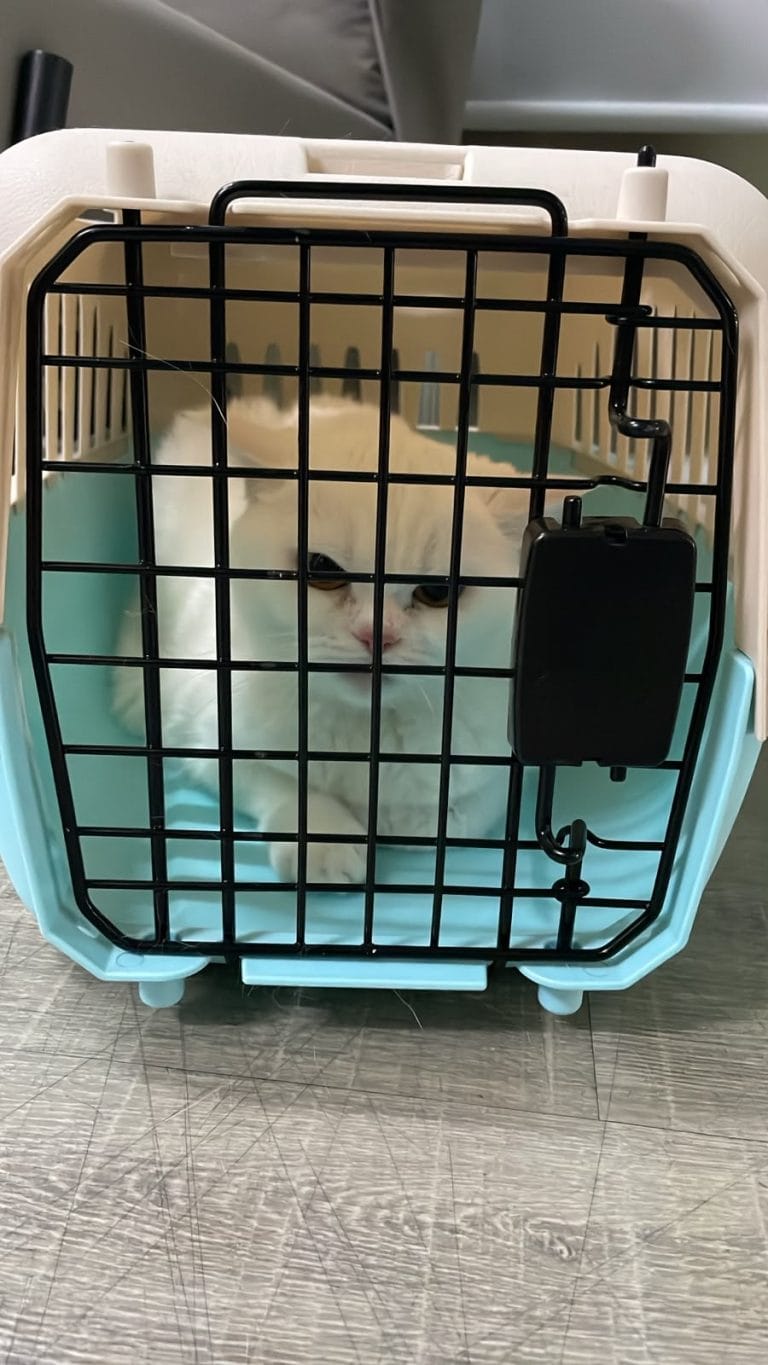
Born on 1 August 2020, Sushi was 71 months old on the day she flew — one day short of 72, and one day short of her sixth birthday. Age was never a factor in her file; Malaysia’s minimum entry age is three months, a bar she cleared years earlier. What did take planning was everything downstream of her being a personal pet moving on a route where the paperwork is built for commercial shipments as much as family cats.
Building the File: Microchip, Vaccine, No Titer Test
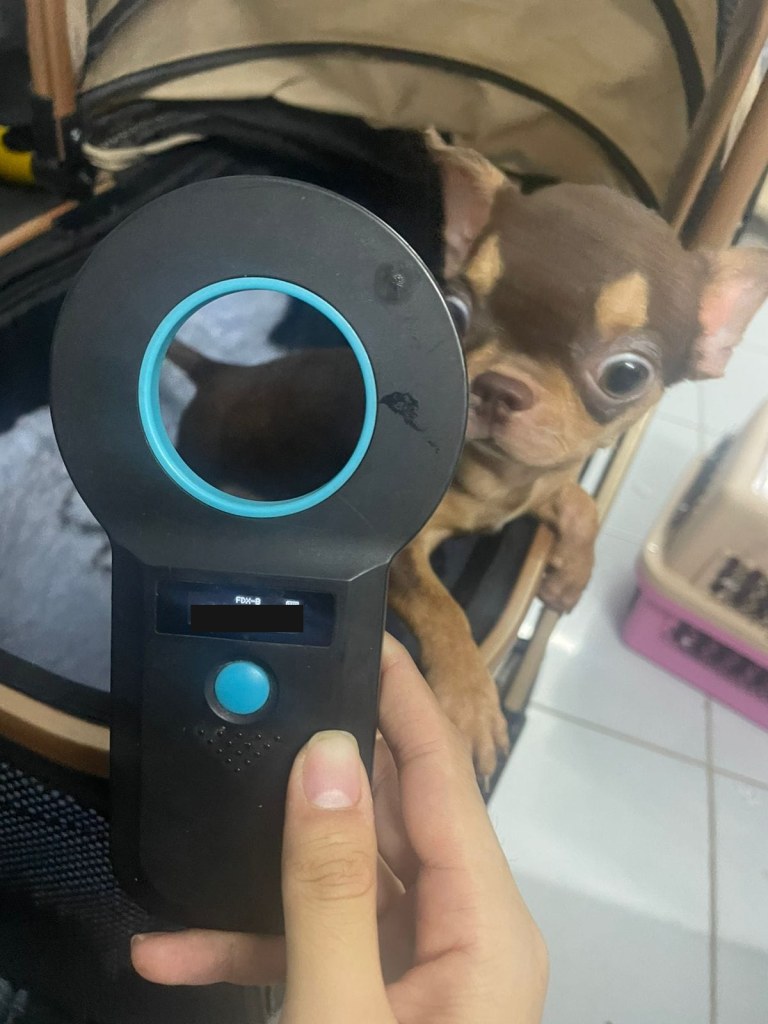
Sushi’s ISO microchip was implanted on 16 June 2026, the same day she received her rabies vaccine (Rabisin) and her core feline vaccine (Felocell 4, covering rhinotracheitis, calicivirus, panleukopenia, and chlamydia). That single appointment gave her 45 days of margin before her 31 July flight — comfortably clear of Daisy’s standard pre-flight buffer for a rabies shot, and enough time for the vaccination record alone to stand on its own.
It had to stand on its own, because that’s all Malaysia asks for from Vietnam. Malaysia’s DVS import framework does not strictly require a rabies antibody titer test for pets entering from Vietnam — a document requirement that adds 8-12 weeks on routes that do demand it. Sushi’s file skipped that wait entirely: vaccination record in, permit application next, with no lab result to chase in between.
An Import Permit That Names Someone Else as the Importer
Malaysia’s Department of Veterinary Services issued Sushi’s import permit on 16 July 2026 at KLIA, Selangor, valid until 14 September 2026: a 60-day window built around a single stated import date of 31 July. The consignor on the permit is Sushi’s owner in Ho Chi Minh City — but the consignee, the party the Malaysian government holds as importer of record, is Daisy Pet’s Malaysia-based partner agent, working through a licensed handler. A personal pet entering Malaysia moves through the same commercial customs structure as any other imported livestock, complete with a declared value (RM500 for Sushi) and a RM40 permit fee — which is why the name on the government’s copy of the paperwork is a licensed agent, not the person waiting at arrivals.
A Cabin Bag That Turned Out Too Small
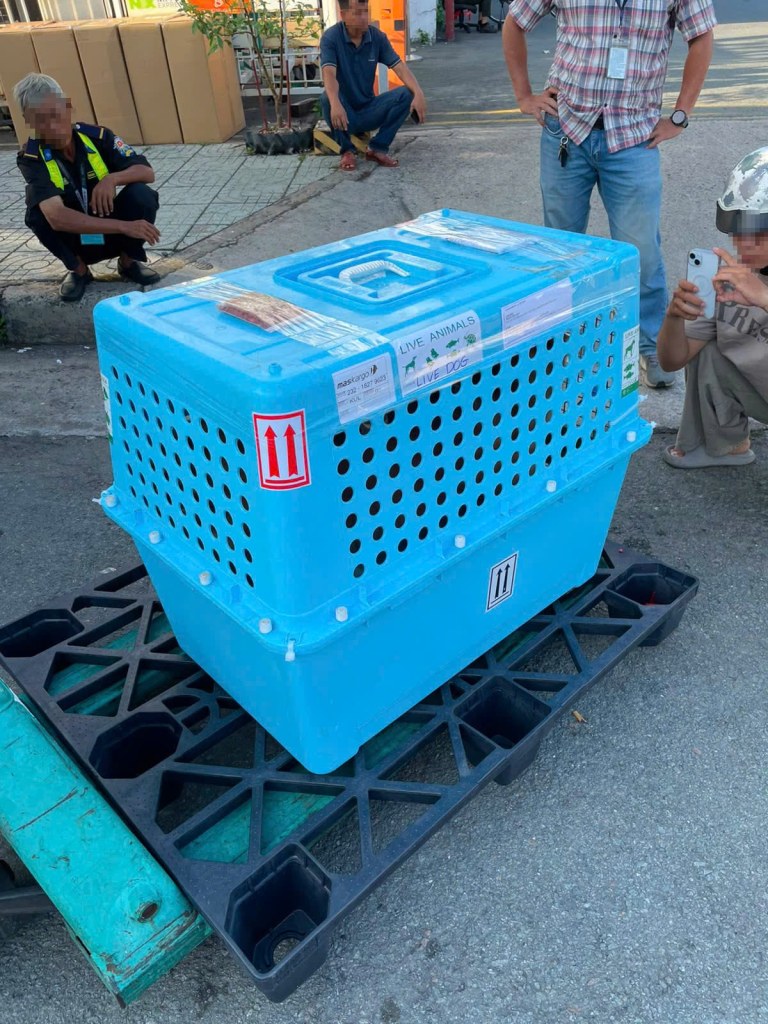
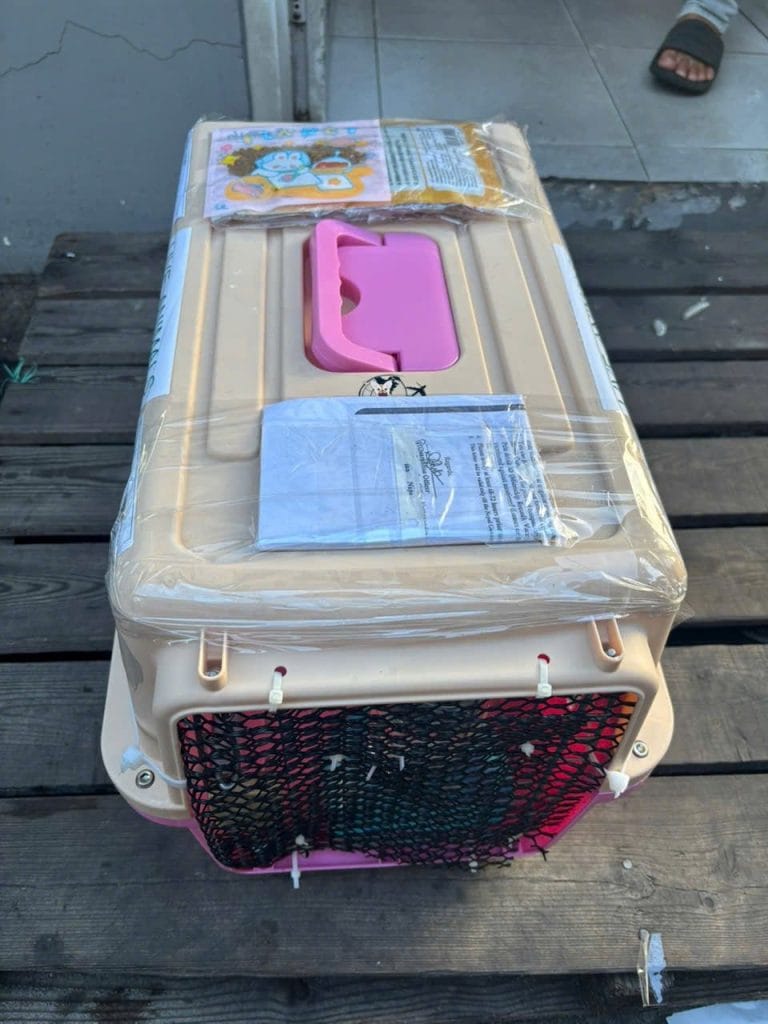
The original plan was for Sushi to fly in the cabin. Three days before departure, Aaron opened the soft-sided travel bag Daisy had provided and found it noticeably smaller than he’d expected for a six-year-old cat who, in his words, “isn’t a kitten.” The airline’s rule is fixed either way: a cat and her carrier together have to come in under 6kg to qualify for the cabin, and there was no guarantee Sushi would make that number. Rather than risk a bad surprise at the check-in counter, Aaron and Daisy switched plans to checked baggage, and a rigid airline-approved crate — complete with a water bottle, food bowl, and an absorbent pad — was delivered to his home the next morning so he had a full day to let Sushi get used to it before the flight.
Flying as Checked Baggage
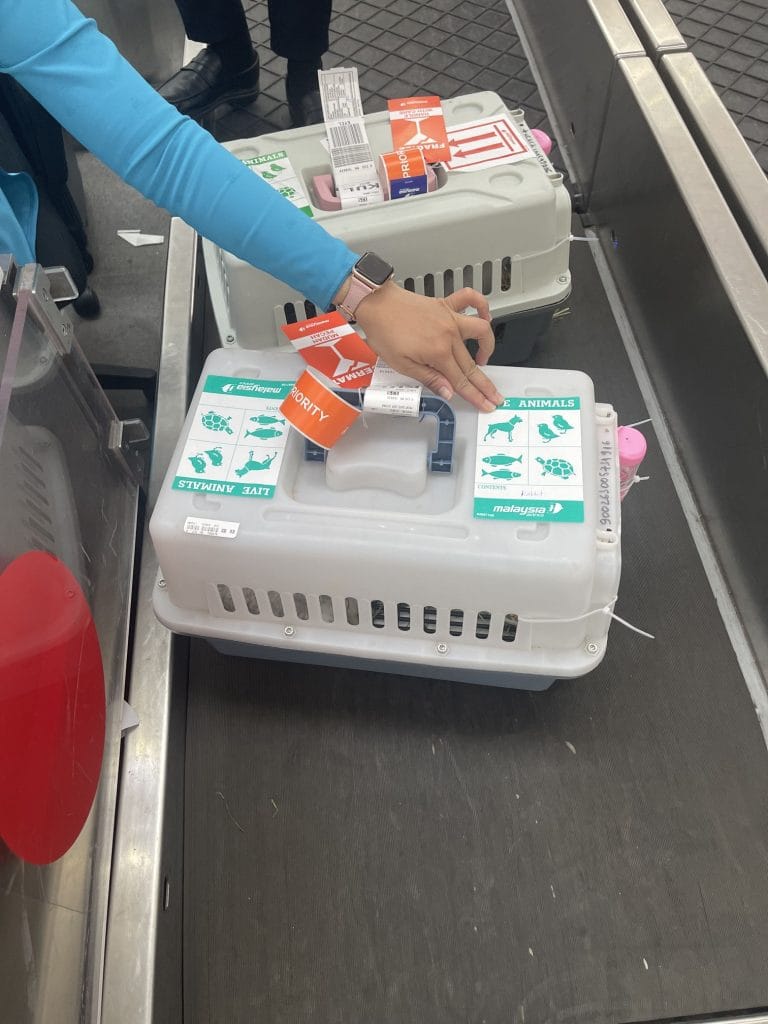
Sushi and Aaron flew Vietnam Airlines flight VN679 from Tan Son Nhat to Kuala Lumpur International Airport, departing at 3:35 PM on 31 July 2026 and landing at 6:25 PM. At check-in, airline staff weighed the crate, cleared the paperwork, and took Sushi to the live-animal handling area while Aaron went through security on his own — the standard split for checked-baggage pets on this route, arriving on the same flight as their owner but processed separately from that point on.
Two Types of Quarantine at KLIA
Landing at KLIA didn’t end Sushi’s file. Malaysia requires a mandatory minimum 7-day quarantine stay before release, and which facility a pet gets — government-run or a privately run alternative — is only confirmed close to the arrival date. Sushi was assigned to a private facility in Sepang: air-conditioned and cage-free, but not open to owner visits during the stay, for biosecurity reasons. Daisy’s Malaysia partner followed up with the facility and secured a one-off visit approval partway through the week, letting Aaron see Sushi in person for about an hour on 4 August, four days into her stay.
Home After Eight Days
Sushi completed her quarantine and was released to Aaron on 8 August 2026 — eight days after check-in, one day past Malaysia’s 7-day minimum. Daily video updates had covered the gap between his one visit and the pickup, and the file that had started with a microchip appointment in Ho Chi Minh City on 16 June closed with Aaron carrying Sushi and her returned vaccination booklet out of the quarantine facility, fifty-three days later.
Last updated 18 Oct 2026 · First published 1 Sep 2026