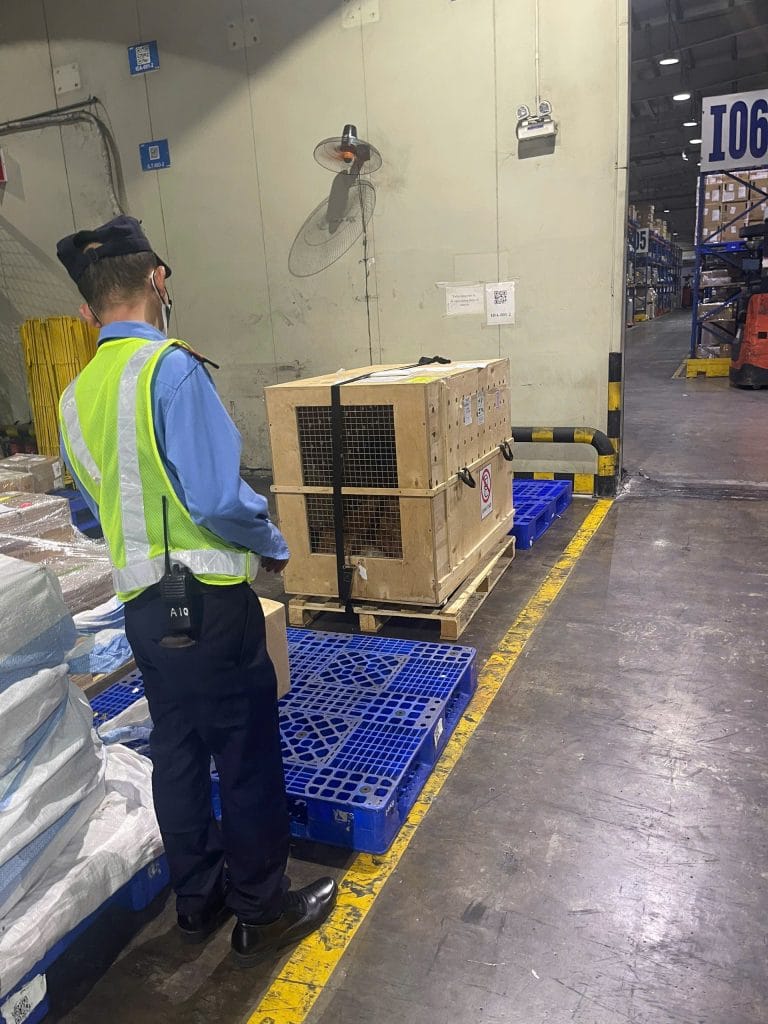
The trip out is the easy half. Vietnam doesn’t ask for a rabies titer test, so a dog or cat leaving France can go with little more than a vaccination, a microchip and a signed certificate. The half that catches owners is the trip home. Vietnam is not on the EU’s list of countries exempt from the titer test, which means a pet that left France without one can find itself waiting more than three months to come back. This guide covers both directions and the decision that separates them. For the rules of the inbound trip alone, see the France pet shipping guide.
The Trip Out: What Each Country Asks For
France has no single export rule of its own for pets leaving the EU. Each member state sets its own process, and in France the department’s veterinary authority (the DDPP) endorses the certificate after a private vet has completed it. What the certificate has to say is set by the country of arrival, and for Vietnam that means an original health certificate issued or endorsed by an official authority, with the rabies vaccination shown on it.
On the Vietnamese side the requirements are short. The microchip should be ISO 11784/11785 compliant, and the rabies vaccine has to have been given at least 30 days and no more than 12 months before departure. Vietnam doesn’t recognise a three-year rabies vaccine once the injection is more than 12 months old, even if it is still valid in France. A dog or cat must be at least 16 weeks old in practice, and it must land at an airport with a quarantine station: Ho Chi Minh City, Hanoi or Da Nang. A quarantine declaration, Form 3 (Mẫu 3), is filed with the animal quarantine office at that airport, ideally about 48 hours before landing so that any error can still be fixed.
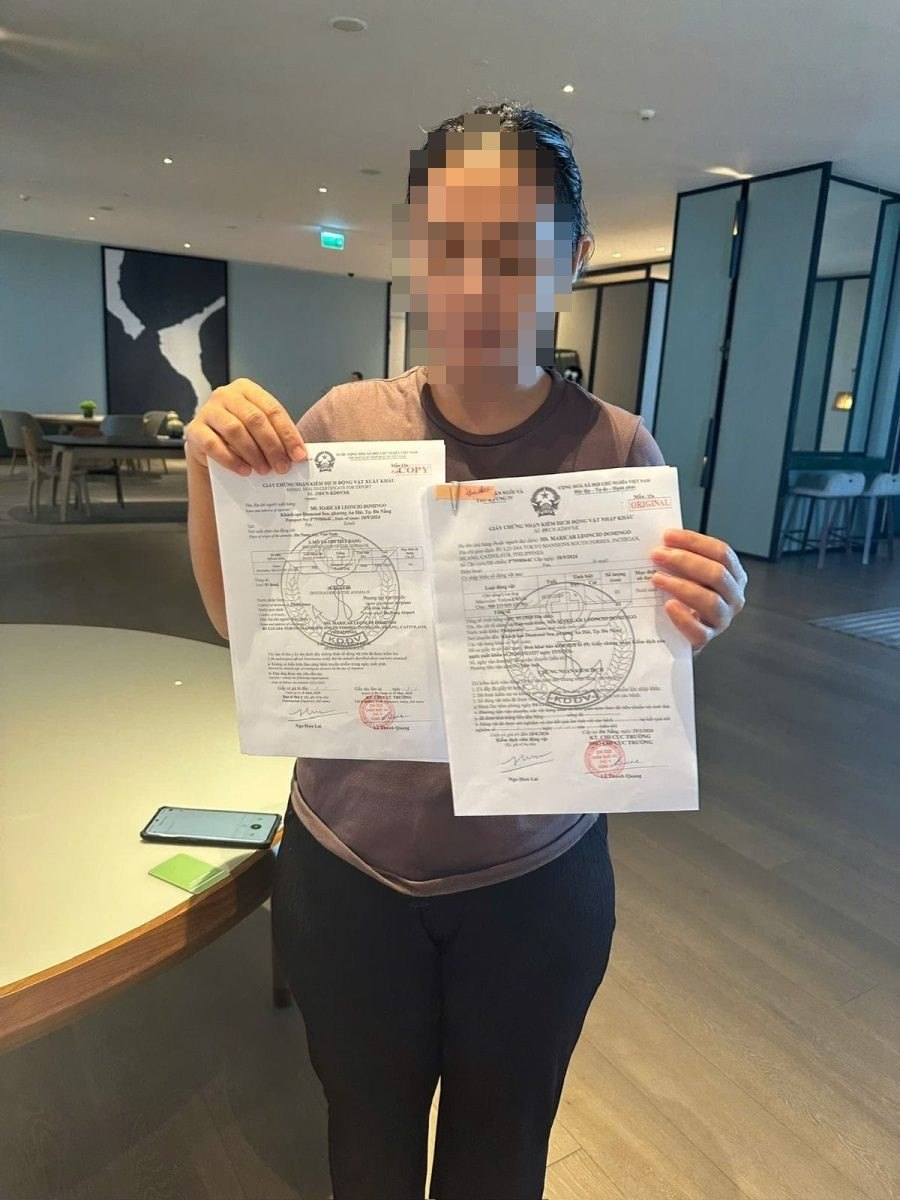
For one or two pets flying with their owner, the import quarantine certificate (Form 15a) is issued within one working day of the inspection, under Circular 01/2026/TT-BNNMT; how quickly it goes depends mainly on complete documents and a pet that passes the check. Form 3 can be filed with copies, but the original health certificate and the passport or vaccination record must travel with the pet. A pet arriving as cargo has to be received by a licensed import company, since individuals can’t clear cargo shipments themselves. The guide to importing pets from Europe to Vietnam covers the arrival process in full.
The Return Is the Hard Half
Coming back to France, the pet is treated as arriving from a country outside the EU that isn’t exempt from the titer test. Two documents can satisfy France, and which one applies is settled before the pet leaves. If the rabies vaccination and a passing titer result were recorded in the EU pet passport before departure, the passport serves as the entry document on return, and the 90-day wait doesn’t apply. If they weren’t, the pet returns as a first-time import and needs the full sequence, as French customs’ June 2026 information note sets out.
The titer result is the piece that makes the difference, and it is the one that can only be done properly in France. Blood drawn in Vietnam has to be sent to an EU-designated laboratory, and the certificate for the return can only be issued at least 90 days after the date the blood was taken. French agriculture ministry guidance says the same thing plainly: leave the EU only with an animal that is identified, validly vaccinated and has a favourable titer result, and start the vet visits at least three months before departure. The rabies antibody titer test guide explains the test and its timing.
Three Ways the Return Goes Wrong
Three situations account for most return problems, and each is decided by something that happens before or during the stay.
| Situation | What the pet needs to re-enter France | Earliest return |
|---|---|---|
| Titer done in France before leaving and recorded in the passport | Passport, valid rabies vaccination, customs check | Any day the owner chooses |
| No titer before leaving, vaccination still valid | Blood draw in Vietnam, result of 0.5 IU/ml or higher, 90 days, then a new certificate | From day 90 after the blood draw, once a passing result is back |
| Rabies booster given in Vietnam during the stay | A health certificate signed by Vietnam’s official authority, since the passport alone is no longer valid | Depends on whether the titer was already done; a certificate is required either way |
The second row is the one that surprises people. Even with blood drawn on the first day in Vietnam, the certificate for the return can’t be issued until 90 days after that blood draw, and only once a passing result is back. An owner who plans a stay of two or three months without a titer on file has, without knowing it, planned a longer one.
The third row comes from a French customs rule: if a rabies booster is given outside the EU during the stay, or the titer test is done there, the passport is no longer enough and a certificate signed by the official authorities of that country is needed. There is also a question of how long a stay counts as short. The European Commission’s pet FAQ says a passport can be used for a return after a short stay outside the EU, but that a pet living outside the EU for an extended period, for work reasons for example, is treated as travelling from that country and needs a health certificate. The EU pet passport explained covers what the document does and doesn’t do.
An owner who is relocating to France rather than returning after a visit follows a different sequence, set out in the guide to moving to France with pets.
Timing the Rabies Vaccine Around Both Countries
The two countries read the same vaccination differently, and the difference matters for a round trip. France recognises a rabies vaccination for the period set by the manufacturer’s protocol, which can run to three years. Vietnam accepts a vaccine only if it was given within the past 12 months. A dog vaccinated 14 months ago with a three-year product can be valid for France and refused by Vietnam.
The fix is a booster at least 30 days before flying to Vietnam, given in France and entered in the passport, so that it keeps the vaccination chain unbroken for the return. A booster given in Vietnam instead sends the return through the certificate route above. The rabies vaccine validity guide covers how far a vaccination stays recognised in each direction.
What the Return Looks Like at the Border
Whichever document the pet returns on, it is presented to customs before leaving the international zone, and for a pet from a non-exempt country the check is systematic. Documents are read first and identity second, and the microchip number has to match. A pet that fails on any point can be returned to its origin, placed in quarantine or, in serious cases, euthanised, at the owner’s expense — outcomes that belong to mismatched files, not to a file that has been checked in advance.
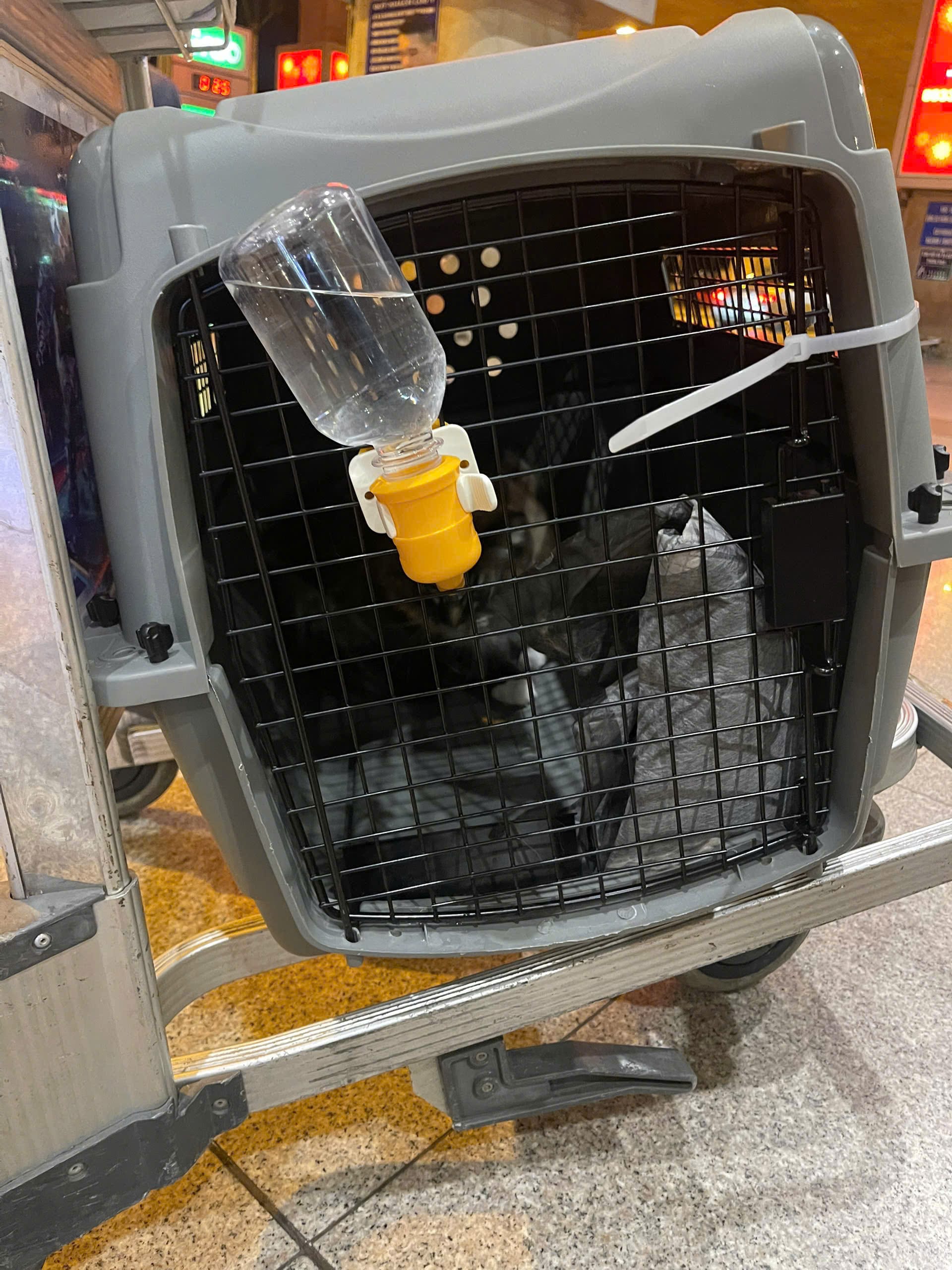
Before You Leave France
- Draw blood for the titer test in France at least 30 days after a rabies vaccination, and have the result recorded in the passport.
- Give a rabies booster at least 30 days before flying to Vietnam if the last dose is more than 12 months old.
- Confirm the microchip is ISO-compliant and the number is identical in the passport, vaccination record and certificate.
- Keep the rabies vaccination current for the whole stay, so the titer result stays valid.
- Have the certificate completed by the vet and endorsed by the DDPP close to departure (in Paris, the DDPP appointment is booked online at least 15 days ahead), and plan the Vietnamese arrival at Ho Chi Minh City, Hanoi or Da Nang.
Smaller questions that come up on either leg, such as which airports handle pets and who can travel with the animal, are answered in the France pet import FAQ.
Last updated 17 Oct 2026
Compiled by our specialists from the regulations in force on the date above, for reference only. Rules may change after this date. Please verify with the competent authorities or contact us for the most accurate information.
Official sources cited in this guide
- French customs’ June 2026 information notedouane.gouv.fr
- European Commission’s pet FAQfood.ec.europa.eu