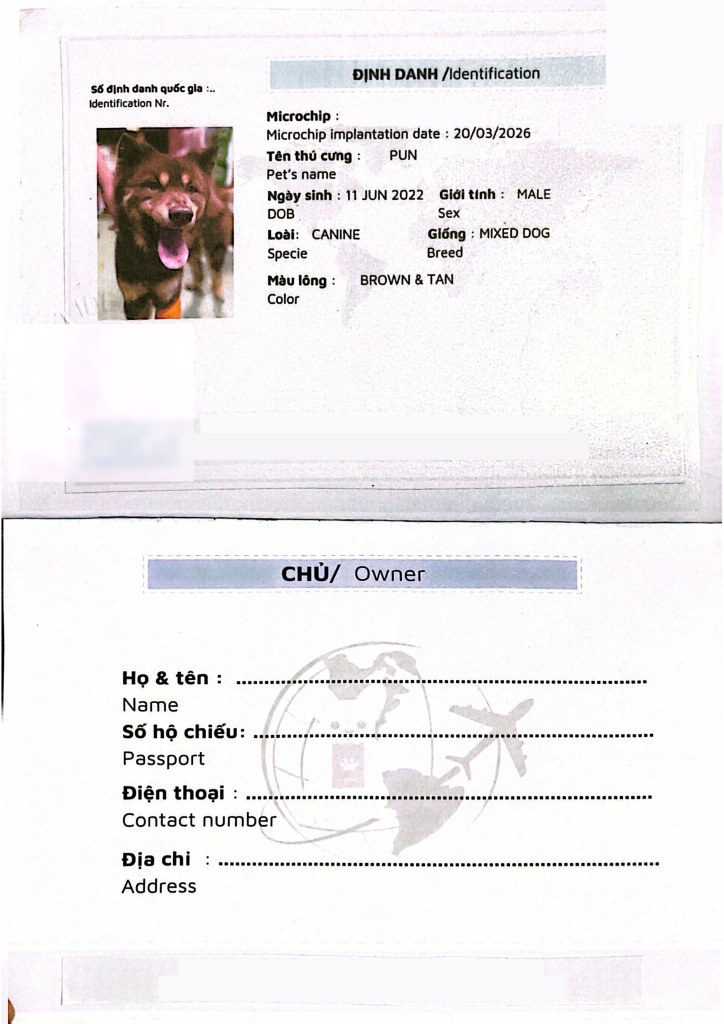
If you are planning to relocate your dog or cat internationally, you have likely spent hours navigating government websites and transport forums. In your research, the phrase “Pet Passport” has almost certainly appeared — painted as the ultimate, gold-standard document that opens borders, bypasses quarantine, and simplifies airport check-ins with a single scan.
It sounds incredibly convenient. It is also — operationally speaking — a massive source of misunderstanding. Many pet owners believe a pet passport is a single, standardized global booklet they can simply buy at a local veterinary clinic, only to face immediate boarding denial on flight day when reality shows up.
What Actually Is a Pet Passport?
At its core, a Pet Passport is a legally recognized, consolidated record of a pet’s identity and medical compliance status. It serves as official proof to importing government veterinarians that your dog or cat has met every biosecurity law required for entry.
However, the format of this “passport” depends entirely on your geographical route. It generally exists in two forms:
- The Official Booklet: This is a physical, standardized booklet such as the EU Pet Passport. Authorized vets inside the EU issue it, and only for pets living in the EU. It is designed for repeat travel within the EU. An owner living in Vietnam cannot get one, so a pet flying from Vietnam to the EU travels on the EU health certificate instead.
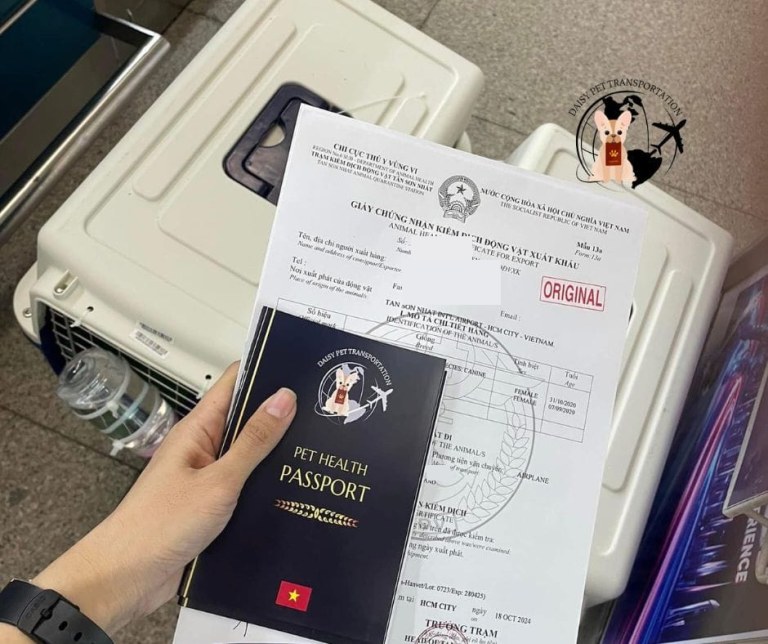
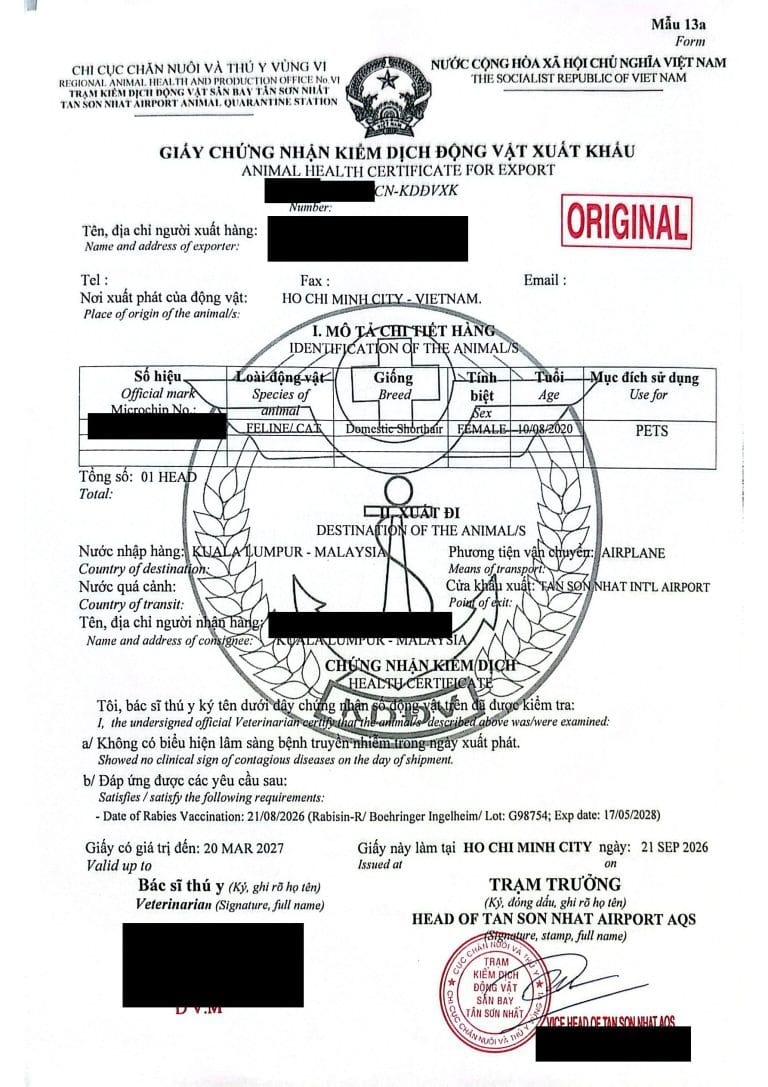
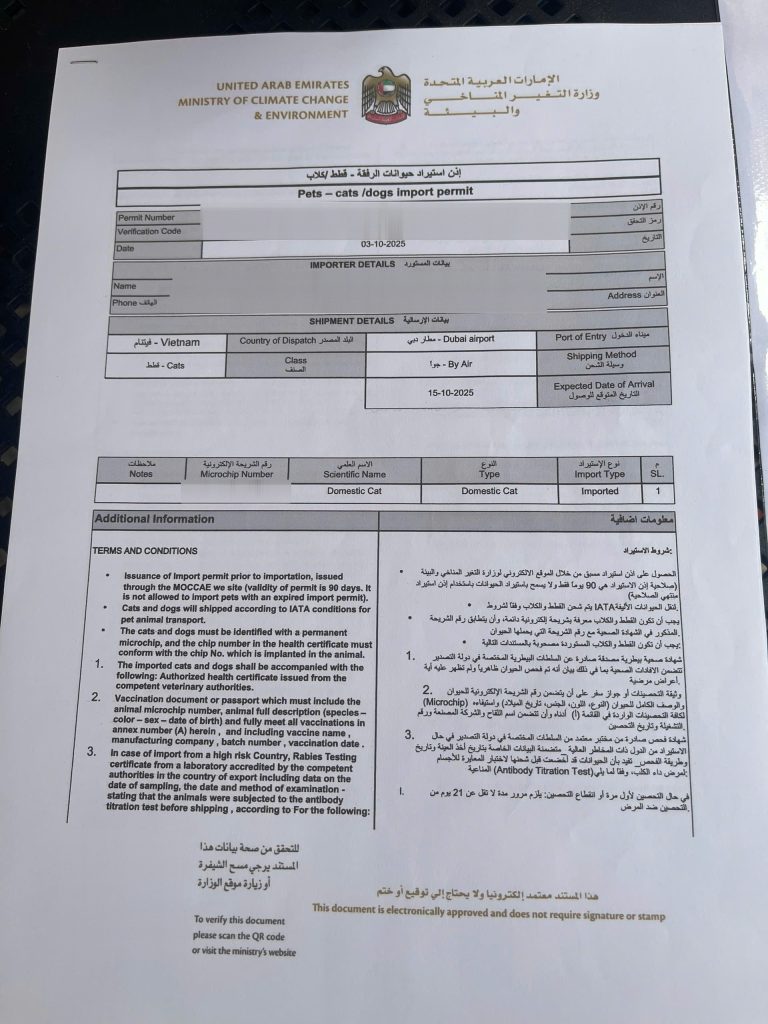
- The Compliance Dossier: For countries that do not issue a standardized physical booklet — including Vietnam, the United States, Canada, and Australia — your “Pet Passport” is a legally certified compliance folder. This dossier compiles the export health certificate (Form 13a in Vietnam), microchip records, any import permit, rabies titer test reports and clinic records into a single travel dossier.
A Minor but Crucial Distinction: Pet Passport vs. Vaccine Record
Many pet owners confuse their local vet’s vaccination book with an international Pet Passport. While both contain medical history, a routine vaccine record is issued by private clinics for tracking purposes and holds zero legal border-crossing authority. An EU passport is filled in by an authorized vet. A dossier from Vietnam is only valid once the government signs Form 13a, issued by the Regional Animal Health and Production Office No. VI or No. I or the airport animal quarantine station.
What Information Is Stored Inside a Pet Passport?
To qualify as a valid travel document, a Pet Passport must feature highly specific fields. Any missing stamp, out-of-sequence date, or clerical omission will result in immediate rejection by airline handlers or border control officers.
A legally compliant Pet Passport must officially record the following parameters:
- Owner Details: The full name, address, signature, and contact details of the pet’s owner or authorized transport agent.
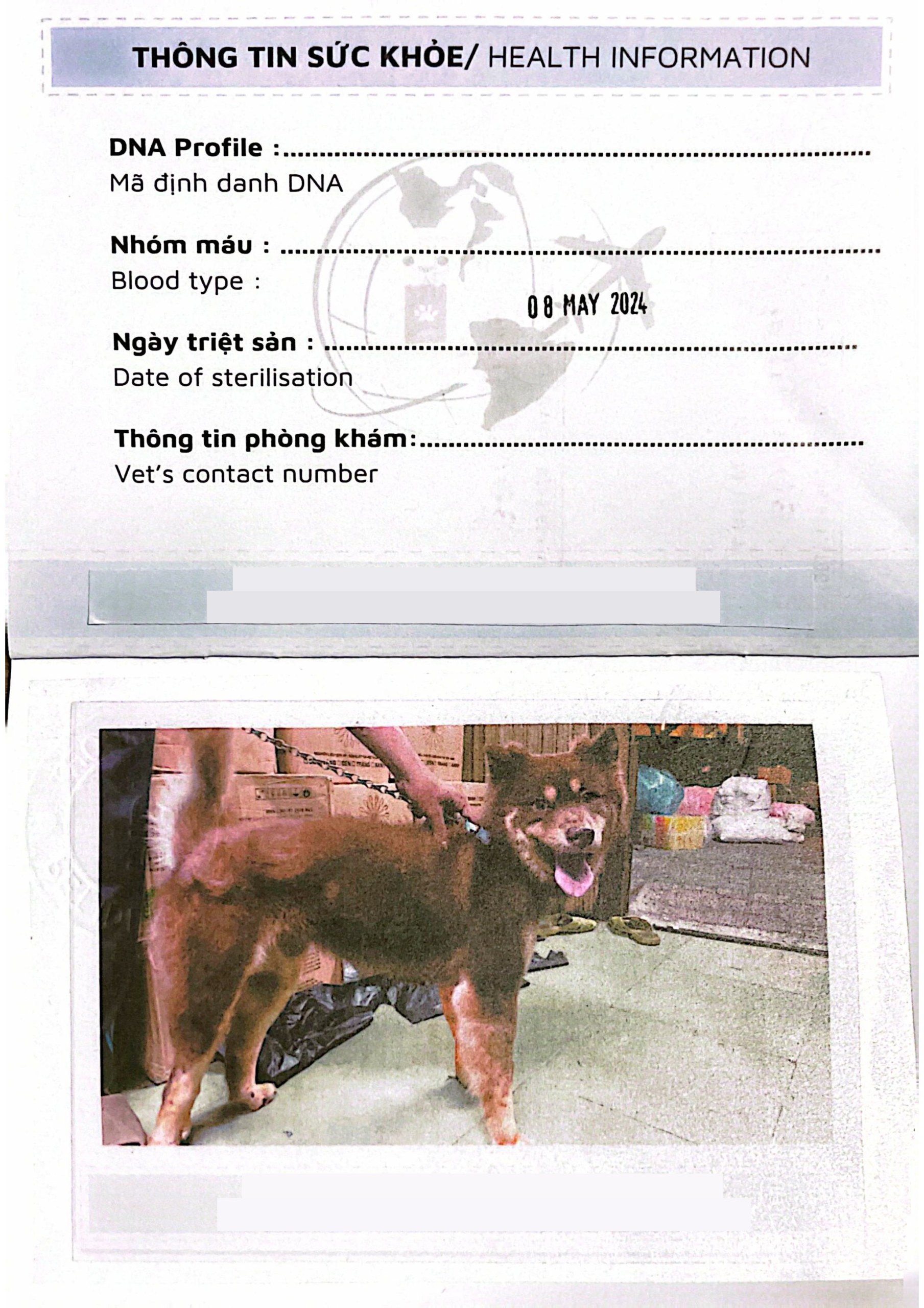
- Pet Identification: The pet’s official name, breed, date of birth, gender, coat color, and distinctive markings, often accompanied by an official identification photo.
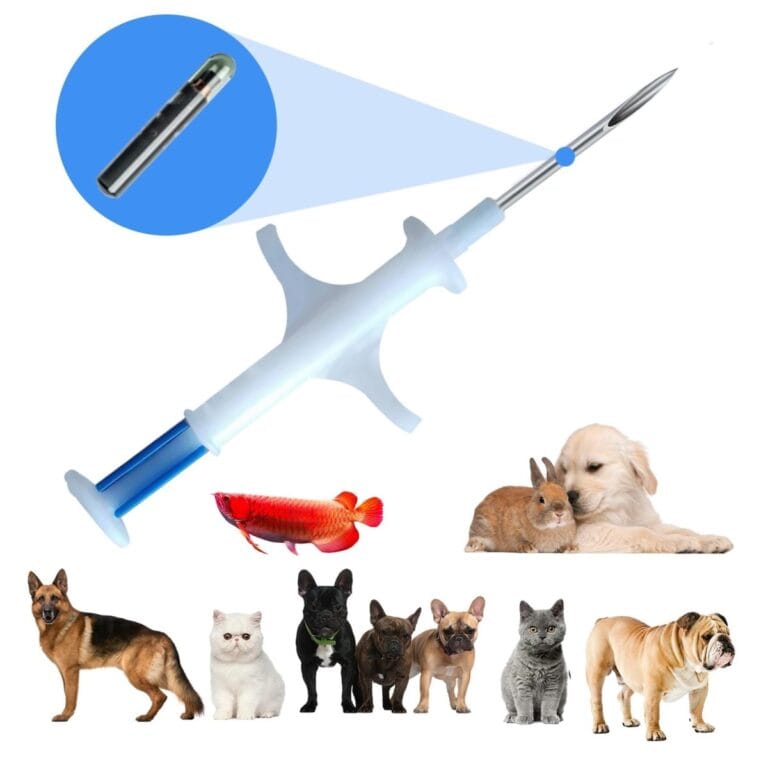
- The ISO Microchip (The Foundation): The pet’s unique 15-digit ISO 11784/11785 compliant microchip number, the implantation date, and the date the chip was officially read. Crucially, the microchip must be implanted and scanned before or on the same day as the rabies vaccination. Our guide to pet microchips for travel explains why this order matters.
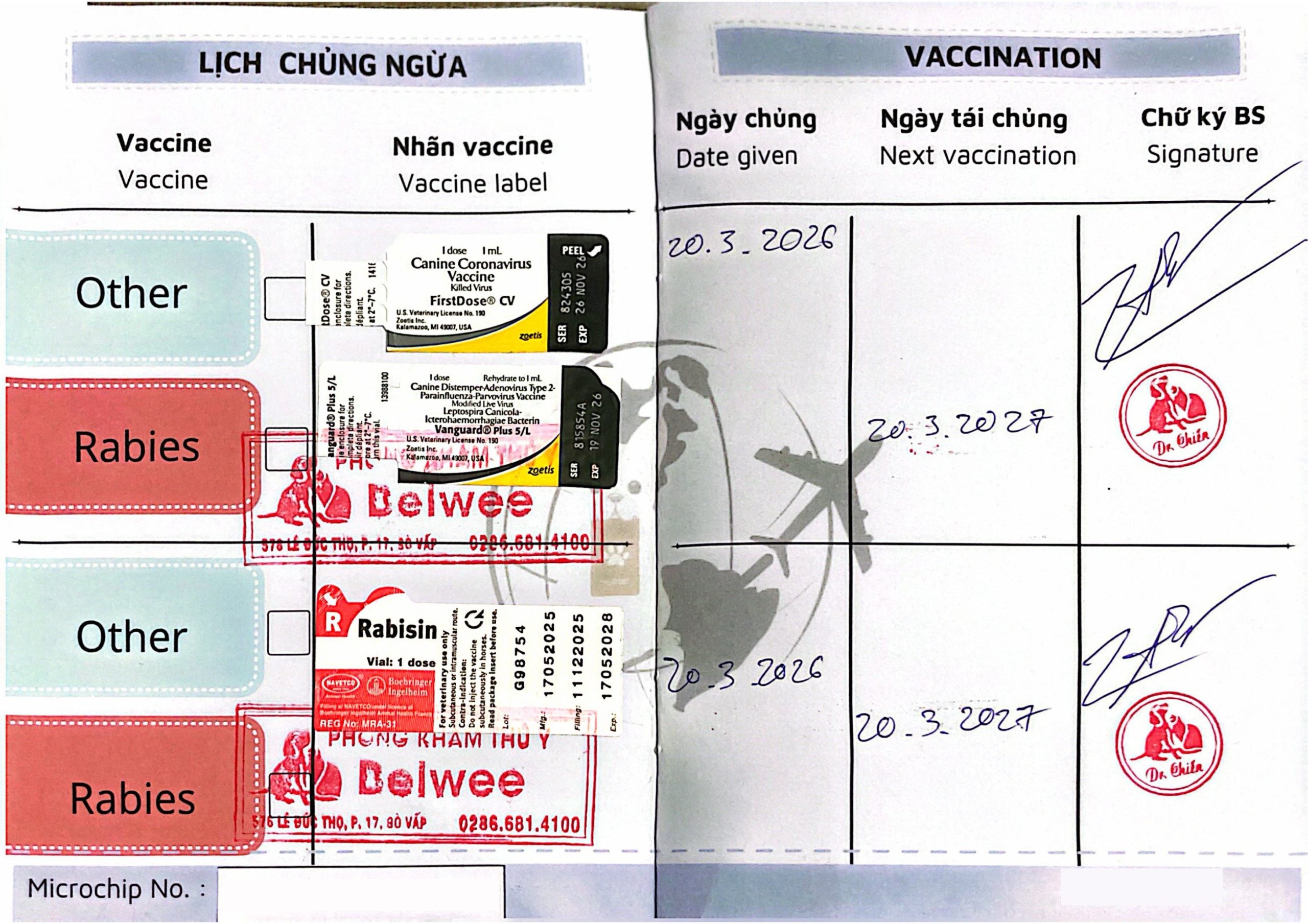
- Rabies Vaccination History: Detailed records of all rabies vaccinations, including the date of administration, vaccine brand name, manufacturer batch/vial numbers, vaccination stickers, and the veterinary stamp and signature. For validation of shot validity timelines, check our guide on Rabies Vaccine Validity.
- Rabies Antibody Titer Test (FAVN/RNATT): For pets exiting high-rabies risk countries (like Vietnam) to strict biosecurity zones (such as Europe, Japan, Taiwan, or Singapore), a certified laboratory report confirming a neutralizing antibody level of at least 0.5 IU/ml must be permanently attached. Learn about the testing process in our comprehensive Rabies Titer Test guide.
- Deworming & Parasite Treatments: Certified clinical entries showing the exact date, product name, and manufacturer of treatments for internal and external parasites. The timing depends on the destination. The UAE wants both treatments within 14 days before shipment. Finland, Ireland, Malta, Northern Ireland and Norway want dogs treated for tapeworm 24–120 hours before entry.
- Official Government Veterinary Endorsement: The final stamp, seal, and signature of the government’s official veterinary authority, certifying that the pet has passed clinical inspection and is fit for international transport. In Vietnam, this is the Animal Health Certificate, Form 13a. Vietnam issues no separate export permit for pet dogs and cats.
Why Do You Need a Pet Passport?
A Pet Passport is not a luxury option; it is a strict, operational requirement. It serves three main functions in international pet logistics:
1. Absolute Biosecurity Compliance
Nations protect their animal populations and public health systems fiercely. Rabies-free jurisdictions (like Australia, Japan, and Singapore) have zero margin for error. The Pet Passport is your pet’s legal declaration of biosecurity safety, proving they do not pose a biosecurity threat to the importing country.
2. Airline Shipping Approval
Airlines operate under strict IATA Live Animals Regulations. They can refuse a pet whose paperwork is incomplete, because a pet refused at the destination may have to be flown back. Airline desk agents will physically inspect every page of your Pet Passport dossier at check-in before approving your pet to fly as AVIH (Checked Baggage) or Manifest Cargo.
3. Reducing or Bypassing Quarantine
In many strict destinations, having a fully compliant Pet Passport dossier is the direct ticket to bypassing months of expensive quarantine. For example, entering Taiwan or Singapore without a perfectly prepared dossier means your pet will face immediate airport seizure and quarantine confinement, or even deportation at your own expense.
How to Obtain a Pet Passport in Vietnam
Because Vietnam does not issue a physical “booklet” style passport, building a compliant Pet Passport dossier requires a precise, sequential timeline of clinical events and government coordination:
- Implant the ISO Microchip: Ensure the microchip is implanted and scanned before or on the same day as the rabies vaccine.
- Administer Rabies & Core Vaccinations: Secure the official vaccine labels, batch numbers, and clinical stamps in your primary record book.
- If your destination requires quarantine-reduction (e.g., Europe, Japan, Taiwan, Singapore) — Perform the Rabies Titer Test: Draw blood at least 30 days after the rabies vaccine, and ship it to an approved international laboratory.
- Observe the Waiting Period (destination-dependent): For destinations requiring the titer test above, wait out the required biological timeline (90 to 180 days after the titer blood draw) before travel. Destinations that do not require quarantine-reduction titer testing skip this step entirely.
- Execute Clinical Inspection: Shortly before the flight, a vet checks that your pet is “Fit to Fly” and fills in the destination’s own certificate form if it has one.
- Secure Government Endorsement: Apply with Form 2a about 3–7 days before the flight. The Regional Animal Health and Production Office or the airport animal quarantine station issues Form 13a, completing your Pet Passport dossier. Any import permit comes from the destination before this step.
Common Pitfalls: A Real-World Reality Check
In international pet shipping, minor clerical mistakes result in major operational disruptions. We have seen these three errors recur consistently:
1. Private Vet Stamp Assumed as Government Approval
Many pet owners assume that because their family vet has a clinic stamp, they have international authority. They do not. Only the government vet at the regional office or the airport animal quarantine station can sign Form 13a. A folder without that government signature is not an export document.
2. The Microchip-Vaccine Sequence Error
If your pet was vaccinated against rabies on June 1st, but the microchip was only implanted on June 5th, that vaccine is legally void for international export. The microchip is the pet’s unique identification — biosecurity officials must be certain the vaccine was injected into that specific animal, which is only possible if the microchip was in place and scanned before the injection.
3. A Chip Number With One Wrong Digit
In October 2026, a clinic’s parasite treatment certificate in a Daisy Pet file showed the pet’s microchip number with one wrong digit. It was caught before the flight and the clinic reissued the certificate. Every page of the dossier must carry the same 15-digit number, not only the government certificate.
Your Pre-Flight Documentation Checklist
Before you purchase an airline crate or book an AVIH (Checked Baggage) space on an aircraft, make sure your documentation dossier is fully secured:
- ISO Microchip implanted before or on the same day as the rabies vaccine.
- Rabies Vaccination given after the chip, with the vial sticker and clinic stamp.
- Rabies Titer Test report from an approved laboratory, where the destination requires it.
- Destination Import Permit secured from the importing country, where it issues one (e.g., the import licence from Singapore’s Animal & Veterinary Service).
- Form 13a, Vietnam’s export health certificate, issued by the regional office or airport quarantine station shortly before the flight.
Last updated 18 Oct 2026
Compiled by our specialists from the regulations in force on the date above, for reference only. Rules may change after this date. Please verify with the competent authorities or contact us for the most accurate information.