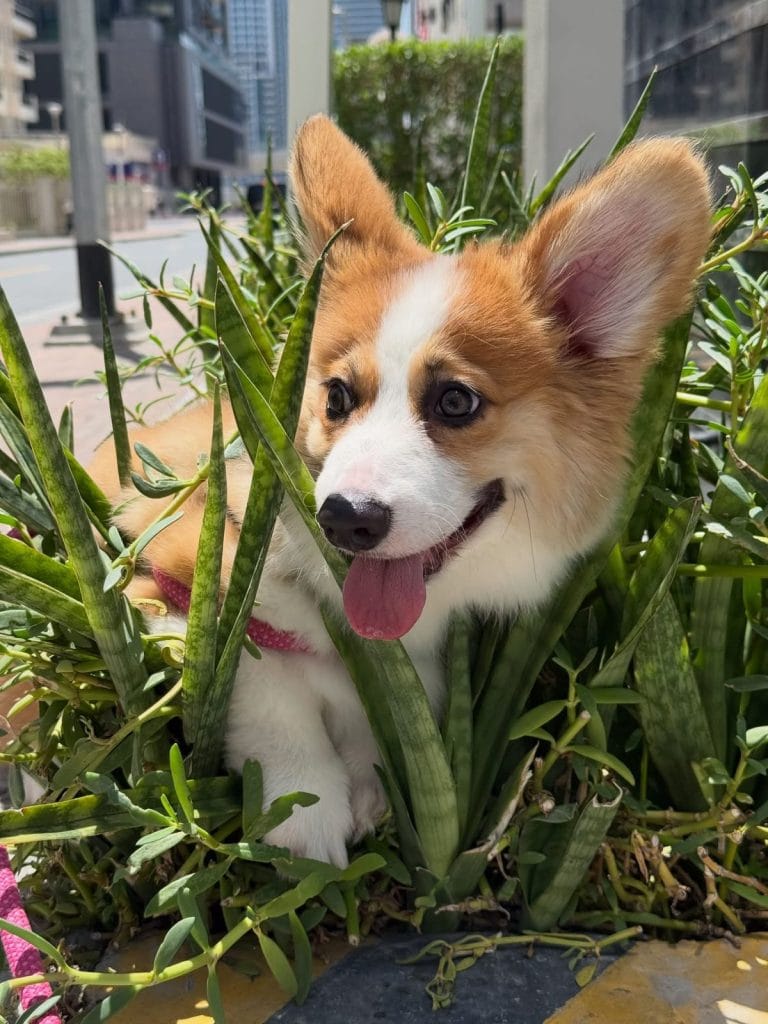
Vietnam processes hundreds of dog arrivals each year at Tan Son Nhat (SGN) and Noi Bai (HAN) — yet border holds are overwhelmingly caused by the same documentation errors that are entirely avoidable with early planning. Under Vietnam’s Import Rules (Thông tư 01/2026/TT-BNNMT), dogs require a microchip, a current rabies vaccination, a government-endorsed Health Certificate, and a pre-filed Import Quarantine Declaration Form before landing. Daisy Pet Transport has handled hundreds of dog clearances at SGN and HAN, and this guide covers every checkpoint in full.
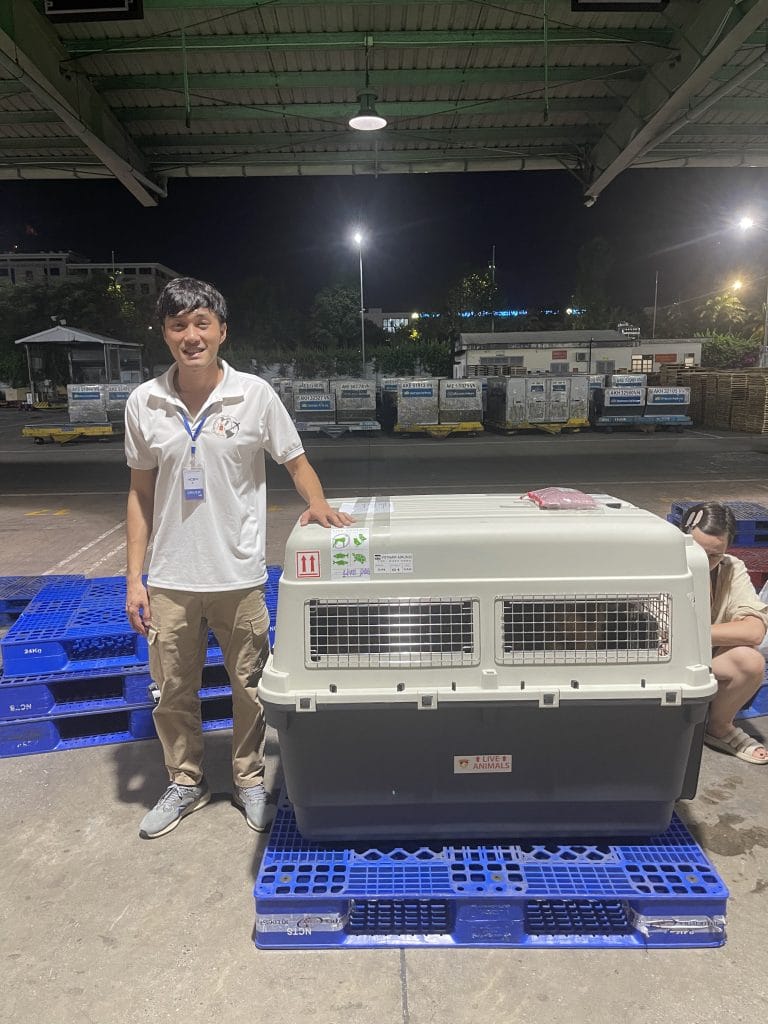
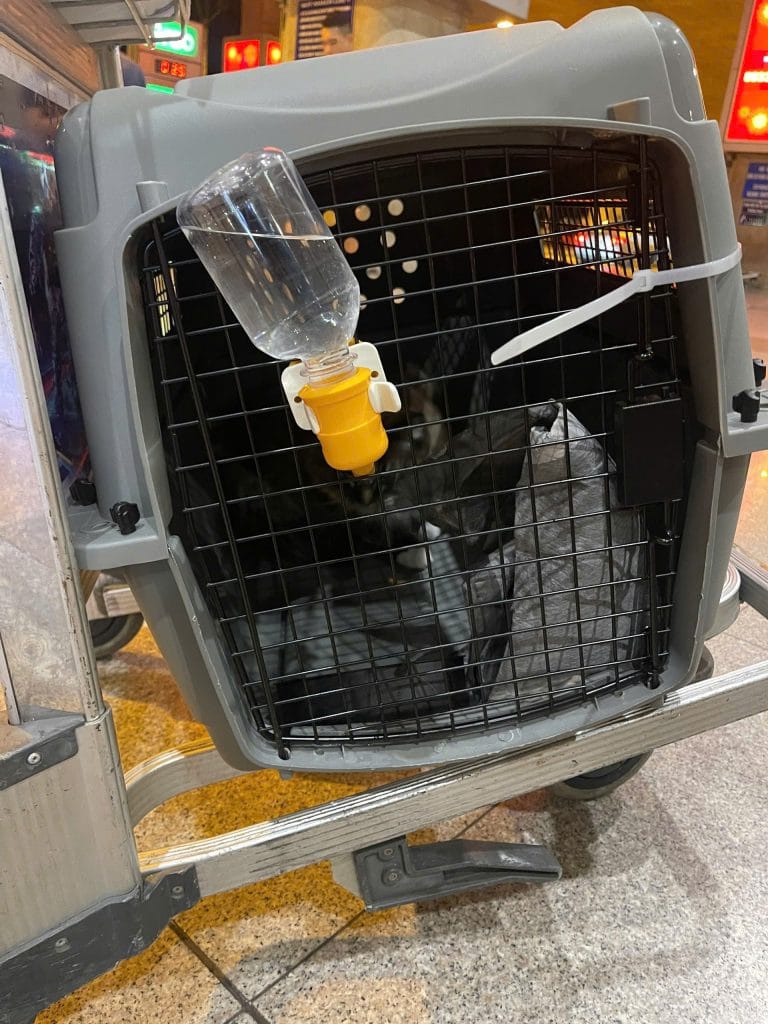
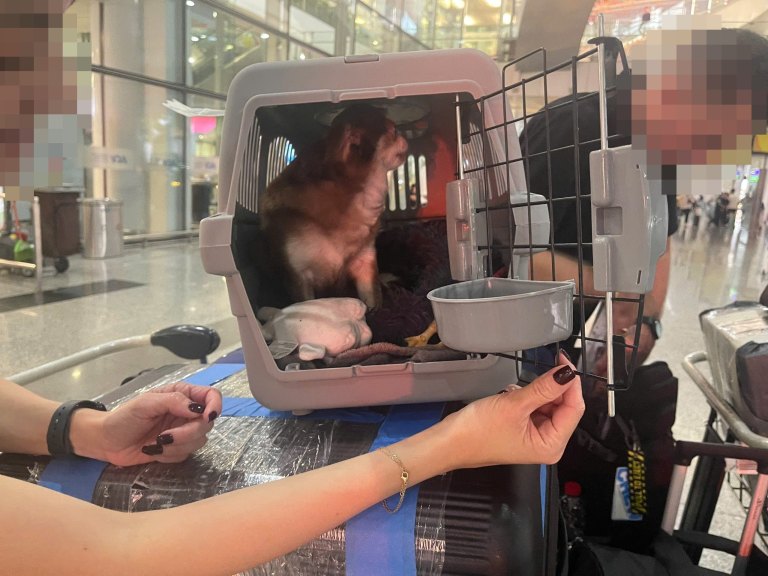
For a real example of a dog traveling with its owner, see how Koopi made a one-week round trip from the Philippines to Da Nang.
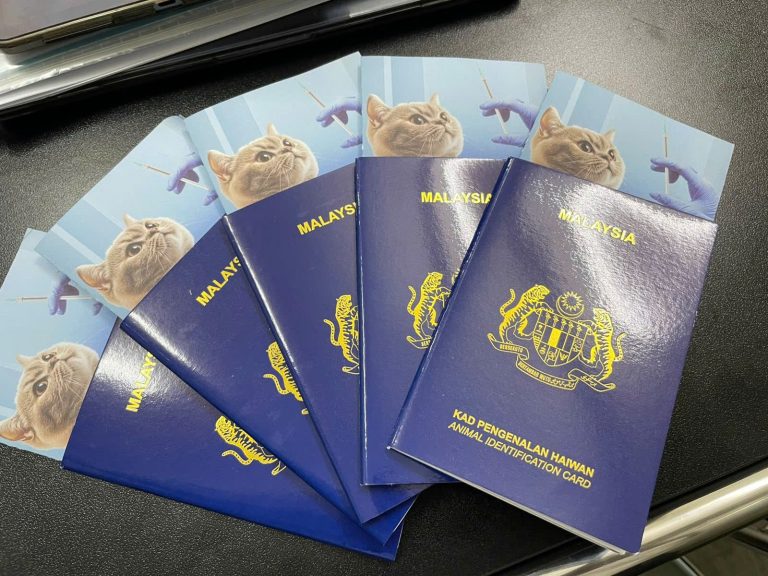
Whether you are relocating from the United States, Australia, Europe, or anywhere else, the compliance framework is the same. What changes is which government agency endorses your Health Certificate — and whether your dog’s rabies vaccine record will pass Vietnam’s stricter-than-expected 12-month rule. Together, these records form your dog’s pet passport dossier — the compliance folder every border officer expects to review as one packet, not four loose papers.
| Category | Key Requirements & Regulatory Notes |
|---|---|
| 1. Export Process (in the departure country) | Depends on the export country: typically an ISO microchip, a rabies vaccination (at least 30 days before the flight, under 12 months old on arrival), a government-endorsed export health certificate, and an export permit where required. |
| 2. Import Process (Vietnam) | File Form 3 (Mẫu 3), the quarantine declaration, with the airport quarantine station (Sub-Dept No. I at HAN, No. VI at SGN); about 48 hours before landing is safest. It is not an import permit. The Import Animal Quarantine Certificate, Form 15a (Mẫu 15a), is issued only after the officer checks the documents, scans the microchip and examines the pet. Shipments of 3+ pets also need Form 19 (Mẫu 19) approved by Cục Chăn nuôi và Thú y first. |
| 3. Flights & Weather | Prioritize direct or short connection flights. Avoid extreme summer heat months due to airline Checked Baggage (AVIH) travel bans caused by runway heat risks. |
| 4. Preparation Timeline | A structured 30-day veterinary schedule executed in chronological order from Day 1 to Day 30. |
1. Veterinary Regulations for Shipping Pets to Vietnam
Vietnam’s Ministry of Agriculture and Environment enforces four mandatory requirements for every dog entering the country. Missing or incorrectly ordered documentation is the single most common cause of extended airport holds.
- ISO Microchip (implanted before rabies vaccine): Your dog must carry a 15-digit non-encrypted, ISO 11784/11785 compliant microchip, implanted before the rabies vaccination — reversing that order can invalidate the government endorsement.
- Rabies Vaccination & Minimum Age (16 weeks / 4 months minimum): The vaccine must be given at 12 weeks or older, at least 30 days before the flight and no more than 12 months before arrival in Vietnam — 3-year vaccines are not recognized past the 12-month mark. See Section 2 for why this catches so many dog owners off guard.
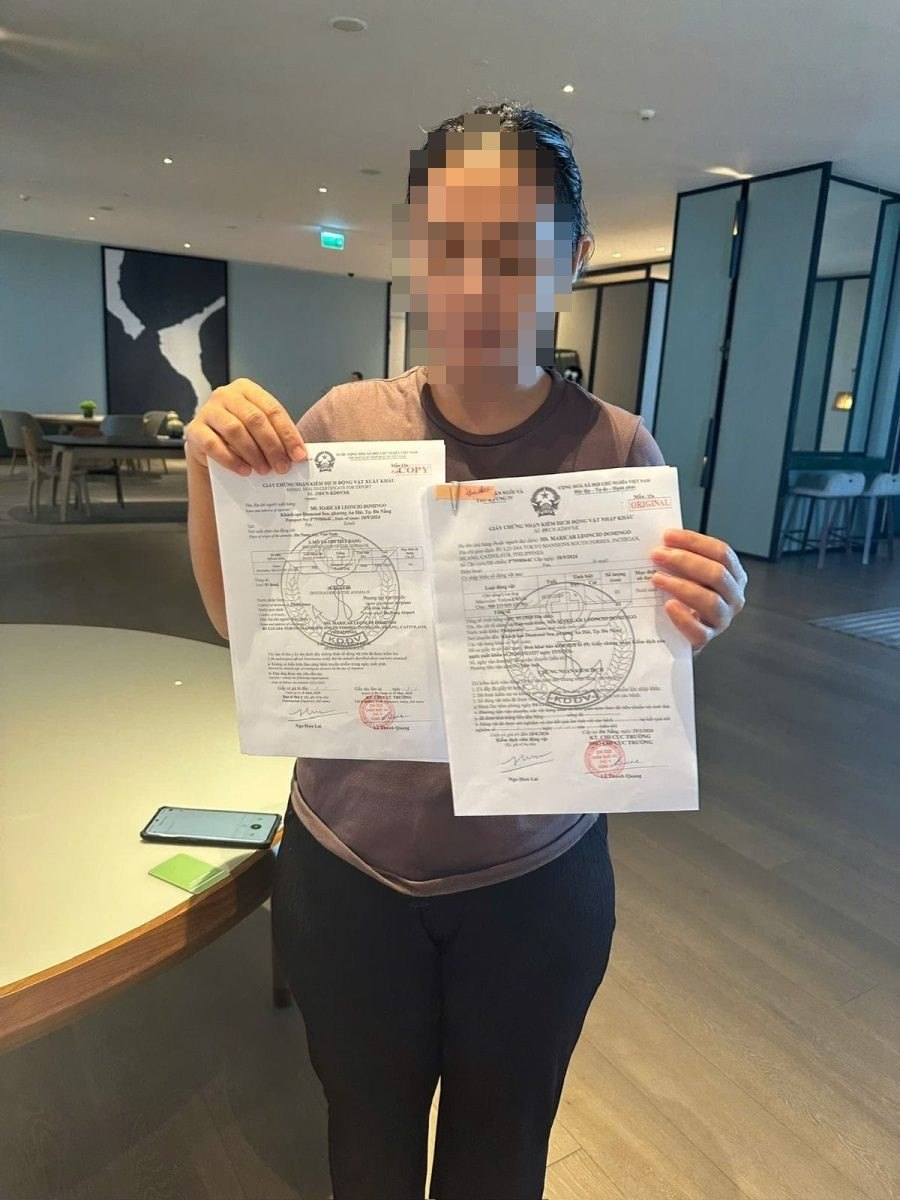
- Government-Endorsed Health Certificate: A private veterinarian’s signature alone is insufficient — the certificate needs the official stamp of your country’s competent authority (USDA APHIS, CFIA, MAFF, or equivalent), applied after a private vet exam within 7–10 days of departure.
- Form 3 (Import Quarantine Declaration Form): File with Vietnam’s Regional Animal Health Office before landing (Daisy Pet files in person at the airport quarantine station about 48 hours ahead; earlier if that falls on a weekend or public holiday) — required for every dog, personal or commercial. Skip it and airport clearance runs much longer. Full steps: Form 3 filing guide.
- Form 19 (3+ pets only): A separate advance registration application filed with Cục Chăn nuôi và Thú y before Form 3, required only for commercial shipments of 3 or more pets. Bringing 1–2 dogs personally? Skip it entirely — see our guide to importing 3+ pets for the commercial process.
Moving from the US? The United States has its own export steps, including the USDA APHIS endorsement of the health certificate. See shipping a pet from the USA to Vietnam.
Recommended addition: Broad-spectrum parasite treatment covering both internal parasites (tapeworm, roundworm) and external parasites (ticks, fleas) within 7 days before departure is strongly recommended. Record the product name, dose, and administration date on the Health Certificate. While not legally required by Vietnam’s Thông tư 01/2026/TT-BNNMT for dogs, many quarantine officers note its absence, and several airlines require it for AVIH acceptance.
2. Flight Options and Tarmac Heat Risks When Shipping Pets to Vietnam
This is the number-one failure point for dog owners relocating from the United States, Canada, and most of Western Europe — and it catches experienced international travelers just as often as first-timers. US and Canadian vets routinely issue “3-year” rabies certificates; Vietnam’s border ignores that label and counts only the months since the injection date (see Section 1) — anything over 12 months is treated as expired, full stop.
Consider a real scenario: a Golden Retriever owner in Texas had their dog vaccinated 14 months ago on a standard US 3-year protocol. The vaccine certificate shows “valid until 2028.” At Vietnam customs, this record is treated as an expired vaccination. The dog faces extended holding and the owner faces the choice of an emergency re-vaccination at a Vietnamese government veterinary clinic or arranging return transport.
The fix is simple and costs one vet visit: If your dog’s last rabies injection was more than 11 months ago (leave a one-month safety buffer), schedule a rabies booster at least 30 days before your departure date.
Forward planning tip: If you expect to eventually leave Vietnam for a rabies-free country like Australia, New Zealand, or Japan, consider arranging a Rabies Neutralizing Antibody Titration Test (RNATT / Titer Test) before leaving your origin country. The RNATT has lifetime validity as long as rabies boosters are kept current, and it eliminates the 6-month waiting period imposed by those countries when departing Vietnam.
3. Choosing the Right Transport Mode for Your Dog
Vietnam accepts dogs via three transport classifications. The correct classification for your dog is determined first by weight and crate size, then by airline policy, and finally by any applicable breed restrictions. Choosing the wrong mode at booking — particularly for brachycephalic (flat-faced) breeds — results in last-minute rejection at the airport.
| Mode | Weight / Size Limit | Key Restrictions |
|---|---|---|
| PETC (In-Cabin) | Dog + carrier combined <8 kg | Very small breeds only. Subject to brachycephalic breed ban on most international airlines. Carrier must fit under the seat in front of you. |
| AVIH (Checked Baggage) | Dog + crate combined 8–32 kg | IATA-compliant crate required. Subject to airline temperature embargo (>29°C ground temp). Subject to airline brachycephalic breed ban. Most medium-sized breeds travel via this mode. |
| Manifest Cargo | Any size, no upper weight limit | No temperature restriction (climate-controlled cargo hold). No brachycephalic embargo. Professional ground handling. Required for dogs >32 kg total, any breed denied AVIH, all flat-faced breeds. |
The 32kg dog is a real decision point. Cats cluster tightly around 3–6 kg and rarely face this choice, but common medium-to-large dog breeds sit right on the AVIH/Manifest Cargo boundary: a Golden Retriever, Labrador, or Husky, once crate weight is added, often lands at 28–36 kg — AVIH-eligible on one airline, cargo-only on another. The 32kg figure above is the most common threshold, not a universal one; some carriers (Korean Air, Avianca) accept combined weights up to 45kg. Confirm your specific airline’s limit before booking, and size the crate itself using our IATA crate sizing guide — the crate’s own weight is often what pushes a borderline dog from AVIH into cargo.
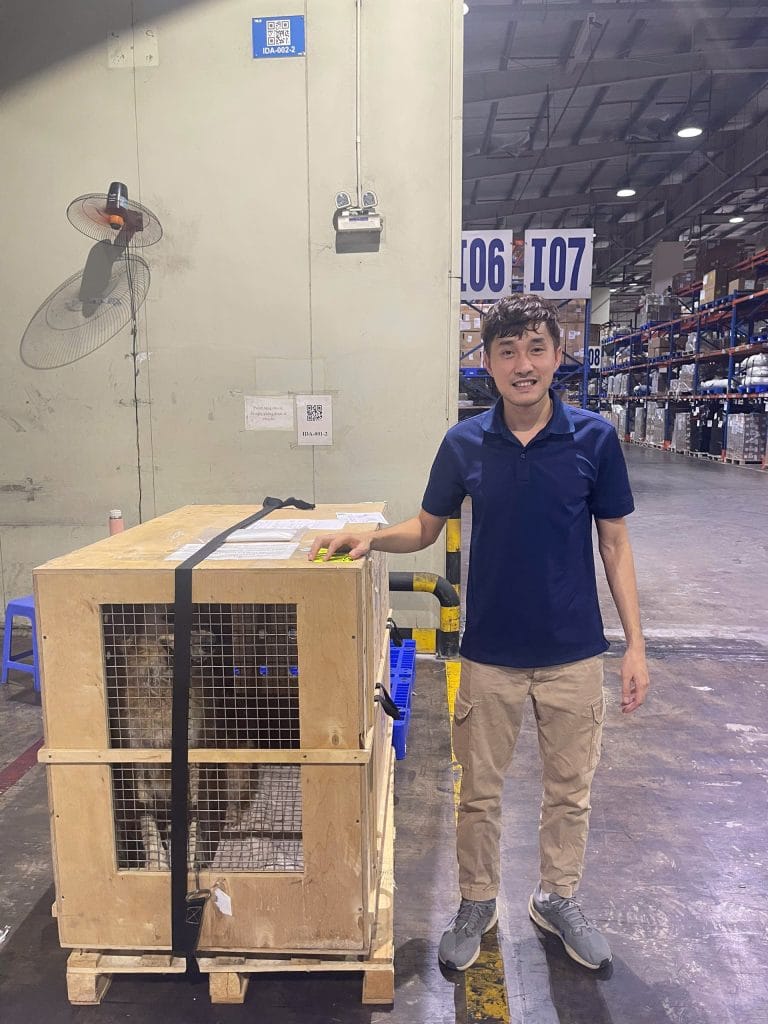
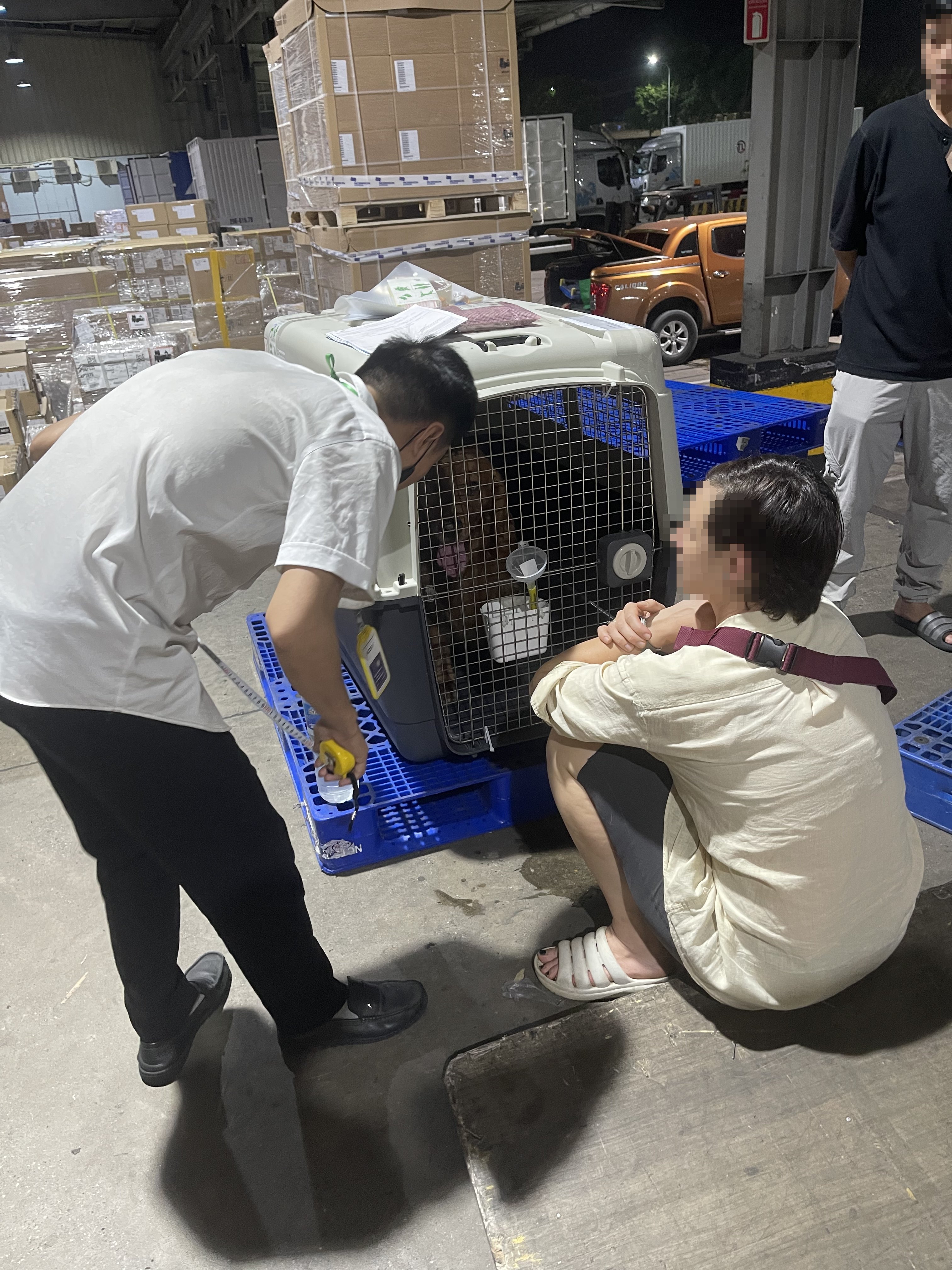
For large dogs flying cargo, the crate usually drives the numbers more than the dog does. When Pablo, an English Setter, flew from Istanbul to Hanoi as Manifest Cargo, his 128 × 78 × 94 cm crate came to 100 kg gross and 270 kg chargeable on the final air waybill — see Pablo’s cargo import from Turkey.
Cost reference: AVIH/PETC clearance runs about $350–$450 USD; Manifest Cargo about $950–$1,150 USD. Full airline-by-airline breakdown: Vietnam Pet Shipping Cost Breakdown.
Brachycephalic breeds include (but are not limited to): French Bulldog, English Bulldog, Pug, Shih Tzu, Boston Terrier, Boxer, Cavalier King Charles Spaniel, Lhasa Apso, Pekingese, and Japanese Chin. These dogs must travel as Manifest Cargo on most international routes to Vietnam.
4. Import Quarantine and Customs Clearance Process in Vietnam
Both Tan Son Nhat International Airport (SGN) in Ho Chi Minh City and Noi Bai International Airport (HAN) in Hanoi operate animal quarantine stations 24 hours a day, 7 days a week. Da Nang (DAD) also accepts pet imports but with more limited staffing hours. Here is exactly what happens from the moment your flight lands:
- Routing to the quarantine station: Upon arrival, the customs officer on duty routes your paperwork to the Animal Quarantine Station. If you are traveling with the dog as AVIH, you collect the crate at the oversized baggage belt and proceed to the designated quarantine area. Manifest Cargo arrivals are handled at the cargo terminal by the agent on your behalf.
- Form 3 check: The quarantine officer checks your confirmed Form 3 against your documents. If Form 3 was filed in advance, this step takes under 5 minutes. If it was not pre-filed, the declaration can be submitted on-site, but in Daisy Pet’s experience it is not always accepted immediately, which can delay clearance.
- Clinical examination: The quarantine veterinarian performs a hands-on physical check — eyes, coat condition, gum color, body condition score, and general alertness. Dogs showing signs of illness or stress may be held for extended observation.
- Document review: The officer verifies three items simultaneously: the government-endorsed Health Certificate, the vaccination passport (showing the rabies injection date within the 12-month window), and the microchip number (scanned and matched to the certificate). A mismatch at any point triggers a hold.
- Clearance and release: If all documents are in order and Form 3 was pre-registered, total airport processing time is 1–3 hours. Your dog is released directly to you — there is no mandatory kennel stay and no post-arrival quarantine period in Vietnam for personal imports of 1–2 dogs.
In one real case, a Weimaraner named Philip cleared this exact process at Tan Son Nhat after flying in from Uganda, then used only 11 days of his certificate before flying onward to Poland — see the full case study. The same process held up even under pressure: when a Vietnamese family needed their dog and cat brought home from Dubai during a regional conflict, both animals cleared this exact Form 3 and quarantine inspection at Tan Son Nhat without incident — see how that relocation was handled.
Domestic connections: Vietnam’s quarantine clearance happens only at the first international entry point (SGN or HAN). If your final destination is Da Nang, Can Tho, or another domestic city, you clear customs at the international airport first, then arrange a domestic pet taxi or Vietnam Airlines domestic AVIH booking for the second leg. No re-inspection is required domestically.
5. 30-Day Preparation Timeline for Your Dog
Every step in this timeline has a dependency on the previous one. Starting even one step late can compress the window and force you to delay your departure. Work backwards from Day 0 (your flight date) to Day -30 and confirm each checkpoint is achievable before booking your flights.
| Day | Required Action |
|---|---|
| Day -30 | Check your dog’s rabies vaccination date. If the injection was administered more than 11 months ago, schedule a rabies booster immediately. The booster requires a 30-day post-vaccination window before it is valid for Vietnam entry. |
| Day -15 | Purchase an IATA-compliant travel crate sized correctly for your dog (stand, turn, and lie down comfortably). Begin crate acclimatization: feed your dog in the crate, let them sleep in it overnight. A dog that is calm in its crate at the airport is a dog that arrives in better condition. |
| Day -10 | Government veterinary examination. Your vet completes the Health Certificate with clinical findings, microchip scan, and full vaccination history. File the certificate with your country’s competent authority (USDA APHIS, CFIA, MAFF, etc.) for official government endorsement. |
| Day -7 | Administer broad-spectrum parasite treatment: tick/flea product (external) plus a tapeworm product such as praziquantel (internal). Record on the Health Certificate. Avoid isoxazolines if your dog is brachycephalic or seizure-prone. |
| Day -5 | Collect government-endorsed Health Certificate. Verify microchip number, rabies injection date, and endorsement stamp. Any error at this stage requires a vet correction and re-endorsement — start this step early. |
| Day -3 | Submit Form 3 import quarantine declaration — required for every pet import, personal (1–2 dogs) and commercial alike — to Vietnam’s Regional Animal Health Office (Chi cục Thú y Vùng VI for SGN arrivals, Vùng I for HAN). Make sure the station confirms and registers it. (If importing 3+ dogs commercially, Form 19 must already be approved before this step.) |
| Day 0 (Arrival) | Land at SGN or HAN. Present documents to quarantine officer. Form 3 pre-registered: 1–3 hour clearance. Dog released directly to owner same day. No mandatory kennel stay. |
For a week-by-week version with airline booking deadlines and cargo terminal cut-off times, see our full Vietnam Pet Import Preparation Timeline.
Bringing a cat instead? See our Bringing Your Cat to Vietnam guide. If your dog is a flat-faced breed like a French Bulldog or Pug, check airline restrictions for brachycephalic breeds before booking.
6. After You Land: Vietnam’s Leash and Muzzle Law for Dogs
Clearing quarantine is not the end of the paperwork if you plan to keep your dog in Vietnam long-term. Under Decree No. 204/2026/NĐ-CP (effective 1 August 2026, replacing the older Decree 90/2017/NĐ-CP), Vietnam requires every dog owner to either muzzle the dog or keep it on a leash with a handler present whenever the dog is taken to a public place. The fine for non-compliance was raised to 1,000,000–2,000,000 VND under the new decree, up from 600,000–800,000 VND previously.
This rule applies only to dogs — there is no equivalent muzzle or leash requirement for cats in Vietnamese law. It sits alongside, not instead of, the airport-level documentation covered above: quarantine clearance gets your dog into the country, this decree governs how you walk your dog once you are settled in.
Last updated 18 Oct 2026
Compiled by our specialists from the regulations in force on the date above, for reference only. Rules may change after this date. Please verify with the competent authorities or contact us for the most accurate information.