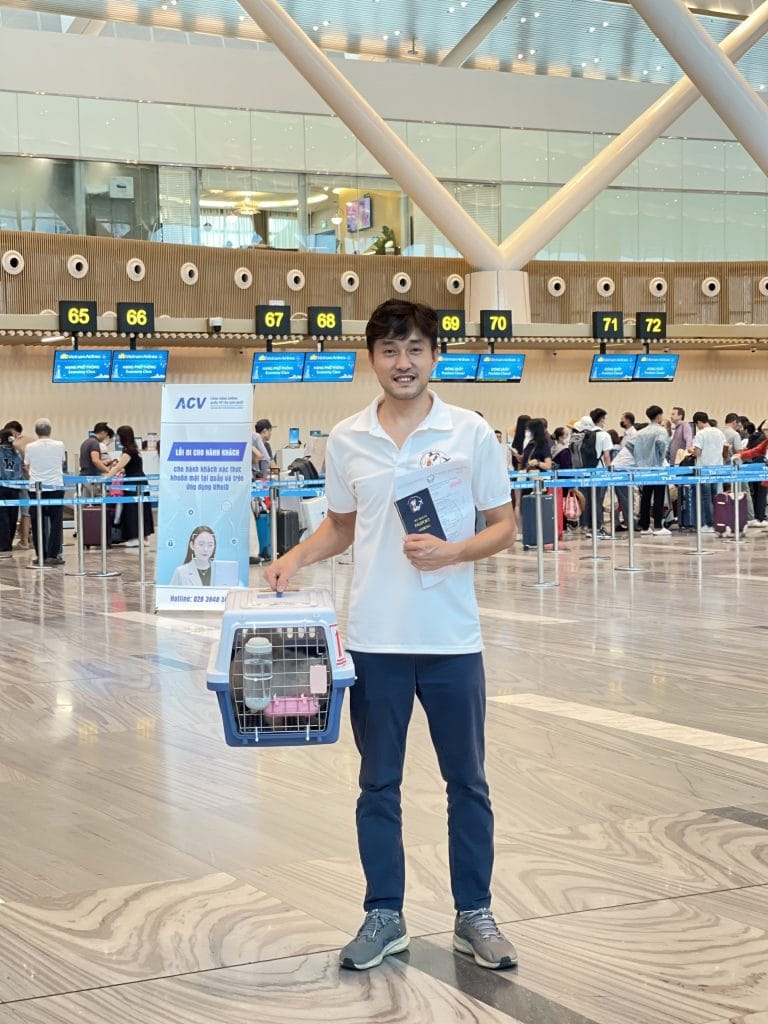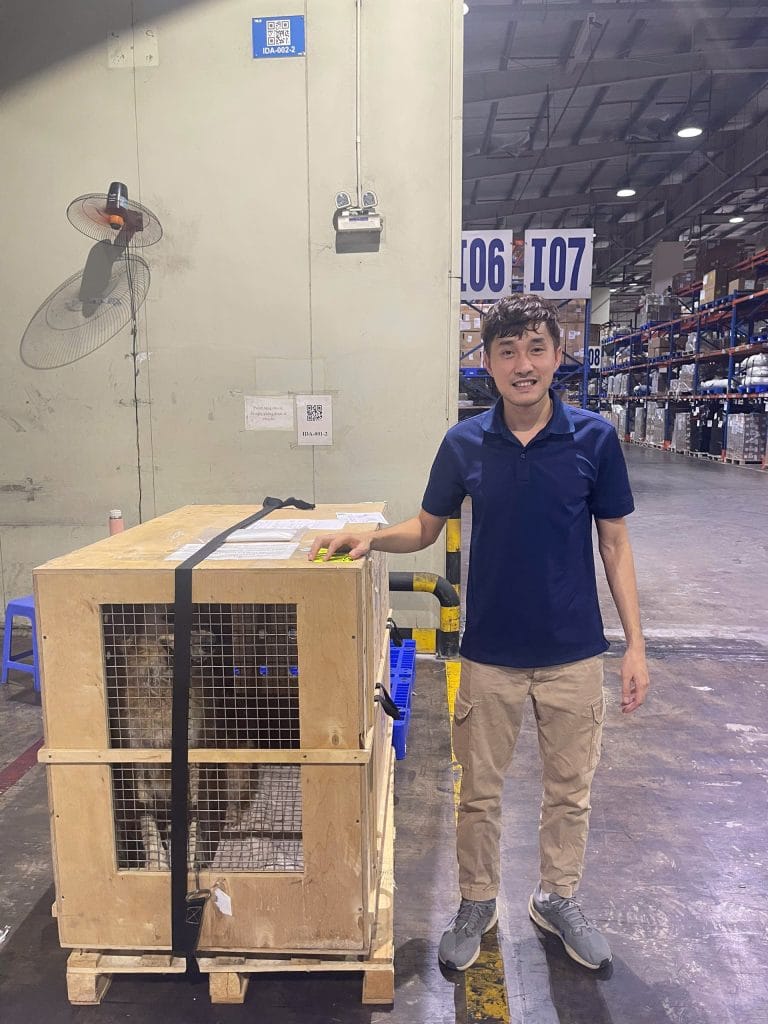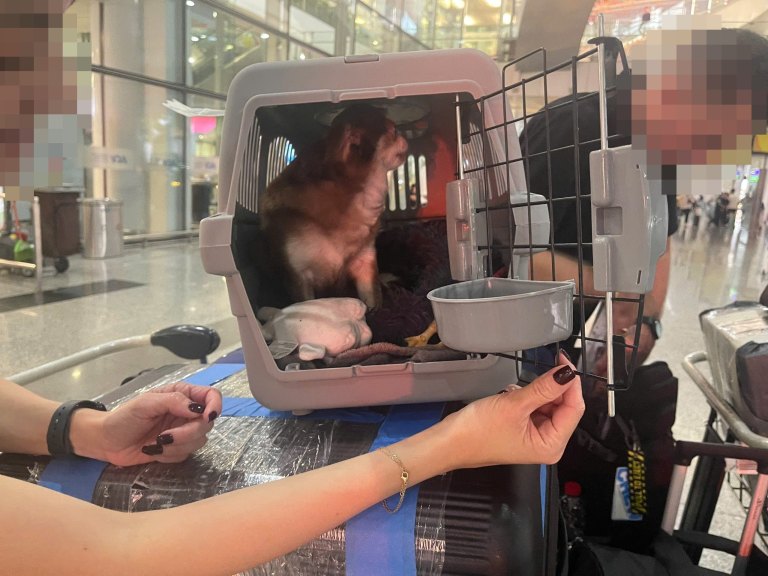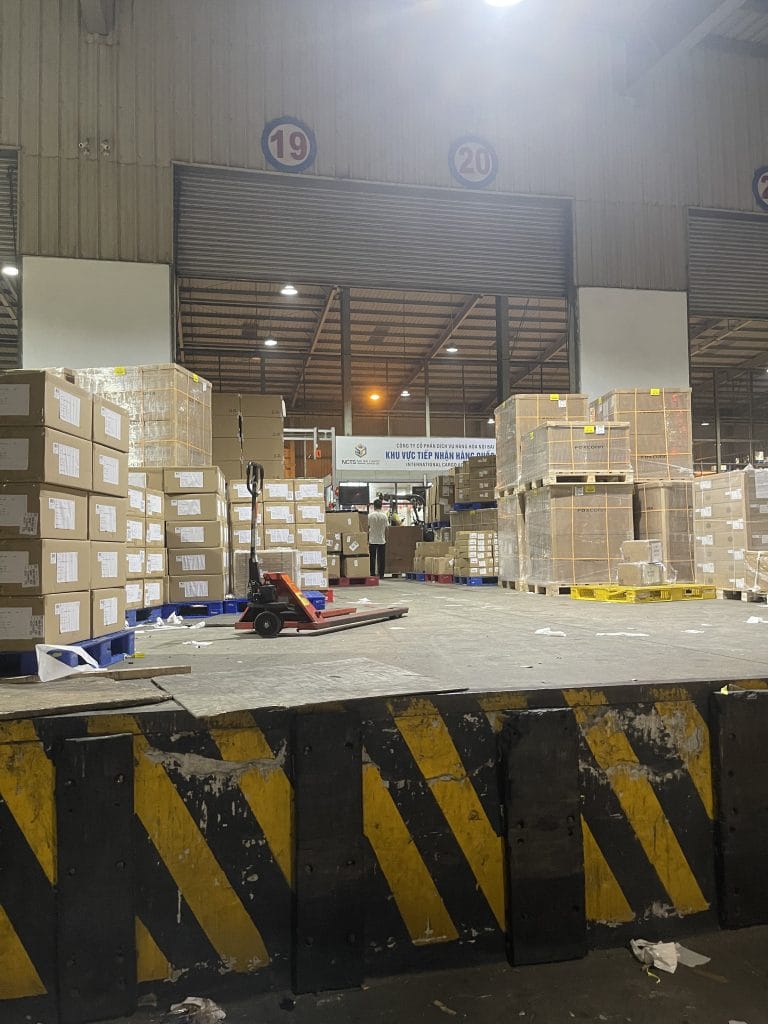
According to Vietnam Customs and airport veterinary guidelines, each passenger is limited to a maximum of 02 pets entering under non-commercial status. When importing 3 or more pets, the shipment must clear under commercial (mậu dịch) customs.
This process demands obtaining import approval (Form 19) from Cục Chăn nuôi và Thú y, filing customs declarations, and paying livestock import duties. Daisy Pet Transport presents this expert guide to navigating these barriers safely.
For the standard requirements that apply to single-pet imports, see our core Vietnam pet import guide.
| Category | Key Requirements & Regulatory Notes |
|---|---|
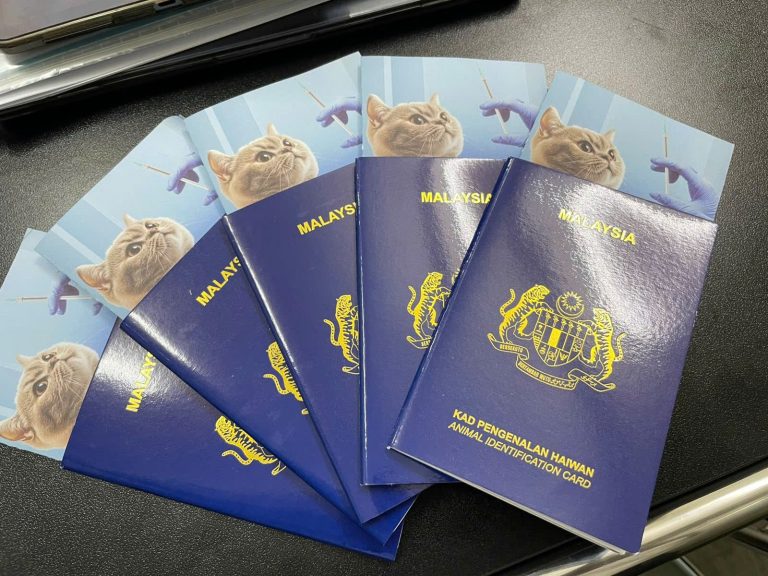
| 1. Export Process (in the departure country) | Depends on the export country: typically an ISO microchip, a rabies vaccination (at least 30 days before the flight, under 12 months old on arrival), a government-endorsed export health certificate, and an export permit where required. |
| 2. Import Process (Vietnam) | File Form 19 (Mẫu 19) with Cục Chăn nuôi và Thú y and wait for its approval, then file Form 3 (Mẫu 3), the quarantine declaration, with the airport quarantine station (Sub-Dept No. I at HAN, No. VI at SGN); about 48 hours before landing is safest. The Import Animal Quarantine Certificate, Form 15a (Mẫu 15a), is issued only after the inspection. |
| 3. Flights & Weather | Prioritize direct or short connection flights. Avoid extreme summer heat months due to airline Checked Baggage (AVIH) travel bans caused by runway heat risks. |
| 4. Preparation Timeline | A structured 30-day veterinary schedule executed in chronological order from Day 1 to Day 30. |
1. Veterinary Regulations for Shipping Pets to Vietnam
Transporting a large group of dogs or cats (3 or more) to Vietnam demands highly rigorous preparation across federal and commercial quarantine frameworks:
- ISO Microchip Implantation: Every pet in the group must have an ISO 11784/11785 compliant, 15-digit non-encrypted microchip implanted BEFORE administering their primary rabies vaccination.
- Minimum Age & Rabies Vaccine: Pets must be at least 12 weeks (3 months) old to receive their rabies vaccination. A mandatory 30-day waiting period after vaccination before entering Vietnam means pets must be at least 16 weeks (4 months) old at the time of entry. The rabies vaccine must be given at least 30 days before the flight and no more than 12 months before landing.
- 3-Year Rabies Vaccine Limit: Vietnam does not recognize 3-year rabies vaccine protocols if the dose was given more than 12 months ago. If the last rabies vaccine was given more than 1 year ago, a booster shot must be administered at least 30 days before departure.
- Form 19 — Import Registration Application (Cục Chăn nuôi và Thú y): This advance-approval form is a mandatory requirement for commercial shipments of 3 or more pets — and only for commercial shipments; personal imports of 1–2 pets skip it entirely. Submit it to Cục Chăn nuôi và Thú y in Hanoi early enough to have written approval before your pets travel, and confirm the current processing time with the department directly.
- Filing Commercial Customs Declarations: Unlike non-commercial pets cleared at passenger halls, your group must be declared formally at the airport cargo warehouse, subject to standard import duties.
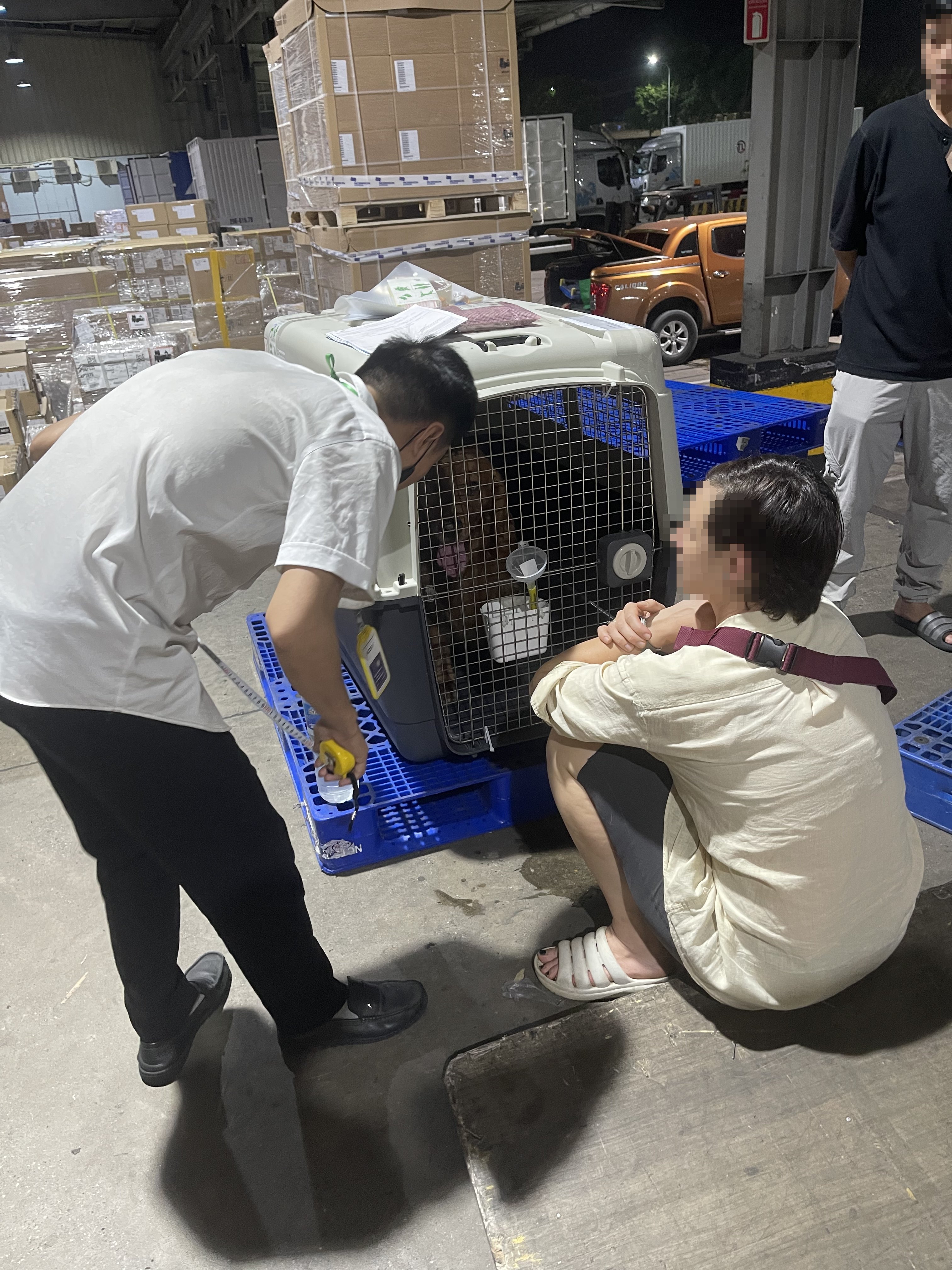
- Airport Veterinary Inspections: Border quarantine officers perform clinical checks on the entire group in the cargo warehouse’s holding area before granting final veterinary clearance seals.
Owners must secure endorsed export health certificates from origin authorities and complete the Vietnam Pet Import Declaration Form 3 filing before landing to accelerate border approvals (Daisy Pet files in person at the airport quarantine station about 48 hours ahead). Form 3 is required for every pet import regardless of quantity — for commercial shipments of 3 or more pets, it comes after Form 19 has already been approved, not instead of it.
2. Flight Options and Tarmac Heat Risks When Shipping Pets to Vietnam
When exporting 3 or more pets, airlines routinely reject Checked Baggage (AVIH) bookings, requiring transport under specialized Manifest Cargo instead:
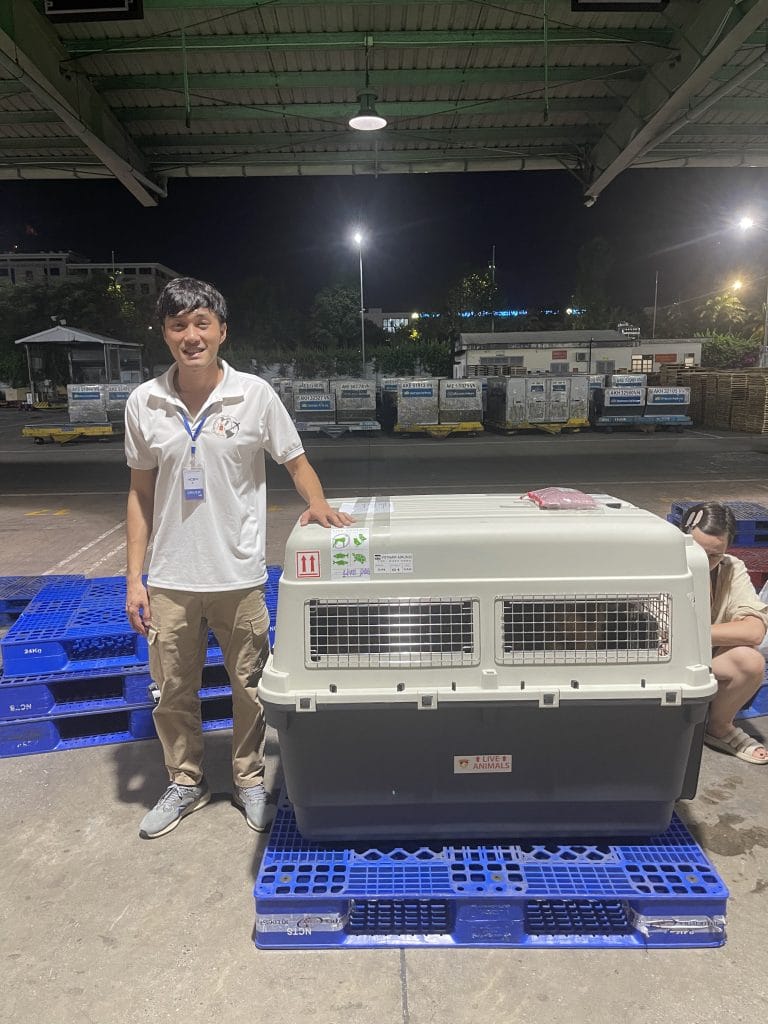
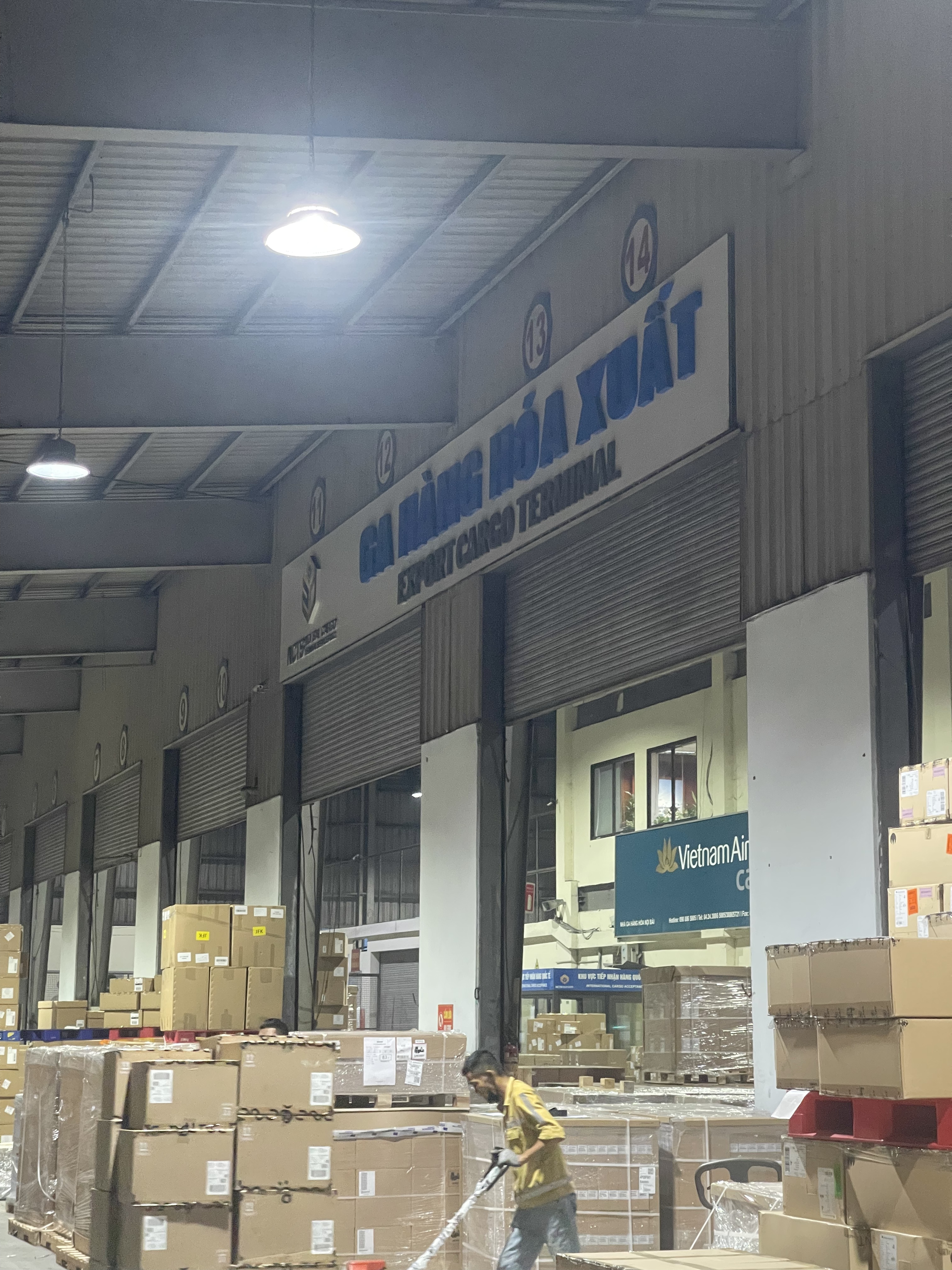
- Airport Cargo Terminal Handover: The pets bypass passenger areas, being dispatched directly at the origin cargo facility and received strictly at the destination warehouse (e.g., TCS/SCSC at SGN or ACSV/ALS at HAN).
- Airway Bill (AWB) Consignment: The entire group is consigned under a dedicated air cargo bill. Tarmac transit, warehouse holds, and loading are supervised by professional live animal handlers.
- Climate-Controlled Cargo Holds: The aircraft cargo hold is equipped with automated temperature controls and dedicated oxygen flows, keeping your pets safe on long-haul routes.
⚠️ Essential Custom Broker Rules: Commercial customs clearance at airport cargo terminals is exceptionally complex. Personal handlers are barred from cargo zones; you must hire an authorized customs broker with airport access credentials to clear the pets.
3. Livestock Import Duties & Cargo Warehouse Handling Fees
Clearing pets under commercial status requires budgeting for specific taxes, quarantine isolation, and processing fees at Vietnam’s airport cargo complexes:
- Mandatory Quarantine Isolation: Under Vietnamese regulations, importing 3 or more pets (commercial shipment) triggers mandatory isolation at a government quarantine facility.
- Split AWB Strategy: To bypass the complex commercial import declarations, duties, permit approval (Form 19), and isolation, we highly recommend splitting the pets under different owners’ names (1–2 pets per owner, using separate Airway Bills / AWBs). This allows them to clear under non-commercial personal import rules (no Form 19 and no isolation; import tax still applies).
- Kiểm hóa (Customs Physical Inspection): Unaccompanied pets (Cargo) or commercial shipments must be imported by a licensed company. After landing, a physical customs inspection (Kiểm hóa) is conducted in the cargo warehouse to verify quantity, species, and value for tax and anti-smuggling compliance before release.
- Import Duty & VAT: Live animals (dogs and cats) imported under commercial status face import duties (typically 5%) and value-added tax VAT (10%) calculated against your customs valuation or local tax bases.
- Domestic Transit: Customs clearance must be completed at the first point of entry (SGN or HAN). For domestic connecting flights, pets must obtain a domestic transit quarantine certificate, or owners can choose a road pet taxi.
- Quarantine Release Document: Upon successful clearance, the veterinary department issues the official Form 15a (Giấy chứng nhận kiểm dịch động vật nhập khẩu), releasing your pets.
Owners should consult our complete Cost to Ship Pet to Vietnam guide to prepare a detailed budget for terminal handling and customs broker clearances. Also, check our Restricted Breeds Guide for airlines’ flat-faced cargo hold bans.
The 30-Day Preparation Timeline for Importing Multiple Pets to Vietnam
A detailed medical preparation plan, laid out in chronological order so you can easily track every milestone:
| Timeline | Mandatory Veterinary & Quarantine Steps |
|---|---|
| Day 1 | Verify microchip. Administer rabies vaccination (or booster if the 3-year dose in the origin country is older than 12 months). Request flight booking. |
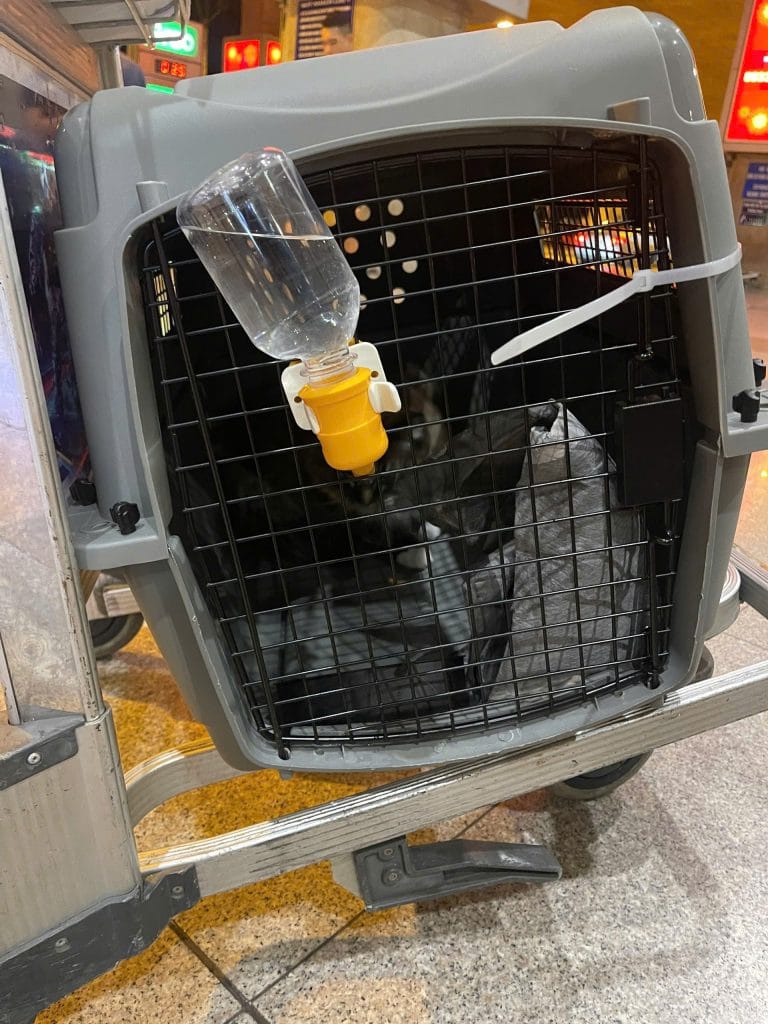
| Day 15 | Acquire an IATA travel crate. Start acclimating the pet to the travel crate to minimize flight stress. File Form 19 (import registration application) with Cục Chăn nuôi và Thú y in Hanoi — approval must be secured before your pets can travel. |
| Day 20 | Complete clinical checks at a licensed vet in the origin country and submit the export application online on the official portal. |
| Day 25 | Present the pet and documents to the quarantine office at the airport to secure the official endorsed Export Health Certificate. Administer parasite treatments. |
| Day 28 | Confirm Form 19 approval has been received, then submit Form 3 (quarantine import declaration) in Vietnam about 48 hours before landing, in person at the airport quarantine station (earlier if that falls on a weekend or public holiday), so the station can confirm and register it before arrival. |
| Day 30 | Proceed to departure check-in. Upon arrival in Vietnam, clear the animal health check, collect the Import Animal Quarantine Certificate (Form 15a), and clear customs. |
Last updated 3 Oct 2026
Compiled by our specialists from the regulations in force on the date above, for reference only. Rules may change after this date. Please verify with the competent authorities or contact us for the most accurate information.