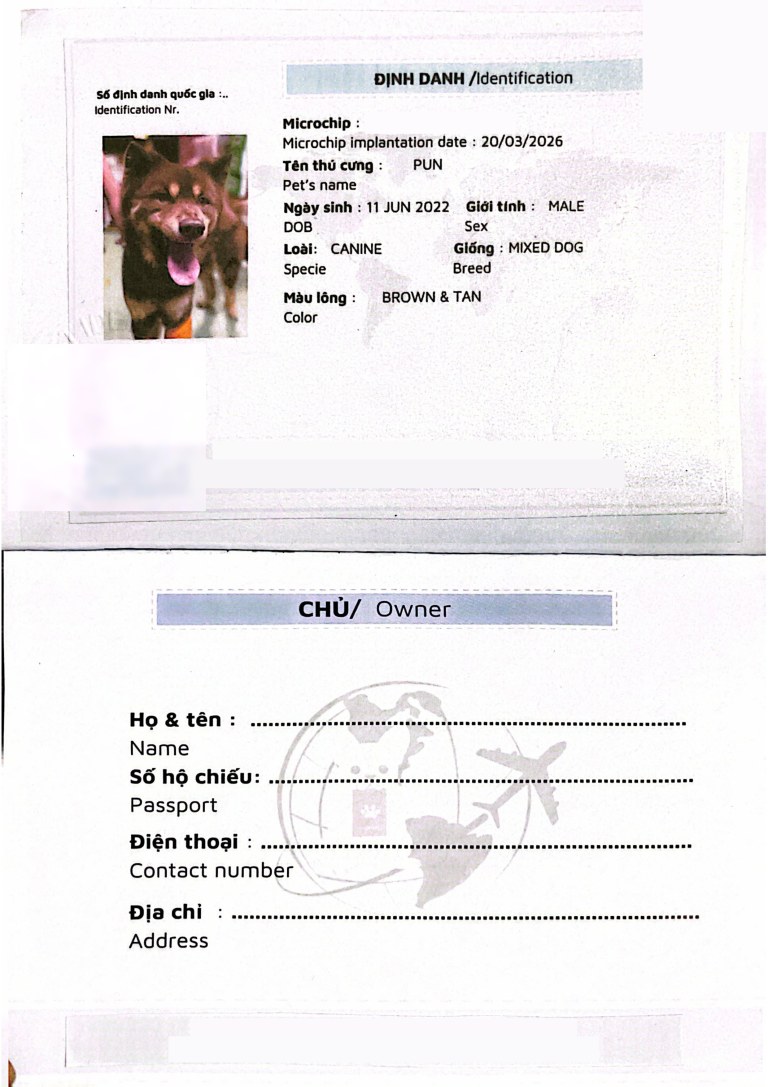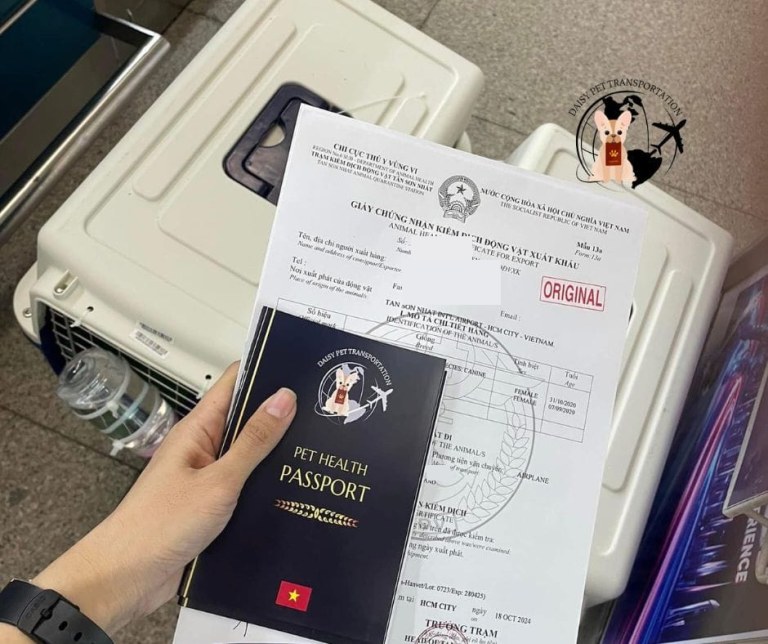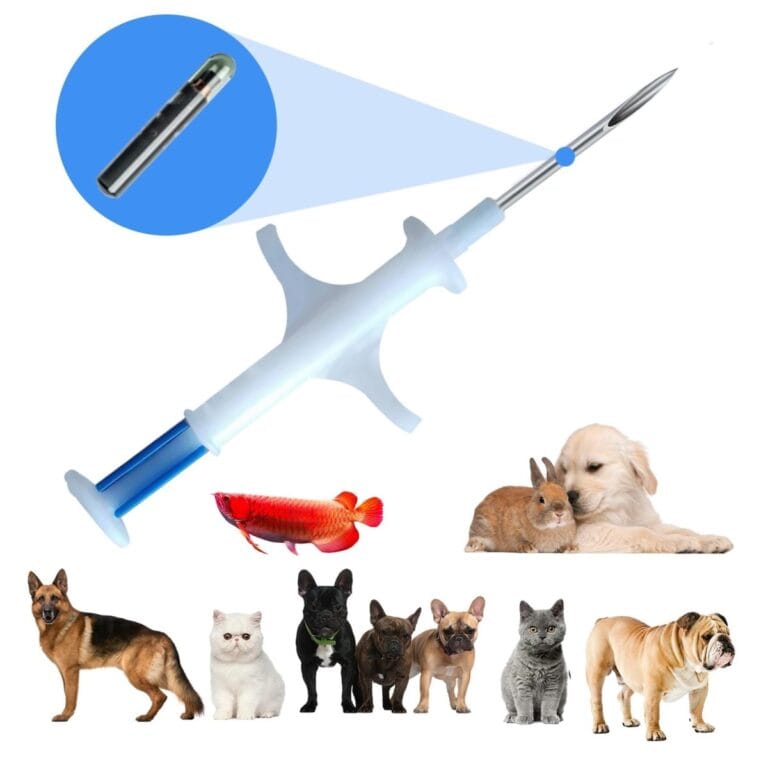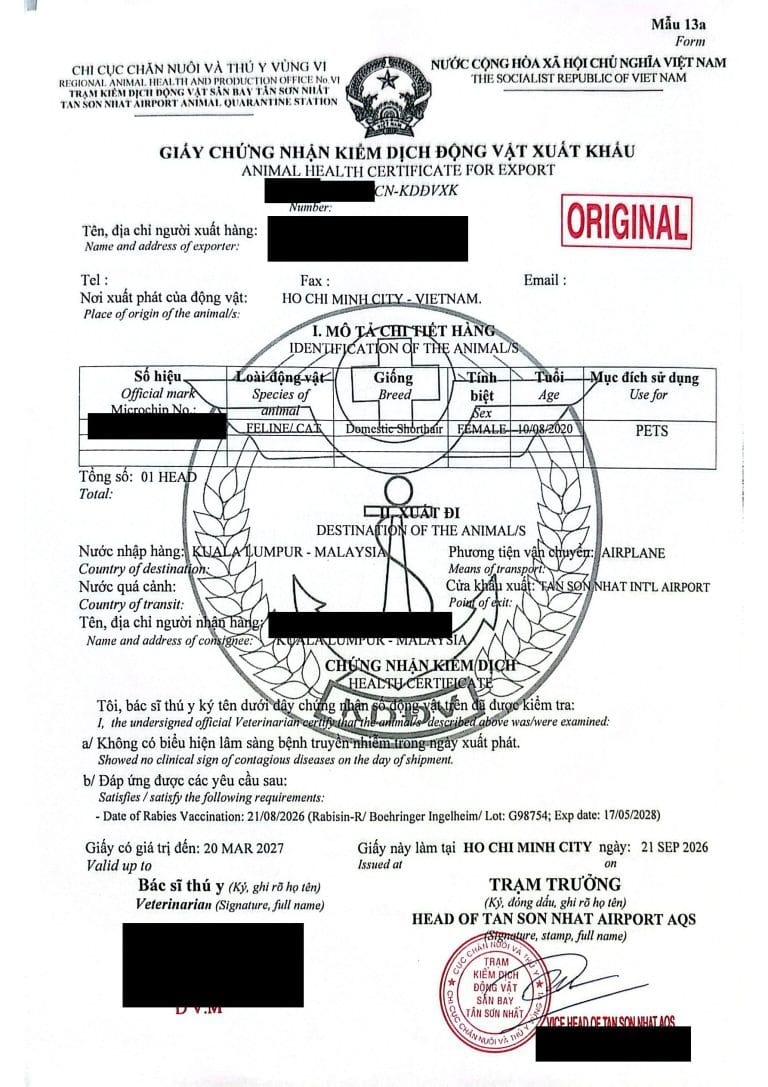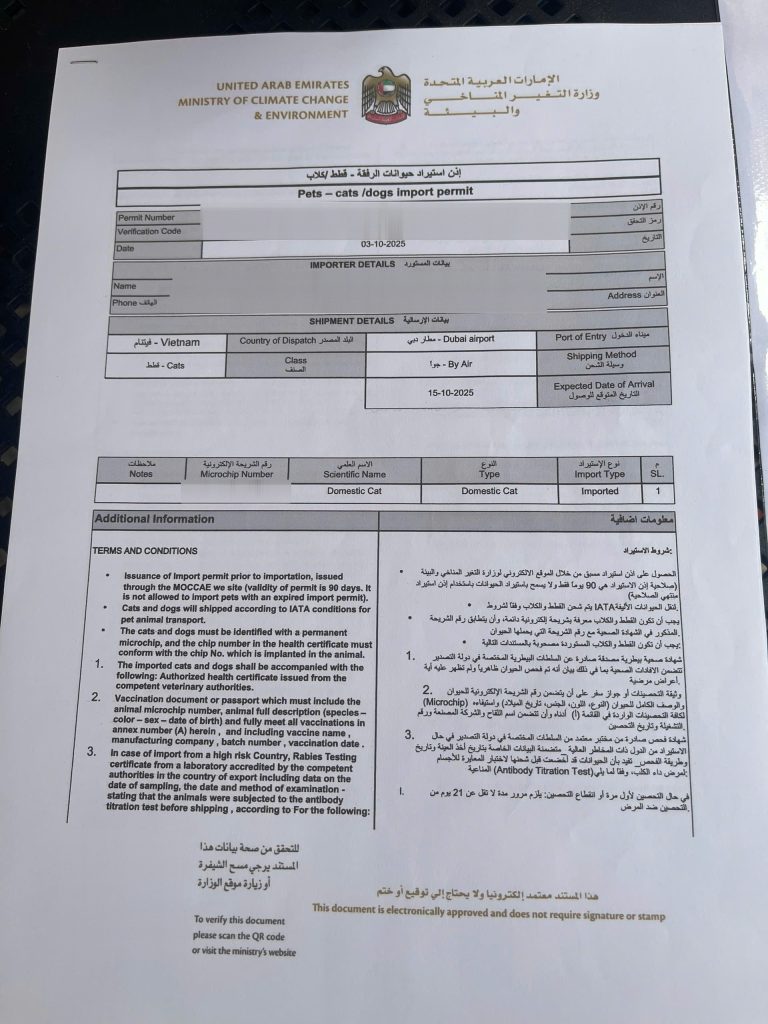
You’ve paid a company to handle your pet’s international move. The paperwork arrives in your inbox — health certificate, rabies vaccination record, titer test report — everything looks official. Stamps, signatures, certificate numbers. You feel relieved.
But here’s a question most pet owners never think to ask: how do you know those documents are real?
In the pet relocation industry, fraudulent documents are not a theoretical risk. They are an active, growing problem — one that has accelerated since the United States tightened its CDC dog import regulations in 2024. From doctored vaccination dates to entirely fabricated USDA-endorsed health certificates, the sophistication of document fraud has evolved from amateur to industrial. This is one of the key reasons why choosing a reputable relocation company matters far more than most owners realize.
This guide is not about scaring you. It is about giving you the tools to protect yourself — and your pet — before you arrive at the airport with a stack of paper that could get you detained, fined, or sent home. For an overview of what legitimate documentation looks like, see our guide on required documents for international pet transport.
Who Is at Risk?
If you fall into any of these categories, this article is directly relevant to you:
- Pet owners who hired a company to prepare travel documents but have no way to verify what they received.
- Friends or family members acting as travel companions for someone else’s pet — if the documents are fake, you are the one holding them at the airport.
- Pet nannies or agents handling just one leg of a multi-stop relocation, often receiving documents from another party they’ve never met.
- Airline staff receiving paperwork at check-in counters and cargo facilities.
The legal principle is straightforward: if you are caught presenting fraudulent documents, you are liable — regardless of whether you knew they were fake. The consequences can range from denied boarding to your pet being refused at the gate — or worse, legal prosecution under biosecurity laws.
How Document Fraud Has Evolved
In the early days, fraud was crude — someone would alter a date on a rabies vaccination certificate to make it appear valid for travel. That was the equivalent of changing dates on a resume.
Today, criminal operations produce entire sets of documents: health certificates with embossed USDA stamps, titer test lab reports with matching sticker labels, vaccination records from real veterinary clinics. To use an analogy — things have evolved from editing a resume to fabricating a framed university diploma on a wall. And how many people would question a diploma hanging in a professional office?
The boldness is staggering. There exist companies that will sell you a complete USDA-endorsed health certificate — bearing an embossed stamp and signatures from both a veterinarian and a USDA officer — without your pet ever seeing a vet.
How to Verify a USDA-Endorsed Health Certificate
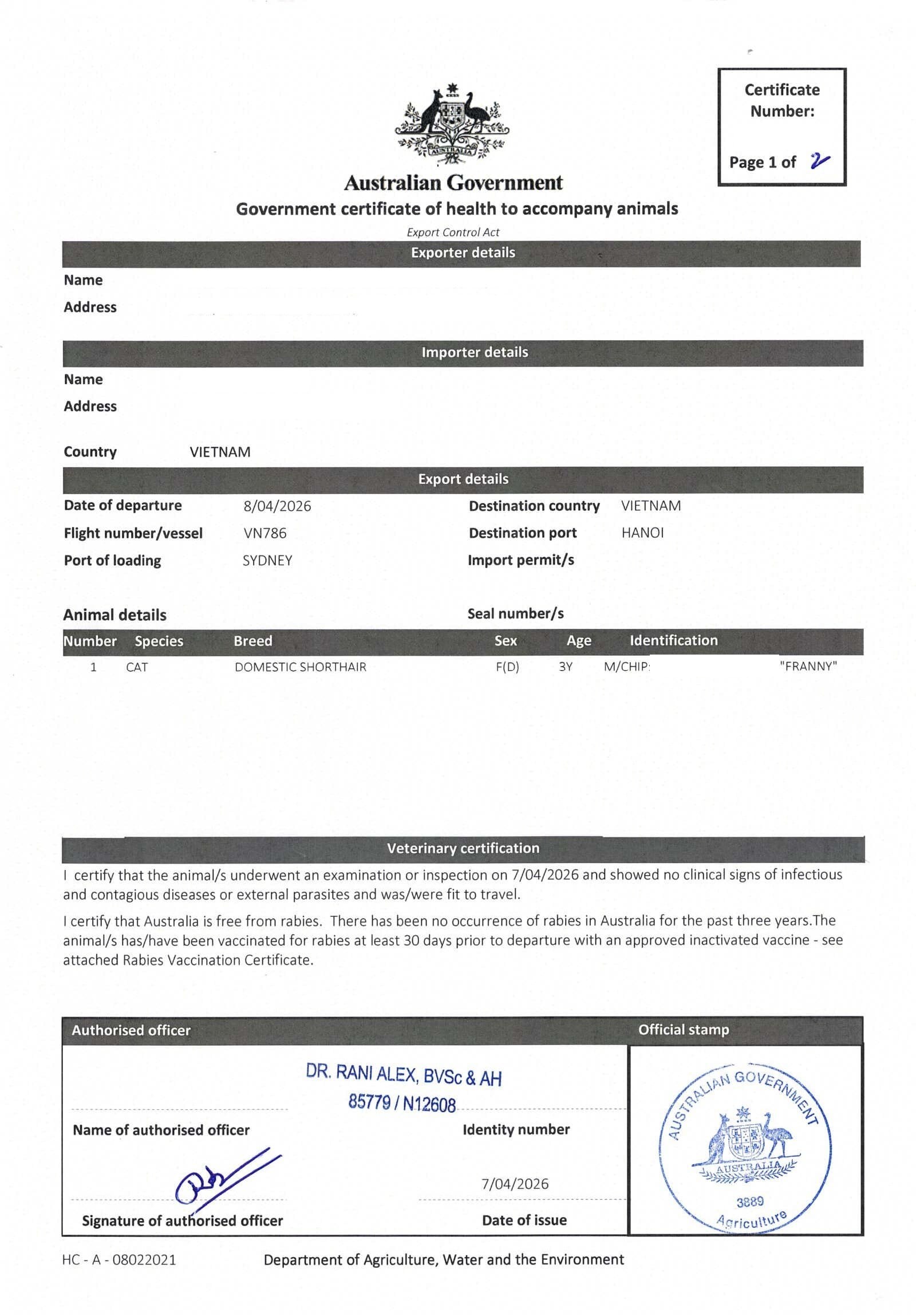
For pets traveling from the United States to another country, almost every destination requires the health certificate to be endorsed by the USDA. After a veterinarian examines your pet and issues the certificate, it must be further endorsed by a USDA Veterinary Services office. Depending on the importing country, this endorsement can be digital or physically embossed.
Countries like Australia — with strict biosecurity protocols and direct communication channels with USDA — make forgery difficult. But destinations like China, Hong Kong, and South Korea have historically been more vulnerable, with fake certificates becoming disturbingly common on certain routes.
Step-by-step verification:
- Locate the certificate number. After USDA endorsement, each health certificate is assigned a unique certificate number, typically printed on the top right corner of the first page.
- Visit the VEHCS Certificate Viewer. The Veterinary Export Health Certificate System (VEHCS) now maintains a public database of all health certificates endorsed by the USDA since early 2024. Access it at: APHIS Pet Travel (usda.gov)
- Enter the certificate number, destination country, and security captcha.
- Cross-reference the details. Because certificate numbers could potentially be reused by criminals, verify that the pet’s name, breed, microchip number, and travel dates on the VEHCS results page match the document in your hands.
- View the original scan. Click “View Certificate” to see the actual scan from USDA’s database and compare it directly against what you received.
If the certificate number returns an error — you are very likely holding a fake.
How to Verify Rabies Titer (FAVN) Lab Reports
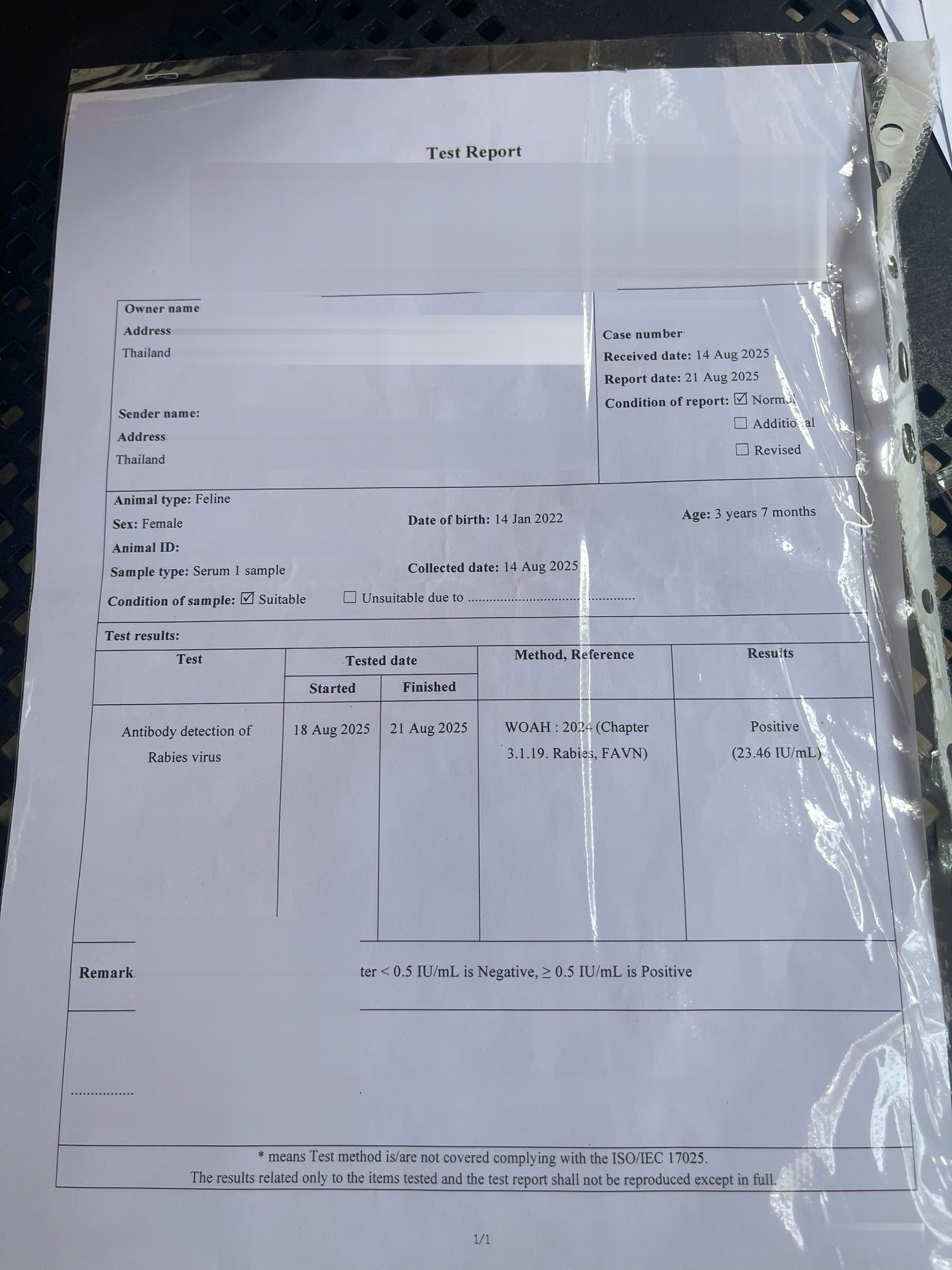
The rabies titer test (FAVN or RNATT) is required by many countries — including Japan (with its mandatory 180-day waiting period), Australia, and the EU — to prove your pet has adequate rabies antibodies. Fake lab reports do exist, and we have encountered them in practice.
The two most commonly used laboratories that produce FAVN reports are:
- Kansas State University (KSU): Their verification portal allows you to search by sample ID or microchip number. Visit: Rabies Search (k-state.edu)
- PetMicrochipLookup: The current industry-standard unified microchip lookup portal. Visit: petmicrochiplookup.org
Like the health certificate verification, cross-reference every detail — microchip number, test dates, pet name, and result values. We have encountered cases where a microchip search returned a valid result, but the dates did not match the report. The reason: the owner had genuinely submitted a sample but could not wait for the results, and resorted to purchasing a fabricated report to meet a travel deadline. The test was real; the document was not.
How to Verify Rabies Vaccination Certificates
This is perhaps the easiest document to fake — and the hardest to verify remotely. Unlike health certificates and lab reports, there is no universal online portal to check a vaccination record. Understanding the correct vaccines required for travel is the first step in spotting discrepancies.
The most reliable verification method is direct: call the veterinary clinic that issued it. Professional pet relocation companies do this as a standard operating procedure — not specifically to detect fraud, but to confirm details that are often missing from vaccination certificates (such as microchip numbers, manufacturer names, and veterinarian signatures). In doing so, they verify the pet’s identity and medical history in one step.
Be aware of one additional layer of deception: the phone number on the certificate may not belong to the clinic. We are aware of cases where a call to the number listed on a vaccination certificate was answered by someone who “confirmed” every detail — but the number did not belong to the clinic at all. When the actual clinic was contacted independently, they had no record of the pet.
This is why experienced agents verify clinic contact information through independent sources — not through the documents themselves.
Red Flags That Should Trigger Further Investigation
When you have access to a pet’s complete travel file, certain inconsistencies become visible:
- A pet registered in Ho Chi Minh City with vaccination records from a clinic in Hanoi — not impossible, but worth questioning.
- A dog’s paperwork listing cat-specific vaccines (yes, this has happened).
- Impossible vaccination manufacturer and product combinations — a brand name paired with a product that company does not produce.
- Dates that do not exist — such as February 30 or suspiciously round dates like January 1.
- Breed or age descriptions that clearly do not match a photograph of the pet.
None of these alone prove fraud. But each one is a signal — and signals deserve investigation. For more on common red flags when dealing with pet transport providers, see our cost transparency guide.
Why This Matters for Pet Owners Working with Relocation Companies
If you are hiring a company to handle your pet’s international move, document integrity is one of the most important — and least discussed — aspects of the service. A reputable company will:
- Coordinate directly with your veterinarian, not accept documents from unknown third parties.
- Verify every certificate, report, and vaccination record against its issuing authority before submission.
- Maintain a clear chain of custody for all original documents.
- Never pressure you to travel on a weekend specifically to avoid verification windows (a known tactic used by fraudulent operators).
At Daisy Pet Transport, document verification is embedded in our standard operating procedure for every international move. We coordinate directly with veterinary authorities, cross-reference every certificate number, and maintain relationships with the laboratories and government offices that issue these documents. Our clients never have to wonder whether their paperwork will survive scrutiny at the destination — because we’ve already verified it before it leaves Vietnam. This is part of what separates a professional relocation service from a simple booking agent.
If you’re preparing for an international pet move and want to ensure your documentation is bulletproof, reach out to our team. For a detailed breakdown of what a professional documentation service includes, see our pet travel documentation service.
Last updated 18 Oct 2026
Compiled by our specialists from the regulations in force on the date above, for reference only. Rules may change after this date. Please verify with the competent authorities or contact us for the most accurate information.
Official sources cited in this guide
- APHIS Pet Travel (usda.gov)aphis.usda.gov
- Rabies Search (k-state.edu)vet.k-state.edu
- petmicrochiplookup.orgpetmicrochiplookup.org