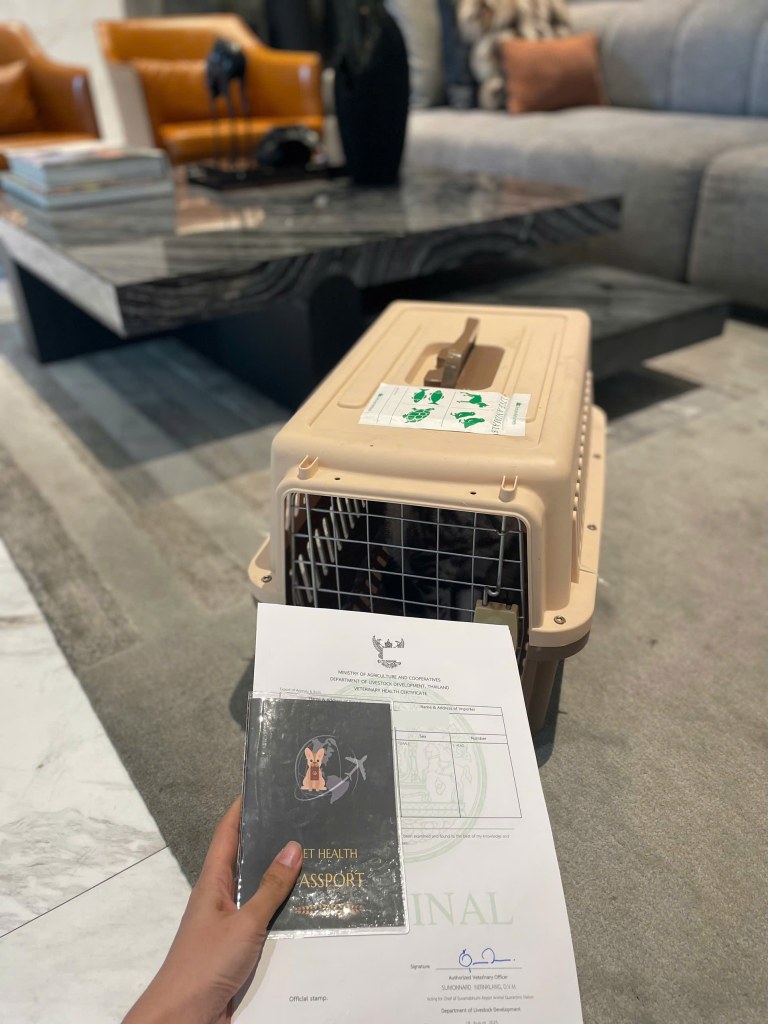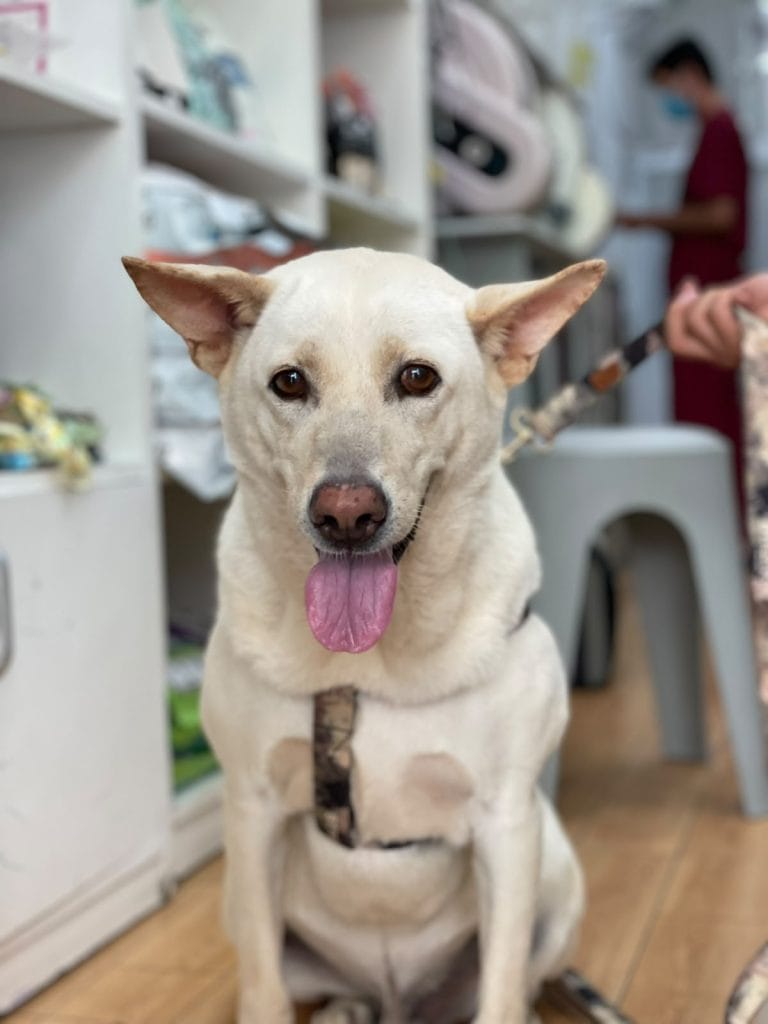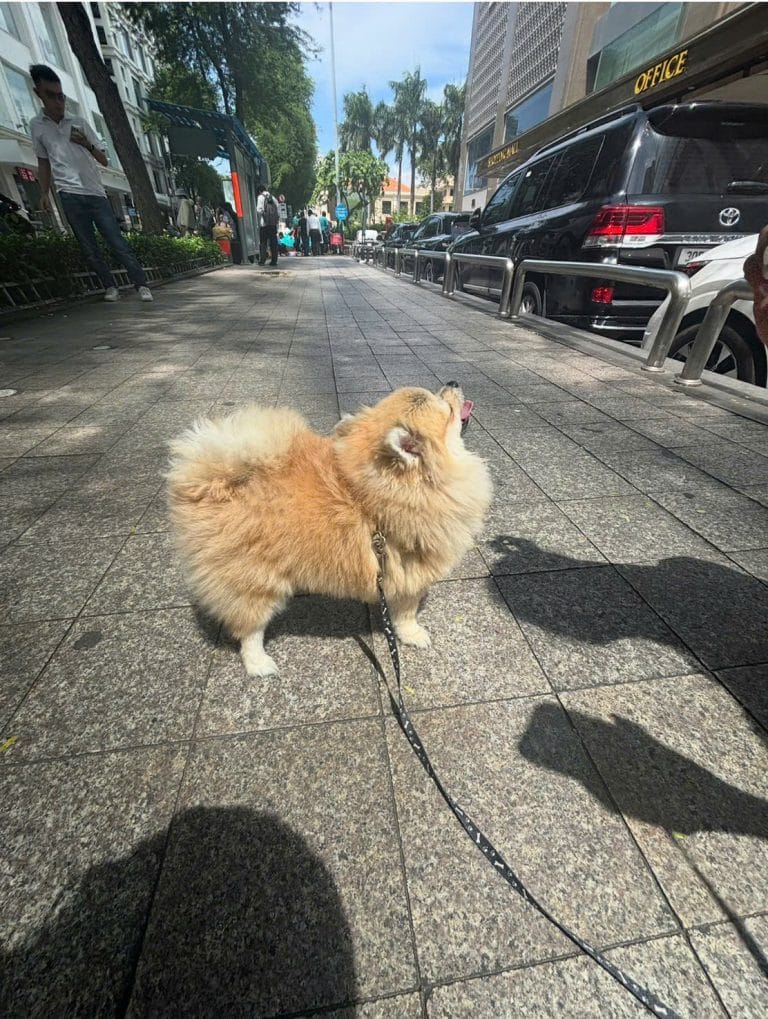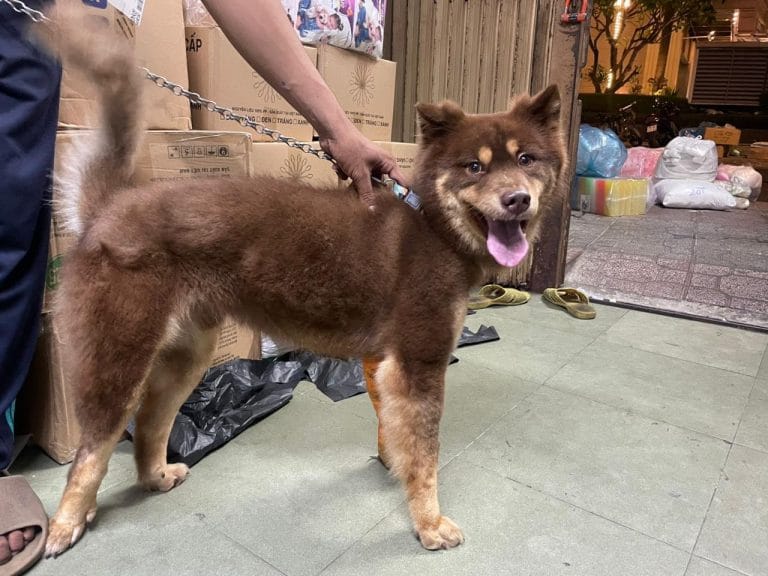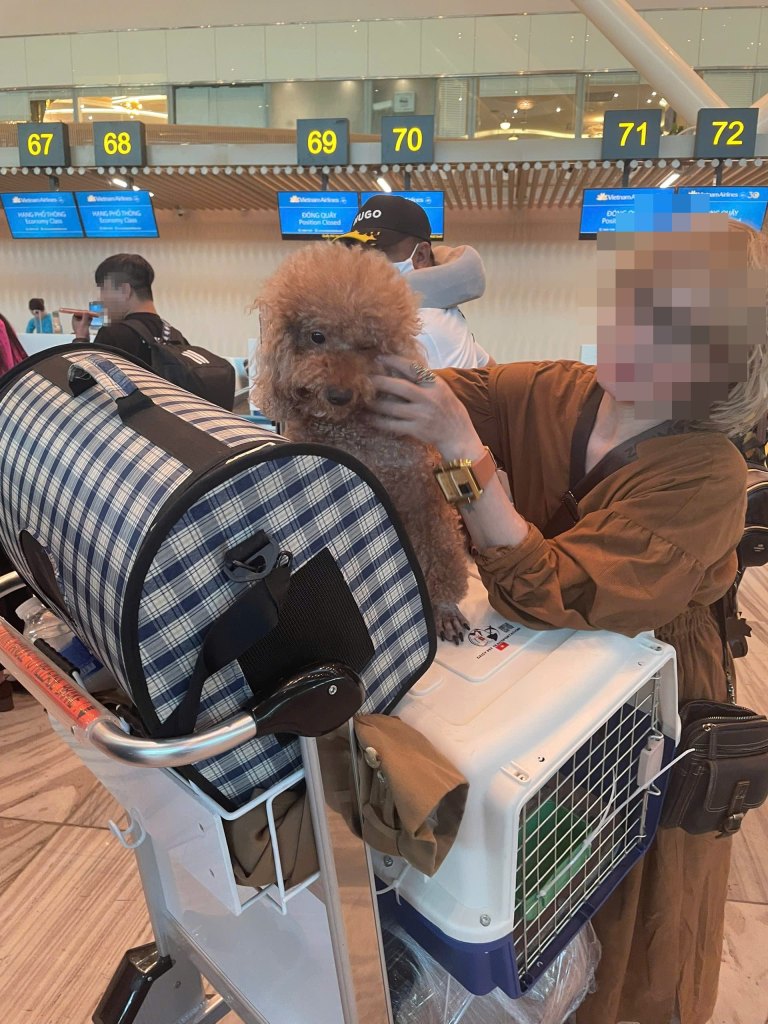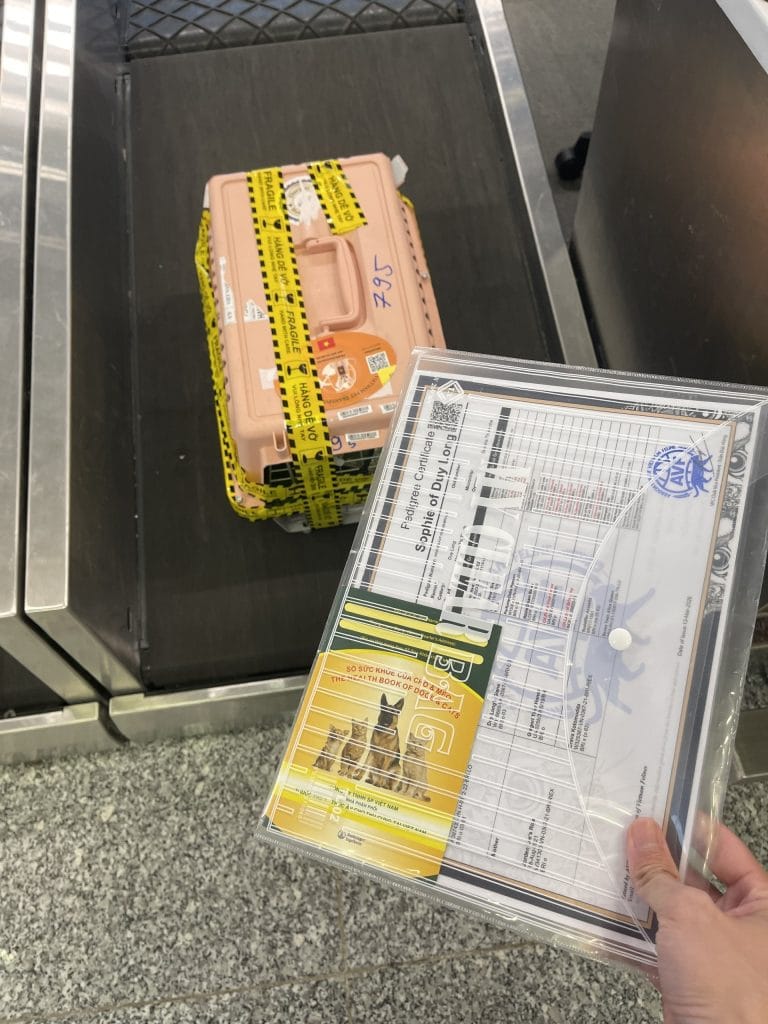
Relocating a pet to the United States is one of the most complex journeys in the world of pet travel, driven by strict biosecurity regulations. Since 2024, the U.S. Centers for Disease Control and Prevention (CDC) has enacted significant updates to dog import rules, and those changes directly shape both the process and the final cost.
At Daisy Pet Transport, we believe in full financial transparency. This guide breaks down every line item of pet relocation to the USA in 2026 — from the first microchip to the final Animal Care Facility fee — so you can budget accurately for your furry family member with no surprises.
One number to keep in mind from the start: a dog almost always costs more than a cat. That gap is not arbitrary — it comes from a specific chain of dog-only requirements (RNATT titer testing, the CDC Dog Import Form, and a mandatory Animal Care Facility). We explain exactly where every dollar goes below.
Looking for the other direction? This breaks down costs to ship a pet FROM Vietnam TO the USA. If you’re instead bringing a pet INTO Vietnam, see our Cost to Ship a Pet to Vietnam guide.
Estimated Total Cost (Price Range)
In Daisy’s 2026 quotes, the cost of a move to the USA depends on two things: whether the pet is a dog or a cat, and whether it flies with you or as manifest cargo. Prices are per pet, in USD.
| Pet and Travel Method | Price in 2026 Quotes (USD) | Not Included |
|---|---|---|
| Cat, flying with you | $350 – $450 | Airline pet fee, crate. No RNATT, no CDC form, no ACF. |
| Cat, manifest cargo | $2,350 – $2,900 | US-side customs clearance, crate. |
| Dog, flying with you | $1,350 – $1,550, titer test included | ACF fee ($1,500 – $2,000), airline cargo warehouse fee ($300 – $500), airline pet fee, crate. |
| Dog, manifest cargo | about $5,600 – $6,300 for a small dog, ACF fee included (estimated from Daisy’s 2026 quote line items) | US-side customs clearance, crate. Large dogs are quoted case by case. |
*These prices are estimates. The actual cost depends on your pet’s specific details: weight, crate dimensions, breed, and whether they already have a microchip, valid rabies vaccine, and core vaccinations. For a personalised quote and a detailed relocation plan, fill out our Get a Quote form. For the full legal requirements behind each fee, see our USA pet import laws guide 2026.
The Complete Cost Breakdown — Line by Line
Here is how the total is built up, component by component. The “Not required” rows for cats are precisely why a cat relocation lands at the lower end of the range.
| Cost Component | Dog (USD) | Cat (USD) | Notes |
|---|---|---|---|
| ISO microchip | $15 – $30 | $15 – $30 | Must be implanted before the rabies vaccine. |
| Rabies + core vaccinations | $30 – $80 | $30 – $80 | Boosters if the existing vaccine is near expiry. |
| Export Health Certificate (DAH) | $80 – $200 | $80 – $200 | Issued 5–10 days before departure. |
| RNATT rabies titer test | about $550 | Not required | CDC-approved U.S. lab + international sample shipping. |
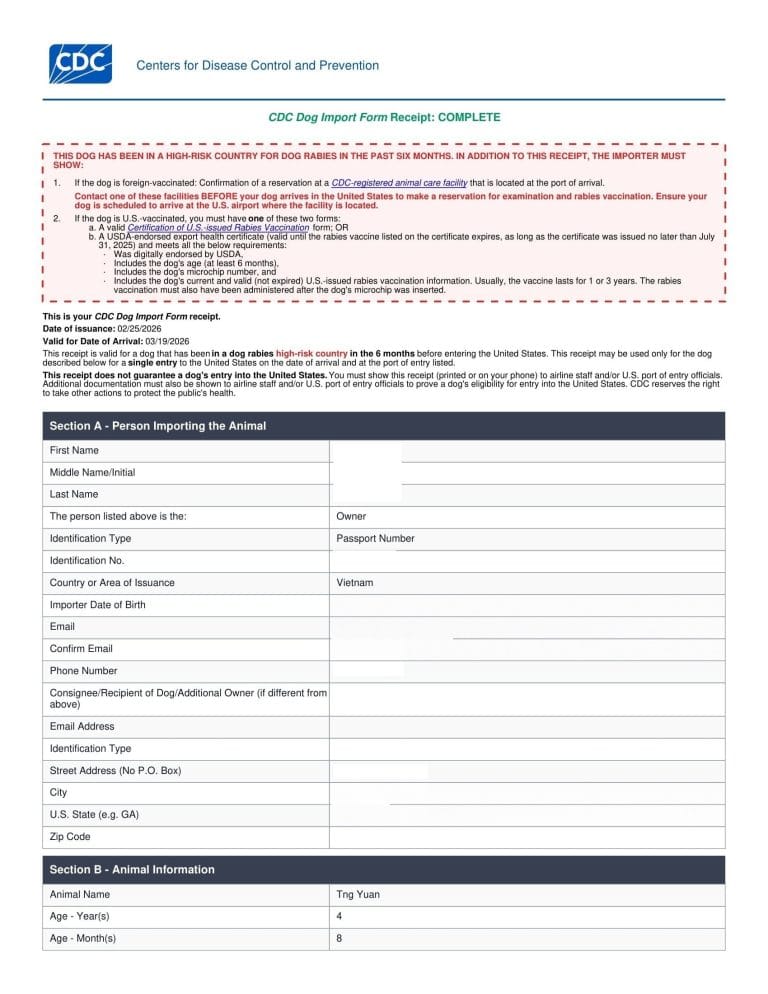
| CDC Dog Import Form | $0 (online) | Not required | The form is free; the cost sits in the ACF below. |
| Animal Care Facility (ACF) reservation | $1,500 – $2,000 | Not required | CDC third-party fee for same-day exam + mandatory U.S. rabies booster. |
| IATA-compliant travel crate | $70 – $350 | $70 – $200 | Larger / snub-nosed breeds need bigger crates. |
| Airline freight | Cargo: about $2,200 for a small dog crate (68 × 47 × 47 cm) | Cargo: $1,200 – $2,400 | Cargo freight from 2026 quotes; add about $520 for the air waybill, export customs and handling. Flying with you, the airline charges a pet fee at check-in instead. |
| Airline cargo warehouse fee (accompanied dogs only) | $300 – $500 | Not required | New CBP requirement, 2026 — paid to the airline’s cargo warehouse before the ACF releases the dog. Does not apply to manifest cargo (already covered by freight) or to cats. Confirmed at LAX only — unknown at the other 7 ACF airports. |
1. Documents and Veterinary Procedures in Vietnam ($250 – $500 USD)
This covers the legal foundation for your pet to exit Vietnam. Fees include the ISO-compliant microchip ($15–30), rabies and core vaccinations, the general examination, and the official Export Health Certificate endorsed by the regional Animal Health Office (Chi cục Chăn nuôi và Thú y vùng). For dogs, that appointment also stamps the government rabies form at the same visit.
2. Rabies Titer Test — RNATT ($550 – $750 USD, dogs only)
Because Vietnam is classified as a high-risk country for rabies, every dog needs a passing RNATT (titer test) result of ≥ 0.5 IU/mL from a CDC-approved laboratory. Vietnam has no approved titer lab, so blood samples are shipped to a CDC-approved laboratory in the U.S. — the international courier is a meaningful part of this cost. Cats skip this step entirely.
3. Airline Freight Charges ($1,200 – $2,400 USD for a Small Crate as Cargo)
This is usually the single largest variable in the whole budget, and it depends entirely on how your pet flies:
- Accompanied (in-cabin / checked baggage): If you fly with your pet, the cost is typically lower, billed at the airline’s excess-baggage rate. This is often treated as non-commercial, keeping taxes and duties minimal. ⚠️ Note: Hong Kong (HKG) does not permit pets to transit as in-cabin or checked baggage — cargo-only transit is allowed there. If your itinerary routes through HKG and you intend to travel with your pet, that routing will not work. See our USA airlines guide before booking any flight.
- Manifest cargo: The pet travels independently under its own Air Waybill (AWB). This is commercial shipping — higher freight rates plus mandatory U.S. import handling. Large dogs (typically over 32 kg combined with crate) almost always travel this way.
4. IATA-Compliant Travel Crate ($70 – $350 USD)
To be accepted for air travel, the crate must meet IATA CR1 standards. Snub-nosed breeds and large dogs require oversized crates — which, in turn, push the airline freight cost upward because pricing is volume-based.
5. CDC Dog Import Form & ACF Reservation ($1,500 – $2,000 USD, dogs only)
The CDC Dog Import Form is submitted online at no cost — you receive a barcode receipt, then use that receipt (with the airline ticket, vaccination records, and pet photos) to email an Animal Care Facility and confirm your reservation. The ACF fee covers the veterinary exam and mandatory U.S. rabies revaccination on arrival, and is paid directly to the facility. For the step-by-step process, see our CDC Dog Import Form guide and ACF reservation guide.
6. Airline Cargo Warehouse Fee — New in 2026 ($300 – $500 USD, accompanied dogs only)
As of September 2026, dogs traveling In-Cabin or as Checked Baggage from a high-risk rabies country are no longer released to the ACF directly at the terminal. A CBP policy change — first reported by Rue’s Kennels, the ACF at LAX — now requires these dogs to be sent to the airline’s cargo warehouse first. The warehouse charges its own handling fee, separate from and in addition to the ACF fee above, before it will release the dog: roughly $300–500, depending on the airline (EVA Air charged $350 at LAX). This fee does not apply to manifest cargo, which has always used warehouse handling as part of its normal freight cost. Confirmed at LAX only — Daisy Pet does not yet have fee data for the other 7 ACF airports (JFK, MIA, ATL, PHL, IAD, DFW, SEA). Budget for the possibility of a similar fee if travelling on this pathway through any of them, but treat the exact amount as unconfirmed outside LAX. See our arrival process guide for the full step-by-step.
Why a Dog Costs More Than a Cat
The entire price gap between a dog and a cat traces back to one fact: the CDC treats dogs from high-risk rabies countries with a full compliance pathway, while cats face almost none of it. A dog adds three cost layers a cat never touches — the RNATT titer test (about $550), the CDC Dog Import Form process, and the mandatory Animal Care Facility fee ($1,500–2,000, with the risk of far more if quarantine is triggered). Dogs are also, on average, heavier, which raises both crate and freight costs. Stack those together and a small dog flying with its owner costs about $2,700–$3,700 more than a cat flying the same way, before the airline’s pet fee.
Cabin vs. Cargo: Three Cost Scenarios from 2026 Quotes
Ranges are easier to budget against when they are tied to a specific pet. The three examples below are built from Daisy’s 2026 quotes:
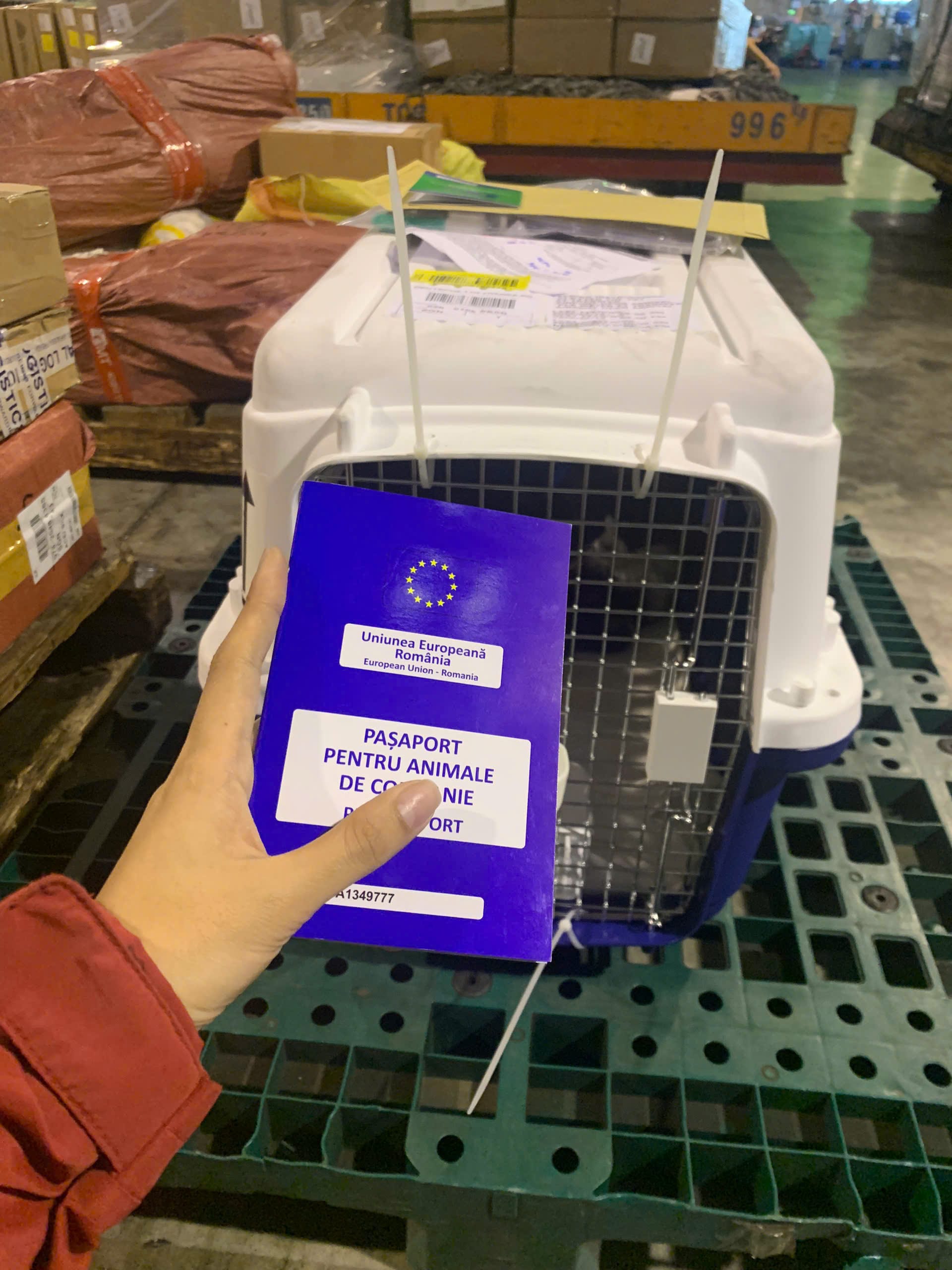
- Scenario A — Cat, ~5 kg, SGN → LAX, flying with its owner: Daisy’s fees of $350–450 for the Vietnam-side documents; no RNATT, CDC form or ACF. Estimated total: $350 – $450, plus the airline’s pet fee and a crate.
- Scenario B — Small dog, ~6 kg, SGN → LAX, manifest cargo in a 68 × 47 × 47 cm crate: freight with air waybill, customs and handling ~$2,700, documents and titer test ~$1,350–1,550, ACF ~$1,500–2,000. Estimated total: $5,600 – $6,300 (from Daisy’s 2026 quote line items), plus US-side customs clearance and a crate. Large dogs are quoted case by case; on other long-haul routes, freight alone for a medium or large crate ran $5,500–$7,500 in 2026.
- Scenario C — Small dog, ~7 kg, SGN → LAX, checked baggage on a carrier that accepts dogs on US routes: documents and titer test ~$1,350–1,550, ACF ~$1,500–2,000, airline warehouse fee ~$300–500. Estimated total: $3,150 – $4,050, plus the airline’s pet fee and a crate.
Hidden Costs Owners Often Forget
The headline ranges assume everything goes to plan. Budget a buffer for the items that catch families off guard:
- RNATT re-test: if the titer comes back below 0.5 IU/mL, you need a booster, a fresh 30-day wait, and a repeat lab test — roughly $600+ and weeks of delay.
- 28-day ACF quarantine: the most expensive outcome of all. Triggered by a missed step, wrong sequence, or incomplete paperwork — it can add $2,000–4,000+ at the owner’s expense. Getting the documents right is the biggest cost-saver in this entire process.
- Domestic onward flight: dogs can only land at 8 ACF airports (JFK, LAX, MIA, ATL, PHL, IAD, DFW, SEA). If your final city isn’t served by these airports — such as Chicago or Boston — add a connecting domestic flight (~$200–600).
- Boarding during the 4–6 month prep window and international wire/currency fees when paying U.S. labs and facilities.
How to Keep Your USA Pet Relocation Cost Down
- Start 5–6 months early. Rushing forces express courier and rush-lab premiums — the calendar is your cheapest tool.
- Microchip before the rabies vaccine. Reverse that order and the CDC invalidates the vaccine — you restart the entire rabies course, losing months and money.
- Travel accompanied where feasible. Checked-baggage rates are usually well below manifest cargo — just confirm your routing avoids the HKG transit limitation.
- Right-size the crate. Oversizing raises volumetric freight; a correctly fitted IATA crate keeps the biggest cost line in check.
- Use one combined DAH appointment for the Health Certificate and CDC form endorsement instead of two separate visits.
💡 Expert Insight: “Safety and perfectly prepared documents that prevent entry refusal are the most important cost-saving factors in the long run.” — Daniel Pham, Founder of Daisy Pet Transport.
USA Pet Shipping Cost — FAQ
How much does it cost to ship a dog from Vietnam to the USA in 2026?
A small dog flying with its owner costs about $3,150–$4,050 before the airline’s pet fee: $1,350–$1,550 for the Vietnam-side work and titer test, $1,500–$2,000 for the Animal Care Facility, and a $300–$500 airline warehouse fee. As manifest cargo, a small dog costs an estimated $5,600–$6,300 with the ACF fee included, based on Daisy’s 2026 quote line items.
Why is shipping a cat cheaper than a dog?
Cats are exempt from the RNATT titer test, the CDC Dog Import Form, and the Animal Care Facility requirement — three dog-only cost layers. They are also usually lighter, which lowers crate and freight costs.
Is the CDC Dog Import Form expensive?
No — the form itself is free to submit online. The real cost is the Animal Care Facility reservation ($1,500–2,000 for same-day processing, the CDC’s third-party inspection fee) that the barcode receipt unlocks.
What is the single biggest cost driver?
Airline freight. Manifest cargo for a small crate ran $1,200–$2,400 in Daisy’s 2026 quotes, and freight for a medium or large crate on long-haul routes reached $5,500–$7,500 on its own.
For a step-by-step view of when each cost occurs during preparation, see our Vietnam to USA pet shipping timeline. For the most common questions answered in depth, see our USA pet import FAQ 2026, or read the full requirements on our pet shipping from Vietnam to the USA service page.
Last updated 16 Oct 2026
Compiled by our specialists from the regulations in force on the date above, for reference only. Rules may change after this date. Please verify with the competent authorities or contact us for the most accurate information.
Official sources cited in this guide
- CDC Dog Import Formcdc.gov