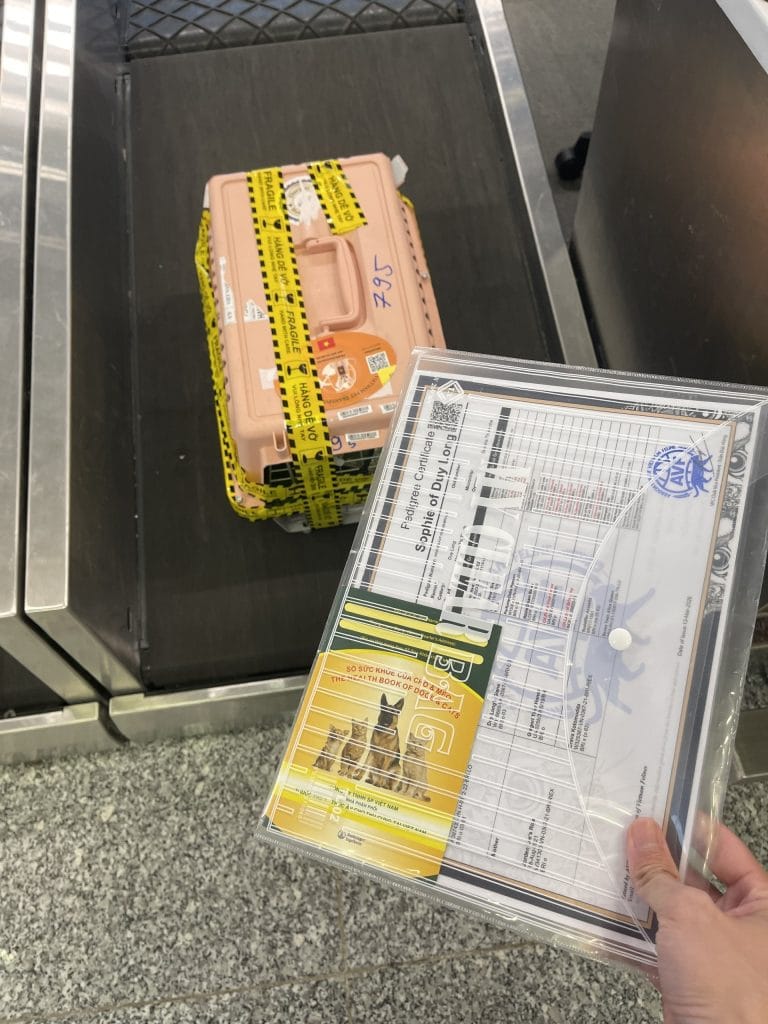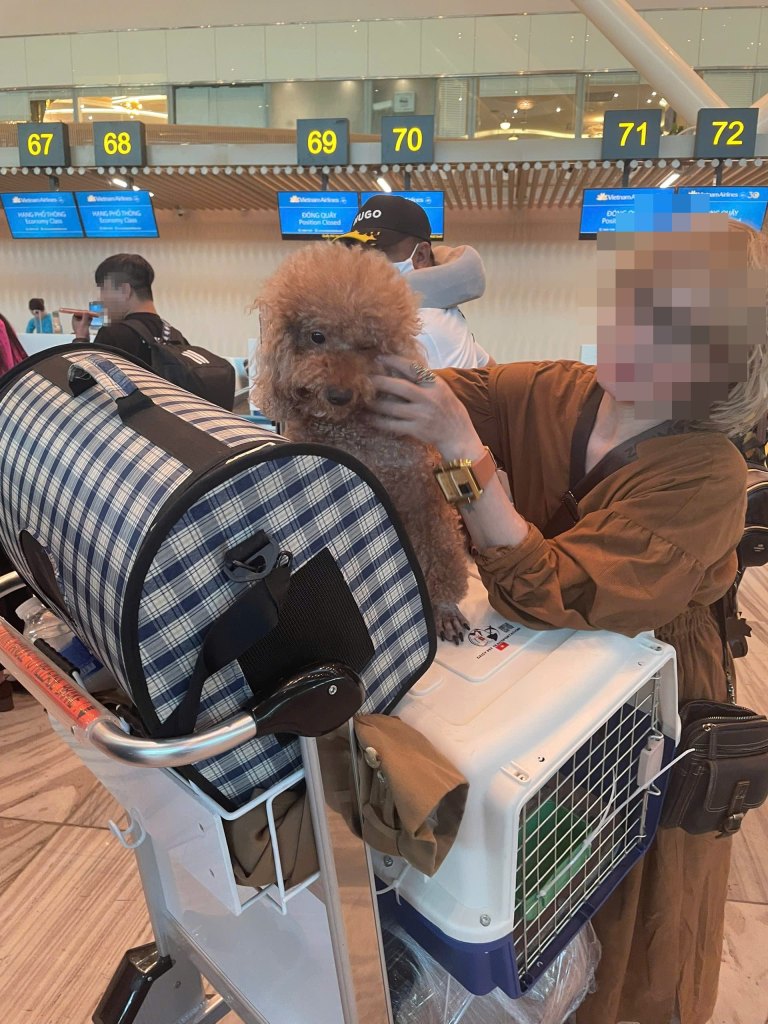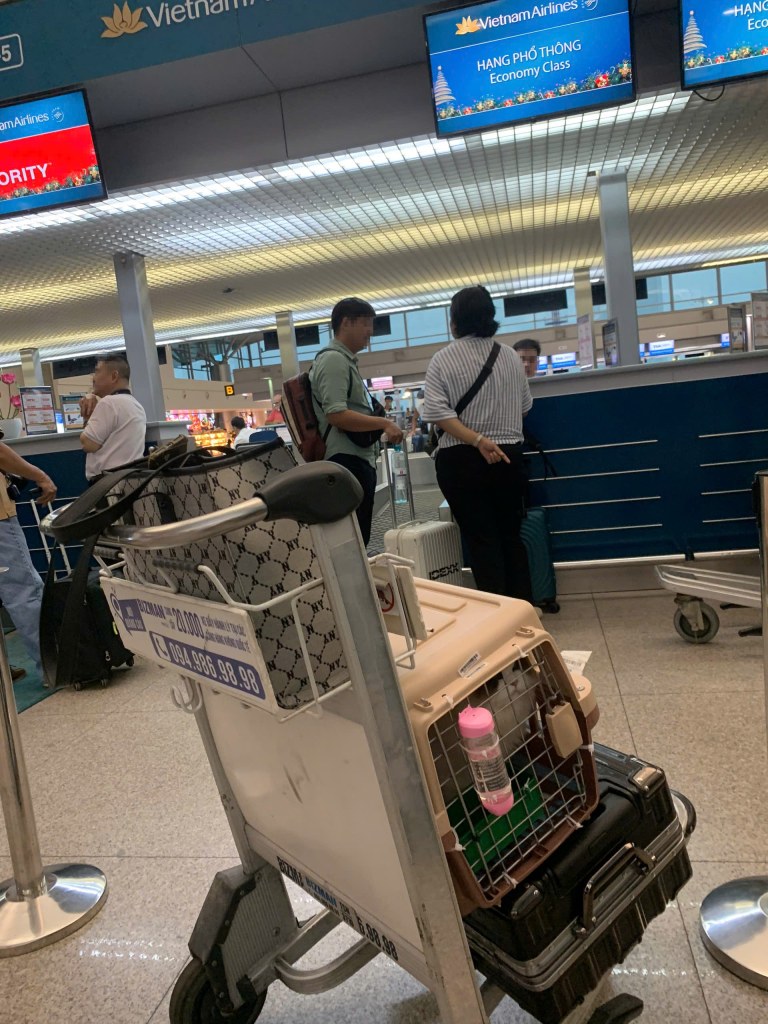
Whether you are a returning Vietnamese American heading back to the US after years abroad, a foreign national finishing an assignment in Vietnam, or a family making a permanent move, bringing your dog or cat to the USA from Vietnam involves one of the most regulated pet import processes in the world. The CDC’s high-risk country classification for Vietnam means your dog faces a multi-month compliance pathway before it can legally board a flight. This guide is written specifically for people in the middle of a relocation — who need to know not just what the rules are, but when to act, in what order, and what changes when you are moving permanently rather than just shipping a pet.
For the full technical regulatory detail, see our USA Pet Import Laws 2026 guide. For the complete step-by-step preparation timeline, see our Vietnam to USA pet shipping timeline.
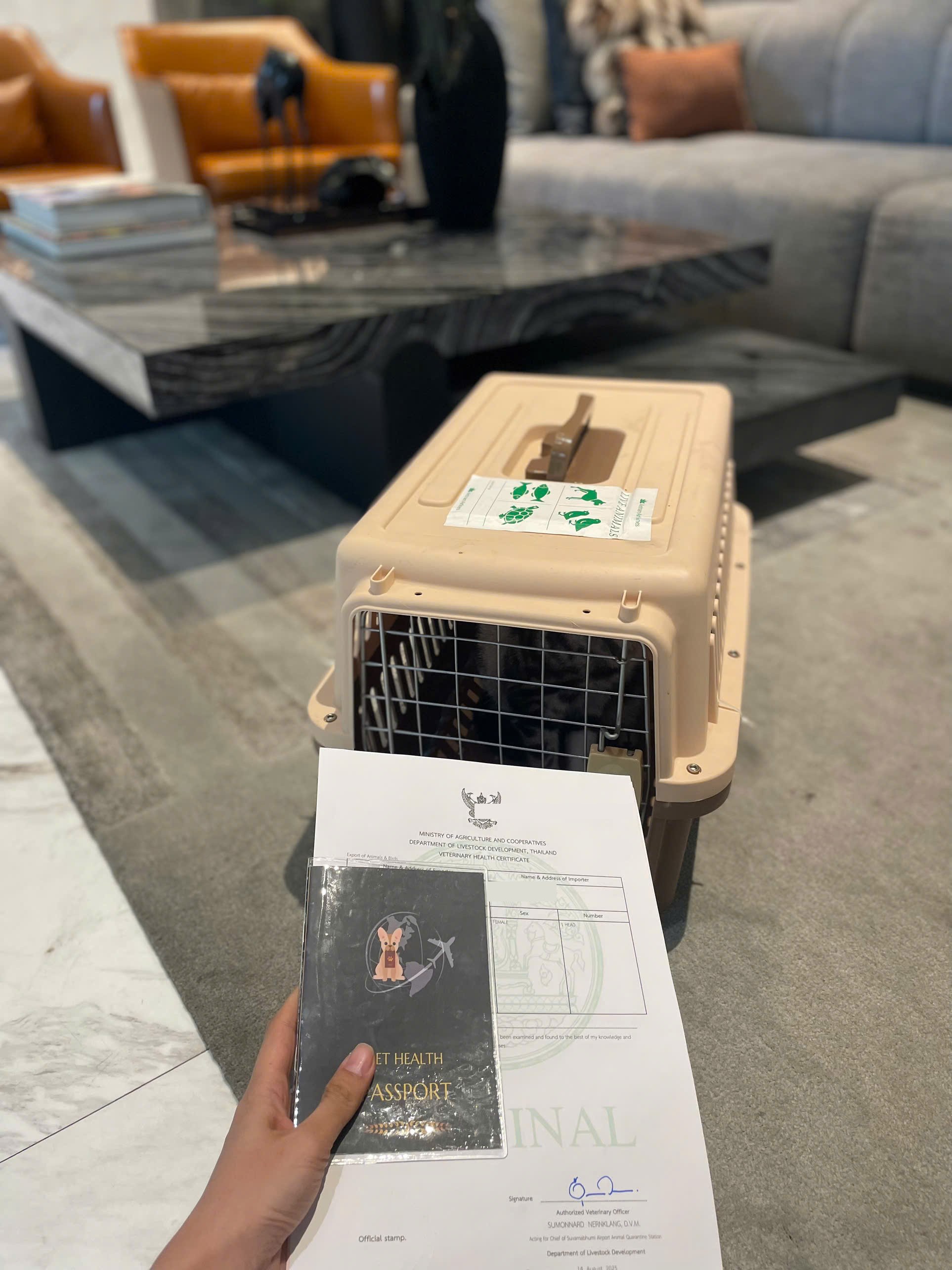
Part 1: Why Relocation Is Different from a Simple Pet Shipment
When a pet owner in Vietnam ships a dog to a family member in the USA, the logistics involve one animal, one destination, and a flexible timeline. When you are relocating, the variables multiply: you have a move date set by an employer, a lease starting on a specific day, children starting school, and shipping containers already booked. The pet’s travel timeline must fit within constraints you cannot move. This creates a planning problem that catches many relocating families off-guard.
The most common mistake: assuming the pet can simply travel with the family, or a few weeks after. The reality for a dog from Vietnam is that the full compliance process — starting from the FAVN/RNATT titer test — requires a minimum of 5–6 months from scratch if the titer has never been done. A family with 3 months until their move date who has not yet started the pet’s compliance process cannot make that timeline work without either leaving the pet behind temporarily or accepting a 28-day quarantine at the US ACF.
Part 2: Start Here — The Non-Negotiable Timeline Anchor
Everything in the Vietnam–USA dog compliance process is anchored to the FAVN/RNATT titer test. Here is why it sets the minimum timeline:
- The dog must be vaccinated against rabies with an ISO-chipped microchip in place before vaccination.
- After the rabies vaccination, the dog must wait a minimum of 30 days before the blood draw for the titer test — and that blood draw must also occur at least 28 days before the US entry date. Both conditions are mandatory: the draw must be ≥ 30 days post-vaccination AND ≥ 28 days before the flight arrival date.
- The blood sample must be processed by a CDC-approved laboratory. No laboratory in Vietnam is on the CDC list yet, so the sample is shipped to an approved laboratory overseas, with results taking 2–4 weeks.
- The titer result must show ≥ 0.5 IU/mL. If the result is below threshold, the dog must be re-vaccinated, wait 30 more days, and test again.
The total minimum time from starting the process to a confirmed valid titer is approximately 8–12 weeks. This is the non-negotiable planning horizon for any family moving to the USA with a dog from Vietnam.
Practical implication: Start the titer process at the moment you know you are moving — even if the move date is 12 months away. The titer result remains valid for the lifetime of that vaccination (which typically expires after 1–3 years depending on the product used), so starting early carries no downside.
Part 3: The Full Relocation Checklist — Months Before Departure
6+ months before departure:
- Confirm microchip is ISO 11784/11785 compatible. If not, implant a new chip now.
- Administer or update rabies vaccination (administered after microchip is verified in place).
- Schedule the FAVN/RNATT blood draw 30 days after vaccination.
- Identify your target US city and nearest ACF airport (JFK, LAX, MIA, ATL, PHL, IAD, DFW, or SEA).
- Begin researching airlines serving your target ACF airport from Vietnam.
4–5 months before departure:
- Receive FAVN/RNATT titer result. If valid (≥ 0.5 IU/mL), proceed to next steps. If invalid, re-vaccinate and restart the 30-day wait.
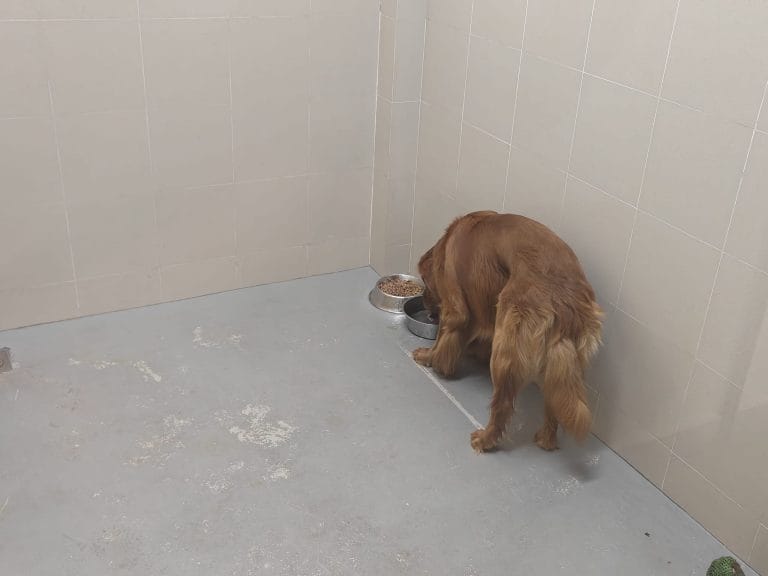
- Contact the ACF facility at your target US airport to check availability for your intended arrival window. Once you have your CDC barcode receipt, formally book the ACF slot — aim for at least 21–30 days before your arrival date, as slots fill quickly. After ACF clearance, the dog may continue on a domestic flight to any US state.
- Order the IATA-compliant crate. Measure your dog. Size the crate correctly — this takes time for large breeds.
- Begin crate training. Dogs that are comfortable in their crate handle transit significantly better.
2–3 months before departure:
- Confirm the ACF reservation with written confirmation from the facility.
- Book airline cargo space. Confirm the cargo hold can accommodate your crate dimensions.
- Arrange a freight forwarder or confirm Daisy Pet is managing the cargo booking.
- Update all vaccinations and ensure rabies vaccine has not expired (and will not expire before the US arrival date).
2–4 weeks before departure:
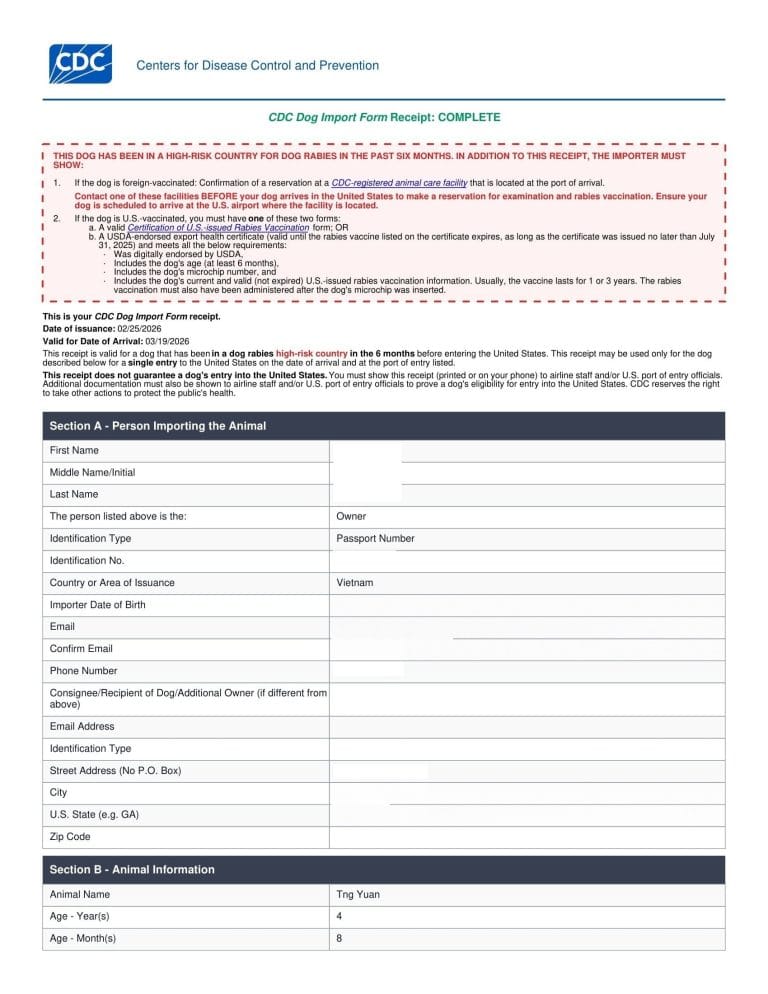
- Submit the CDC Dog Import Form online and confirm barcode receipt via email verification.
- Complete the “Certification of Foreign Rabies Vaccination and Microchip” form with your veterinarian and arrange official government veterinarian endorsement. This form is valid for only 30 days from the date the veterinarian signs it — do not have it signed more than 30 days before the flight date or it will expire before arrival.
- Present CDC barcode receipt to airline cargo desk for confirmation.
Final week before departure:
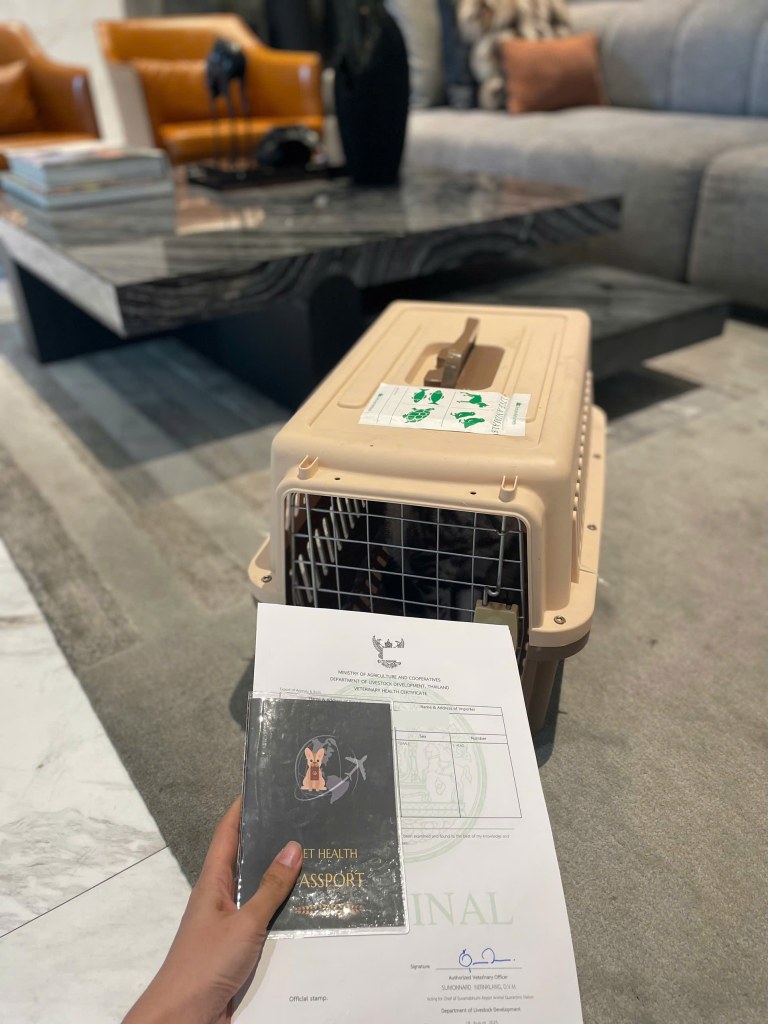
- Complete veterinary health certificate (within 10 days of flight for airlines; confirm specific requirement with your carrier).
- Schedule DAH export health certificate appointment (within 5 days of flight).
- Confirm all documents are complete, signed, and physically organised for the cargo drop-off.
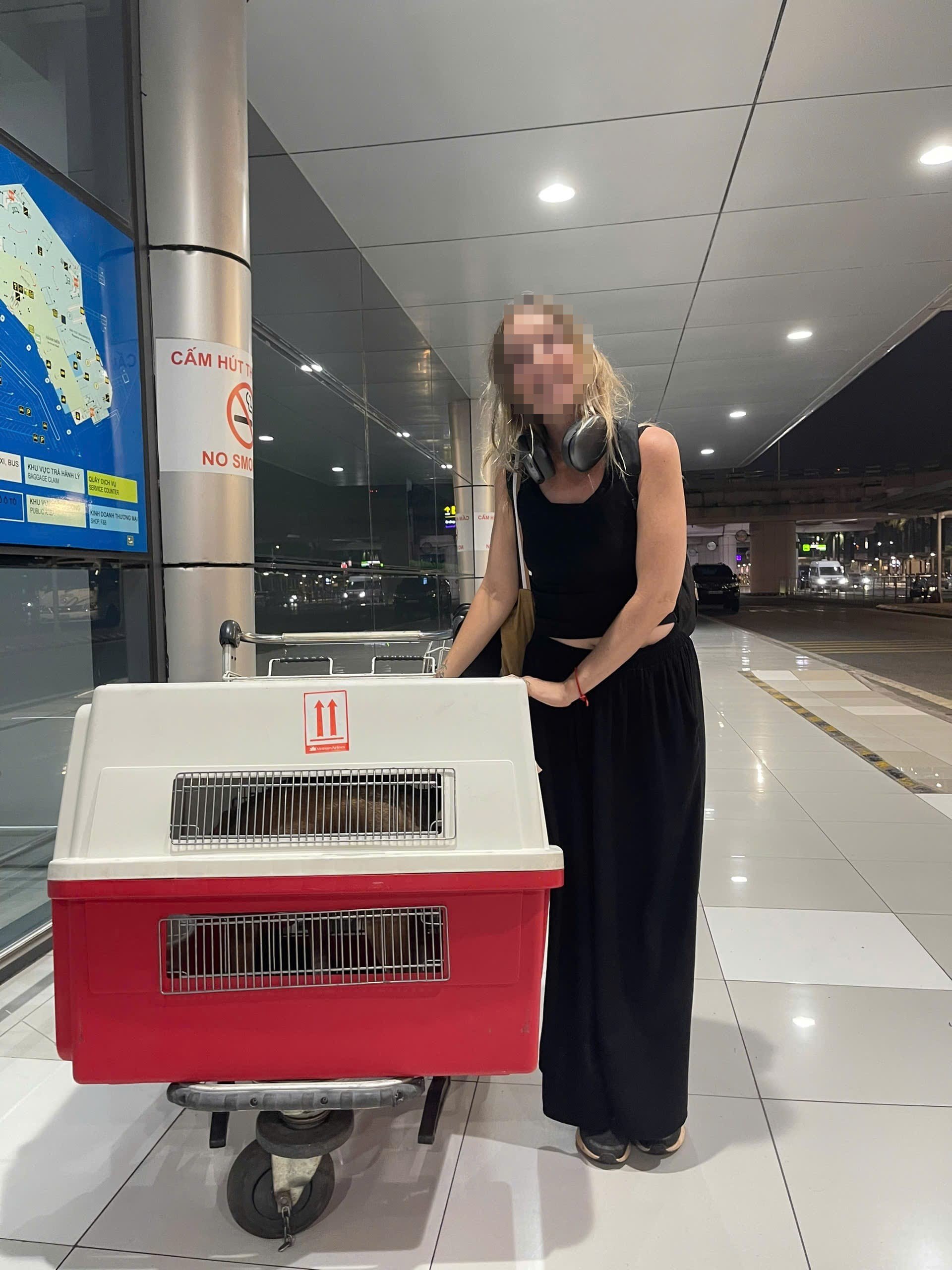
Part 4: Special Considerations for Permanent Relocation
US state destination requirements. After your dog clears the ACF at the federal level, individual US states may impose additional requirements. California, for example, requires a current rabies vaccination certificate for any dog entering the state. Hawaii has its own separate quarantine programme independent of federal CDC clearance — and Hawaii does not have an ACF, which means dogs from Vietnam cannot legally fly directly to Hawaii. Dogs must first clear a US mainland ACF airport, then travel to Hawaii under Hawaii’s own requirements. Hawaii’s 5-Day-or-Less programme allows release within 5 days (not 120 days) if all conditions are met: FAVN titer ≥ 0.5 IU/mL drawn at least 30 days before Hawaii arrival, valid within 36 months, and documents submitted at least 10 days before arrival. The 120-day quarantine is the maximum penalty for failing to meet programme requirements — not the standard pathway. Plan the mainland ACF entry and Hawaii connection accordingly.
Registering your dog in the USA. After arrival, dogs must be registered with the local county or city animal control authority in most US jurisdictions. The US-issued rabies vaccination administered at the ACF will serve as the foundational vaccination record for this registration.
Finding a US veterinarian. Continuity of veterinary care matters for dogs after a long international journey. Arrange a post-arrival veterinary check-up within 2 weeks of the dog’s US arrival. Bring the complete Vietnamese vaccination and health records — translated if possible — for the new veterinarian’s file.
Cats travel separately from dogs. If you are moving with both a dog and a cat, they travel as separate cargo shipments on the same flight or different flights — they cannot share a crate. The cat’s process is significantly simpler (no CDC form, no ACF requirement, no titer test needed at federal level), but still requires coordination with the airline. See our cat shipping guide for the Vietnam–USA route.
Bringing your pet back to Vietnam later. Keep the rabies vaccine current after arrival, so the titer result stays valid if the dog travels again. The return trip follows different rules, explained in our guide to shipping a pet from the USA to Vietnam.
Part 5: What About the Pet Travelling Before or After You
Many relocating families ask whether the pet can travel with them, before them, or after them. Each scenario has implications:
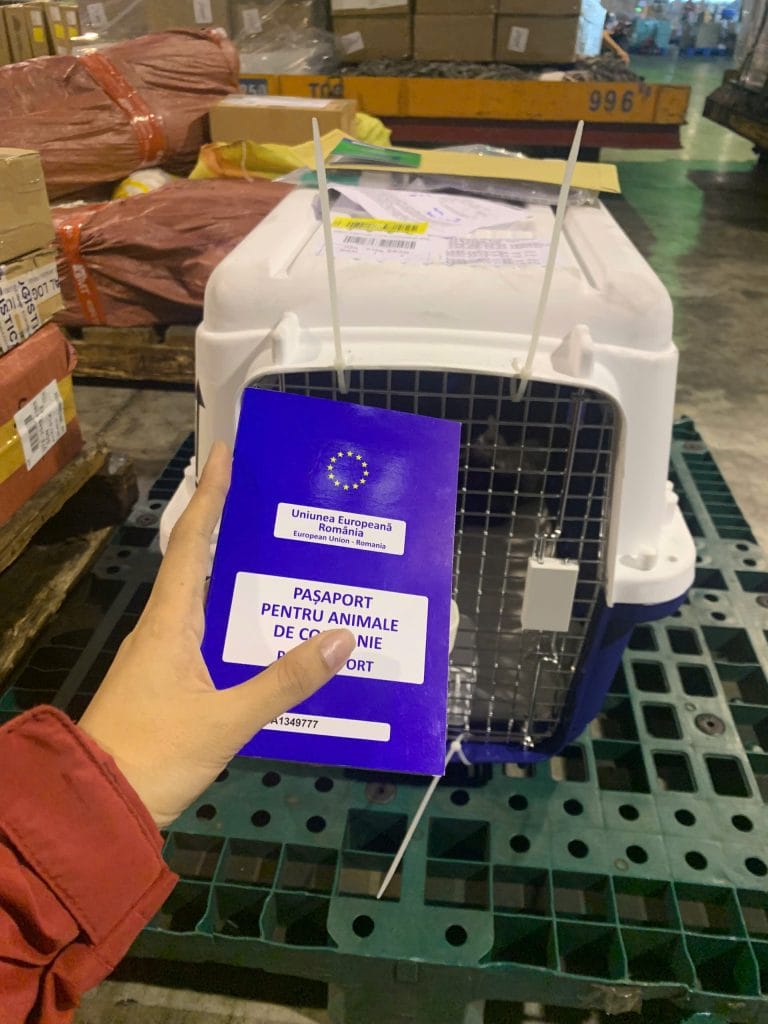
- Pet travels with the owner (same flight): Most dogs on the Vietnam–USA route travel as checked baggage or manifest cargo rather than in-cabin — see our case study of Pun, a 25kg dog who flew as checked baggage on EVA Air. In-cabin is possible only on the specific carriers that permit it for transpacific flights and only within that airline’s weight and carrier-size limits (typically small pets under 8kg including the bag) — confirm with your specific carrier before assuming it’s an option. Regardless of method, the pet’s booking is processed separately from the owner’s passenger ticket, so the owner and dog will not be on the same flight in the same operational sense; the owner may choose to fly the same day, but they check in separately and land at the same airport.
- Pet travels before the owner: Feasible if the owner arranges for an authorised representative to collect the dog at the ACF in the US. This person must be named on the CDC form as the importer or must carry a notarised authorisation letter. Contact the ACF facility in advance to confirm their collection procedures for third-party collection.
- Pet travels after the owner: The most common scenario for corporate relocations. The owner establishes their US address and daily routine first, then coordinates the pet’s shipment over the following weeks or months. This is the lowest-stress option for the pet and the most logistically flexible for the owner.
Coordinating Your Move with Daisy Pet
At Daisy Pet, we work with relocating families at every stage of the move — from initial timeline assessment when the move is first announced, through titer testing, ACF reservation, airline booking, full documentation, and airport arrival coordination. We also provide guidance on US arrival logistics and post-arrival US veterinarian recommendations upon request. For families facing a firm relocation timeline, an early consultation is the single most valuable thing you can do. For answers to common questions about the process, see our USA pet import FAQ 2026, or see how we manage the full pet shipping from Vietnam to the USA relocation.
Last updated 20 Oct 2026
Compiled by our specialists from the regulations in force on the date above, for reference only. Rules may change after this date. Please verify with the competent authorities or contact us for the most accurate information.