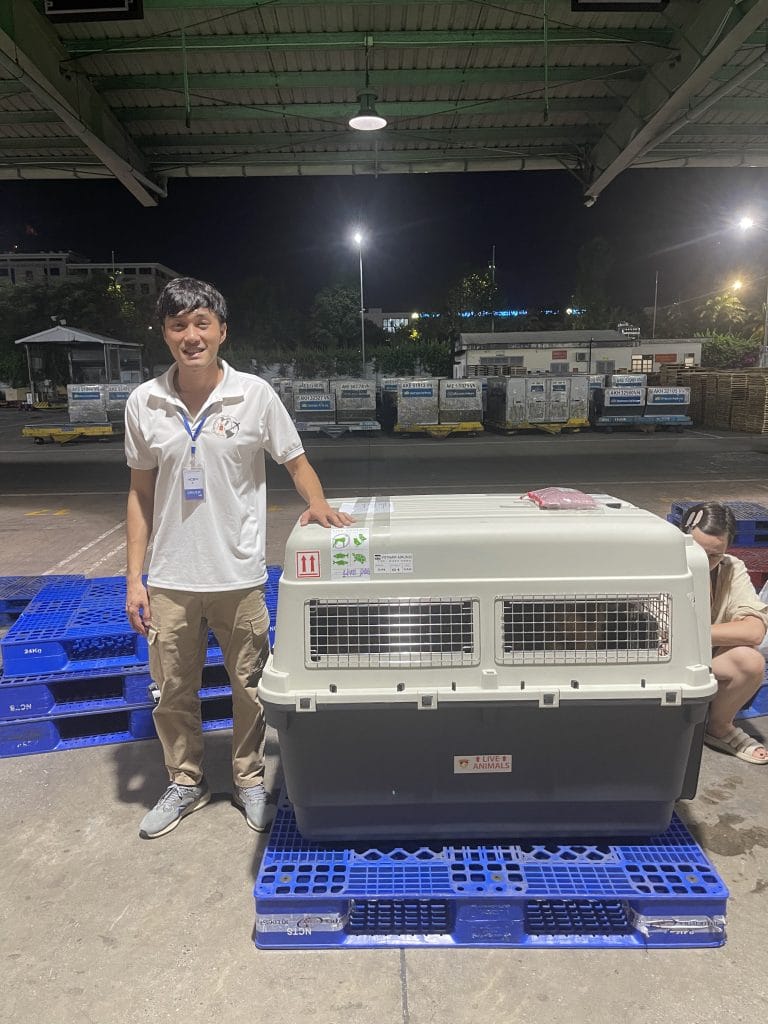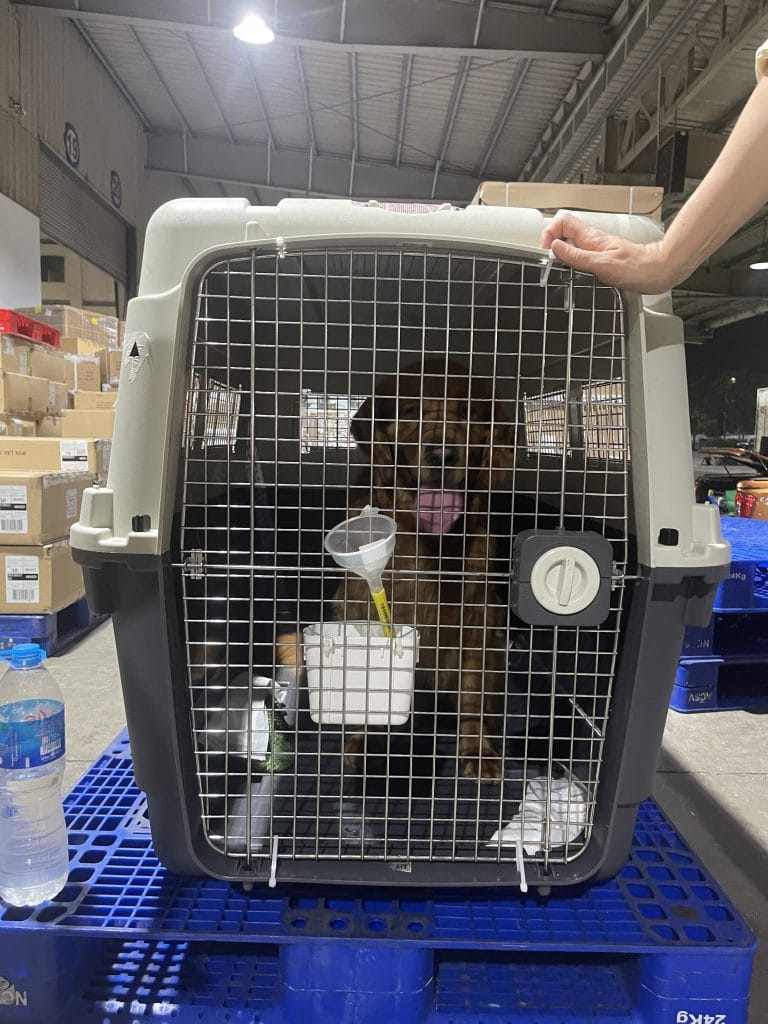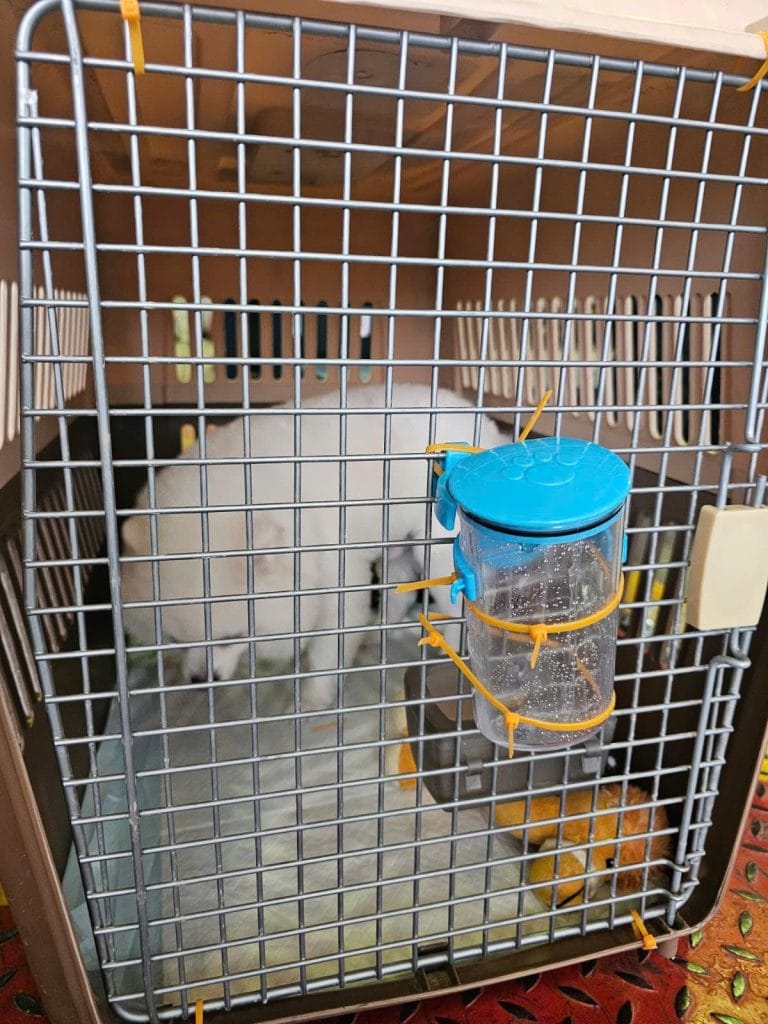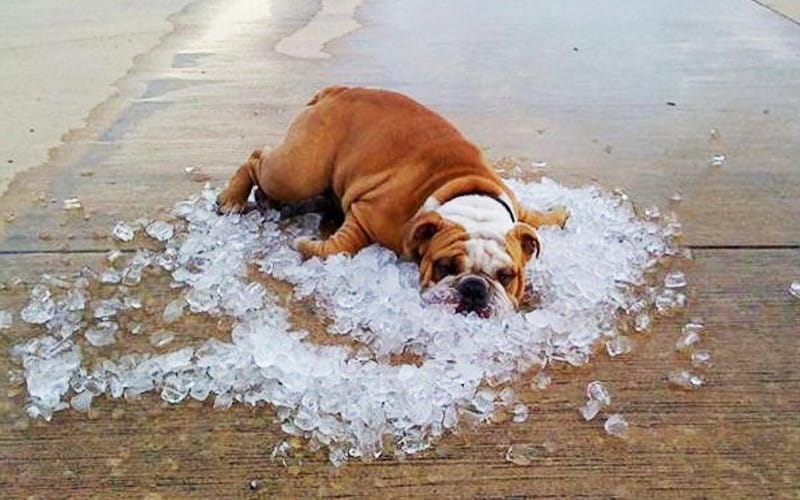
No single rule sets temperature restrictions for flying pets. Each airline sets its own limits and checks the weather at every airport on the route. A common range is 7.2°C to 29.4°C, and flat-faced breeds often face stricter rules.
Short Answer: Are There Temperature Restrictions for Flying Pets?
- Is there one rule? No. The International Air Transport Association (IATA) does not set a number, so each airline writes its own.
- What is common? About 7.2°C to 29.4°C (45°F to 85°F), the range in U.S. animal welfare rules.
- Where is it checked? At departure, at every connection and at the destination.
- Who is most affected? Pets in the hold, especially flat-faced dogs and cats.
- What does it mean in Vietnam? Daytime heat is the main limit, so evening and night flights work best.
Temperature is one of several safety checks for a flight. The others are covered in our pet travel safety guide.
Who Sets Temperature Limits for Pets on Flights?
The airline does. IATA publishes the Live Animals Regulations that airlines follow. Those regulations treat temperature as a key welfare factor, but they do not set one range for every airline.
The range of 7.2°C to 29.4°C appears often because it is written into U.S. animal welfare rules. Many airlines use it, and some set stricter limits. An airline can also refuse a pet on the day if the weather is extreme, even without a published number.
Where Is the Temperature Checked?
Airlines look at the forecast for every airport on the route, not just the departure city. A pet flying from Ho Chi Minh City through a hot connection hub can be refused because of the hub, even on a mild day at home.
The heat matters most on the ground. In the air, the hold is pressurised and its temperature is controlled. Before take-off and after landing, the crate crosses the apron and waits in terminals. The risk of that stage is explained in whether it is safe for pets to fly in cargo.
What Temperature Limits Do Airlines Publish?
The table shows examples from airline pages we have read. Rules change, so confirm the current version with the airline when you book.
| Airline | What it publishes | Checked |
|---|---|---|
| Vietnam Airlines | No number. It may ask for a Certificate of Adaptation, or refuse pets, when the weather is excessively hot or cold. | 10/2026 |
| Korean Air | 29°C and −7°C as advisory figures, not hard cut-offs. No flat-faced breeds in the hold. | 10/2026 |
| Turkish Cargo | Flat-faced breeds only below 27°C at both departure and arrival, plus other conditions. | 09/2026 |
| Emirates | Some flat-faced breeds in the hold only from November to April. Refused the rest of the year. | 07/2026 |
| Etihad | Flat-faced breeds as cargo only from 1 November to 1 March. | 10/2026 |
| American Airlines Cargo | 7.2°C to 29.4°C (45°F to 85°F) for all animals. | 09/2026 |
| Delta | A ceiling of 27°C (80°F). From −7°C to 7°C, a certificate of acclimation is needed. | 09/2026 |
Sources include the Vietnam Airlines pet travel page and the Korean Air pet guide.
The Emirates rule comes from its Emirates SkyCargo pets leaflet. Delta and American Airlines do not fly from Vietnam. They are listed to show how far limits can differ.
Do Flat-Faced Breeds Have Stricter Temperature Limits?
Yes. Flat-faced dogs and cats, such as Pugs, Bulldogs and Persians, cool themselves less efficiently. Heat and stress affect their breathing faster than other breeds. Airlines handle them in three ways: a lower temperature ceiling, a season, or a refusal all year. Which breeds each airline restricts is compared in breed restrictions for flying pets.
Some airlines refuse them in every mode. Vietnam Airlines does not carry the breeds on its list, even in the cabin. The breed rules, vet assessment and crate size are explained in flying a flat-faced dog or cat.
Can It Be Too Cold for a Pet to Fly?
Yes. Cold limits matter when the destination is in winter. Delta asks for a certificate of acclimation between −7°C and 7°C. Korean Air gives −7°C as an advisory figure. A pet flying from Vietnam to Northern Europe, Korea or Canada in winter may meet cold limits on arrival.
What Happens If the Airline Refuses Your Pet Because of the Temperature?
The airline will not accept the pet that day. You must rebook the pet on a later flight. Change fees, if any, depend on the ticket or the cargo booking.
The main risk is the paperwork. Each destination sets a validity window for the health certificate. The European Union allows 10 days from issue. A delay of a few days can push the certificate past that window, and the vet must then issue a new one. What the certificate covers is set out in the animal health certificate guide.
Other reasons for a same-day refusal are listed in why airlines refuse pets at check-in.
How Do You Plan Around Temperature Limits When Flying From Vietnam?
- Pick the season: Ho Chi Minh City’s hottest months are usually March to May. For flat-faced breeds, the airline’s own season decides.
- Pick the time: Ho Chi Minh City and Hanoi pass 29°C during the day for much of the year. In hot months, we prefer departures after 6:00 PM.
- Avoid hot connections: a hub in summer heat can stop the journey even if Vietnam is mild. A direct flight removes that check.
- Check the destination: in winter, the cold limit may apply on arrival.
- Keep a buffer: leave a few days between the planned flight and the end of the health certificate’s validity.
- Confirm with the airline: ask about its current limits when you book, and again a few days before the flight.
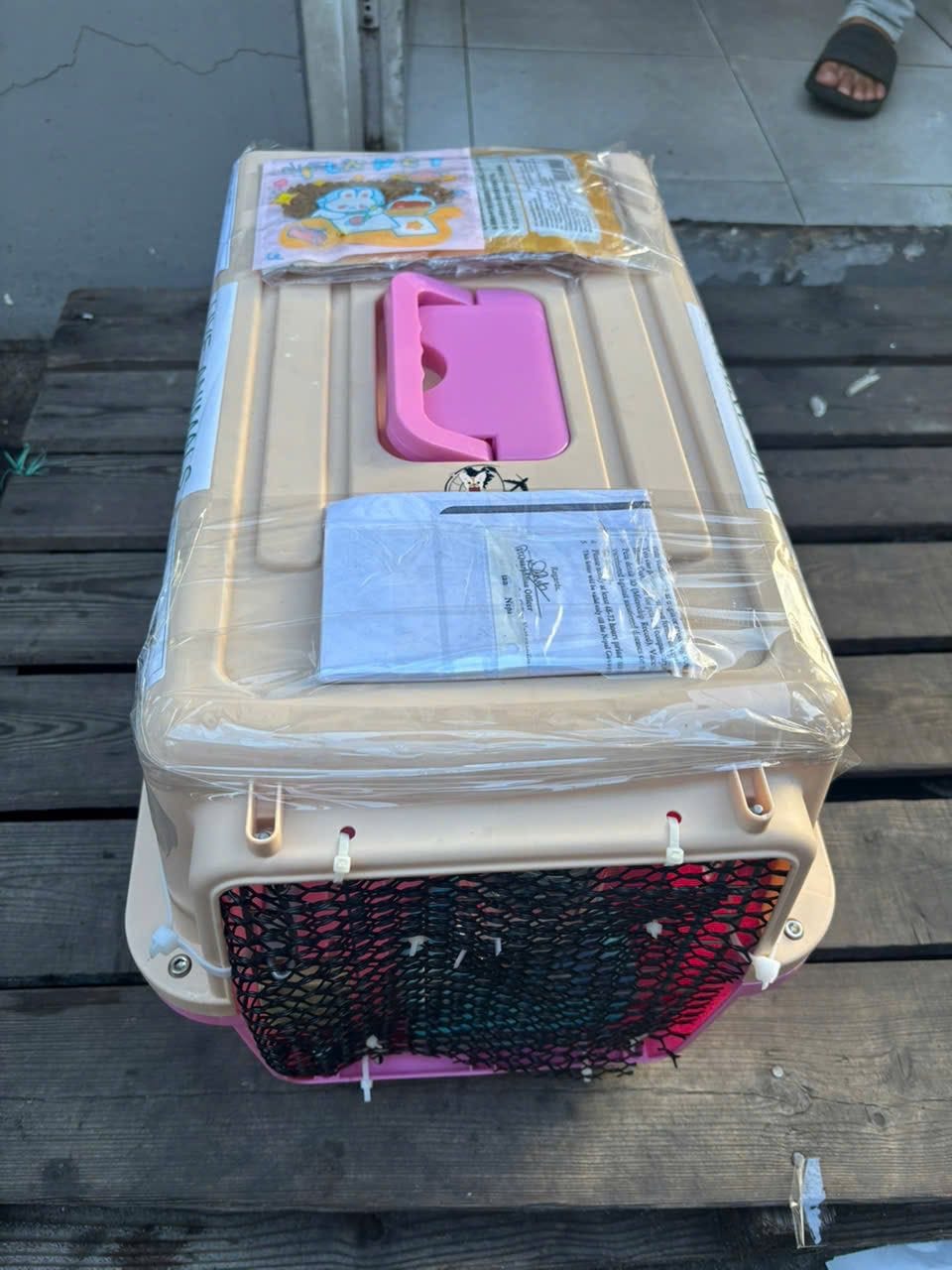
For a Ho Chi Minh City to Dubai shipment quoted in September 2026, we offered only the direct Emirates flight. A connecting itinerary would have added heat exposure and handling. How pets are cared for at connections is set out in how pets are handled during layovers.
Do Temperature Limits Apply to Pets in the Cabin?
Usually not in the same way. A pet in the cabin stays with you in the terminal and on board, so it is not left on the apron. The airline can still refuse a pet that looks unwell. Only small pets can fly in the cabin, and the weight limits are set by each airline.
Frequently Asked Questions
What temperature is too hot for a dog to fly?
It depends on the airline. A common upper limit is 29.4°C (85°F) at any airport on the route. Some airlines set 27°C, and flat-faced breeds may face a lower ceiling or a season.
Does IATA set a temperature limit for pets?
No. IATA’s Live Animals Regulations treat temperature as a welfare factor, but each airline publishes its own limits.
Does Vietnam Airlines have a temperature limit for pets?
It publishes no number. Vietnam Airlines says it may ask for a Certificate of Adaptation, or refuse pets, when the weather is excessively hot or cold.
What is the best time of year to fly a pet from Vietnam?
Avoid the hottest months, usually March to May in the south, and fly in the evening. For flat-faced breeds, follow the season the airline allows.
Can a pet fly from Vietnam in summer?
Yes, if the airline’s limits are met on the day. Evening departures and direct flights make that more likely. Flat-faced breeds may have to wait for the season the airline allows.
Last updated 18 Oct 2026
Compiled by our specialists from the regulations in force on the date above, for reference only. Rules may change after this date. Please verify with the competent authorities or contact us for the most accurate information.
Official sources cited in this guide
- Vietnam Airlines pet travel pagevietnamairlines.com
- Korean Air pet guidekoreanair.com
- Emirates SkyCargo pets leafletskycargo.com