Most flat-faced dogs and cats breathe well enough on a cool day at home. The trouble starts when three things stack up at once—a closed crate, the stress of handling, and heat on an airport apron—because a short airway is a poor way to shed heat. That is why airlines treat the whole group with caution, even though only a small share of individual animals is at serious risk.
This guide explains what actually decides whether a snub-nosed pet can fly, how the BOAS fit-to-fly assessment works, how airlines differ, and what lowers the risk for the dogs and cats that are cleared to travel.
Why Short Noses and Air Travel Do Not Mix Easily
Dogs and cats cool themselves mainly by panting, not by sweating. Brachycephalic breeds—Pugs, French and English Bulldogs, Boston Terriers, Persian and Exotic cats—were bred for a short skull, and many carry the airway problems that come with it: narrow nostrils, an elongated soft palate, a thick tongue and a narrow windpipe. Vets group these under one name, Brachycephalic Obstructive Airway Syndrome (BOAS).
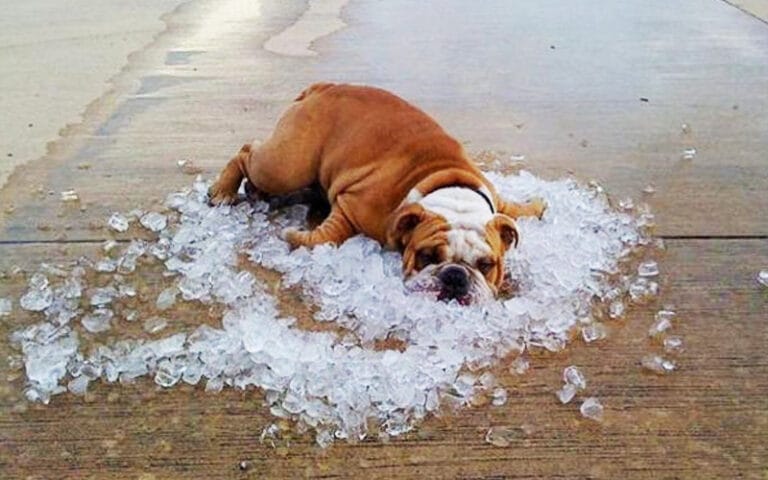
A dog with a narrowed airway has to work harder to move air, and harder breathing produces more heat. In a crate on a hot day, that loop can tighten quickly, and most of that heat builds up on the ground rather than in the pressurised cargo hold. Lufthansa, which stopped carrying these breeds in its cargo holds from 1 January 2020, gives exactly this reason: stress and heat at the departure, transfer and arrival airports can cause serious injury or death in animals with narrow airways.
The history explains the caution. When the US Department of Transportation published its breed figures in 2010, covering May 2005 to mid-2010, roughly half of the purebred dogs that died in flight were short-nosed breeds. That is an old dataset and covers US airlines only, but it is the evidence airlines still point to.
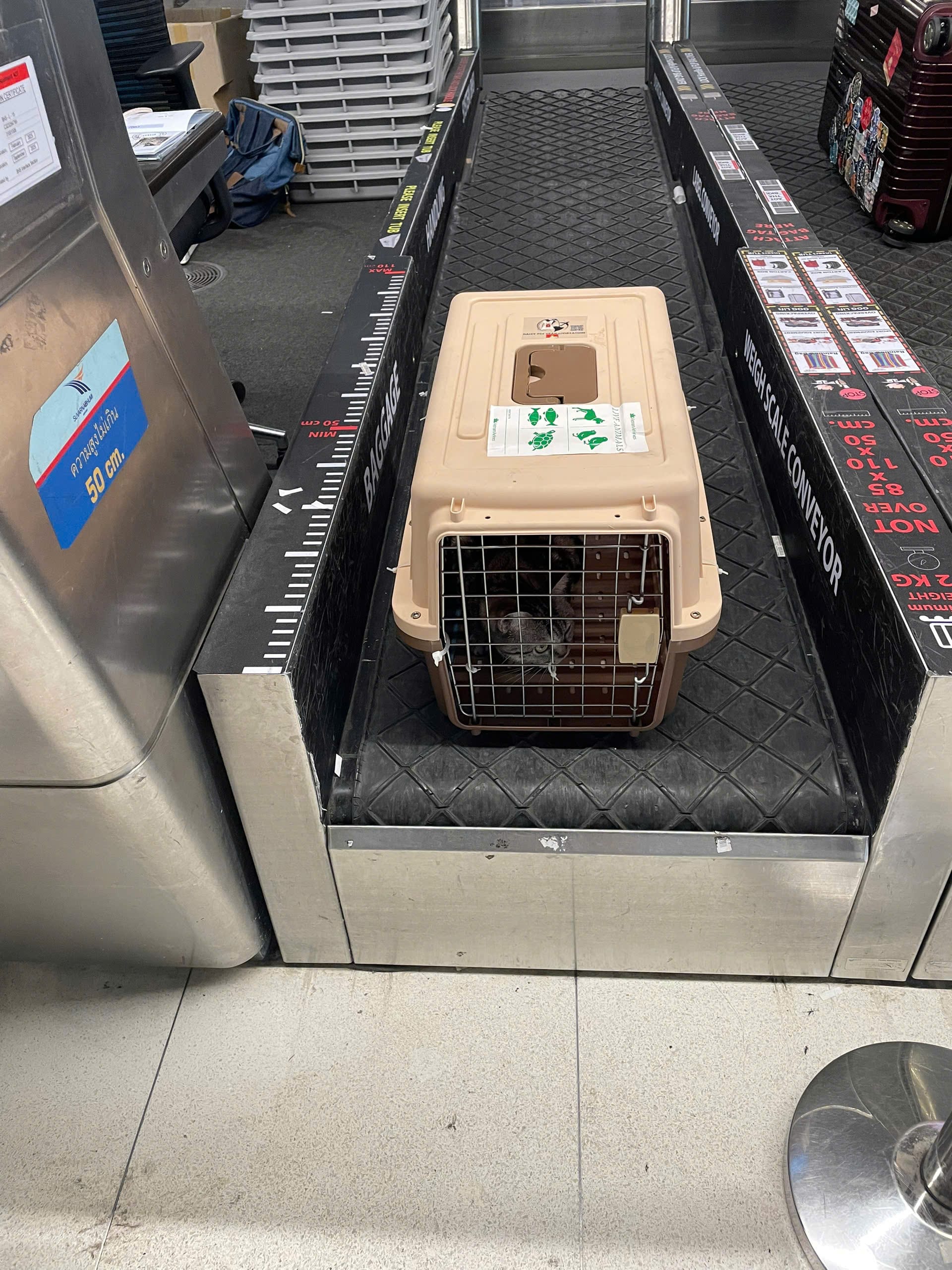
Brachycephalic Is Not the Same as BOAS
“Brachycephalic” only describes skull shape. It does not mean the animal is ill. According to IPATA, the international association of pet transport companies, fewer than 5% of brachycephalic dogs have severe BOAS. Most flat-faced pets breathe adequately; a minority do not, and the shape of the face alone cannot tell them apart.
That gap is what the IPATA Brachycephalic Fit-To-Fly Assessment was built to close. IPATA describes the purpose of its programme in one line: it “isn’t designed to allow more animals to fly, but to identify those who shouldn’t fly.” It is a veterinary screening, not a permit.
What the BOAS fit-to-fly assessment checks
- Medical history: congestive heart failure on treatment, or epilepsy with more than one seizure in three months, fails the animal outright.
- Nostrils: open or mildly narrowed nostrils score nothing; moderate and severe narrowing add points.
- Body condition: an overweight animal (body condition score 7–9 out of 9) adds points, because excess weight makes breathing harder.
- Temperament in the crate: an animal that stays extremely agitated in its crate adds points.
- Breathing at rest and after exercise: the vet listens for laboured breathing and for snoring or high-pitched airway noise, first at rest and again after one to two minutes of brisk trotting.
The scores give three grades. Grade I (0–2) and Grade II (3–5) are fit to fly. Grade III (above 6) fails. IPATA’s own guidelines add two practical details owners rarely hear: the owner should not be present during the examination, so that no one can influence the outcome, and vets usually charge a separate fee because the exam takes time and carries liability.
What the assessment is not
It is not an official or customs document, and no country we know of requires it for import. It is an airline-level tool, and only airlines that choose to recognise it accept it. Its validity also has no fixed length; IPATA says it varies by airline. Because a pet’s weight and heart health can change over a long preparation period, the assessment may need to be repeated within the window an airline sets.
IPATA should not be confused with IATA. IATA is the airline association that publishes the Live Animals Regulations; IPATA is an association of pet shippers. The IATA rules do not mention BOAS at all—they deal with brachycephalic breeds through each airline’s own variations.
How Airlines Handle Flat-Faced Breeds
There is no single industry list. The IATA Live Animals Regulations set the framework, and each airline files its own operator variations. In the 2026 addendum to the regulations, airlines fall into three broad approaches.
| Approach | Example | What it means in practice |
|---|---|---|
| Banned in the hold | Oman Air; Lufthansa and Austrian Airlines cargo | A long list of dog and cat breeds is refused, with exceptions only through special approval or for confirmed service animals |
| Banned, exceptions on request | Air France | Listed breeds are refused unless the airline’s live-animal team approves a case |
| Accepted with conditions | Turkish Airlines | A crate one size larger than standard, ventilation on four sides, an indemnity letter from the shipper, and temperatures below 27°C at both origin and destination |
Seasons and routes matter as much as the list. Some carriers accept flat-faced breeds in the hold only in cooler months, and some set a lower temperature ceiling for them than for other pets—Qatar Airways, for example, uses 21°C. A few airlines, Cathay Pacific among them, accept snub-nosed pets in cargo only through a pet shipper certified under the IPATA BOAS programme. The detailed breed-by-breed picture is covered in our guide to airline breed restriction lists.
For the Vietnam corridor, one rule stands out. Vietnam Airlines refuses brachycephalic breeds in every form of carriage—cabin, checked baggage and cargo. A flat-faced pet leaving Vietnam therefore has to be routed with a carrier that accepts the breed, and the route is usually chosen around that one constraint.
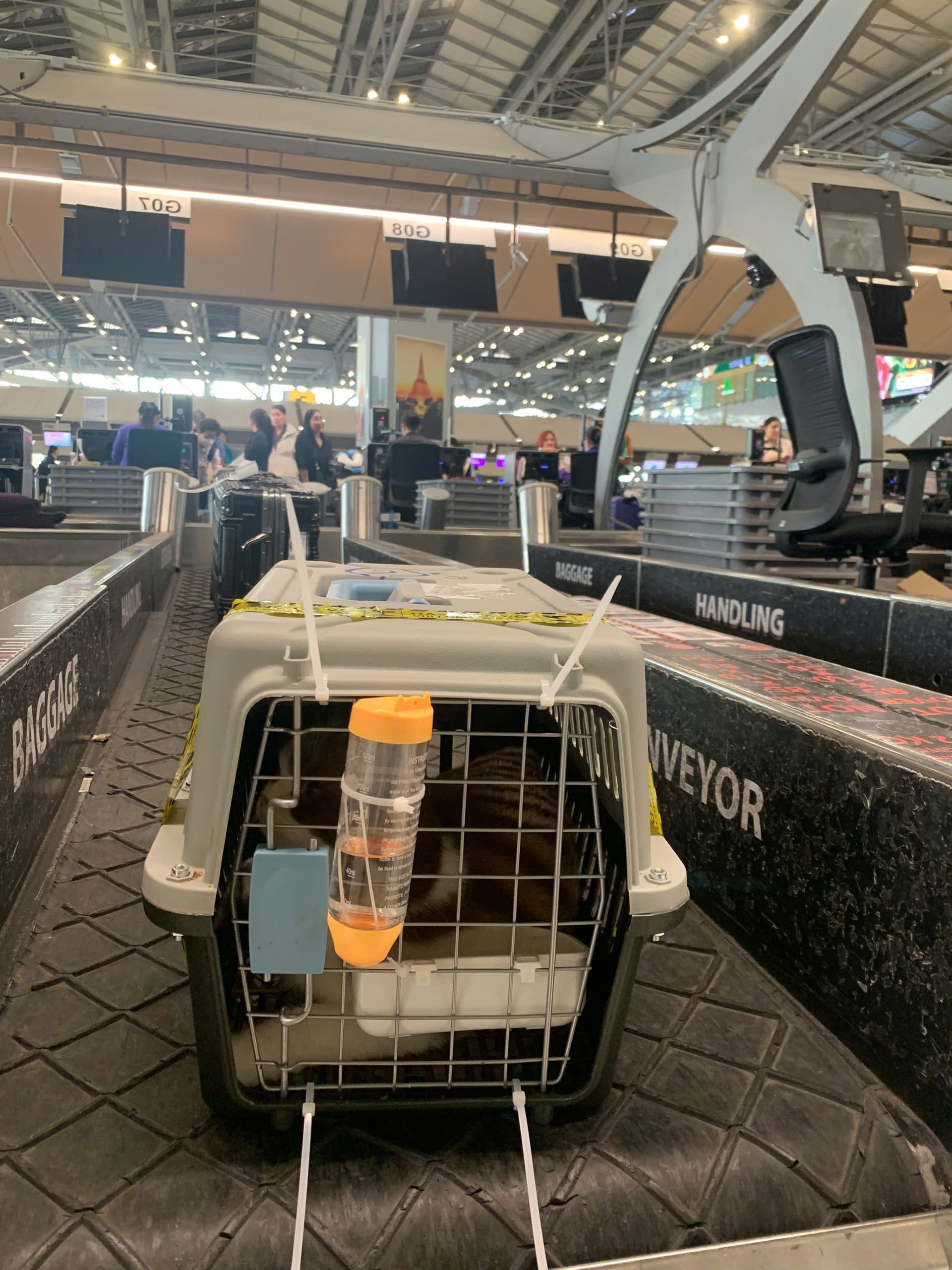
The Cabin Is Often the Only Door
When an airline says a breed is “banned”, it usually means banned in the hold. Several carriers still accept a small flat-faced pet in the cabin, inside the weight limit for pet and carrier together—Korean Air sets 7 kg, Turkish Airlines and Etihad 8 kg. In the cabin the pet stays at cabin temperature and under its owner’s eye, which removes most of the heat risk on the ground. The differences between the options are set out in where pets fly on an airplane.
That door is narrow. It closes for larger breeds such as English Bulldogs, for airlines with no cabin pet service on the route, and for destinations that accept pets only as manifest cargo. It is also closed on Vietnam Airlines. Where the cabin is possible, it is usually the safest choice for a flat-faced pet.
Cats Are Flat-Faced Too
Airline lists are not only about dogs. Persian, Exotic Shorthair, Himalayan and Burmese cats appear on most lists. Beyond that core, airlines disagree: British Shorthair and Scottish Fold cats are restricted by some carriers, such as Korean Air, Singapore Airlines and Emirates, and not listed by others. The same cat can therefore be accepted on one airline and refused on the next.
For owners in Vietnam this matters more than the Pug question. British Shorthairs are one of the most common breeds we are asked to move, and the breed’s status has to be checked against the specific airline on the specific route before anything is booked. Cats also need a slower start with the crate than dogs, which is covered in preparing a cat for air travel.
What Actually Lowers the Risk
None of these steps removes the risk entirely. Together they address the factors an owner can control.
- Assess early: book the BOAS assessment at the start of preparation, not the end, so a failed result does not waste months of paperwork. A general fit-to-fly vet check covers the heart and other conditions the BOAS form does not.
- Bring weight down: body condition is one of the scored items, and a leaner animal breathes more easily in a crate.
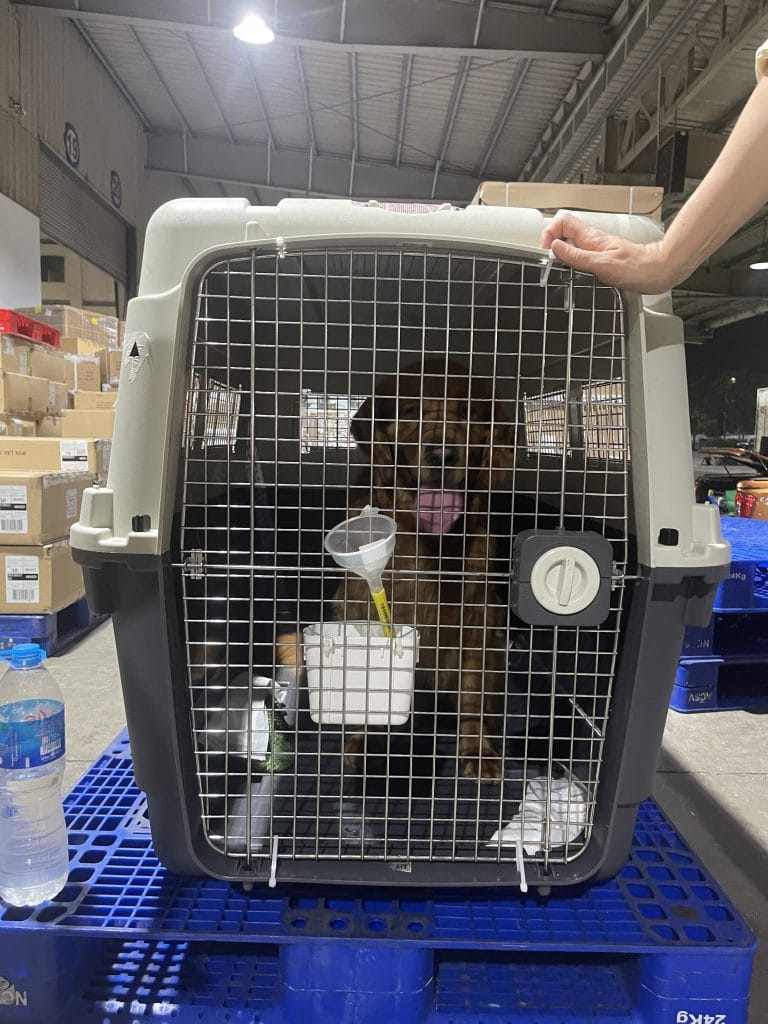
- Size the crate up: many airlines ask for one size larger than standard for these breeds, with ventilation on all four sides. The base requirements are in the IATA pet crate standard.
- Fly cool: choose the cooler season and night departures. Ground temperature at every airport on the route counts, as explained in our guide to temperature restrictions for flying pets.
- Keep connections short: each transfer adds handling and time on the apron.
- Never sedate: sedatives relax the airway muscles and can depress breathing, which is the last thing a narrow airway needs. Read why sedation is avoided before flights.
- Practise with the crate: an animal that stays calm in its crate breathes more steadily, and temperament is itself part of the BOAS score. Follow a six-week crate training timeline.
These steps sit inside a wider set of welfare decisions made before, during and after the flight, which are gathered in our pet travel safety and welfare guide.

Frequently Asked Questions
Can a French Bulldog fly internationally from Vietnam?
Yes, but not on every airline. Vietnam Airlines refuses brachycephalic breeds in all forms of carriage, so the route has to use a carrier that accepts the breed, often in the cabin if the dog is small enough or in cargo during a cool season with the airline’s conditions met.
Is a BOAS certificate required to enter a country?
No country is known to require it for import. The BOAS fit-to-fly assessment is an airline-level tool, and only airlines that recognise it ask for it.
How long is a BOAS fit-to-fly assessment valid?
There is no fixed period. IPATA states that validity varies by airline, and a long preparation may need a repeat assessment because weight and heart health can change.
Are Persian and British Shorthair cats treated the same by airlines?
No. Persians are on almost every airline’s brachycephalic list. British Shorthairs are restricted by some airlines and not listed by others, so the answer depends on the carrier.
Can a flat-faced dog be sedated to make the flight easier?
No. Sedation relaxes the airway and can depress breathing, which raises the risk for a breed that already struggles to move air. Airlines can also refuse a pet known to be sedated.
Last updated 18 Oct 2026
Compiled by our specialists from the regulations in force on the date above, for reference only. Rules may change after this date. Please verify with the competent authorities or contact us for the most accurate information.
Official sources cited in this guide
- IPATA Brachycephalic Fit-To-Fly Assessmentvirginaustralia.com
- 2026 addendum to the regulationsiata.org