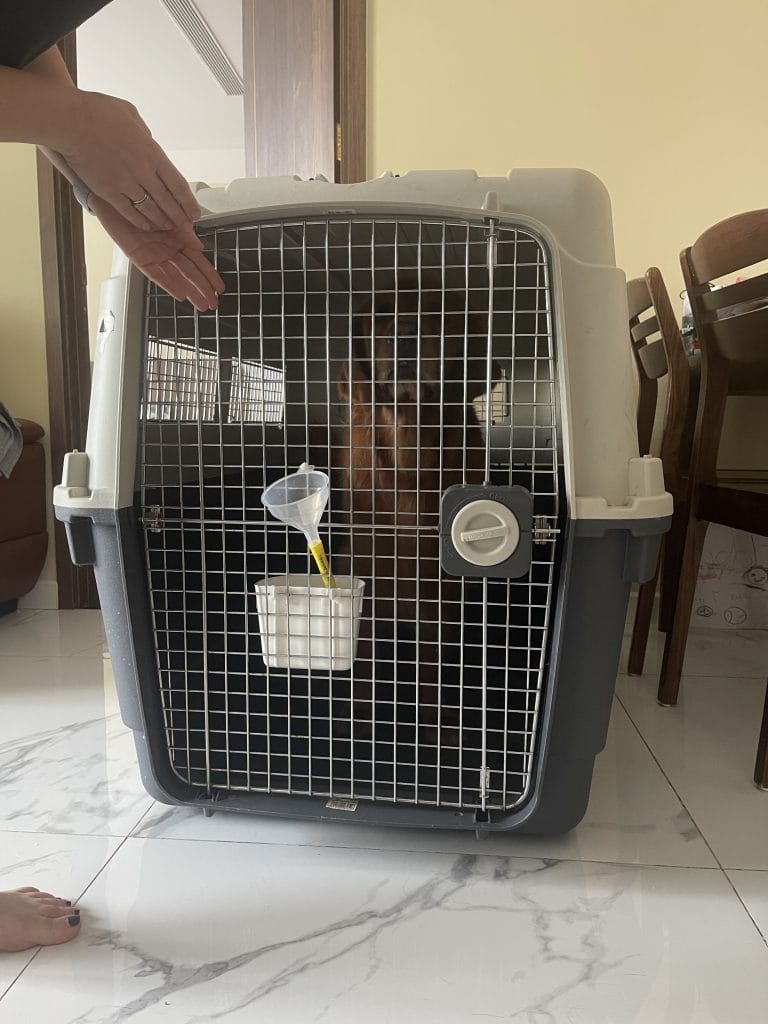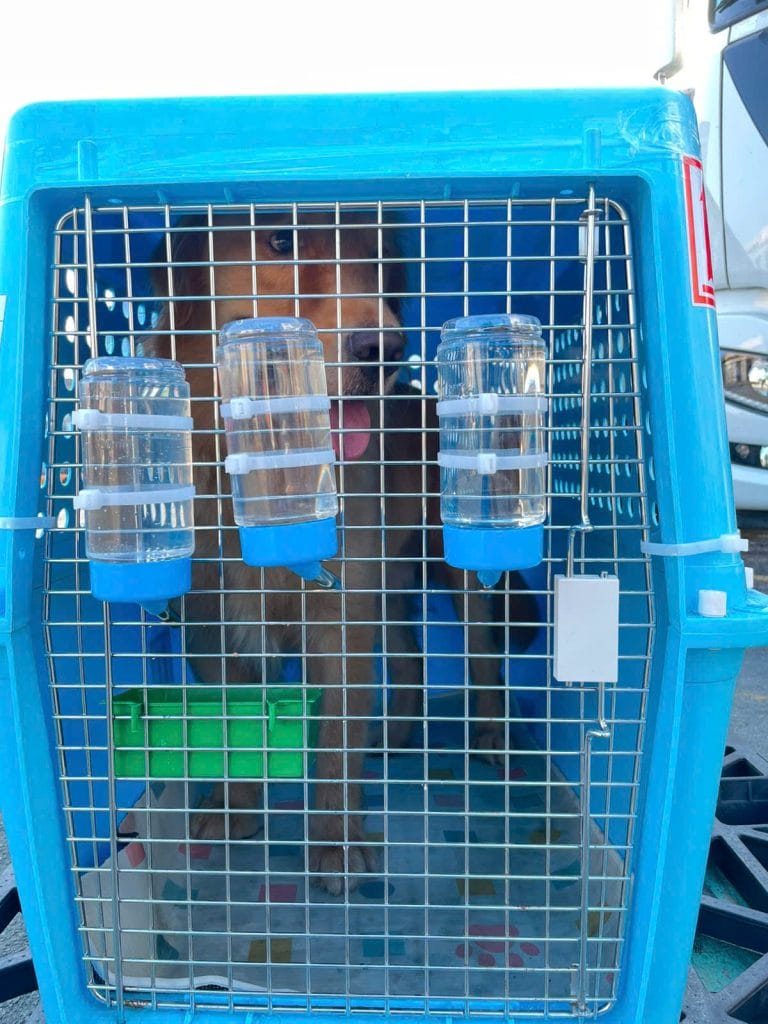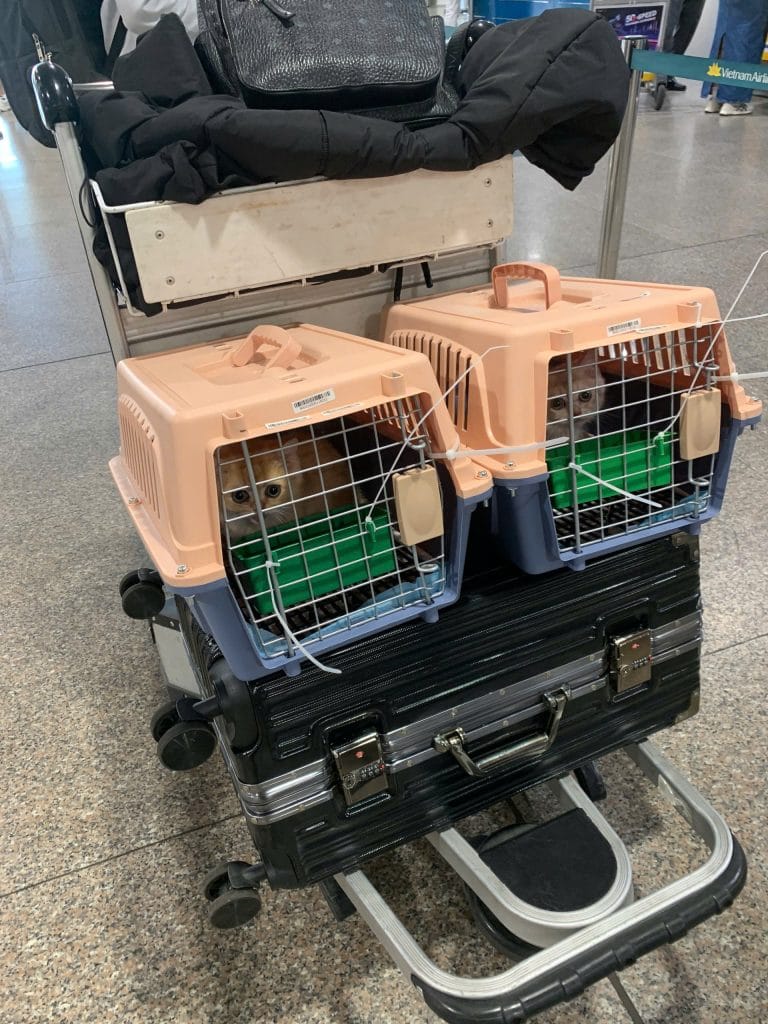
Search “Germany pet import requirements” and most results either give a generic EU checklist with no Germany-specific detail, or a Germany page that assumes the reader already knows the EU basics and only fills in the gaps. Neither is enough on its own. This guide is written to stand alone: every requirement a dog or cat needs to legally enter Germany from Vietnam, in the order it actually happens, plus the two agencies that enforce it and the parts of the process that are genuinely Germany-specific. For the fast overview before the detail below, start with the Germany pet shipping guide.
The Full Sequence, Start to Finish
Vietnam is not on Germany’s list of pre-approved rabies-free countries, which puts every shipment on the strictest track available. That track runs in a fixed order, and skipping ahead isn’t possible — each step has a minimum wait built on the one before it.
| Step | What happens | Timing |
|---|---|---|
| 1 | Microchip implanted | Day 1 |
| 2 | Rabies vaccination | Day 1, same day or after the chip |
| 3 | Blood draw for the antibody titer test | Day 31 or later |
| 4 | Earliest possible travel date | 90 days after the blood draw |
| 5 | Health certificate issued | Within 10 days of arrival |
| 6 | Arrival at an approved entry point | Around day 120–150, realistically |
The realistic minimum from a standing start is four to five months. There’s no expedited path for Vietnam — the 90-day wait is fixed regardless of urgency, and a failed titer test resets that clock from zero.
Microchip and Minimum Age
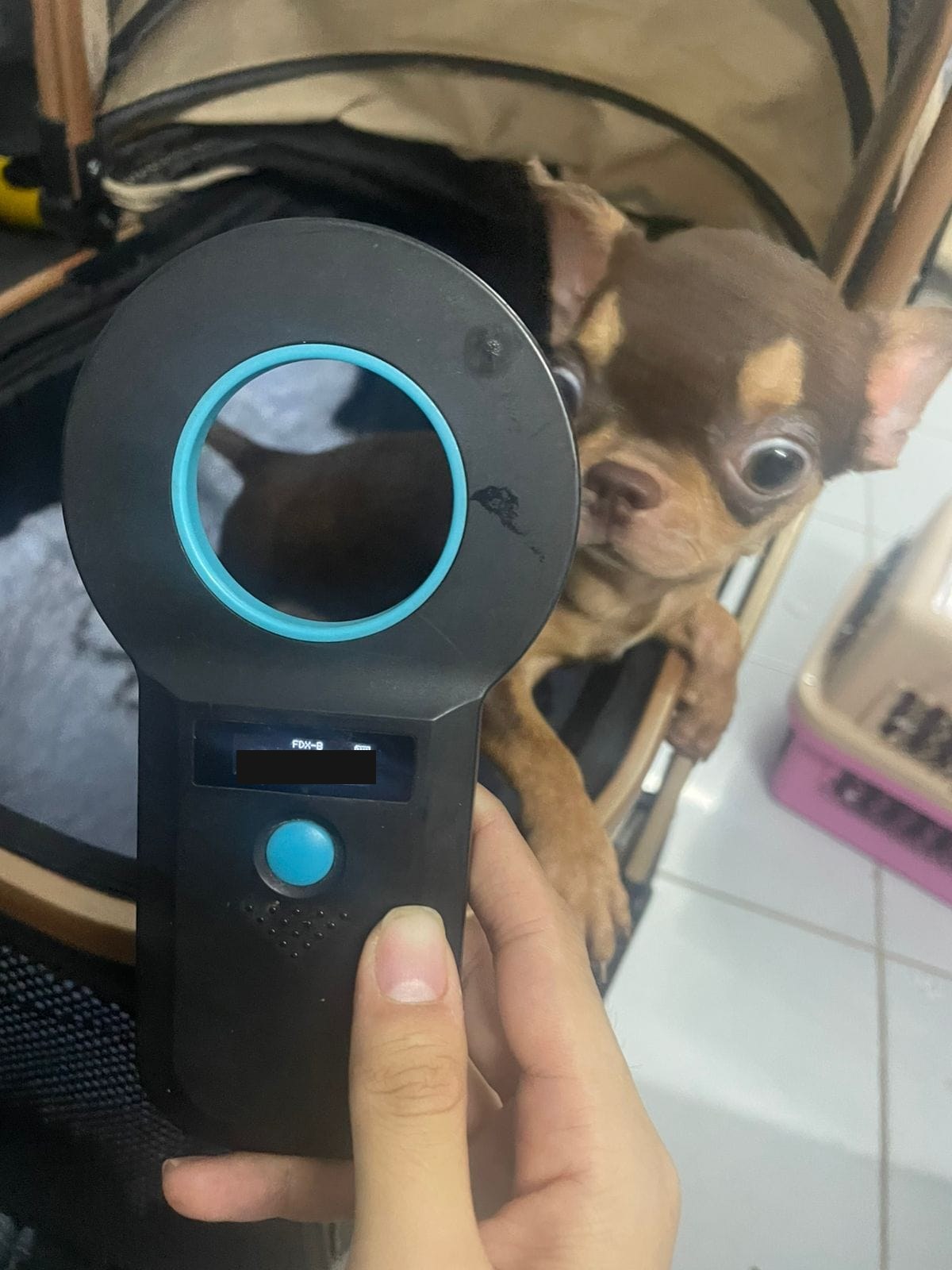
The pet needs an ISO 11784/11785-compliant microchip, implanted before or on the same day as the rabies vaccine — a chip placed afterward invalidates that vaccination and forces a restart. A non-compliant chip is accepted only if the owner brings a compatible scanner, since German border staff won’t have one on hand for it. The minimum age for the whole process is 12 weeks, since that’s the earliest a rabies vaccine can legally be given.
Rabies Vaccination and the 21-Day Wait
The vaccine has to be given after the microchip and administered by a licensed vet. It becomes valid 21 days after the primary dose — not the injection date itself — and if the manufacturer’s protocol calls for two primary doses, both are required before that 21-day clock even starts. A booster keeps the same vaccine “chain” alive only if it’s given within the validity window of the previous dose; miss that window, and the entire sequence restarts from a fresh primary vaccination.
The Antibody Titer Test
This is the step that actually defines the timeline. Blood can be drawn no earlier than 30 days after the rabies vaccination, and the antibody titer test — FAVN or RFFIT — has to come back with a neutralising antibody level of 0.5 IU/ml or higher from an EU-recognised lab. There is no EU-approved titer lab in Vietnam, so the sample gets drawn locally, prepared as serum, and shipped internationally — commonly to labs in the UK, France, or Germany itself. That shipping alone often takes two to four weeks each way, and it’s a common place for delays: samples get rejected over improper packaging or temperature control more often than the test itself is failed.
Once the result clears, the clock that actually controls the travel date starts: at least 90 days from the blood draw, not from the day the result arrives, to the day the health certificate is issued. The certificate cannot be signed before that 90-day mark under any circumstance.
The Health Certificate
The health certificate has to be issued or endorsed by an official veterinarian — in Vietnam, that means the Department of Animal Health (DAH / Cục Thú Y) signs off after a licensed vet completes it. It must record the microchip number, vaccination details, the titer test date and result, and any parasite treatment given, and it has to be written in German and English when Germany is the first EU country where the pet is checked (the rule is the language of that first country plus English). Two validity windows matter here: the certificate is only good for 10 days between issue and the border check, but once the pet clears entry, it stays valid for six months of onward travel inside Germany or the EU — or until the rabies vaccine itself expires, whichever comes first.
The Written Declaration and the 5-Day Rule
Alongside the health certificate, the owner or an authorised person signs a declaration confirming the move is non-commercial — not a sale or transfer of ownership. If the pet doesn’t travel with its owner, whoever does accompany it has to arrive within five days of the owner’s own trip. Miss that window and the movement no longer counts as non-commercial: it falls under commercial rules, which are considerably more complex.
Two Agencies Handle Germany’s Side
Most EU countries route pet entry through one veterinary authority. Germany splits the job in two. Zoll — federal customs — is the agency that physically checks the pet at the border: documents, microchip scan, and the decision to clear, hold, or refuse entry. BMLEH, the federal ministry behind the underlying policy, is the source for the official requirement list and the entry-point map.
The ministry’s name is worth knowing, because it changed. It operated as BMEL — Bundesministerium für Ernährung und Landwirtschaft — until a government change on 6 May 2025 folded in a broader remit and renamed it BMLEH, Bundesministerium für Landwirtschaft, Ernährung und Heimat. The old name still circulates informally, and a source still calling it “BMEL” without qualification is a small tell that it hasn’t been checked recently.
Where a Pet Is Allowed to Land
Since Vietnam isn’t on Germany’s exemption list, entry has to happen at one of 21 approved airports, seaports, or land crossings — landing anywhere else isn’t an option regardless of how complete the paperwork is. Frankfurt and Munich handle the bulk of traffic from Vietnam and are the two practical choices for most routes, each with its own dedicated veterinary border post. The full list of all 21 entry points, plus which office handles each one, is worth checking against the actual flight itinerary before booking.
Breed Restrictions Sit Outside This Checklist
Meeting every requirement above doesn’t guarantee entry if the breed itself is restricted. Germany bars four breeds from moving in at the federal level — the only opening for a family pet is a stay of up to four weeks with someone who doesn’t live in Germany — and a separate set of state-level rules can apply on top of that depending on where the dog will actually live — two rules that get confused constantly, with real consequences for a dog that doesn’t qualify for the exception owners assume applies. The full breakdown of both rules is worth reading before booking anything, not after.
What Happens When Something Doesn’t Match
Germany doesn’t run a fixed-length quarantine facility the way some destinations do. Instead, a pet with an incomplete or mismatched record is held at the entry point while the issue is resolved, and in serious cases — a missing titer test, an expired vaccine, a microchip number that doesn’t match the certificate — Zoll can order the pet returned to its country of origin at the owner’s expense. There’s no published fee schedule for this, because it’s an enforcement outcome, not a service. Everything gets checked once, at the border, and it either matches or it doesn’t.
Before Booking a Flight From Vietnam
- Implant the microchip before or on the same day as the rabies vaccine — the order matters, not just the dates.
- Mark day 30 for the earliest possible blood draw and day 90 after that for the earliest possible flight — don’t book travel before that math is confirmed.
- Confirm the breed against both the federal ban and the destination state’s own list.
- Book the flight into Frankfurt or Munich, or confirm the arrival airport against the full entry-point list first.
- Keep the microchip number, vaccination date, and titer test result consistent across every document — a mismatch is the most common reason for a hold at the border.
For owners moving to Germany permanently rather than relocating a pet on its own, the visa-specific guide covers how residence permit timing interacts with the requirements above.
Last updated 18 Oct 2026
Compiled by our specialists from the regulations in force on the date above, for reference only. Rules may change after this date. Please verify with the competent authorities or contact us for the most accurate information.
Official sources cited in this guide
- zoll.dezoll.de