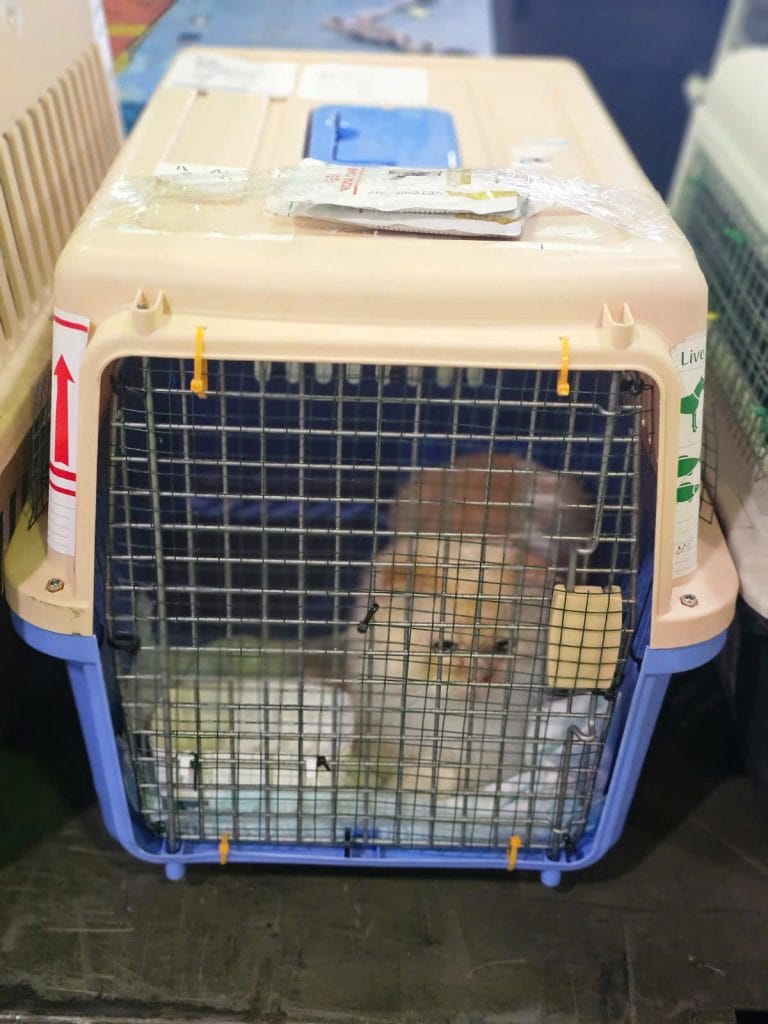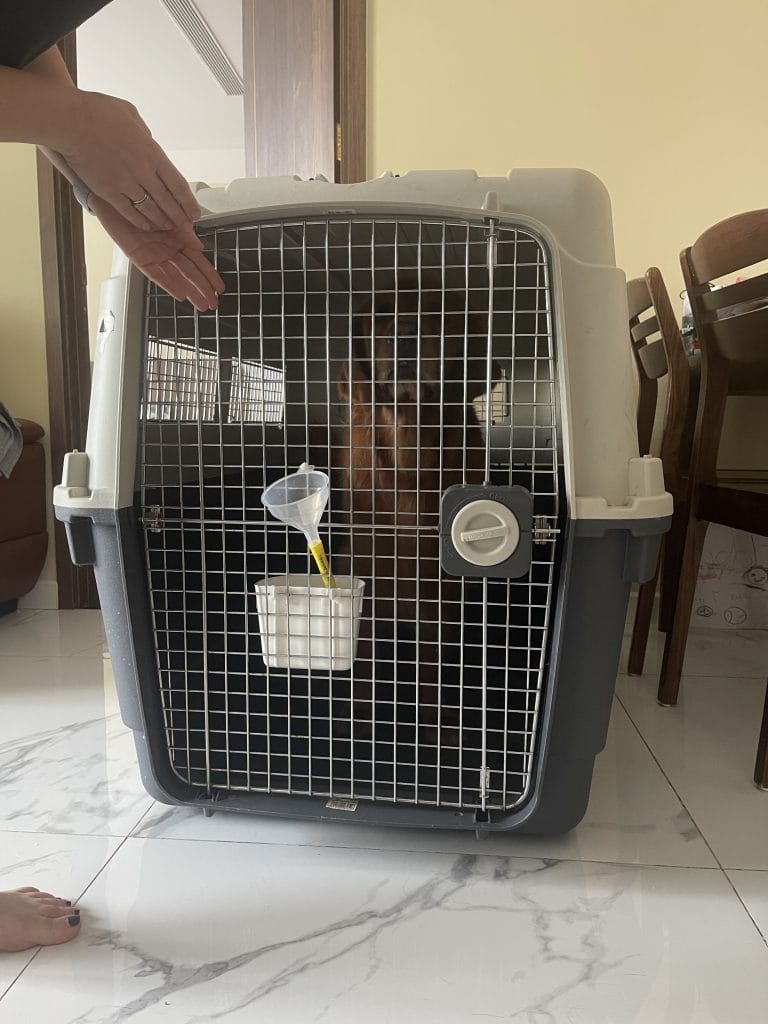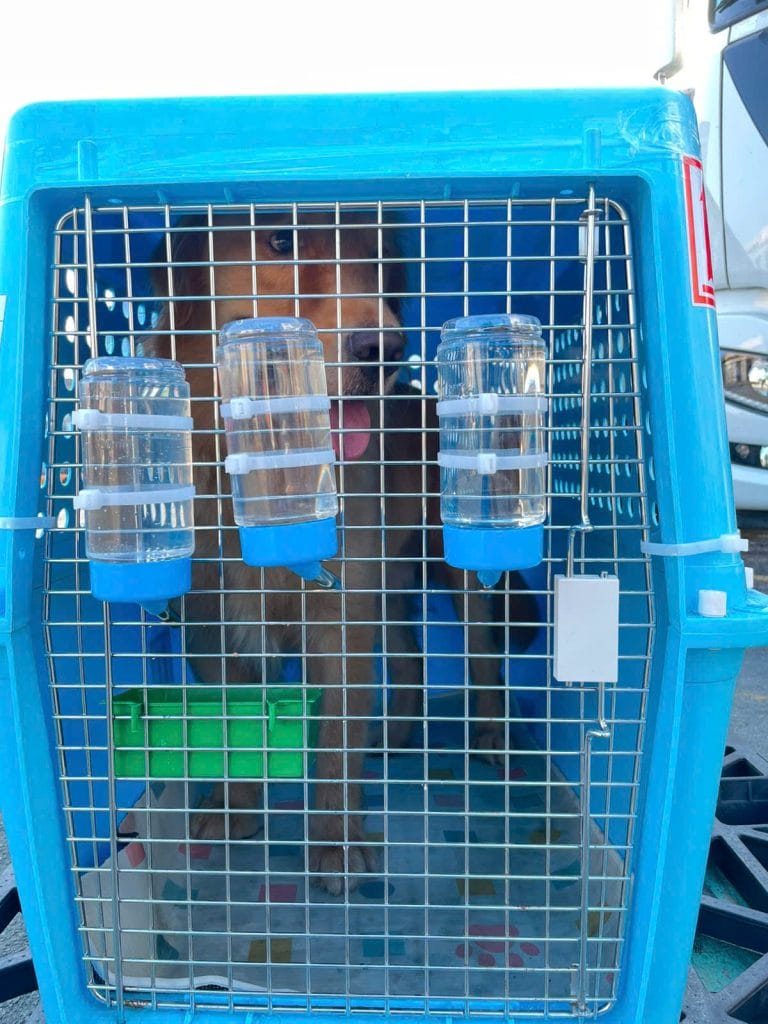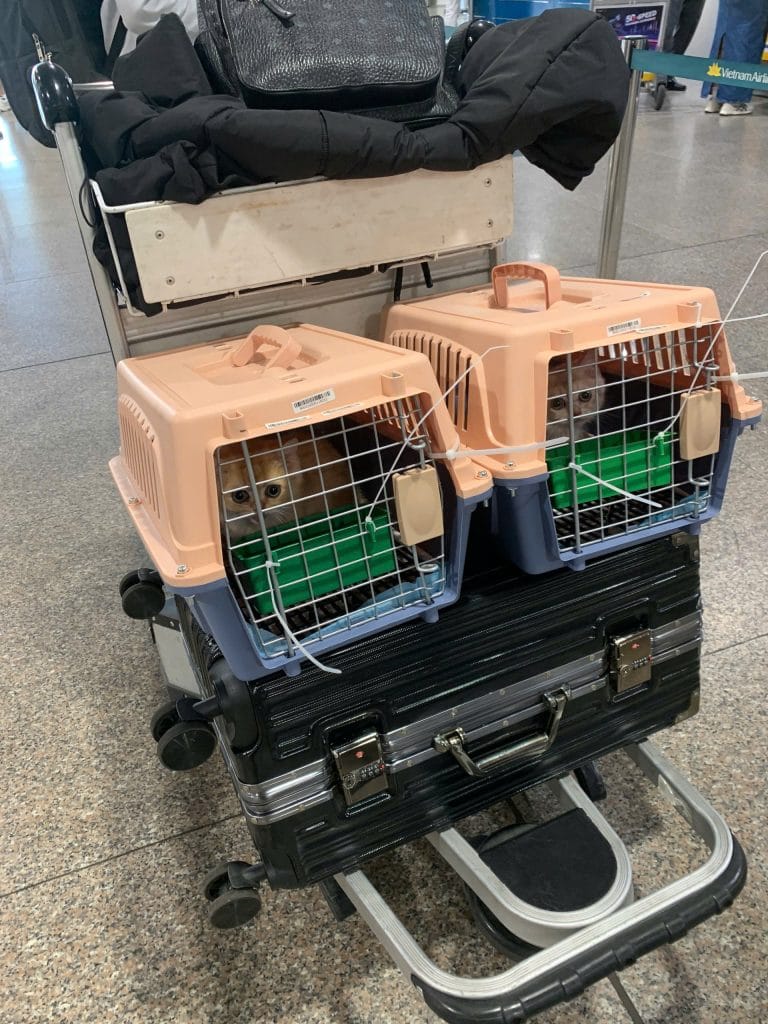
A visa timeline and a pet’s rabies titer timeline run on completely different clocks, and only one of them speeds up when someone is in a hurry. Owners moving to Germany for family reunification, a university place, or a work contract tend to plan the human side first and treat the pet as an afterthought — book the flight, then figure out the paperwork. For a pet coming from Vietnam, that order doesn’t work, because the pet’s clock is the longer one, and it doesn’t care how fast the visa came through. See the Germany pet shipping guide for the full picture before diving into the visa-specific timing below.
Two Clocks, Not One
A visa can, in some cases, come through in weeks. A pet’s entry requirements cannot compress the same way, because the sequence is biological, not administrative: microchip and rabies vaccine on day one, a mandatory 30-day wait before the blood draw for the antibody titer test, then a fixed 90-day wait from that blood draw before the health certificate can be issued. Vietnam sits outside Germany’s list of pre-approved countries, so this full sequence applies — there’s no shortcut for movers with an urgent start date. The realistic minimum from day one to departure is four to five months, and a failed titer test resets the 90-day clock from zero. The full step-by-step requirement guide covers each part of this sequence in detail.
The practical implication: start the pet’s paperwork the day the visa application goes in, not the day it’s approved. Waiting for approval before starting the microchip and vaccine step is the single most common reason a pet ends up traveling months after its owner, rather than alongside them.

Why the 5-Day Rule Matters More for Movers Than Tourists
EU rules require a written declaration confirming the pet’s movement is non-commercial, and part of that declaration is a five-day window: if the pet isn’t traveling with its owner, the person accompanying it has to travel within five days of the owner’s own trip. A tourist rarely runs into this. A visa mover often does — flying ahead to sign a lease, start orientation week, or begin a new job, with the pet following once its own biological clock finishes running.
Missing that five-day window doesn’t just mean a late arrival. The movement no longer counts as non-commercial and falls under commercial rules, which are considerably more complex. If the owner’s travel date and the pet’s earliest possible travel date are more than five days apart, the workaround is arranging for someone else to accompany the pet within that window, not treating the gap as a formality.
If the Pet Is a Restricted Breed
Permanent movers with a dog on Germany’s state-level breed lists — Rottweiler, Cane Corso, Dogo Argentino, and others, depending on the destination state — have a legal path in that tourists and short-term visitors don’t: proving the dog is already legally kept in another country. That’s specifically a permanent-move provision, which lines up naturally with a family reunification or work visa move, but it needs to be confirmed with the destination state’s authority well before booking travel. The full breakdown of Germany’s breed rules covers which dogs this applies to and which don’t have any legal path in at all, regardless of visa status.
What Doesn’t Change Just Because the Move Is Permanent
Outside of the timing pressure above, a permanent move doesn’t unlock any shortcut. The microchip, vaccination, titer test, and health certificate requirements are identical whether the pet is visiting for two weeks or moving for good — Germany’s entry rules don’t have a separate “immigration” track, and the two federal agencies that handle enforcement don’t treat a permanent move any differently at the border.
Planning Both Timelines Together
- Start the pet’s microchip and rabies vaccination the day the visa application is filed, not after approval.
- Map the earliest possible pet travel date first — it’s fixed by biology, not by how quickly documents get processed — then plan the owner’s own travel around staying within five days of it.
- If the breed is on a state restriction list, contact that state’s authority about the legal-ownership proof needed before finalizing any flight.
- Book the flight into one of Germany’s approved pet entry points — Frankfurt and Munich are the two practical choices from Vietnam — since a connecting itinerary that lands elsewhere isn’t fixable after the ticket is booked.
This guide covers the pet-logistics side of a visa-driven move. Visa requirements, residence permit conditions, and immigration procedure sit with the relevant German authority and a qualified visa caseworker — not something to substitute pet-relocation guidance for.
Last updated 17 Oct 2026
Compiled by our specialists from the regulations in force on the date above, for reference only. Rules may change after this date. Please verify with the competent authorities or contact us for the most accurate information.