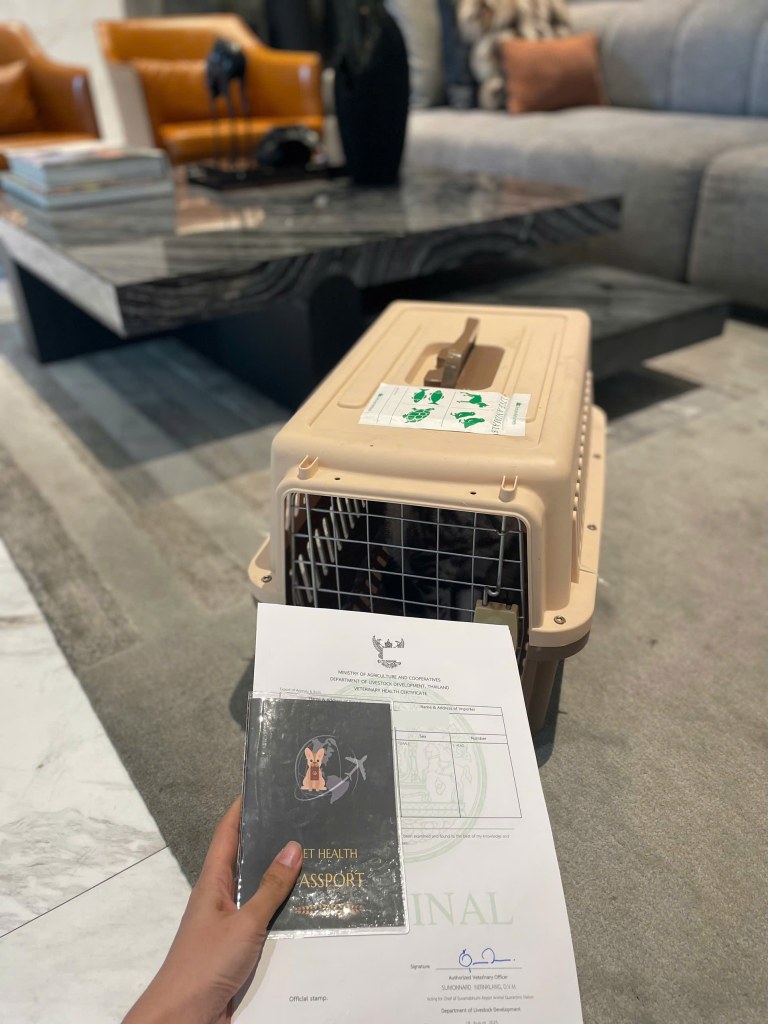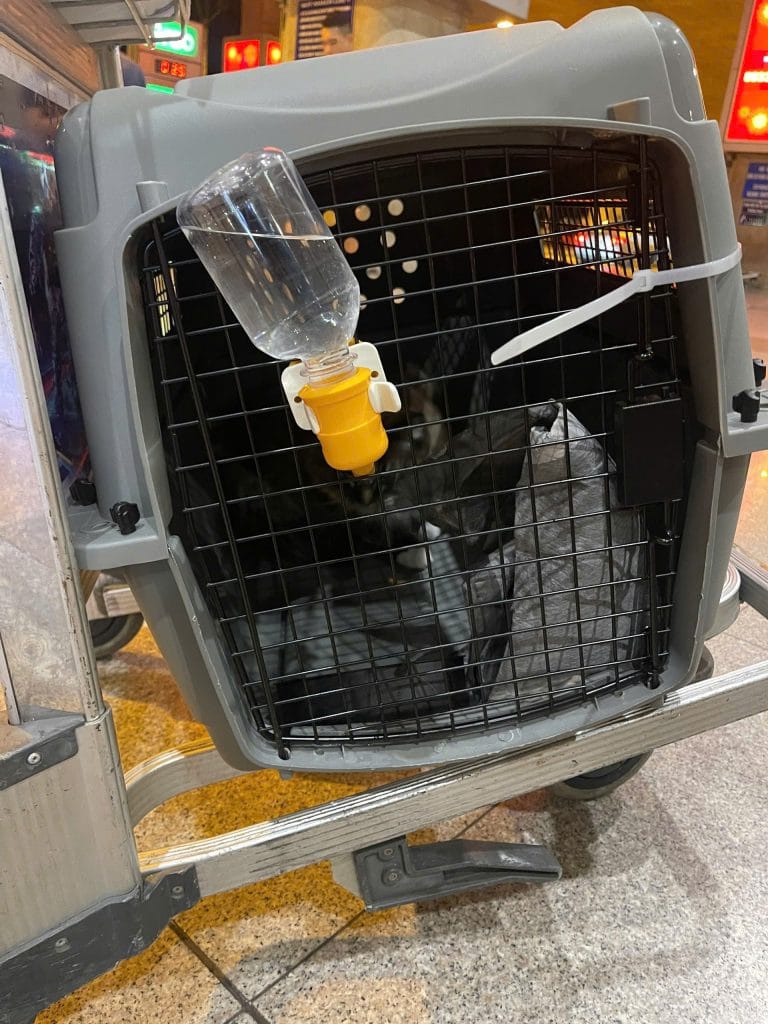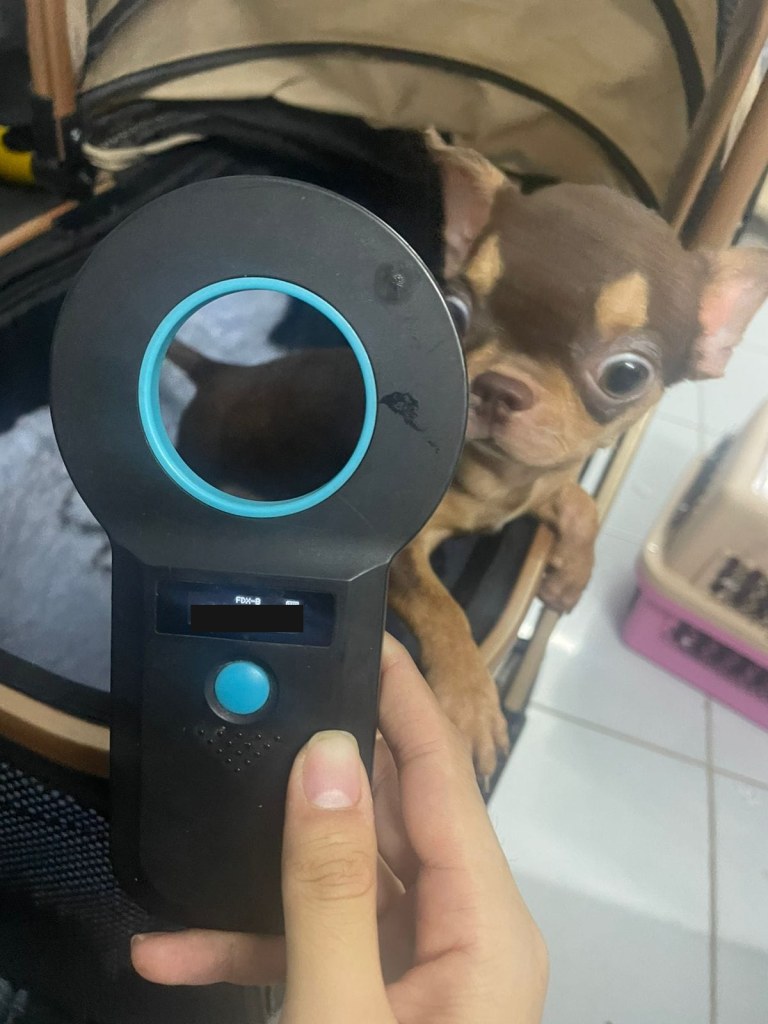
A dog or cat flying from Vietnam to Brazil has to meet three sets of rules: Vietnam’s export check, the Brazil pet import law, and each airline’s live-animal policy. Brazil’s side rests on one document, the International Veterinary Certificate (CVI). With a correct CVI, Brazil asks for no import permit, no rabies titer test and no quarantine.
The difficult part is timing. Two health checks are counted back from the day the CVI is signed. The pet must then reach Brazil within 60 days of that day.
Brazil Pet Import Law at a Glance
- What document does Brazil require? One CVI on Brazil’s current template, signed by Vietnam’s official veterinary authority.
- Is there quarantine? No, when the CVI is complete and correctly timed.
- Is an import permit needed? Not for pet dogs and cats under current MAPA rules.
- When must the rabies shot be given? At least 21 days before departure under Brazilian law; Daisy waits 30 days.
- Is a rabies titer test needed? No, from any country, Vietnam included.
- How long is the CVI valid? 60 days from the day it is issued.
What Does Brazil Require for Dogs and Cats From Vietnam?
Brazil’s rules come from Portaria MAPA nº 741/2024, issued by the Ministry of Agriculture and Livestock (MAPA). It replaced an older 2013 instruction. The same regulation covers dogs and cats from every country of origin.
| Requirement | Brazil’s rule | Legal basis |
|---|---|---|
| CVI | Original certificate, signed by the exporting country’s official veterinarian | Art. 5 |
| CVI validity | 60 days from the issue date | Art. 6 |
| Rabies vaccine | From 90 days of age; first shot at least 21 days before departure | Art. 9–10 |
| Parasite treatment | Internal and external, within 15 days before the CVI is issued | Art. 13 |
| Clinical exam | Within 10 days before the CVI is issued | Art. 14 |
| Microchip | Not required by Brazil on the CVI route; required by Daisy | Art. 17 |
| Permit, titer test, quarantine | Not required when the CVI is in order | MAPA guidance |
Brazil applies this same set of rules to dogs and cats. The only species difference sits in state breed laws, which target dogs.
Which Pets Can Enter Brazil? Age, Breed and Health Limits
Check these three limits before paying for any vet work. Each one can stop the move on its own.
Puppies and Kittens Under 90 Days
Brazil sets no minimum age for entry. A pet under 90 days old can enter without a rabies shot. The official vet must state its age on the CVI. The owner must also declare that the animal had no contact with urban rabies in the previous 90 days. From 90 days of age, the rabies vaccine becomes mandatory.
Banned Dog Breeds in Brazil
Brazil has no federal breed ban today. A national bill to restrict Pit Bulls, PL 1265/2024, has not become law. Rio de Janeiro state is different. Its Lei 3.205/1999 bans the import, sale and breeding of American Pit Bull Terriers and their crosses. Other states have their own rules, so the owner should check the final city before booking. Our guide to banned dog breeds in Brazil explains the state-level picture.
Leishmaniasis
Article 15 lets Brazil refuse an animal that was previously diagnosed with leishmaniasis. The rule says “may”, so the decision rests with the inspector. An owner whose pet has this history should raise it before planning the move.
Rabies Vaccination for Brazil: The 21-Day Rule
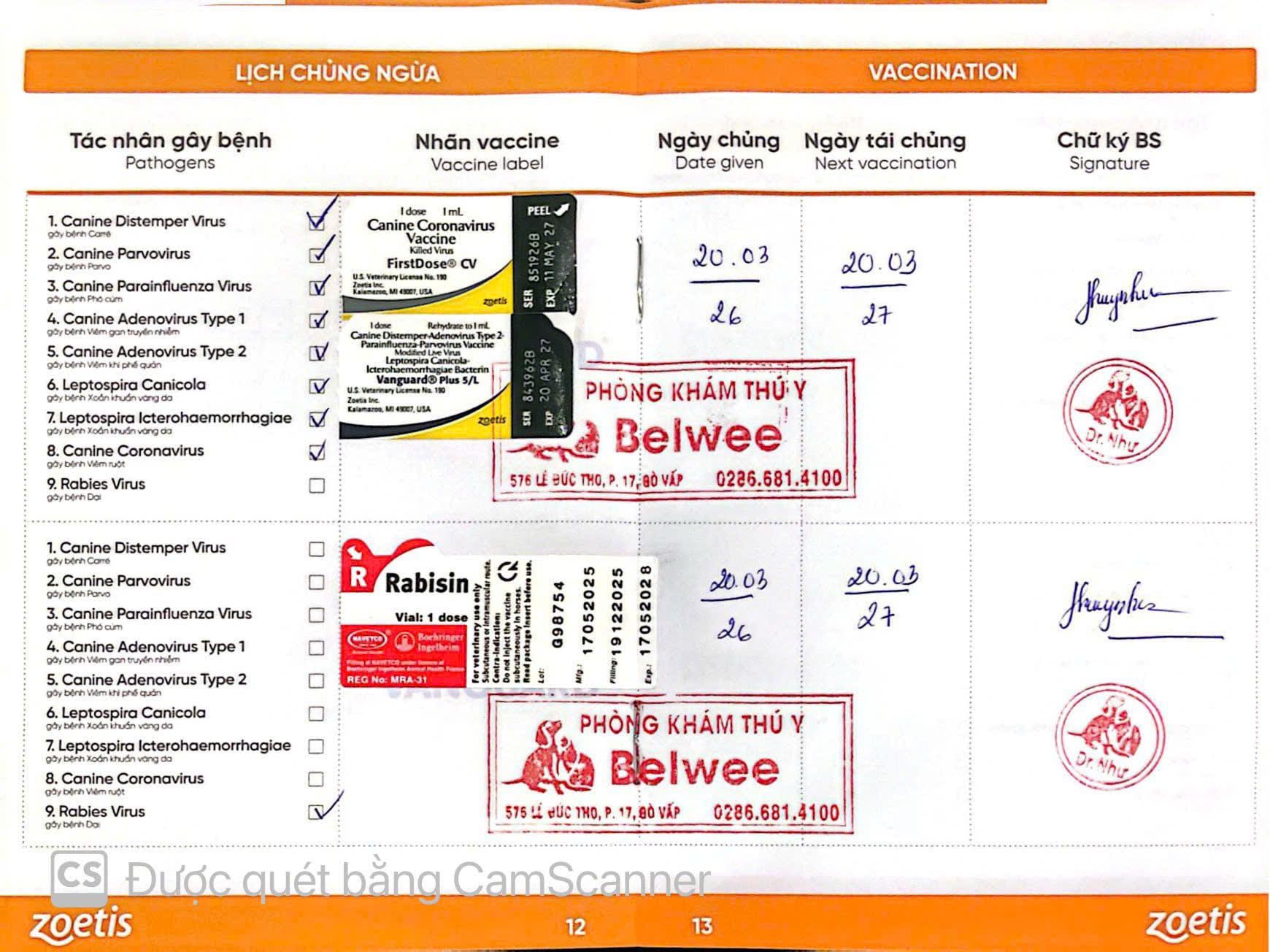
Every pet aged 90 days or more must be vaccinated against rabies. After a first rabies shot, Brazil allows departure only after 21 days. A booster given before the old vaccine expires counts as continuous cover. The pet can then travel without a new wait.
A booster given after the old vaccine expired counts as a first shot again. The 21-day wait then applies. The vaccine recorded on the CVI must still be valid on arrival day, so check its rabies vaccine validity for travel early.
Daisy books the flight at least 30 days after any rabies shot, on every route. This is our safety margin, not a Brazilian rule.
Does Brazil Require a Rabies Titer Test?
No. Brazil does not ask for a rabies antibody blood test (RNATT or FAVN) from any country, Vietnam included. The regulation never mentions one, and the CVI template has no field for a result. Proof of a valid rabies vaccine is the only rabies requirement. Some destinations do require the test, as our guide to the rabies titer test for pet travel explains.
Does Brazil Require an Import Permit for Dogs and Cats?
Under current MAPA rules, pet dogs and cats need no separate permit. MAPA’s import authorisation service covers other live animals and names dogs and cats as the exception. The CVI is the document Brazil checks at entry.
Some private pet-travel sites mention a new permit step through SISCOMEX, Brazil’s foreign trade system. We have not found this in any MAPA source. Procedures can change. The owner or the arrival agent should confirm the shipment with the receiving VIGIAGRO unit before the CVI is signed. Countries that do issue permits follow the pattern in our pet import permit guide.
Is a Microchip Required to Enter Brazil?
Brazilian law does not require a microchip for a pet entering on a CVI. It requires one only for Brazil’s own pet passport. If a chip is used, it must meet ISO 11784/11785, and the CVI must state where it is implanted.
Daisy still requires an ISO microchip for every pet going to Brazil. The chip number links the vaccine record, the CVI and the pet at each check in transit. Our pet microchip guide covers when to implant it.
The CVI: Who Signs It in Vietnam and How Long It Lasts
Brazil accepts only a CVI issued or endorsed by the exporting country’s official veterinary authority. A certificate signed only by a private clinic is refused at the Brazilian border. In Vietnam, the official veterinarians at the animal quarantine station of the departure airport carry out this check.
MAPA published a new bilingual template, RIG.CO.GA.AGO.25, for dogs and cats entering Brazil. It has been mandatory since 6 September 2025. The pet must travel with the original. Vietnam’s side of this check is explained in our guide to the animal health certificate for pets leaving Vietnam.
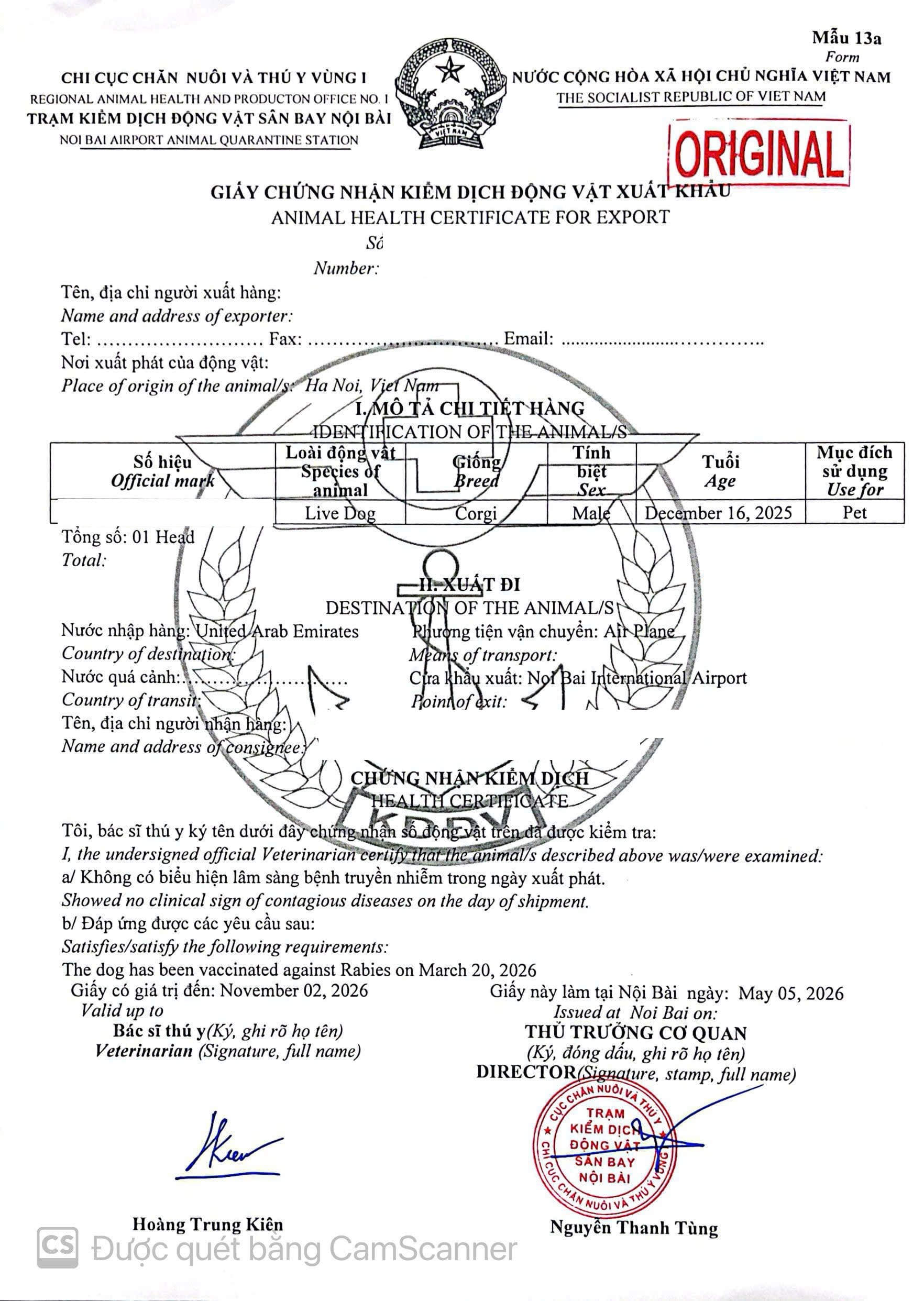
The CVI is valid for 60 days from its issue date. This applies to certificates from any country, according to MAPA’s FAQ for travellers with dogs and cats. The rabies vaccine on the certificate must stay valid until arrival.
Preparation Timeline: Count Back From the CVI Date
Brazil’s two pre-export deadlines are counted back from the day the CVI is issued, not from the flight date. Plan the CVI date first, then place the other steps around it.
- Microchip and rabies record checked: 8 weeks or more before the flight
- Routing and airline space confirmed: about 6 weeks before
- Parasite treatment: within 15 days before the CVI
- Clinical exam: within 10 days before the CVI
- CVI signed at the departure airport
- Flight and arrival clearance: while the CVI is still valid
Step 1 (8 Weeks Before): Check the Microchip and Rabies Vaccine
The vet reads the microchip and checks the rabies date in the vaccine record. If the pet needs a new rabies shot, the flight moves to at least 30 days later under Daisy’s standard. Who: the owner’s vet, with Daisy checking the record.
Step 2 (6 Weeks Before): Confirm the Routing and Travel Method
No airline flies direct from Vietnam to Brazil, so every pet connects through at least one hub. Each airline on the route decides whether the pet flies in the cabin, as checked baggage or as cargo. Brazil’s law does not force one method. Our guide to cabin, checked baggage and cargo explains the difference. Who: Daisy, with each airline on the route.
Step 3 (Within 15 Days Before the CVI): Parasite Treatment
The vet gives a broad-spectrum treatment against internal and external parasites. The treatment must fall within the 15 days before the CVI is issued. Our guide to internal and external parasite treatment covers the products. Who: a registered vet, using a product approved in Vietnam.
Step 4 (Within 10 Days Before the CVI): Clinical Exam
A registered vet examines the pet and confirms it shows no sign of infectious or parasitic disease. The exam must fall within the 10 days before the CVI is issued. One visit can cover Steps 3 and 4 when both dates fit. Who: a registered vet.
Step 5 (CVI Day): The Official Veterinarian Signs the CVI
The official veterinarian at the departure airport checks the pet and the records, then signs and stamps the CVI. Who: Daisy files the request; the official veterinarian issues the certificate.
Step 6 (Before the CVI Expires): Fly and Clear VIGIAGRO
The pet must arrive while the CVI is still valid. On arrival, Brazil’s International Agricultural Surveillance service (VIGIAGRO) checks the original CVI and the pet. A pet with complete papers is released without quarantine. Who: VIGIAGRO officers; the owner or receiving agent presents the papers.
Example: if the CVI is planned for 20 November, the parasite treatment must happen between 5 and 20 November. The clinical exam must happen between 10 and 20 November. The pet must then land in Brazil by 19 January.
Arriving in Brazil: VIGIAGRO Inspection
VIGIAGRO runs inspection units at Brazil’s international airports, seaports and land borders. Brazil does not limit pets to one or two entry airports. Each unit sets its own working hours, so the arrival time should match the unit’s hours. Large international airports such as São Paulo–Guarulhos (GRU) and Rio de Janeiro–Galeão (GIG) have VIGIAGRO units.
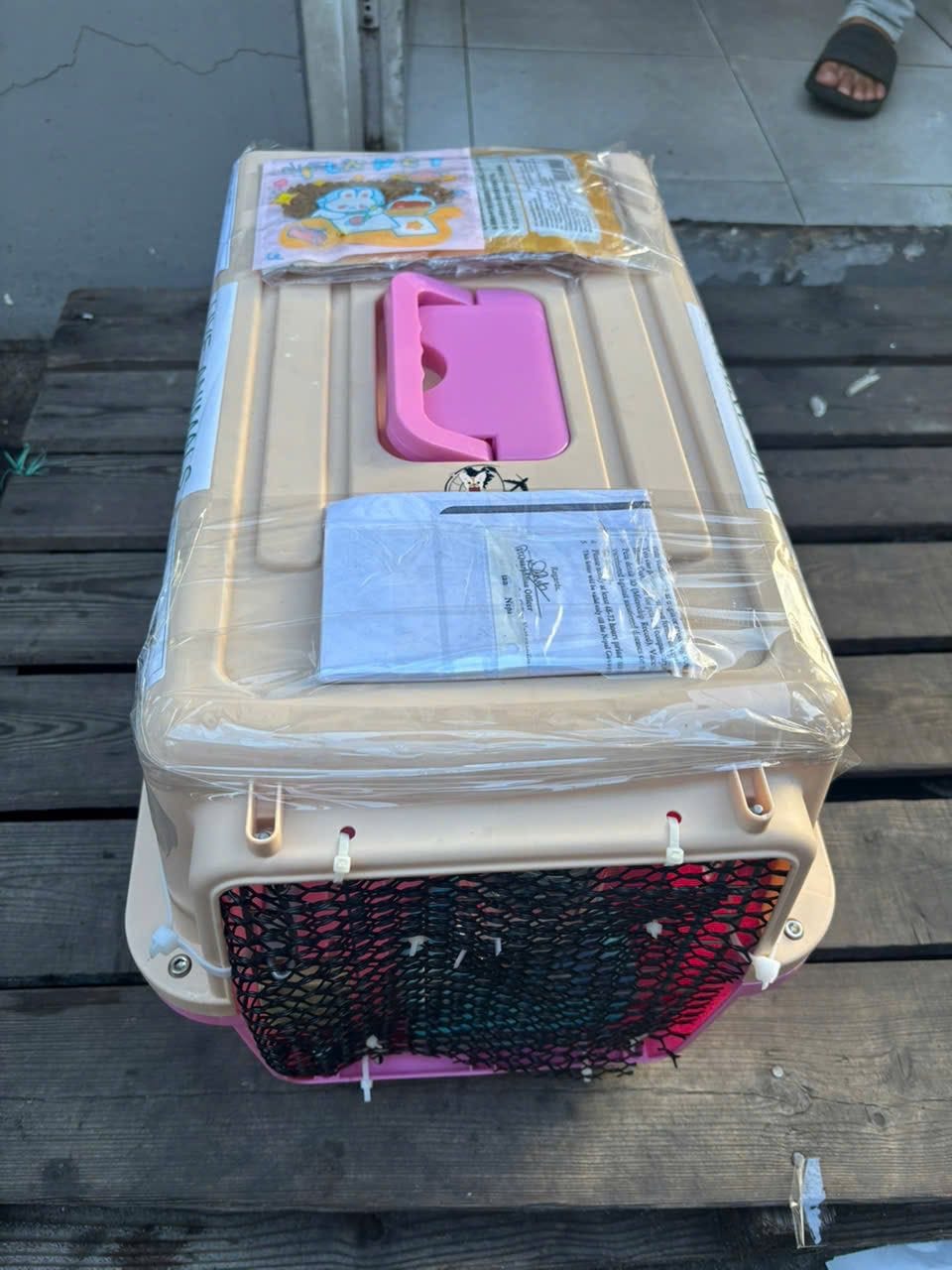
The inspector compares the original CVI with the pet. MAPA’s FAQ sends travellers to the Federal Agriculture Superintendency of each state for unit hours.
What Happens if the Paperwork Is Wrong?
Article 18 lets Brazil’s veterinary authority refuse entry, send the pet back to the country of origin, hold it, or take another measure. Article 19 puts every cost of that on the owner. The regulation does not mention euthanasia, and we do not repeat that claim.
On this route, dates are easier to get wrong than documents. A parasite treatment done 16 days before the CVI is enough to trigger Article 18. So is a CVI that expires during a delayed connection. Checking each date against the CVI date before the vet visits prevents both.
Brazil Pet Import FAQ
Can my pet use a pet passport instead of a CVI?
No. Brazil accepts pet passports only from countries that recognise Brazil’s own passport in return. Vietnam is not on that list, so a pet from Vietnam travels on a CVI.
Can my pet fly in the cabin to Brazil?
Brazil’s law does not require a particular travel method. Each airline on the route sets its own limits for weight, breed and transfers. A pet that fits the cabin on one airline may have to fly as cargo on a connecting airline. The crate must also pass each airline’s check, as explained in how to check an airline-approved crate.
How far ahead should I start preparing?
Start about two months before the planned flight. That leaves time for a new rabies shot and the 30-day wait if needed. It also leaves time to fit the parasite treatment and exam inside their windows before the CVI.
Does Brazil quarantine pets on arrival?
No. Brazil has no routine quarantine for dogs and cats. A pet is held only when its papers do not meet the rules.
How much does it cost to ship a pet to Brazil?
Brazil charges no permit fee and no quarantine fee for pet dogs and cats. Most of the cost is the flight, the crate and the handling at each transit airport. The total depends on the pet’s size, the crate and the routing. Our pet shipping guide for Brazil lists what a shipment includes.
Last updated 20 Oct 2026
Compiled by our specialists from the regulations in force on the date above, for reference only. Rules may change after this date. Please verify with the competent authorities or contact us for the most accurate information.
Official sources cited in this guide
- Portaria MAPA nº 741/2024gov.br
- Lei 3.205/1999alerjln1.alerj.rj.gov.br