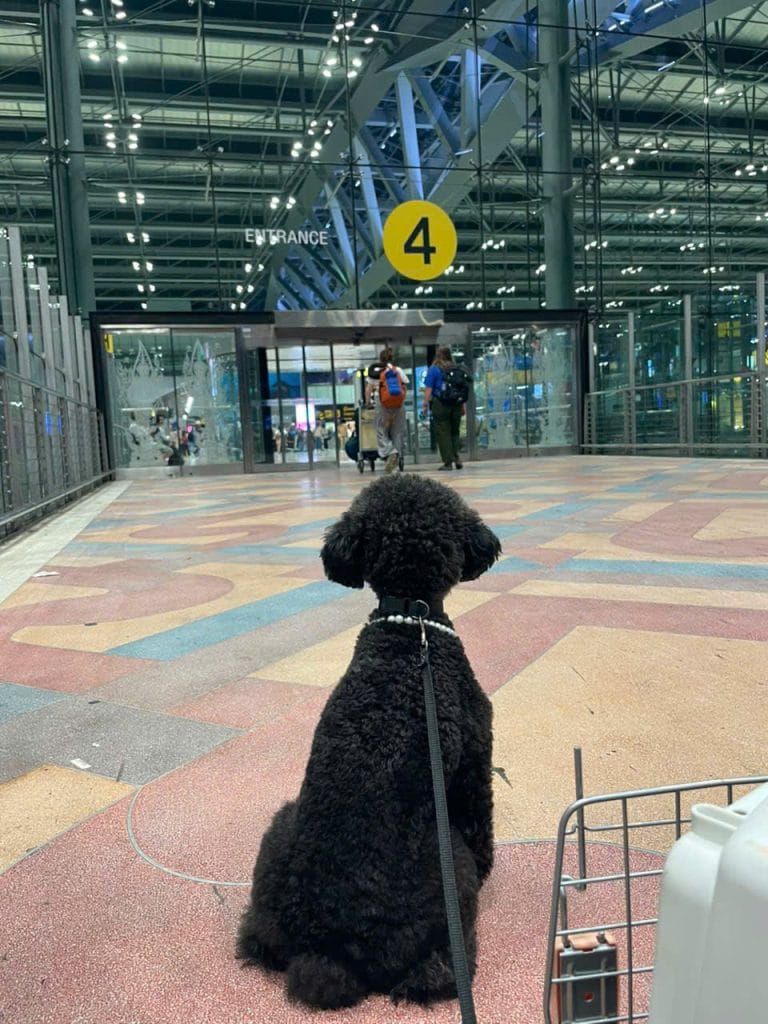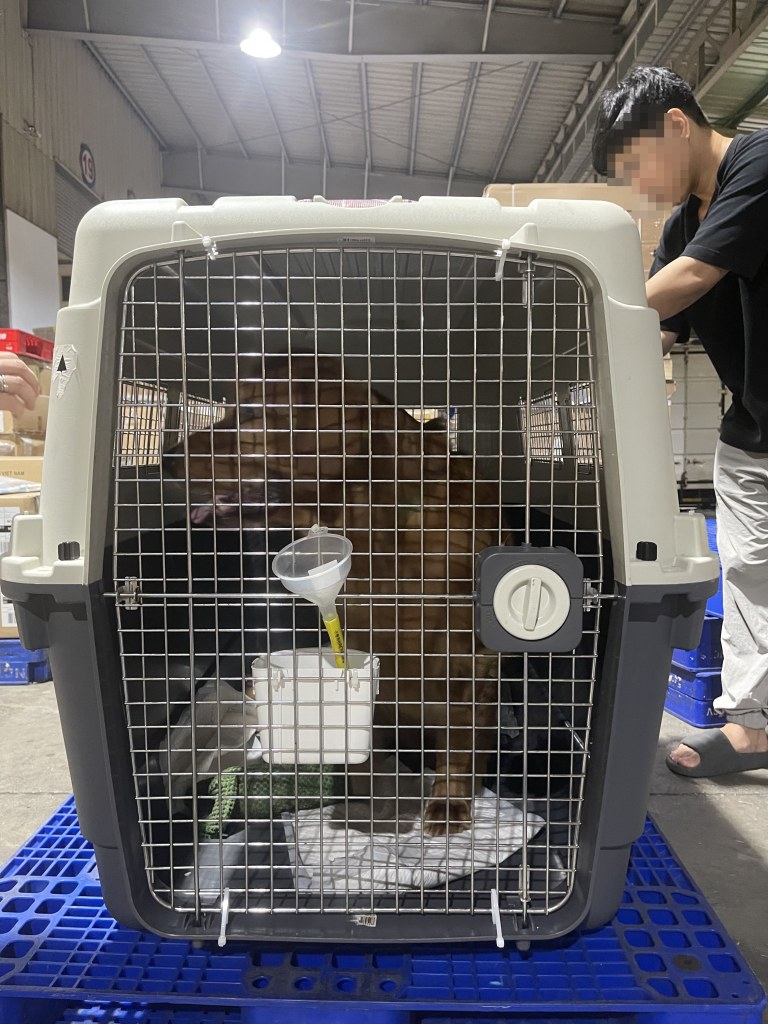
To bring a dog from Thailand to the USA, you meet three sets of rules: Thailand’s export rules, US entry rules and the airline’s conditions. For dogs, the US rules set the timeline, because the Centers for Disease Control and Prevention (CDC) lists Thailand as high-risk for dog rabies. A cat needs no US entry papers, but it still needs a Thai export permit.
Short answer: can you bring a dog or cat from Thailand to the USA?
- Is it possible? Yes. The US sets no limit on personal dogs, and cats need no federal entry papers.
- What does a dog from Thailand need? A microchip, a rabies vaccine and a passing titer test. On top come a CDC certification endorsed in Thailand, a screwworm certificate and a booking at a CDC-registered animal care facility (ACF).
- Does a cat need papers? Not for the US. Thailand still issues an export permit and a health certificate before the cat leaves.
- How long does it take? About 60–75 days for a dog starting from zero, and the dog must be at least 6 months old. A cat with a current rabies vaccine can be ready in two to four weeks.
- Is there a direct flight? No. Pets connect through a hub such as Seoul, Istanbul, Doha or Taipei.
- Was the dog vaccinated in the US? Then a shorter route may apply, with no titer test and no ACF.
Was your dog’s rabies vaccine given in the US?
This question decides the whole route, so answer it first.
A dog vaccinated in the US can return on the US-vaccinated route. It needs a valid US-issued rabies vaccine and the Certification of U.S.-Issued Rabies Vaccination. A USDA-accredited vet completes that form before the dog leaves the US. The dog then needs no titer test and no ACF, and it can arrive at any US airport. It still needs the CDC Dog Import Form, a Thai export permit and a screwworm certificate signed by a Thai government vet within 5 days before the dog arrives in the US. The form can be reused while the US vaccine stays valid (CDC, updated 28 April 2026).
The route closes if the form was not done before departure. It also closes if the US vaccine runs out, because a vaccine given in Thailand is not US-issued. The dog then follows the foreign-vaccinated route in the rest of this guide.
Still in the US and planning a stay in Thailand? Get the form before you fly, and read our guide to taking a pet to Thailand and back.
What must be ready before you book a dog’s flight?
Check these points first. One missing item can mean a refused booking or a month of quarantine on arrival.
- Age: at least 6 months on arrival. Dogs under 6 months cannot enter the US.
- Microchip: implanted before the rabies vaccine, or the vaccine does not count. Use an ISO chip, which both the US scanners and the Thai station read.
- Rabies vaccine: the first dose at 12 weeks (84 days) of age or older. CDC asks for it at least 28 days before entry; we plan at least 30.
- Titer test: blood taken at least 30 days after the first valid vaccine and tested at a CDC-approved lab. The National Institute of Animal Health (NIAH) in Bangkok is on the CDC list (CDC approved labs, updated 13 July 2026).
- Arrival airport: the dog must land at one of eight US airports with an ACF. They are Atlanta (ATL), Dallas Fort Worth (DFW), Los Angeles (LAX), Miami (MIA), New York JFK, Philadelphia (PHL), Seattle (SEA) and Washington Dulles (IAD). Seattle takes cargo only, and Newark and LaGuardia do not count.
- Breed and size: the US has no federal breed ban. Airlines refuse many snub-nosed breeds and set weight limits, so get the airline’s answer first. See large and snub-nosed pets leaving Thailand.
- Sale or adoption: a dog that will be sold or adopted out for a fee needs an import permit from the USDA Animal and Plant Health Inspection Service (APHIS). If it has no valid titer, its quarantine cannot be shortened.
Without a valid titer result, the dog can still enter. It then spends 28 days in quarantine at the ACF after revaccination (CDC entry rules for foreign-vaccinated dogs).
Does a cat from Thailand need papers for the USA?
Not for the US. APHIS has no health requirements for pet cats (page updated 24 December 2025). The CDC does not require a rabies certificate for cats. Some airlines and some US states ask for one, so keep the vaccination book with the cat.
Thailand’s side is different. Every cat leaving Thailand needs an export permit and a health certificate from the Department of Livestock Development (DLD) station at the departure airport. The station asks for a rabies vaccine that was kept up to date and is still valid on departure day.
One detail is stricter than the US rules. The Thai-language page of the Suvarnabhumi station for cats to the USA asks the cat to arrive within 5 days of the date the station issues its papers. It gives a screwworm statement as the reason. The English page and the US agencies do not mention this, so book the station visit 1–3 working days before the flight.
A cat therefore needs only two things: a current rabies vaccine and that station visit. Why the two species are treated so differently is explained in why US dog rules are stricter than cat rules.
How can your pet fly from Thailand to the USA?
No airline flies pets non-stop from Thailand to the US. Thai Airways does not fly to the US, and US airlines do not fly to Bangkok. Your pet connects through a hub, and two rules shape the choice.
- One airline the whole way. Qatar Airways, Emirates, Etihad and Turkish Airlines do not take pets transferred from another airline. Book both flights on the same airline.
- An ACF airport at the end. A dog from Thailand must land at an ACF airport, and some airlines narrow that list further.
| Airline (hub) | Dog in the cabin | Hold or cargo | Note for dogs to the US |
|---|---|---|---|
| Korean Air (Seoul) | Up to 7 kg | Hold up to 45 kg | Dogs vaccinated outside the US land only at Washington Dulles (IAD) or Atlanta (ATL) |
| Turkish Airlines (Istanbul) | Up to 8 kg | Hold up to 50 kg; Turkish Cargo | Dogs to the US need approval before booking; Turkish Cargo lands them at JFK, MIA, IAD, LAX or ATL |
| Qatar Airways (Doha) | No | Hold up to 75 kg; Qatar Airways Cargo | Follows CDC rules; refuses snub-nosed breeds in every form |
| EVA Air (Taipei) | No | Hold on EVA flights only, not on long-haul Boeing 787s | Check the aircraft on both flights; snub-nosed breeds refused all year |
| ANA or JAL (Tokyo) | No | Hold and cargo | ANA refuses snub-nosed pets in the hold from May to October; JAL refuses Bulldogs and French Bulldogs |
| Emirates (Dubai) | No | Emirates SkyCargo only | Every pet from Bangkok flies as cargo |
| Cathay Pacific (Hong Kong) | No | Cathay Cargo | A change of aircraft in Hong Kong needs manifest cargo and a Hong Kong transhipment permit |
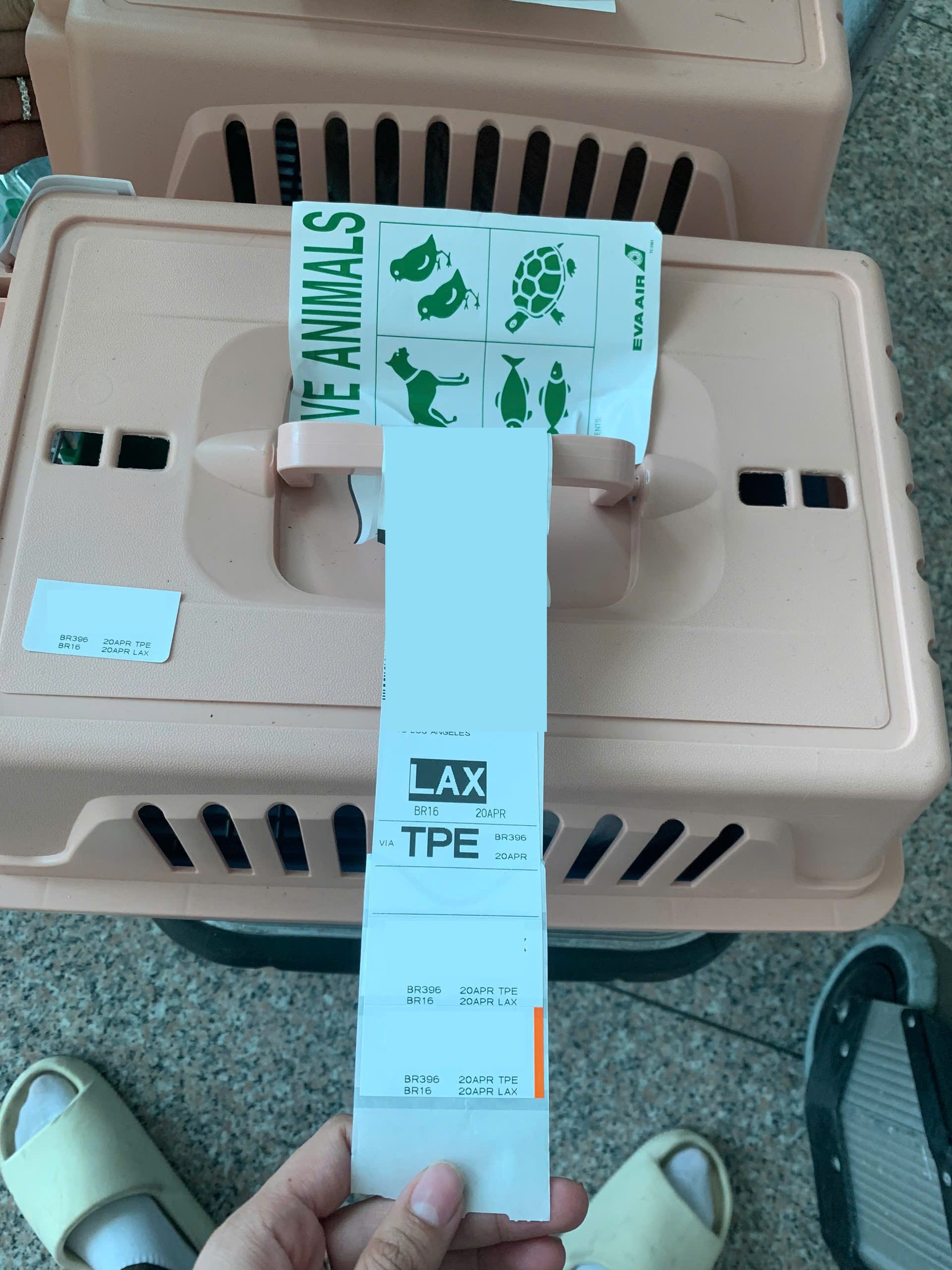
Two more points help at the US end. The Los Angeles facilities prefer dogs to arrive as cargo, to avoid clearance delays. Avoid routes through Amsterdam on cargo: a pet held there must meet EU entry rules.
Size the travel crate before you book, with our IATA crate size calculator.
6 steps to bring a dog from Thailand to the USA (about 60–75 days)
The days count from the microchip and the first rabies vaccine. A dog that already has a valid chip and vaccine can start at Step 2.
Step 1 (Day 1): microchip, then the rabies vaccine
Who: your vet in Thailand.
The vet implants the chip first, then gives the rabies vaccine. The dog must be at least 12 weeks old for the vaccine to count. Each entry in the vaccination book shows the date, the vaccine product, and the vet’s name, licence number and signature. The Thai station checks these details later.
Step 2 (Day 31): blood sample for the titer test
Who: your vet takes the blood, and NIAH tests it.
NIAH’s latest guide says results take 21 days from submission, sent by email as a PDF. The test costs 3,000 baht per sample, plus 200 baht if NIAH takes the blood. CDC advises taking the blood at least 60 days before travel. A passing result stays valid while the rabies vaccine never lapses and the lab stays on the CDC list.
How the test works and how to read the result: our rabies titer test guide.
Step 3 (Days 31–55): book the flight and the ACF
Who: you or your agent, with the airline and the facility.
Book the flight and the ACF together, because the arrival airport must match. The reservation covers a vet exam and a US rabies vaccine on arrival. Contact the facility well before the travel date. The booking form is explained step by step in our guide to reserving a CDC animal care facility.
Step 4 (within 30 days of the flight): the CDC certification and import form
Who: your vet fills in the certification, a DLD official vet endorses it, and you file the online form.
The vet completes the Certification of Foreign Rabies Vaccination and Microchip no more than 30 days before travel. A DLD official vet then endorses it. It is valid for one entry and expires 30 days after the vet signs it. Carry two copies, in case the airline keeps one.
Next, file the CDC Dog Import Form online. It is free, one form per dog, and it must name the same airport as the ACF booking. Field-by-field help is in our guide to completing the CDC import form.
Send the ACF a sharp scan of the certification. In August 2026, the Miami facility receiving a Pomeranian we flew from Saigon asked for a clearer copy before CDC would release the dog.
Step 5 (1–3 working days before the flight): Thai export papers and screwworm certificate
Who: the DLD Animal Quarantine Station at the departure airport, with you or your agent.
Every pet leaving Thailand needs an export permit and a health certificate. At Suvarnabhumi, the station examines the pet 1–5 days before departure, Monday to Friday, without an appointment. The visit takes 2–3 hours, and the fee is 250 baht per pet plus 10 baht per permit, in cash. Other airports, holidays and how long the permit stays valid are covered in our guide to pet export from Thailand.
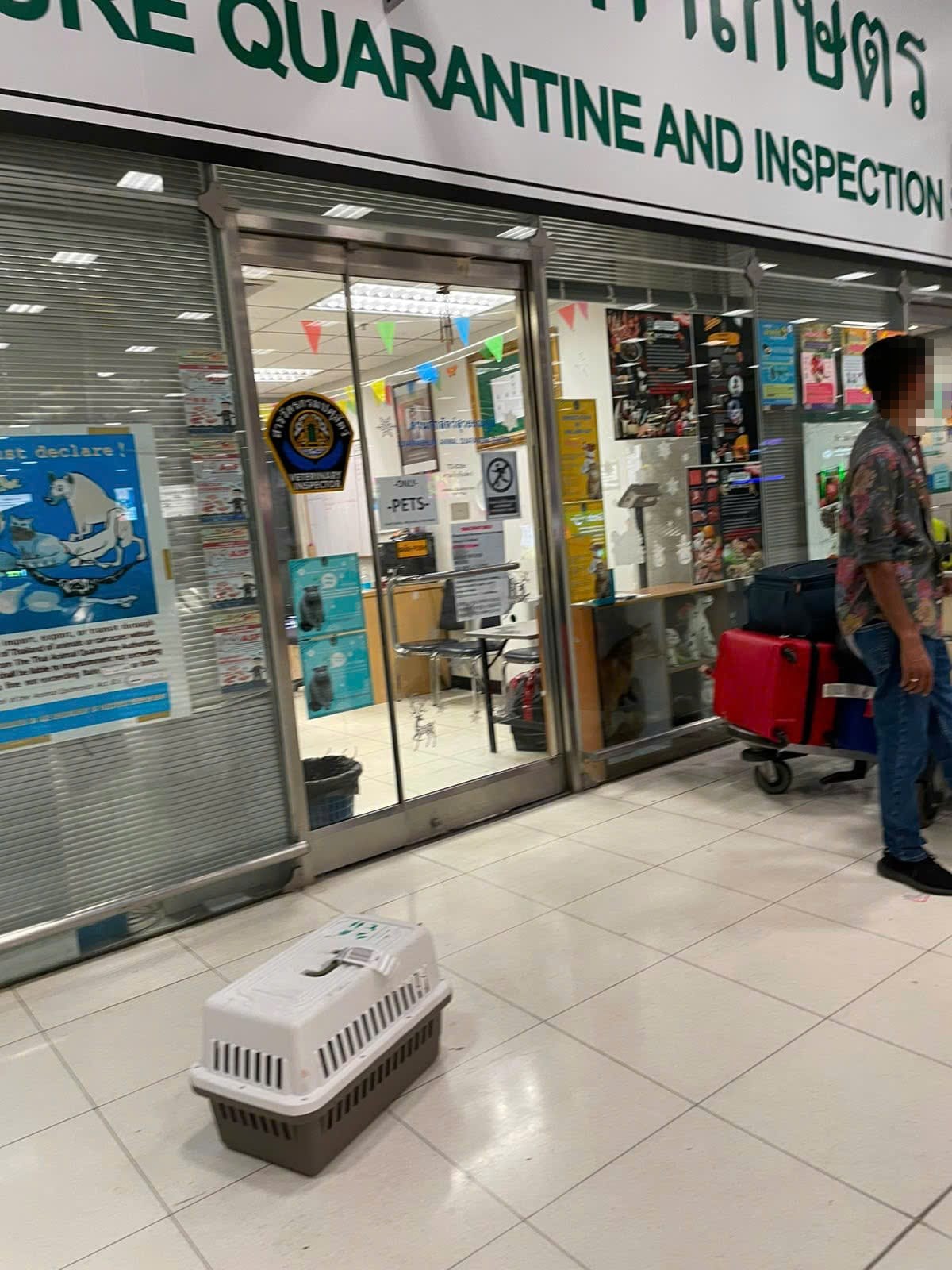
APHIS lists Thailand as not free of screwworm, a fly whose larvae feed on wounds. A dog from Thailand needs a certificate signed by a full-time government vet, which in Thailand means the DLD. It must state that the dog was inspected within 5 days before shipment and found free of screwworm (APHIS, updated 1 April 2026).
Count those 5 days to the arrival date as well. The airline database Timatic reads the rule that way, and so did the same Miami facility: it treated an earlier certificate as expired. A station visit 1–3 working days before the flight meets both readings.
Step 6 (flight day and arrival): check-in, ACF exam and release
Who: the airline, then US Customs and Border Protection (CBP), CDC and the ACF.
At check-in, the airline checks the Thai export papers and the CDC documents. After landing, the ACF takes the dog, and its vet examines it and gives a US rabies vaccine. With a valid titer, CDC then releases the dog. Without one, the dog first completes its quarantine.
The dog cannot take a domestic flight until the ACF has finished. Some facilities also give vaccines missing from the record, such as Bordetella or leptospirosis, at the owner’s cost. The arrival hours are described in what happens when a dog lands in the US.
What does it cost to bring a pet from Thailand to the USA?
The total depends on the pet’s size, the airline and the route. Most of it is the flight and the US facility.
- Thai export papers: 250 baht per pet plus 10 baht per permit at the DLD station.
- Titer test at NIAH: 3,000 baht per sample, plus 200 baht if NIAH draws the blood.
- CDC Dog Import Form: free.
- ACF: the importer pays for the exam, the revaccination and any quarantine. Each facility sets its own price, and some ask for a deposit when you book.
- Airline: Qatar Airways charges USD 350 for a pet in the hold up to 32 kg and USD 450 from 32 to 75 kg, on most routes. Cargo is priced on the crate’s chargeable weight.
- Vet work and the crate: set by your vet and the crate size.
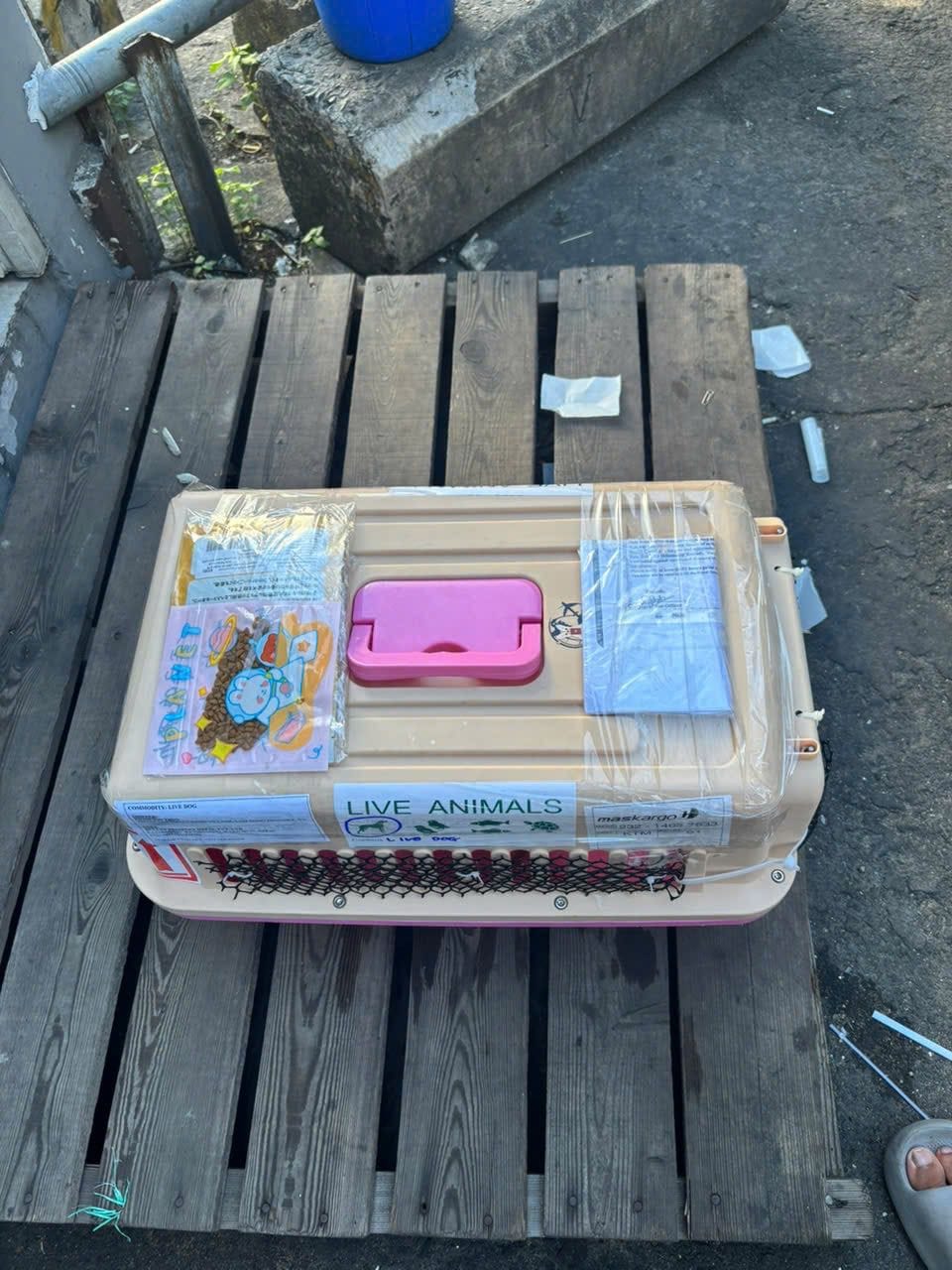
Daisy Pet takes clients leaving Thailand through our partner agent in Thailand. Our partner agent in the US handles the arrival end, and the Thai side is quoted per case. Our Thailand pet relocation page covers moves in both directions.
What changes if you fly to Hawaii?
Hawaii adds its own rules for dogs and cats on top of the federal ones. The pet needs at least two rabies vaccines after the microchip and a passing FAVN test from one of four US labs. They are Kansas State University, Auburn University, the University of Missouri and the Department of Defense lab, so an NIAH result does not count.
The pet may arrive only 30 days after the lab receives the sample. Documents go to Hawaii at least 10 days before arrival. A pet that misses a condition faces quarantine of up to 120 days. A dog from Thailand must also clear a mainland ACF first. Details are on the Hawaii Department of Agriculture site.
FAQ: bringing a pet from Thailand to the USA
Does my dog need quarantine when flying from Thailand to the USA?
Not with a valid titer result and the endorsed CDC certification. The dog still goes to a CDC-registered facility for an exam and a US rabies vaccine. Without a valid titer, it stays 28 days.
Can I do the rabies titer test in Thailand?
Yes. The National Institute of Animal Health in Bangkok is on the CDC list of approved labs. Plan 21 days for the result and 3,000 baht per sample.
Does a cat need a rabies certificate to enter the USA from Thailand?
No, neither CDC nor USDA asks for one. The cat still needs a Thai export permit and health certificate. Book that station visit 1–3 working days before the flight.
Which US airports can a dog from Thailand land at?
Only airports with a CDC-registered facility: ATL, DFW, LAX, MIA, JFK, PHL, SEA and IAD. Seattle takes cargo only. Korean Air narrows the list to IAD and ATL.
Can a puppy fly from Thailand to the USA?
Not under 6 months of age. Dogs younger than that cannot enter the US, whatever their papers show.
Can my dog fly in the cabin from Bangkok to the USA?
Yes, on Korean Air up to 7 kg or Turkish Airlines up to 8 kg. Turkish Airlines must approve a dog to the US before booking. The dog still goes to the facility after landing.
Last updated 3 Nov 2026
Compiled by our specialists from the regulations in force on the date above, for reference only. Rules may change after this date. Please verify with the competent authorities or contact us for the most accurate information.
Official sources cited in this guide
- CDC, updated 28 April 2026cdc.gov
- APHIS, updated 1 April 2026aphis.usda.gov
- Hawaii Department of Agriculturehdoa.hawaii.gov