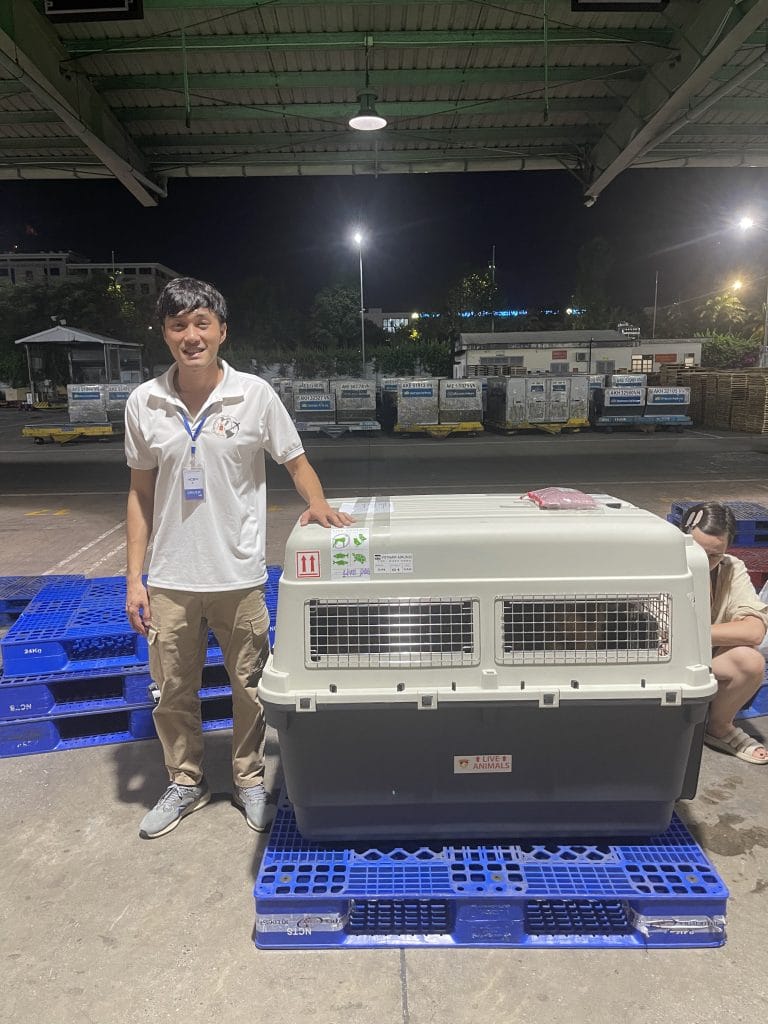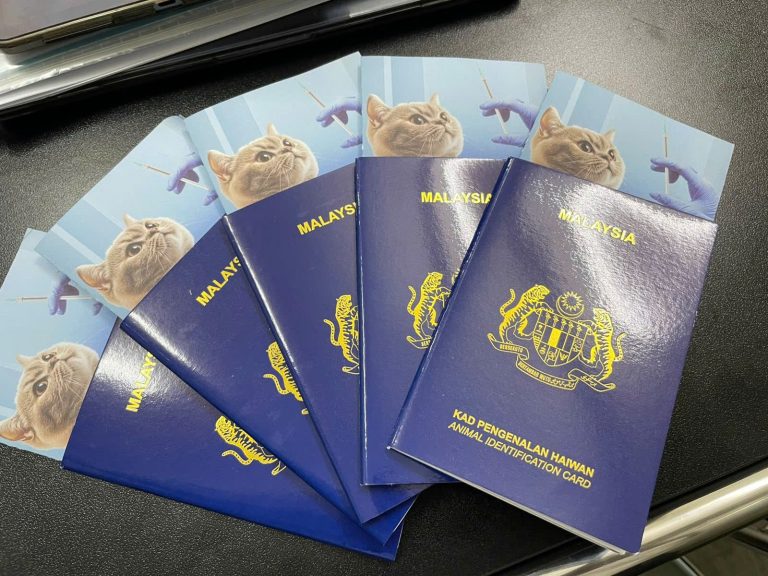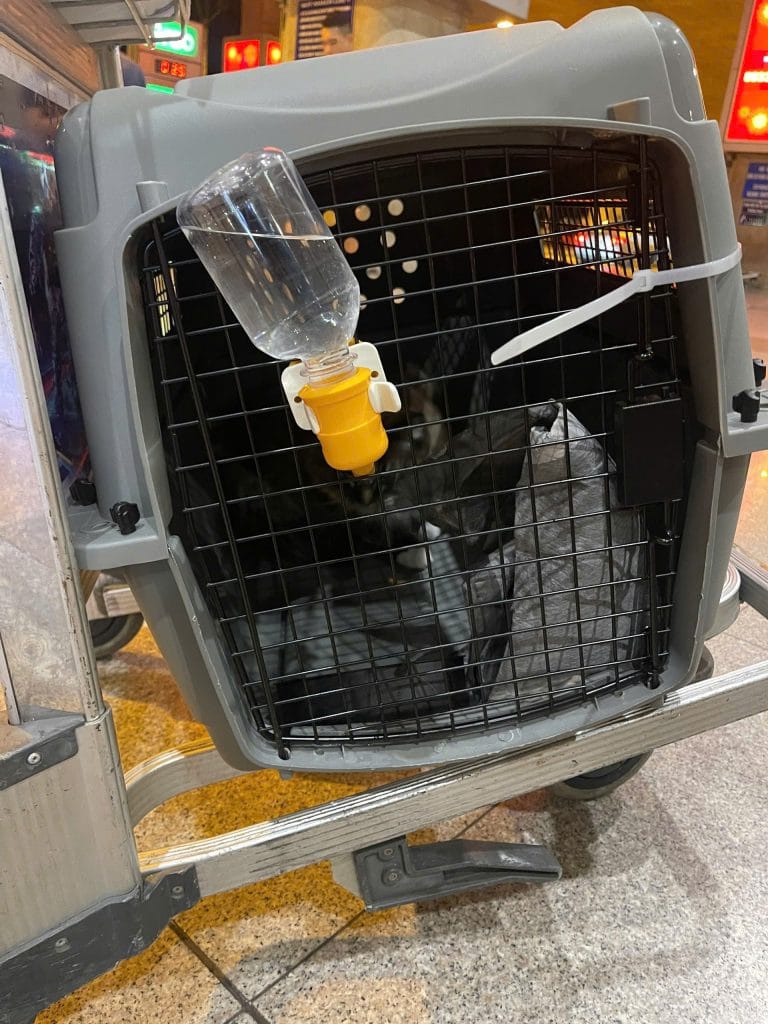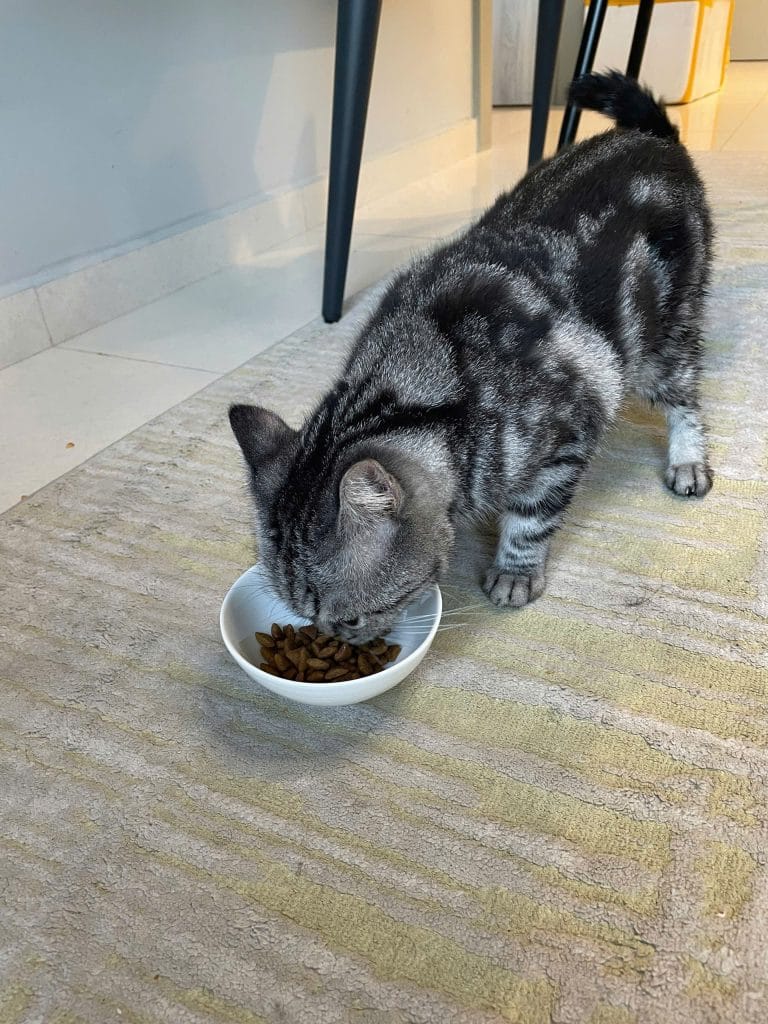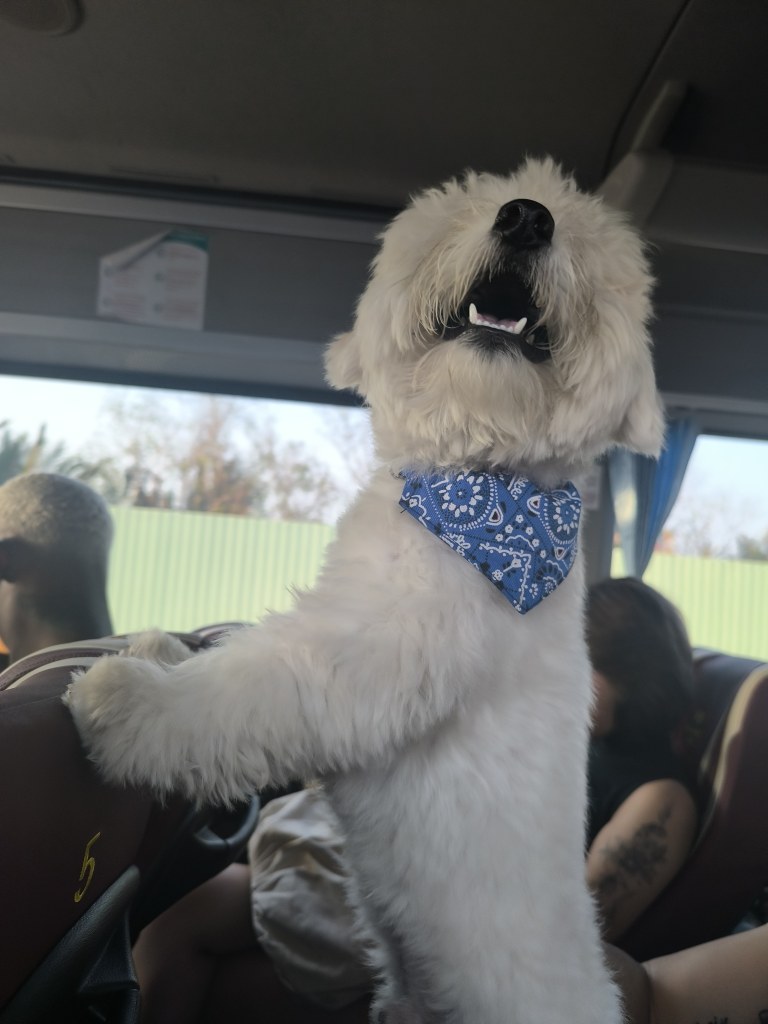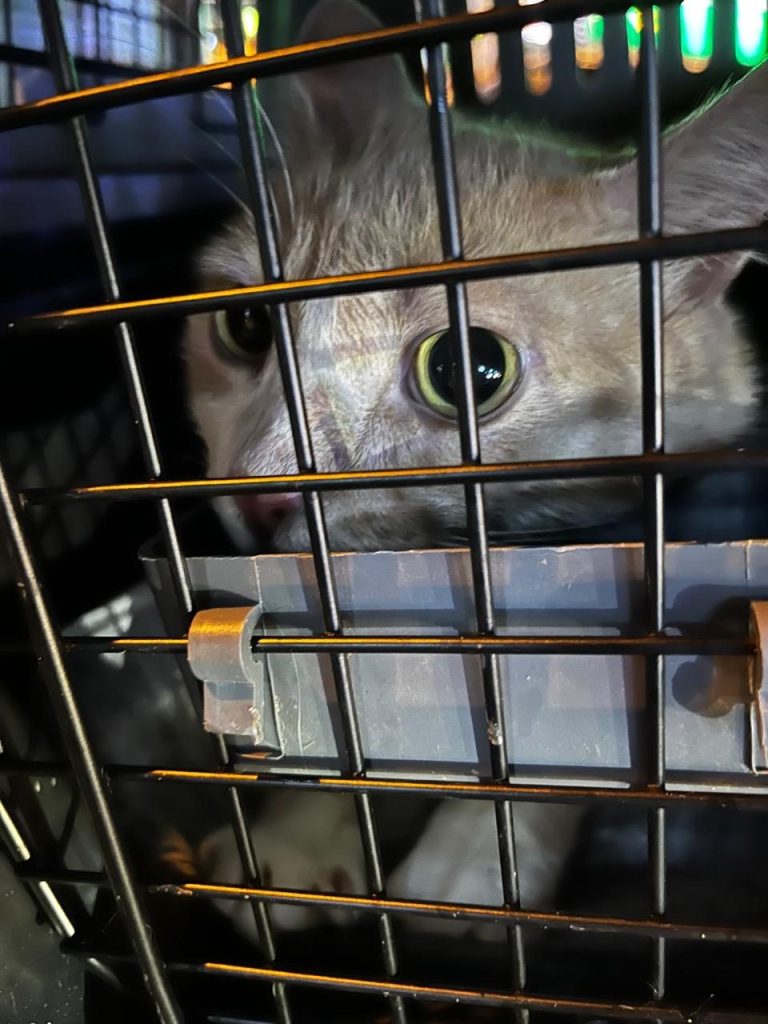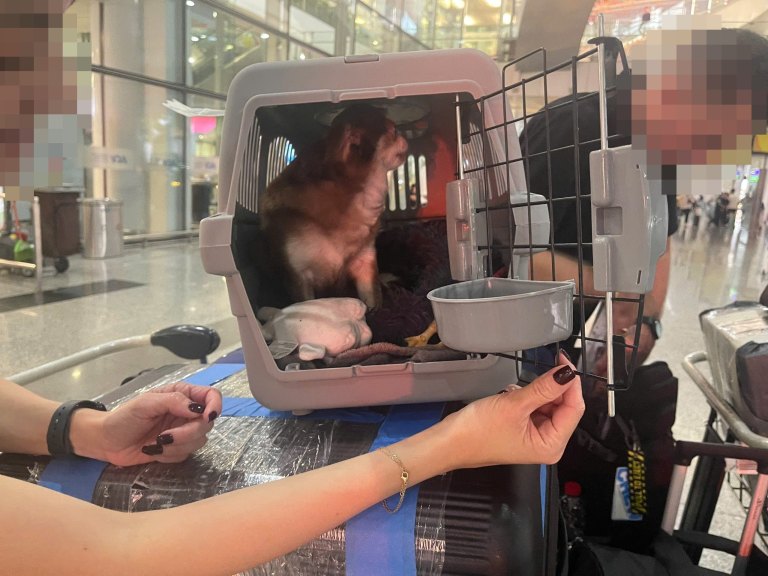
Bringing pets from Canada to Vietnam means meeting three sets of rules at once: Canada’s export process, Vietnam’s import checks and the airline’s pet policy. In Canada, a private vet fills in the health certificate and a government vet endorses it in person. There is no nonstop flight yet, so the airline you choose decides whether your pet can travel with you.
Quick Answers: Can You Bring a Pet from Canada to Vietnam?
- Is it allowed? Yes. One or two personal pets need no import permit, no rabies titer test and no quarantine stay in Vietnam.
- Is there a nonstop flight? Not yet. Air Canada plans Ho Chi Minh City flights in 2027, pending government approval. Today every route connects in Asia.
- Can my pet fly with me? Yes. A small pet can ride in the cabin with Korean Air via Seoul. Larger pets travel in the hold on your ticket, or as cargo.
- How long does it take? About five weeks if the rabies vaccine must be renewed. Two to three weeks if it is still valid.
- Who signs the paperwork? A licensed vet in Canada completes the certificate. A veterinarian from the Canadian Food Inspection Agency (CFIA) then endorses it at a booked appointment.
- Can my pet come back to Canada later? Yes. A valid rabies certificate is the main document Canada asks for.
Conditions that apply to pets from every country are set out in our Vietnam pet import service guide.
What Does Your Pet Need Before You Book Anything?
Any item below can stop the move. Check them before you pay for vet visits or tickets.
Vietnam’s Entry Conditions
- Microchip: required by Vietnam, even though Canada does not ask for one. Use a 15-digit ISO chip, implanted before the rabies vaccine.
- Rabies vaccine: given at least 30 days before the flight, and no more than 12 months old when the pet lands.
- Age: the vaccine is given from 12 weeks of age. With the 30-day wait, the earliest trip is at about four months.
- Not needed: no titer test (RNATT), no import permit and no quarantine stay for one or two personal pets. Three or more pets follow Vietnam’s commercial import process.
Canadian clinics often give a 3-year rabies vaccine. Vietnam counts it for 12 months only. A dog vaccinated 18 months before landing needs a booster at least 30 days before departure. Our article on how long a rabies vaccine counts for travel explains the difference.
Airline Limits That Can Stop the Trip
- Short-nosed breeds: Air Canada and Korean Air do not carry them in the hold. EVA Air refuses them all year on any trip that touches Vietnam. ANA takes none as checked baggage from 1 May to 31 October. Options are few and seasonal, so confirm with the airline first.
- Cold and heat: Korean Air does not carry pets in the hold when the temperature is below −7°C or above 29°C. Air Canada may refuse hold pets above 29.5°C. From 1 November to 31 March, it takes no cats or dogs under 4.5 kg in the hold.
- Holiday blackout: Air Canada accepts no pets as checked baggage or cargo from 18 December to 4 January.
- Pit bulls: Ontario bans them, so Korean Air will not carry them to or through Toronto.
Before you pay for anything, check your dog against our list of dog breeds restricted on flights to Vietnam.
Which Flights Can Take a Pet from Canada to Vietnam?
No airline flies nonstop between Canada and Vietnam today. Every route stops at a transit hub in Asia. The safest plan keeps your pet on one airline, on one ticket, all the way to Vietnam.
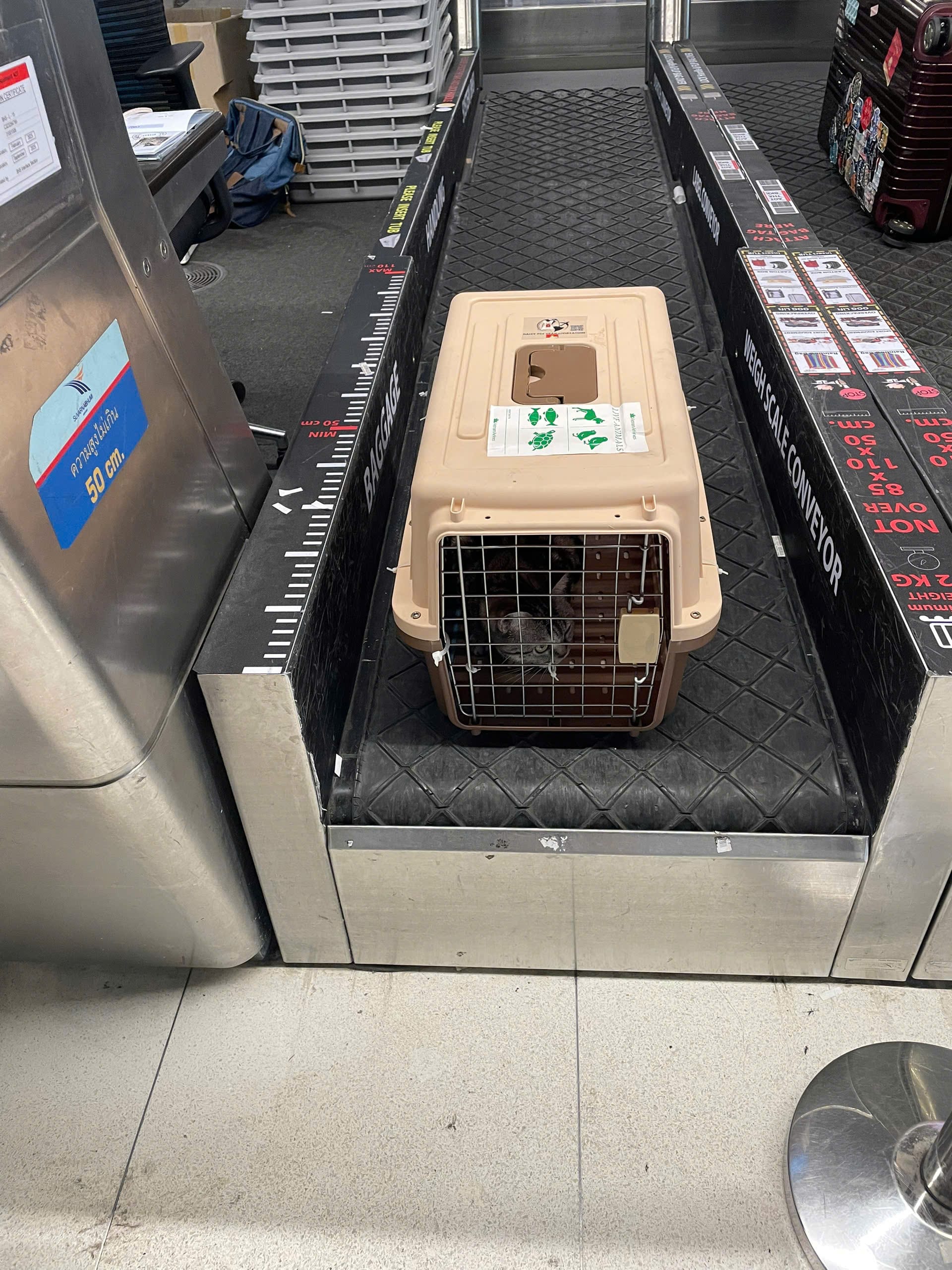
Why Does One Airline Matter at the Transit Hub?
Air Canada flies to Seoul, Hong Kong and Tokyo, but not to Vietnam. It does not carry pets on flights run by its partner airlines. On two separate tickets, you would collect the pet at the hub and check it in again with the second airline.
Hubs make that harder. In Tokyo, a change of airline can mean the pet must meet Japan’s full import rules. In Hong Kong, a pet that changes planes may only travel as cargo.
One-Ticket Options From Vancouver and Toronto
- Korean Air via Seoul (Incheon): the only option with a cabin. A pet up to 7 kg with its carrier flies with you, and a heavier pet goes in the hold, up to 45 kg with the crate. Korean Air does not carry checked pets on Boeing 737 or Airbus A321 aircraft, so check the plane on the Seoul–Vietnam leg.
- EVA Air via Taipei: hold only, and only on flights EVA operates itself. It does not take checked pets on the Airbus A321 or on long-haul Boeing 787 flights.
- China Airlines via Taipei: from Vancouver, hold only, on its own flights. Some narrow-body aircraft, including the Boeing 737-800, take no checked pets.
- Japan Airlines or ANA via Tokyo: from Vancouver, hold only, on their own flights. Japan Airlines refuses Bulldogs and French Bulldogs on every flight.
- Cathay Pacific via Hong Kong: pets travel as cargo only. Hong Kong also requires a transit permit before the flight.
How these carriers compare on the Vietnam side is shown in our guide to airlines for pet imports into Vietnam.
Starting in Calgary, Edmonton or Montreal?
Most one-ticket routes start in Vancouver or Toronto. From Calgary, Edmonton or Montreal, you usually add a domestic flight first. If it is on a separate ticket, ask both airlines how the pet will transfer. In winter, Air Canada’s cold-weather limits apply to that domestic leg too.
When Does a Pet Fly as Cargo?
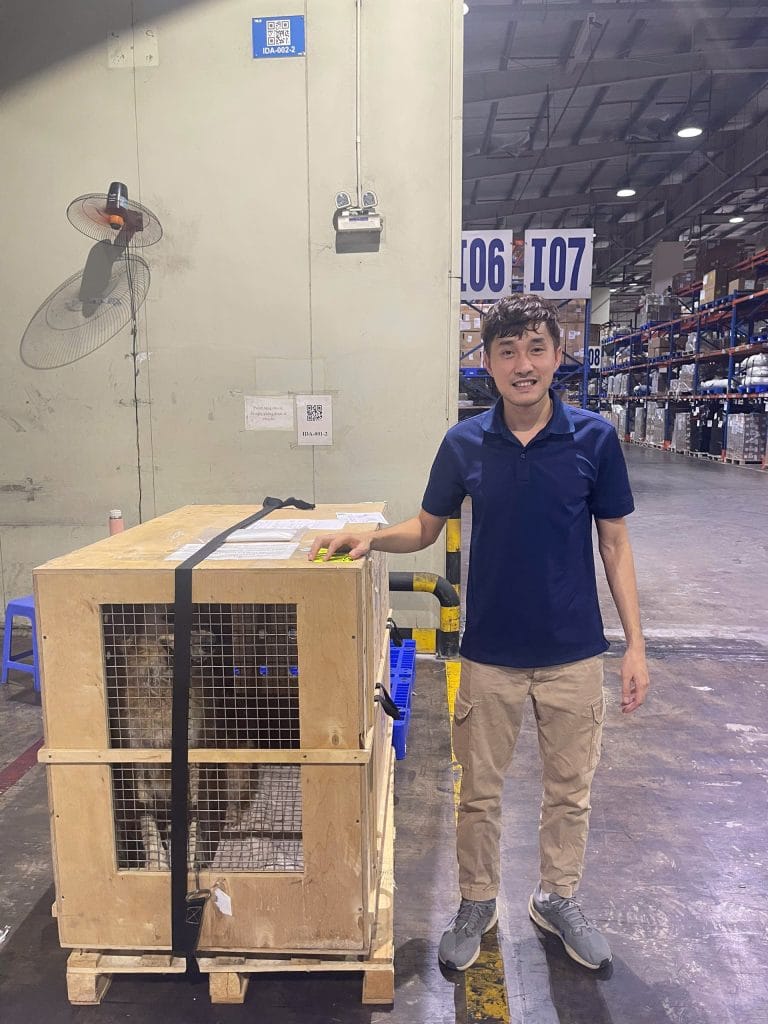
A pet above the airline’s hold limit (45 kg with the crate on Korean Air), or a pet travelling alone, flies as cargo on an air waybill. Airlines such as Air Canada and Cathay Pacific accept international pet cargo only from specialised shipping agents. In Vietnam, an agent must receive the pet. The customs declaration needs a declarant with a customs account, which a private owner does not have.
Weight points for large dogs are covered in our guide to bringing a dog to Vietnam.
Carrier sizes and travel tips for cats are in our guide to bringing a cat to Vietnam.
Bringing a Pet from Canada to Vietnam in 6 Steps (About Five Weeks)
This plan starts with a pet that has no chip and no valid rabies vaccine. If both are in place, skip Step 1. The remaining steps take two to three weeks.
The general version for every departure country is our Vietnam pet import timeline.
Step 1 (Day 1): Microchip, Then the Rabies Vaccine
Who: you and a licensed vet in Canada.
Any vet licensed in Canada can do this visit. The vet implants the chip first, then gives the rabies vaccine. Ask for a certificate that shows the vaccine name, batch number and expiry date. Check that your name matches your passport.
Step 2 (Days 2–5): Book the Flight and the CFIA Appointment
Who: you, or a shipping agent for cargo.
Ask the airline to confirm space for the pet, then buy your ticket. Each flight takes only a few pets.
Next, contact your local CFIA animal health office and book the endorsement for a date close to departure. Offices do not accept walk-ins and ask for as much notice as possible. The booking steps are on CFIA’s pet export appointment page. You can do this yourself, or hire an agent in Canada to handle it.
Step 3 (About a Week Before Departure): Send Copies to the Agent in Vietnam
Who: you send them; the agent checks them.
Send your passport, your ticket or air waybill, the vaccination record and the chip number. Send them at least two working days before the flight. The agent checks that names, dates and chip numbers match on every page.
Step 4 (Days 28–30): Health Exam, Export Certificate and CFIA Endorsement
Who: the vet completes the certificate; a CFIA veterinarian endorses it.
Canada has no certificate agreed with Vietnam. Your vet therefore uses the generic Canadian International Health Certificate for dogs and cats, form HA3145. The vet records the chip, the rabies vaccine and a clinical exam. CFIA explains this fallback on its exporting pets page.
Neither Canada nor Vietnam sets a validity window for this certificate. Book the exam close to departure, so the health record is recent.
CFIA works out its fee when you book. You pay online at least 3 days before the appointment, by credit card or prepaid card. Debit cards are not accepted, and a cancelled appointment is not refunded. The closest item in CFIA’s fee schedule is CAD 24.64 per certificate.
At the appointment, the CFIA veterinarian checks and endorses the certificate. This cannot be done once the pet has left Canada.
Step 5 (Day 31): Form 3, Then Departure
Who: the agent files the declaration; you or the shipper check the pet in.
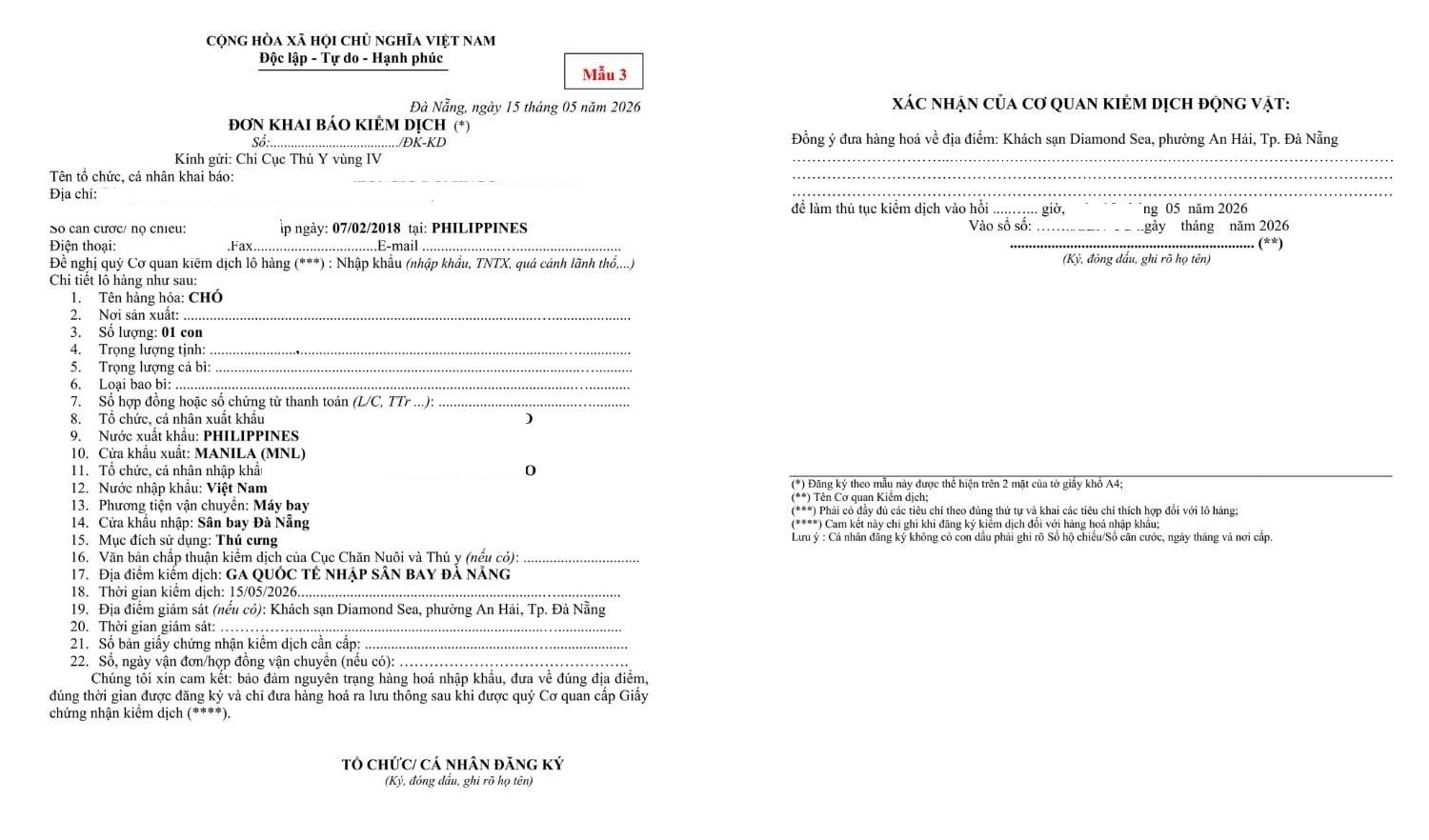
Before the pet lands, the agent files Form 3 with the airport quarantine station. Daisy Pet files it about 48 hours ahead, so any error can still be fixed. The form asks Vietnam to inspect the pet. It is not an import permit. For a pet flying with you, the rules also let you declare it yourself at the airport. A mistake found only on arrival, however, cannot be fixed in time.
Each field of the declaration is explained in our walkthrough of Vietnam’s quarantine declaration.
The pet departs at least 30 days after its rabies vaccine. Keep the original certificate and vaccination record with you, not in checked bags. For cargo, the shipper attaches them to the crate.
Step 6 (Arrival Day): Inspection, Form 15a and Customs
Who: the airport quarantine station, then you or the agent.
A pet flying with you is inspected at the airport quarantine station after landing. A cargo pet is cleared at the cargo terminal, where the agent named on the air waybill collects it.
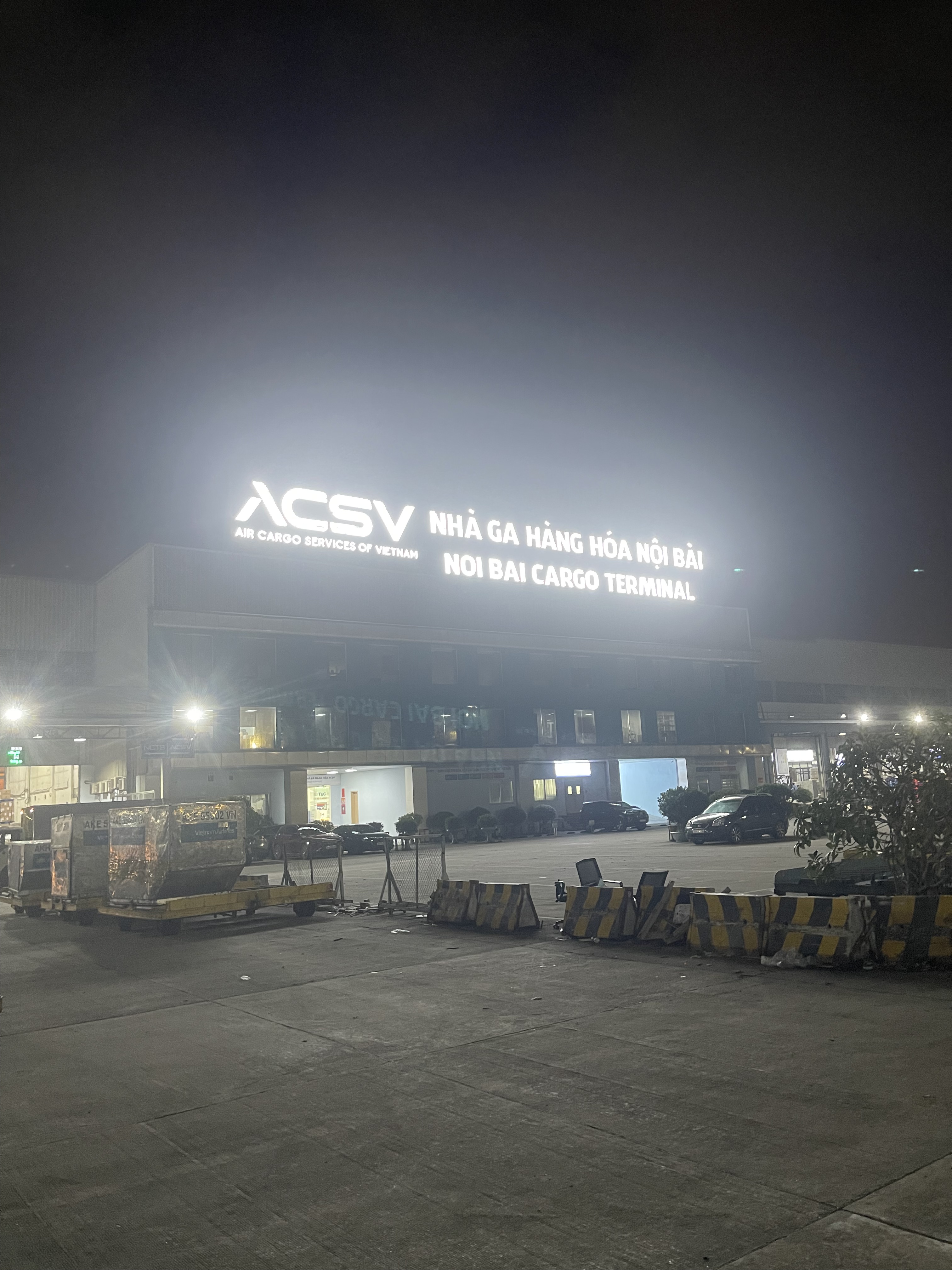
The officer checks the original Canadian certificate and vaccination record. Then the officer scans the chip and examines the pet. If the pet passes, the station issues Form 15a, the import quarantine certificate, valid for 60 days. For a pet travelling with its owner, the rules allow one working day from the inspection to issue it, or five if samples are taken.
You then pay the quarantine fee and import duty. One or two pets are taxed too. Customs then releases the pet.
Clearance happens at the first airport in Vietnam where you land. Tan Son Nhat (Ho Chi Minh City), Noi Bai (Hanoi) and Da Nang each have a quarantine station. If you land in Ho Chi Minh City and fly on to Da Nang, the pet is cleared in Ho Chi Minh City.
If a certificate is not valid, the station can hold the pet while the case is handled. One chip number on every page and a valid rabies date prevent most problems.
How Much Does It Cost to Bring a Pet from Canada to Vietnam?
The cost comes in three parts, and each is billed separately.
- In Canada: vet visits, the chip and rabies vaccine, the certificate exam, the CFIA endorsement and an airline-approved carrier or crate. An agent’s fee applies if you use one.
- The flight: a per-pet charge paid to the airline for the cabin or hold. Cargo is priced on the weight and size of pet and crate, plus the shipper’s handling.
- In Vietnam: the agent’s clearance service, the quarantine fee, import duty, and cargo terminal charges for a cargo pet.
Current price ranges by pet size and route are in our pet shipping cost guide for Vietnam.
Can Your Pet Return to Canada Later?
Yes. Canada lists Vietnam as a high-risk country for dog rabies, but its ban covers commercial dogs only. Personal pet dogs and cats can still enter.
- Dogs over 3 months: a valid rabies vaccination certificate, in English or French or with an official translation. It must name the vaccine and its serial number and show how long it is valid. The dog must have been at least 3 months old when vaccinated.
- Cats over 3 months: a valid rabies vaccination certificate in English or French.
- Not required: no import permit, no quarantine and no microchip for personal pets.
- At the border: declare the pet. The Canada Border Services Agency checks the certificate and charges CAD 36.95 for the first animal and CAD 6.16 for each extra one, plus tax.
- Ownership: you may be asked to prove you owned the dog before it entered Canada.
CFIA keeps the current rules in its pet import tool.
The full Canadian entry rules are in our guide to Canada’s pet import laws.
FAQ: Bringing a Pet from Canada to Vietnam
Is there a direct flight from Canada to Vietnam for pets?
No. Every route connects in Asia, through Seoul, Taipei, Tokyo or Hong Kong. Air Canada plans flights to Ho Chi Minh City in 2027, subject to government approval.
Does Vietnam require an import permit or a titer test for pets from Canada?
No. One or two personal pets need a microchip, a valid rabies vaccine and the CFIA-endorsed health certificate. There is no import permit, no titer test and no quarantine stay.
Can my pet fly in the cabin from Canada to Vietnam?
Yes, with Korean Air via Seoul, if the pet and its carrier weigh 7 kg or less. EVA Air, China Airlines, Japan Airlines, ANA and Cathay Pacific do not carry pets in the cabin.
How long is the CFIA health certificate valid for Vietnam?
Neither CFIA nor Vietnam sets a fixed validity window. Have the vet exam and the CFIA endorsement done close to departure, and always before the pet leaves Canada.
Can I pay the CFIA fee with a debit card?
No. CFIA takes online payment by credit card or prepaid card only, at least 3 days before the appointment.
Can my dog come back to Canada after living in Vietnam?
Yes. A personal pet dog needs a valid rabies vaccination certificate in English or French, or with an official translation. Canada asks for no import permit and no quarantine.
Questions about Vietnam’s side that apply to every route are answered in our pet import FAQ for Vietnam.
Last updated 16 Oct 2026
Compiled by our specialists from the regulations in force on the date above, for reference only. Rules may change after this date. Please verify with the competent authorities or contact us for the most accurate information.
Official sources cited in this guide
- inspection.canada.cainspection.canada.ca