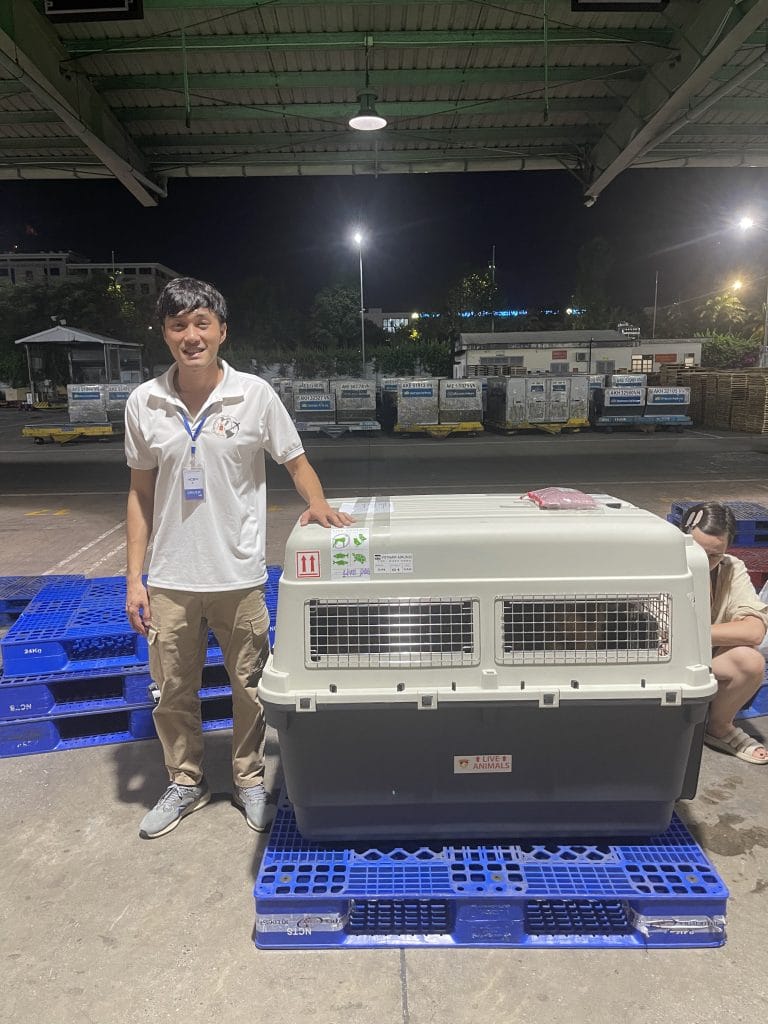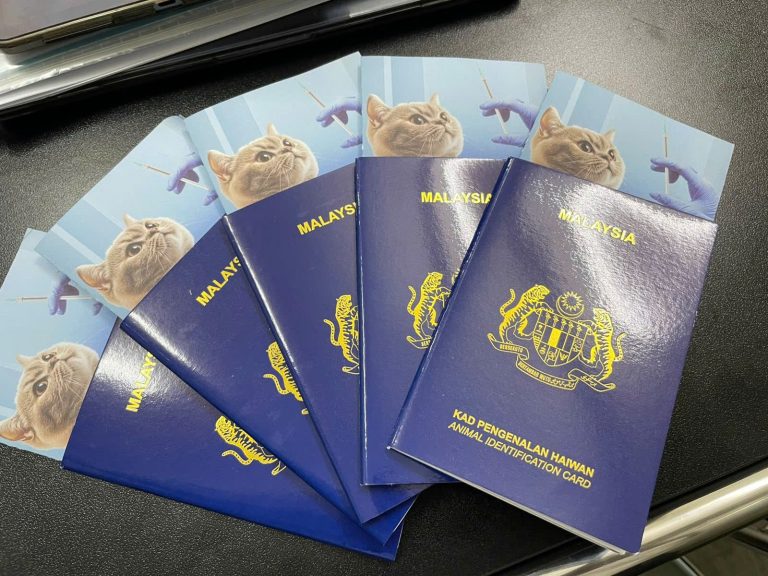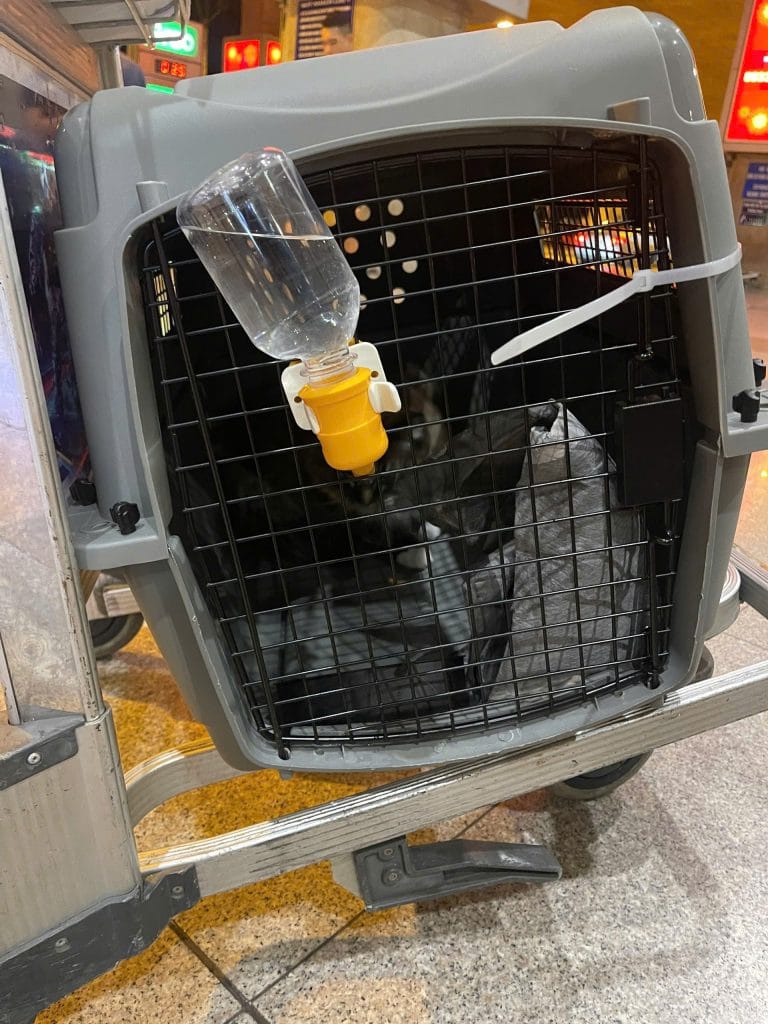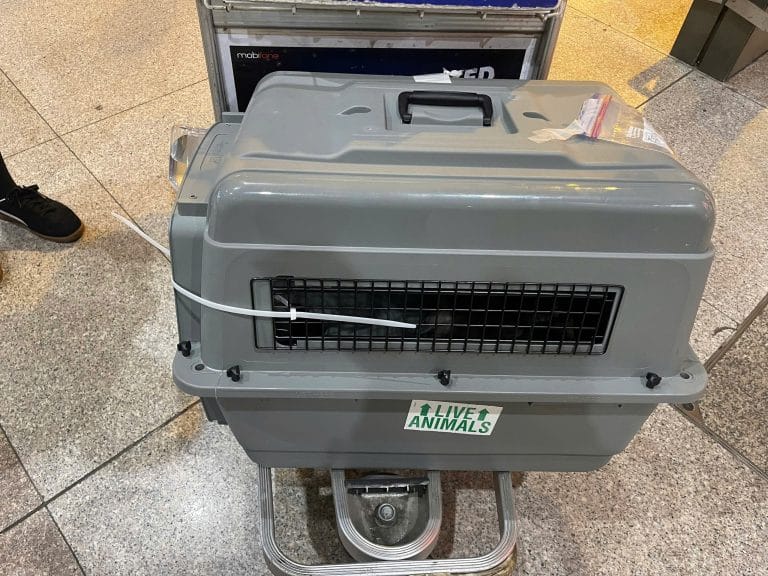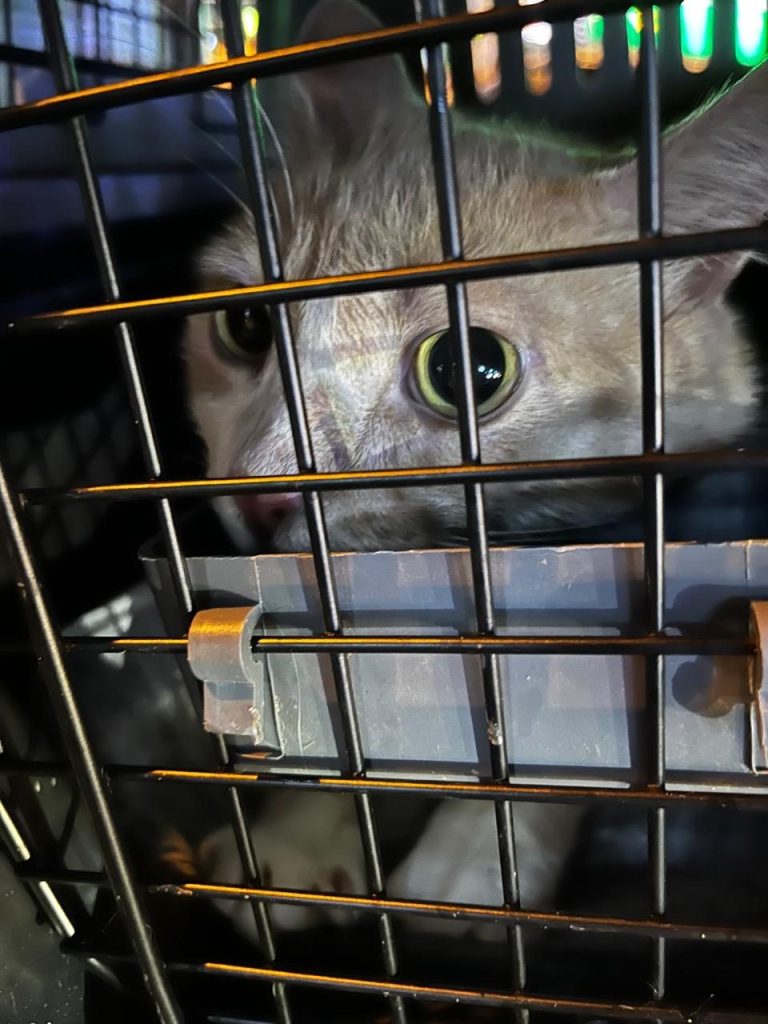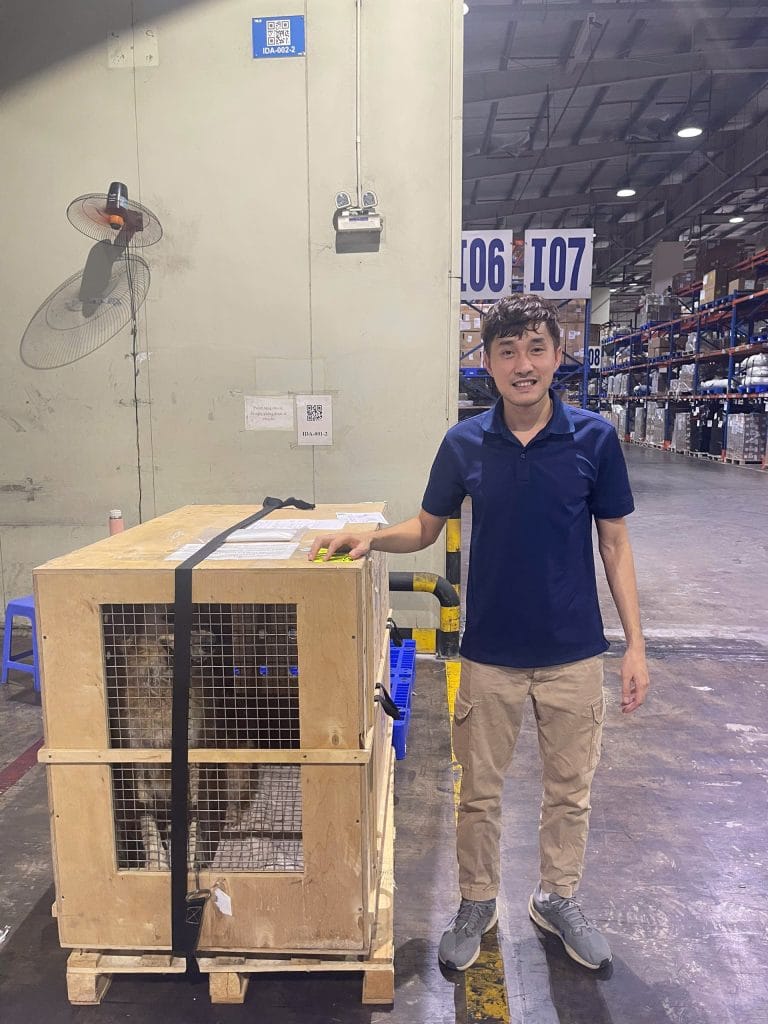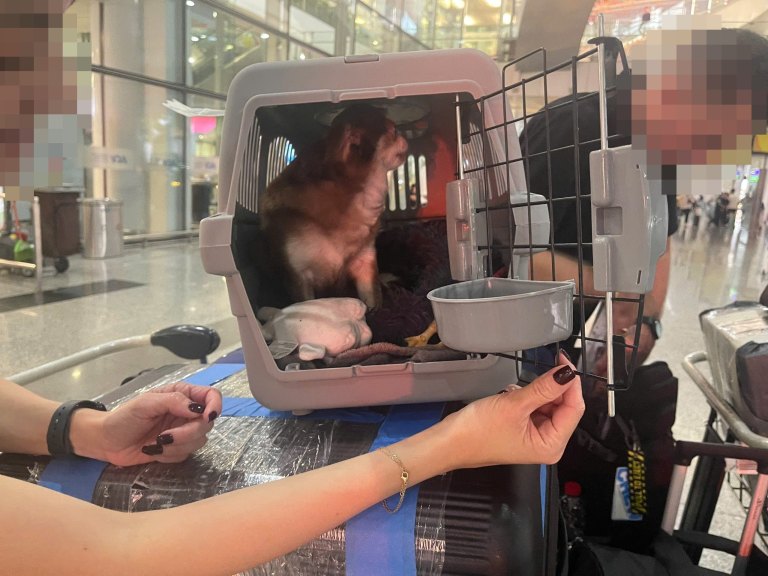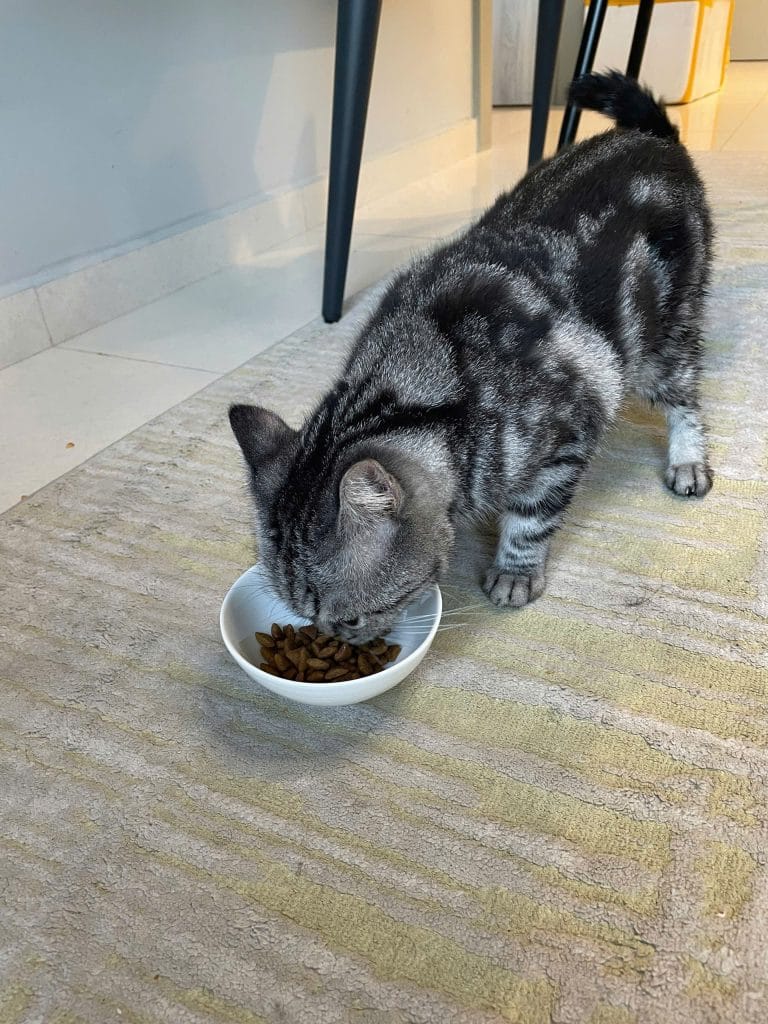
To bring pets from Europe to Vietnam, you meet three sets of rules: your country’s export rules, Vietnam’s import rules and the airline’s rules for live animals. The step that usually sets your date is the official vet appointment in your own country. The airline then decides whether your pet flies in the cabin, as checked baggage or as cargo.
Short Answer: Can You Bring a Pet from Europe to Vietnam?
- Is it possible? Yes. For one or two personal pets, Vietnam requires no rabies titer test, no import permit and no quarantine.
- Is the EU pet passport enough? No. The passport records the microchip and the rabies vaccination. Vietnam also needs an export health certificate endorsed by the official veterinary service of the country you leave from.
- How long does it take? It depends on that official appointment. The Netherlands asks for at least 14 working days’ notice, Paris at least 15 days and Ireland about two months.
- How does the pet fly? Vietnam Airlines flies non-stop from several European cities. A pet of up to 6 kg with its bag can go in the cabin. Up to 32 kg with its crate, it flies as checked baggage; heavier pets go as cargo.
- Who does what? In Europe, your vet and the official veterinary office. In Vietnam, Daisy Pet Transport handles the import side. For the European side, we guide you or arrange it through a partner agent.
- Can the pet return to the EU later? Yes. A rabies titer test done in the EU before you leave avoids the 90-day wait on the way back.
The rules that apply to pets from every country are in our Vietnam pet import requirements.
What Does Your Pet Need Before Flying from Europe to Vietnam?
Check these five things before you book anything. If one is missing, the flight date moves.
- Microchip. An ISO 11784/11785 chip, implanted before the rabies vaccination or at the same visit. The number must be identical on every document.
- Rabies vaccination. Given at least 30 days before the flight and no more than 12 months before the pet arrives in Vietnam. A three-year vaccine in an EU passport still counts as 12 months for Vietnam, so an older dose needs a booster.
- Age. At least 12 weeks old at the rabies vaccination. With the 30-day wait, the earliest flight is at about 16 weeks old.
- Breed. Vietnam Airlines does not carry some breeds in any form. Among dogs, these include Rottweilers, mastiff breeds, Pit Bulls, Staffordshire Bull Terriers, Akitas, Chow Chows, Tosas and some spaniels. Among cats, Persian, Exotic, Himalayan and Burmese. Other airlines keep their own lists. Ask the airline in writing before you pay for vet work. Our page on breed restrictions for Vietnam imports explains why snub-nosed breeds face limits.
- Number of pets. Each passenger can bring up to two pets as a personal import. Three pets need at least two passengers. Three or more pets on one shipment follow Vietnam’s commercial import process.
Cats follow the same rules as dogs; packing and crate tips are in our guide to bringing a cat to Vietnam.
How Does Your Pet Fly from Europe to Vietnam?
Choose the travel method before the airline, because the method depends on your pet’s weight and breed. The differences are explained in our guide to cabin, checked baggage and cargo.
- Cabin: on Vietnam Airlines, the pet and its bag together weigh no more than 6 kg, in a bag of at most 35 × 30 × 20 cm. Book the pet at least 24 hours ahead.
- Checked baggage: on Vietnam Airlines, up to 32 kg for the pet and crate together. The pet flies on your flight.
- Cargo: for a pet and crate above 32 kg, or a pet travelling without you. The pet flies on its own air waybill and is cleared by an agent in Vietnam.
Vietnam Airlines flies non-stop to Hanoi or Ho Chi Minh City from Paris, Frankfurt, Munich, Milan, Copenhagen and Amsterdam, according to its March 2026 network announcement. Its travelling with pets page lists no restriction for flights from EU countries. The airline can still refuse a pet in very hot or very cold weather.
On a connecting flight, each airline applies its own rules:
- Emirates (via Dubai): carries pets as checked baggage only on journeys that start in Dubai. A pet flying from Europe to Vietnam via Dubai therefore goes as cargo.
- Qatar Airways (via Doha): no pets in the cabin. Checked baggage or cargo depends on the route, and it does not take a pet in the hold that connects from another airline.
- Singapore Airlines (via Singapore): no pets in the cabin; pets fly as checked baggage or cargo. Its Da Nang flights do not carry pets.
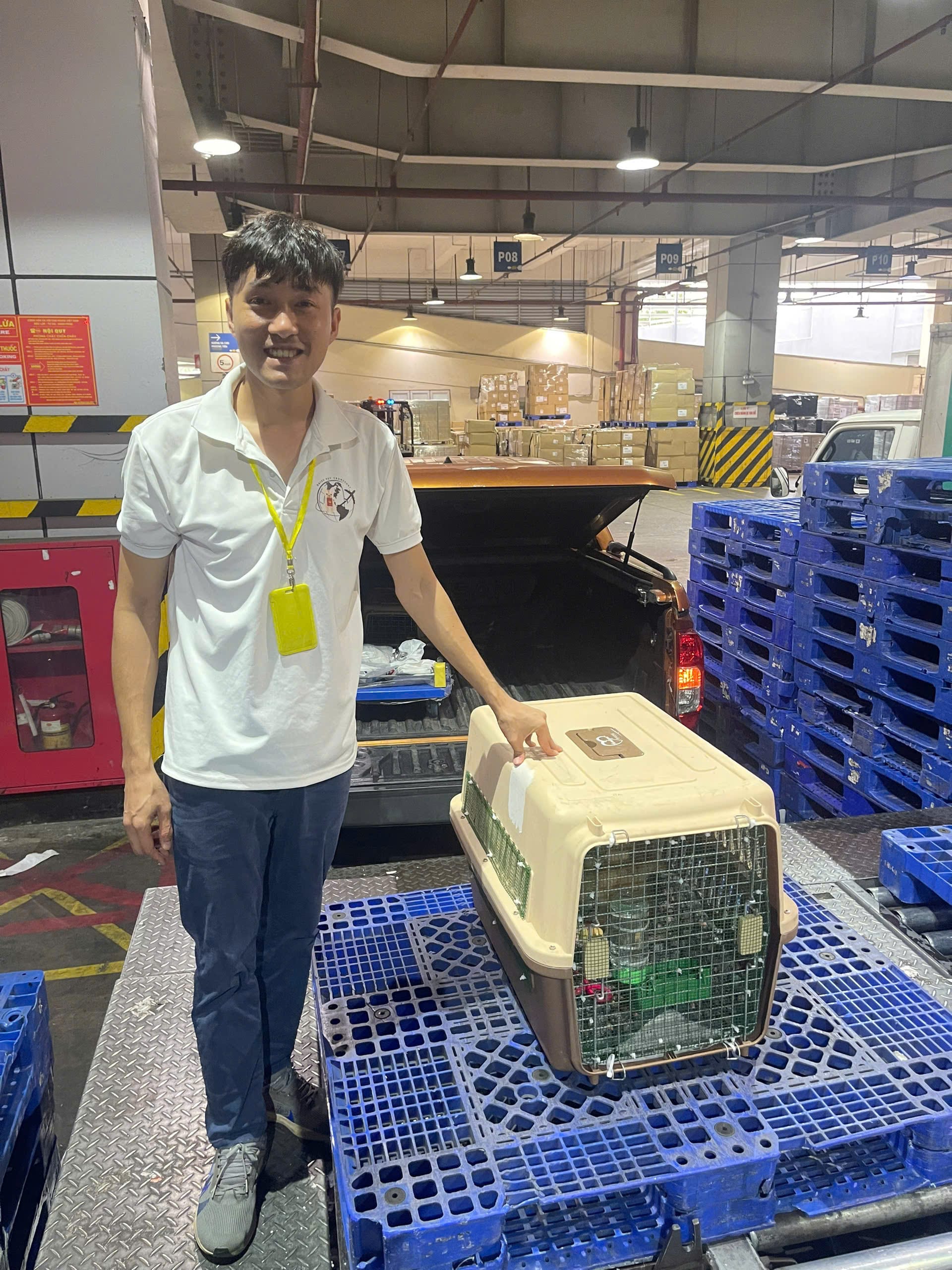
All carriers that fly pets into Vietnam are compared in our overview of airlines flying pets to Vietnam. Vietnam Airlines also flies from London, but the UK is outside the EU and has its own export rules: see bringing pets from the UK to Vietnam.
5 Steps to Bring a Pet from Europe to Vietnam
Count back from your flight date. The official appointment in Step 2 is what usually decides how early you start.
- First: rabies booster if needed; book the flight.
- 2 to 4 weeks before: book the official veterinary office (two months ahead in Ireland).
- Last days before departure: vet exam and official endorsement.
- About 48 hours before landing: Form 3 is filed in Vietnam.
- Arrival day: quarantine inspection, Form 15a and customs.
A day-by-day plan that covers every origin country is in our pet import timeline for Vietnam.
Step 1 (First): Check the Rabies Date and Book the Flight
Who: your vet and you.
Work out whether the last rabies vaccination will be more than 12 months old on the day the pet lands in Vietnam. If it will, your vet gives a booster now, and the 30-day wait starts from that date. At the same time, book the flight and the pet’s place with the airline.
If the pet may return to the EU later, ask your vet about a rabies titer test now. It has to be done before the pet leaves the EU; the details are in the section on returning to the EU.
Step 2 (2 to 4 Weeks Before): Book the Official Veterinary Office
Who: you, or a partner agent on your behalf.
The EU has no common export rules for pets going to Vietnam. Each country decides who endorses the certificate. The pattern is the same everywhere: a private vet examines the pet and completes the health certificate, then an official vet confirms it. Of the countries below, only Denmark has a certificate made for Vietnam.
- Poland: the district veterinary officer (Powiatowy Lekarz Weterynarii) issues the certificate, signed by an official vet. The General Veterinary Inspectorate’s model certificate needs a clinical exam within 48 hours and is valid for 15 days.
- Czech Republic: an official vet at the regional veterinary administration (KVS) confirms the documents you bring, and the pet does not need to attend. The fee is 200 CZK for one pet.
- Germany: the Veterinäramt where you live confirms the certificate. Notice ranges from 3 working days in the Munich district to 3 weeks in Berlin, and some offices want to see the pet.
- France: a vet authorised by the state (vétérinaire habilité) completes the certificate. The DDPP of the département where the pet lives then endorses it. In Paris, the appointment is booked online at least 15 days before departure.
- Netherlands: the Netherlands Food and Consumer Product Safety Authority (NVWA) legalises the certificate in Utrecht. Email for an appointment at least 14 working days ahead; the pet does not need to come.
- Spain: your vet applies online through CEXGAN, and the border veterinary inspection service (SVIF) issues the certificate on the generic model used for Vietnam. The vet’s health certificate is valid for at most 10 days.
- Denmark: the Danish Veterinary and Food Administration issues the certificate “Hund og kat til Vietnam”, approved by Vietnam in 2008. It is valid for 10 days.
- Ireland: your vet prepares the certificate, and the Regional Veterinary Office of the Department of Agriculture, Food and the Marine stamps it. Contact the office at least two months before travel.
- Sweden: an official veterinarian issues a general export certificate for dogs and cats. The Swedish Board of Agriculture says this certificate needs written acceptance from the destination’s veterinary authority, so ask early.
- Other countries: in Italy ask the local ASL veterinary service, in Belgium the local AFSCA control unit, in Austria the district authority and in Switzerland the cantonal veterinary service.
The validity of the certificate is set by the country that issues it, not by Vietnam. The EU pet passport travels with the pet, but it does not replace this certificate.
Step 3 (Last Days Before Departure): Vet Exam and Official Endorsement
Who: your vet and the official veterinary office.
The vet examines the pet and completes the certificate within the time your country allows. The official vet then endorses it. Check the microchip number and the rabies dates on every page against the passport.
Vietnam’s import rules do not require parasite treatment. Treatment for internal and external parasites in the week before departure is still recommended, recorded on the certificate.
Step 4 (About 48 Hours Before Landing): Form 3 Is Filed in Vietnam
Who: the agent in Vietnam, or you if the pet flies with you.
Form 3 is the quarantine declaration for the animal quarantine station at your arrival airport. It can be filed with copies of the European documents, so send them as soon as the certificate is endorsed, and at least two working days before departure. Filing about 48 hours before landing is safest, because a mistake can still be corrected.
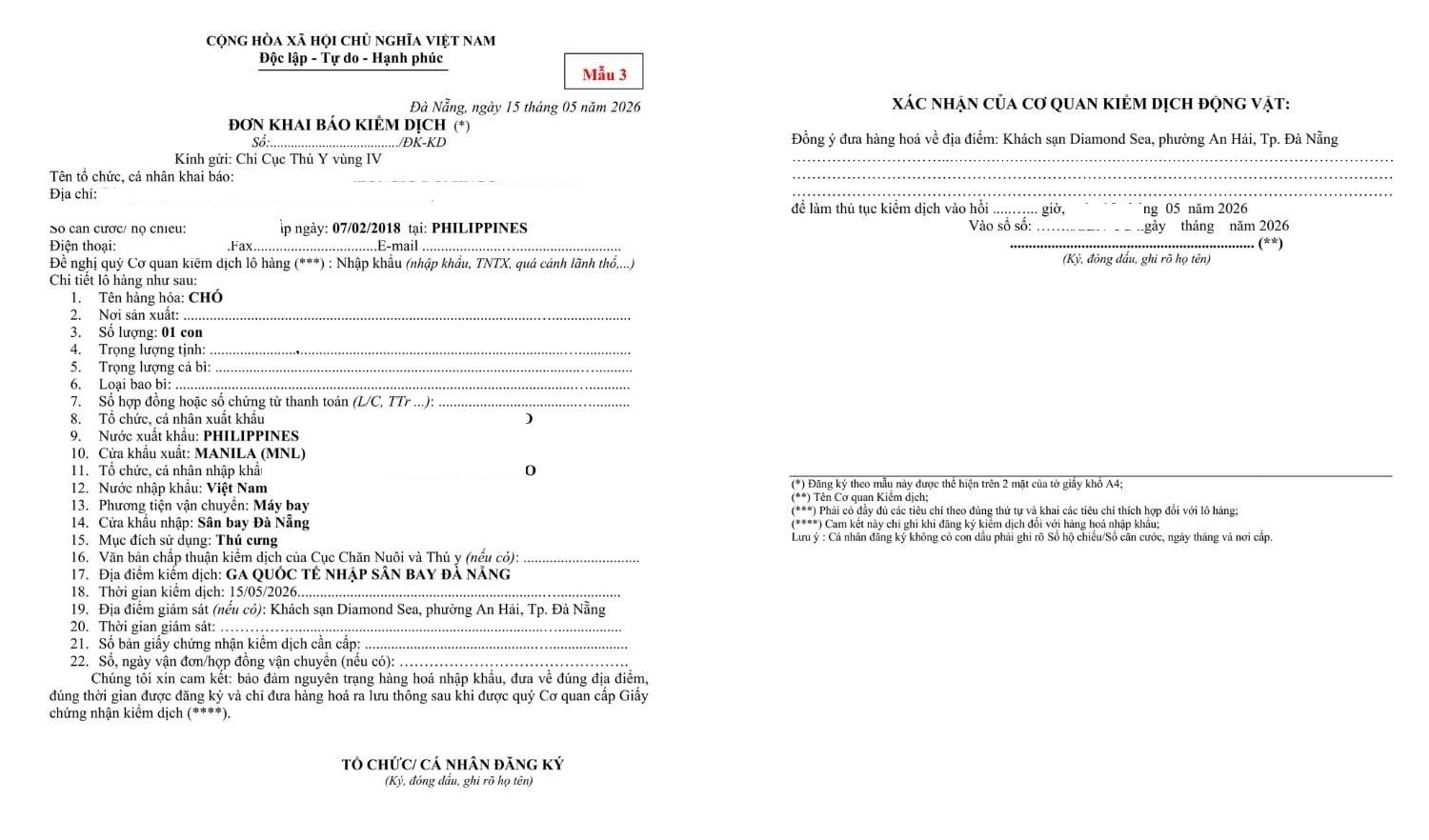
Form 3 is a declaration, not an import permit. See our guide to Vietnam’s Form 3.
Step 5 (Arrival Day): Quarantine Inspection, Form 15a and Customs
Who: the quarantine station, customs and the agent in Vietnam.
- Airport: land at Tan Son Nhat (Ho Chi Minh City), Noi Bai (Hanoi) or Da Nang. Cam Ranh and Phu Quoc airports have no quarantine station.
- Original documents: the original health certificate and the passport or vaccination record travel with the pet. Keep them in your hand luggage; on a cargo shipment they are attached to the crate.
- Inspection: the quarantine officer checks the documents, scans the microchip and examines the pet.
- Form 15a: if the pet passes, the station issues Form 15a, the import animal quarantine certificate. Under Circular 01/2026 of Vietnam’s Ministry of Agriculture and Environment, this happens within one working day of the inspection. Complete documents and a healthy pet keep it quick.
- Fees and duty: you pay the quarantine fee and import duty. Duty applies to one or two pets as well.
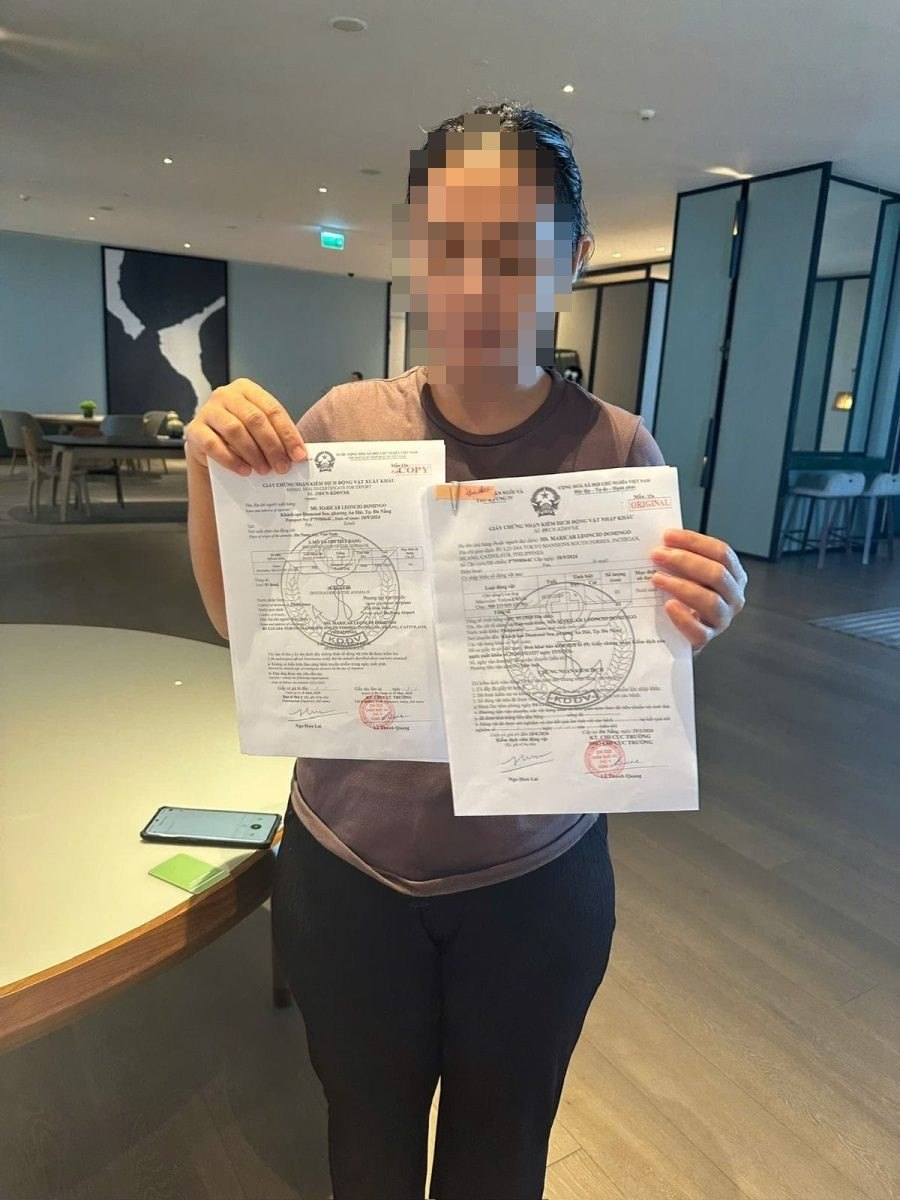
Cargo: the pet is cleared at the cargo terminal, not in the arrivals hall. The customs declaration must be filed by a declarant with a customs account, which an individual owner does not have. You can be named as consignee on the air waybill, but then you must attend the terminal in person to sign.
If the pet does not pass: there is no fixed list of outcomes; the quarantine officer decides. The possible outcomes include return to the country of departure, isolation or, for a serious contagious disease, destruction. What you control is the paperwork: one microchip number on every document, a valid rabies date and the originals travelling with the pet.
What Does Bringing a Pet from Europe to Vietnam Cost?
There is no single price, because several parties charge at both ends. Costs fall into three groups:
- In Europe: vet visits, any rabies booster, the official endorsement fee, the crate and a partner agent if you use one. Official fees are small, for example 200 CZK in the Czech Republic or €8.50 to €19.70 in Germany.
- Airfare: cabin and checked baggage fees are paid to the airline. Cargo is charged on the chargeable weight of the pet and crate together.
- In Vietnam: the import service fee, the quarantine fee, import duty and, for cargo, terminal handling.
Current ranges by route and pet size are in our pet shipping cost guide for Vietnam.
Can Your Pet Return to the EU from Vietnam Later?
Yes. Vietnam is not on the EU’s list of countries exempt from the rabies titer test, so the return is decided before you leave.
- Titer test in the EU before leaving: blood is taken at least 30 days after the rabies vaccination, and a result of at least 0.5 IU/ml is recorded in the EU passport. If the vaccination stays valid, the pet returns on the passport without the 90-day wait.
- No titer test before leaving: blood is taken in Vietnam and sent to an EU-designated laboratory. The EU health certificate can only be issued at least 90 days after the blood draw.
- Booster given in Vietnam: a vet outside the EU cannot write in an EU passport. The pet then returns on an EU health certificate, not on the passport alone. For a long stay, give the booster in the EU before you leave.
Source: European Commission pet travel FAQ. A round trip from France is covered step by step in pet travel from France to Vietnam and back.
FAQ: Bringing a Pet from Europe to Vietnam
Is the EU pet passport enough to bring my pet to Vietnam?
No. The passport records the microchip and the rabies vaccination, but Vietnam also needs an export health certificate endorsed by the official veterinary service of the country you leave from. The original passport and certificate travel with the pet.
Does Vietnam require a rabies titer test or quarantine for pets from Europe?
No. For one or two personal pets, Vietnam requires a microchip, a valid rabies vaccination and the endorsed health certificate. The vaccination must be given at least 30 days before the flight and be no more than 12 months old on arrival. No titer test, import permit or quarantine is needed.
How far ahead should I book the official vet appointment?
It depends on the country. The Netherlands asks for at least 14 working days, Paris at least 15 days, Berlin at least three weeks and Ireland about two months. Book it when you book the flight.
Can a large dog fly from Europe to Vietnam?
Yes. On Vietnam Airlines, a pet and crate above 32 kg fly as cargo, and an agent in Vietnam clears the shipment. Some airlines refuse certain breeds in any form, so ask the airline in writing before you pay for vet work.
Can I bring three pets from Europe to Vietnam?
Yes, with at least two passengers. Each passenger can bring up to two pets as a personal import. Three or more pets on one shipment follow Vietnam’s commercial import process.
Can my pet fly back to the EU after living in Vietnam?
Yes. If the rabies titer test was done in the EU before departure and the vaccination stayed valid, the pet returns without the 90-day wait. Otherwise, blood is taken in Vietnam and the EU health certificate is issued at least 90 days later.
Questions about Vietnam’s side that apply to every route are answered in our Vietnam pet import FAQ.
Last updated 17 Oct 2026
Compiled by our specialists from the regulations in force on the date above, for reference only. Rules may change after this date. Please verify with the competent authorities or contact us for the most accurate information.
Official sources cited in this guide
- vietnamairlines.comvietnamairlines.com
- General Veterinary Inspectorate’s model certificatewetgiw.gov.pl
- svs.gov.czsvs.gov.cz
- Email for an appointmentnvwa.nl
- European Commission pet travel FAQfood.ec.europa.eu