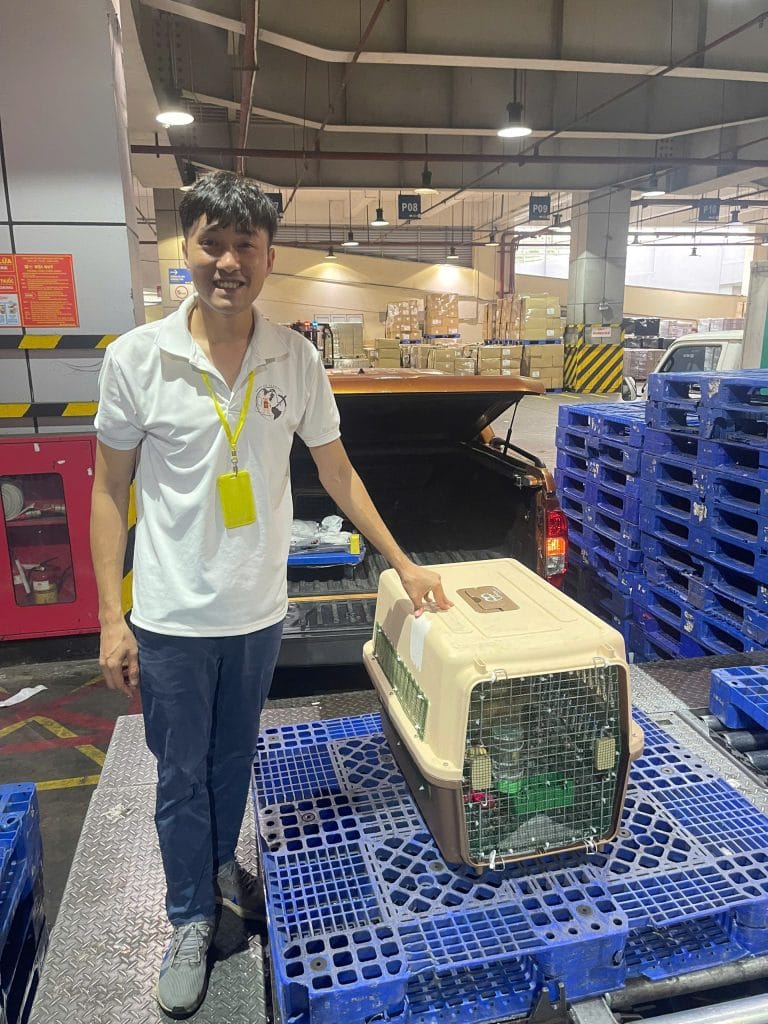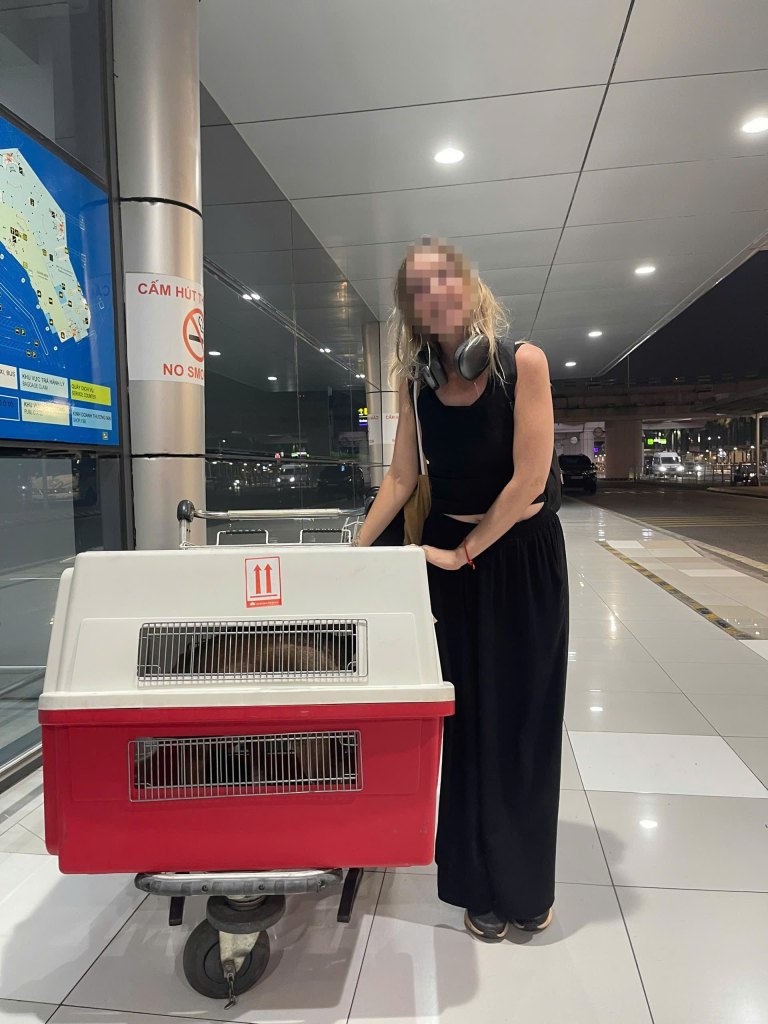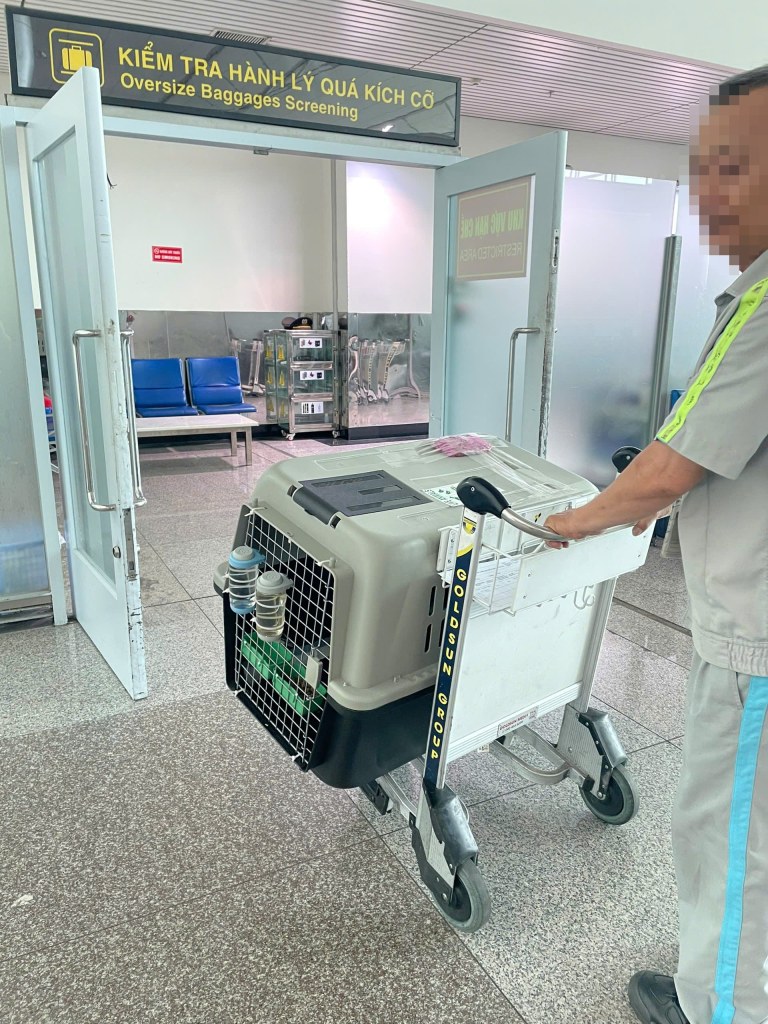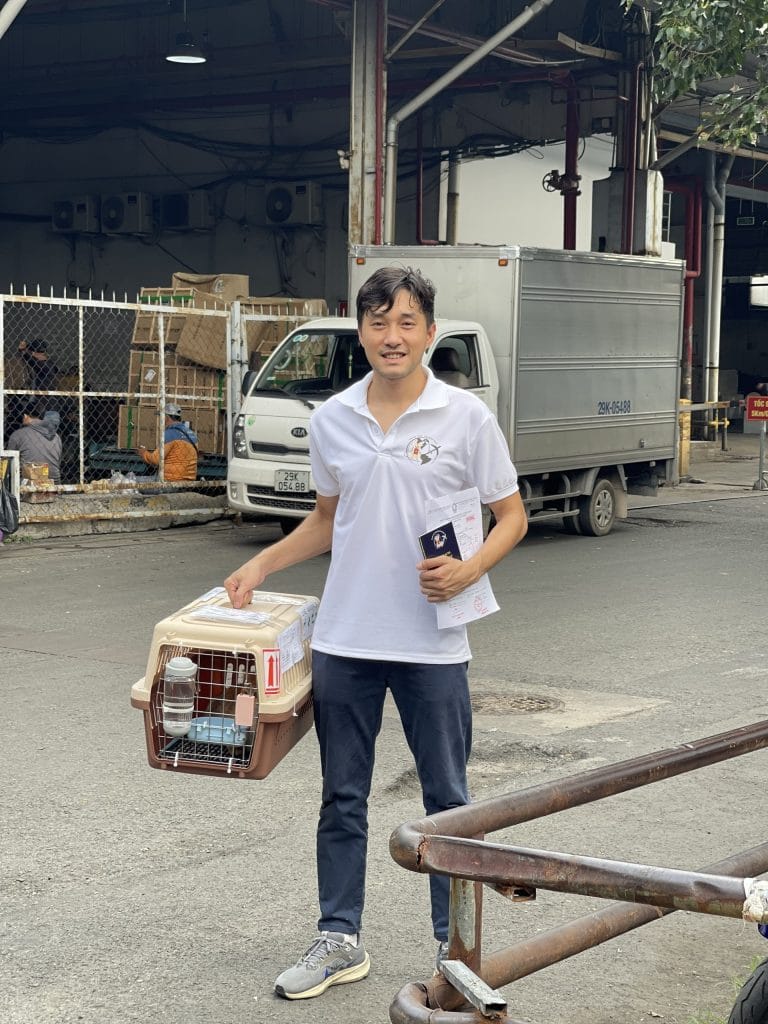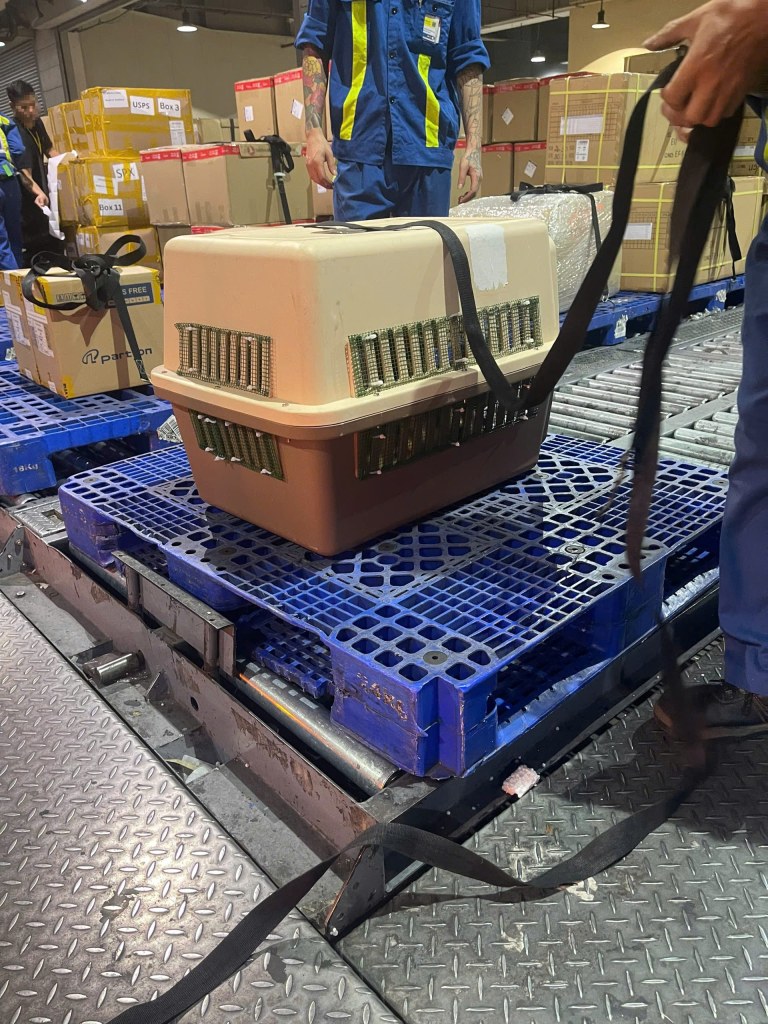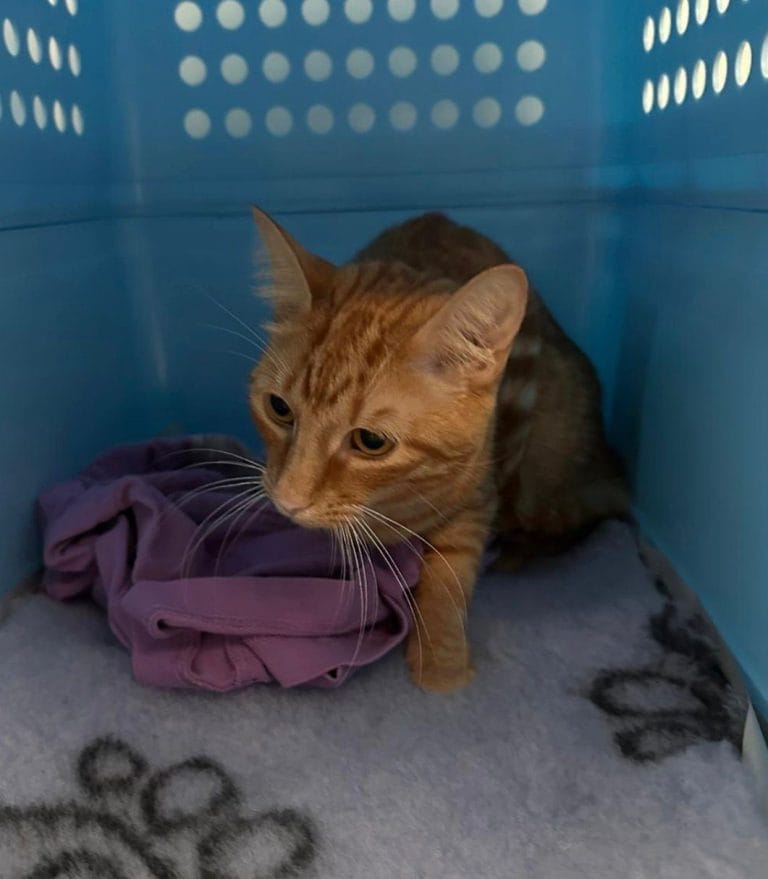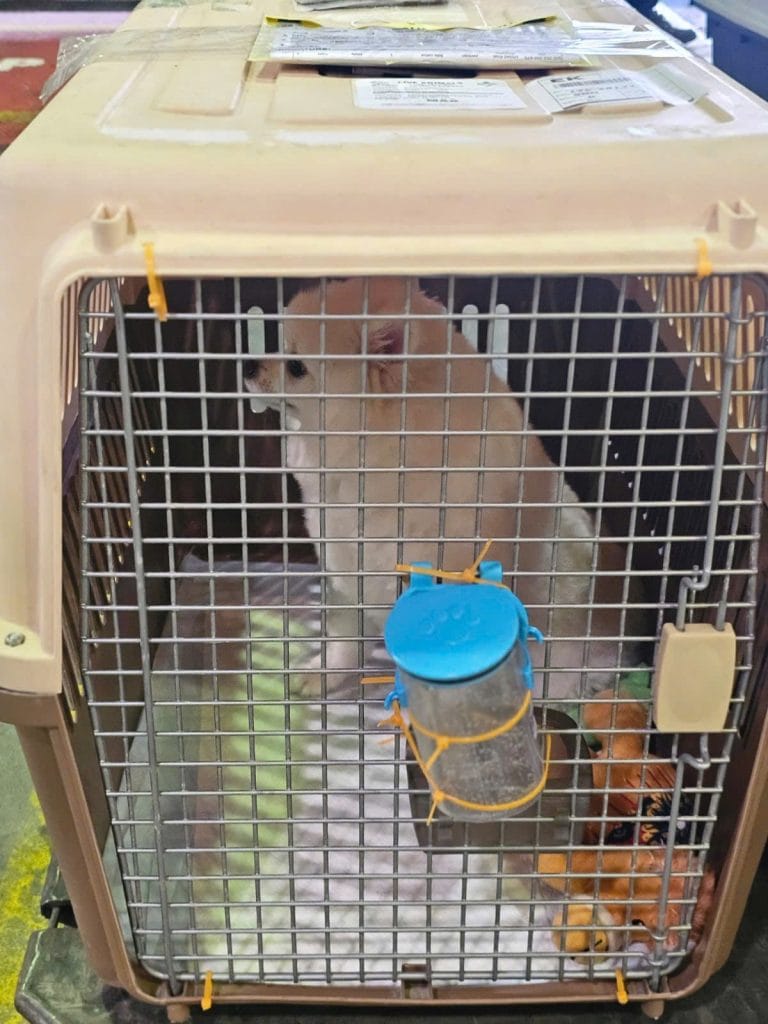
When your dog or cat lands at Melbourne Airport after a grueling multi-stage relocation from Vietnam to Australia, your anxiety naturally shifts from flight safety to the mandatory biosecurity isolation. Every pet entering Australia must complete a minimum 10-day pet quarantine in Australia at the state-of-the-art Mickleham Post Entry Quarantine (PEQ) facility in Victoria, enforced by the Department of Agriculture, Fisheries and Forestry (DAFF). For pet owners, this is often the most emotionally challenging phase—in-person visits are strictly prohibited under federal biosecurity law, and you will not receive daily photo updates or text messages regarding your pet’s emotional state.
However, the operational reality of Mickleham is not a cold holding cell—it is a climate-controlled, highly monitored veterinary architecture. While the government facility provides premium standard care, success during these 10 days depends entirely on the preparation you complete months before your pet ever boards the plane. A single uncoordinated prescription or an undeclared veterinary record will result in immediately extended quarantine custody, thousands of dollars in emergency fees, or re-export. This guide serves as your professional checklist to navigate the health, dietary, and biosecurity realities of Australia’s post-entry isolation.
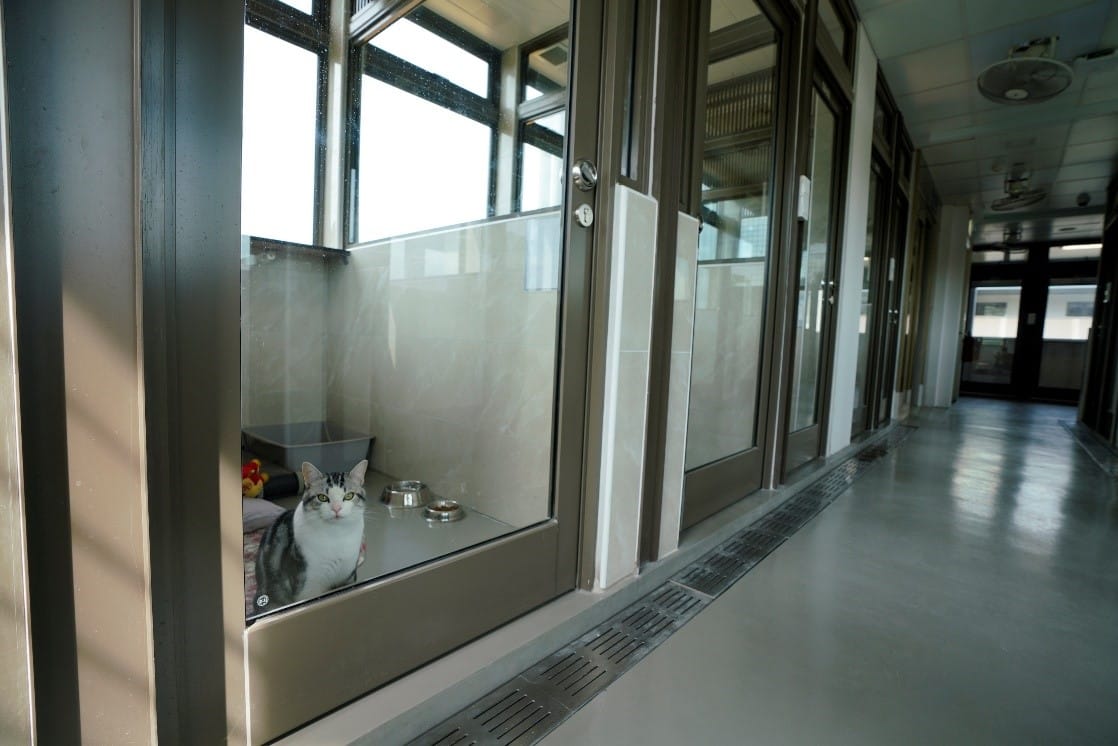
Mickleham PEQ Facility: Location, Duration & Cost at a Glance
Before the health and diet detail, here are the questions every relocating owner asks first—where the facility is, how long dogs and cats stay, how much quarantine costs, and whether it can be avoided.
- Where is the Mickleham quarantine facility? The Post Entry Quarantine (PEQ) facility is located in Mickleham, Victoria, roughly 30 km north of Melbourne’s CBD. It is the single government PEQ station that receives all cats and dogs imported into Australia and is operated directly by DAFF.
- How long is pet quarantine in Australia? The standard minimum stay is 10 days, and it applies only if your pet’s Identity Verification—a government vet in the transit country confirming the microchip matches the vaccination and RNATT records—was completed before the RNATT blood sample was drawn. Skip or mistime that step and DAFF extends the stay to 30 days—so the length is decided entirely by your pre-flight preparation.
- How much does pet quarantine cost at Mickleham? Budget approximately AUD $3,000 for the standard 10-day stay and around AUD $4,100 for a 30-day stay, plus the mandatory BICON import permit (~AUD $603). Unplanned daily extensions are charged at roughly $53 AUD per day. See our full breakdown in the Costs for Shipping Pets to Australia guide.
- Can you avoid pet quarantine in Australia? No. The 10-day Mickleham PEQ stay is mandatory for every imported pet and cannot be waived, shortened, or served at home. Because Vietnam is a non-approved country, pets must first transit an approved country before they qualify—review the exact pathway in our Australia Pet Import Regulations 2026.
Post-Entry Quarantine Matrix: Default Care vs. Premium Preparation
Understanding the standard protocols of the Mickleham facility allows you to identify where proactive management is necessary to guarantee your pet’s physical and emotional well-being:
| Operational Phase | Standard Mickleham Default | Premium Preparation Pathway |
|---|---|---|
| Daily Diet & Nutrition | Once-daily high-quality dry food provided by the facility. Individual brand requests or wet food are not accommodated by default. | Animal Care Declaration filed in advance. Customized prescription diets or wet food sourced inside Australia and delivered to the facility. |
| Medical & Prescription Care | Basic clinical surveillance. Standard medications are administered only if approved on the BICON permit. Short-notice changes are rejected. | Pre-declared medical files with English prescription labels matching the microchip. Private Melbourne veterinarians coordinated for emergencies. |
| Biosecurity Restrictions | All personal blankets, clothing, and toys sent in the shipping crate are immediately confiscated and destroyed due to biological risk. | Zero risk compliance. Crate items are limited strictly to single-use water bowls and legal document pouches. Comfort items are kept at home. |
| Owner Visitation | Strictly prohibited. In-person visits are completely banned throughout the mandatory 10-day quarantine period to preserve biosecurity. | Constant communication proxy. Relocation specialists track the pet’s quarantine intake and maintain formal email communication with DAFF staff. |
Dietary Management: Navigating Food Restrictions
A sudden change in diet combined with flight stress is a primary trigger for severe gastrointestinal distress in transited animals. If your pet has a sensitive stomach or is accustomed to wet food, relying on the facility’s default dry food is a significant risk.
Under strict Australian biosecurity laws, you cannot pack your pet’s regular food inside the shipping crate or mail open food bags from overseas—all imported food is seized and incinerated at the border. To secure a custom diet, you must submit an official Animal Care Declaration form during your initial Australia Pet Import Regulations 2026 application. You must then purchase the approved pet food from an Australian online retailer (such as Pet Circle or Petbarn) and arrange delivery directly to the Mickleham facility. The shipment must arrive clearly labeled with your pet’s full name, microchip number, and BICON Booking ID. Managing this supply chain is a service that a dedicated Pet Transport Agent handles to ensure your pet is fed correctly from day one.
Medical Continuity: Handling Ongoing Illnesses & Medications
If your dog or cat requires ongoing treatment for chronic conditions like epilepsy, heart disease, or diabetes, the quarantine period requires rigorous, advance coordination with government veterinarians.
You must formally declare all medical conditions during the import permit application phase. Any medication brought with your pet must be in its original pharmaceutical packaging, complete with an English prescription label clearly showing the prescribing veterinarian’s details, the medication name, the dosage, and your pet’s matching 15-digit microchip number. If your pet experiences a medical emergency that exceeds the standard clinical capability of the on-site staff, DAFF will contact your authorized relocation agent. A registered, private veterinarian based in Melbourne will be dispatched to the facility at your expense. Ensuring this medical safety net is established before departure is critical for peace of mind.
Parasite Treatment Checklist: The Rule DAFF Enforces Before You Fly
Beyond diet and medication, DAFF requires documented proof of external and internal parasite treatment completed in the transit country before departure. Missing a single dose, or using the wrong product, is one of the most common—and entirely avoidable—reasons a pet gets flagged during document assessment.
| Treatment Type | Protocol | Timing |
|---|---|---|
| External Parasites — Dogs | Product must be effective against both ticks and fleas. Isoxazoline-class products (Bravecto, NexGard, Simparica, Credelio, in both oral and topical form) and selamectin (Revolution) are not accepted by DAFF. | Treatment must start at least 30 days before export and continue without a gap until departure. |
| External Parasites — Cats | Same product restrictions apply—no isoxazolines, no selamectin. | Treatment must start at least 21 days before export (shorter than the dog protocol) and continue until departure. |
| Internal Parasites — Dogs & Cats | Two separate treatments at least 14 days apart. The product must kill both nematodes AND cestodes (tapeworm). Many popular combo products—NexGard Spectra, Bravecto Plus, Simparica Trio—do not cover cestodes, so a separate praziquantel or fenbendazole dose is usually needed. | The second treatment must fall within 5 days of export. |
Because these protocols must be documented by a government veterinarian in the transit country and cross-checked against the BICON permit, the timing is not flexible—starting external treatment even a few days late can force a restart of the 30-day (dogs) or 21-day (cats) window.
Biosecurity Safeguards: The Reality of Personal Comfort Items
It is natural to want to place a favorite toy, a soft blanket, or a t-shirt carrying your scent inside your pet’s travel crate to ease their anxiety. However, doing so on a flight to Australia is an expensive mistake.
Australia is an island continent with a fragile ecosystem. Soil, fabric fibers, and plant seeds carry high risk of biological contamination. Consequently, every item inside the travel crate—excluding the plastic water dishes and the absorbent puppy pad—is treated as biohazardous material. Upon arrival in Melbourne, these comfort items are immediately confiscated and destroyed. The shipping crate itself is vacuum-cleaned and sanitized. To keep your pet safe and calm without violating biosecurity, the most effective preparation is not packing toys—but rather committing to a rigorous, pre-flight Crate Training Guide so that the crate itself represents a familiar, safe environment.
Practical Checklist: Preparing for Mickleham
Before your pet departs for Australia, verify that you have executed every phase of this operational checklist:
- Dietary Declarations: Have you submitted the Animal Care Declaration and confirmed that your custom food delivery has been accepted by Mickleham?
- Prescription Alignment: Do all medical labels perfectly display your pet’s matching 15-digit microchip number and prescribing vet details in English?
- Crate Compliance: Have you removed all comfort toys, blankets, and external fabrics from the travel crate before final airport check-in?
- Emergency Contacts: Is your relocation agent registered as the primary emergency contact with DAFF for immediate veterinary escalation?
- Financial Buffers: Have you allocated emergency funds for potential daily quarantine extensions ($53 AUD per day) or private veterinary call-out fees?
Professional Quarantine Care Support
Careful preparation for the 10-day quarantine makes the process go smoothly. This means auditing your pet’s health records months in advance, coordinating delivery of prescription diets directly to Mickleham, and registering an authorized liaison with Australian authorities. With this preparation in place, you gain time to set up your new home in Melbourne while your pet’s health is monitored by professionals. Review the detailed guide on the Costs for Shipping Pets to Australia to understand the full investment involved.
Last updated 7 Oct 2026
Compiled by our specialists from the regulations in force on the date above, for reference only. Rules may change after this date. Please verify with the competent authorities or contact us for the most accurate information.