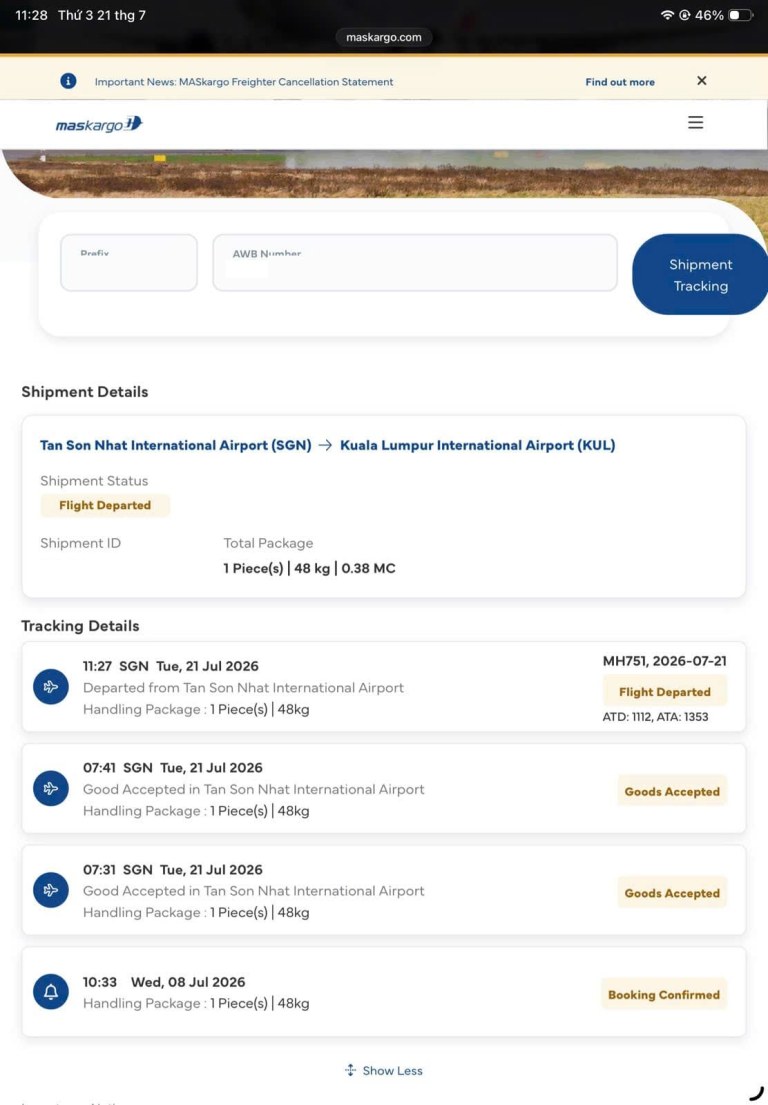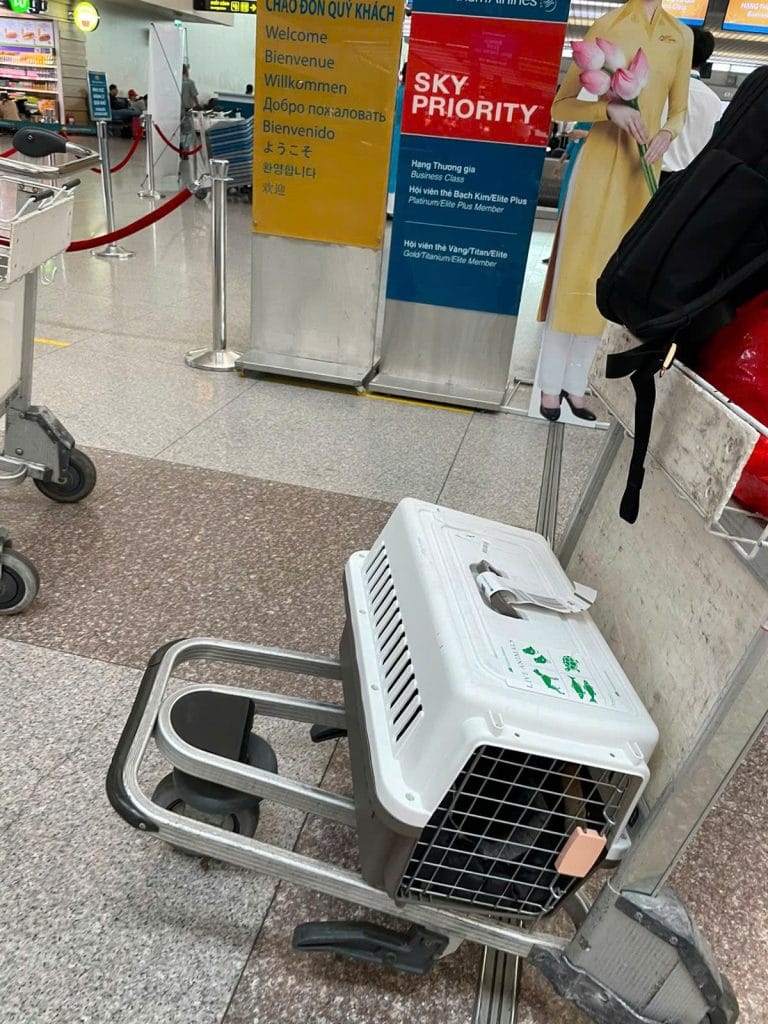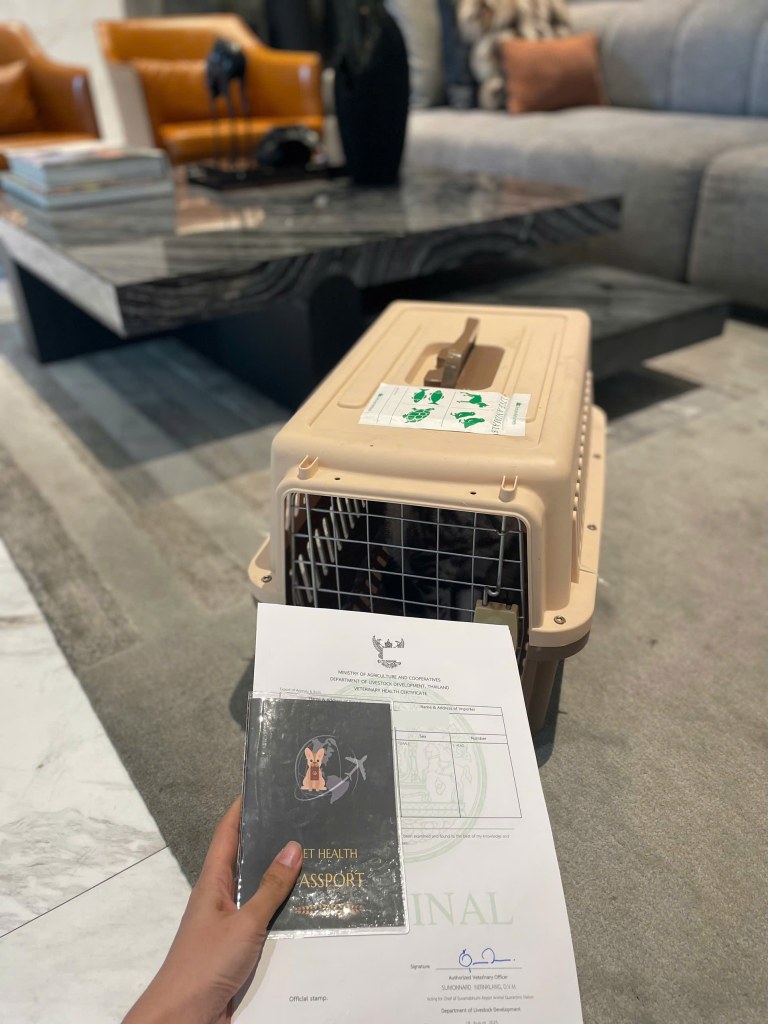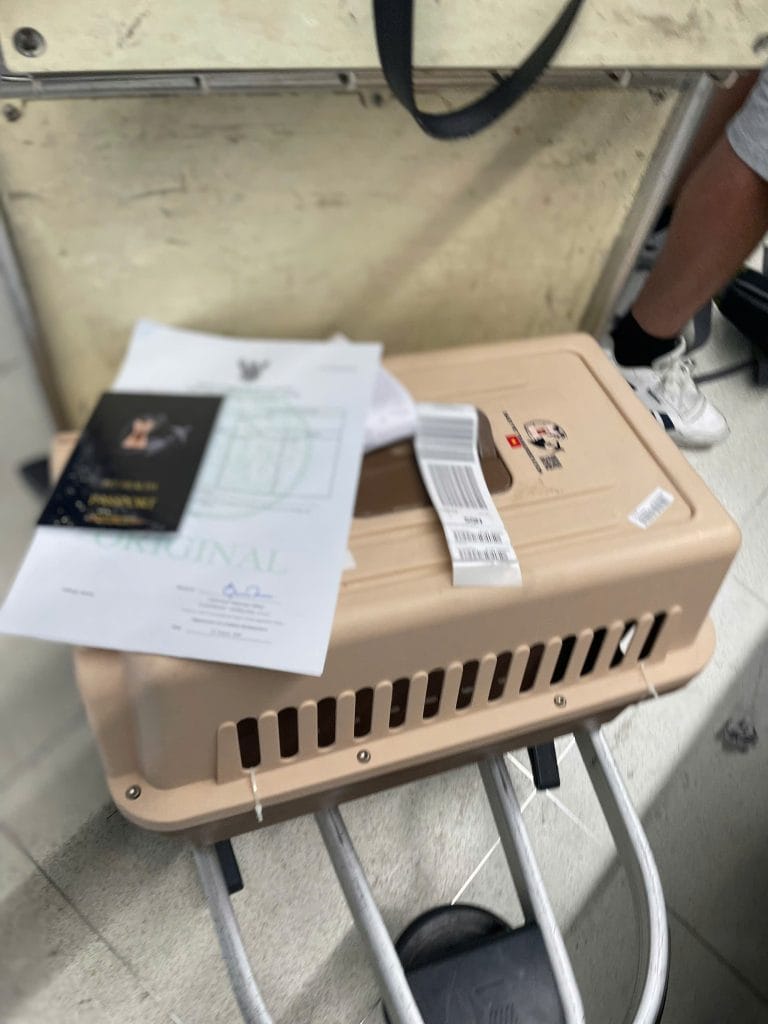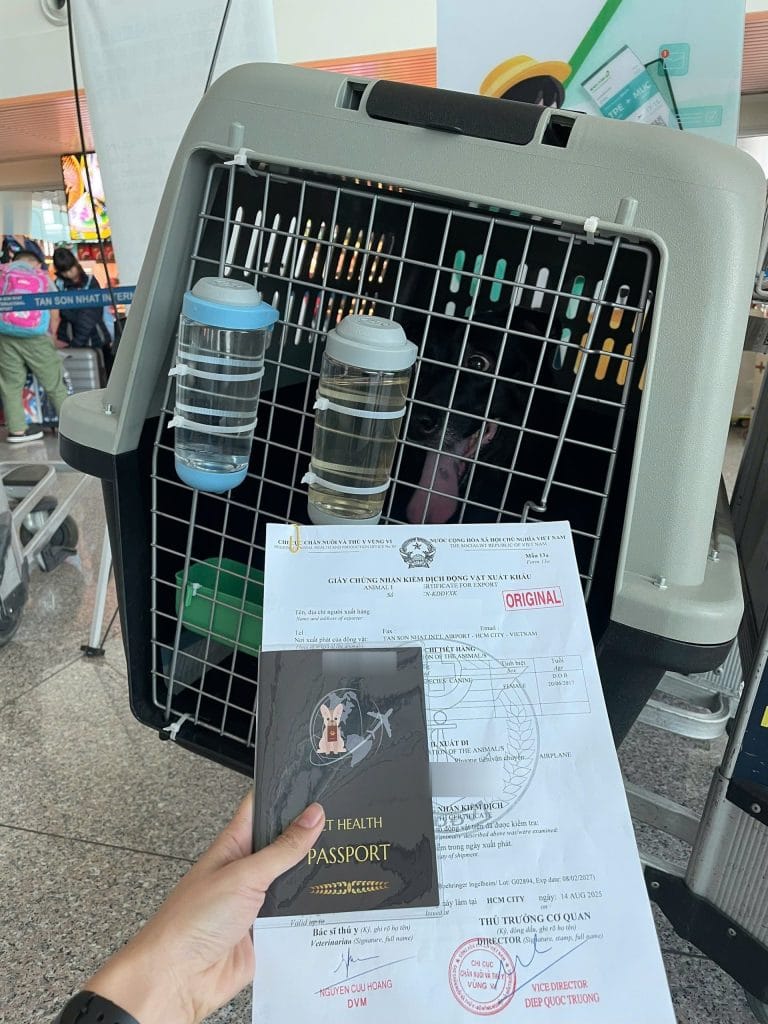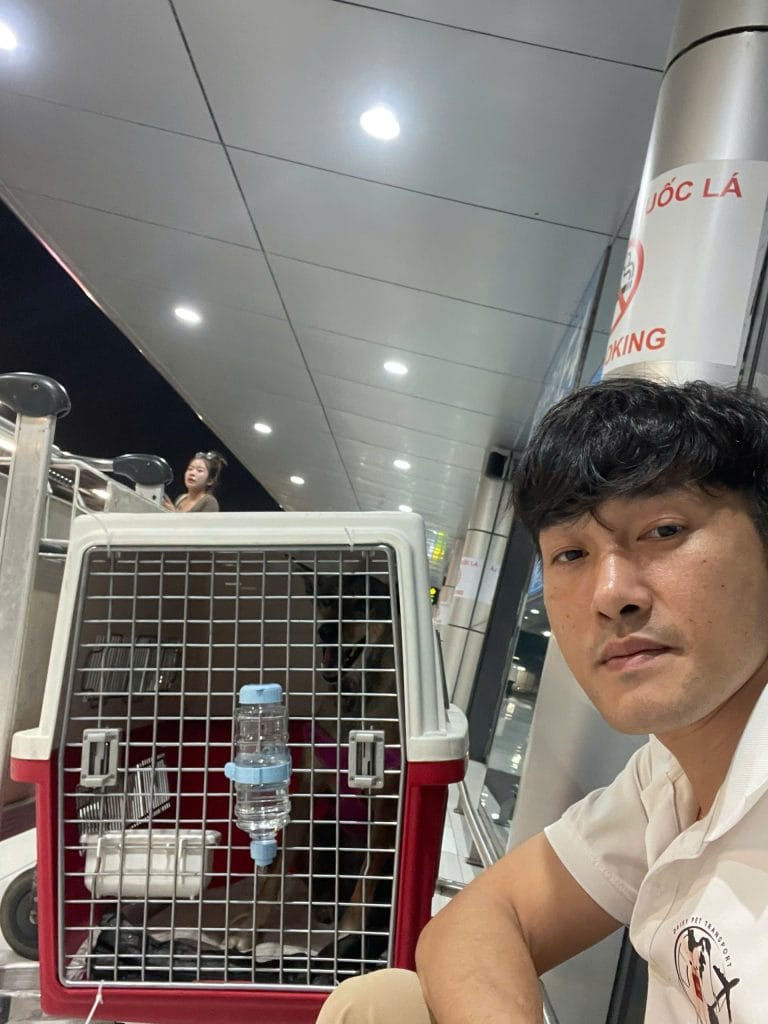
To compare pet shipping companies, compare the work each quote covers, not the final number. First check that the quotes use the same travel method and cover the same steps, from export papers to arrival. Then ask every company the same questions and read the contract before paying a deposit.
Short Answer: How Do You Compare Pet Shipping Quotes?
- Why do quotes differ so much? Usually because they cover different travel methods or different parts of the trip.
- What should you compare first? Whether every quote is for flying with you or for manifest cargo.
- What should you read next? The “not included” line of each quote.
- What should you ask? Who does the work, who handles arrival, and what happens if something goes wrong or plans change.
- What should make you walk away? No contract, a promise that no documents are needed, or a guaranteed flight.
Step 1: Are the Quotes for the Same Travel Method?
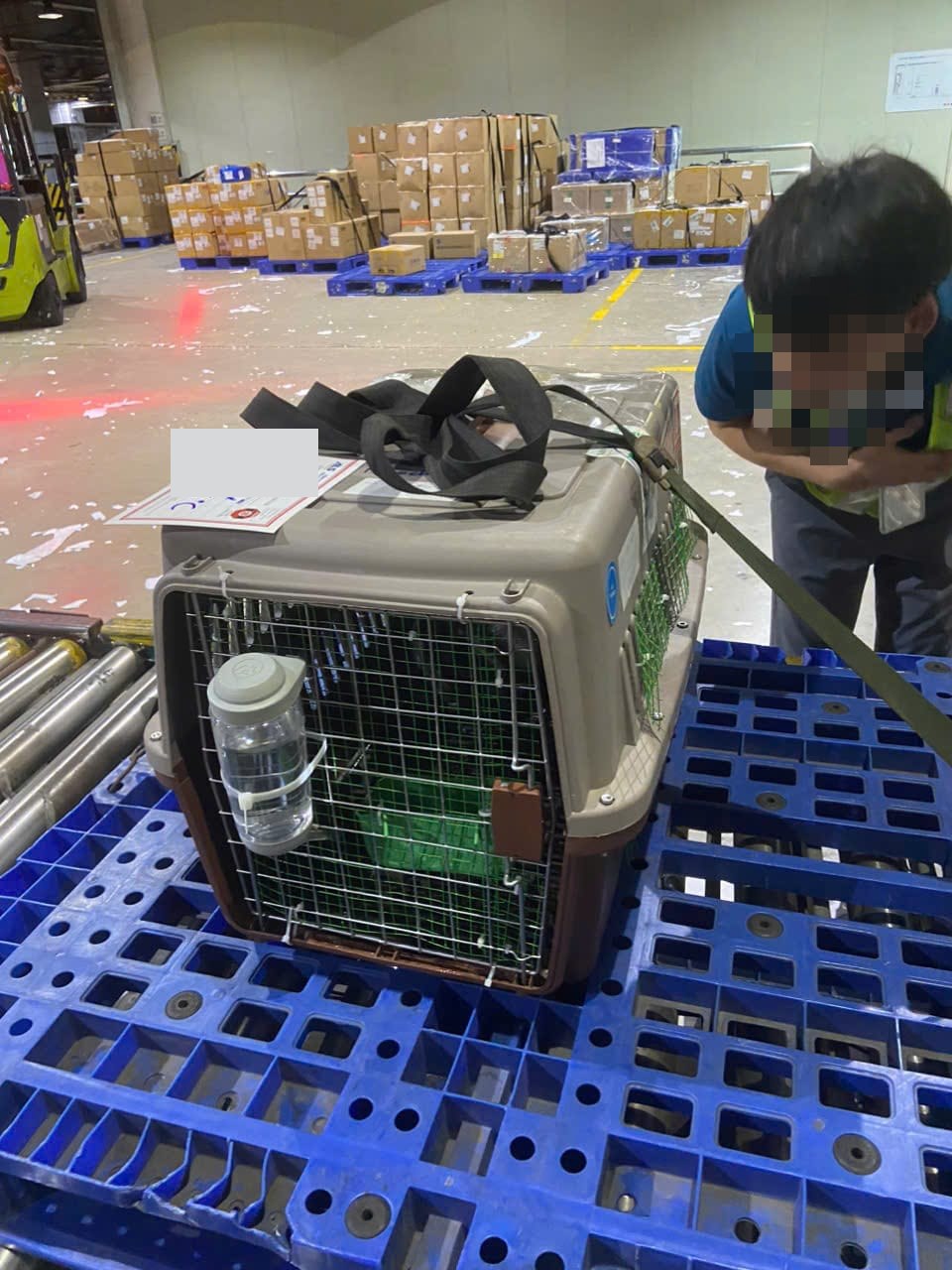
A pet can fly with you, in the cabin or as checked baggage, or travel alone as manifest cargo. The two methods are priced in different ways, so a quote for each can differ by several thousand dollars for the same pet.
For a cat going from Vietnam to Malaysia, flying with the owner costs about USD 1,500, against USD 2,800–3,300 as cargo. More examples by destination are in our pet transport price ranges from Vietnam.
Cargo is billed on chargeable weight: the higher of the real weight and the crate’s volume weight. Volume weight is length × width × height in centimetres, divided by 6,000. A large crate can therefore cost far more than the pet’s weight suggests.
The method is not always a free choice. Some destinations, such as Australia, and some airlines accept a pet only as cargo, and many airlines refuse brachycephalic breeds, such as the French Bulldog, in the hold. If two quotes use different methods, ask each company why. The three methods are compared in cabin, checked baggage and manifest cargo explained.
Step 2: What Does Each Quote Include and Leave Out?
Some quotes cover the whole trip. Others cover only the export papers, or only the import side. Two such quotes can differ by about five times without either company overcharging.
Ask for the items that are not included, in writing. These are the common ones:
- The airline’s pet fee when the pet flies with you.
- The IATA crate.
- Routine vaccinations.
- Arrival-side fees, such as customs clearance, agent fees or quarantine.
- For dogs entering the United States, the Animal Care Facility and warehouse fees.
Only compare totals once each quote covers the same items. The full list of add-ons is in our guide to hidden costs in pet transportation.
Step 3: Ask Every Company These 10 Questions
Send the same questions to each company and compare the answers side by side. A clear answer is specific and written down.
- Do you do the work yourselves? Some companies act as intermediaries and hand the file to another provider. Ask who prepares the documents and who takes the pet to the airport.
- Who handles the pet at the destination? Most companies work with a partner agent in the arrival country. Ask for the agent’s role: customs, quarantine booking, delivery. Our guide on why a transport agent is still needed explains the split of work.
- Have you flown this route before? Ask for the airline used and the month of a recent trip on the same route. Experience with the same airport matters more than the number of countries served.
- Is my pet eligible to fly? The company should check the breed, age, health and crate size before taking a deposit. Dogs entering the United States, for example, must be at least six months old (CDC dog import rules).
- Which airline, and what is the backup? Ask for the route too. Live animal space is limited on every flight. Ask what happens if the first choice is full.
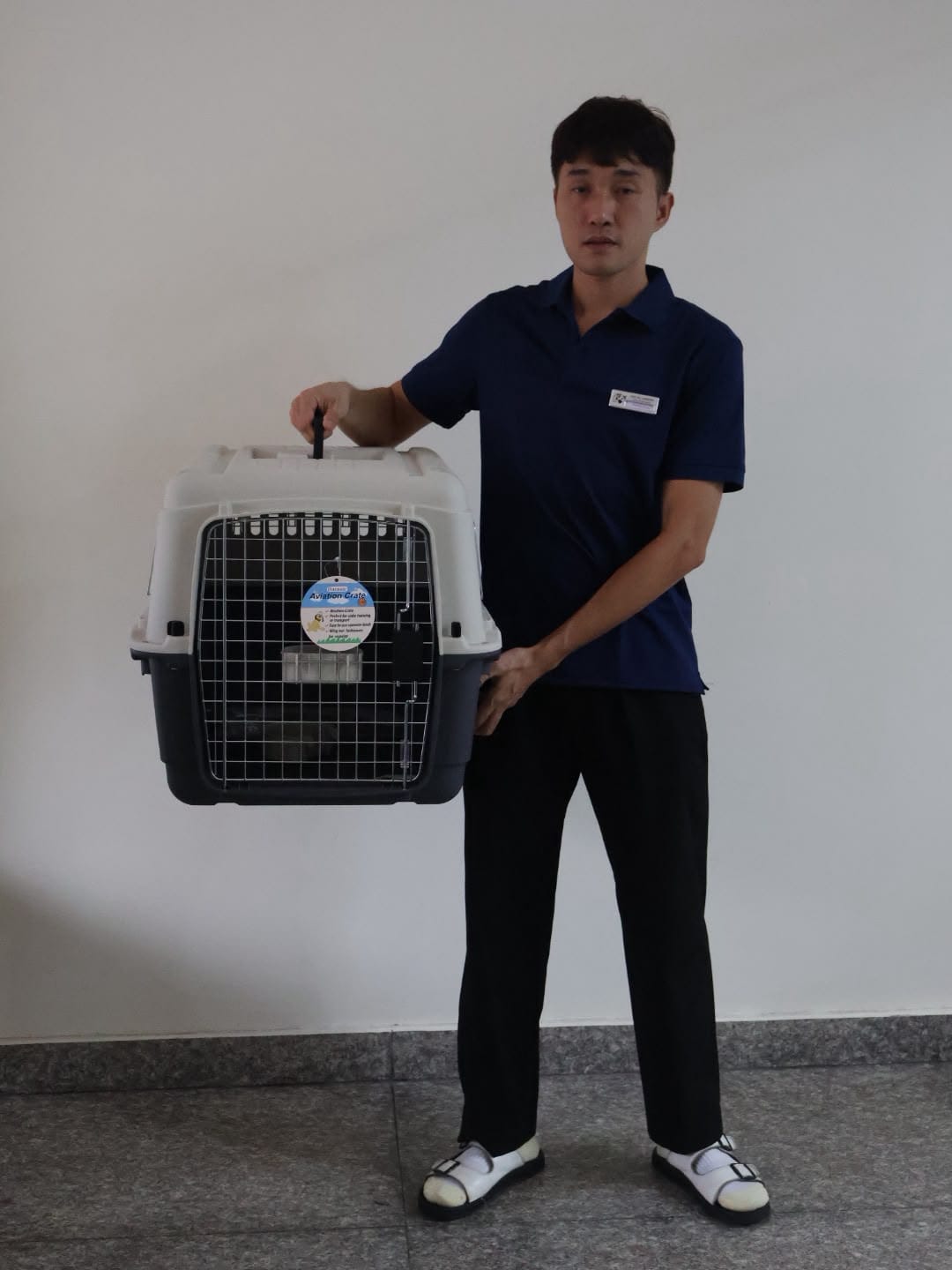
- Who checks the crate? Ask which crate size your pet needs. Airlines check crates against the IATA Live Animals Regulations. See how to tell if a crate is airline approved.
- Who checks the documents, and when? Errors are cheapest to fix before the government endorses the health certificate.
- What happens if something goes wrong? Ask for a written contract that says who pays for each kind of problem. Our guide on what happens when something goes wrong lists the clauses to look for.
- What if I change or cancel? Ask which costs you lose, such as tickets, tests and quarantine bookings already paid to third parties.
- How will I get updates? Ask for one contact person, the channel and the milestones you will hear about. See how updates before, during and after the trip usually work.
Which Terms in a Pet Shipping Quote Should You Read Twice?
Quotes and contracts often include terms that move costs to the owner. Read these before you pay.
- Deposit: often not refundable once work has started.
- Titer test: if the result fails, the owner usually pays for a new test.
- Refusal by the airline or an authority: for reasons outside the company’s control, extra costs usually fall on the owner.
- Third-party costs: tickets, lab tests and quarantine bookings are usually not refunded if you cancel.
- Liability cap: total compensation is usually limited to the price you paid.
These terms are normal. A company that states them clearly is easier to compare than one that leaves them out.
What Are the Red Flags When Choosing a Pet Shipping Company?
- No written contract, or a contract that does not say who pays when something goes wrong.
- “No documents needed” for a destination that requires a titer test or permit.
- A banned or restricted breed accepted cheaply, without a written answer from the airline.
- A guaranteed flight date. No company controls live animal space or weather; see what happens when a pet’s flight is delayed.
- A timeline that skips a waiting period. Some operators falsify vaccination records to do this, as our report on pet transport fraud in Vietnam shows.
- Documents you cannot check. Ask for copies and verify the travel documents with the issuing clinic or lab.
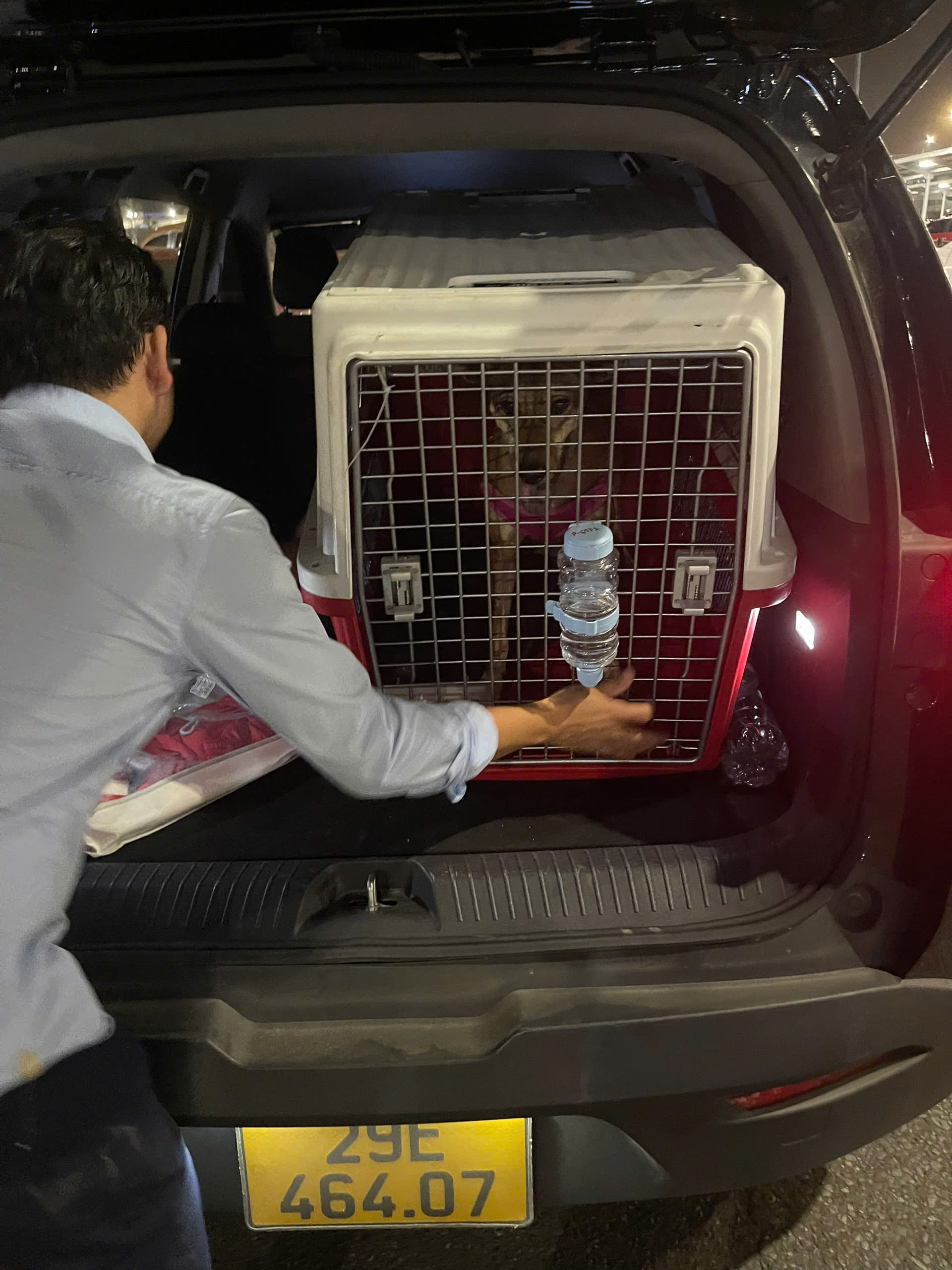
Checklist: How to Compare Pet Shipping Companies Side by Side
| What to compare | A clear answer | A warning sign |
|---|---|---|
| Travel method | Named in the quote, with the reason | Not stated |
| Scope | Itemized, from export papers to delivery | One total with no breakdown |
| Exclusions | Listed in writing | “Everything included” with no list |
| Who does the work | Named team in Vietnam and named partner agent abroad | “Our network” with no detail |
| Eligibility | Breed, age and crate checked before the deposit | Accepted without questions |
| Contract | Written, with who pays in each case | Verbal promises only |
| Changes and cancellation | Stated costs and refunds | No answer |
| Updates | One contact and set milestones | “We will let you know” |
When Is the Lower Quote the Right Choice?
Choose the lower quote when it covers the same method and the same steps, and the answers to the ten questions are as clear. A lower price is often fair when you can fly with your pet and handle part of the trip yourself.
Choose the higher quote when it includes steps the lower one leaves to you, such as the arrival agent or quarantine booking, and you cannot do them yourself.
Frequently Asked Questions
Why do pet shipping quotes for the same route differ so much?
Usually because they cover different travel methods or different parts of the trip. Flying with you and manifest cargo are priced differently, and some quotes cover only the export or only the import side.
Should I choose a company that handles everything itself?
Not necessarily. Most companies work with a partner agent at the destination. What matters is that the company names who does each step and takes responsibility for its own part in the contract.
What happens to my deposit if I cancel?
It depends on the contract. Deposits are often not refundable once work has started, and costs already paid to third parties, such as tickets and lab tests, are usually lost.
How can I check whether a company has flown my route before?
Ask for the airline used and the month of a recent trip on the same route. A company with real experience can also tell you the arrival airport’s procedures and typical waiting times.
Is a company that guarantees a flight date more reliable?
No. Live animal space, weather and airline decisions are outside any company’s control. A reliable company explains the risks and its backup plan instead of guaranteeing a date.
Last updated 17 Oct 2026
Compiled by our specialists from the regulations in force on the date above, for reference only. Rules may change after this date. Please verify with the competent authorities or contact us for the most accurate information.
Official sources cited in this guide
- Australiaagriculture.gov.au
- CDC dog import rulescdc.gov
- Live Animals Regulationsiata.org