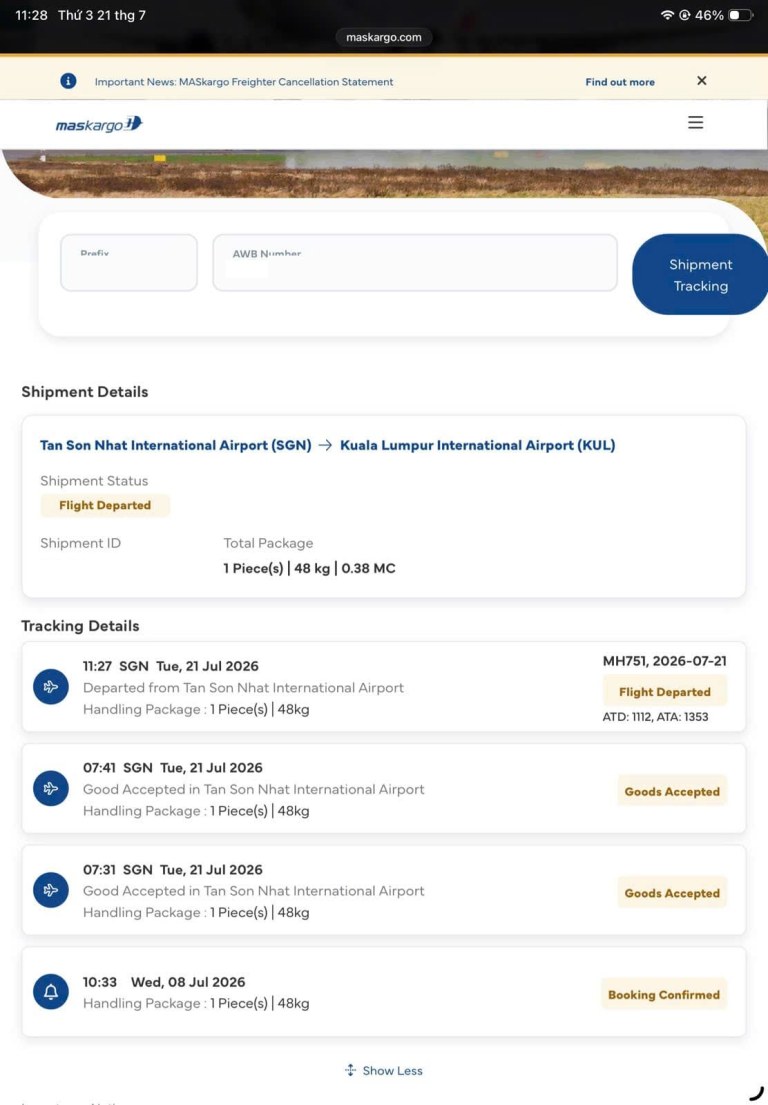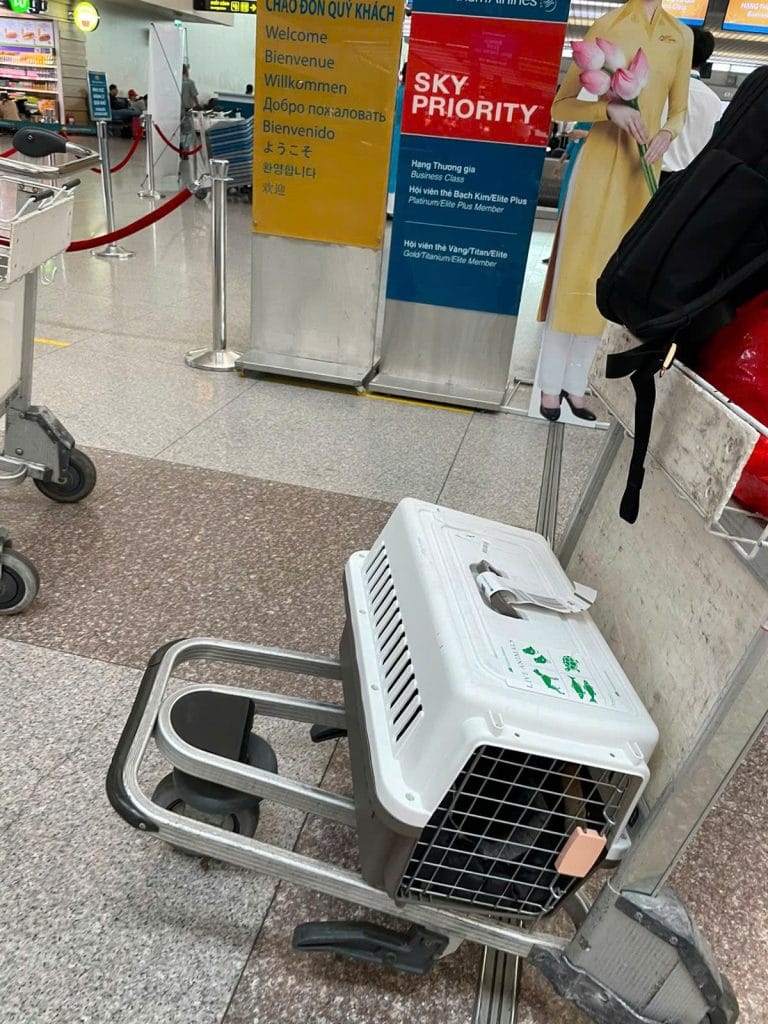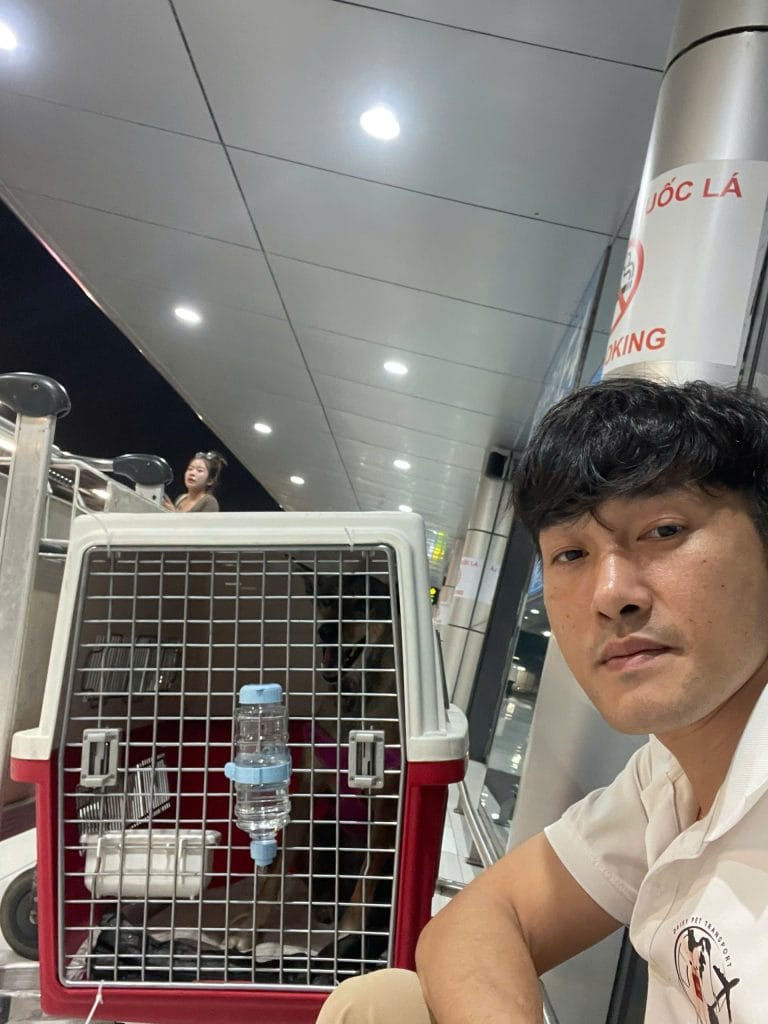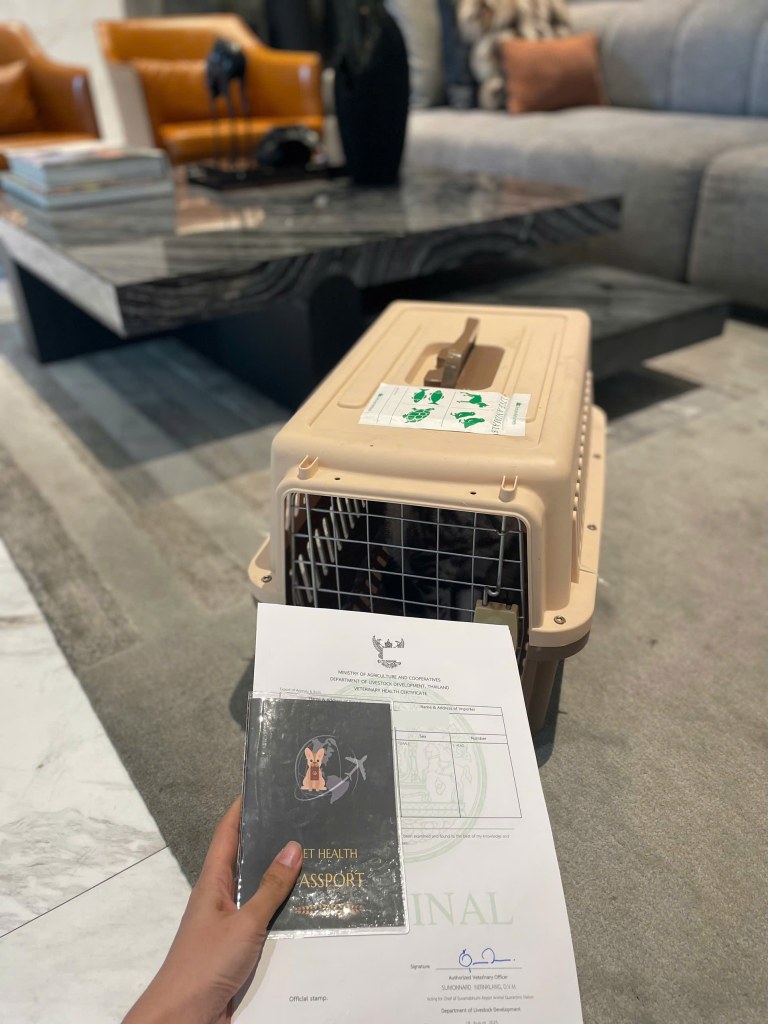
When something goes wrong during pet transport, it is usually a delay or a document problem, not an injury. Who pays depends on the cause: the transport company, the owner, the airline, or events nobody controls. A written contract should settle each case before you pay.
Short Answer: What Goes Wrong, and Who Pays?
- What goes wrong most often? Full cargo space, delays and documents that do not match. Injuries are rare.
- Who looks after a sick pet? Airline staff and a vet act first. The contract decides who pays the vet bill.
- Who pays for a problem? Whoever caused it. A company error is the company’s cost. Missing information from the owner is the owner’s cost.
- Does the airline compensate? Only up to the Montreal Convention limits, which are low for a live animal.
- Is emotional distress covered? No. Airlines and transport companies both exclude it.
What Are the Most Common Problems During Pet Transport?
Most problems appear before the flight or on arrival, not in the air. These are the ones owners meet most often.
- No cargo space. Airlines carry only a few live animals per flight. In October 2026, the earliest cargo space for a pet from Ho Chi Minh City to Istanbul was about two weeks away, because other airlines were fully booked. The backup plan was checked baggage with a staff member flying along, if the airline approved.
- A microchip that is not implanted. In September 2026, a cat booked to Kuala Lumpur came to its checks with the microchip attached to its collar. Malaysia could have refused the cat and sent it back to Vietnam. A vet implanted the chip two days before the flight, and the cat flew on schedule.
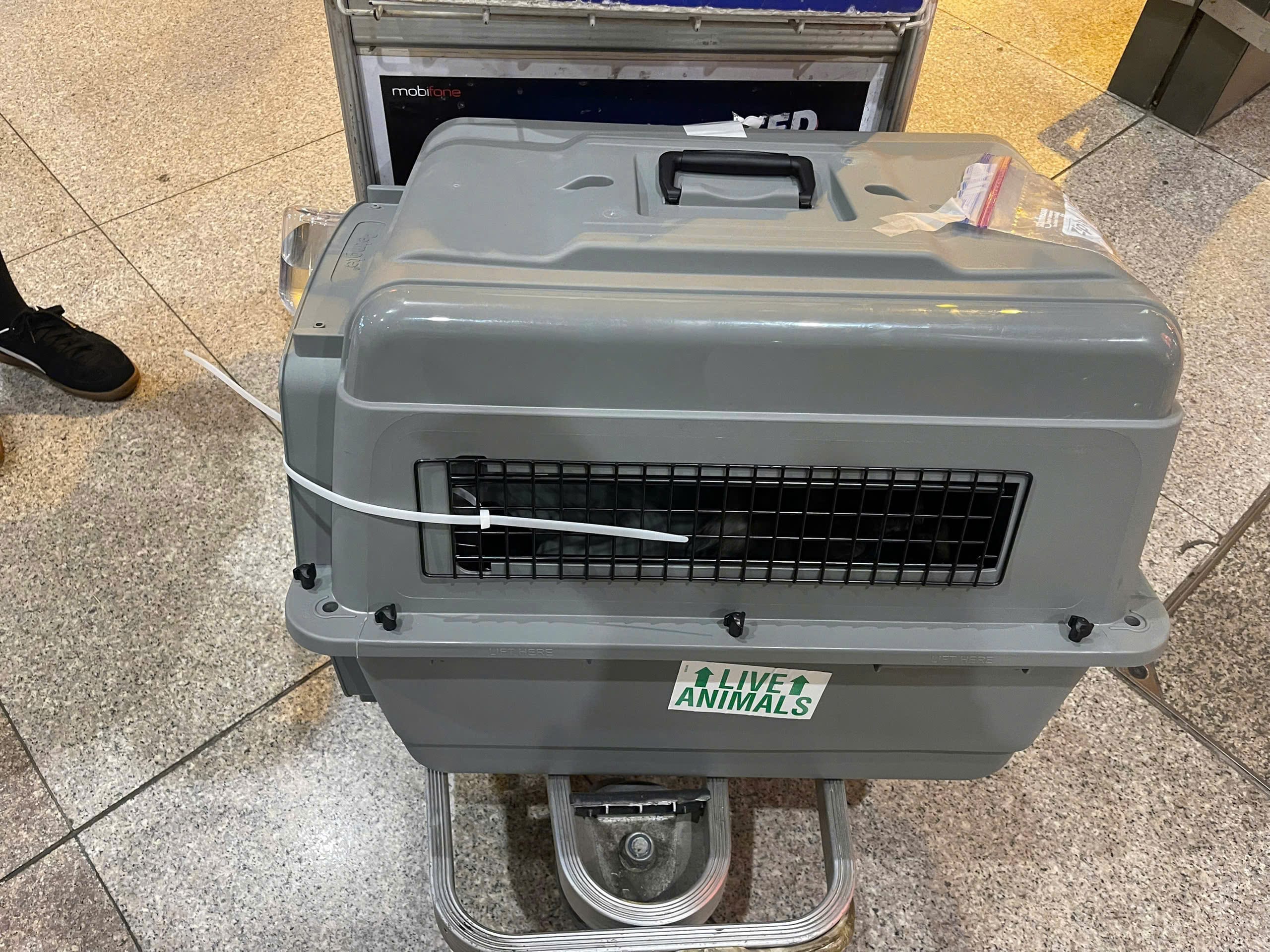
- A crate the airline will not accept. Airlines check crates against the IATA Live Animals Regulations. A wrong size, a missing part or a weak door can stop a pet at check-in.
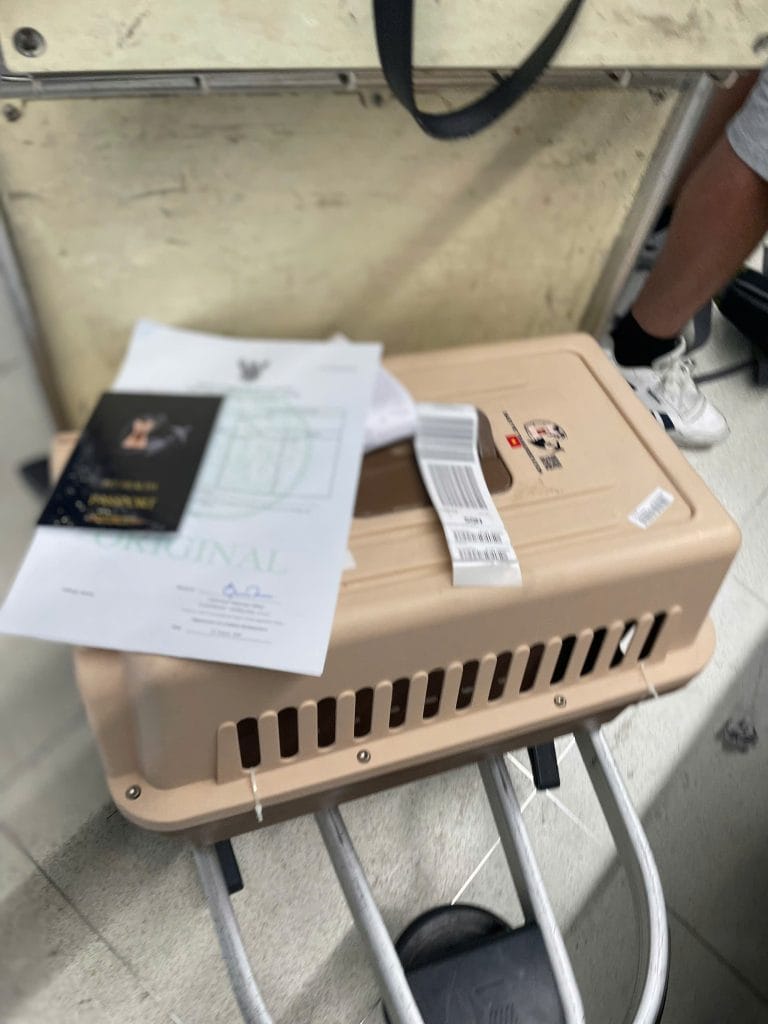
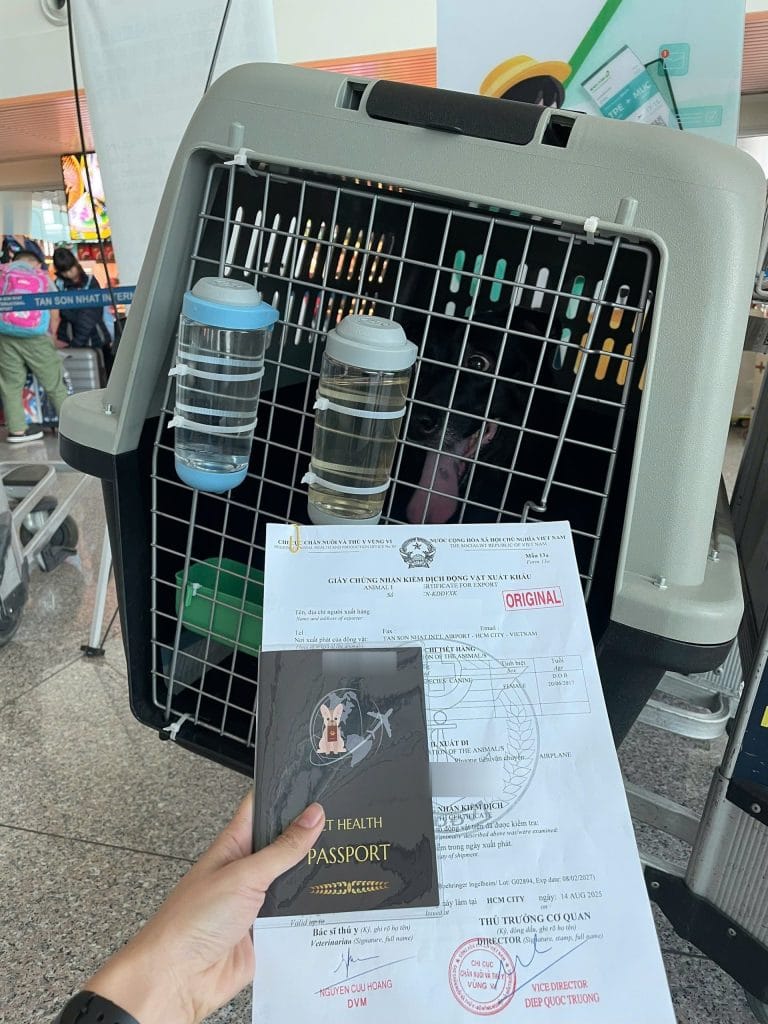
- Details that do not match. A name, microchip number or weight can differ between the ticket, the air waybill and the health certificate. Each mismatch must be corrected before the pet flies or is released.
- A transit rule nobody checked. Hong Kong, for example, requires dogs and cats that change aircraft there to travel as manifest cargo. A pet booked as checked baggage through Hong Kong must be rebooked.
- Long waits on arrival. In June 2026, a dog flew with its owner into Los Angeles. The CDC-registered Animal Care Facility vet could only see the dog the next morning, so the owner moved the onward flight from the afternoon to the evening.
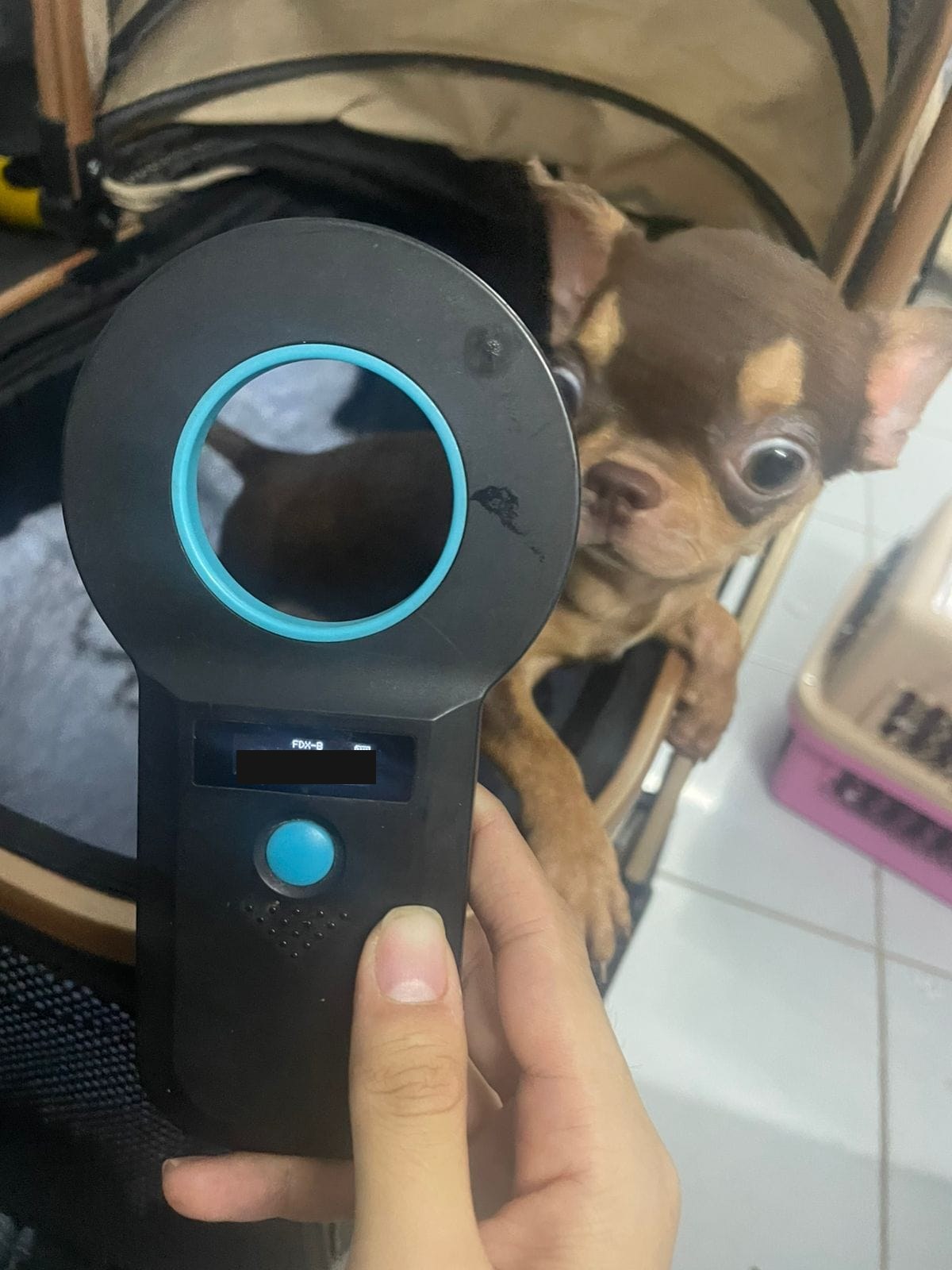
The microchip problem is the easiest to prevent. Read why the microchip comes before every other document.
What Happens If a Flight Is Delayed, Cancelled or a Connection Is Missed?
The airline chooses the new flight. That flight must also have live animal space, so a pet can wait longer than its owner.
A pet flying as cargo that misses a connection stays with the airline’s handling agent at the transit airport. Some airports have an animal holding area and some do not. See how pets are handled during layovers.
A pet flying as checked baggage moves with the owner’s ticket. If the owner is rebooked, the pet needs a new live animal approval for the new flight.
A delay can also push a document past its validity. Some health certificates and import permits are valid for a fixed number of days only. A long delay may then mean a new vet exam or a new permit.
Who pays: if the airline delays or cancels the flight, owners usually pay only the airline’s actual extra charges, such as a rebooking fee. A fair contract says the transport company adds no fee of its own for this.
A short timeline leaves no room to absorb a delay. The airline side of delays is covered in what happens if a pet’s flight is delayed.
What Happens If a Pet Gets Sick or Injured During Transport?
Airline staff check live animals at each handling point. If a pet looks ill or injured, they call a vet. Onward travel may stop until the vet clears the pet.
The transport company should contact the nearest vet and keep you informed. Many contracts include an emergency authorisation. It lets the company approve urgent care when you cannot be reached, for example while you are on a plane. The contract should state the maximum the company may spend this way.
Who pays: the owner usually pays the vet bill. The company pays when its own error caused the harm, such as a crate that failed airline standards or a wrong handling procedure. If a pet dies because of the company’s error, a clear contract refunds the service fee and covers after-care costs up to a stated limit.
If the pet falls ill before departure instead, the steps are different. See what happens when a pet gets sick before departure.
What Must You Disclose Before Booking?
Tell the transport company about every known health condition, medicine and behaviour problem before you book. This includes heart or breathing problems, recent surgery, pregnancy, anxiety and aggression.
The company uses this information to choose the route and the crate, and to decide whether the pet should fly at all. If you leave out a condition you knew about, the cost of any problem it causes falls on you.
What Happens If Documents Are Questioned at the Destination?
The veterinary authority of the destination country checks the pet on arrival. A wrong microchip number, a missing stamp or a date outside the allowed window can lead to a hold.
The pet may then wait in a holding facility or quarantine while the error is fixed, or be sent back. At the destination, the company’s partner agent usually deals with the authorities. Each country handles a failed check differently; the outcomes by country are in what happens if a pet is denied entry.
Who Pays When Something Goes Wrong?
The cost follows the cause. Settle each case in writing before you pay a deposit.
| Cause | Examples | Who usually pays |
|---|---|---|
| The transport company’s error | A document it prepared is wrong or missing. A crate it supplied fails airline rules. It skipped a step it controlled. | The company. If its paperwork stops the pet from flying, the usual remedy is a full refund. |
| The owner’s information or action | A health condition was not disclosed. Details about the pet were wrong. The original documents were left at home. Advice was not followed. | The owner. |
| The airline’s decision | A delay, a cancellation, an aircraft change, or live animal space withdrawn. | The owner pays only the airline’s actual extra charges. The airline is liable under its own terms. |
| Events nobody controls (force majeure) | Weather, an epidemic, or a sudden change in import rules. | Nobody compensates. The company should help find the next workable option. |
Two limits apply in almost every contract. Total compensation is capped at the contract value. Indirect losses, such as emotional distress or lost income, are not covered.
How Much Does the Airline Pay If a Pet Is Harmed?
International airlines limit their liability under the Montreal Convention. Since 28 December 2024, the limits are 26 Special Drawing Rights (SDR) per kilogram for cargo and 1,519 SDR per passenger for checked baggage, according to the International Civil Aviation Organization.
A pet flying as manifest cargo falls under the per-kilogram limit. A pet flying as checked baggage is usually treated as baggage, so it shares the per-passenger limit with the owner’s bags. Neither limit reflects what a pet means to its family or what emergency vet care costs.
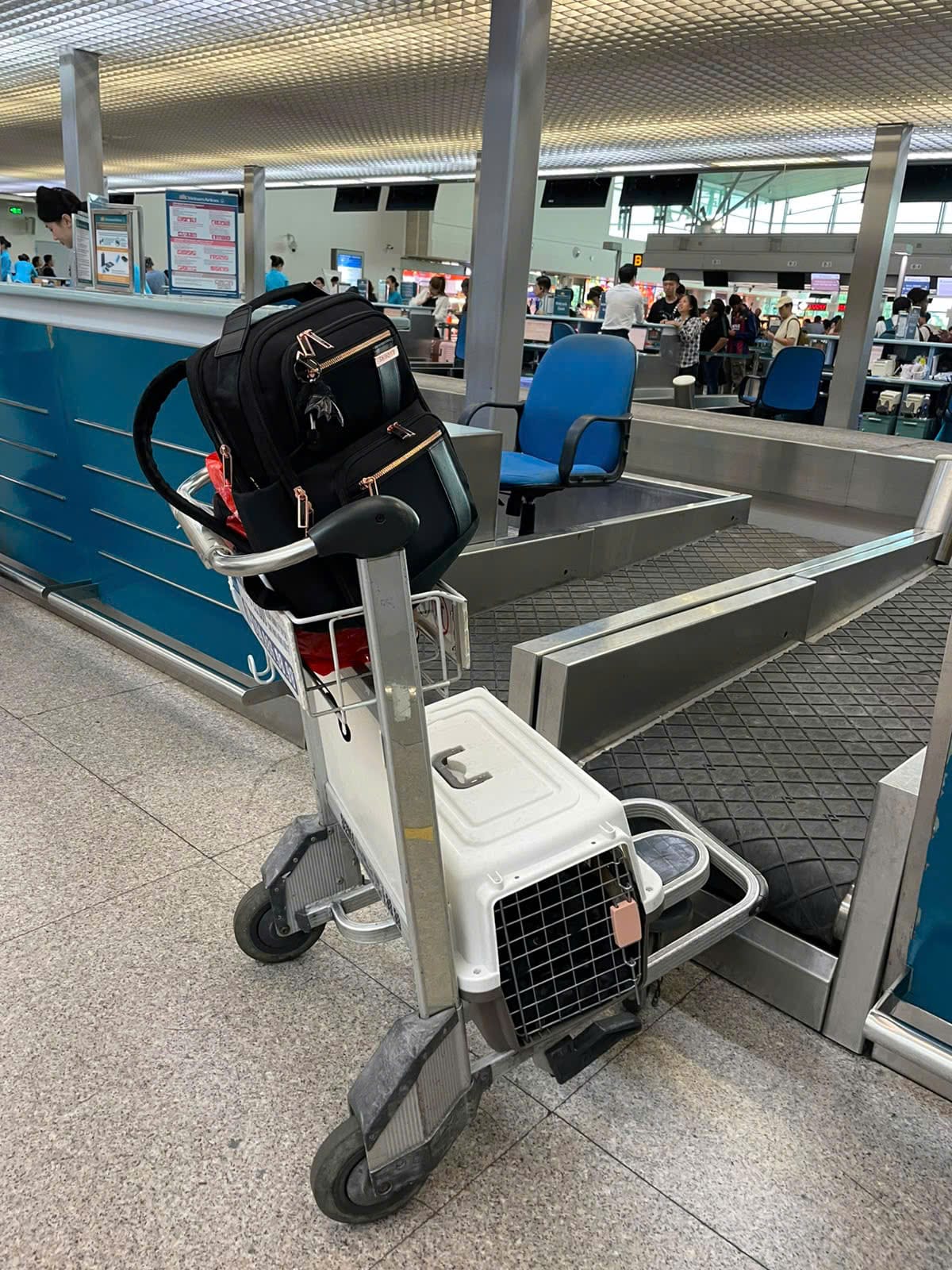
Before accepting a live animal, airlines usually ask the owner to sign an acknowledgement form. On it, the owner accepts risks such as death from natural causes, injury caused by the animal’s own behaviour, and crate defects. The form also excludes emotional distress. The owner signs it, or an agent signs with the owner’s written authority.
A higher limit applies only if you declare a higher value when the pet is handed over and pay the airline’s extra charge, where the airline offers this. How the airline protects pets in the hold is covered in our guide on whether cargo travel is safe for pets.
What Should a Pet Transport Contract Say?
A verbal promise to “take care of it” protects no one. Ask for a contract that answers these points.
- Paperwork failure: what you get back if the company’s documents stop the pet from flying.
- Airline delays: that you pay only the airline’s actual charges.
- Illness and injury: who pays the vet, and when the company pays instead.
- Death in transit: the refund and the after-care limit if the company was at fault.
- Emergency care: the budget the company may approve without reaching you.
- Your cancellation: which third-party costs are not refundable, such as tickets, tests and quarantine bookings.
- Limits: the overall cap and the exclusion of indirect losses.
Daisy’s contract, set out in our working standards, covers three cases: a 100% refund when our paperwork stops a pet flying, the service fee plus up to USD 2,000 in after-care costs if a pet dies through our fault, and emergency vet care pre-approved up to USD 500.
To check these points across several providers, use our guide to comparing pet shipping companies.
How Will You Be Told If Something Goes Wrong?
A good contract lists the milestones you will hear about: documents ready, health checks, flight booked, departure, arrival and handover. It also says that any problem is reported promptly, together with a proposed solution.
Agree on one contact person and one channel before the trip, and check who answers during your night. See how updates work before, during and after the trip.
Frequently Asked Questions
Who pays if my pet’s flight is cancelled?
If the airline cancels the flight, you usually pay only the airline’s actual extra charges, such as a rebooking fee. The transport company rebooks the pet on the earliest flight with live animal space.
Does the airline compensate me if my pet is injured?
Only if the airline caused the harm, and only up to the Montreal Convention limits: 26 SDR per kilogram for cargo, or 1,519 SDR per passenger for checked baggage. Emotional distress is not covered.
Can a transport company promise that nothing will go wrong?
No. Weather, airline decisions and border checks are outside any company’s control. A company can reduce risk through planning, and it should state in writing who pays in each case.
What happens if my pet needs emergency care while I cannot be reached?
If your contract includes an emergency authorisation, the company can approve urgent vet care up to the agreed budget. The cost is usually yours unless the company caused the problem, and you should receive the invoices.
Is emotional distress covered if something happens to my pet?
No. Airlines exclude it on their live animal forms, and transport contracts exclude indirect losses such as emotional distress and lost income. Total compensation is usually capped at the contract value.
Last updated 17 Oct 2026
Compiled by our specialists from the regulations in force on the date above, for reference only. Rules may change after this date. Please verify with the competent authorities or contact us for the most accurate information.
Official sources cited in this guide