

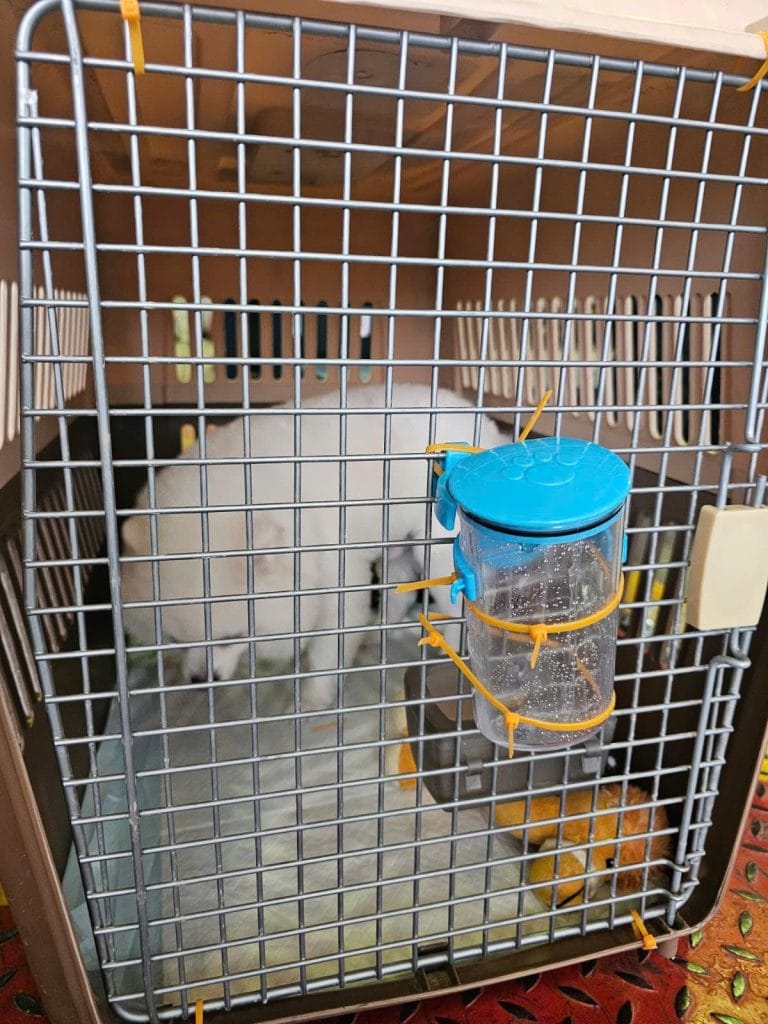
Most healthy pets flying in cargo arrive safely. Airlines with public data report fewer than one incident per 10,000 animals. The risk is real, though, and it sits mostly on the ground: heat on the apron, long waits, connections, a weak crate or paperwork delays.
Short Answer: Is It Safe for Pets to Fly in Cargo?
- Is it safe? For a healthy pet in a correct crate, yes in most cases. It is not risk-free.
- Where does the pet fly? In a pressurised compartment under the passenger cabin, with heating and air flow.
- When does it go wrong? Mostly before take-off and after landing, not at cruising height.
- Which pets need extra checks? Flat-faced breeds, older pets, pets with heart or breathing problems.
- What can you control? The route, the season, the crate, the training and the paperwork. The checklist below covers each one.
The cargo flight is one stage of a longer journey. The other stages are covered in our pet travel safety guide.
What Do the Numbers Say About Pets Flying in Cargo?
The only large public data set comes from the United States. Large U.S. airlines must report every animal that dies, is injured or is lost while in their care.
In 2025, U.S. airlines carried 117,861 animals. They reported 9 incidents: 3 deaths, 5 injuries and 1 lost animal. That is 0.76 incidents per 10,000 animals, according to the U.S. Department of Transportation (DOT) Air Travel Consumer Report.
These figures cover U.S. airlines only. Vietnam and most Asian carriers do not publish animal incident data. The numbers show the scale of the risk, not a guarantee for any one flight.
Where Do Pets Go on a Plane When They Fly in Cargo?
A pet that flies in cargo travels in the lower deck, under the passenger cabin. The airline loads the crate into a compartment approved for live animals. That compartment is pressurised in the same way as the cabin. The International Air Transport Association (IATA) describes it as a heated and ventilated hold.
Which compartment the airline uses depends on the aircraft type. No rule puts every pet in the same hold position. Before departure, the airline tells the captain in writing that live animals are on board.
Once the doors close, no one can open the crate until the aircraft lands. The pet cannot see or hear you. This is why training and a well-built crate matter more than anything you pack inside.
Not every pet must fly in the hold. Small pets may fly in the cabin on some routes. The choice between cabin, checked baggage and manifest cargo is explained in our guide to the three ways pets fly.
Where Is the Real Risk When a Pet Flies in Cargo?
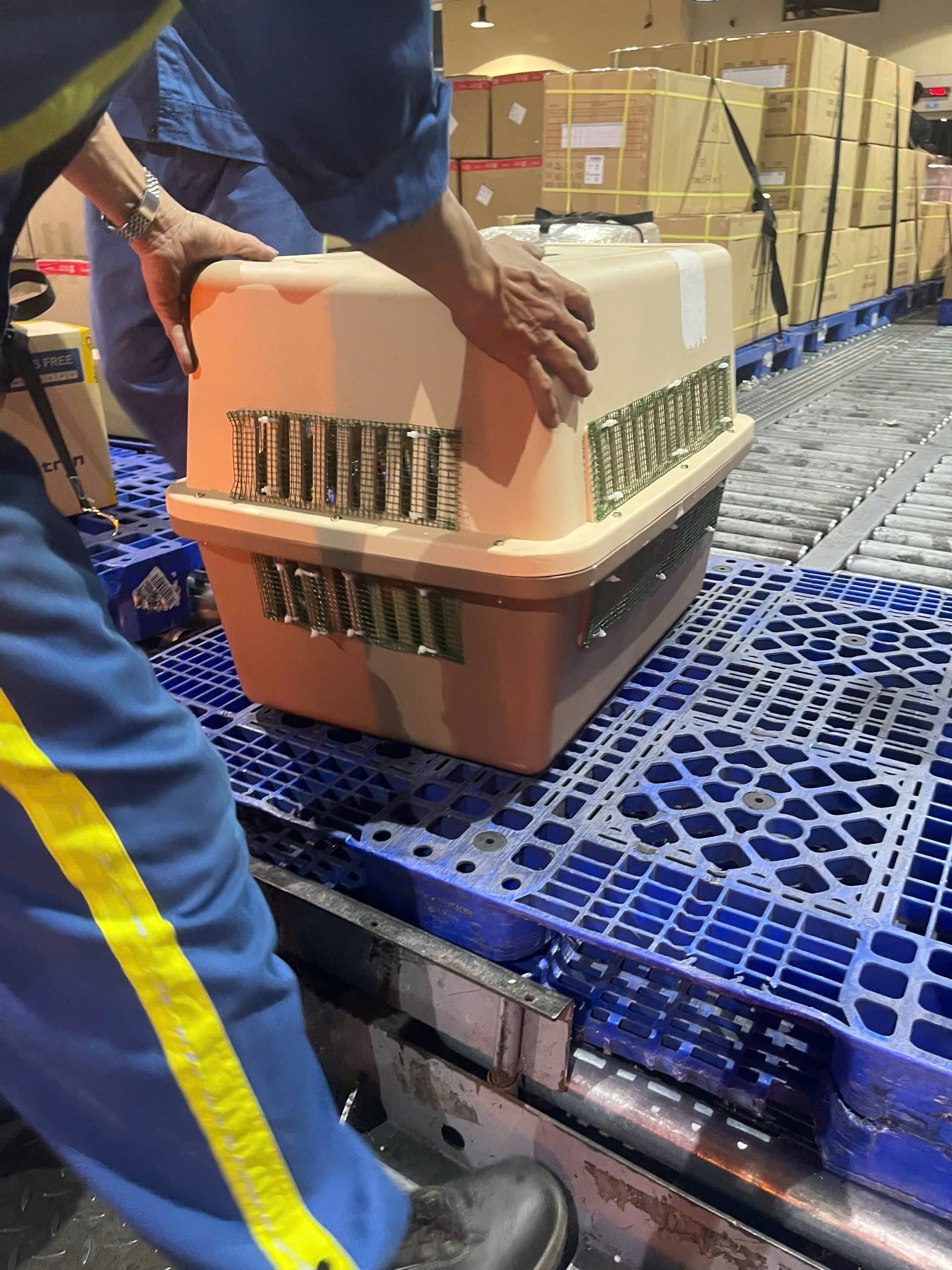
Most incidents happen on the ground, not in the air. At cruising height, the hold is pressurised and its temperature is controlled. Before take-off and after landing, the crate moves between buildings, vehicles and the aircraft. That is where heat, delays and handling add up.
1. Heat on the Apron and in the Terminal
The crate crosses the open apron between the cargo terminal and the aircraft. In Ho Chi Minh City and Hanoi, daytime temperatures pass 29°C for most of the year. Airlines set their own limits and check them at every airport on the route. Each airline’s limits are compared in temperature rules for flying pets.
2. Waiting Time Before Loading
The airline accepts the pet hours before departure. Airlines load live animals last and unload them first, to keep this wait short. Where the pet waits still matters. Some terminals have a cooled room for animals. Others use a shaded corner of the warehouse.
3. Connections
A connection adds another unloading, another wait and another loading. Some hubs have a dedicated animal centre where staff give water and food. Examples are the Lufthansa Cargo Animal Lounge in Frankfurt, the Emirates facility in Dubai and the Qatar Airways Cargo Animal Centre in Doha.
Other airports simply hold the crate in the cargo area. How each stage works is set out in how pets are handled during layovers.
4. The Crate
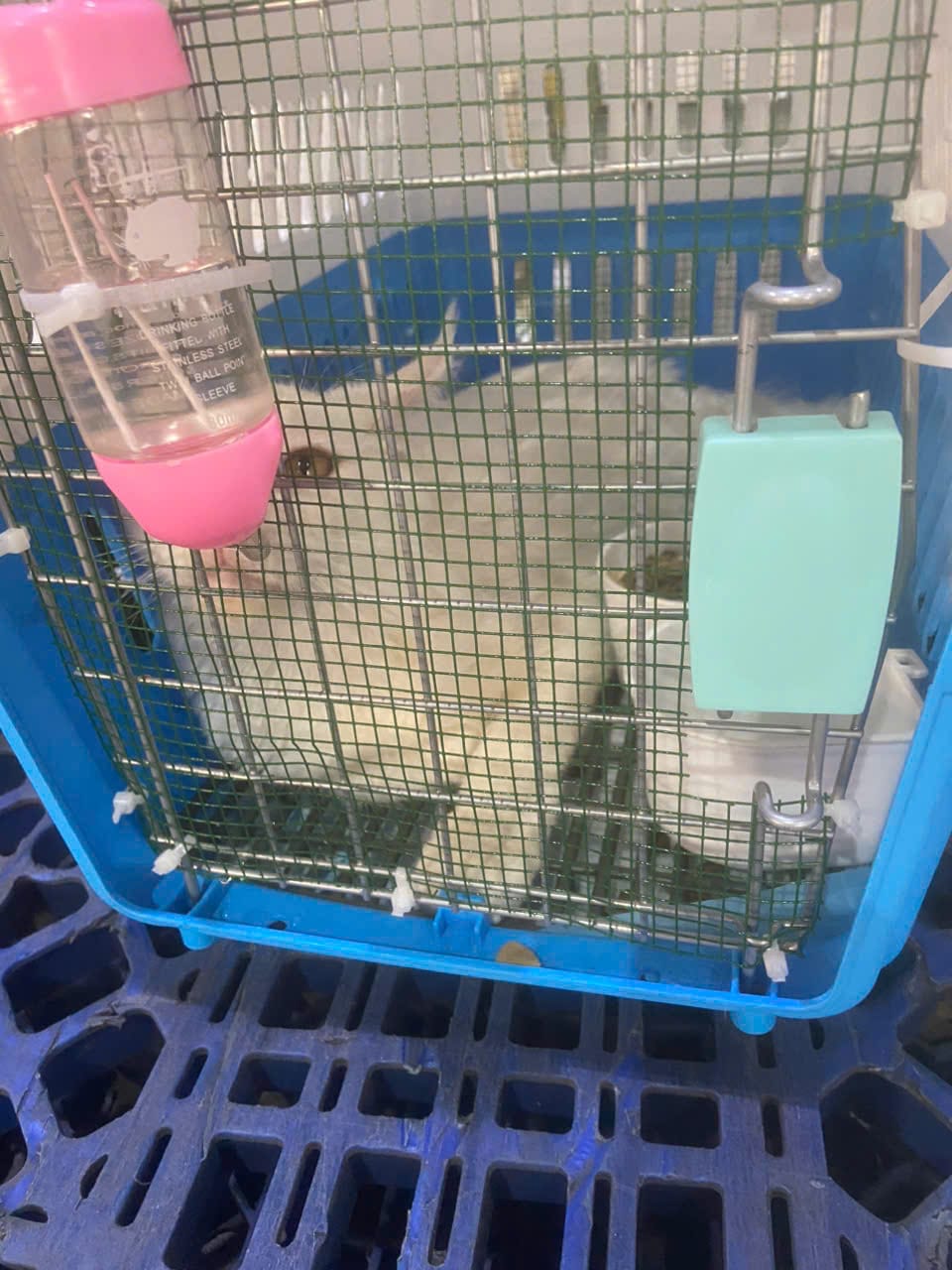
The crate is the pet’s only protection for the whole trip. IATA’s Live Animals Regulations require ventilation on all four sides, at least 16% of their surface. The pet must be able to stand, turn and lie down. The top and bottom must be bolted together, not only clipped. Sizes and fittings are set out in our IATA pet crate guide.
5. Paperwork Delays
A paperwork error does not stop the plane. It stops the pet. A health certificate outside its validity window, or a microchip number that differs between documents, can hold the crate at the destination for hours or send it back. What the certificate must show is covered in the animal health certificate guide.
6. Delays and Missed Connections
Flights move, and a pet in cargo moves with them. What matters is where the pet waits and how fast the airline rebooks it. Before booking, ask the airline or your shipper where the pet will wait if the flight is late.
Is Manifest Cargo Safer Than Checked Baggage?
In the air, there is no difference. A pet booked as checked baggage and a pet booked as manifest cargo ride in the same kind of compartment.
The difference is in how each is handled at the airport. Checked baggage travels on your ticket and goes through the baggage system with your suitcases. Manifest cargo travels on its own air waybill. The cargo terminal’s live-animal staff accept it, hold it and bring it to the aircraft.
Some countries, including Australia, New Zealand and the United Kingdom, accept pets only as manifest cargo. In those cases, the choice is made for you.
Which Pets Need Extra Checks Before Flying in the Hold?
Some pets carry a higher risk in the hold, whatever the route. Check these before you book anything.
- Flat-faced breeds: Pugs, Bulldogs, Persian cats and similar breeds breathe less efficiently and cope poorly with heat. Many airlines refuse them in the hold, and some limit them by season. The rules are compared in flying a flat-faced dog or cat.
- Older or unwell pets: pets with heart or breathing problems need a vet exam before the route is booked. The fit-to-fly vet check lists what the vet looks for.
- Sedated pets: sedatives slow breathing and make it harder for a pet to control its temperature. Airlines can refuse a sedated pet. Daisy Pet Transport does not use sedatives. The reasons are set out in whether pets should be sedated before flying.
Dog Air Cargo Safety Checklist
Use this checklist for a dog or a cat. Each item is something you, your vet or your shipper can check before the flight.
- Route: a direct flight if one exists. If not, a connection through a hub with an animal centre.
- Season and time: the airline’s temperature limits checked for every airport on the route. In hot months, an evening or night departure.
- Breed and health: the airline has confirmed in writing that it accepts the breed. Older or flat-faced pets have had a vet check.
- Crate size: the pet can stand, turn and lie down. Flat-faced breeds get a larger crate.
- Crate build: ventilation on four sides, metal bolts, “Live Animals” labels on the sides.
- Water: a bowl or bottle fixed inside the crate and refillable from outside. Test it at home so it does not drip into the bedding.
- Training: the pet has slept in the crate at home for several weeks. A plan is set out in managing pet anxiety during air travel.
- Food: a light meal, and food and water offered within 4 hours of check-in. Timings are in feeding pets before flying.
- No sedatives: any anti-anxiety medicine is the vet’s decision, and the airline must be told.
- Documents: the microchip number is identical on every certificate.
- Contact: the name and phone number of the person collecting the pet are on the crate.
How Daisy Pet Transport Reduces Cargo Risk
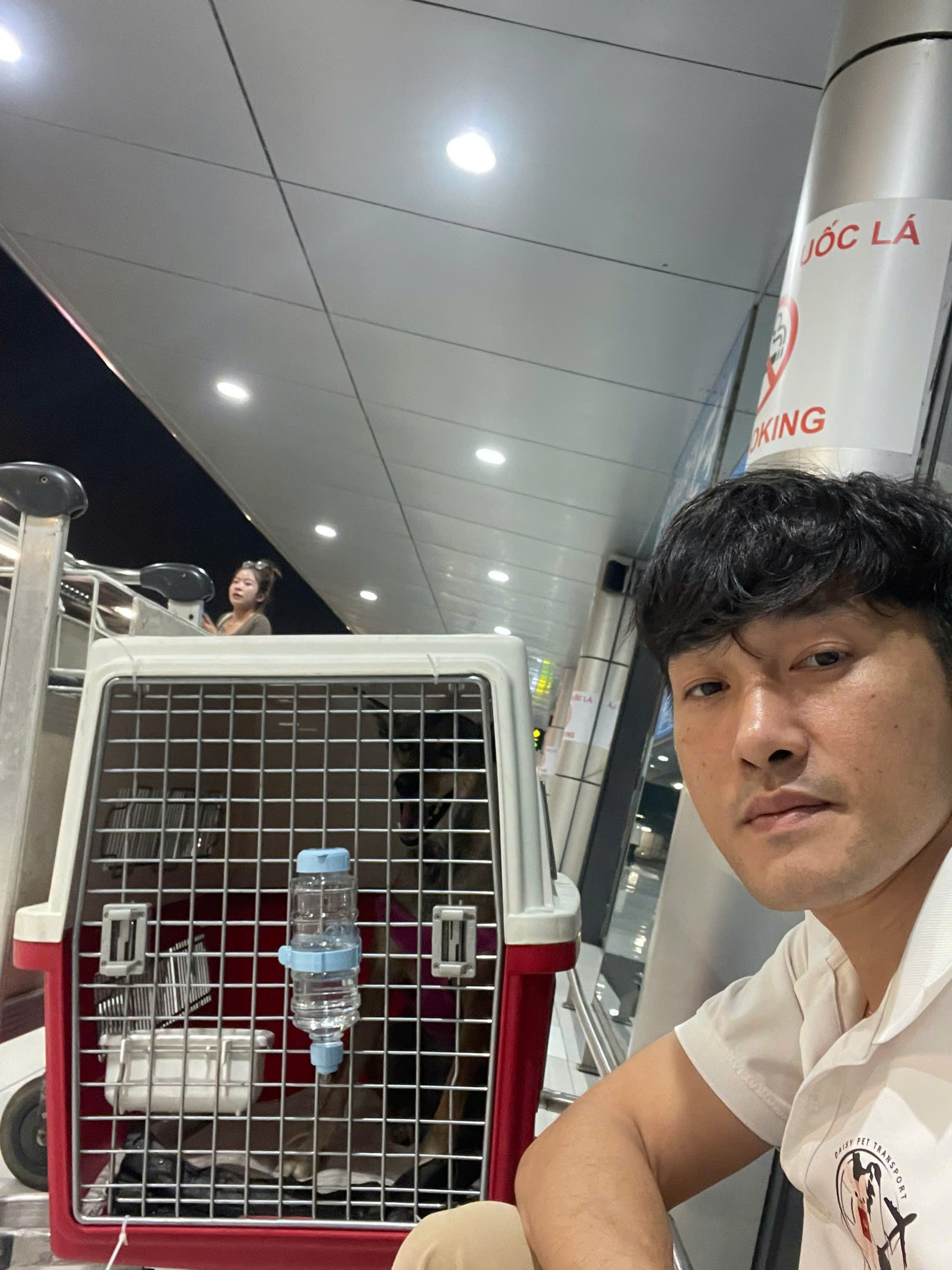
When we plan a cargo journey, we choose the route for the pet’s welfare first and the price second. For a Ho Chi Minh City to Dubai shipment quoted in September 2026, we offered only the direct Emirates flight. We declined a connecting itinerary, because it meant more heat exposure and more handling. In the hot season, we prefer departures after 6:00 PM. The rules we apply to every journey are listed in our working standards.
Frequently Asked Questions
Where do pets go on a plane?
Small pets may fly in the cabin, under the seat in front of you. Larger pets, and pets going to countries that require cargo, fly in a pressurised compartment under the passenger cabin. That compartment has heating and ventilation.
Can I check on my pet during the flight?
No. Once the doors close, no one can open the crate until landing. On a connection, ask the airline staff at the transit airport to confirm that your pet was loaded on the next flight.
Is manifest cargo safer than checked baggage?
In the air, they are the same. At the airport, manifest cargo is handled by live-animal staff at the cargo terminal, while checked baggage goes through the baggage system.
What temperature is too hot for a pet to fly in cargo?
There is no single limit. Each airline sets its own and checks it at every airport on the route. A common range is 7.2°C to 29.4°C. Some airlines set a lower ceiling for flat-faced breeds.
Which pets should not fly in cargo?
Pets with serious heart or breathing problems, and pets a vet considers unfit to fly. Flat-faced breeds need a vet assessment and an airline that accepts them, and some airlines refuse them in the hold.
Last updated 18 Oct 2026
Compiled by our specialists from the regulations in force on the date above, for reference only. Rules may change after this date. Please verify with the competent authorities or contact us for the most accurate information.
Official sources cited in this guide
- U.S. Department of Transportation (DOT) Air Travel Consumer Reporttransportation.gov
- International Air Transport Association (IATA)iata.org
- Lufthansa Cargo Animal Loungelufthansa-cargo.com


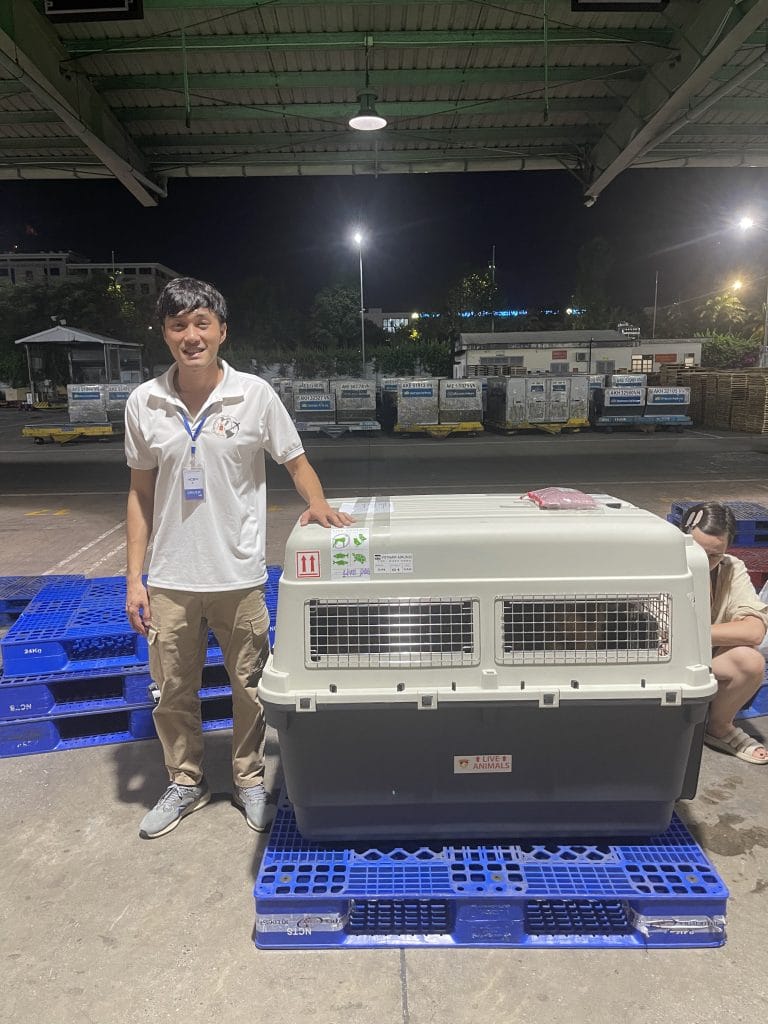
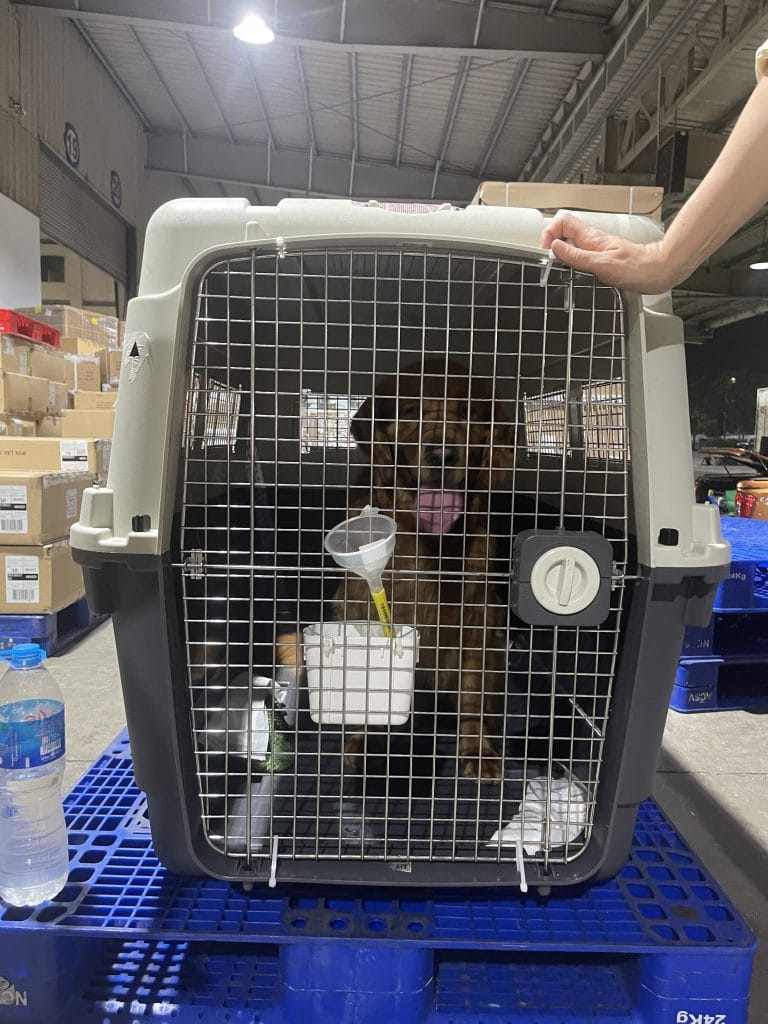

안녕하세요. 저는 한국인이며 한국에서 베트남으로 말라뮤트 55kg를 아시아나 항공을 통해 데리고 왔었습니다. 지금 다시 돌아가려고하니 항공사에서 거부를 해서 방법을 찾고 있습니다. 모든 서류는 준비가 끝났으며 케이지도 제작을 완료해둔 상태입니다. 도움을 주실 수 있으실까요?
0852 245 515 제 zalo 번호입니다.
안녕하세요.
저는 데이지 펫 트랜스포트의 CEO 다니엘입니다.
안타깝게 생각합니다. 카타르 항공에 문의해 보시는 것을 추천드립니다. 카타르 항공은 반려동물 운송 시 케이지 포함 최대 70kg까지 허용합니다.
더 자세한 정보나 절차 관련 도움이 필요하시면, 문의 양식을 작성해 주시면 도와드리겠습니다.
https://daisypettransport.com/get-a-quote/