“Can’t I just give my dog something to make him sleep through the flight?”
We hear this question often. The owner’s intentions are good — they imagine their pet resting peacefully through takeoff, turbulence, and the hours spent in a crate at cruising altitude. But here’s the reality most pet owners don’t hear until it’s almost too late: the “solution” they’re reaching for is the one most likely to create a medical emergency that no one can respond to mid-flight.
Veterinary bodies, IATA and airlines give the same answer: no — pets should not be sedated before flying. This guide explains exactly why, what the real risks are, and what you should be doing instead.
The Medical Reality: Why Sedation Is Dangerous at Altitude
This isn’t airline overcaution or bureaucratic policy. The risks are physiological — and they compound at altitude where cabin pressure is lower, oxygen is thinner, and temperature fluctuates between ground handling, taxiing, and cruising.
- Cardiovascular suppression: Sedatives slow heart rate, lower blood pressure, and reduce respiratory drive. In a pressurized cargo hold at 35,000 feet, these effects are amplified. Your pet’s body has fewer resources to compensate — and there is no veterinarian on board.
- Thermoregulation failure: Dogs regulate body temperature partly through panting. Cats rely on behavioral adjustments. Sedation suppresses both mechanisms. Combined with temperature swings during ground handling and cruising, the result can be hypothermia or hyperthermia — both potentially fatal.
- Aspiration risk: Sedated animals have suppressed gag reflexes. If a pet vomits — which stress and motion can trigger — they cannot protect their airway. Aspiration pneumonia at altitude, with no medical intervention possible, can be lethal.
- Loss of balance and coordination: A sedated pet cannot brace itself during turbulence or sudden movements. This leads to injuries inside the crate — bruises, sprains, broken teeth from hitting the metal door, or worse.
- Zero monitoring capability: Unlike a car ride where you can pull over, a flight offers no access to your pet. If a sedated dog stops breathing effectively at 38,000 feet, no one will know until the aircraft lands.
- Post-arrival disorientation: When sedation wears off in an unfamiliar environment — a cargo warehouse, a customs quarantine room — pets often panic. Disoriented animals can injure themselves, become aggressive toward handlers, or experience severe rebound anxiety. Once the pet is home, the first 48 hours after landing still need close watching.
Brachycephalic Breeds: The Highest Risk Group
Snub-nosed breeds like Pugs, French Bulldogs, Bulldogs, Persian cats, and Shih Tzus already have compromised airways due to their skull structure. Their elongated soft palates and narrowed tracheas make breathing harder — even on the ground. Adding sedation to an already stressed respiratory system is a gamble no responsible veterinarian would recommend.
This is precisely why many airlines impose seasonal or permanent embargoes on brachycephalic breeds in cargo. Sedating these breeds for air travel doesn’t reduce risk — it multiplies it exponentially.
What the Authorities Say
The position against pet sedation during air travel is not a fringe opinion. It is shared by the main bodies in veterinary medicine and animal transport:
- The American Veterinary Medical Association (AVMA) explicitly advises against sedating pets for air travel.
- The International Air Transport Association (IATA) recommends not sedating pets in transit. If a vet sedates a pet for a valid medical reason, the drug and dose must be noted on the health certificate.
- IATA and the International Pet and Animal Transportation Association (IPATA) both advise against sedating pets for air travel.
- Airlines can refuse a sedated pet. Asiana Airlines, Turkish Airlines and ANA state that they do not accept pets given sedatives.
Common Sedatives and Their Specific Risks
Pet owners often mention specific medications from online research — or repurpose drugs their vet prescribed for a dental procedure. These are not the same use cases. Here’s what you need to know:
| Medication | Intended Use | Risks During Air Travel |
|---|---|---|
| Acepromazine | Long-acting sedative (does not reduce anxiety) | Severe blood pressure drop, respiratory depression, disorientation. One of the most dangerous choices for air travel. |
| Alprazolam (Xanax) | Short-term situational anxiety | Coordination loss, behavioral unpredictability. Effects may wear off mid-flight, causing rebound anxiety worse than the original state. |
| Diazepam (Valium) | Anti-seizure (sometimes off-label for anxiety) | Extreme fatigue, paradoxical excitement in some animals, liver toxicity risk. |
| Trazodone | Behavioral disorders and situational anxiety | Lethargy, nausea, rapid heart rate. Commonly prescribed but still carries cardiovascular risks at altitude. |
| Gabapentin | Chronic pain and situational anxiety | Lethargy, loss of coordination. Interaction risks when combined with other medications. |
An important distinction: sedatives, tranquilizers, and anti-anxiety medications are not the same thing — even though pet owners use the terms interchangeably. Sedatives induce drowsiness but don’t reduce anxiety; your pet may look calm but still be emotionally distressed. Anti-anxiety medications target anxiety directly but require careful dosing and monitoring — neither of which is possible during a flight.
Daisy Pet Transport does not use sedatives. Whether an anti-anxiety medicine suits a particular pet is for its vet to decide. If one is given, the airline must be told, and it may refuse the pet.
And no — over-the-counter antihistamines like Benadryl (diphenhydramine) are not a safe workaround. They’re formulated for allergies, not anxiety. While they may cause drowsiness, they can trigger dry mouth, nausea, and behavioral shifts. If your vet hasn’t specifically recommended it for your pet’s travel scenario, don’t experiment at 35,000 feet.
What Actually Works: Evidence-Based Alternatives
Managing pet anxiety during air travel doesn’t require chemicals. It requires preparation — and it requires starting weeks before the flight, not the night before.
1. Crate Training — The Single Most Effective Intervention
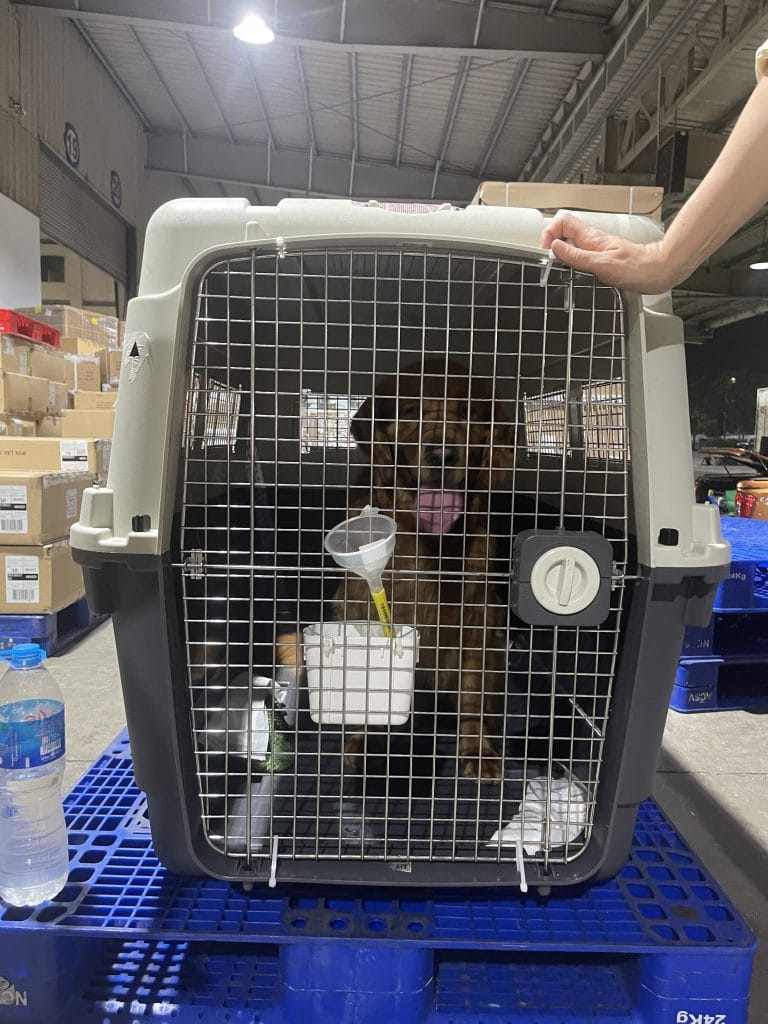
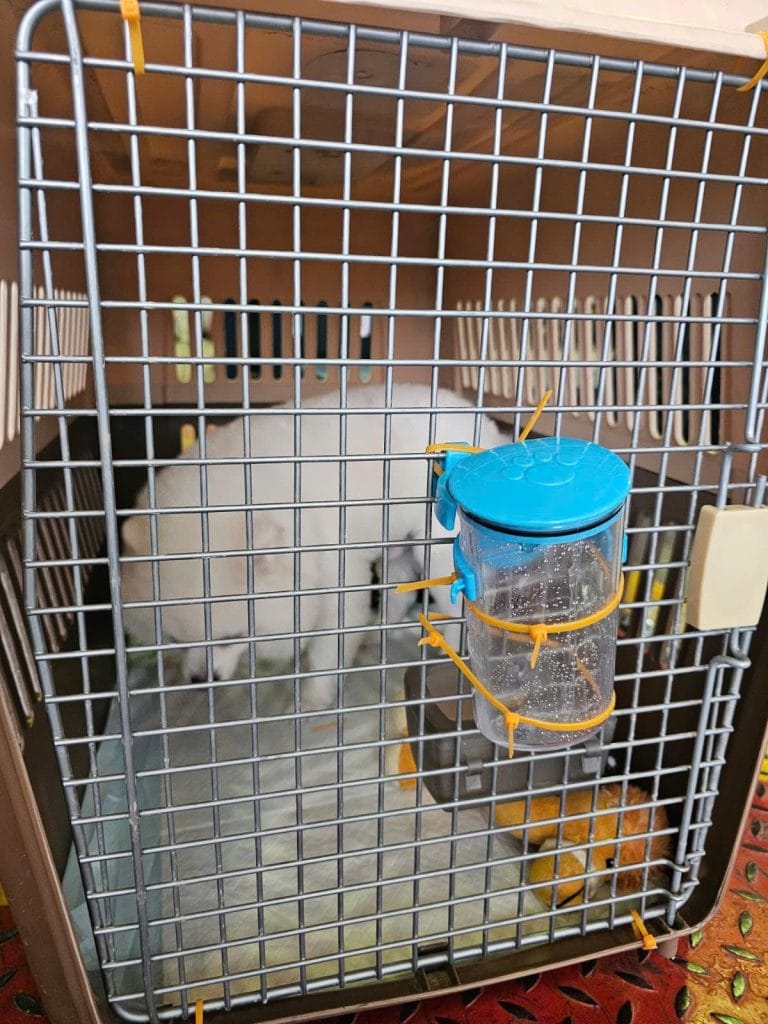
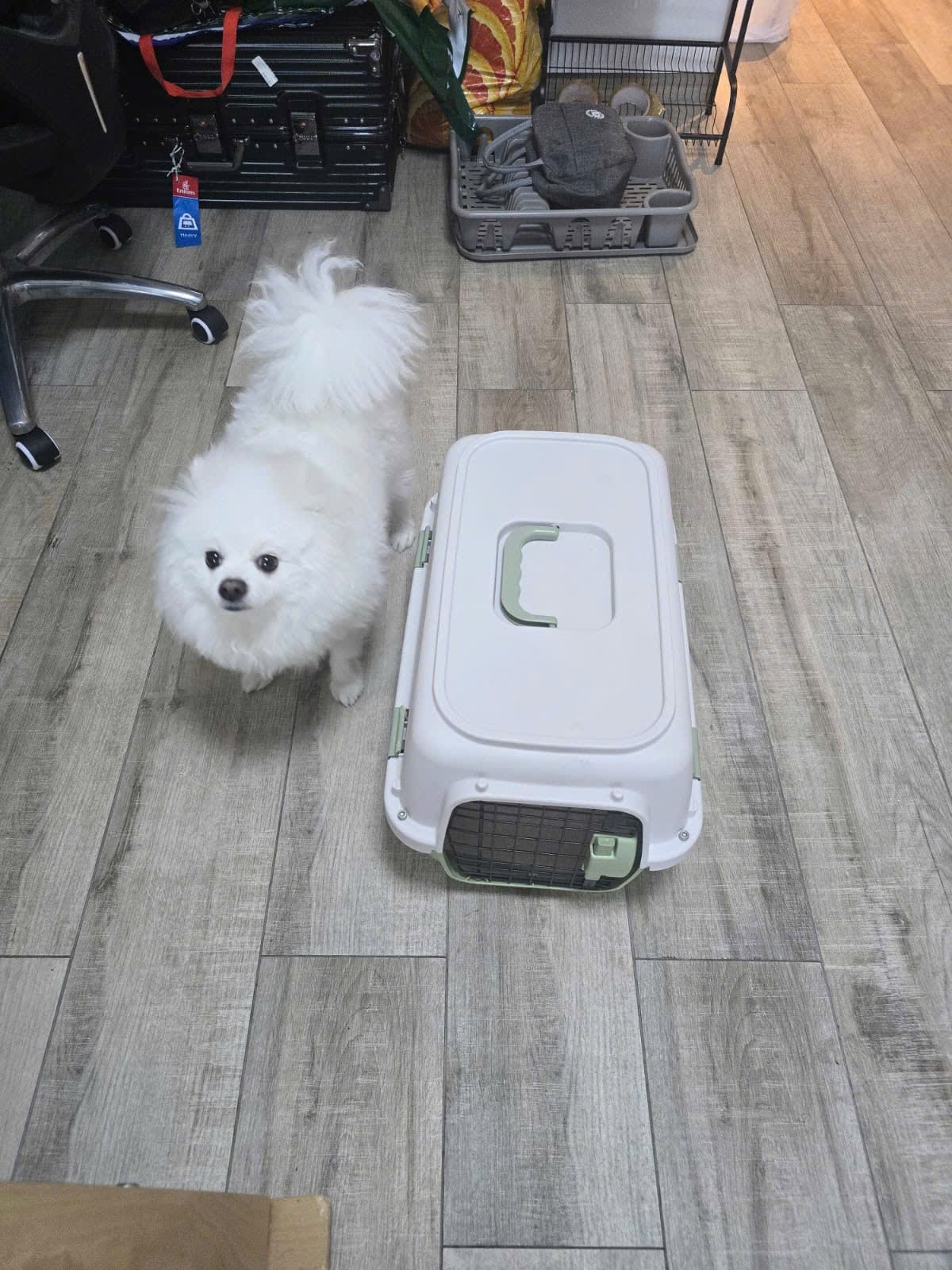
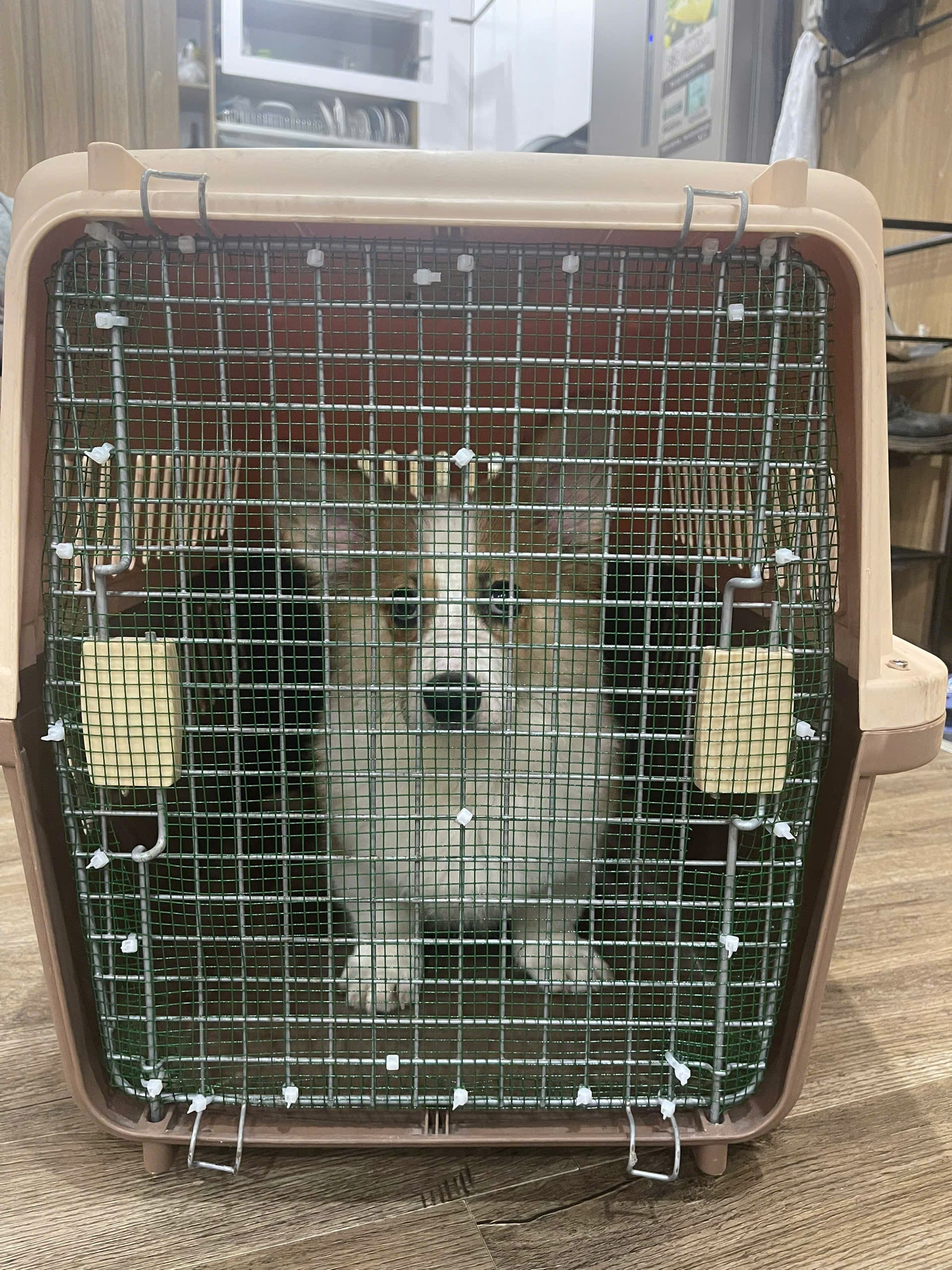
If you take away one thing from this article, let it be this: a pet that views their IATA-compliant crate as their safe space — not a prison — will handle 12 hours of air travel better than any sedated animal. Start at least 4–6 weeks before departure. Feed them in the crate. Let them nap in it. Make it their den. This is the only method unanimously endorsed by veterinarians, airlines, and professional shippers.
2. Natural Pheromone Products
Products like Adaptil (for dogs) and Feliway (for cats) copy the calming pheromones that nursing mothers produce. They come as sprays, collars and diffusers. The evidence for them is mixed: a 2010 systematic review in the Journal of the American Veterinary Medical Association found too little evidence that they reduce stress. They are harmless as an extra, not a solution.
3. Scented Comfort Items
Place a worn t-shirt, a familiar blanket, or a favorite toy inside the crate. Your scent is the most powerful calming signal your pet has access to. This is not a gimmick — behavioral science consistently shows that olfactory cues reduce cortisol levels in dogs.
4. Calming Supplements (Introduced Gradually)
Ingredients like L-theanine, valerian root, chamomile and melatonin are sold as calming chews. The evidence for them is limited. Ask your vet first, and never give one for the first time at the airport.
5. Exercise Before Departure
A tired pet is a calm pet. This is not folk wisdom — it’s physiology. A long walk, a vigorous play session, or a run the morning of travel depletes excess energy and reduces the cortisol spike that triggers anxiety. We recommend 45–60 minutes of solid exercise before heading to the airport.
6. Proper Feeding Schedule
Feed a light meal 4–6 hours before the flight to reduce nausea risk and in-crate accidents. For the complete protocol, read our guide on feeding pets before flying.
Recognizing Anxiety Before It Escalates
Many pets don’t show anxiety symptoms in their daily routine but become visibly stressed in novel situations. Knowing your pet’s stress signals — before you’re standing at the cargo counter — is essential:
- Tail tucking, yawning (outside of tiredness), panting without heat exposure
- Pacing, shaking, muscle tension, excessive barking or meowing
- Pinned-back ears, lip licking, whale eyes (showing the whites of the eyes)
- Clinginess, refusal to enter the crate, destructive behavior
- In severe cases: appetite loss, diarrhea, or vomiting
If your pet exhibits multiple symptoms during crate training sessions at home, that’s valuable information — and it means you need more training time, not more medication. Bring these observations to your vet so they can recommend a behavioral strategy tailored to your pet.
Cats are harder to read: a stressed cat often goes still rather than noisy. The signs that matter for cats are covered in our guide on how to prepare a cat for a flight.
My Pet Has Severe Anxiety — Can It Still Fly?
It depends on the severity. Some pets with extreme fear responses may require a longer crate training period (8–12 weeks), professional behavioral conditioning, or a different plan, such as a direct flight with fewer handovers. Once the aircraft doors close, no one can reach the pet until landing. This is exactly the kind of case where working with an experienced relocation specialist makes the difference between a safe trip and a preventable disaster.

The Bottom Line
Sedating your pet for a flight is not a shortcut — it’s a risk multiplier. Veterinary bodies, IATA and airlines agree: behavioral preparation works better than chemical intervention.
The owners who have the smoothest relocations are the ones who start crate training early, exercise their pets thoroughly before departure, and work with professionals who know how to handle anxious animals without resorting to pharmaceuticals.
Last updated 18 Oct 2026
Compiled by our specialists from the regulations in force on the date above, for reference only. Rules may change after this date. Please verify with the competent authorities or contact us for the most accurate information.
Official sources cited in this guide