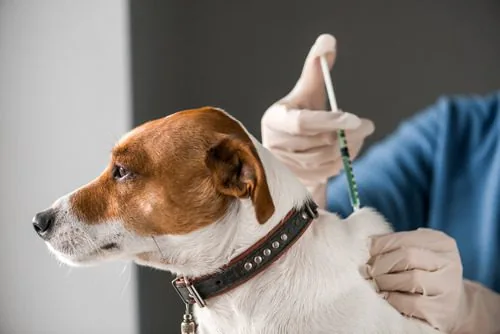
When preparing pets for international travel, vaccines are not just paperwork. Core vaccines are the medical foundation that protects your pet’s health, satisfies airline requirements, and ensures legal compliance at the destination. Incomplete or improperly timed vaccinations are among the most common reasons pets are delayed or denied clearance at the airport.
This guide covers what core vaccines are, the specific DHPPI and FVRCP protocols, how they differ from rabies vaccination, and the timing mistakes that can derail your travel plans.
What Are Core Vaccines?
Core vaccines are vaccines recommended for all dogs and cats, regardless of breed, age, or lifestyle. They protect against highly contagious diseases that:
- Have high mortality rates, especially in young animals.
- Spread rapidly in shared environments — airports, cargo holds, quarantine facilities.
- Pose serious risks during the stress of transportation.
In international pet relocation, core vaccines are considered the baseline medical requirement. Alongside Rabies Vaccination and Titer Testing, some destination countries, such as Singapore, Hong Kong, the UAE and Malaysia, require core vaccines by law.
Core Vaccines for Dogs — DHPPI (5-in-1 / 7-in-1)
DHPPi combination vaccines protect dogs against the diseases below; 7-in-1 versions add leptospirosis (L):
| Component | Disease | Why It Matters for Travel |
|---|---|---|
| D | Canine Distemper | Severe respiratory/neurological disease. Often fatal. No cure exists. |
| H | Infectious Hepatitis (Adenovirus) | Causes liver damage. Spreads through bodily fluids and contaminated surfaces. |
| P | Parvovirus | Life-threatening digestive disease. Extremely dangerous for puppies. Spreads rapidly in multi-animal environments. |
| Pi | Parainfluenza | Major contributor to kennel cough. Spreads easily during transport and holding periods. |
| L | Leptospirosis | Bacterial infection transmissible to humans. Included in 7-in-1 vaccines; WSAVA counts it as core only where the disease is common. The UAE requires it for import; Japan does not, but the pre-flight exam for dogs must confirm no signs of leptospirosis. |
💡 Expert Insight: Transport stress weakens the immune system. A dog that is properly vaccinated before travel has significantly better protection against opportunistic infections during the journey.
Core Vaccines for Cats — FVRCP (3-in-1 / 4-in-1)
FVRCP is the standard core vaccine for cats, protecting against three serious diseases:
| Component | Disease | Why It Matters for Travel |
|---|---|---|
| FVR | Feline Viral Rhinotracheitis (Herpesvirus) | Causes severe respiratory infections. Stress during travel can trigger flare-ups in carrier cats. |
| C | Calicivirus | Highly contagious. Common in shelters and transport facilities. Causes oral ulcers, fever, and respiratory distress. |
| P | Panleukopenia (Feline Distemper) | Severe viral disease attacking the immune system and intestines. High mortality in kittens and young cats. |
💡 Expert Insight: Cats are extremely sensitive to environmental changes. The stress of crating, transport, and new surroundings can significantly lower immunity. Strong baseline protection through FVRCP is essential.
Core Vaccines vs. Rabies: Understanding the Difference
A common misunderstanding is that rabies vaccination alone covers all requirements. In reality, these serve different purposes:
| Vaccine Type | Primary Purpose | Who Checks It |
|---|---|---|
| Rabies | Import regulation compliance (legal requirement) | Destination country government, border quarantine |
| Core Vaccines (DHPPI/FVRCP) | Health clearance and transport safety | Destination countries that require them by law (e.g., Singapore, Hong Kong, the UAE, Malaysia), checked on the Animal Health Certificate; airlines usually do not check them |
Some countries that require a Rabies Titer Test (FAVN), such as Singapore, also require core vaccination records on the Health Certificate; Japan, Taiwan, the EU and the USA require only rabies for import.
Vaccination Timing for International Travel
Getting the timing right is critical. Incorrect timing is one of the top reasons for travel delays:
- Core vaccines first: Should be administered before the rabies shot in most protocols.
- Puppies/kittens: Start at 6–8 weeks of age and repeat every 2–4 weeks until at least 16 weeks of age (WSAVA guidelines).
- Adult pets: Annual or triennial boosters must be current at the time of health certification.
- Waiting time: There is no single rule; each destination sets its own. Hong Kong, for example, requires core vaccines given at least 14 days and no more than 1 year before departure, checked on the Health Certificate.
In Ho Chi Minh City, Daisy Pet clients have core vaccines and the rabies shot given at Belwee International Animal Hospital (Go Vap), a licensed veterinary hospital; Daisy Pet sets the dates against the destination’s timeline. See who does what in the process.
Common Mistakes That Cause Delays
- Incomplete vaccination schedule: Missing one dose of a multi-dose puppy series invalidates the entire protocol.
- Vaccines given too close to the flight: Destinations such as Hong Kong set a minimum gap between vaccination and departure.
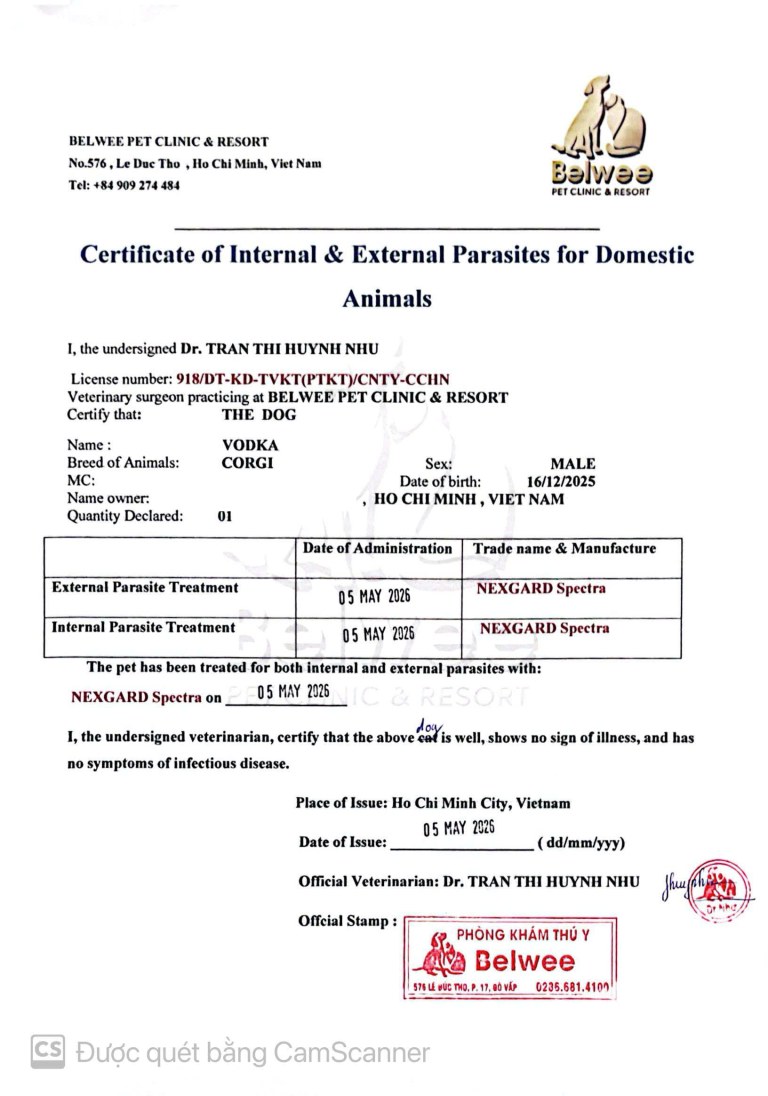
- Missing veterinarian stamp or signature: Without official documentation, the vaccine record is worthless at inspection.
- Inconsistent records: Microchip number on the vaccine booklet must match the Pet Microchip scanned at check-in.
- Using expired vaccines: Booster dates must be current — not just “ever received.”
Why Core Vaccines Are Non-Negotiable for International Relocation
During international transport, pets face conditions that stress the immune system:
- Extended transport time (often 12–36 hours door-to-door).
- Environmental changes — temperature, humidity, altitude.
- Exposure to pathogens in airports, cargo facilities, and quarantine stations.
- Reduced appetite and hydration during transit.
Core vaccines provide the baseline defense against the diseases most likely to exploit these conditions. If you’re planning international relocation, start the vaccination timeline early and consult with a Professional Pet Transport Provider to ensure everything is correctly sequenced.
Last updated 18 Oct 2026
Compiled by our specialists from the regulations in force on the date above, for reference only. Rules may change after this date. Please verify with the competent authorities or contact us for the most accurate information.