Owners tend to treat landing as the finish line. For the pet, the first two days after arrival carry risks of their own: a cat that stops eating, a flat-faced dog meeting tropical heat, or an animal slipping out of an unfamiliar door before it knows where home is.
None of this calls for alarm. Most pets are tired, thirsty and a little unsettled, and are back to normal within a day or two. The aim of the first 48 hours is to spot the few signs that are not normal, and to remove the risks that come from a new place.
What Is Normal in the First Day or Two
A long journey in a crate is tiring, and a new home is full of unfamiliar smells and sounds. The American Veterinary Medical Association notes that appetite, energy and behaviour can all change after a move, and advises keeping feeding and toilet routines as steady as possible.
- Sleeping more than usual: expected after a long trip and a disrupted night.
- Drinking a lot at first: common, especially after a long flight or a hot arrival.
- Eating less: many pets, and cats in particular, eat little until they feel settled.
- Hiding or clinginess: a cat may hide for hours; a dog may follow its owner from room to room.
- One or two loose stools: stress alone can cause this, without any illness.
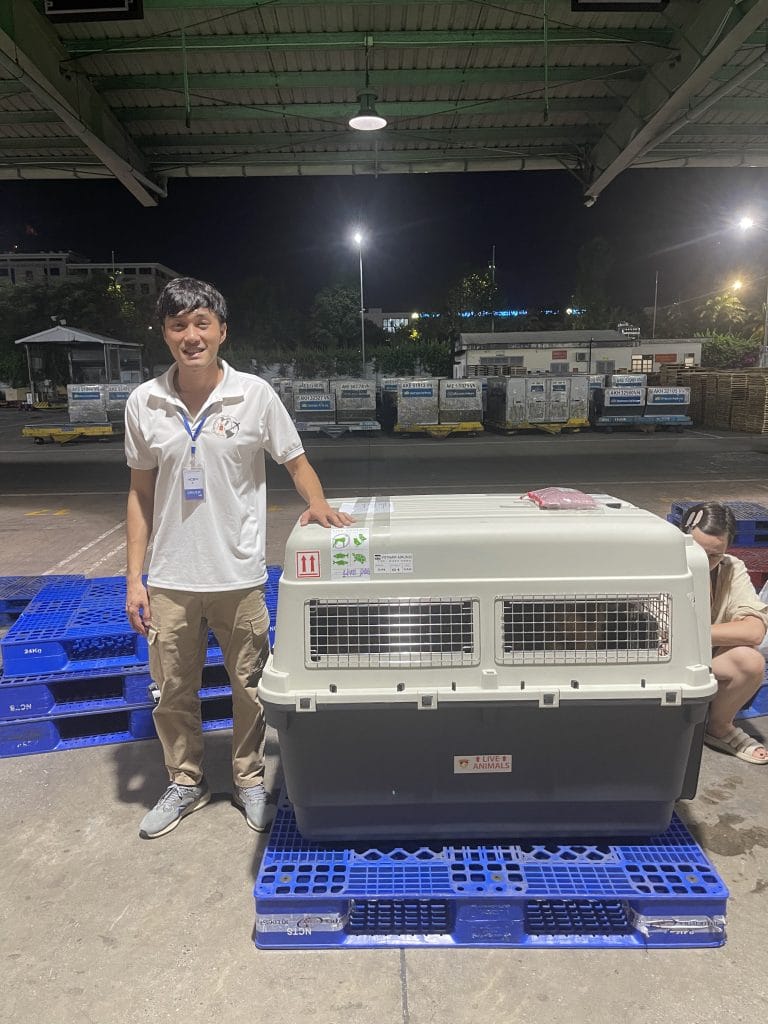
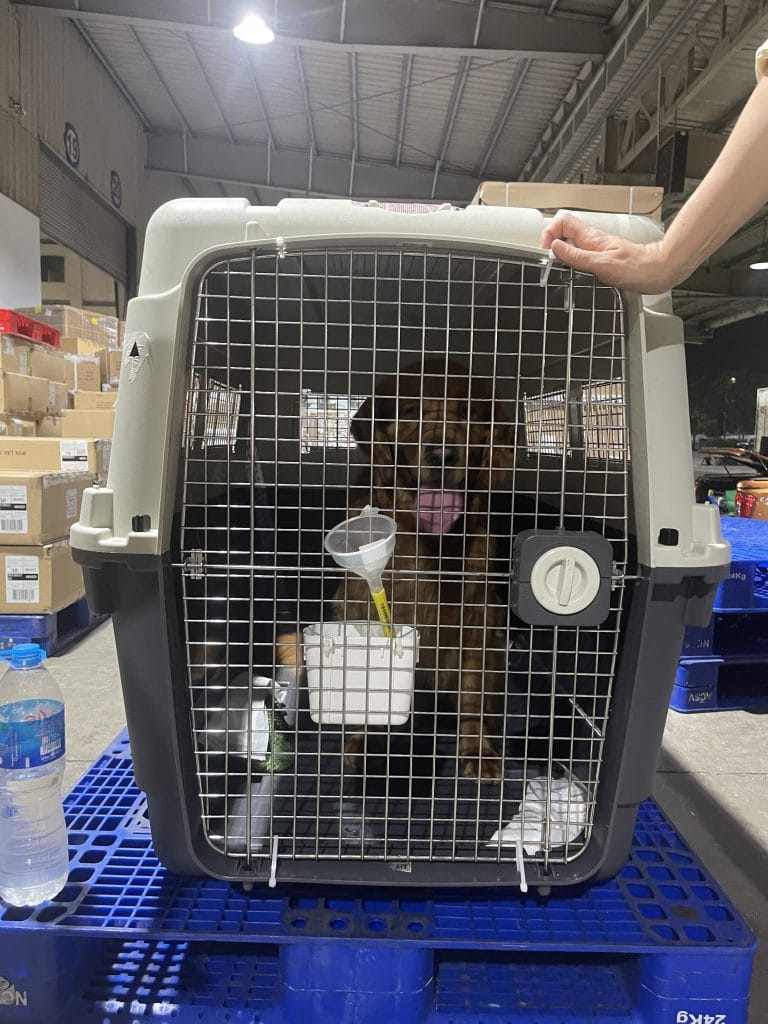
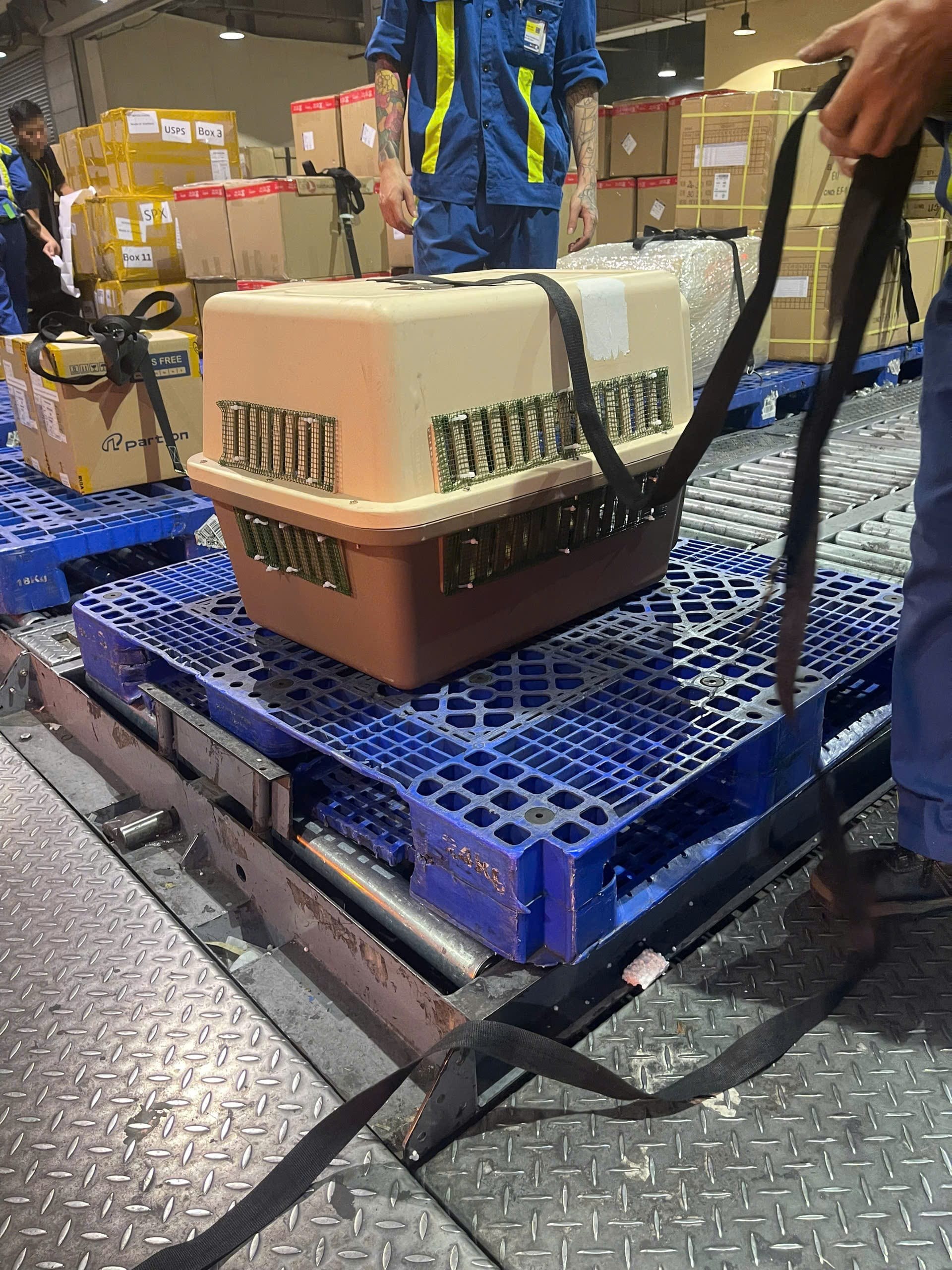
If the pet travelled as manifest cargo, collect it as soon as clearance allows. The conditions in the cargo hold are controlled; time waiting on the ground is where heat and stress add up.
Warning Signs That Need a Vet the Same Day
Some changes are not part of normal recovery. Contact a veterinarian the same day if you see any of the following:
- Heavy panting or struggling to breathe, particularly in a flat-faced breed, or loud breathing noises that were not there before.
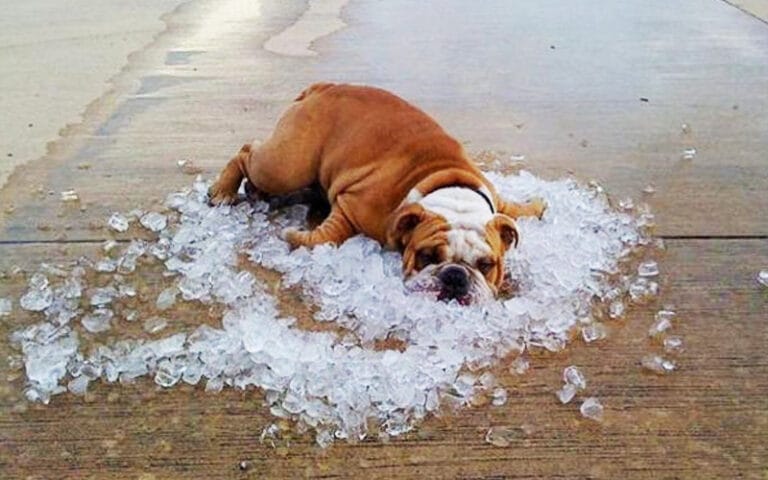
- Signs of heatstroke: excessive drooling, a dark red tongue, sticky gums, wobbling, collapse or vomiting.
- A cat that is not eating, or yellowing of the gums or ears.
- Vomiting or diarrhoea that continues, or a pet that will not drink or pass urine.
- Marked lethargy, limping, or any injury.
Flat-faced dogs and cats deserve extra attention, because a short airway makes heat and stress harder to manage. The reasons are set out in our guide to flying a flat-faced dog or cat.
If you notice an injury at collection, photograph it and note the time before leaving the terminal. How responsibility is decided is explained in who is liable for injury in transit.
First aid for a dog showing heatstroke
The RSPCA’s heatstroke advice is to move the dog into shade, pour cool—not cold—water over its body, and let it drink small amounts without forcing. Stop before the dog starts shivering, do not cover it with wet towels, which trap heat, and keep water away from the head of a flat-faced or unconscious dog. Then take it to a vet as an emergency, even if it seems to recover.
Water First, Then Small Meals
International Cat Care advises offering water and a small amount of food on arrival, then small, frequent meals while the animal settles. The same approach suits dogs. Three practical points help:
- Same food as before: bring enough of the usual food for the first days, so the stomach is not dealing with travel and a new diet at once.
- No forcing: offer food, then leave the pet alone; most eat once the room is quiet.
- Keep the old routine: feed at the times the pet is used to, adjusted gradually to local time.
No official source sets a number of hours to wait before feeding after a flight, and none is needed: a light meal and fresh water are enough. What to do before the flight is covered in our pre-flight feeding guide.
Why a Cat That Stops Eating Needs Attention
A dog that skips a meal after a long trip is rarely a concern. A cat is different. When a cat stops eating, its body starts moving fat into the liver faster than the liver can process it, a condition called hepatic lipidosis. The Cornell Feline Health Center describes it as a cause of serious liver failure that can be fatal without treatment, and overweight cats are at higher risk.
The practical rule is simple: if a cat is not eating after arrival, call a vet promptly rather than waiting for it to start again. Cats also need a slower lead-in before the flight, which is covered in preparing a cat for air travel.
Settling In Without Losing the Pet
A pet in a new place does not yet know where home is. The first days are when animals slip out through an open door or a gap in a fence.
- Cats: keep the cat in one secure room with its bed, litter tray, food and familiar items, and expand its space gradually. International Cat Care recommends keeping a cat indoors for at least two to three weeks after a move.
- Dogs: keep the dog on a lead outdoors, check gates and fences before letting it into the garden, and avoid off-lead walks in unfamiliar areas.
- Identification: update the microchip registration with your new address and phone number straight away, and fit a collar tag with a local number.
A microchip only works if the details behind it are current, and a database in the old country may not be checked in the new one. Our guide to pet microchips for international travel explains how the chip and its registration fit together.
Adjusting to a New Climate
A move between Vietnam and a cold country changes more than the time zone. Pets arriving in Vietnam meet heat and humidity they are not used to, and research from the Royal Veterinary College’s VetCompass programme found that flat-faced breeds, overweight dogs and dogs over two years old are at higher risk of heat-related illness, with exercise the most common trigger.
Walk early in the morning and in the evening, keep exercise light for the first weeks, and make sure shade and water are always available. Acclimatisation takes weeks, not days. The same heat limits that shape flight times are explained in our guide to temperature restrictions for flying pets.
Pets moving the other way, from Vietnam into a cold winter, have a thinner tolerance for cold at first. Short walks, a warm sleeping spot and, for short-coated or hairless breeds, a coat for outdoor time help in the first weeks.
Book a Vet Check at the Destination
A rabies certificate and an export health certificate cover the conditions the destination requires. They do not cover every disease or parasite the pet will now be exposed to. A 2026 study in the CDC journal Emerging Infectious Diseases on dogs imported into Canada recommended owner education and veterinary checks to reduce that risk.
- Southern Europe: heartworm spread by mosquitoes and leishmaniosis spread by sandflies call for preventive treatment and, for leishmaniosis, keeping dogs indoors from dusk to dawn.
- Vietnam and other tropical countries: tick, flea and heartworm prevention is needed all year, not only in a warm season.
- Vaccines: current WSAVA guidelines tie the vaccine plan to the risks where the pet now lives, so the local vet should review it.
Book the first appointment within the first week or two, and bring the travel documents and vaccination record. For pets arriving in Ho Chi Minh City, a clinic such as Belwee International Animal Hospital can carry out the check. Where a destination requires quarantine on arrival, this check comes after release.
Is Jet Lag Real for Pets?
There is no direct research yet on jet lag in dogs or cats. What owners see after a long flight is most likely the combined effect of travel stress, a broken night and a new routine. The practical response is the same either way: feed and walk at local times from the first day, and let the pet spend time in daylight.
The first 48 hours close a sequence of decisions that starts long before the flight, from whether a pet should fly at all to how it is prepared, which is set out in our pet travel safety and welfare guide.
Frequently Asked Questions
How long does it take a pet to recover from a long flight?
Most pets are back to their usual energy and appetite within a day or two. Settling into a new home, especially for cats, takes longer, often two to three weeks.
Should I feed my pet straight after landing?
Offer fresh water first and a small amount of the usual food. There is no fixed waiting time; small, frequent meals over the first day are enough.
When should I worry about a cat that will not eat after moving?
Call a vet promptly. Cats that stop eating can develop hepatic lipidosis, a serious liver condition, and overweight cats are at higher risk.
Do I need to see a vet after arriving in a new country?
It is strongly advisable. The local vet can check the pet after the journey and adjust parasite prevention and vaccines to the risks in the new country.
Last updated 18 Oct 2026
Compiled by our specialists from the regulations in force on the date above, for reference only. Rules may change after this date. Please verify with the competent authorities or contact us for the most accurate information.
Official sources cited in this guide
- RSPCA’s heatstroke advicerspca.org.uk
- Cornell Feline Health Centervet.cornell.edu
- Emerging Infectious Diseasesdoi.org