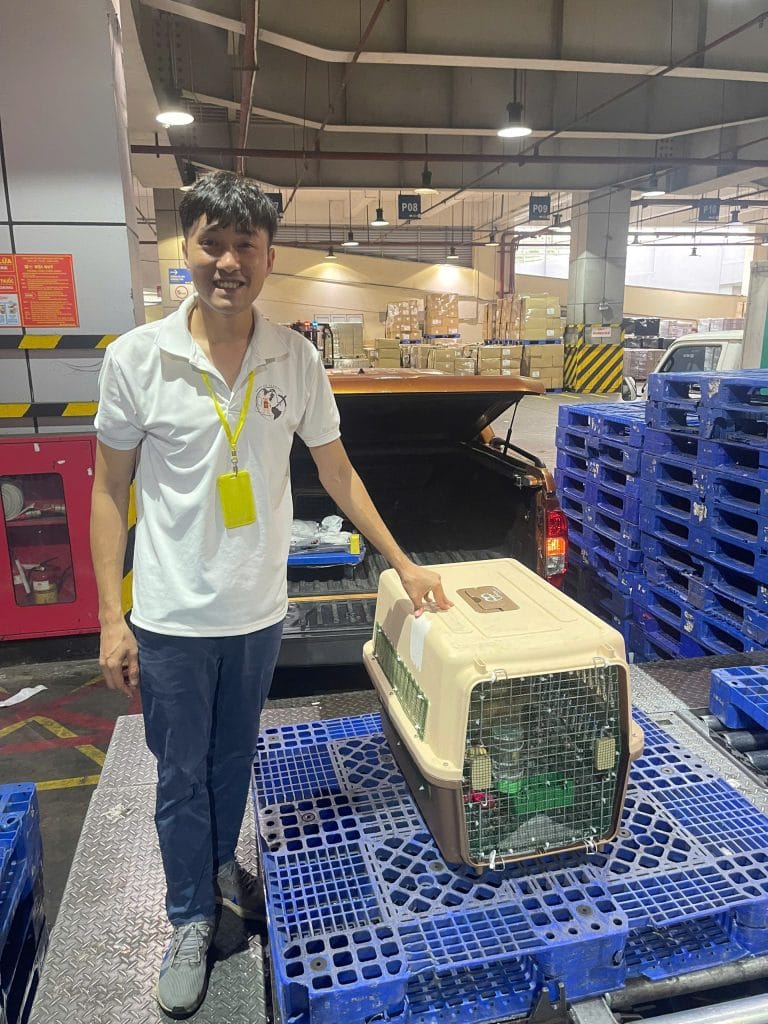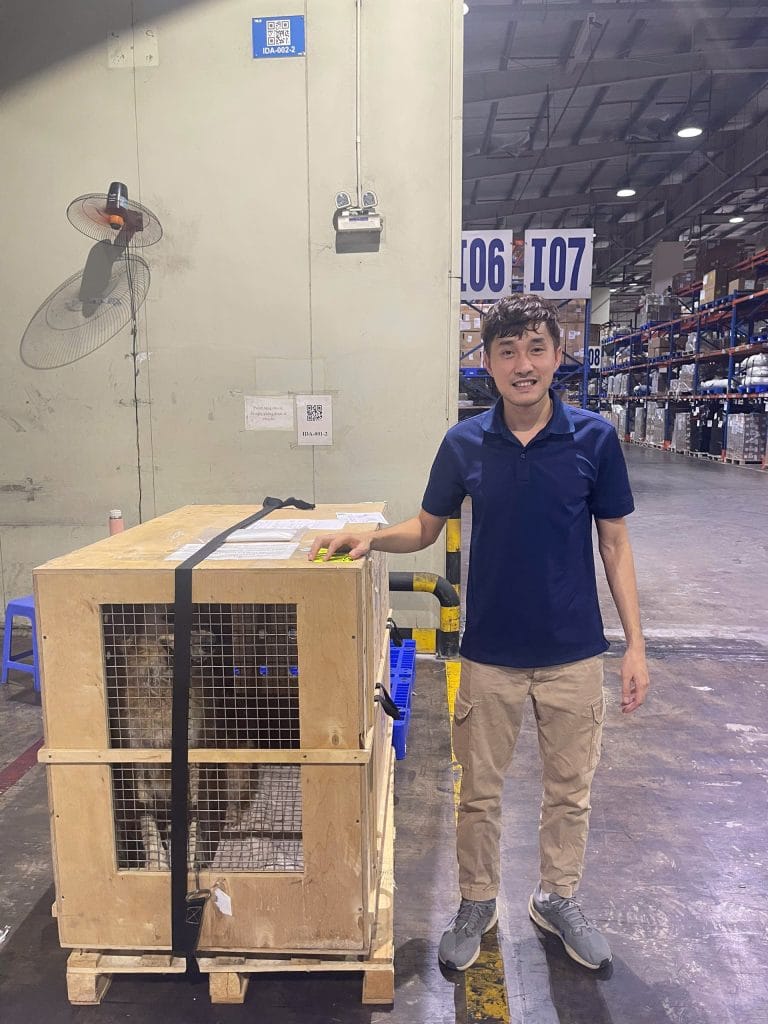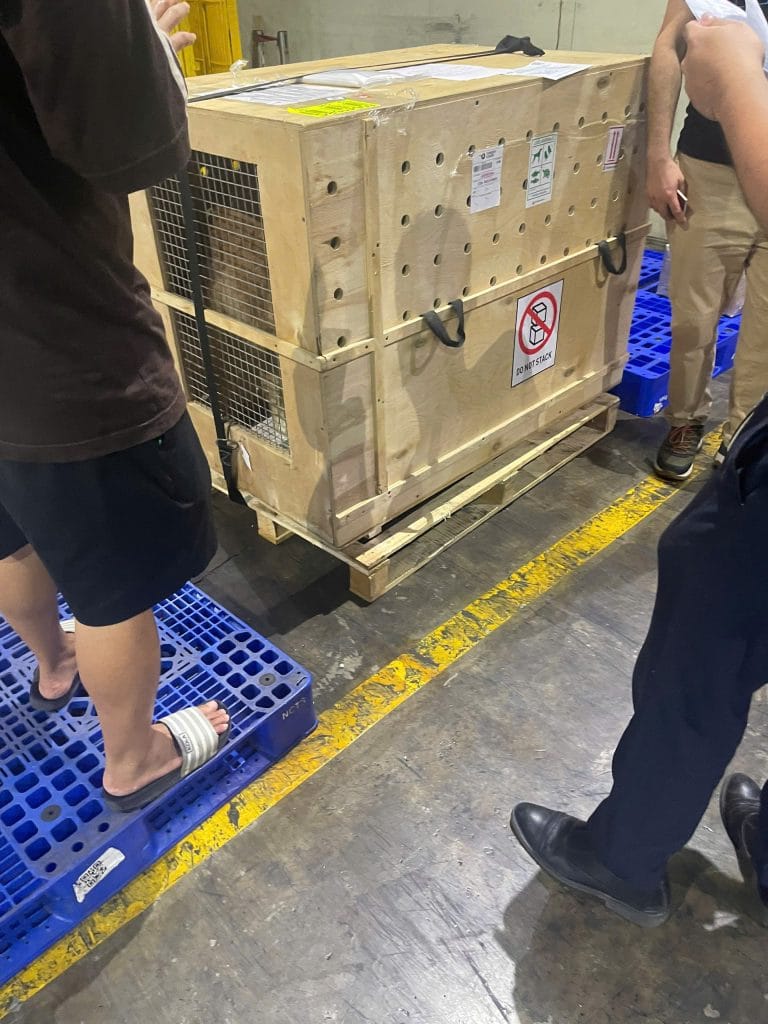
Ask around and you’ll hear the same line: Türkiye’s pet rules are “basically the EU’s.” It’s a fair summary—and a risky one. The medical core really is copied from the EU, but a handful of details are not, and those are the ones that surface at Istanbul Airport when a border vet opens the file. This guide is one part of Daisy Pet’s full Vietnam-to-Türkiye pet shipping guide, focused on what Türkiye requires for a dog or cat arriving from Vietnam.
Who Regulates Pet Import to Türkiye?
Türkiye’s Ministry of Agriculture and Forestry sets the rules, and its veterinary border control offices enforce them at every airport. For pets travelling with a passenger, everything sits in one text: the Regulation on Animal Health Requirements for Non-Commercial Movements of Pet Animals, published in the Official Gazette in December 2011 and written to mirror the EU’s pet travel regulation.
Border officers publish the same conditions in plain language on the Istanbul Airport veterinary border control page, which is where most of the practical details below are confirmed. The rules cover dogs, cats and ferrets alike.
Every requirement below serves one purpose: letting a border vet confirm, from paper and a chip scan alone, that this animal is the one named on the certificate and is protected against rabies. Vietnam is a country where rabies circulates, and we found no exemption in Türkiye’s rules that shortens the process for pets coming from here. So a pet from Vietnam follows the full sequence—microchip, rabies vaccine, blood test, waiting period, certificate.
Two Lanes: Travelling With You or Without You
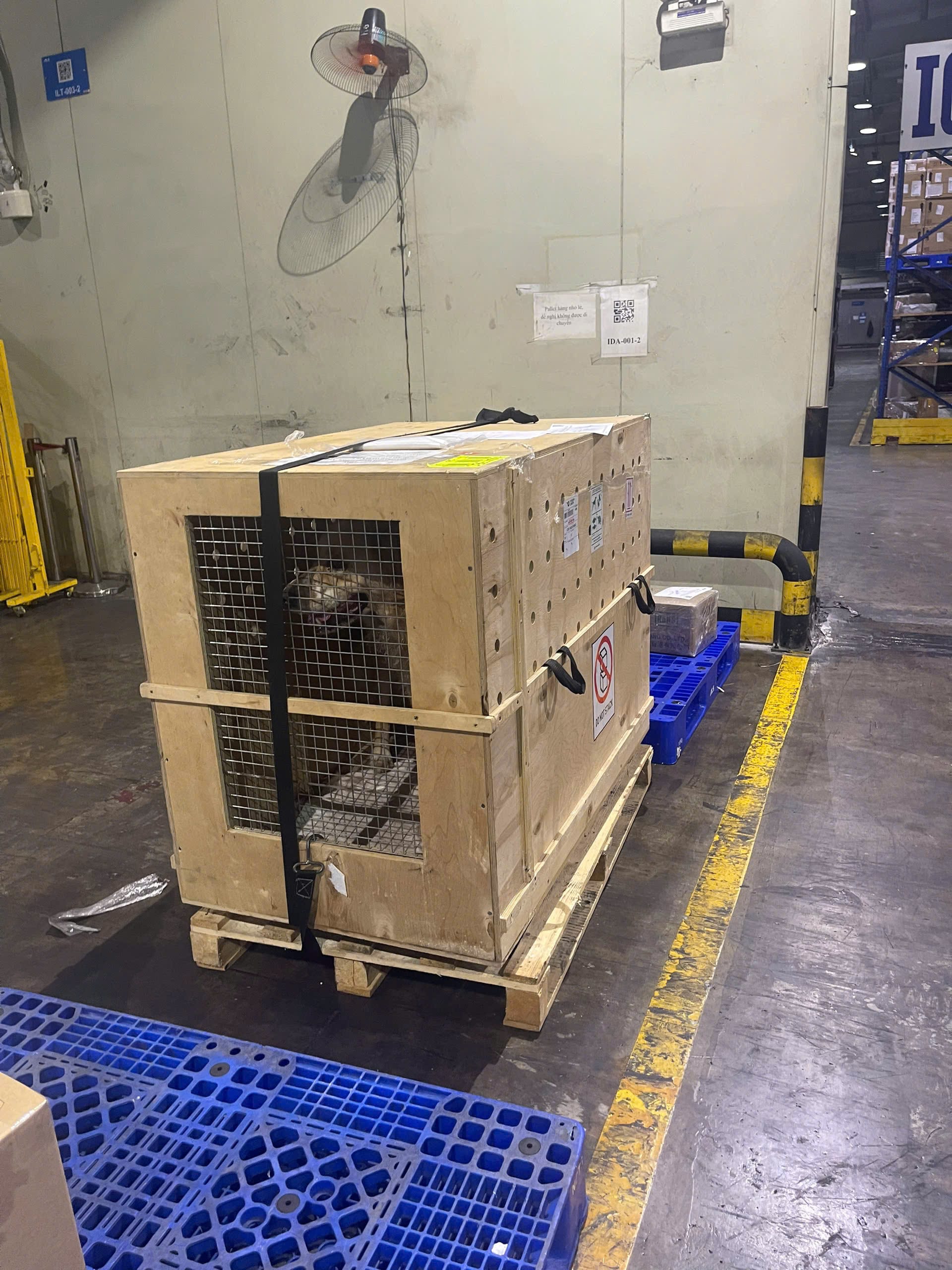
Türkiye treats a pet that arrives with its owner very differently from one that doesn’t. The passenger lane allows two animals per person, with dogs, cats and birds counted together, and every animal needs its own paperwork. Turkish customs also make travelling with the passenger a condition of the personal exemption, so a pet that arrives separately loses it.
A pet sent as air cargo without its owner, or a third animal for the same passenger, falls into the import lane. That lane runs through a control certificate (kontrol belgesi), Türkiye’s answer to the pet import permit other countries issue, that the Ministry issues before the animal ships, backed by an invoice, an importer’s undertaking, a fee receipt and pre-notification to the border post at least 24 hours before live animals arrive. The health conditions for the animal stay the same as in the passenger lane; what changes is the permit layer and the customs treatment. Fees and processing times for this lane are not published in the sources we checked, so confirm them with your Turkish importer before you book.
Which lane your pet ends up in is often decided by how the pet is carried—cabin, checked baggage or manifest cargo—rather than by you.
Carriers that only accept pets from Vietnam as manifest cargo put the pet in the import lane even when the owner sits on the same flight—our guide to airlines flying pets to Türkiye shows which is which.
Microchip: Standard, Order and Reader
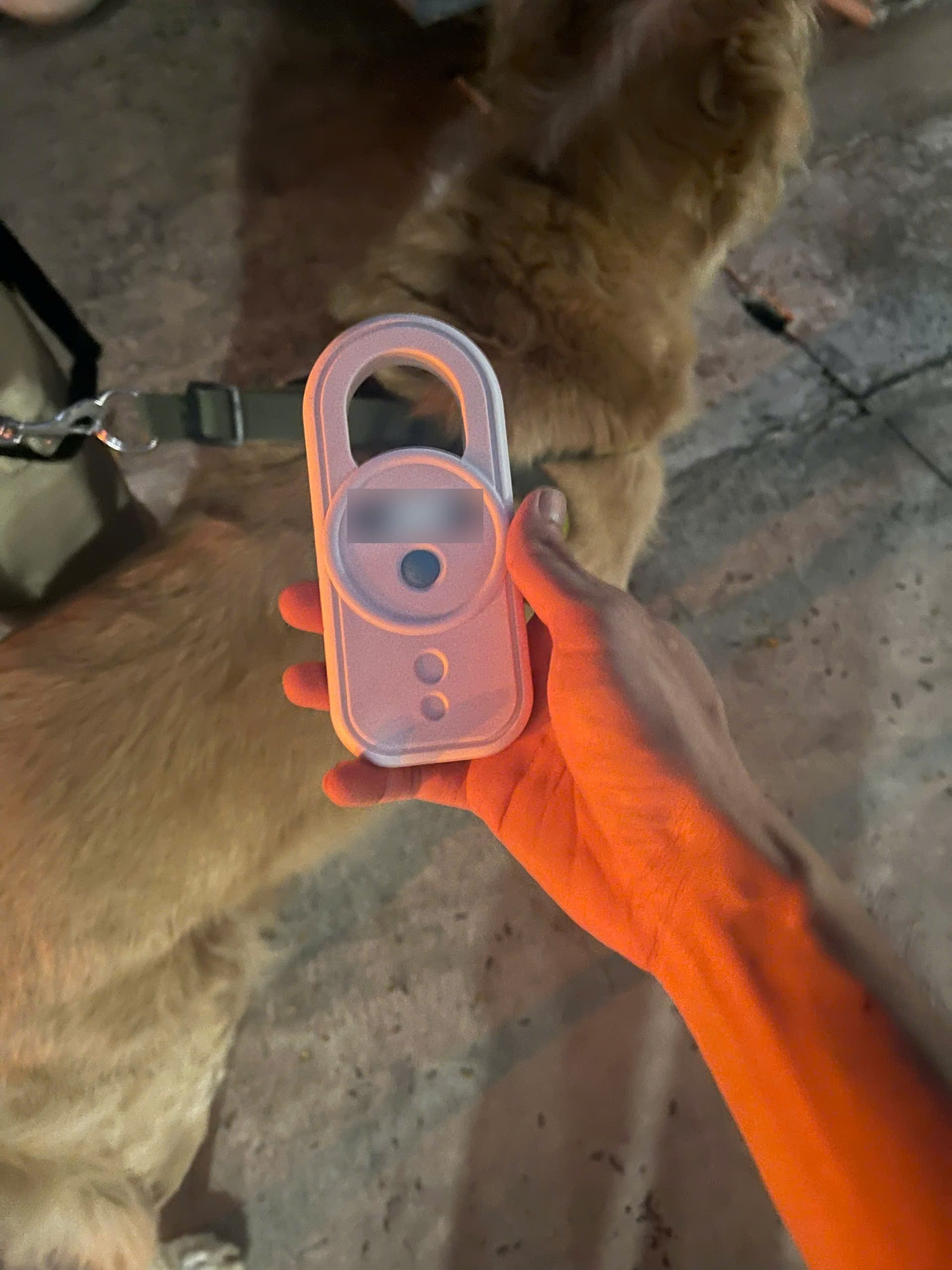
The chip must be ISO 11784/11785 compliant, using FDX-B or HDX technology. If it can’t be read by a standard ISO reader, the person responsible for the animal has to bring a compatible scanner. A clearly readable tattoo is also accepted in the regulation, though pets leaving Vietnam are identified by chip in practice.
Sequence matters more than most owners expect. The rabies vaccination date cannot be earlier than the microchip date, so a pet vaccinated first and chipped afterwards has an invalid vaccination on paper and needs to be vaccinated again. At the border, officers scan the chip and cross-check the number against the certificate, the passport or vaccination record, and the titer report. See our guide to pet microchips for international travel for how to get the number recorded correctly.
Rabies Vaccination Rules
Türkiye accepts inactivated rabies vaccines and recombinant vaccines that meet WOAH standards; modified live vaccines are excluded. Pets are vaccinated from three months of age. Four conditions decide whether a dose counts:
- After the chip: the vaccination date is the same as or later than the microchip date
- 21 days: a first (primary) vaccination becomes valid only 21 days after the course is complete
- Still valid on arrival: the vaccine’s validity period must cover the day the pet lands
- No lapses: a booster given after the previous dose expired counts as a first vaccination, which restarts the waiting clock and requires a new blood test
The vet records the product, batch number, vaccination date and expiry date in the passport and on the certificate, and border officers compare those entries against each other.
One more date to watch: the IATA Timatic database that airline staff read at check-in lists the rabies vaccination as given at least 30 days and at most 12 months before arrival. No Turkish official source states the 12-month limit, but a booster inside that window avoids an argument at the counter.
Rabies Titer Test and the 90-Day Wait
This is where the time goes. A licensed vet draws blood at least 30 days after the last rabies vaccine, and the sample goes to a laboratory approved by the EU—Türkiye uses the EU’s list and keeps no separate one. The neutralising antibody titer must reach 0.5 IU/ml or higher, and IATA’s Timatic database lists the FAVN method, so ask the lab for FAVN. The owner pays the lab fees, and the original lab report travels with the pet. You can find approved labs on the EU’s list of approved rabies serology laboratories.
There is no EU-approved lab in Vietnam, so the sample has to be shipped abroad, which adds weeks before the result reaches you. For a full explanation of the test itself, see our guide to the rabies titer test (RNATT/FAVN).
After a first passing result, a waiting period of about 90 days applies. Here the sources differ. The regulation counts three months from the day the blood sample was taken, and several regional border offices repeat that. The Istanbul Airport page counts 90 days from the test result, which for a pet from Vietnam can be weeks later. We plan on the later date because it is the one published by the office where our pets land.
Once a pet holds a valid titer and each rabies booster is given before the previous one expires, later trips need neither a new test nor a new wait.
Health Certificate: Türkiye’s Model, Signed Within 48 Hours
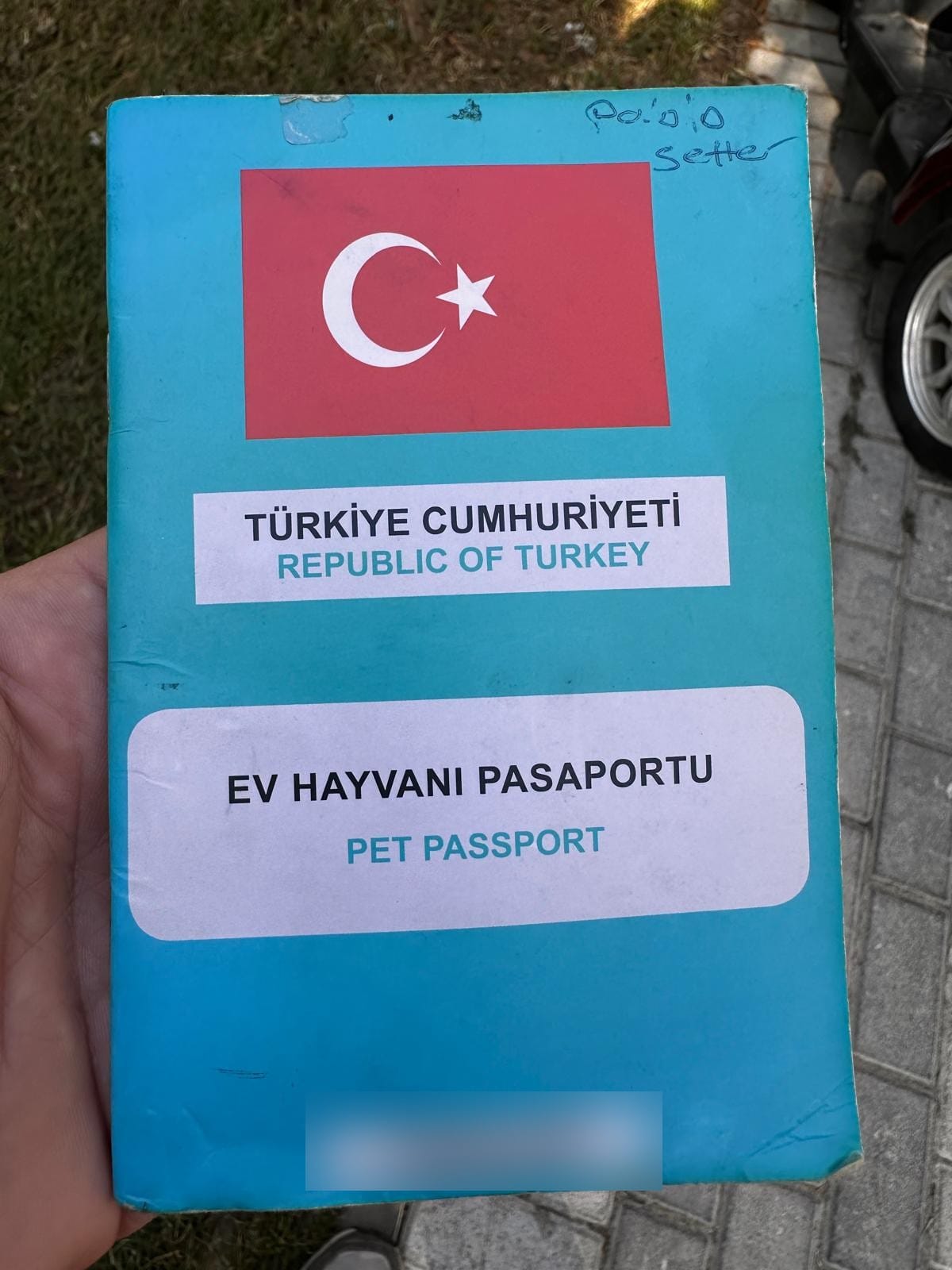
Each pet needs its own veterinary health and origin certificate on Türkiye’s own model—Annex 2 of the regulation, printed in Turkish and English. It must be issued by the official veterinary authority of the exporting country. In Vietnam that is the Regional Animal Health Office under the Department of Animal Health (DAH). The rule is short: issued no more than 2 days before travel.
You may see “valid for four months” in the annex notes. That period applies to using the certificate after the pet has entered Türkiye, not to how early it can be signed. Signing it a week before the flight is the mistake that period invites. You can read more about how these documents work in our animal health certificate guide.
The annex also has sections for tick treatment and tapeworm (Echinococcus) treatment, both marked “when required.” In practice both are required. The IATA Timatic database that airline staff check at the counter asks for internal and external parasite treatment at least 14 days before departure, Turkish Airlines asks for a certificate stating that the animal is free of parasites, and the United States guidance for pets going to Türkiye uses a 30-day window. We recommend having ticks and tapeworm treated between 30 and 14 days before travel and recorded on the certificate.
Where Pets Can Enter Türkiye
Pets may enter only through border posts the Ministry designates. Its list of approved ports shows the airports that accept live animals as Istanbul (IST), Sabiha Gökçen (SAW), Ankara Esenboğa, Antalya and İzmir Adnan Menderes; Muğla Milas handles live fish only. Turkish Airlines flights from Vietnam land at Istanbul Airport, where the border veterinary office works from the cargo terminal area. The full list of Turkish ports approved for live animals is published through the U.S. Department of Agriculture.
A pet that only transits Türkiye and never enters the country doesn’t have to meet these conditions—it only has to meet the requirements of the destination country.
Banned Dog Breeds
Türkiye bans six dog breeds outright: American Pit Bull Terrier, Dogo Argentino, Fila Brasileiro, Japanese Tosa, American Staffordshire Terrier and American Bully. Under Law 5199 as amended in 2021, the ban covers importing, breeding, owning, selling and gifting them, and the Ministry named the six breeds in Circular 2021-48 of 7 December 2021.
The circular names breeds, not crosses, but Turkish Airlines and Turkish Cargo exclude crosses of these breeds as well, so a mixed-breed dog with any of them in its background is a problem before you book.
You may see longer lists that add Rottweilers, mastiffs and other breeds. Türkiye’s law does not name them, but the IATA Timatic database that airline staff check at the counter does: it lists Rottweiler, Bull Terrier, Staffordshire Bull Terrier, Neapolitan, Spanish and Tibetan Mastiff, Dogue de Bordeaux, Bandog, Tosa Inu, the Roman Fighting Dog and crosses as not allowed to enter. Turkish Cargo may consider some of them as cargo, so if your dog is on either list, confirm in writing with the airline and your Turkish importer before you book.
Puppies and Kittens Under Three Months
The regulation lets the Ministry admit unvaccinated puppies and kittens under three months old, but only under conditions that depend on the rabies situation of the country they come from. It is a discretionary door, not a right. For pets from Vietnam it is closed in practice: Turkish Cargo does not carry cats or dogs under 10 weeks old, and Turkish Airlines accepts unvaccinated animals under three months only on European flights, travelling with their mother.
The realistic minimum age for a pet from Vietnam is therefore around 7 months: vaccination at three months, a blood draw 30 days later, and roughly three more months of waiting.
What Happens When Paperwork Doesn’t Match
Border officers check documents, scan the chip and examine the animal. Under the regulation, an animal that doesn’t meet the requirements can be returned to its country of origin, held in quarantine while its status is verified, or—if neither is possible—destroyed without compensation, with all costs on the owner. That is the worst case, and the failures owners can prevent are almost all date errors made months earlier: a vaccine given before the chip, a booster after expiry, a certificate signed three days before the flight instead of two.
That is why the calendar should be laid out before any ticket is booked. Our Vietnam-to-Türkiye pet shipping timeline sets each window against a departure date, so nothing is discovered late.
After Arrival: PETVET Registration
Clearing the border is not the last step. Türkiye records every owned dog, cat and ferret in its national pet registry, PETVET, under its regulation on identifying and registering cats, dogs and ferrets. For a pet brought in from abroad, the owner applies within 60 days to the provincial or district directorate of agriculture, or to a vet authorised by the Ministry, with the pet’s passport and a copy of its import paperwork. The vet enters the pet in PETVET and issues a new Turkish pet passport. This is an obligation after arrival, not something checked at the border.
How Türkiye Compares With the EU
Türkiye’s medical core matches the EU’s, and that’s why owners assume the two are interchangeable. The differences sit in timing, forms and numbers. The table shows both for a pet coming from Vietnam, which the EU treats as a non-listed country.
| Requirement | Türkiye | EU |
|---|---|---|
| Microchip, rabies vaccine, titer of 0.5 IU/ml at an EU-approved lab | Required | Required |
| Wait after the blood test | 3 months from the draw (Istanbul counts 90 days from the result) | 3 months from the draw |
| Health certificate signed | Within 2 days of travel | Within 10 days of entry |
| Certificate model | Türkiye’s own (Turkish/English), one per pet | EU model certificate |
| Pets per traveller | 2 | Up to 5 per means of transport |
| Pet travelling without its owner | Import lane with a control certificate | Must travel within 5 days of the owner |
| Parasite treatment | “When required” on paper; in practice required at least 14 days before departure, and the airline asks for a certificate free of parasites | Tapeworm treatment only for Finland, Ireland, Malta and Norway |
| Banned dog breeds | Six breeds, nationwide | No EU-wide list; national rules vary |
An EU health certificate can’t be reused for Türkiye, and a certificate timed for the EU will be too early for a Turkish border vet. Our EU pet import laws guide covers the other side of this table in full.
Before You Book: A Checklist
- Confirm the chip is ISO 11784/11785 and readable, or plan to bring your own reader
- Check on the vaccination record that the rabies dose is dated on or after the chip and within 12 months before arrival
- Book the blood draw at least 30 days after the last rabies vaccine, at an EU-approved lab, with a result of at least 0.5 IU/ml
- Count the 90 days from the result date and keep the original lab report
- Have Türkiye’s certificate printed for each pet and signed within 2 days of the flight
- Have ticks and tapeworm treated 30 to 14 days before travel and recorded on the certificate
- Check the breed against Türkiye’s six-breed ban, the airline’s own list and the longer IATA list
- Confirm whether the pet travels with you (up to two animals) or as cargo, which brings in a control certificate
- After arrival, register the pet on PETVET within 60 days and collect its new Turkish pet passport
Who This Guide Is For
This covers owners moving a pet dog or cat, or a ferret, from Vietnam to Türkiye, whether relocating for work or family. It does not cover pets leaving Türkiye, commercial breeding stock, or non-domestic species. Every rule above was last checked against the Ministry’s published sources on 28 September 2026; for quick answers to specific edge cases, see our Türkiye pet import FAQ.
Last updated 21 Oct 2026
Compiled by our specialists from the regulations in force on the date above, for reference only. Rules may change after this date. Please verify with the competent authorities or contact us for the most accurate information.
Official sources cited in this guide
- resmigazete.gov.trresmigazete.gov.tr
- Istanbul Airport veterinary border control pagevskn.tarimorman.gov.tr
- EU’s list of approved rabies serology laboratoriesfood.ec.europa.eu
- aphis.usda.govaphis.usda.gov
- Circular 2021-48tarimorman.gov.tr
- mevzuat.gov.trmevzuat.gov.tr