Relocating a pet from Vietnam to the Philippines requires strict adherence to the veterinary codes set by the Bureau of Animal Industry (BAI). Unlike other destinations that demand months of rabies titer waiting, the Philippines operates on a swift but highly sequential 8-week timeline. A single scheduling error—such as applying for the SPSIC too late or getting the health check outside the clinical window—can halt your pet at the border, leading to immediate repatriation or quarantine at the owner’s expense.
To ensure a seamless transition, Daisy Pet Transport has compiled this definitive timeline for dogs and cats traveling from Vietnam to Manila (MNL). By structuring your move around this 8-week checklist, you can navigate the veterinary inspections and secure the required import clearances for our pet shipping to the Philippines services without risking your pet’s welfare or violating Philippine biosecurity laws.
The 8-Week Relocation Roadmap (Vietnam to Philippines)
A successful relocation is built on a structured schedule. The Bureau of Animal Industry (BAI) requires all documentation to be in perfect order before the pet boards. Below is the chronological checklist that our specialists use to manage the export-import process from Hanoi or Ho Chi Minh City to Manila:
- Week 1: ISO Microchip implantation, active Rabies vaccine, and core vaccinations (DHPPI for dogs, FVRCP for cats).
- Weeks 2–4: IATA-compliant travel crate procurement and active crate habituation.
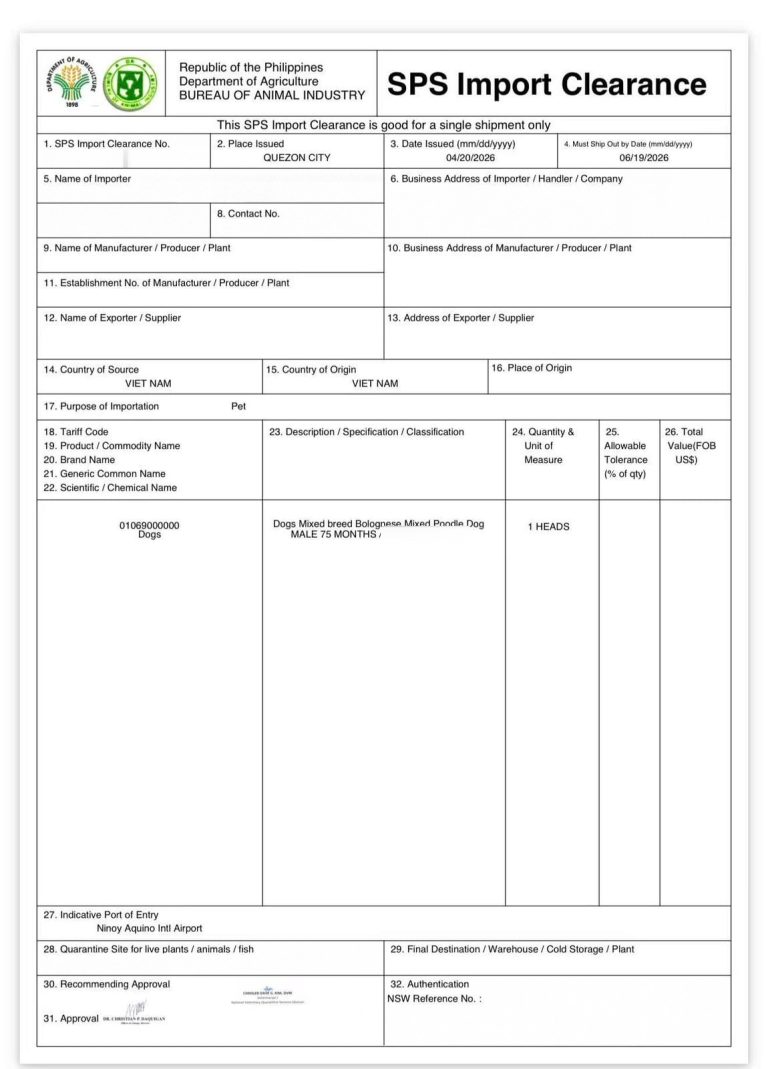
- Week 5: Online registration and Sanitary and Phytosanitary Import Clearance (SPSIC) application via the BAI portal.
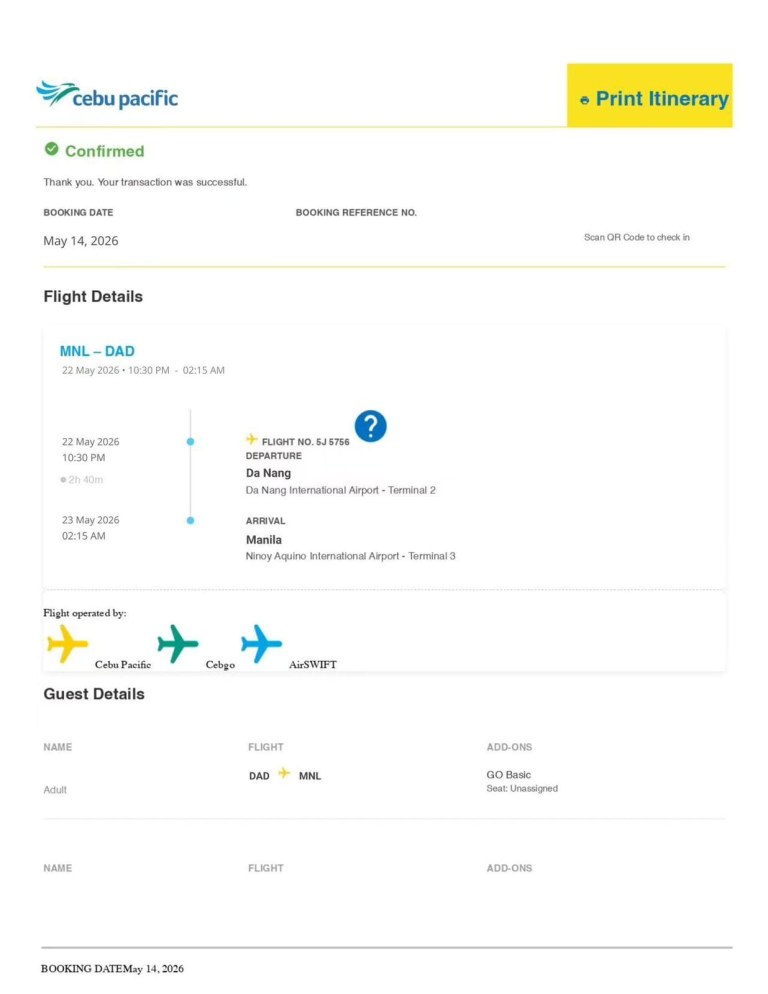
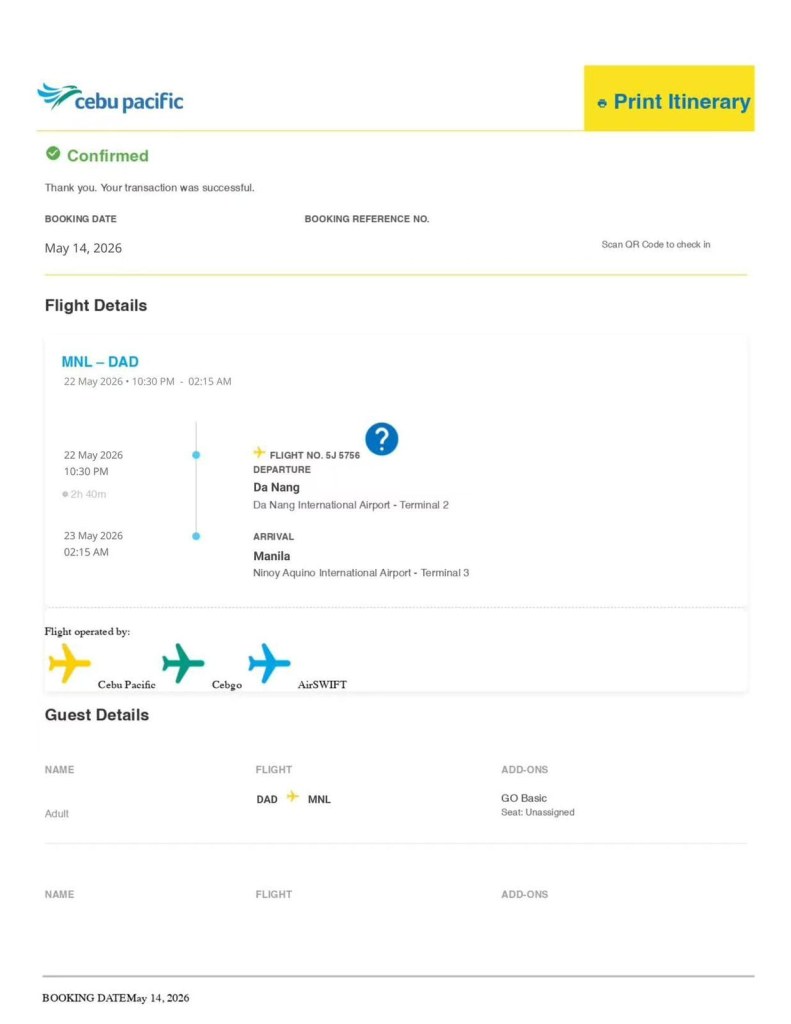
- Week 6: Flight itinerary booking and AVIH (Checked Baggage) or Manifest Cargo logistics arrangements.
- Week 7 (10 days prior): Clinical health exam and mandatory internal and external parasite treatments.
- Week 8 (3 days prior): Official government Veterinary Health Certificate (VHC) endorsement from the Vietnam Department of Animal Health.
- Flight Day: Air transit, border veterinary clearance, and custom inspection at Ninoy Aquino International Airport (MNL).
Detailed Phase-by-Phase Technical Requirements
Phase 1: Veterinary Diagnostics & Crate Habituation (Weeks 1–4)
The journey begins at the veterinary clinic. The pet must first be implanted with a 15-digit ISO 11784/11785 compliant microchip. Immediately after chip verification, the vet must administer a valid Rabies vaccine and core vaccines. For dogs, this means the DHPPI vaccine (Distemper, Hepatitis, Parvovirus, Parainfluenza). For cats, the FVRCP vaccine (Feline Viral Rhinotracheitis, Calicivirus, Panleukopenia) is required. All vaccines must be active and administered at least 30 days prior to entry but not more than one year old under the official Philippines pet import laws.
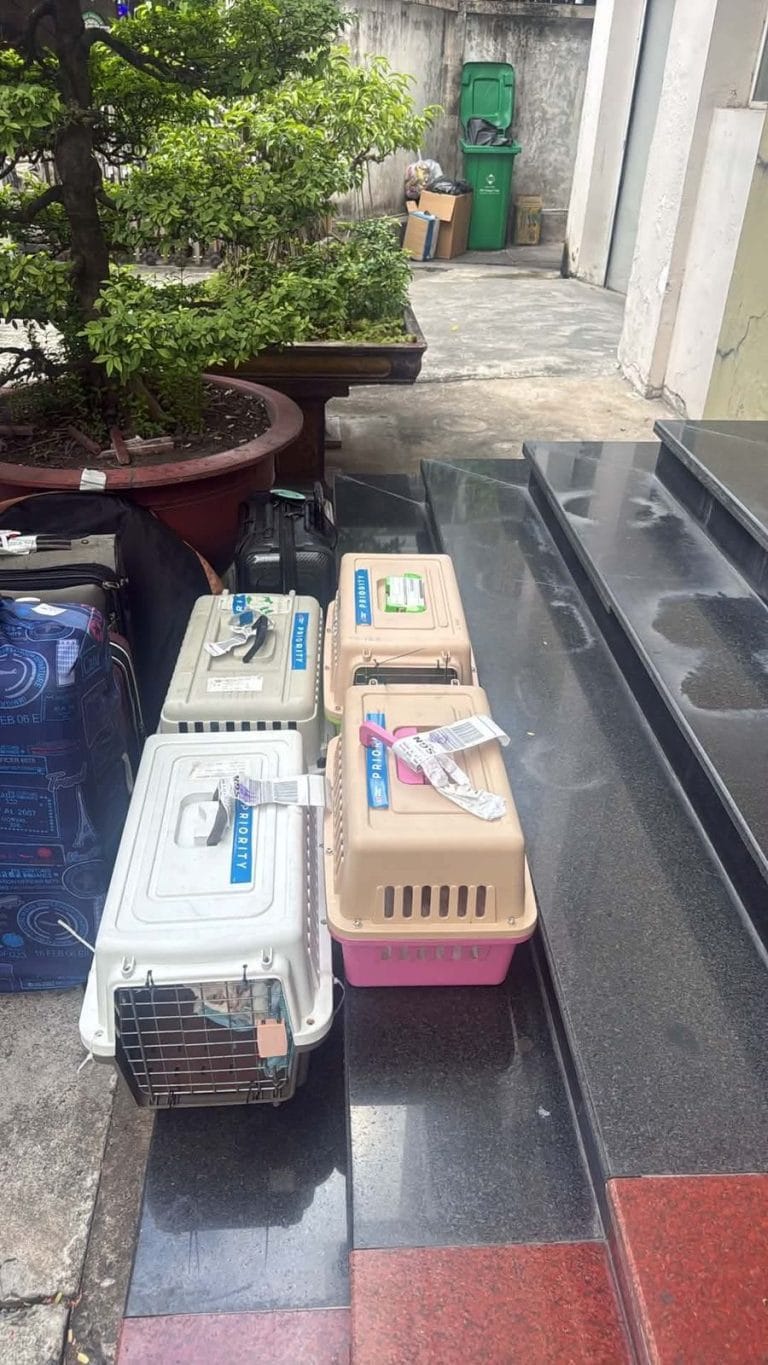
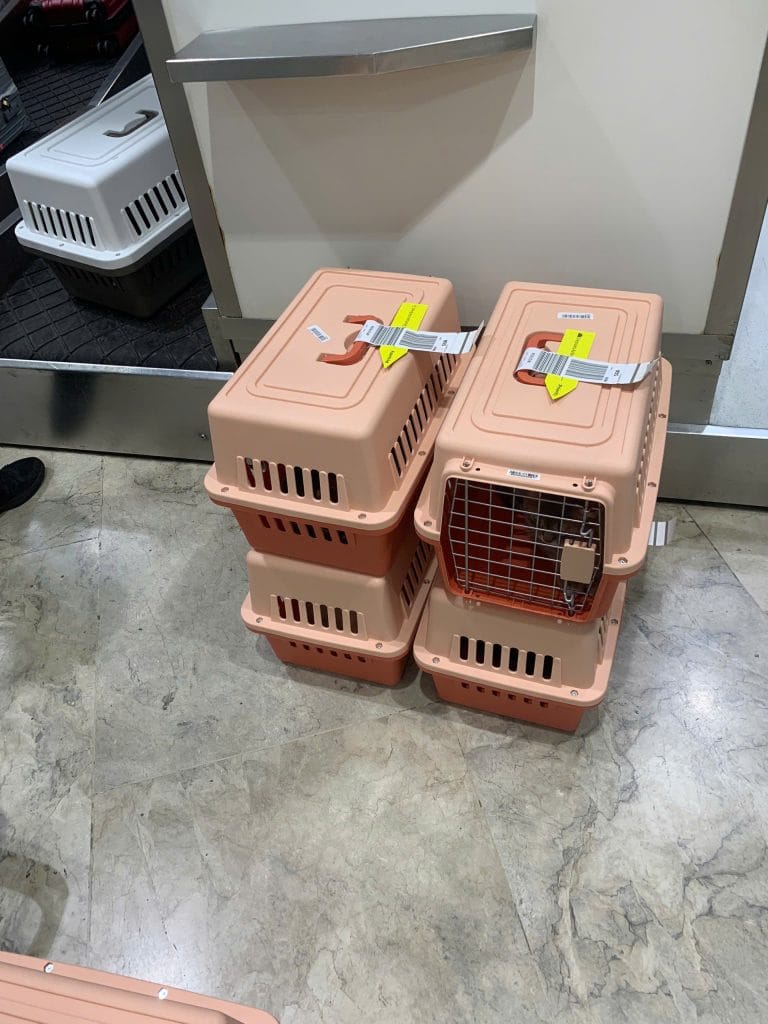
During Weeks 2 to 4, the focus shifts to crate conditioning. The pet will spend hours in the cargo hold, making crate habituation a critical safety factor. An IATA-compliant crate must be purchased, providing enough space for the pet to stand, turn, and lie down naturally. We advise placing familiar blankets and treats inside, helping the pet view the crate as a safe haven rather than a confinement cell. This step dramatically reduces travel stress and prevents flight day anxiety.
Phase 2: SPSIC Application & Flight Logistics (Weeks 5–6)
At Week 5, the legal import process begins. We register the owner’s profile on the official Intercommerce Portal to submit the SPSIC (Sanitary and Phytosanitary Import Clearance) application to the Bureau of Animal Industry (BAI). The SPSIC is a mandatory pre-shipment permit that certifies the pet meets all quarantine requirements. It is valid for exactly 60 days from the date of issue, meaning the flight date must fall strictly within this 60-day window.
Once the SPSIC is approved, we proceed to book the flight in Week 6. You must choose between Checked Baggage (AVIH), where the pet travels under the passenger ticket, or Manifest Cargo, which is mandatory for unaccompanied pets or animals exceeding 32 kg (including the crate). Airlines like Vietnam Airlines and Philippine Airlines are the preferred carriers. Differentiating between Checked Baggage (AVIH) and Cargo can dramatically affect your budget, so make sure to review the pet shipping cost to the Philippines.
Phase 3: Pre-Export Endorsement & Border Clearance (Weeks 7–8)
Exactly 10 days before the flight (Week 7), the pet must undergo a clinical health exam. The veterinarian must administer treatments for internal parasites (Praziquantel) and external parasites (Fipronil or Selamectin). These details, including active ingredients and batch numbers, must be recorded in the pet’s vaccination booklet. This clinical examination ensures the pet is free from active infectious diseases and fit for air transit.
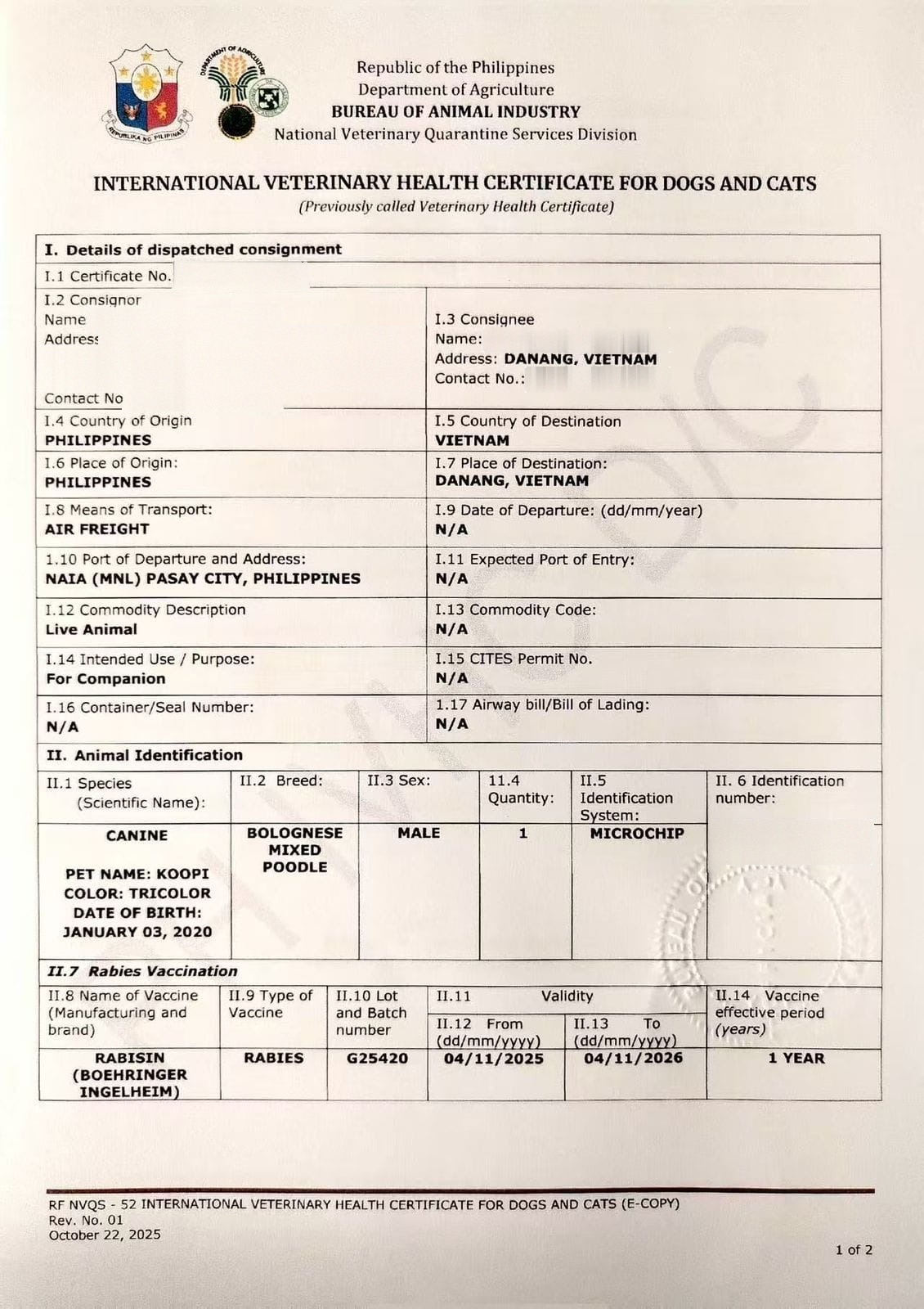
At Week 8—strictly within 3 days of departure—the original records must be taken to the Vietnam Department of Animal Health (DAH) for official endorsement. The DAH officer verifies the microchip, vaccine history, parasite treatments, and issues the official Veterinary Health Certificate (VHC). Upon landing at Ninoy Aquino International Airport (MNL), the BAI quarantine officer will inspect the pet and verify the original SPSIC and endorsed VHC. No quarantine is required if all documents comply.
Frequently Asked Questions About the Relocation Timeline
Does a dog or cat require a Rabies Titer Test (RNATT) to enter the Philippines?
No. Unlike Singapore or Australia, the Bureau of Animal Industry (BAI) does not require a Rabies Titer Test for pets arriving from Vietnam. Vietnam does not require one to bring your pet back either; plan it only if a later destination (such as the EU, Japan or Australia) requires one.
What happens if my SPSIC import permit expires before the flight?
The SPSIC is valid for 60 days and cannot be extended. If your flight is delayed beyond the validity period, you must submit a new application and pay the government fees again. No pet is allowed to board the aircraft or enter the Philippines with an expired SPSIC. In one real case, a Devon Rex named Lady Arwen flew on day ten of her family’s 60-day window — see the full case study.
Is it possible to complete the DAH endorsement earlier than 3 days before the flight?
No. The DAH Veterinary Health Certificate has a strict 3-day validity window for departure. Undergoing the endorsement earlier will make the document invalid at the time of boarding, and the airline will refuse carriage.
Last updated 20 Oct 2026
Compiled by our specialists from the regulations in force on the date above, for reference only. Rules may change after this date. Please verify with the competent authorities or contact us for the most accurate information.
Official sources cited in this guide
- Intercommerce Portalintercommerce.com.ph
- Bureau of Animal Industry (BAI)bai.gov.ph