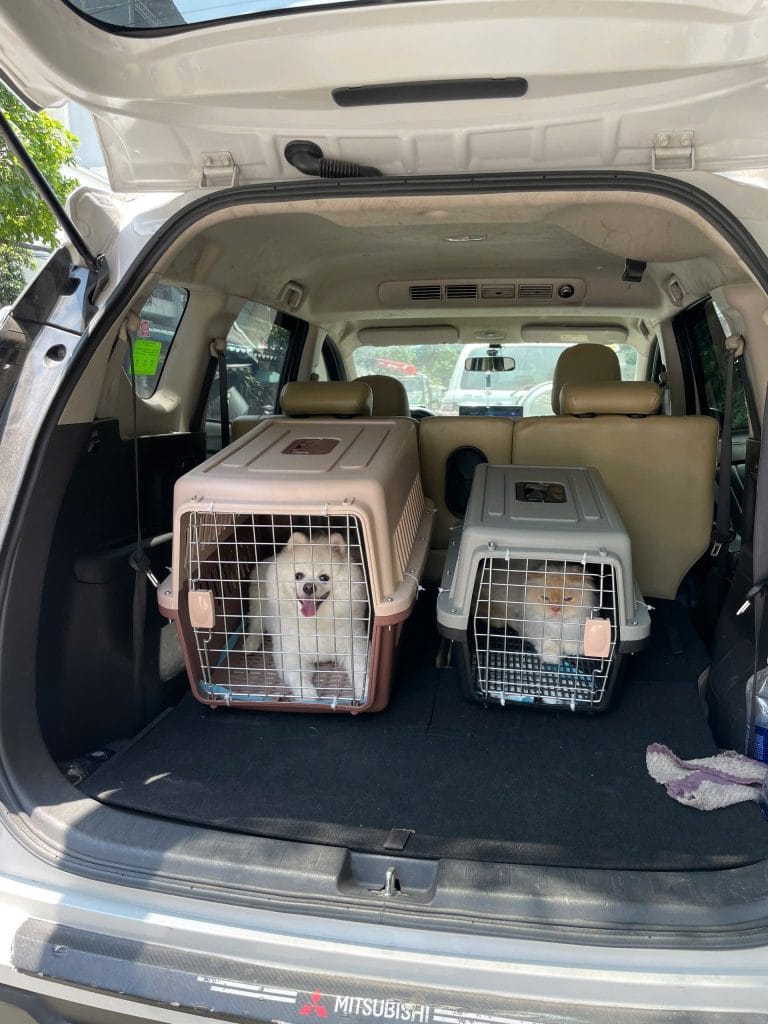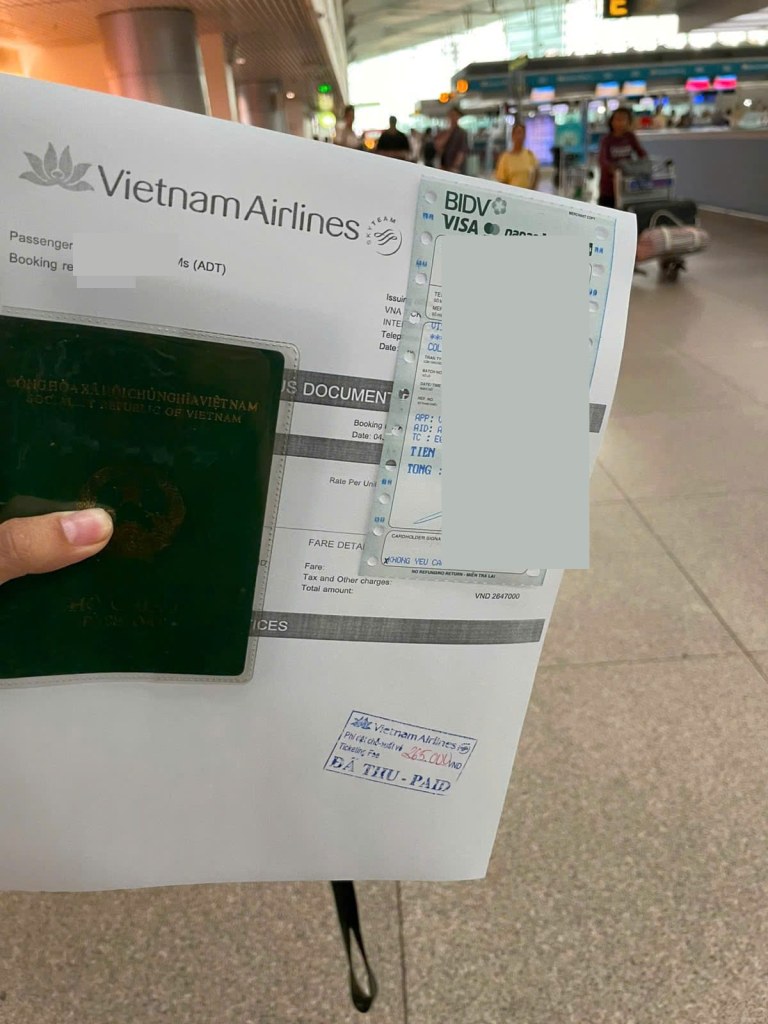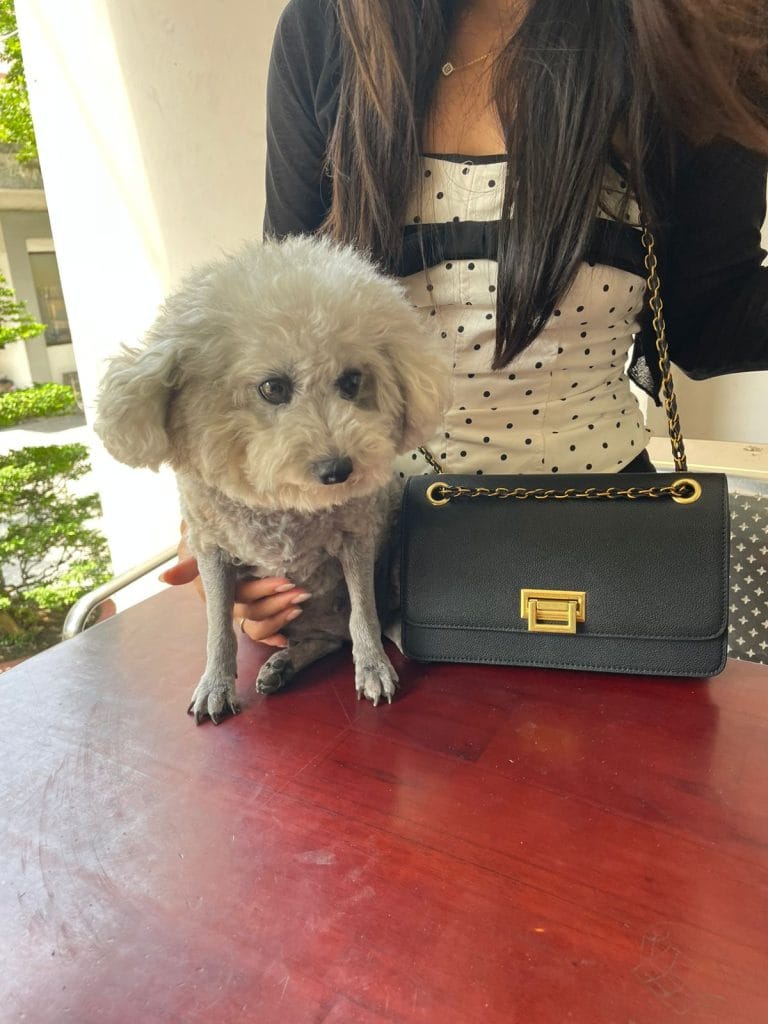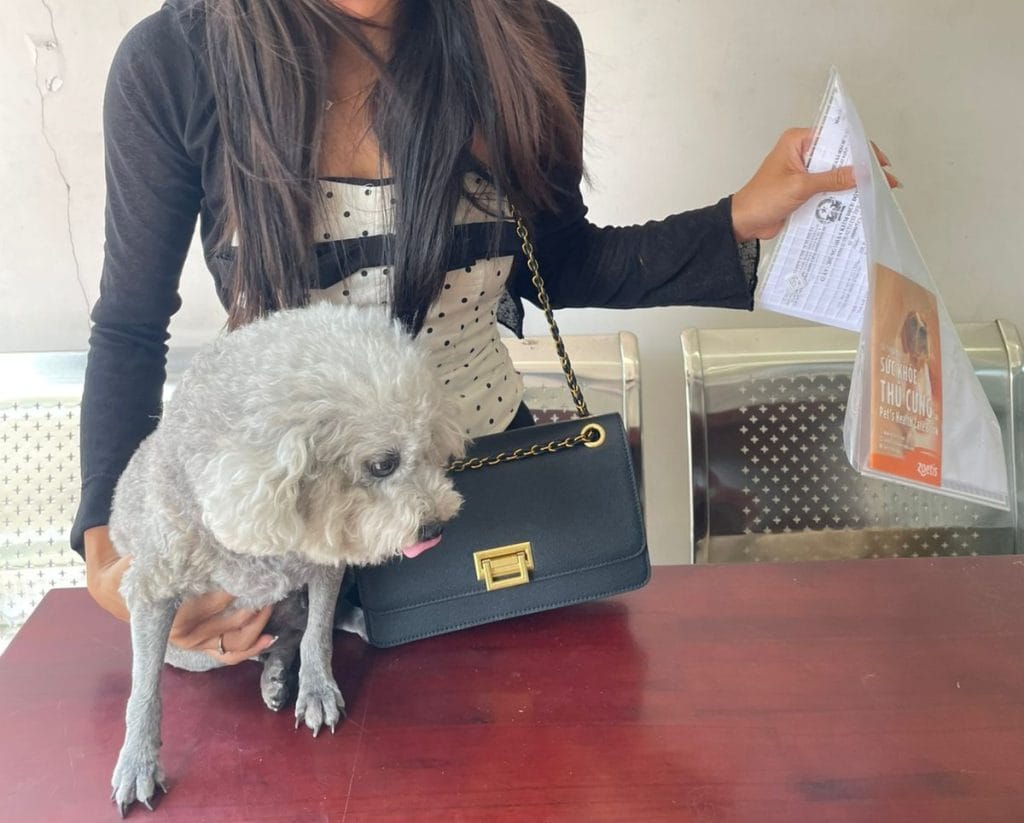
Laos operates under Decision No. 0795/MAF (18 April 2019), issued under what is now the Ministry of Agriculture and Environment (merged with the former Ministry of Natural Resources and Environment in a March 2025 government restructuring), which governs all animal imports through Lao international entry checkpoints. The regulations are less demanding than rabies-free countries like Australia or Japan — but they are enforced, and the import permit process follows a fixed timeline. This guide covers every step a Vietnam-based pet owner must complete, in order.
For the full service picture — airlines, costs, and land border options — see our pet shipping to Laos overview.
Step 1: Microchip (Before Everything Else)
All dogs and cats imported to Laos must carry a microchip compliant with ISO Standard 11784 or Annex A of ISO Standard 11785 — a 15-digit identifier readable by standard IATA-compatible scanners. The microchip number must appear on every subsequent document: vaccination records, health certificate, and import permit application.
If your pet was microchipped in Vietnam with a non-ISO chip, have it re-chipped before proceeding. Vietnamese authorities will not endorse a health certificate with a mismatched or unreadable chip number.
Step 2: Rabies Vaccination
All dogs and cats over 3 months of age must be vaccinated against rabies. The vaccine must be:
- Administered at least 30 days before entry into Laos
- Still valid on the day of entry — i.e., administered no more than 12 months before
- Recorded on a rabies certificate, government vaccination booklet, or equivalent document signed and stamped by the administering veterinarian
Note: A rabies titer test (RNATT) result or veterinary exemption letter is not a substitute for proof of vaccination. The vaccine itself is required.
Step 3: Core Vaccinations
Beyond rabies, Laos requires vaccination against the following diseases according to the standards of the country of origin:
- Dogs: Distemper, infectious hepatitis (CAV), parvovirus (CPV), leptospirosis, parainfluenza
- Cats: Feline viral rhinotracheitis (FHV), calicivirus (FCV), panleukopenia (FPV)
In practice, these are the standard annual vaccinations that any licensed veterinary clinic in Vietnam administers. If your pet is up to date on its annual booster, this requirement is already met.
Step 4: Rabies Titer Test (RNATT) — Not Required for Entry, But Relevant
Laos does not require an RNATT for entry from any country. However, two points are worth knowing for Vietnam-based owners:
- Vietnam does not require an RNATT to bring a pet back from Laos. But if your pet may later move on to a country that does (such as the EU, Japan or Australia), drawing the blood before you leave Vietnam saves months of waiting later.
- Some transit countries (including some EU member states, if applicable) require RNATT for pets transiting through.
Our recommendation: if a later move to one of those countries is possible, tell us early so the test can be planned before departure. If not, you can skip it.
Step 5: Parasite Treatment
Parasite treatment for both internal and external parasites is optional under Lao regulations but must be administered within 30 days of import if included. Daisy Pet treats every dog and cat for internal and external parasites before departure, whether or not the destination asks for it, and the treatment is recorded on the export paperwork.
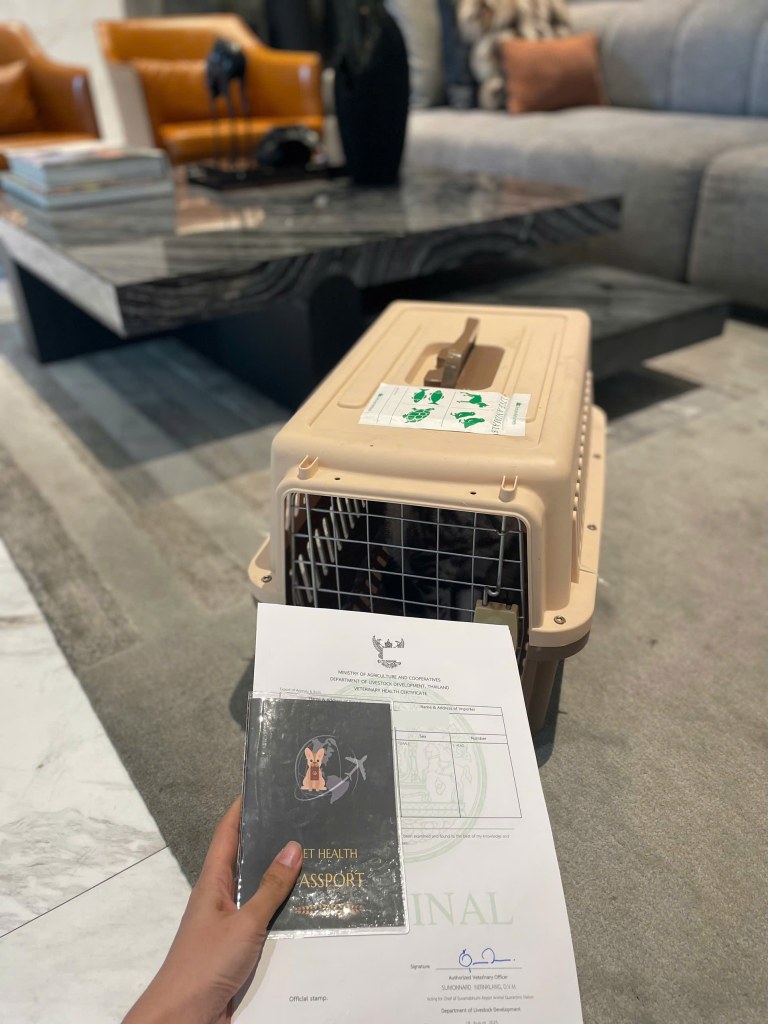
Step 6: Health Certificate (Giấy Kiểm Dịch)
An original health certificate issued in Vietnam is mandatory. The certificate must contain:
- Owner’s full name and contact information
- Origin (Vietnam) and destination (Laos) details
- Complete pet identification: species, breed, sex, age, weight, coat color, microchip number
- Vaccination records (rabies and core vaccines)
- Parasite treatment records (if administered)
- Veterinary attestation that the pet shows no signs of contagious disease at time of export
- Veterinary attestation that the pet is fit to travel
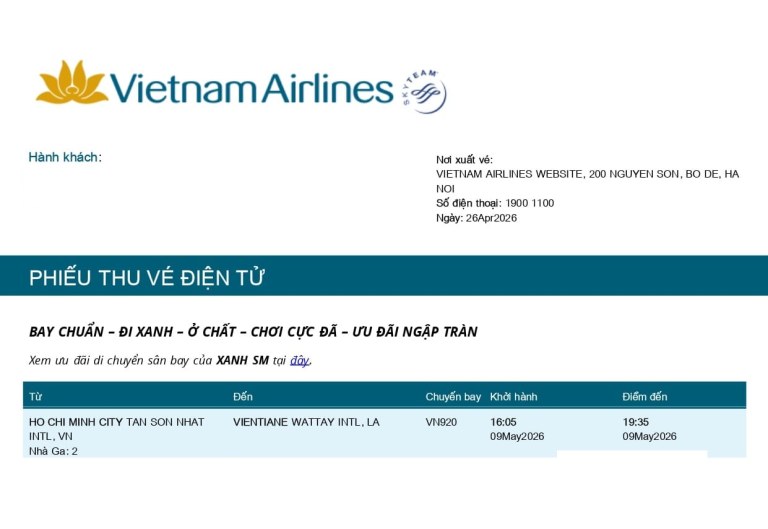
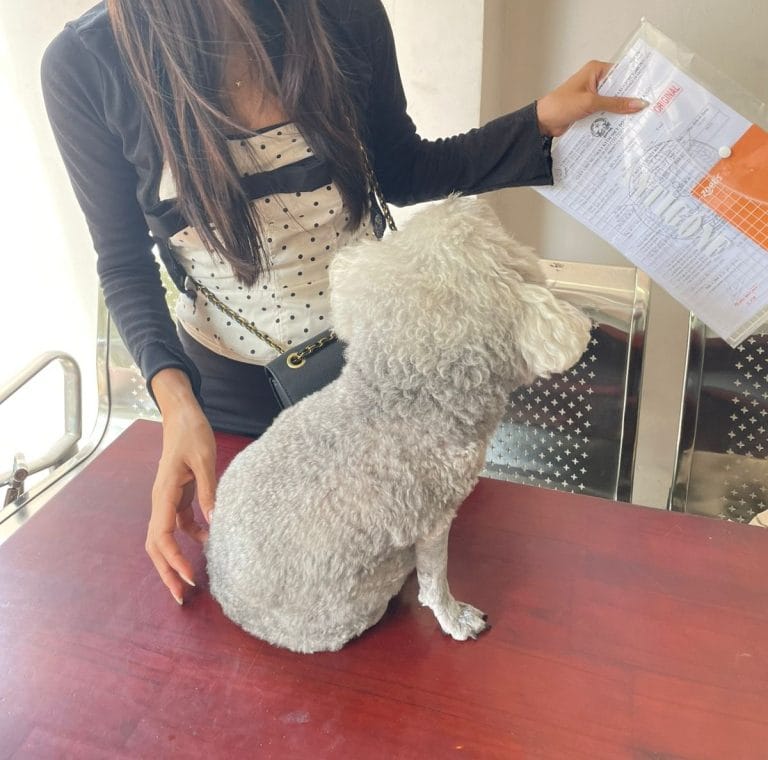
In Vietnam, the export health certificate (Form 13a) is issued by the government animal quarantine station, not by a private clinic. For flights from Ho Chi Minh City, that is the Tan Son Nhat Airport animal quarantine station of the Regional Animal Health and Production Office No. VI. A certificate signed only by a private clinic is not accepted. In Mina’s case, the certificate was issued the day before her flight to Vientiane.
Step 7: Import Permit — Filed in Person, Approved in About a Week
This is the step that creates the most scheduling problems for Vietnam-based owners who try to handle Laos logistics themselves — not because of a long advance-notice requirement, but because of how the application actually has to be filed.
Per Decision 0795/MAF, the Department of Livestock and Fisheries (DLF) — under the Ministry of Agriculture and Environment — approves and issues the import permit within 5 working days of a complete Form IET1 application. The often-cited “15 days before travel” rule does not apply to imports: under the same decision, that window governs exports and transit shipments out of or through Laos, not animals coming in. Budget roughly a week for DLF’s own processing, plus buffer time up front — because the online submission channel the law technically allows is unreliable in practice. Applications filed online routinely go unanswered; filing Form IET1 in person at DLF’s office in Vientiane is what actually starts the 5-day clock.
Documents filed with the import permit application (as submitted for a Daisy Pet case in May 2026):
- Form IET1, the application form in Appendix 3 of Decision 0795/MAF
- Copy of the owner’s passport
- Flight ticket
- Pet vaccination record
On the day of entry, additionally required:
- Endorsed health certificate from Vietnam’s animal health authority
- Copy of the bill of lading or air waybill
- Copy of vaccination certificate
The permit itself names the flight number, the travel date and the port of import, and it states that it is valid for 15 days after issuance. Book the flight first, then file the application one to two weeks before departure: early enough for DLF’s 5 working days, late enough that the permit is still valid when your pet lands.
How Far Ahead Should You Start?
If your pet’s rabies vaccine is current and was given at least 30 days before the travel date, about two weeks is enough: a few days to book the flight and file Form IET1, five working days for DLF, and the health certificate in the last days before departure. If the vaccine still has to be given, add the 30-day wait and plan on five to six weeks. Laos asks for no titer test and no waiting period beyond that, so 60-day schedules are longer than Lao rules require.
Quarantine: What Happens if Documents Are Incomplete
If your pet’s documentation is not in order upon arrival, Lao authorities have three options: place the animal in quarantine (if facilities are available), return it to the country of origin, or euthanize it. All costs are the importer’s responsibility. There is no gray area here — compliance is binary.
Breeds: No Ban List
Laos does not publish an official list of banned or restricted dog breeds. Importers are responsible for their pet’s behavior after entry. This contrasts with Singapore, Hong Kong, and some EU member states, which have specific breed restrictions.
Entry Checkpoint Requirements
At Wattay International Airport, the port of import named on the permit, the owner or a representative must be present for clearance. A Lao veterinary inspector examines the pet and checks every document against the permit. If the inspector decides further testing is needed, those costs fall to the importer. Entry by road is only allowed through checkpoints the ministry designates, and the permit names the checkpoint you will use; our Vietnam–Laos land border guide covers which crossings have animal inspection on both sides.
Last updated 20 Oct 2026
Compiled by our specialists from the regulations in force on the date above, for reference only. Rules may change after this date. Please verify with the competent authorities or contact us for the most accurate information.
Official sources cited in this guide
- Decision No. 0795/MAF (18 April 2019)laotradeportal.gov.la