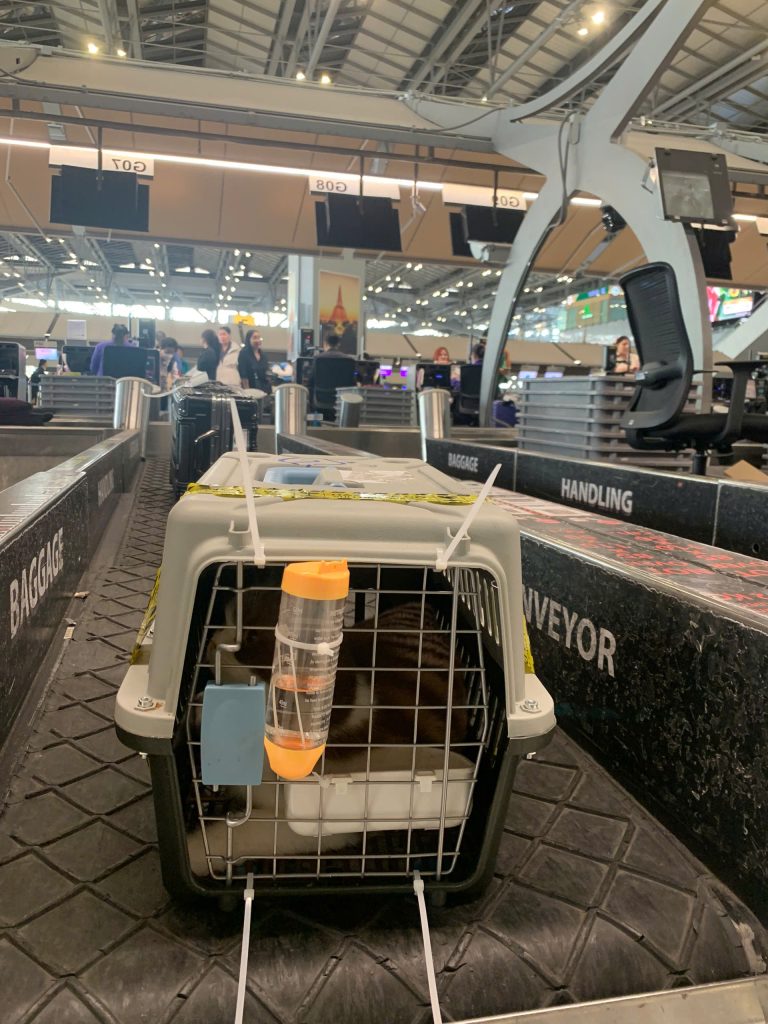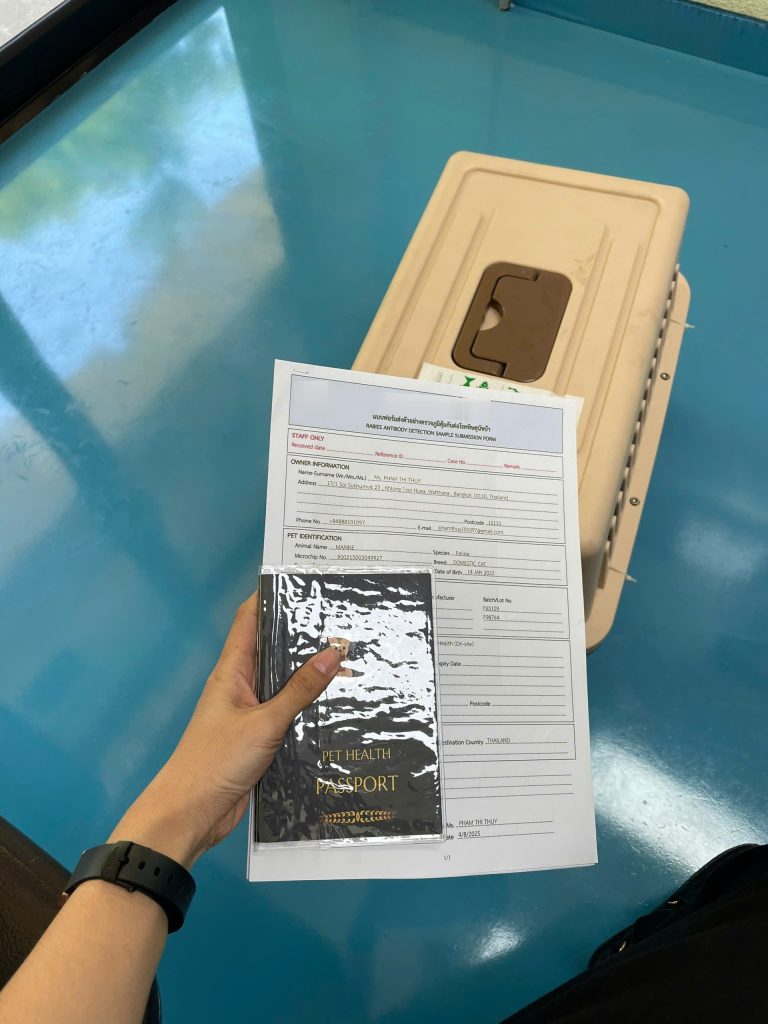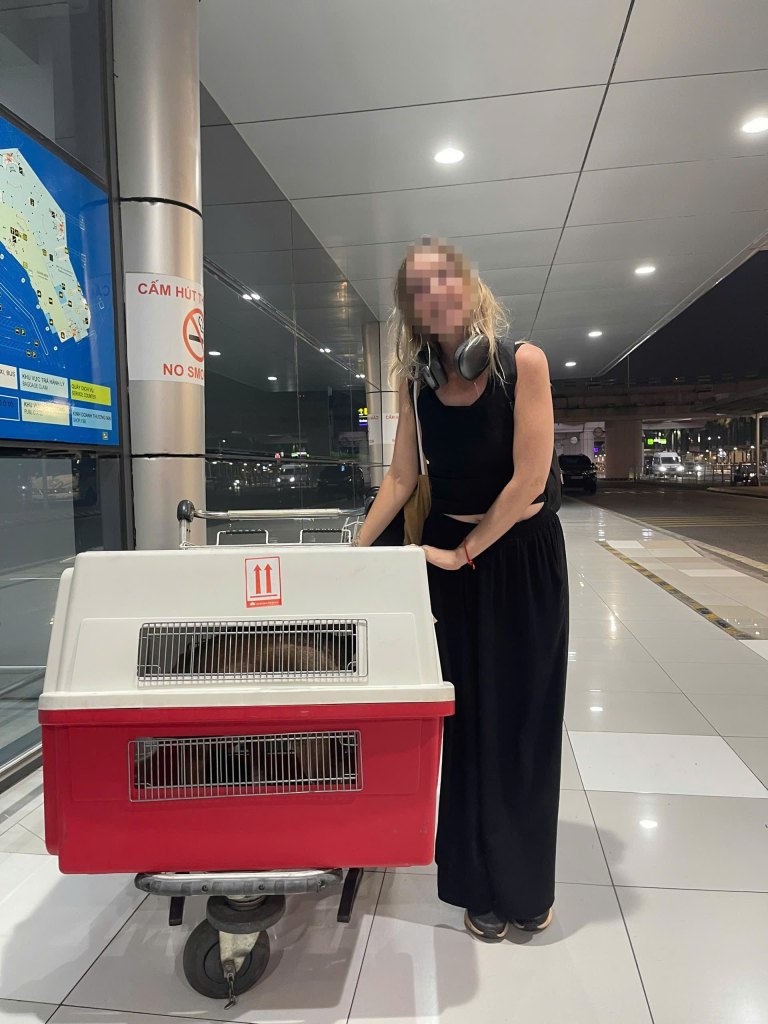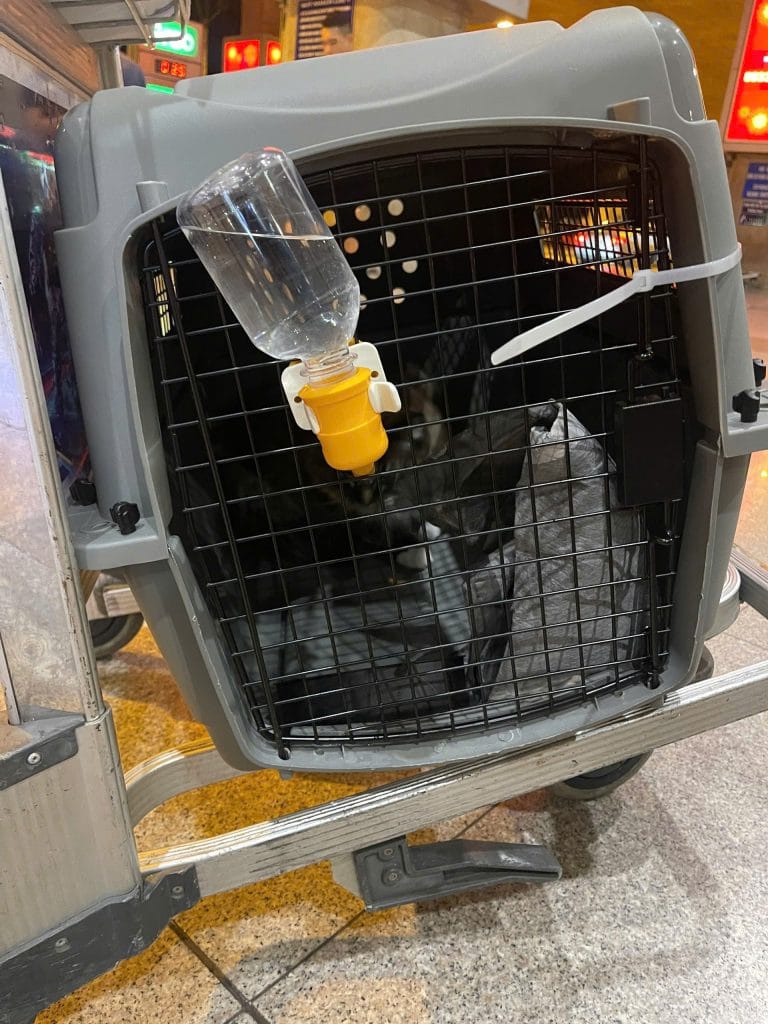
The Canada route has a detail that experienced pet shippers notice immediately: there is no rabies antibody test (RNATT/FAVN) requirement. Australia needs it. Japan needs it. The EU needs it. Canada, despite classifying Vietnam as a high-risk rabies country, does not require it for personal pet imports. That single omission compresses the minimum preparation timeline from six-plus months to six to eight weeks — making Pet Shipping to Canada one of the fastest legitimate international pet moves from Vietnam to a developed English-speaking country.
What remains in that six to eight week window is real and non-negotiable: microchip, rabies vaccination with Daisy Pet’s standard 30-day wait built in, health certificate, airline booking, and CBSA border clearance. Here is the complete week-by-week roadmap.
If you’ll later need to bring your pet back from Canada to Vietnam, see our separate guide on relocating a pet from Canada to Vietnam.
Week-by-Week Preparation Timeline
Week 1–2: Foundation — Microchip and Rabies Vaccination
These two actions must happen first, and they must happen in the right order.
Day 1: Microchip implantation. Book a veterinary appointment to implant an ISO 11784/11785-compliant microchip. The chip number must appear on every subsequent official document. If your pet is already microchipped, verify the chip is readable with a universal scanner — some older 125 kHz chips are not ISO-compatible.
Day 2–5: Verify chip is registered. Confirm the microchip number is registered to the correct owner in a recognized database. This step is often skipped and creates problems during airline check-in.
Day 3–7: Rabies vaccination. Administer the rabies vaccine at a licensed veterinary clinic. The clinic must issue a certificate in English or French with the pet’s description, vaccine brand name, serial number, and date. If this is a first-ever rabies shot or a lapse after expiry, the 30-day wait begins from this date (Daisy Pet’s standard buffer for this route). Mark this date clearly — it is the single hardest constraint on your timeline.
Week 3–4: Airline Research and Crate Procurement
While the 30-day post-vaccination wait runs, use this time productively.
Research airline options. The three primary cargo carriers for pets on the Vietnam-Canada route are Korean Air (via Seoul/ICN), Cathay Pacific (via Hong Kong/HKG), and Air China (via Beijing/PEK). Contact each carrier’s cargo division — not the passenger sales line — to confirm pet acceptance policies, booking lead time, and available flight dates. For details on routing and cargo carrier rules, check our Airlines for Pet Transport to Canada guide.
Purchase IATA-compliant crate. Order early — quality crates from reliable suppliers sometimes take 1–2 weeks for delivery. Your pet must fit comfortably: able to stand, turn around, and lie down with full extension. See our IATA Crate Size Calculator for exact measurements by breed.
Begin crate familiarization. Start introducing your pet to the travel crate 3–4 weeks before departure. Place the crate in a living area with bedding that carries your scent. Feed meals inside. Gradually close the door for short periods. A pet that enters the crate calmly on travel day is less stressed throughout the journey — stress affects appetite, hydration, and in rare cases, health during transit.
Week 5: Pre-Travel Health Exam and Documentation
The 30-day wait is almost over. This week, complete the veterinary documentation package.
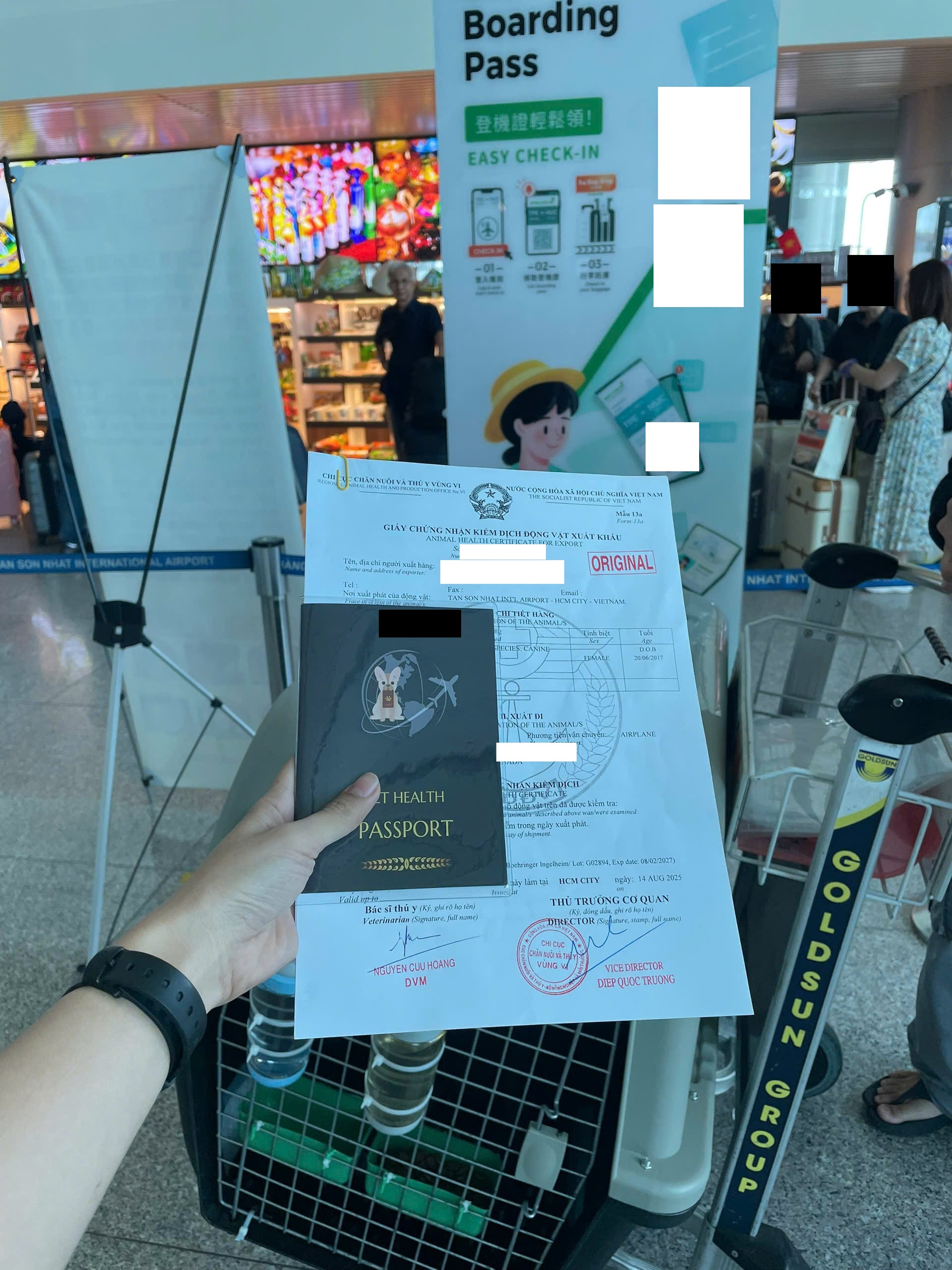
Pre-travel health examination. Your licensed Vietnamese veterinarian examines the pet and issues the Animal Health Certificate (Giấy Kiểm Dịch Động Vật Xuất Khẩu). This document confirms the pet is free from clinical signs of disease and fit for transport. Most airlines require this certificate to be issued within 10 days of departure — time this carefully.
Verify all documents. Before proceeding, cross-check:
- Microchip number appears on the rabies certificate and health certificate
- Rabies certificate is in English or French
- All fields are complete — missing fields are the top reason for border delays
- Rabies vaccine was administered at least 30 days ago
- Certificate expiry date is after your planned arrival date in Canada
Week 6: Final Booking and Pre-Departure
Confirm airline cargo booking. Provide the airline with your pet’s dimensions and combined weight (pet + crate), vaccination documentation, and your own flight details. Receive a written confirmation — a verbal confirmation is not sufficient for airline cargo.
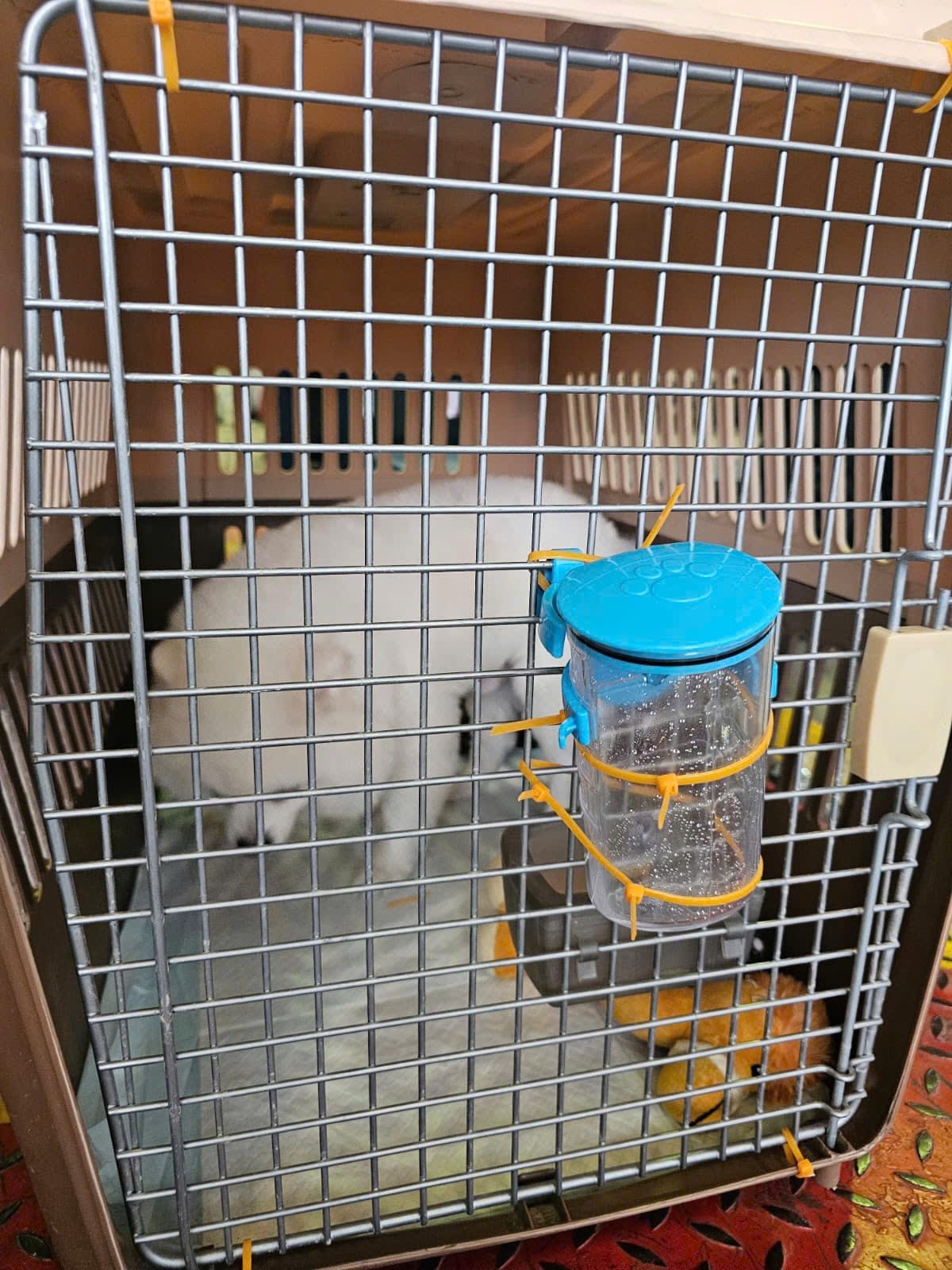
Pre-departure feeding. Feed your pet a light meal 4–6 hours before the flight. Provide water up to 2 hours before departure. Place a familiar blanket or a worn item of your clothing inside the crate — the familiar scent reduces anxiety during the journey.
Airport arrival. Arrive at the cargo terminal (not the passenger terminal) at least 3–4 hours before the scheduled flight departure. Cargo check-in procedures take longer than passenger check-in. Confirm acceptance, attach the approved live animal stickers to the crate, and place the document pouch securely on top of the crate.
Canada Arrival: What Happens at the Border
Upon landing at YYZ, YVR, or YUL, your pet is offloaded with the cargo and transferred to the airline’s cargo facility. You — or a designated receiver — collect the pet from the cargo terminal after clearing CBSA inspection with the following documents:
- Rabies vaccination certificate (original)
- Animal Health Certificate (original)
- Your passport or other government-issued ID
The CBSA officer reviews documents and visually inspects the animal. If everything is in order, your pet is released — no quarantine, no further holding. Pay the inspection fee (CAD $36.95 for the first pet, plus GST/HST) and the airline cargo terminal handling fee ($100–300 USD). Your pet is home.
Full Timeline Summary
| Week | Action | Notes |
|---|---|---|
| Week 1 | Microchip + Rabies vaccination | 30-day wait begins from vaccination date |
| Week 2–3 | Airline research + Crate purchase + Crate training begins | Contact cargo divisions directly |
| Week 4–5 | Pre-travel health exam + Animal Health Certificate issued | Issue within 10 days of departure |
| Week 5–6 | Confirm airline cargo booking + Final document review | Written confirmation required |
| Departure day | Cargo terminal check-in 3–4 hours before flight | Light meal 4–6 hours before departure |
| Arrival day | CBSA inspection + Cargo terminal pickup | No quarantine; pet released directly |
For a detailed breakdown of what each step costs, see our Canada Pet Shipping Cost Guide. For a full explanation of CFIA requirements at each stage, see our Canada Pet Import Laws Guide. If you have questions about specific entry requirements, check our Canada Pet Import FAQ. Ready to start? Contact Our Team for a Personalized Timeline Assessment.
Last updated 15 Oct 2026
Compiled by our specialists from the regulations in force on the date above, for reference only. Rules may change after this date. Please verify with the competent authorities or contact us for the most accurate information.