Most guides say the Netherlands pet import rules “simply follow EU law.” For the vaccine and the titer clock, that is true. For the things that decide whether a shipment from Vietnam goes smoothly — minimum age, which travel category is even available, entry points and cats — the Dutch authorities add conditions of their own. The Netherlands pet shipping guide gives the overview; this page separates what is EU baseline from what is Dutch.
Where Dutch Rules Follow EU Law Exactly
Vietnam is not on the EU’s list of low-risk rabies countries. The Dutch food authority NVWA calls this a “high-risk country,” and the same sequence applies as everywhere else in the EU:
| Step | Requirement |
|---|---|
| Microchip | Implanted before, or on the same day as, the rabies vaccine |
| Rabies vaccine | First dose at 12 weeks or older |
| Titer blood test | At least 30 days after vaccination, result of 0.5 IU/ml or higher, in a recognised lab |
| Waiting period | The blood sample must be at least 90 days old on the day the vet issues the health certificate |
The titer result stays valid for the pet’s whole life as long as rabies boosters are given before the previous one expires. How the test itself works is covered in the rabies titer test guide.
The full step-by-step sequence, with dates, is in the EU pet import laws guide.
Where the Netherlands Adds Its Own Conditions
These three points are where Dutch wording goes beyond, or differs from, the general EU pages.
| Topic | EU baseline | What NVWA states | What to plan on |
|---|---|---|---|
| Minimum age | Follows from the sequence: 12 weeks + 30 days + 90 days | At least 7 months old on arrival | Never before the 7-month birthday |
| Titer result copy | Copy attached to the certificate | Copy must carry the stamp and signature of the official vet of the departure country; results are checked for authenticity after arrival | Ask for the stamped copy, not a clinic printout |
| Tapeworm treatment | Dogs going to Finland, Ireland, Malta, Norway | Lists the United Kingdom as well | Dogs connecting to those five need it; dogs staying in the Netherlands do not |
Certificate validity is the same for the Netherlands as for the rest of the EU. The certificate is valid for 10 days from the vet’s signature until the entry check. If the pet then continues to another EU country, the certificate’s own notes give it six months from the entry check, or until the rabies vaccine expires, whichever comes first.
The Certificate Model
The Netherlands uses the model in Annex III of Commission Implementing Regulation (EU) 2026/705, the current EU model for pets arriving from outside the EU. The requirements for a pet from Vietnam are the same as elsewhere in the EU; what matters is that the vet uses this model for the animal health certificate.
Why a Pet From Vietnam Should Travel as a Non-Commercial Movement
NVWA separates two kinds of journey. A commercial journey — one where the pet changes owner, or the pet does not travel with its owner — falls under commercial rules, which are considerably more complex. The simpler route for a pet from Vietnam is a non-commercial movement, which NVWA defines by three conditions that must all hold:
- The pet travels with its owner, or makes the same journey within 5 days before or after the owner.
- The pet does not change owner — no sale, gift or handover to an adopter.
- No more than 5 dogs, cats and ferrets travel together.
A pet sent ahead to a buyer in the Netherlands, or a group of six, fails a condition and cannot be shipped from Vietnam at all. The EU 5-day owner-pet rule explains how the 5-day window works in practice.
Where Pets Can Enter and What Happens on Arrival
NVWA’s list of travellers’ points of entry has six airports — Amsterdam Schiphol, Rotterdam, Eindhoven, Maastricht Aachen, Groningen Eelde and Lelystad — and eight seaports: IJmuiden, Amsterdam, Eemshaven, Harlingen, Rotterdam, Hoek van Holland, Moerdijk and Vlissingen. Schiphol is the main international airport, so it is where most flights from Vietnam land.
On arrival, the owner goes to the red “goods to declare” exit and reports the pet to Customs. Customs checks the microchip and the documents. NVWA’s page for travel from third countries, updated 14 September 2026, states that an owner travelling with a pet does not have to notify NVWA in advance.
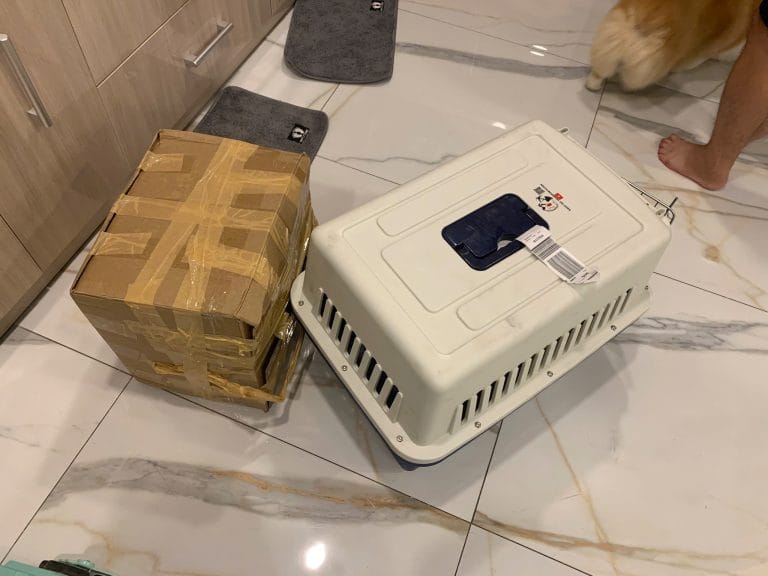
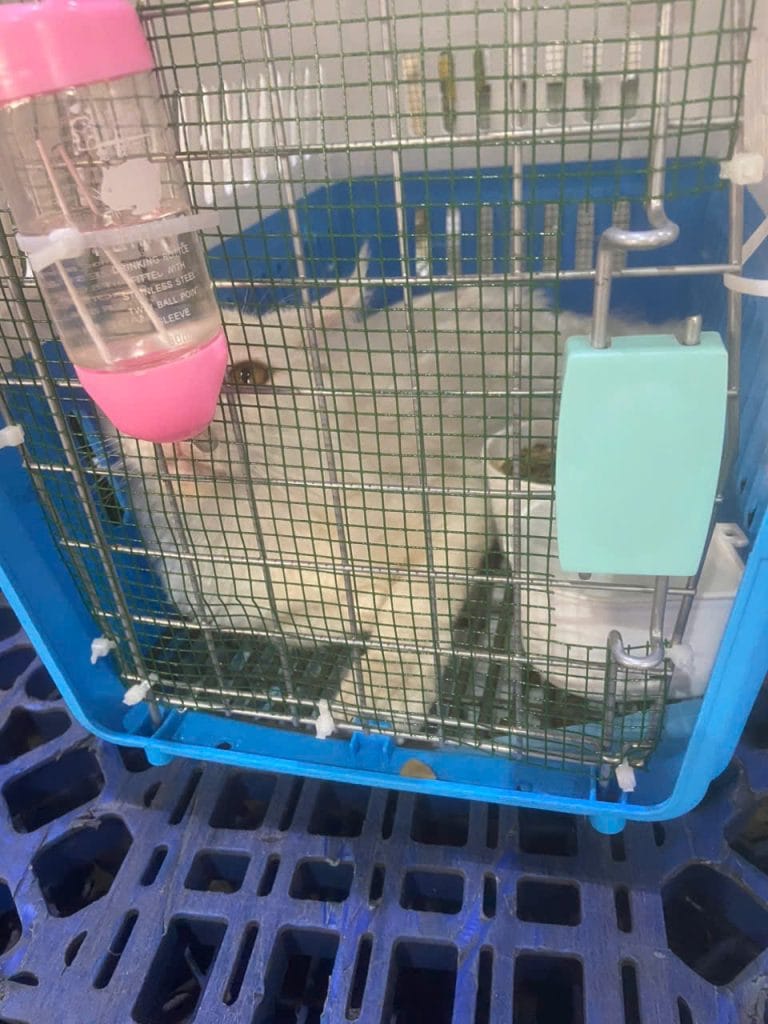
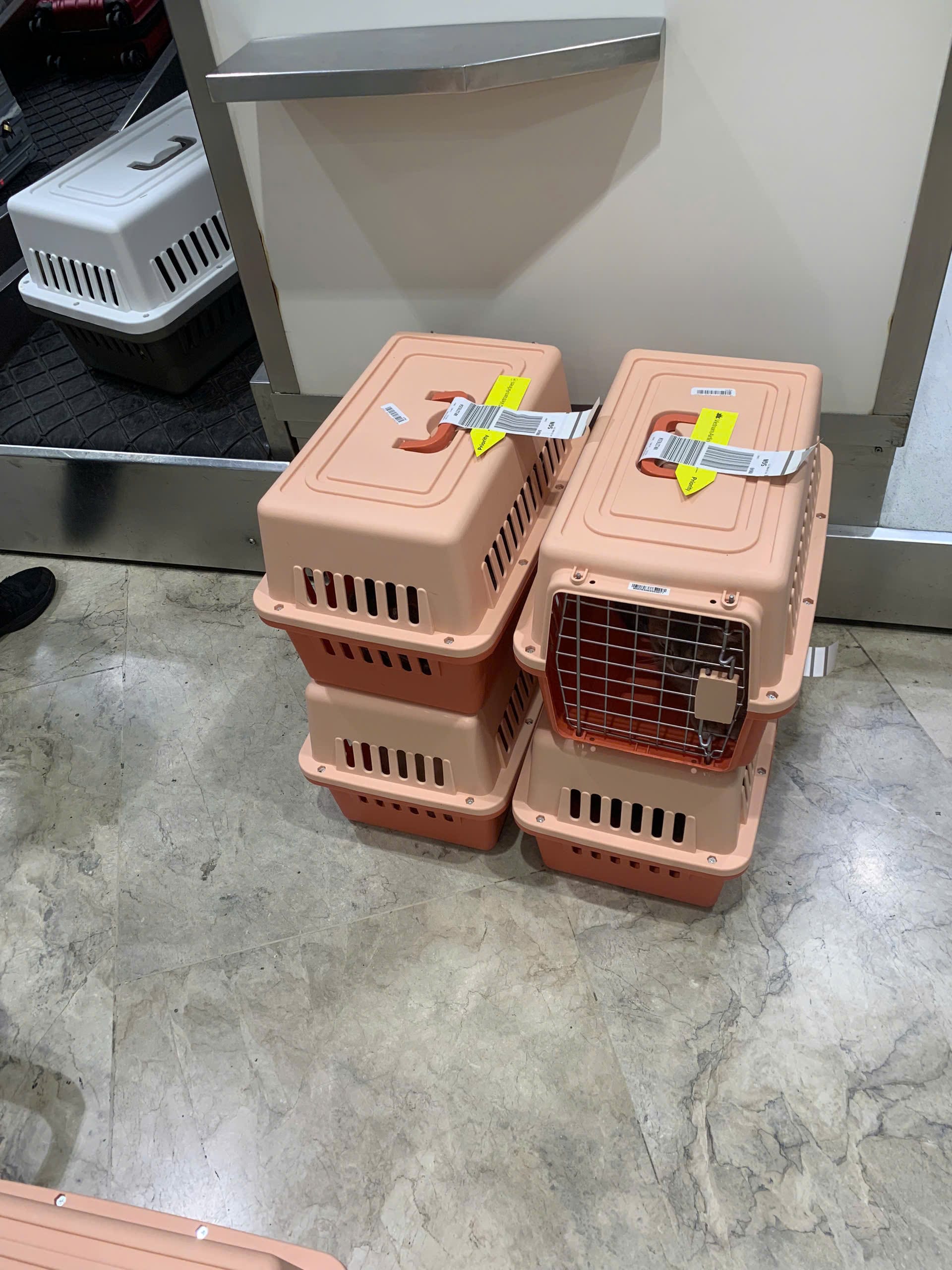
A pet flying as cargo rather than with its owner still has to meet the same import requirements, and it is inspected by Customs or by NVWA inspectors. Where the pet is collected depends on the airline and the airport, so that is a question for the airline or the shipper, not a step to guess. The airline rules for pets flying to Europe explain how carriers handle live animals.
Breed Rules: No Dog Is Banned, Two Cat Groups Are
No dog breed is barred from entering the Netherlands, and no dog rule stops a dog at the border. Cats carry the heaviest Dutch-specific rule: since 1 January 2026, hairless and fold-eared cats cannot be kept unless they were born and microchipped before that date. The breeds covered, the proof required and the rules on short-snouted and cropped dogs are set out in the banned breeds in the Netherlands guide. Airlines apply their own rules to short-snouted breeds, separately from Dutch law.
The Document Set for a Pet From Vietnam
| Document | Who provides it | Note |
|---|---|---|
| EU animal health certificate (Annex III, Reg. 2026/705) | Issued by the vet, signed and stamped on every page by Vietnam’s official vet authority | Valid 10 days from issue until the entry check |
| Owner’s declaration | The owner | Required when the pet travels on a health certificate |
| Authorisation form for an accompanying person | The owner | Only if someone else travels with the pet; that person carries proof the owner travels within 5 days, such as a boarding pass copy |
| Titer result copy | The lab, stamped by the official vet | Checked for authenticity after arrival |
NVWA’s checklist lists no import permit for a pet travelling with its owner, and there is no quarantine for a pet whose file is complete.
If the Pet Does Not Meet the Requirements
NVWA’s process is written out plainly. Customs hands the pet to NVWA inspectors, and the pet either returns to its country of origin or goes to a quarantine location. Even a pet that is sent back spends a few days in quarantine first to recover from the journey, and the owner pays for the return trip and the quarantine. There is no published fee list, because this is an enforcement outcome and not a service.
Before You Start Preparing
- Count from the birth date: the earliest arrival is the 7-month birthday, and the real date is usually later.
- Confirm the travel category: the pet flies with the owner or within 5 days, with no change of owner.
- Ask for the current certificate model: the one in Regulation (EU) 2026/705.
- Get the titer copy stamped: by the official vet, not only by the lab.
- Check a cat’s breed and chip date first: a hairless or fold-eared cat may not be able to go at all.
With the Netherlands pet import rules checked, a pet whose file is complete lands with almost no ceremony, so the last step is planning the days after arrival — the first 14 days in the Netherlands guide covers dog registration and the rest.
Last updated 17 Oct 2026
Compiled by our specialists from the regulations in force on the date above, for reference only. Rules may change after this date. Please verify with the competent authorities or contact us for the most accurate information.
Official sources cited in this guide
- english.nvwa.nlenglish.nvwa.nl