Most guides to moving to the Netherlands with pets end at the Schiphol exit, as if landing were the finish line. For dog owners it is the start of a legal deadline: the Dutch state expects a dog that has moved in to be registered within 14 days, and the steps behind that registration depend on the owner’s own paperwork, not the dog’s. This page follows the days after landing; the wider route is in the Netherlands pet shipping guide.
Landing at Schiphol: What Actually Happens
An owner travelling with a pet goes to the red “goods to declare” exit and reports the animal to Customs. Customs checks the microchip and the documents. According to NVWA’s comparison of commercial and non-commercial journeys, an owner whose file is in order gets the original health certificate back, endorsed. No advance notice to NVWA is required.
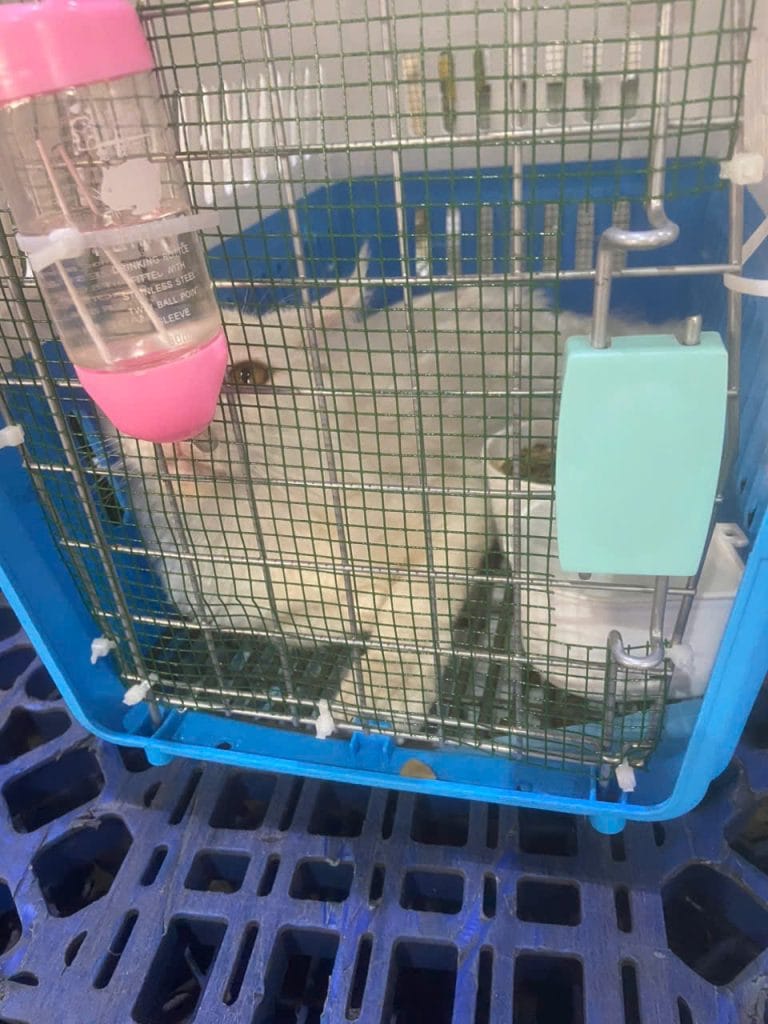
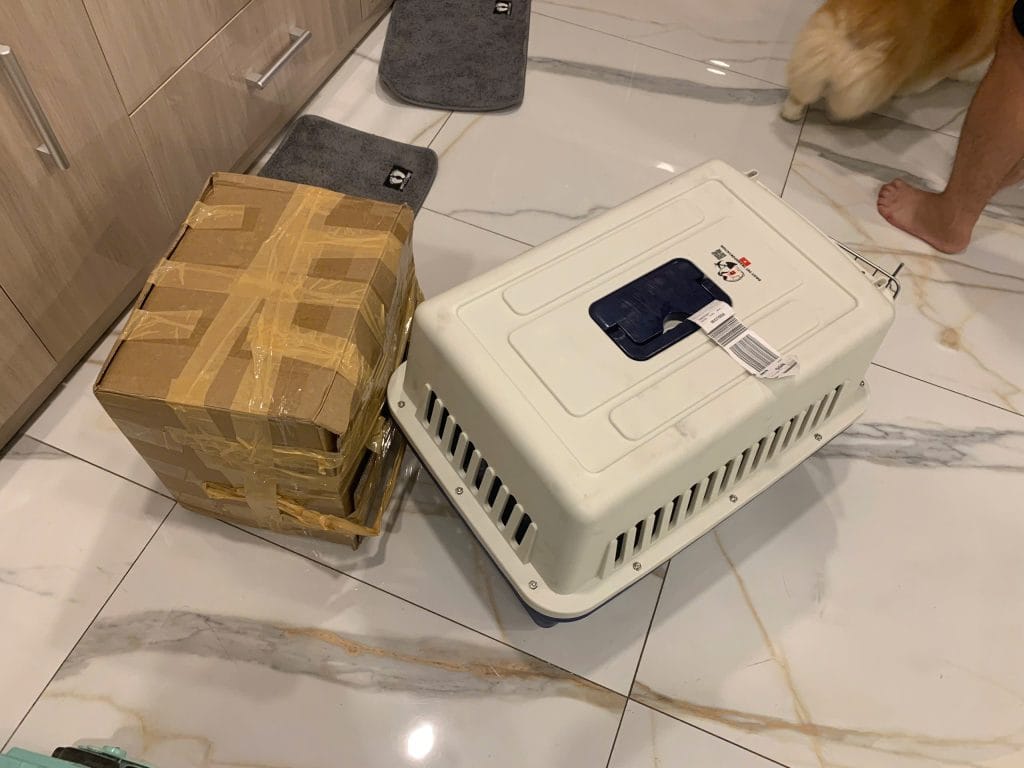
Where the pet is handed back depends on how it flew — with the owner as checked baggage or as cargo — and on the airline and the airport. NVWA tells owners to ask the airline, the airport or the shipper, so that answer is worth having before the flight, not at the exit. A pet whose file is incomplete is handed to NVWA inspectors instead, as laid out in the Netherlands pet import rules.
The 14-Day Dog Registration Sequence
A dog that stays in the Netherlands for 3 months or longer has to be registered by a vet within 14 days of arrival. A stay under 3 months, with no sale of the dog, falls outside the registration rules. The steps, taken from the agency RVO’s guidance, run in a fixed order:
| Order | Step | Why it comes here |
|---|---|---|
| 1 | Register with the municipality in the Personal Records Database | This produces the citizen service number (BSN) |
| 2 | Apply for a DigiD | The Dutch digital login needs the BSN |
| 3 | Register a UBN for keeping a dog as a private person | Done online with the DigiD; the dog is registered on this number |
| 4 | Take the dog to a Dutch vet within 14 days of arrival | The vet files the import notification on your UBN and issues an EU pet passport if the dog has none |
The order is the trap. The vet can register the dog only on your UBN, the UBN needs a DigiD, and the DigiD needs a BSN — so the owner’s own registration is the critical path, not the dog’s paperwork. Owners who land without a BSN cannot finish the registration inside 14 days, so it is worth asking the municipality before the move how soon a registration appointment is available.
The rule is set out on RVO’s page on dogs from abroad, last checked by the agency on 18 August 2026. Every dog imported after 1 November 2021 must have an EU pet passport, and a dog without a UBN cannot be registered or given one.
The passport itself is narrower than its reputation. The guide to what an EU pet passport really is explains why it does not replace the health certificate used for the journey in.
Cats: What Is and Is Not Required
Cats have no nationwide registration duty comparable to the one for dogs. A national microchip-and-registration requirement for cats has been announced by the Dutch government but was not yet in force when this guide was checked on 28 September 2026, so it is worth re-checking before the move.
A hairless or fold-eared cat has a separate question to settle before any of this: whether it may be kept in the Netherlands at all. The banned breeds in the Netherlands guide covers the proof required.
Settling In: Local Rules That Start After Landing
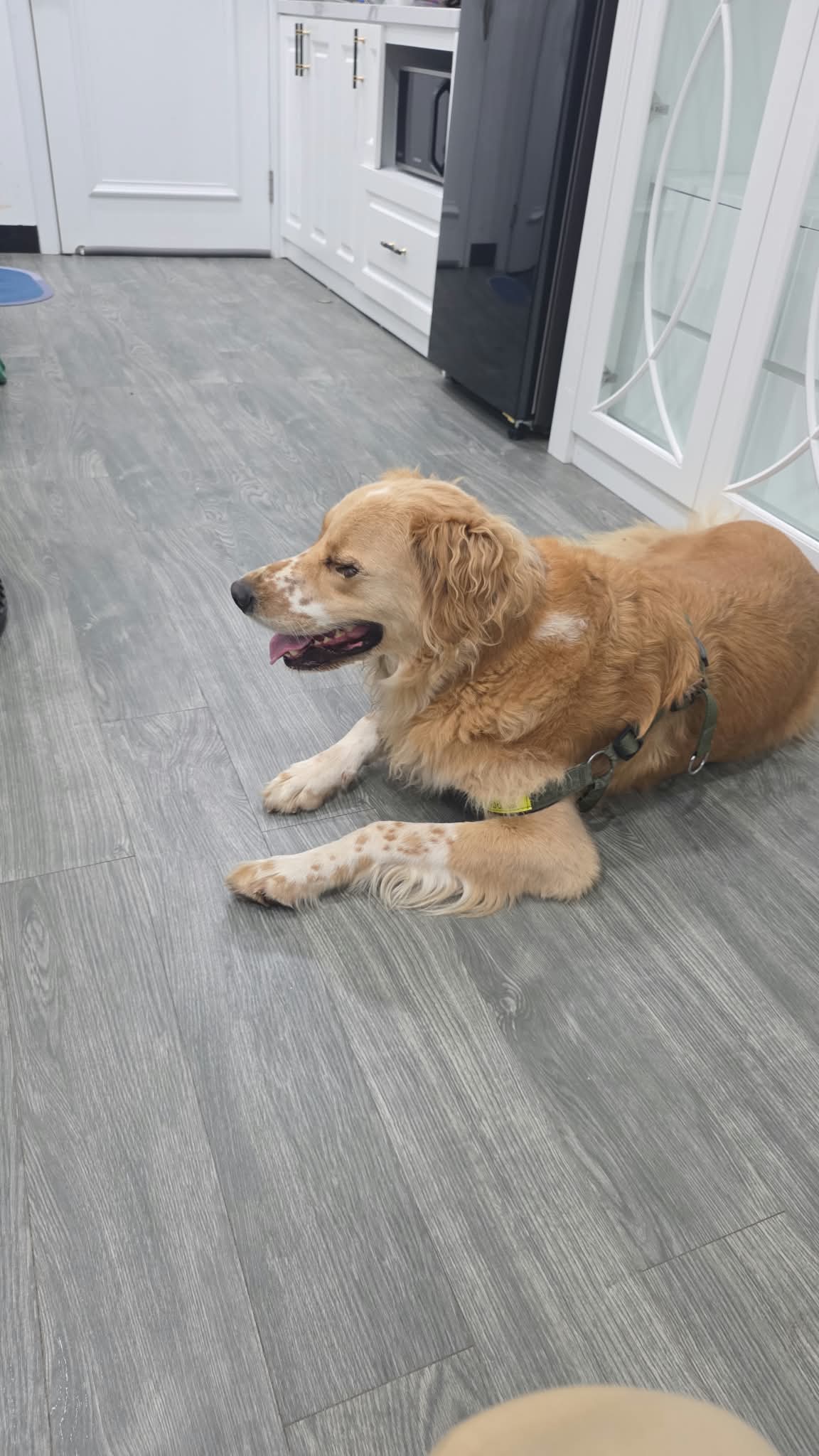
- Dog tax: the national tax authority explains that a new dog must be reported to the municipality immediately, and municipalities check annually. Not reporting can lead to a fine, and the rate is set locally — see the Belastingdienst page on dog tax.
- Cat tax: municipalities may levy a dog tax because it is written into law, but a cat tax appears in no law and cannot be charged.
- Leash and muzzle: a mayor can order a leash and muzzle for an individual dog that has bitten or behaved dangerously, and the government is working on making such an order apply nationwide.
- Import tax: Dutch Customs applies import tax to animals bought outside the EU for more than €430 and entering the EU for the first time, as stated on its pets page. A recently bought pet should travel with its purchase receipt.
Before You Fly
- Choose the itinerary first: the airline must accept every pet on every flight segment, and any papers a transit point requires are separate from the Dutch ones. The airlines that carry pets to Europe differ on this.
- Fit the certificate window: the EU health certificate is valid for 10 days from the vet’s signature until the entry check.
- Start the human paperwork early: municipality registration, BSN and DigiD come before the dog’s registration.
- Line up a Dutch vet: the registration visit has to happen within 14 days of landing.
The practical takeaway for moving to the Netherlands with pets: the 14 days are set by the owner’s own paperwork, so the chain of BSN, DigiD and UBN — not the vet visit itself — is what to sort out first.
Last updated 30 Sep 2026
Compiled by our specialists from the regulations in force on the date above, for reference only. Rules may change after this date. Please verify with the competent authorities or contact us for the most accurate information.
Official sources cited in this guide
- NVWA’s comparison of commercial and non-commercial journeysnvwa.nl
- RVO’s page on dogs from abroadrvo.nl
- Belastingdienst page on dog taxbelastingdienst.nl
- douane.nldouane.nl