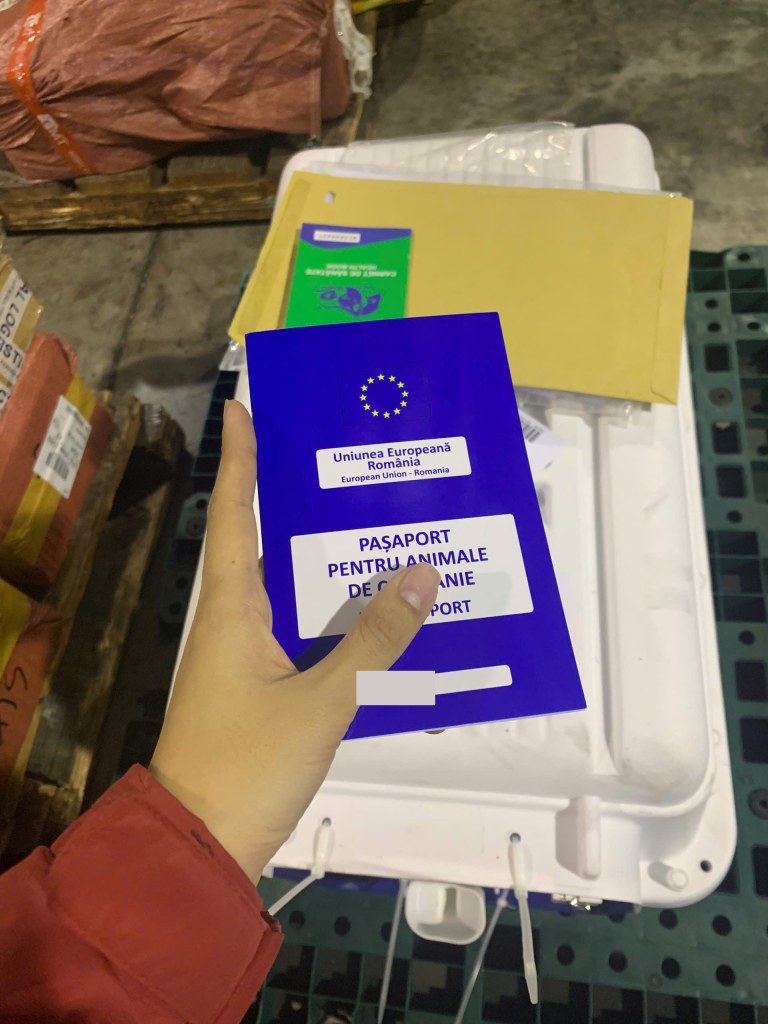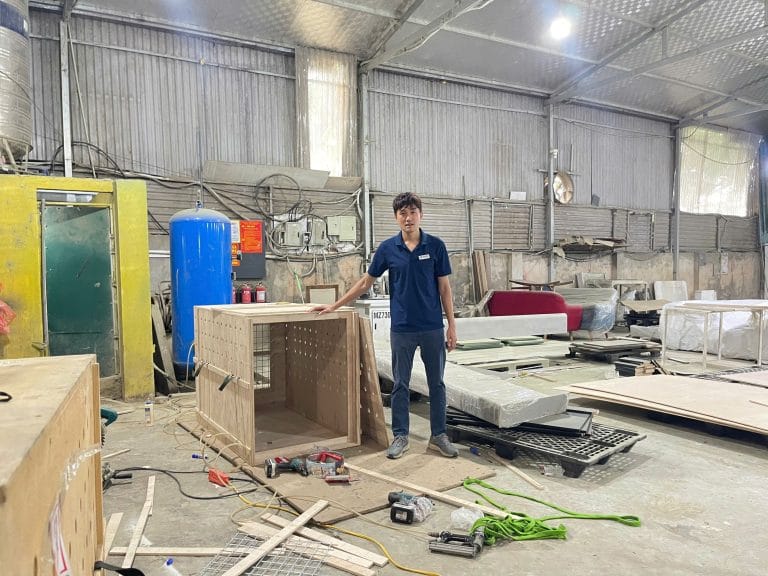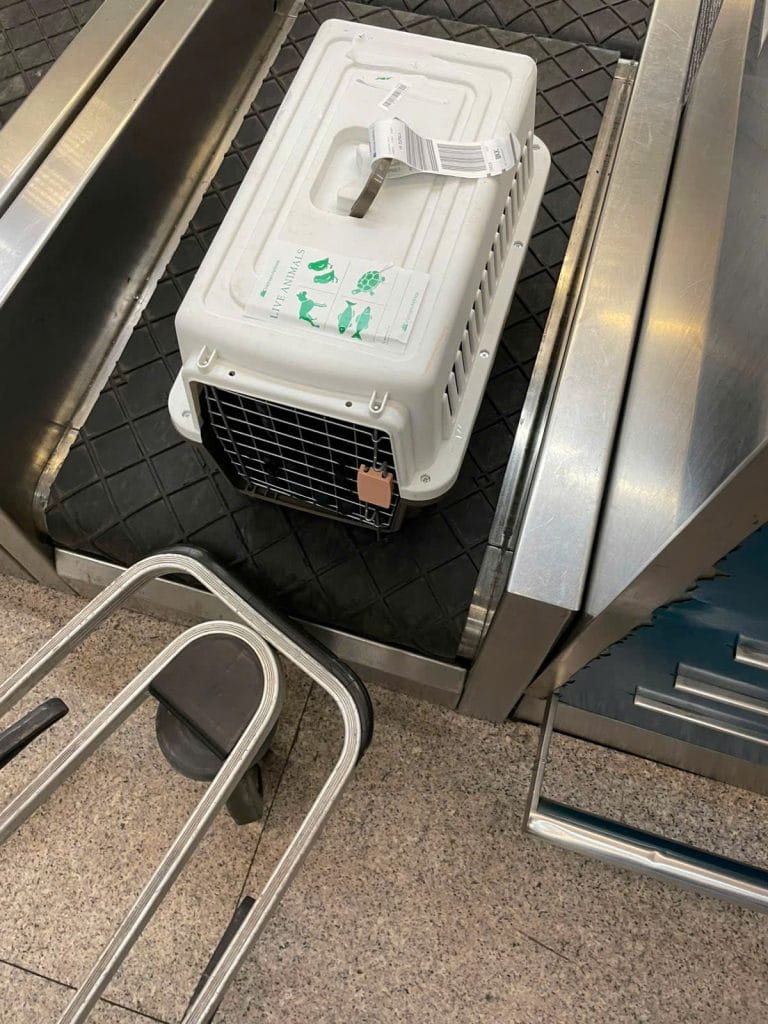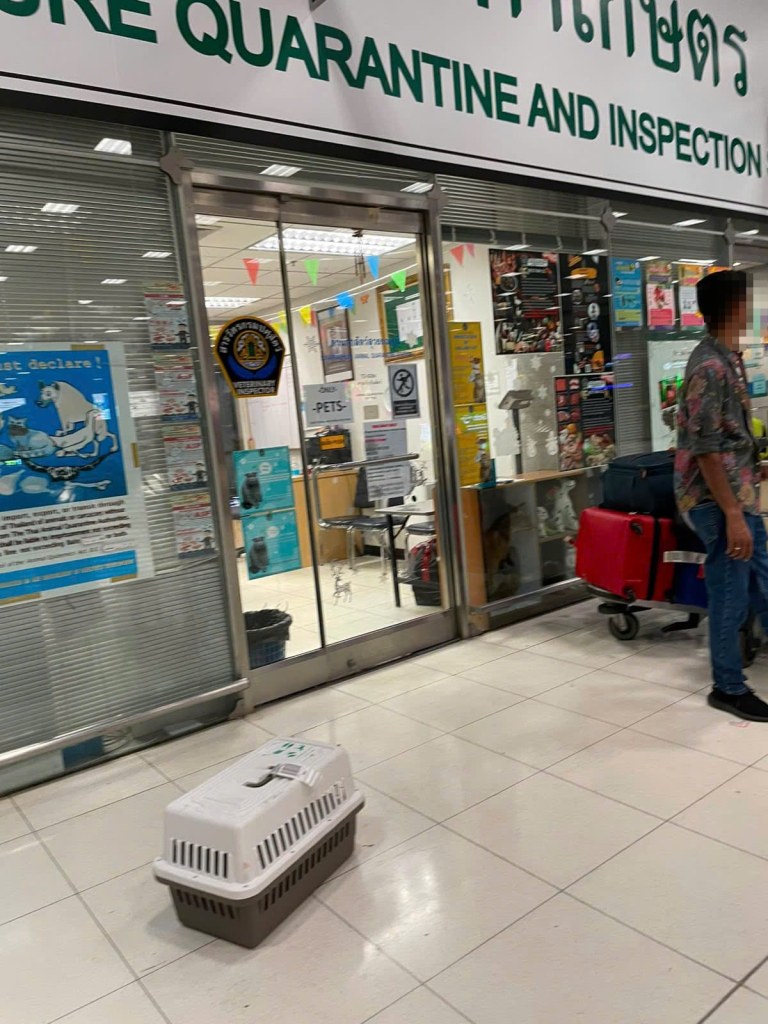
A Thailand pet import permit for a dog or cat comes from the Department of Livestock Development (DLD). You fill in Form R1/1 and email it to the Animal Quarantine Station (AQS) at the airport where your pet lands. Send it at least 7 working days before arrival, and the station emails the permit back.
This guide follows the R1/1 form box by box, as it stood on 31 October 2026. It also covers which station to email, what to do when the permit has not arrived, how to fix a mistake, and how to time the health certificate from your country.
Quick answers
- Who issues it? The DLD, through the quarantine station at your arrival airport.
- When do I apply? At least 7 working days before the pet arrives. Thai embassies advise about 30 days ahead.
- How do I send it? By email, with one PDF file per pet, to the station at the airport where the pet lands.
- How long is it valid? 60 days from the date of issue. You can change the flight inside those 60 days.
- What if it has not arrived? Call the station and resend the same file. Do not board a cargo pet without it.
Before you apply for a Thailand pet import permit
Who applies
The applicant is the person bringing the pet into Thailand. This is usually the owner who flies with the pet. Thailand’s permit is one example of the wider pet import permit system for dogs and cats, and it is issued in the applicant’s name.
A family member, a relocation company or an agent in Thailand can file for you. Thai law asks for a power of attorney with a stamp duty, plus copies of both people’s identity documents.
A pet flying as cargo without its owner needs two passport copies. Mark the sender’s copy “This is the shipper”. Mark the copy of the person collecting the pet “This is the pickup person”. The Thai consulate in Sydney gives this instruction.
When to apply
The DLD regulation sets the deadline at 7 working days before the pet enters Thailand. The Suvarnabhumi station says it replies within that time. Owners report waits of 18 days or more when a file is incomplete or the inbox is busy.
The permit is valid for 60 days from the date of issue. If your flight, date or time moves within that period, the same permit still works. We apply about 30 days before the flight.
Airlines can be stricter than the DLD. Timatic, the database airlines use to check travel documents, says the permit should be issued at least 15 days before arrival. Holding the permit 15 days before the flight covers both rules.
Cargo, cabin and checked baggage
A pet flying as cargo must have the permit before it arrives. Thai Customs fines a cargo import whose permit is dated after the arrival day. The fine is 10% of the declared value, between 1,000 and 20,000 baht.
A pet in the cabin or in checked baggage can, by law, get the permit at the airport on arrival. The quarantine vet decides at the desk. Some airlines that fly pets to Thailand refuse to board a pet without a permit in hand. In July 2026, Vietnam Airlines refused a dog at check-in for this reason, citing Timatic. Applying in advance avoids that risk.
What the pet must meet before you apply
- Dog vaccines: rabies, canine distemper, canine hepatitis, canine parvovirus and Leptospirosis.
- Cat vaccines: rabies and Feline Panleukopenia.
- Waiting time: a first or restarted vaccine must be at least 21 days old on departure. A valid booster needs no waiting time.
- Leptospirosis: a dog without a valid vaccine needs a negative test within 30 days of departure.
- Age: Thai consulates list a minimum of 4 months on arrival.
The Royal Thai Embassy in Washington tells owners to wait the 21 days after a first vaccine before they start the application. The full entry rules, including quarantine and breeds, are in our guide to bringing a dog or cat to Thailand.
Documents to prepare
- The R1/1 application form, filled in and signed.
- A copy of the applicant’s passport.
- A photo of the pet with its face clearly shown.
- The vaccination record in English. It must show the pet’s breed, sex, date of birth, color and microchip number.
- The vet’s full name, license number and signature on that record.
- The microchip implant certificate for travel and the flight itinerary, which the Thai embassies also ask for.
Scan everything for one pet into a single file. The station asks for one PDF file per pet.
Step 1: download the R1/1 import form
Download Form R1/1 from the Suvarnabhumi Animal Quarantine Station. The file is named R1-1-import-form1.pdf. It was last changed on 2 May 2023 and was still the live version on 31 October 2026.
The PDF has fillable boxes, so you can type on a computer. Page 2 is a copy of page 1, so fill in page 1 only. The form is in Thai and English. Type the answers in English capital letters.
The header is printed for the Suvarnabhumi station. The form also has a “Port of entry” line for Phuket, Chiang Mai and other airports. The station that handles it is the one you email.
Step 2: fill in the R1/1 form box by box
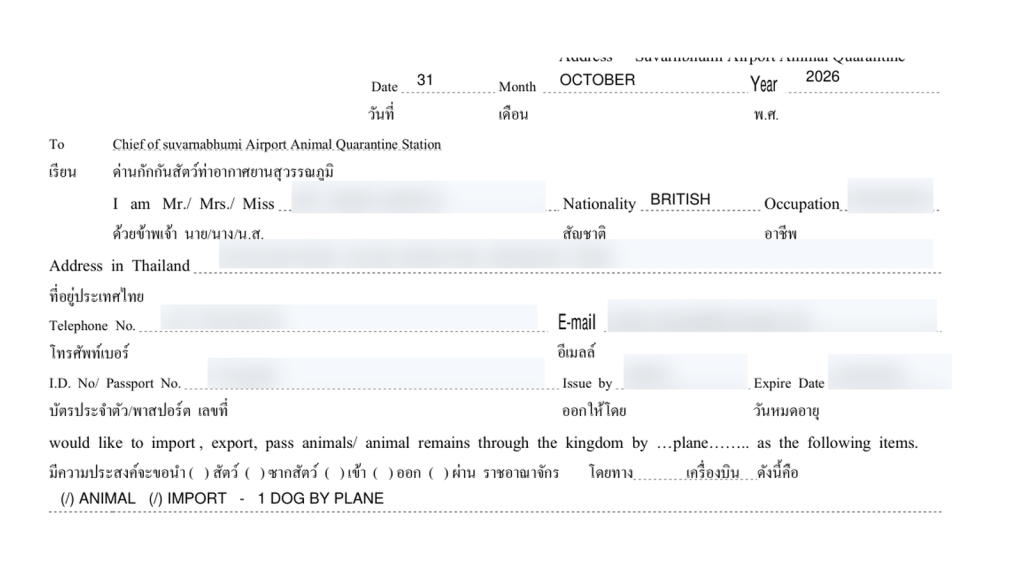
Date and applicant details on the R1/1 form
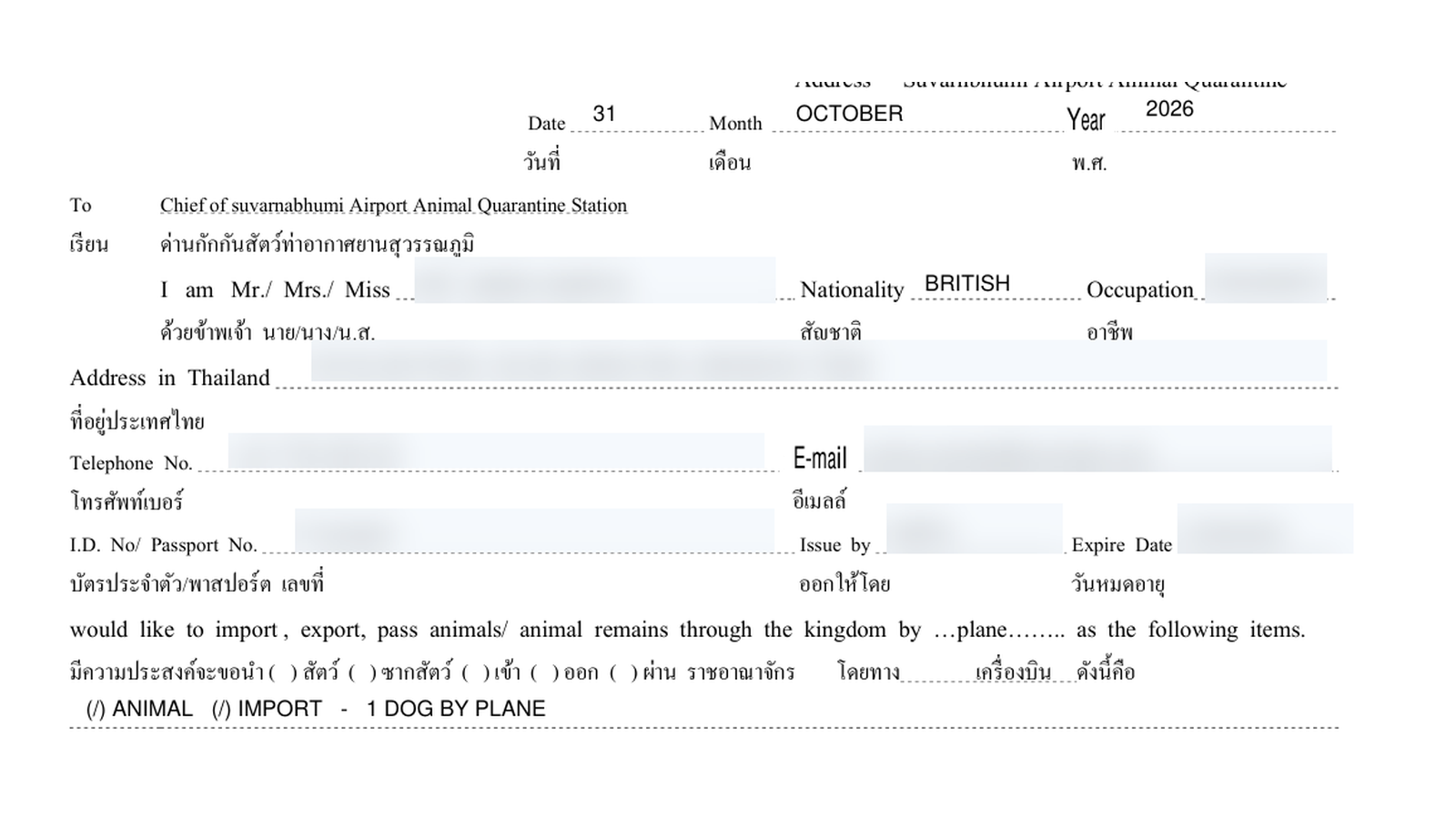
- Date, Month, Year: the day you fill in the form. Write the month as a word, such as OCTOBER.
- I am Mr./Mrs./Miss: your full name as in your passport.
- Nationality and Occupation: for example BRITISH and ENGINEER.
- Address in Thailand: where the pet will live after arrival, such as a hotel or a rented condo.
- Telephone No. and E-mail: a phone number with the country code and an inbox you check. The permit arrives at that inbox.
- I.D. No / Passport No.: your passport number. Copy the issuing office and the expiry date from the passport too.
The Year box sits over the Thai label for the Buddhist year. The Buddhist year 2569 is 2026 in the Western calendar. Writing the month as a word keeps the date clear either way.
Purpose line and pet details on the R1/1 form
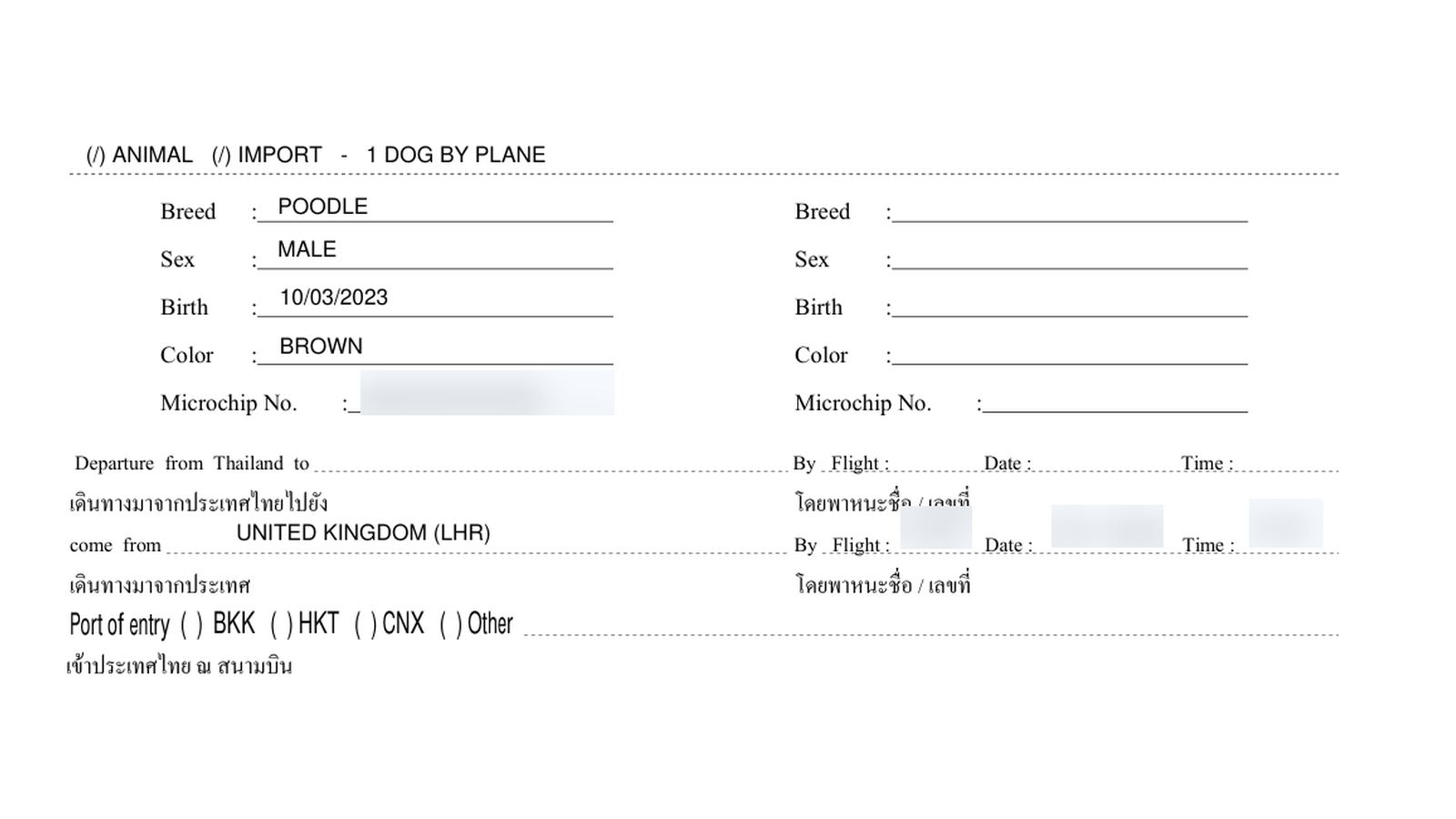
The line “would like to import, export, pass animals” has small brackets with no boxes behind them. Type your choice on the blank line below it: animal, import, the number of pets and “by plane”.
- Breed, Sex, Birth, Color: copy them from the vaccination record. Write the real breed. The permit must name the breed that flies.
- Microchip No.: the full number. The officer scans the pet on arrival and compares it with this box.
One sheet holds 2 pets. For a third pet, fill in a second form.
Flight and port of entry on the R1/1 form
- come from: the country and airport the pet flies from.
- By Flight, Date, Time: the flight number and the arrival date and time.
- Port of entry: mark BKK, HKT, CNX or Other. This line has no fillable box, so mark it by hand or add a text mark in your PDF reader.
- Departure from Thailand to: leave it blank. This line is for pets leaving Thailand.
- pass Thailand through: leave it blank. This line is for pets in transit.
Signature and address of origin on the R1/1 form
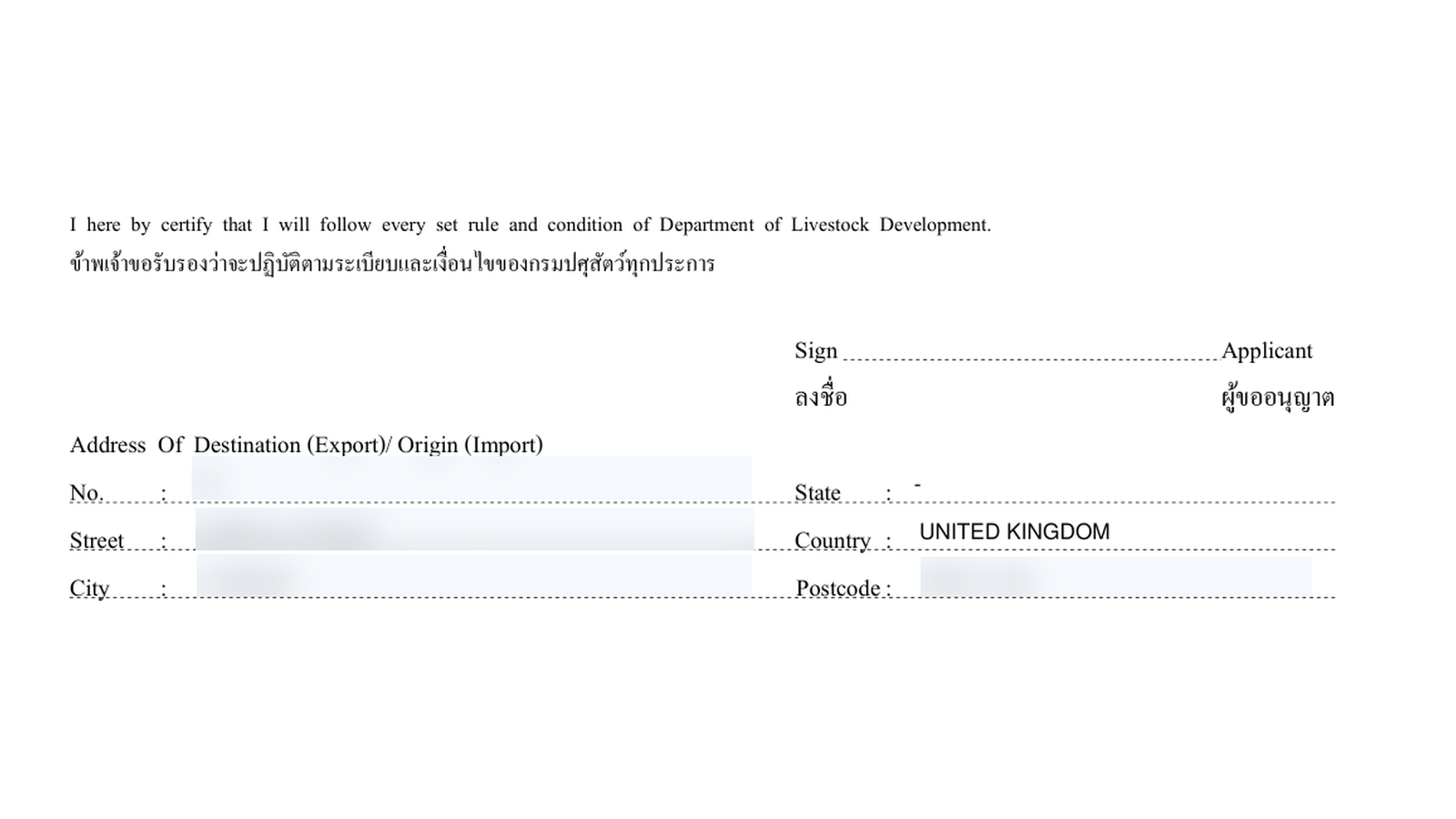
- Sign (Applicant): the applicant signs by hand. Print the page, sign it, then scan it into the pet’s PDF.
- Address Of Destination (Export)/ Origin (Import): your address in the country the pet flies from.
Step 3: email the application to the right station
Send the file to the quarantine station at the airport where the pet lands. A permit from one station does not cover another airport.
| Arrival airport | Quarantine station email |
|---|---|
| Bangkok Suvarnabhumi (BKK) | qsap_bkk_import@dld.go.th |
| Bangkok Don Mueang (DMK) | qsdm_bkk@dld.go.th |
| Chiang Mai (CNX) | qscm_cmi@dld.go.th |
| Phuket (HKT) | qshk_hkt@dld.go.th |
| Krabi (KBV) | qstr_trg@dld.go.th (Trang station) |
| Koh Samui (USM) | qssm_urt@dld.go.th |
The Bangkok address comes from the Suvarnabhumi station itself. The other addresses come from the Royal Thai Embassy in Washington. Samui is a legal entry point, but no international airline flies pets into it. Pets bound for Samui enter at Bangkok and continue on a domestic leg, as our guide to pets in Phuket, Chiang Mai and Samui explains.
Timatic lists only the Bangkok Suvarnabhumi, Chiang Mai and Phuket stations for advance applications. If you fly into Don Mueang, apply to the Don Mueang station anyway. Carry the printed permit to check-in in case the agent asks.
- Subject line: “Request an Import Permit”, as the Thai embassy in Canberra and the consulate in Sydney advise.
- Attachments: one PDF per pet, each with the R1/1 form and all the documents for that pet.
- Body: a short note with the owner’s name, the number of pets, the flight and the arrival date.
If the airline moves your arrival to another airport, contact the new station. In one 2025 case, Suvarnabhumi asked for a new application when a flight to Chiang Mai was rerouted through Bangkok. A new application restarts the processing time.
Step 4: receive the import permit (Form R.6)
The station reviews the file and emails the permit back. The DLD calls this permit Form R.6. Its validity runs from the date of issue.
Check the permit as soon as it arrives. The owner name, breed, each microchip number and the arrival airport should match what you sent. Print it and keep it with the pet’s papers.
What to do if the Thailand pet import permit has not arrived
A silent inbox is the most common problem owners report. Follow these steps in order:
- Check your spam folder and the inbox you wrote on the form.
- Reply to your own email with the same subject line and the same PDF files. Add the flight date to the subject.
- Call the station. For Suvarnabhumi, Thai consular guidance gives the cargo office on +66 2 134 0731, 08:30–16:00, Monday to Friday. The passenger desk, open around the clock, is on +66 2 134 0636.
- Decide before the flight. A cargo pet cannot fly without the permit, so move the booking. A pet in the cabin or in checked baggage can apply on arrival, but only if the airline confirms in writing that it will board the pet without a permit.
Someone in Thailand who speaks Thai can call the station during office hours. That is often the fastest way to find a missing file.
How to fix a mistake on a Thailand pet import permit
Read the permit the day it arrives. A wrong microchip digit, a wrong breed or a different arrival airport can stop the pet at the desk. The officer compares the permit with the pet’s chip and papers on arrival.
A typo can also stop the trip earlier. In February 2026, one owner reported that a microchip typo on the Thai permit made the exporting country’s vet office refuse the health certificate. The flight moved by two weeks.
Reply to the station from the same email thread. State the wrong field and the correct value, and attach the corrected R1/1 form signed again, with the microchip implant record. The DLD publishes no separate amendment procedure, so allow the same processing time as a new application. If the arrival airport changes, apply to the new station instead.
The health certificate and the 10-day window
The permit lets the pet in. The health certificate from your country proves the pet is fit to enter. Thai stations ask for the paper original, signed or endorsed by your country’s government vet service. It is valid for 10 days after that endorsement.
That 10-day window drives the order of work:
- Get the import permit first, because it still covers a later change of flight.
- Book the vet exam and the government endorsement so the pet lands within 10 days of the endorsement.
- If the flight moves later, the permit still works, but you may need a new health certificate.
Some countries have their own rules on paper and stamps:
- United States: the Thai Office of Agricultural Affairs in Washington updated its page on 28 October 2026. It now accepts a printed USDA certificate with electronic signature and digital endorsement. Bring it on paper, not on a phone.
- Other countries: bring the paper original with the vet’s signature and stamp. The Thai embassy in Bern states that electronically signed papers are not accepted.
- Digital vaccine records: bring a paper record that shows the microchip number, vaccine name, batch number or sticker, date and the vet’s license number and signature. App printouts have been questioned at Suvarnabhumi.
Step 5: on arrival, collect the import licence (Form R.7)
At the airport, the pet goes to the quarantine desk before Customs. Bring the printed permit, the original health certificate, the original vaccination record and the passport of the owner or collector.
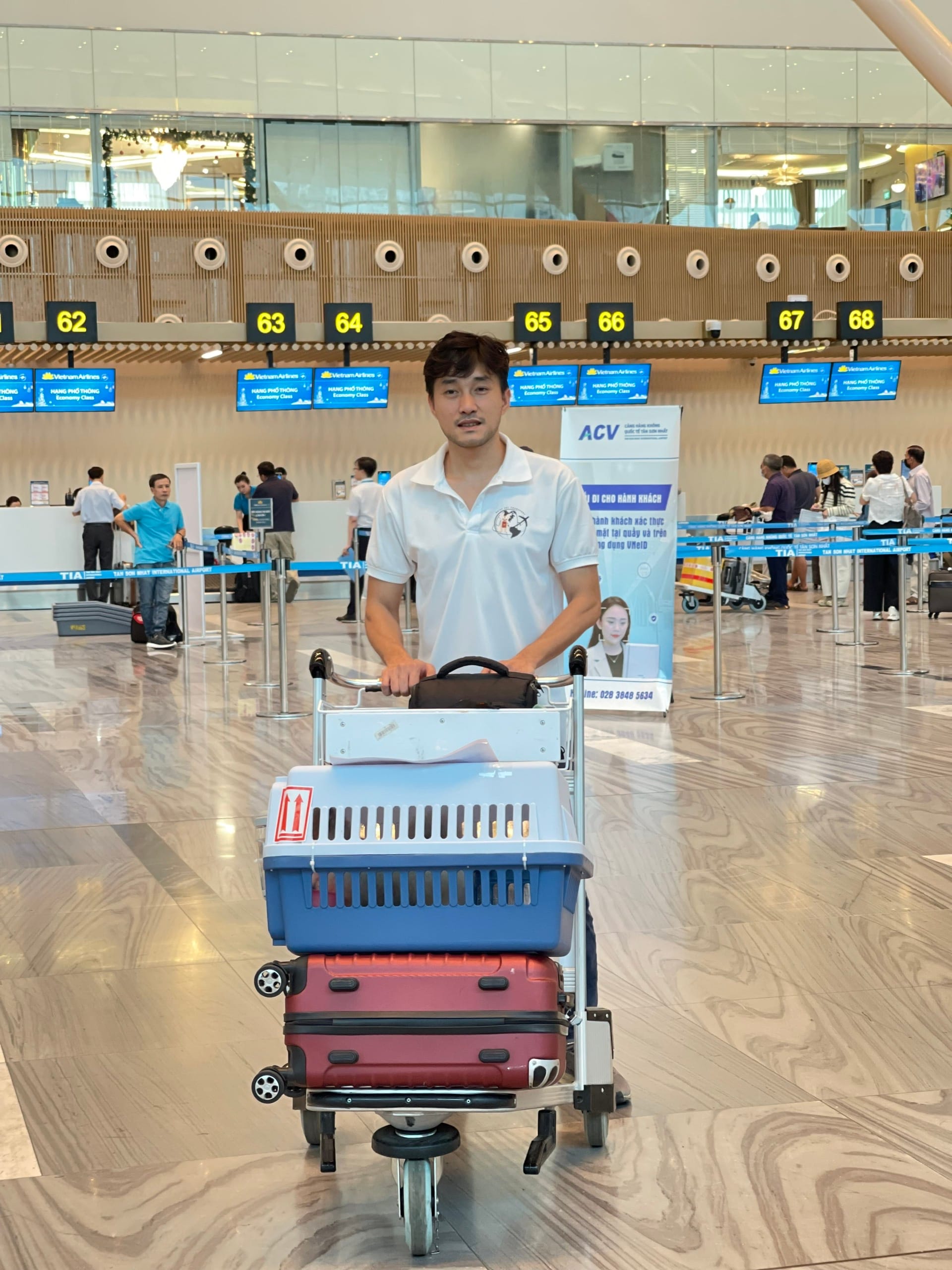
The officer scans the microchip and checks the papers. When everything matches, the station issues the import licence, Form R.7, and charges 500 baht per pet plus 10 baht per application. The owner then shows the pet and Form R.7 at the Customs “Goods to Declare” channel. The desk locations, cargo hours and duty are in our guide to arriving in Bangkok with a pet.
Form R.7 completes the import. The pet does not need a new licence while it stays in Thailand. Leaving Thailand later needs a separate export permit. The duty and the other arrival costs sit in our Thailand pet relocation cost breakdown.
Do you need an e-Movement account?
No. e-Movement is the DLD’s online system for moving animals. Its form list does include an import version of R1/1. Yet the DLD’s own e-Movement manuals, published on 1 October 2025, cover only domestic movements and trade licences.
The Suvarnabhumi station tells pet owners to email their documents. Thai embassies point to the same email route. The DLD records the import in e-Movement on its side.
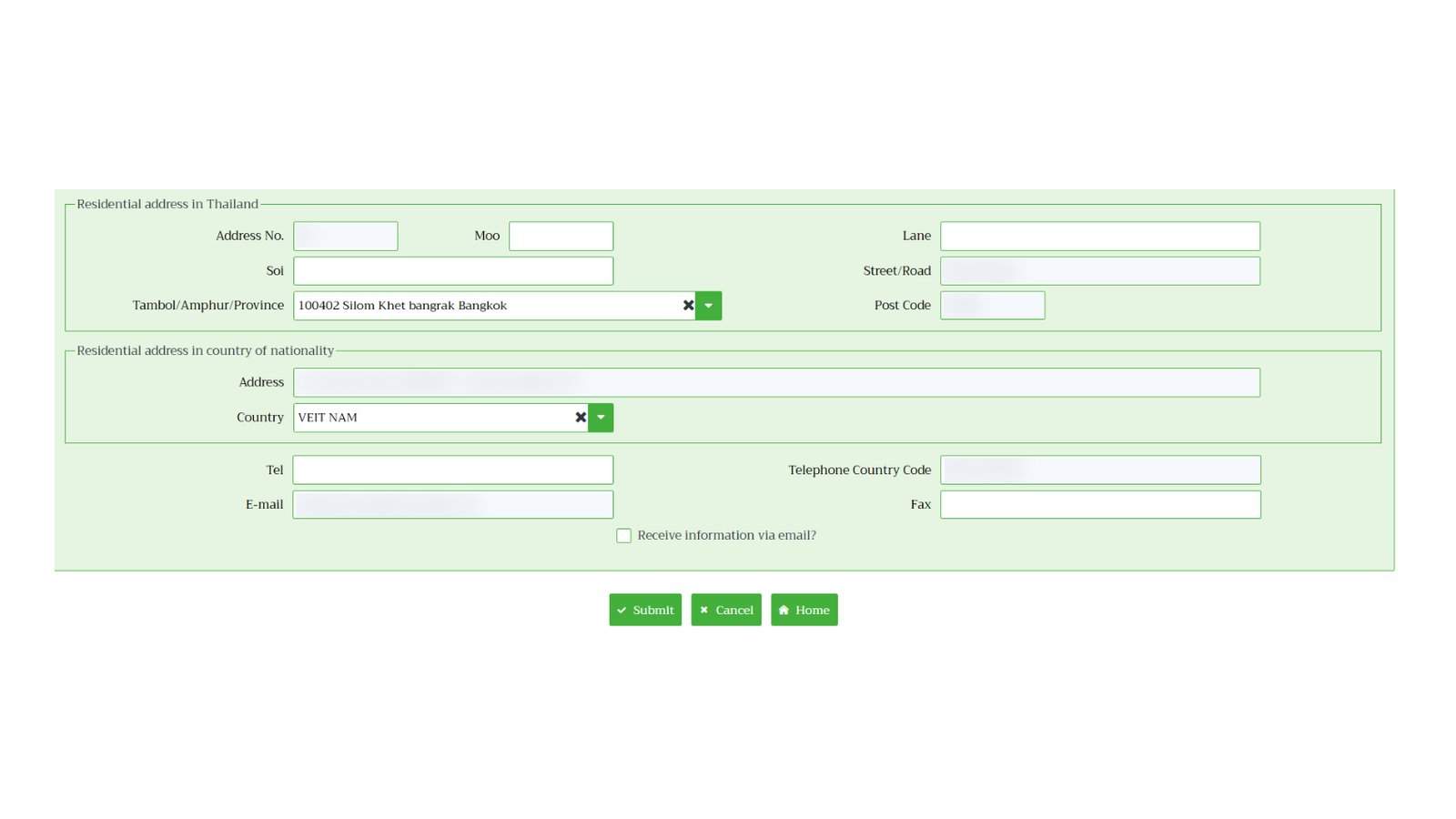
The sign-up form also requires a residential address in Thailand, chosen from a list of Thai sub-districts. A visitor without a Thai address cannot complete it.
On 7 August 2026, the DLD opened a public hearing on a draft notice to standardize its permit forms for electronic issue. It was not in force on 31 October 2026. Check the station’s page before you apply, in case the R1/1 form changes.
Thailand pet import permit FAQ
Can someone else apply for the permit for me?
Yes. A family member, an agent or a relocation company can file it with a power of attorney. The permit stays in the applicant’s name. This is how our Vietnam to Thailand pet relocation files it: the owner signs the power of attorney.
How long is the Thailand pet import permit valid?
The import permit, Form R.6, is valid for 60 days from the date of issue. A flight change within that period does not need a new permit.
Can I get the permit at the airport instead?
Only for a pet in the cabin or in checked baggage, and the quarantine vet decides. A cargo pet must have it in advance. Some airlines will not board a pet without the permit.
What if my pet lands at a different airport?
Each permit is issued by one station. Contact the station at the new airport, and expect it to ask for a new application.
Do I need one permit for several pets?
One R1/1 sheet holds 2 pets, and each pet needs its own PDF file. The station charges 500 baht per pet plus 10 baht per application on arrival. The DLD sets no limit on the number of pets per person, but airlines limit how many pets one passenger can check in.
Does my pet need a Thai permit to transit through Bangkok?
Yes. Thai law asks for a transit permit, even when the pet stays airside. Apply to the station at the arrival airport at least 7 working days ahead, with the import permit of the final country. The 250-baht fee is waived for a connection of 48 hours or less inside the airport. In June 2026, the DLD issued our client a transit notice before a dog connected in Bangkok to Abu Dhabi. It was valid for about two months.
Sources: Suvarnabhumi Animal Quarantine Station import instructions A (cargo), B (checked baggage) and C (on arrival), and the R1/1 form; DLD e-Movement manuals (1 October 2025); Royal Thai Embassy, Washington (updated 28 October 2026); DLD regulation on import procedures B.E. 2558 (2015); Thai Customs, Suvarnabhumi Airport Cargo Clearance Customs Office, via thailand.go.th.
Last updated 2 Nov 2026
Compiled by our specialists from the regulations in force on the date above, for reference only. Rules may change after this date. Please verify with the competent authorities or contact us for the most accurate information.
Official sources cited in this guide
- Suvarnabhumi Animal Quarantine Stationaqs-suvarn-dld.go.th
- DLD e-Movement manualsaqi-new.dld.go.th
- Royal Thai Embassy, Washingtonwashingtondc.thaiembassy.org
- thailand.go.th