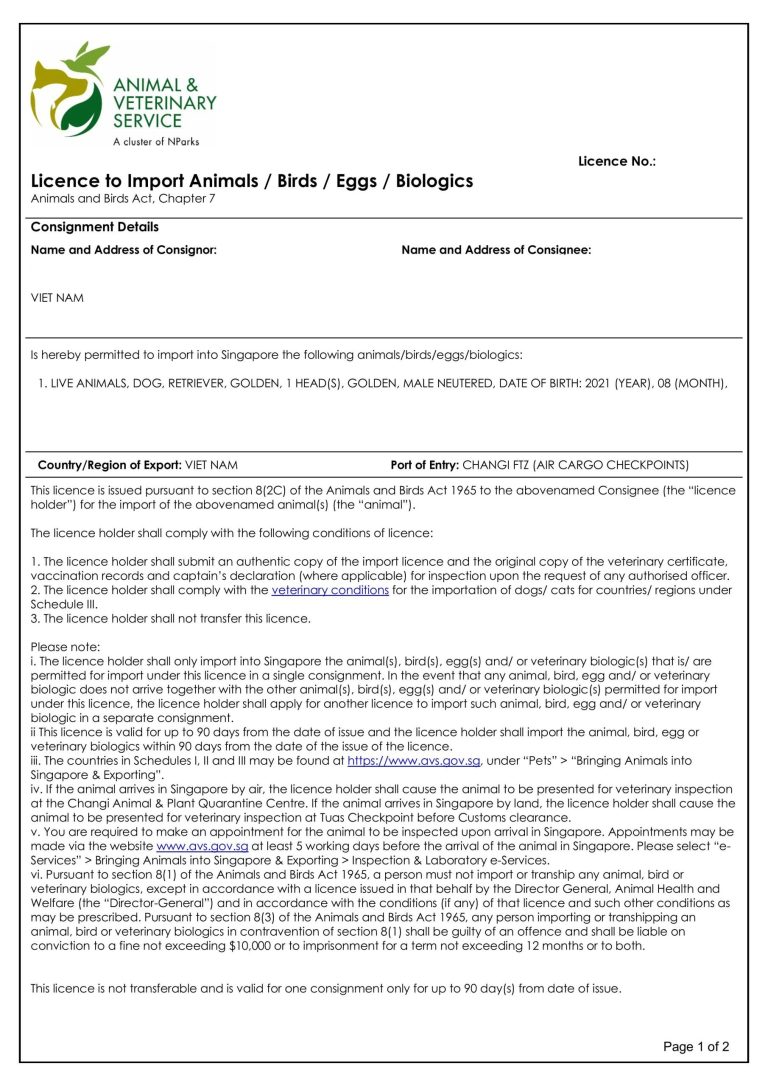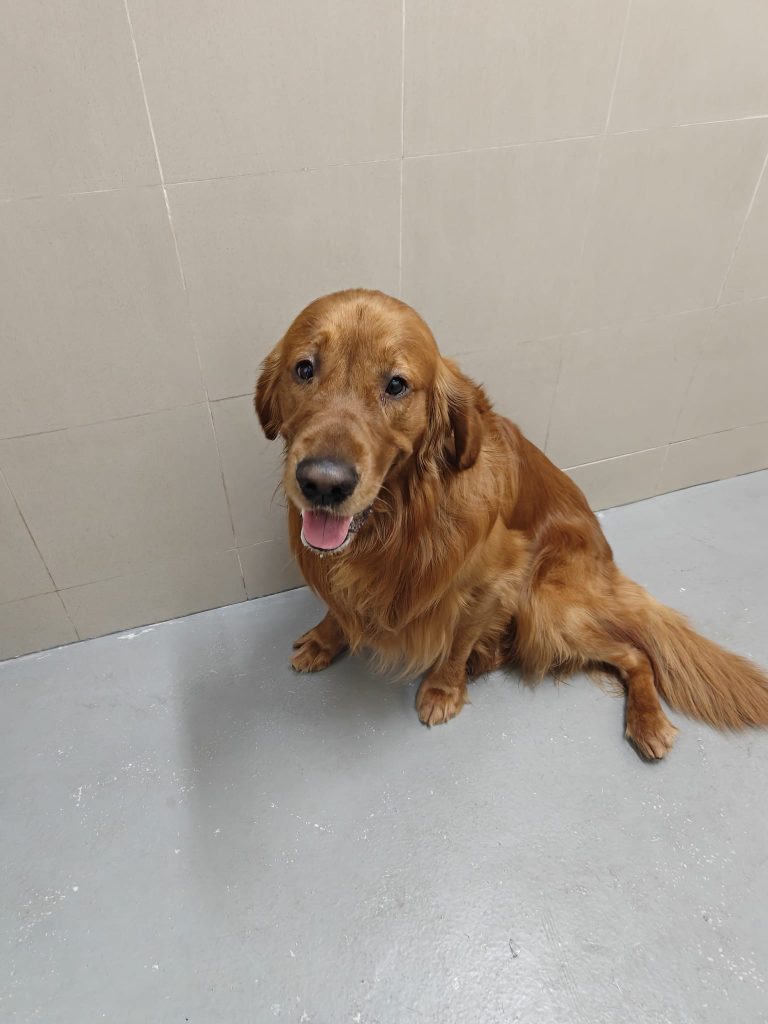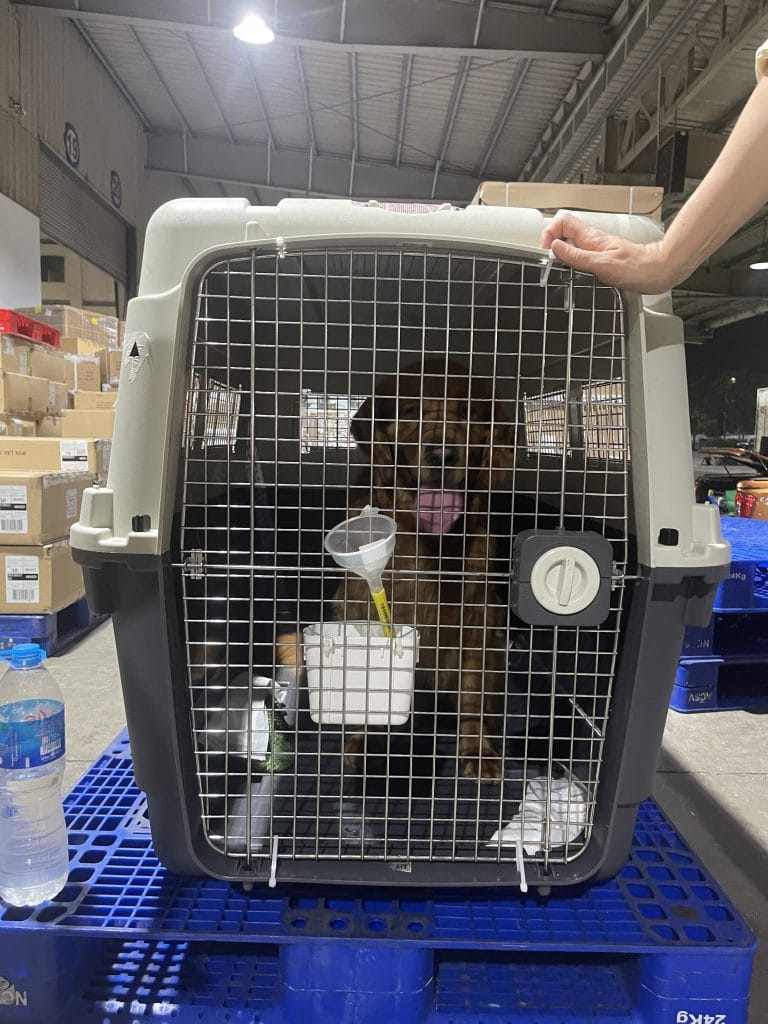
Vietnam is classified as a Schedule III country by AVS Singapore — the highest rabies-risk category. The process of importing a dog or cat from Vietnam to Singapore involves strict sequential steps, hard-coded deadlines, and Singapore-specific requirements that are not found in any other country’s import pathway. The 19 most frequently asked questions below cover everything from timeline and cost to AQC quarantine — giving you a complete picture before you begin.
This is your quick-reference document before scheduling a consultation. If your question is not covered here, see our Detailed Singapore Pet Import Laws guide or contact us directly.
Timeline & Process Questions
1. How long does it take to ship a pet from Vietnam to Singapore?
A minimum of 4–5 months from the start date to the day you collect your pet from AQC Singapore. Specifically: ~90–120 days of document preparation (due to the mandatory 90-day RNATT window) plus a mandatory 30-day quarantine at AQC. See the complete 8-Step Timeline Guide.
2. Why does the preparation take 90 days before the flight?
This is a hard constraint set by AVS Singapore for Schedule III countries like Vietnam: the RNATT blood sample must be drawn at least 90 days before the flight date. Combined with the 30-day wait after rabies vaccination before the blood draw, the minimum preparation window is approximately 120 days. There are no exceptions.
3. If my pet already has a microchip and valid vaccines, can I shorten the timeline?
If your pet already has an ISO microchip and a current rabies vaccination, you may skip Steps 1–2 and proceed directly to the RNATT blood test. However, the 90-day pre-export clock still runs from the blood draw date, not the vaccination date. Daisy Pet can assess your pet’s existing records to calculate exactly how much time you can save.
Cost Questions
4. What is the total cost to ship a pet from Vietnam to Singapore?
All-inclusive costs typically range from USD 3,000 – USD 8,000+ depending on the pet’s size, service level, and timing. Key cost components: documentation and RNATT testing, airfreight, AQC 30-day quarantine (~SGD 1,080–1,395), AVS-recognised agent fees, and Singapore’s 9% GST. See the full breakdown at Singapore Pet Relocation Costs.
5. What is the 9% GST and who pays it?
Singapore imposes a 9% Goods and Services Tax (GST) on the declared value of the imported pet — a requirement unique to Singapore that most other countries do not apply to personal pets. The owner must obtain a Customs In-Payment permit before the pet arrives at Changi. Daisy Pet manages this step within its full-service package.
Document Questions
6. What original documents must arrive at Changi with the pet?
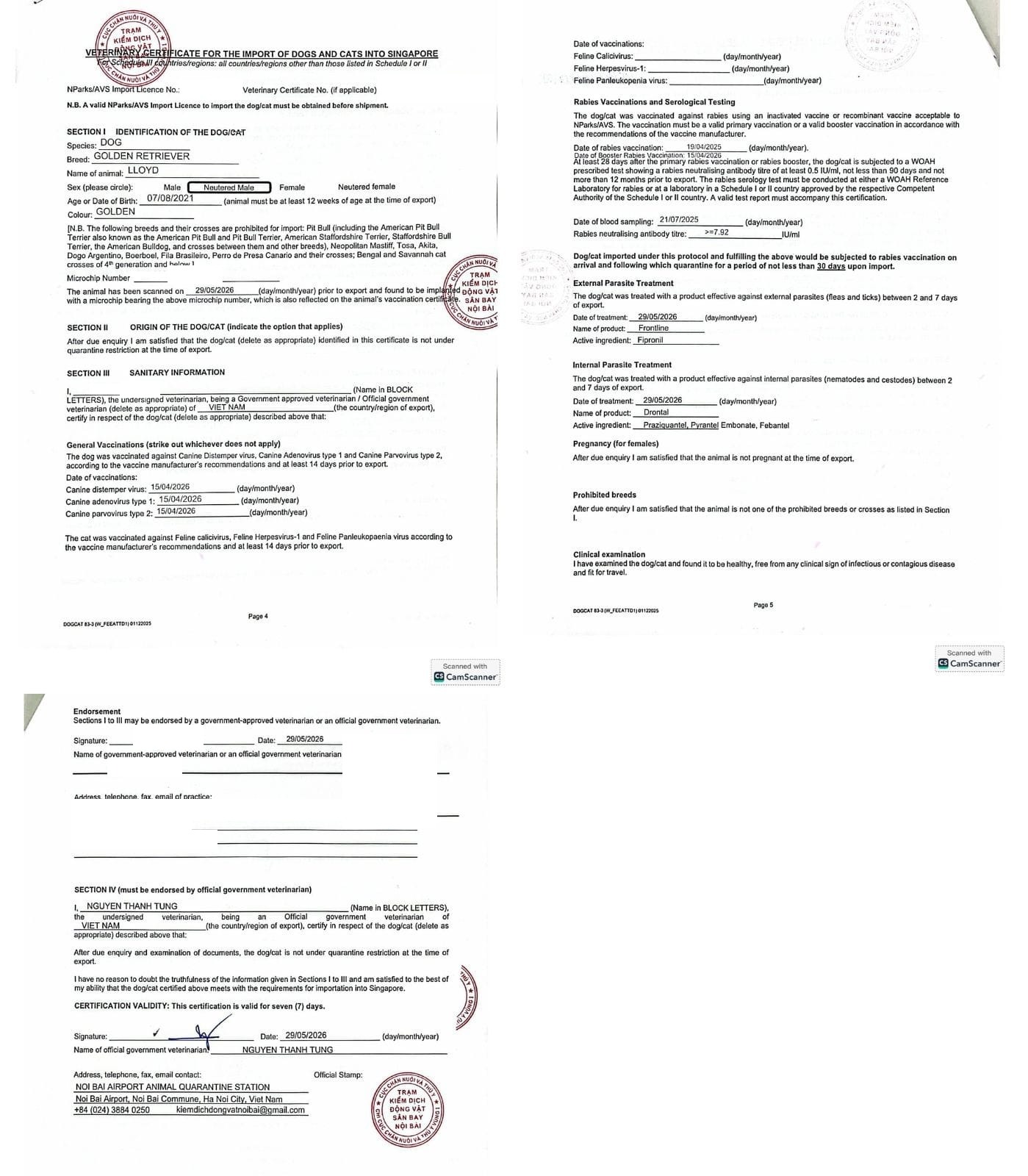
Originals required at CAPQ Changi: Import Permit (from GoBusiness), PALS Licence, Health Certificate (issued between 2 and 7 days before the flight — not earlier than 7 days, not later than 2 days before departure), original RNATT results, vaccination booklet with batch numbers, and the Customs In-Payment permit (GST). Any missing document may result in the pet being held at the airport.
7. What is the Import Permit and how do I apply?
The Import Permit is the official permission to bring your pet into Singapore, issued through the GoBusiness Licensing Portal. Prerequisites: an approved PALS Licence and a confirmed AQC booking. Submit at least 30 days before the arrival date. Normal processing: approximately 2 working days, fee S$50. Express processing (1 working day): S$100. You must also book the CAPQ inspection with an AVS officer at least 5 days (calendar days) before arrival. See the full guide on the Singapore Two-Step Licensing Process.
8. What is PALS and why is it required before the Import Permit?
Pet Animal Licensing System (PALS) is Singapore’s national pet ownership registration system. This is a Singapore-specific requirement — no other country requires you to register a “pet ownership licence” before applying for an import permit. Important: before applying for PALS for the first time, the owner must complete the free online Pet Ownership Course on the AVS website. Without this, your PALS application will be rejected. See our step-by-step PALS registration guide for the full application walkthrough.
9. How much is the Dog or Cat Licence fee under PALS in Singapore?
AVS Licence fees for sterilised dogs and cats: SGD 15 / 1 year, SGD 25 / 2 years, or SGD 35 one-time permanent (lifetime). For unsterilised dogs: SGD 90/year. Payment accepted via PayPal, MasterCard, VISA, GIRO (10% rebate), or AXS stations. Cash and cheque are not accepted.
10. Where do I obtain the Health Certificate in Vietnam?
A government-approved veterinarian in Vietnam issues the certificate, which must then be officially endorsed (stamped) by the Department of Animal Health (DAH). The certificate must be issued between 2 and 7 days before the export date — no earlier than 7 days before the flight, and no later than 2 days before departure. See our guide on the Singapore Health Certificate Requirements.
Quarantine Questions
11. Is there any way to avoid the 30-day quarantine?
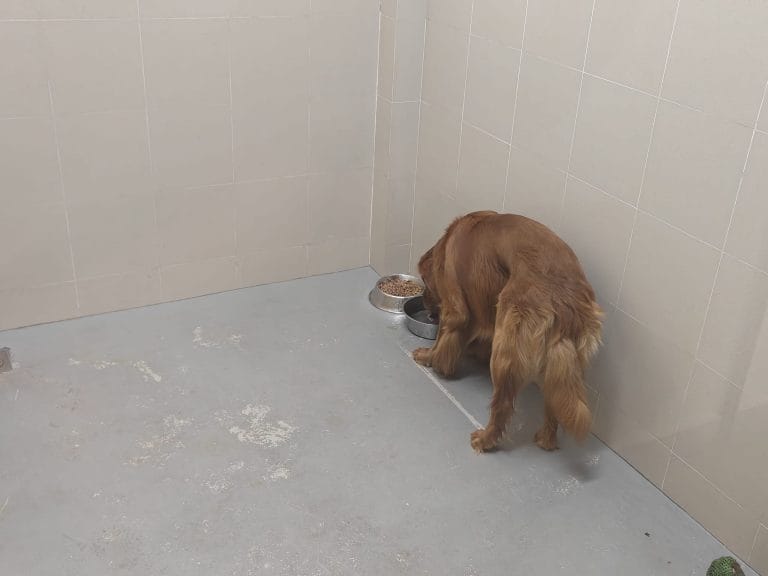
No. The 30-day quarantine at AQC is an absolute requirement for all pets from Vietnam (Schedule III). Singapore has no home quarantine programme for Schedule III animals — regardless of how complete the documentation is or whether the pet has previously quarantined in another country. For a detailed look at what the quarantine period involves day-to-day, see our guide to the 30-day AQC quarantine experience.
12. Can I visit my pet during the 30 days at AQC?
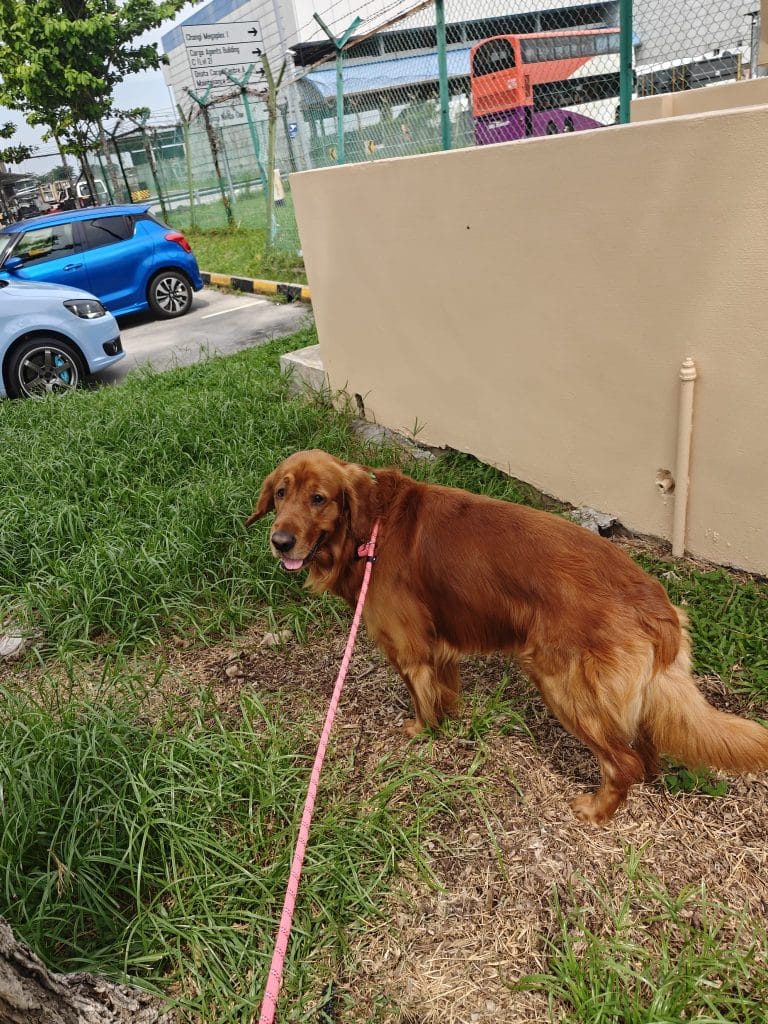
Yes. Visits are permitted on Tuesday & Thursday: 3:00 PM – 5:00 PM and Saturday: 2:00 PM – 5:00 PM. AQC also offers free exercise field sessions (15 min) and grooming sessions (30 min) — pre-booking with AQC required. Pets cannot leave the AQC premises under any circumstances during quarantine. See full details in our AQC Quarantine Guide.
13. Can I book the AQC quarantine slot directly, or does it have to go through an agent?
Yes, directly. The QMS portal (qms.avs.gov.sg) is open to pet owners — no agent needed for this step, though AVS-recognised agents are still required for the separate CAPQ clearance. See our AQC self-booking guide for the exact deposit amount, current slot availability, and processing time.
14. Can my pet fly to Singapore on a Saturday?
No. From 1 April 2026, the Changi Animal & Plant Quarantine (CAPQ) station no longer accepts applications for air arrivals on Saturdays. All pet flights must be scheduled Monday through Friday only. This directly affects your flight booking decisions — confirm your arrival day before purchasing tickets.
Breed & Special Conditions Questions
15. Which dog breeds are completely banned from Singapore?
Singapore enforces one of the strictest Breed-Specific Legislation (BSL) policies in Asia. Completely banned breeds: Pit Bull (all variants), Akita (both Japanese and American Akita), Neapolitan Mastiff (Mastino Napoletano), Tosa (Tosa Inu / Japanese Mastiff), Dogo Argentino, Fila Brasileiro, Boerboel, Perro de Presa Canario, and all crosses of the above. No exceptions, no special permits. See the full list at Banned And Restricted Dog Breeds In Singapore.
Note: Certain breeds are not banned but classified as “Specified Dogs” — including German Shepherd, Belgian Malinois, Rottweiler, Doberman, Bull Terrier, and Mastiff variants. These breeds CAN enter Singapore but require a Banker’s Guarantee (SGD 2,000–5,000), third-party liability insurance (min. SGD 100,000), and an Obedience Training Certificate. See the full Specified Dogs import requirements guide.
16. Do cats need to quarantine? Are there breed restrictions for cats?
Cats have one breed restriction in Singapore: Bengal and Savannah crosses of the first to fourth generation (F1–F4) are banned, so a Bengal or Savannah needs documentary proof that it is at least a fifth-generation (F5) cross. Other cat breeds are not restricted. However, cats from Vietnam still undergo the full process: microchip, core vaccines (FVR/FCV/FPV plus rabies), RNATT, PALS registration, Import Permit, and a mandatory 30-day quarantine at AQC. Since 2024, cats are officially permitted in HDB flats (maximum 2 per flat, sterilised and microchipped).
Airline & Logistics Questions
17. Which airlines can transport pets from Vietnam to Singapore?
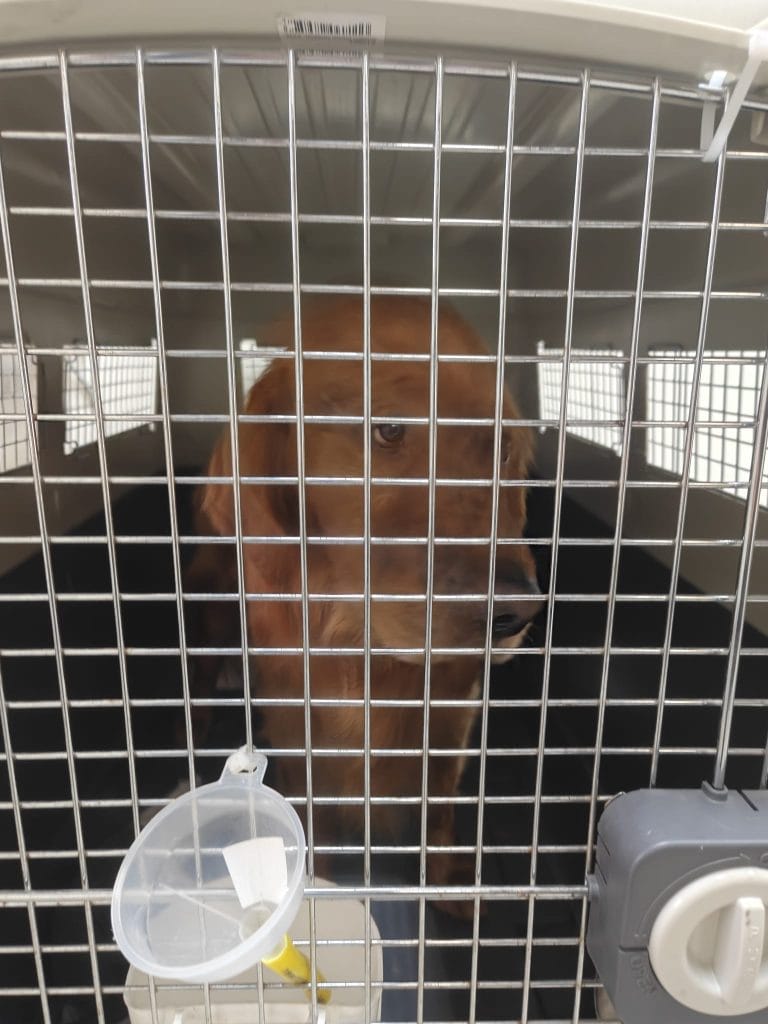
Primary options: Vietnam Airlines (accepts pets as checked baggage or cargo) and Singapore Airlines (cargo only — no in-cabin pets except service dogs). VietJet Air does not accept live animals in its cargo hold. See the full comparison at Airlines for Pet Transport Vietnam to Singapore.
18. I heard about a new “AVS agent” rule from April 2026 — what does this mean?
From April 2026, AVS Singapore requires that only officially AVS-recognised pet agents may conduct clearance procedures at CAPQ Changi on behalf of pet owners. This means that owners who attempt to self-manage cannot complete the border clearance at Singapore’s entry point without a recognised agent present. Note: this rule applies specifically to CAPQ clearance — booking your AQC quarantine slot via QMS (qms.avs.gov.sg) is a separate step that owners can do directly. Contact Daisy Pet Transport to ensure your pet’s journey is handled by a compliant, experienced team.
19. What happens to the pet between CAPQ inspection and the AQC?
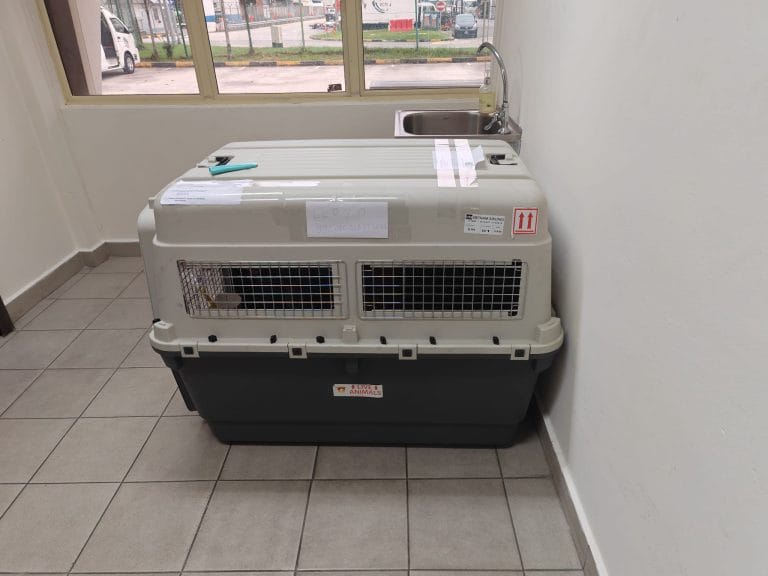
After clearing inspection at CAPQ Changi, your pet is transported to the AQC facility. This transfer only happens between 10:00 AM – 10:30 AM, Monday to Friday. If your flight arrives too late for the inspection to complete before 10:00 AM, the pet may need to stay overnight at CAPQ. Book early morning flights to avoid this. CAPQ is open Monday–Tuesday 9 AM–5 PM and Wednesday–Friday 9 AM–8 PM; closed Saturday, Sunday and public holidays.
Related: Pet Shipping from Vietnam to Singapore: 2026 Complete Guide — full overview covering AVS regulations, preparation timeline, quarantine requirements, and cost breakdown.
Last updated 20 Oct 2026
Compiled by our specialists from the regulations in force on the date above, for reference only. Rules may change after this date. Please verify with the competent authorities or contact us for the most accurate information.
Official sources cited in this guide
- GoBusiness Licensing Portallicence1.business.gov.sg