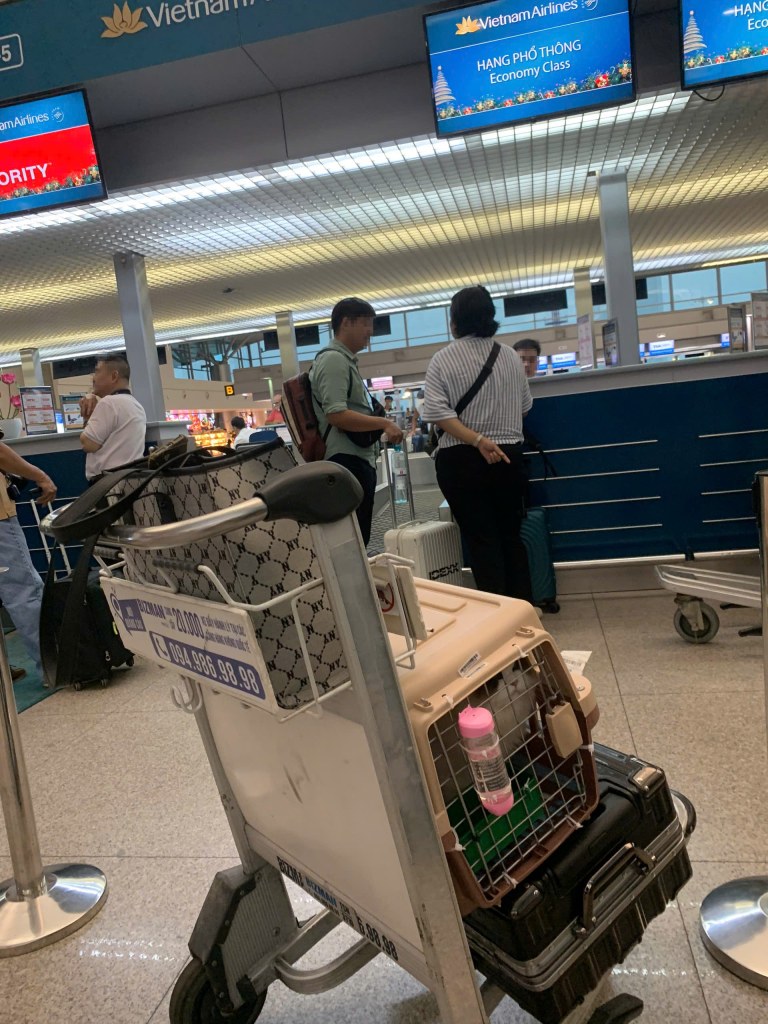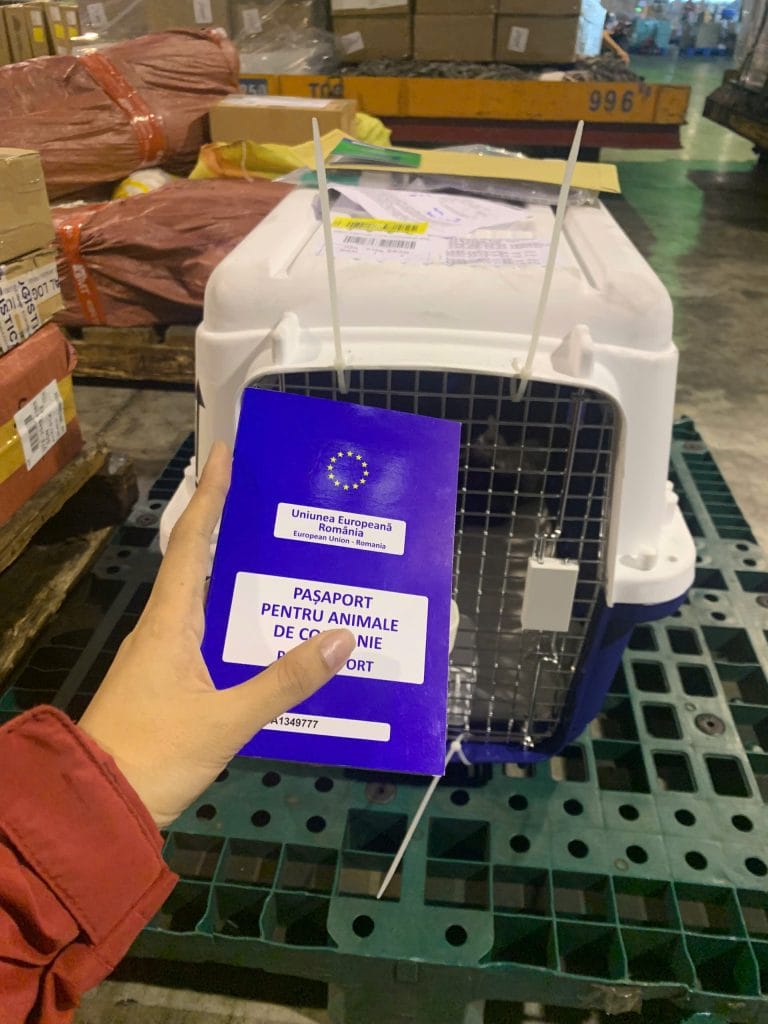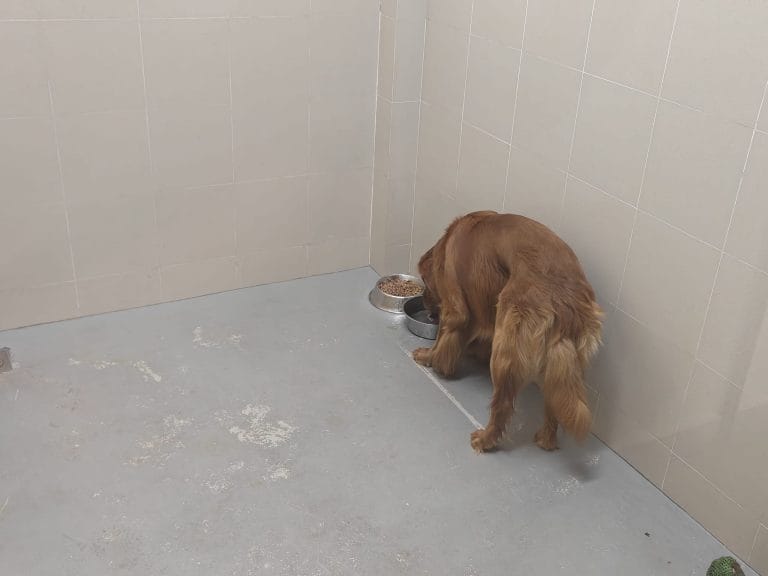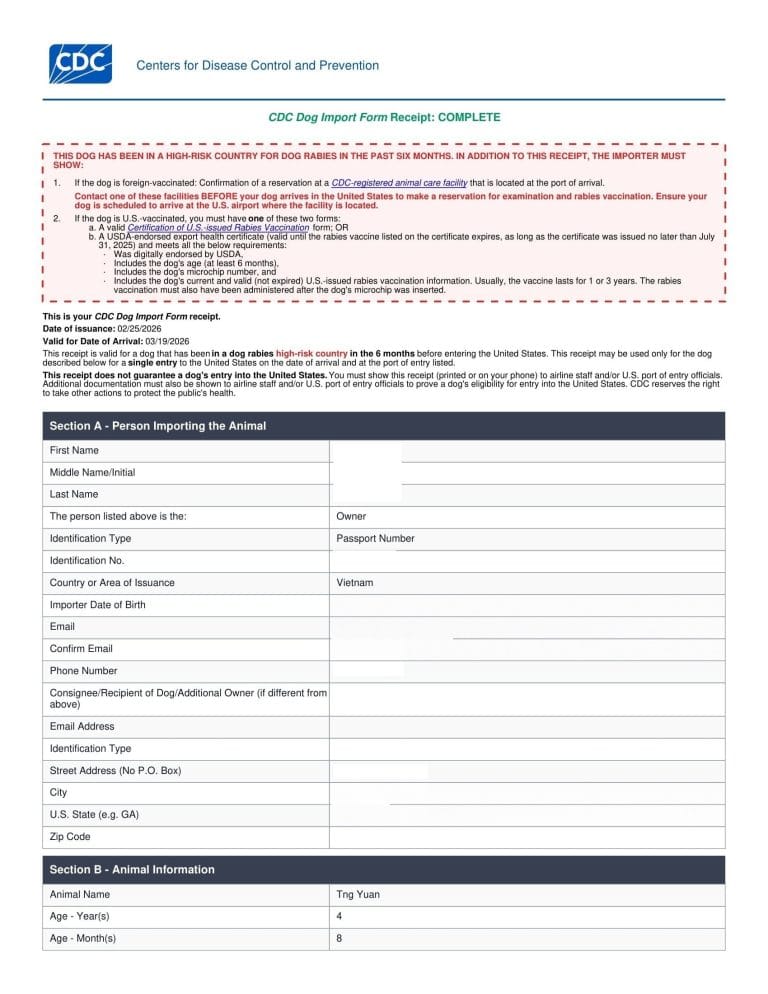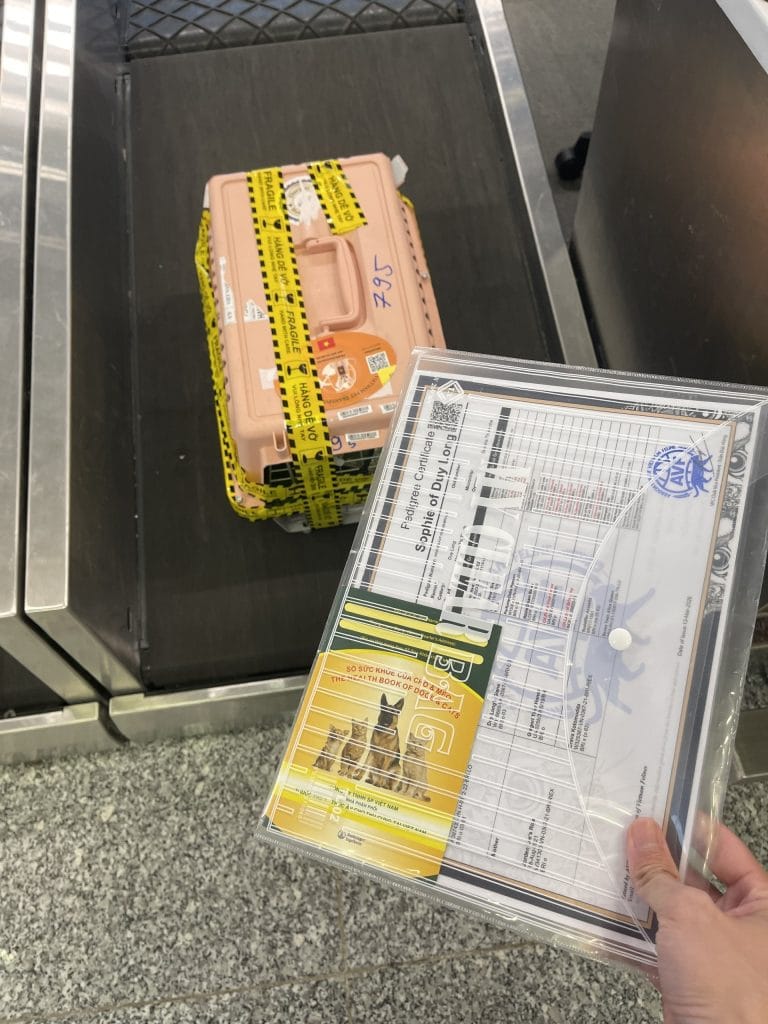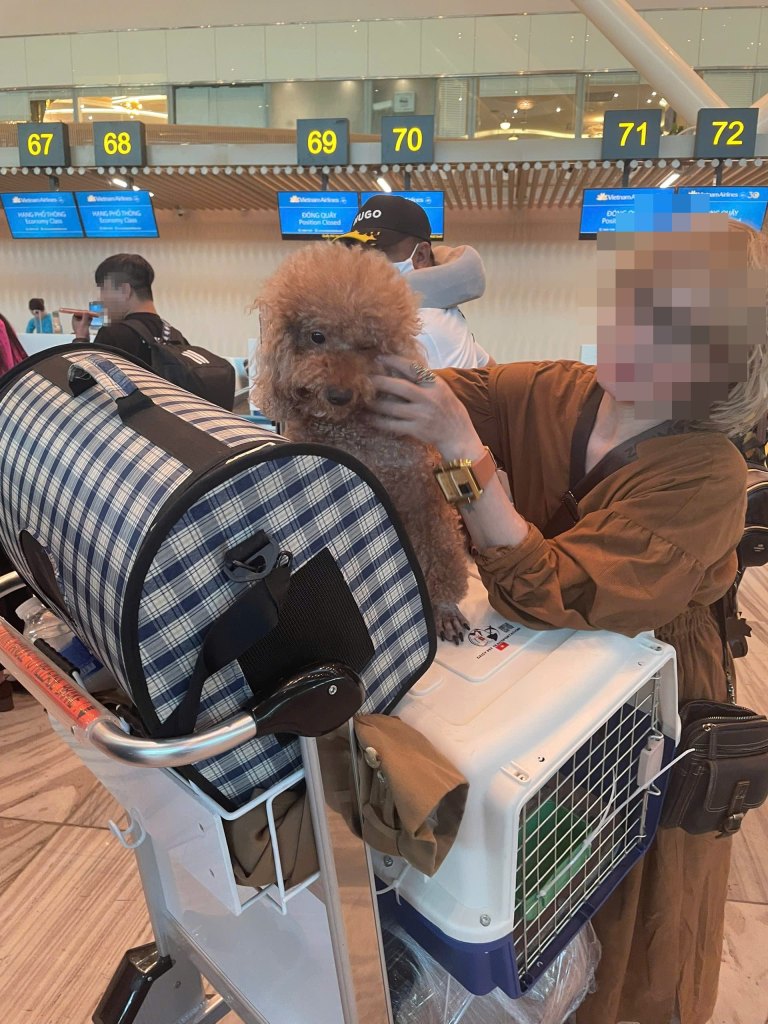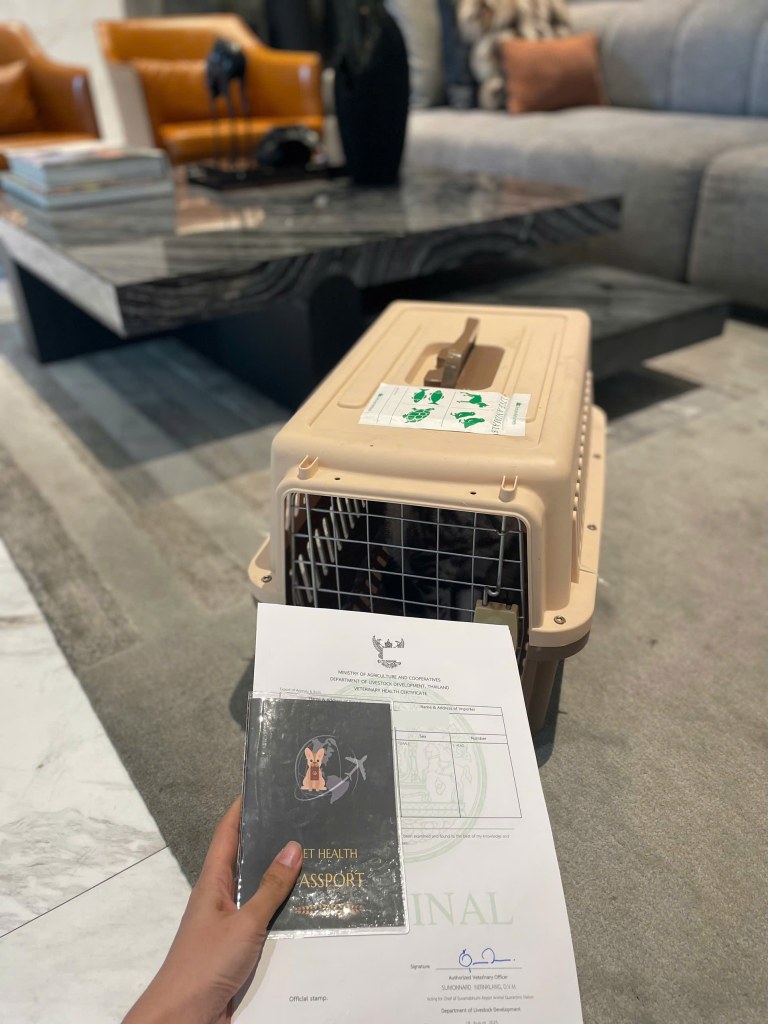
The cargo flight has landed. Months of documentation preparation, titer tests, ACF reservations, and CDC form submissions have led to this moment. But what actually happens between the plane touching down and the owner finally holding their dog in the USA? For dogs from Vietnam travelling as manifest cargo, the arrival process involves US Customs and Border Protection (CBP), the CDC-registered Animal Care Facility (ACF), a veterinary examination, and CDC review before any release can occur. This guide takes you through every step in the order it actually happens.
This guide assumes the dog is a foreign-vaccinated dog from Vietnam with a valid FAVN/RNATT titer result and a confirmed ACF reservation — the most common profile for Daisy Pet shipments, travelling as manifested cargo. If your dog is instead travelling In-Cabin or as Checked Baggage, an additional step now applies on arrival — see Part 6B below. For the full pre-departure preparation, see our USA pet import laws & CDC process guide. For ACF booking instructions, see our ACF reservation guide.
Part 1: Before the Plane Lands — What the Airline and Freight Forwarder Have Already Done
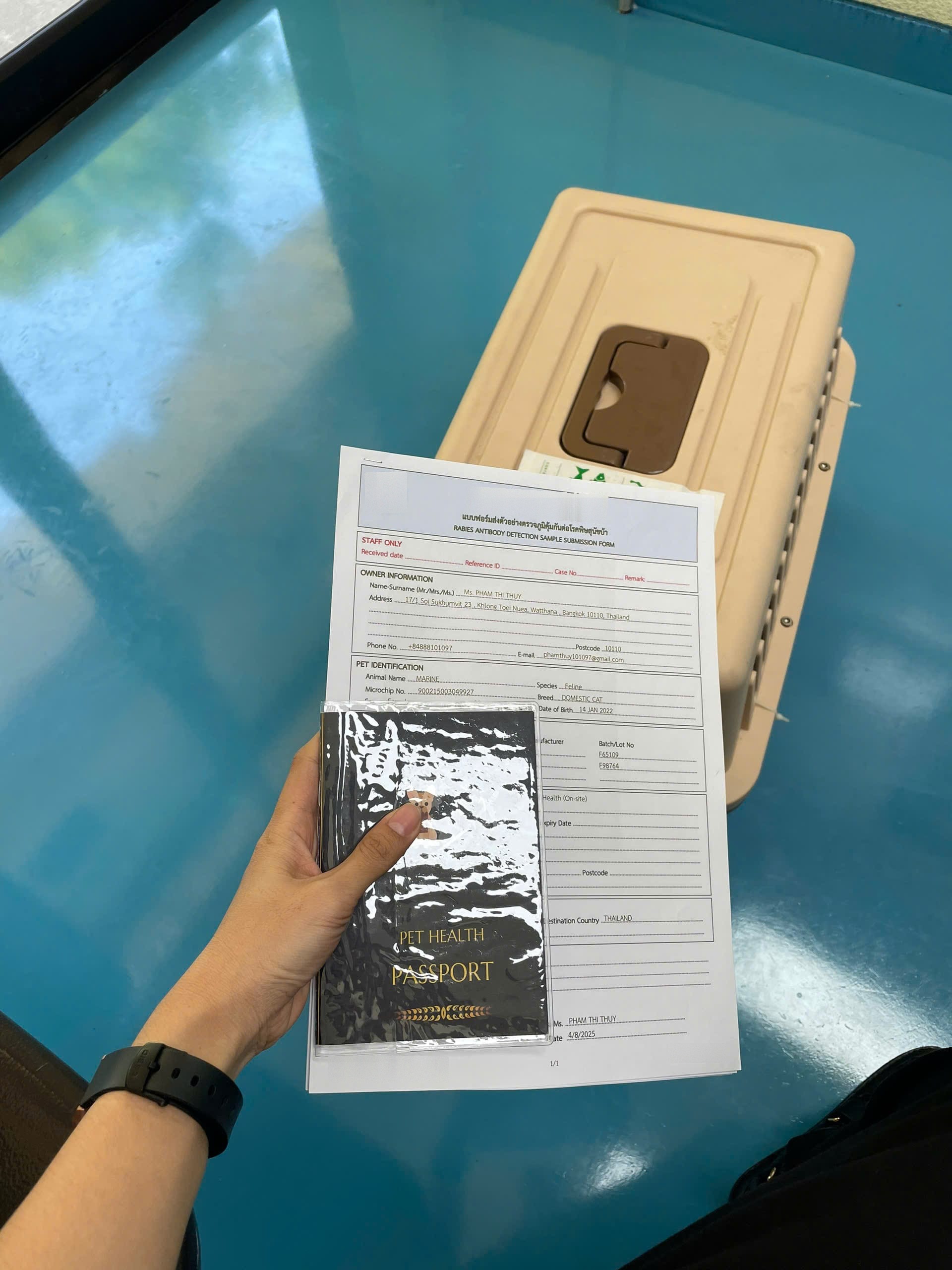
Well before the dog’s flight arrives in the USA, the airline or freight forwarder handling the cargo has been in contact with the ACF facility and, in some cases, with CBP’s National Targeting Center. The Air Waybill (AWB) containing the dog’s full documentation — including the CDC barcode receipt, Certification of Foreign Rabies Vaccination and Microchip form, FAVN/RNATT titer report, and DAH export health certificate — has been transmitted electronically to US authorities ahead of the flight’s arrival.
This advance notification allows CBP to pre-screen the documentation and flag any issues before the plane lands. In the best-case scenario, the documentation is reviewed and provisionally cleared while the flight is still in the air, which shortens the ground processing time significantly. Any discrepancy in the advance documentation — a mismatched microchip number, an ACF reservation not found in the system, a CDC form receipt that does not correspond to the arriving flight — will be flagged for resolution on arrival.
Part 2: Cargo Arrival and CBP Document Inspection
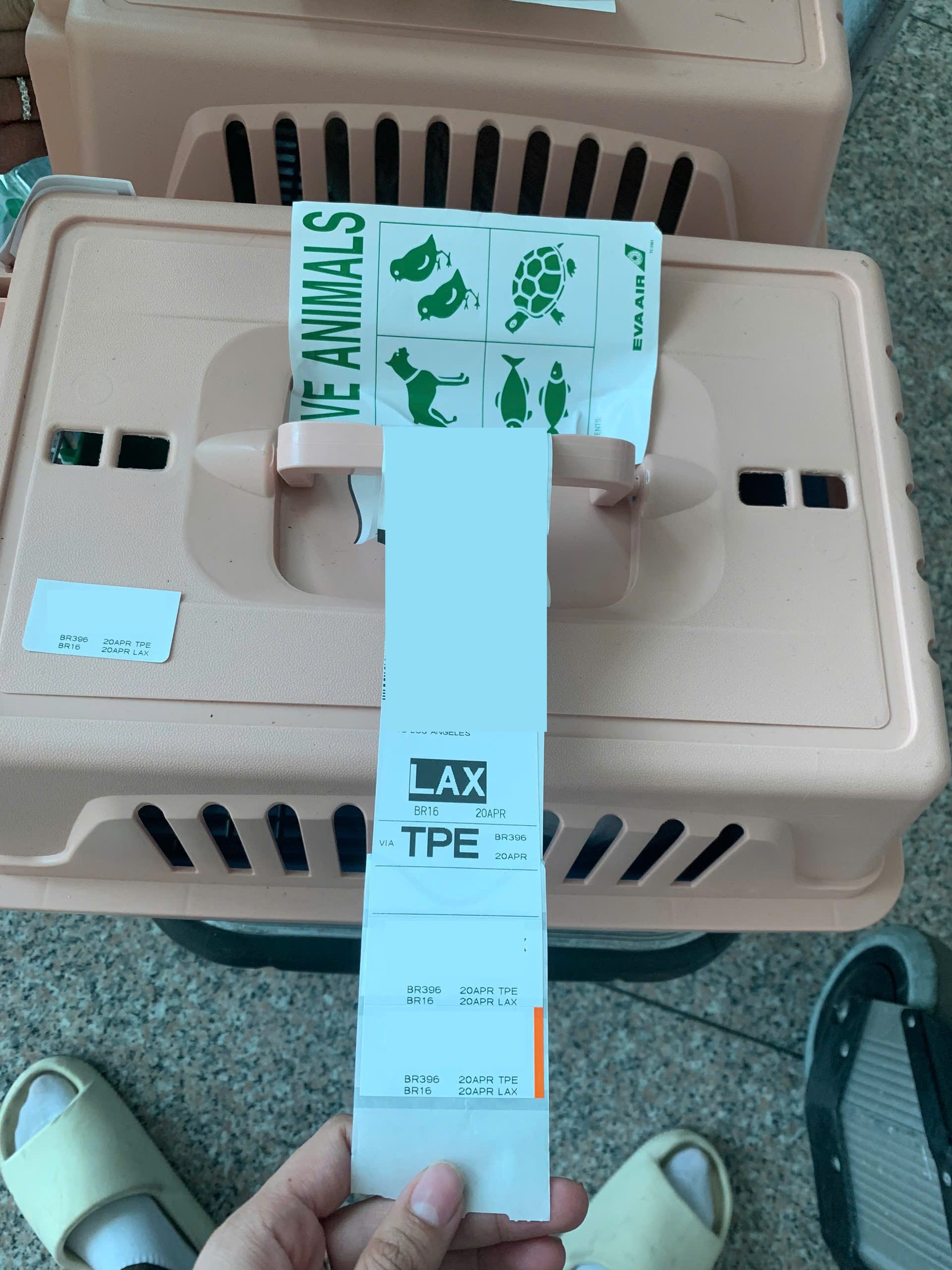
When the cargo flight lands, the dog’s crate is offloaded and moved to the cargo terminal. The dog does not go through the passenger terminal — it remains in the cargo system throughout. The CBP agriculture specialist or veterinary inspector assigned to live animal cargo reviews the physical documentation against the advance electronic records.
The CBP inspector scans the CDC barcode on the receipt and verifies:
- The dog’s microchip number matches the number on the CDC form, the Certification of Foreign Rabies Vaccination and Microchip form, and the physical chip (scanned directly from the dog).
- The CDC barcode receipt corresponds to this specific flight and arrival date.
- A valid ACF reservation is confirmed in the CDC system for this dog at this airport.
- The FAVN/RNATT titer report is valid (result ≥ 0.5 IU/mL, from a CDC-approved laboratory, titer drawn after the required waiting period post-vaccination).
- The DAH export health certificate is present and signed by an official government veterinarian.
If all documentation is in order, CBP authorises the transfer of the dog to the ACF. If there is a documentation issue, the dog is held in a temporary holding area in the cargo terminal while the issue is resolved — this can take hours and may involve contacting the originating country’s authorities or the CDC directly.
Part 3: Transfer to the ACF
Once CBP clears the documentation, the dog’s crate is transported from the cargo terminal to the ACF facility. At airports like JFK and LAX, this is a relatively short internal transfer within the airport complex. At some airports, the ACF is located a short distance from the main cargo terminal. The transfer is conducted by airport staff or freight handlers under CBP supervision — the owner cannot accompany the dog during this stage.
The dog arrives at the ACF in its original shipping crate. ACF staff receive the dog, verify the identification against the paperwork, and log the animal into their management system. The dog is assessed for any visible signs of stress, illness, or injury during crate transfer.
Part 4: The ACF Veterinary Examination
At the ACF, a USDA-accredited licensed veterinarian conducts a physical examination of the dog. The examination covers:
- General health assessment — body condition, responsiveness, signs of illness or distress.
- Microchip scan — verified against all documentation one more time.
- Wound inspection for signs of injury or infection on arrival.
- Rabies vaccination administration — a US-issued rabies vaccination is administered to the dog at the ACF, regardless of the dog’s prior vaccination history. This is a fixed requirement for all foreign-vaccinated dogs from high-risk countries. The vaccine administered at the ACF establishes a US-documented vaccination record, which is what counts in the US system going forward.
The veterinarian documents the examination findings and the vaccination administration. This record is uploaded to the CDC’s importation database.
Part 5: CDC Review and Clearance
Once the ACF veterinarian submits the examination and vaccination record to CDC, the CDC reviews the complete documentation package: the original pre-arrival records, the ACF examination findings, the titer status, and the new US-issued vaccination record. For dogs with a valid FAVN/RNATT titer (≥ 0.5 IU/mL), CDC reviews and grants clearance — typically within a few hours of the examination being completed.
For dogs without a valid titer, CDC does not grant immediate clearance. The dog begins a 28-day quarantine period at the ACF. During this period, the dog is housed, fed, and monitored by ACF staff. The 28-day clock runs from the date of the US-issued rabies vaccination administered at the ACF. At the end of the 28-day period, if the dog remains healthy, CDC grants clearance and the dog is released.
Part 6: Release to the Owner
When CDC clearance is granted, the ACF notifies the owner or freight forwarder. For same-day release cases (dogs with valid titer), this notification typically arrives within 2–8 hours of the dog’s arrival at the airport, depending on the time of day the flight landed and the ACF’s current workload.
The owner or authorised representative collects the dog directly from the ACF facility. They must present valid identification and, typically, proof of being the owner (name matching the CDC form). The dog is released in its shipping crate, which the owner can open once outside the facility. It’s the same underlying question owners ask about every country: whether pets can be released straight to the owner at the airport itself — in the US case, yes, but only at the ACF, not the cargo terminal.
At this point, the dog is legally in the United States and the CDC importation process is complete. The dog may then travel by any means — including domestic air — to its final US destination. No further CDC or USDA inspections are required for domestic travel within the USA.
Part 6B: What Changes If Your Dog Travels In-Cabin or as Checked Baggage
Everything above (Parts 2–6) describes the process for a dog travelling as manifested cargo — Daisy Pet’s standard method, where the dog never enters the passenger terminal and goes straight from the cargo system to the ACF. As of September 2026, dogs travelling In-Cabin or as Checked Baggage from a high-risk rabies country now follow a different, longer path, confirmed by a CBP policy change first reported by Rue’s Kennels, the ACF at LAX.
The owner clears passenger immigration and collects checked baggage as normal. Previously, the ACF would then take custody of the dog directly at the terminal. Now, the owner is instead directed to a second customs checkpoint, where a CBP officer issues a form called “Post Entry,” which the owner must sign. The owner photographs the signed form and sends it immediately to the ACF’s arrival team — commonly through a WhatsApp group set up with the ACF in advance. The ACF forwards the form to its customs broker, who contacts the airline’s cargo warehouse to begin releasing the dog. This step did not exist before the policy change; it can add several hours to the reunion, and the airline’s cargo warehouse charges its own handling fee — roughly $300–500, depending on the airline — that must be paid before release. This fee is separate from, and in addition to, the CDC/ACF fee described in our ACF reservation guide.
Once the warehouse releases the dog, the process re-joins the cargo pathway described above: ACF veterinary exam, US rabies booster, CDC review, and release (or 28-day quarantine if the titer is not valid). This change is confirmed at LAX only — it has not yet been independently verified at the other seven CDC-registered ACF airports (JFK, MIA, ATL, PHL, IAD, DFW, SEA). Since CBP is a federal agency, travellers on this pathway at any airport should budget extra time and the additional warehouse fee as a precaution.
Part 7: Practical Tips for the Arrival Day
Track the cargo flight. Use the airline’s cargo tracking system to monitor the flight status in real time. Delays, diversions, or technical stops affect the ACF transfer timeline and should be communicated to the ACF in advance.
Confirm the ACF contact number before departure. Have the direct phone number for the ACF facility saved before the dog departs Vietnam. On arrival day, the ACF staff are your primary point of contact — not the airline, not CBP.
Do not go to the cargo terminal to collect the dog. Owners who go to the cargo terminal expecting to collect their dog will be redirected to the ACF. The cargo terminal does not release live animals. Go directly to the ACF facility address.
Travelling In-Cabin or as Checked Baggage? After collecting your own luggage, expect a second customs checkpoint and a “Post Entry” form to sign — see Part 6B above. Photograph the signed form and send it to the ACF immediately; this is what starts the airline warehouse release. Bring cash or a card for the airline’s warehouse handling fee, which is separate from the ACF fee.
Bring food and water for after release. The dog may have been in transit for 20–30 hours. Bring appropriate food, a water bowl, and a collar and leash to the ACF facility for the moment of release.
Allow flexibility in your own schedule. Even with a valid titer, the exact release time depends on the ACF’s processing queue. Plan to be available for several hours around the flight’s estimated arrival time rather than expecting an exact release moment.
Questions About Your Dog’s Arrival?
At Daisy Pet, we monitor the cargo flight and maintain contact with the ACF on arrival day. Owners receive updates as the process progresses — from cargo offload confirmation through to CDC clearance notification, as part of our end-to-end pet shipping from Vietnam to the USA service. For a complete overview of the Vietnam–USA route from start to finish, see our complete guide to pet shipping Vietnam to USA.
Last updated 17 Oct 2026
Compiled by our specialists from the regulations in force on the date above, for reference only. Rules may change after this date. Please verify with the competent authorities or contact us for the most accurate information.